The urban landscape stands at a critical point where it will fundamentally shift. Modern cities evolve into complex ecosystems by developing intelligent sustainable seamless movement systems that extend beyond their bare road and transit line infrastructure. Electric vehicles make a soft whir instead of combustion engine roars while autonomous systems can potentially remove traffic congestion from future roads. The current urban transformation goes beyond technical progress because it transforms our relationships with urban environments. The transformation of urban transportation infrastructure occurs because of technological progress environmental requirements and the need for efficient and equitable mobility solutions. The article investigates the leading trends of this revolution while describing how innovations will transform both daily travel patterns and urban infrastructure.

The Electric Shift: Powering the Future
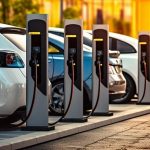
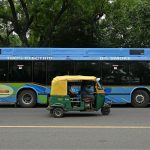
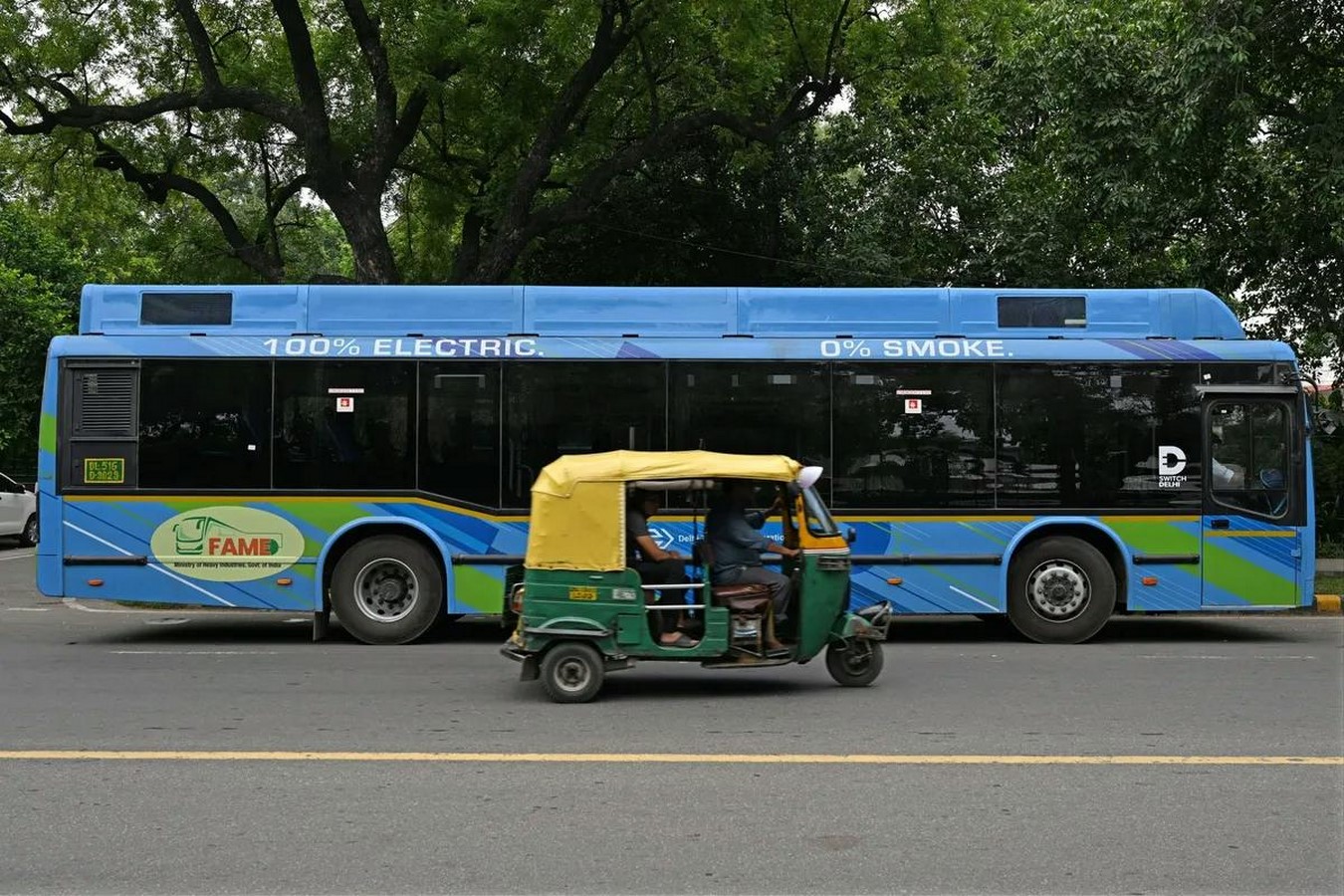
The electric vehicle revolution stands as the primary force behind this transformation. The move from fossil fuels to electric power represents more than a fad because it constitutes an essential transformation. Urban areas that face air pollution problems have adopted electric vehicles as their main answer to environmental challenges. Combining government incentives with better battery technology drives this shift toward a future where urban areas will feature predominantly silent and clean vehicles.

Autonomous Horizons: The Dawn of Self-Driving Cities
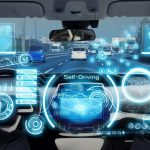
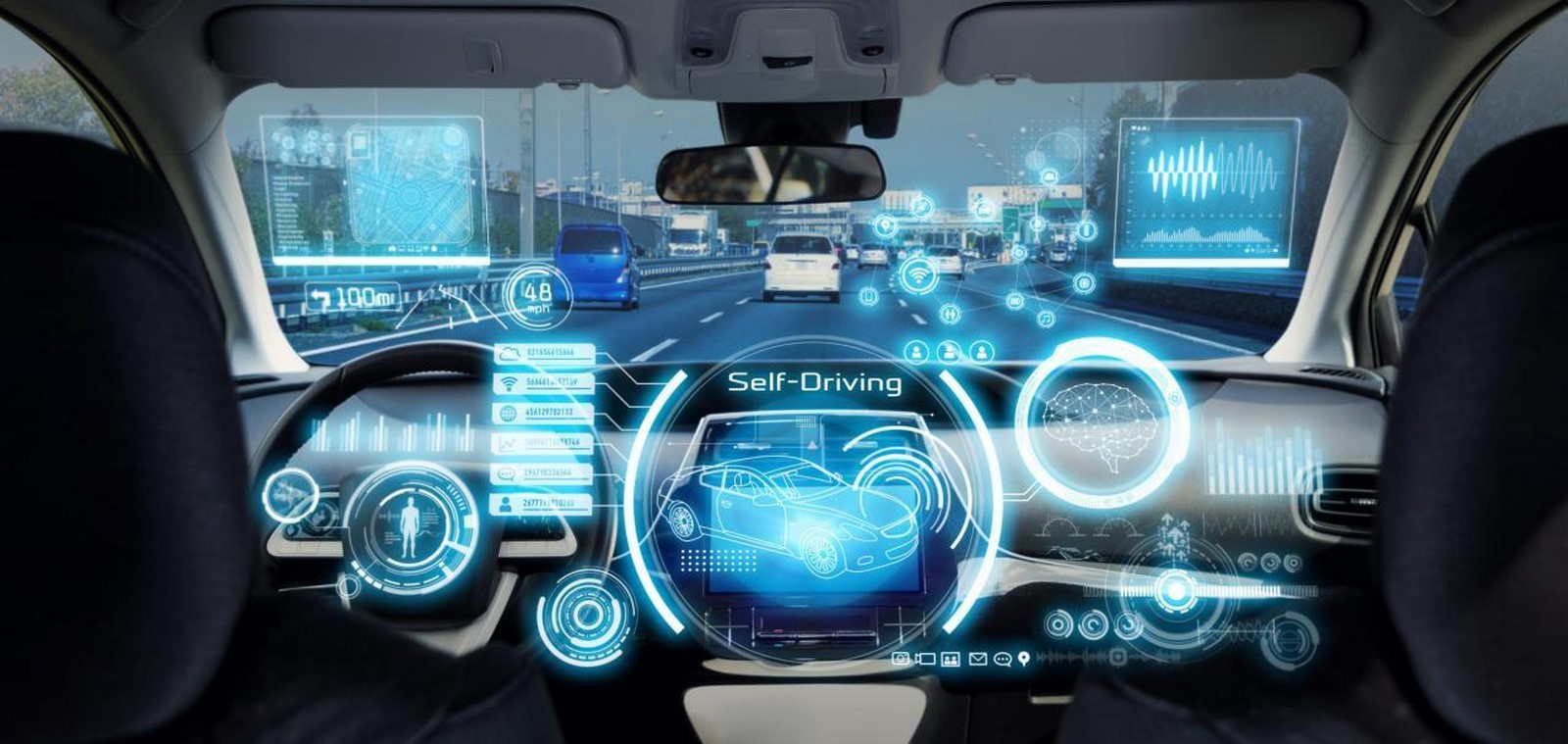
The transition to autonomous vehicles (AVs) accompanies this change. The concept of fully self-driving cars remains in development but the technology advances quickly. Autonomous vehicles will transform road safety while optimizing traffic flow and providing better accessibility for people with mobility limitations. The future will bring an end to traffic jams because AI-driven vehicles will operate with precision to create safer roads.
MaaS: Integrating Mobility for Seamless Journeys
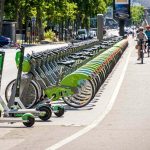
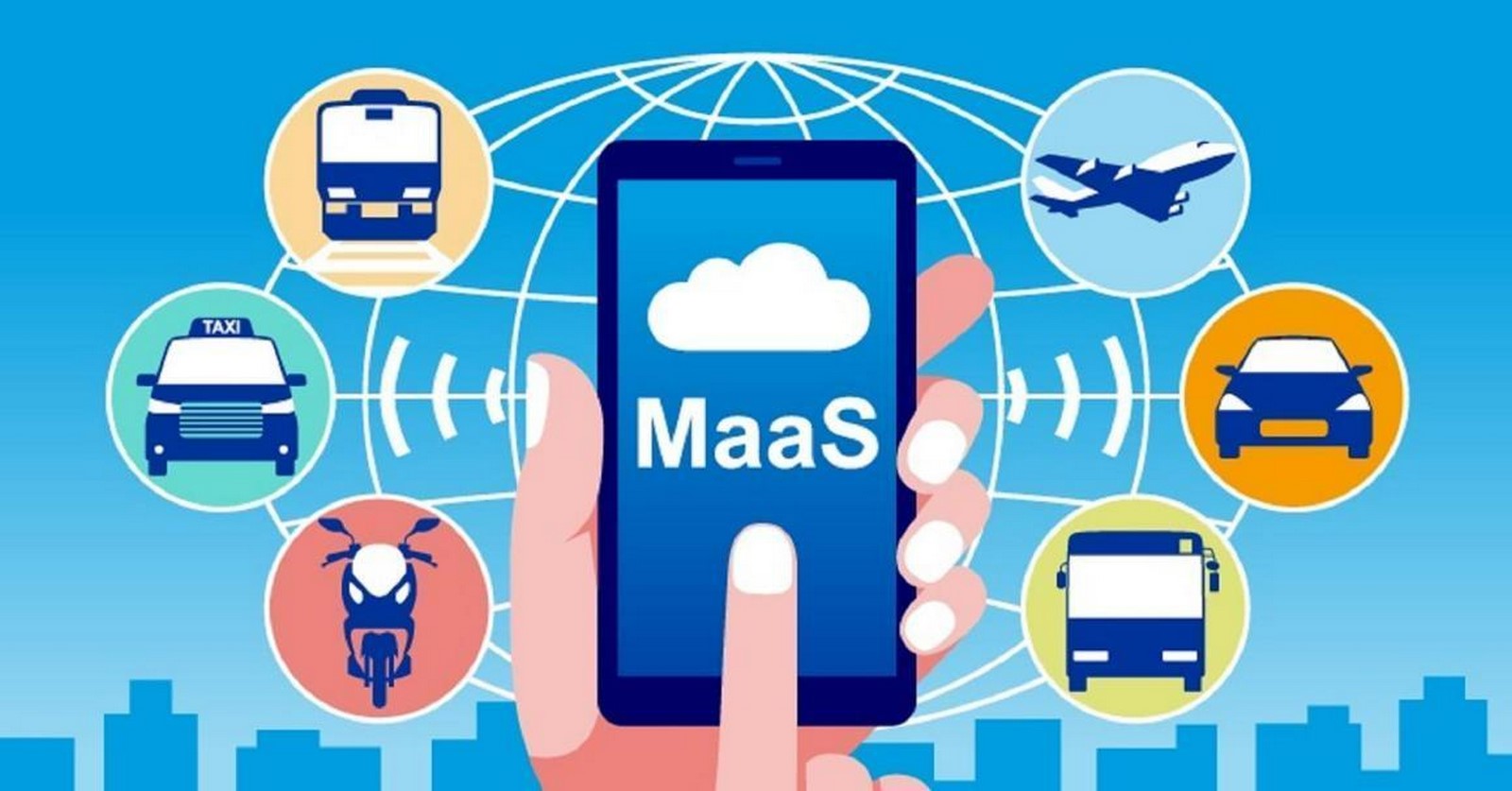
The future of urban mobility will not depend on individual vehicles alone. Mobility as a Service (MaaS) emerges as a popular concept because it unifies various transportation modes into one integrated platform. The approach works to move people away from personal vehicle ownership toward public transit and shared transportation services including ride-sharing and bike-sharing. Through MaaS users gain the ability to select the most efficient and sustainable transportation mode for their trips which maximizes existing resource utilization.
Micro-mobility: Navigating the Last Mile
Short-distance travel has found its game-changing solution in micro-mobility solutions. E-scooters and e-bikes have gained popularity because they are both environmentally friendly and agile when moving through crowded urban areas. The solutions provide people with an economical and accessible transportation option which helps decrease traffic congestion and supports active living.

Intelligent Flow: Data-Driven Traffic Management
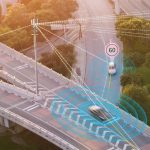
The background operation of intelligent traffic management systems functions to optimize traffic flow by their constant work. The combination of AI and ML with IoT technology enables these systems to analyze real-time traffic data for automatic signal control and route optimization. The data-based approach demonstrates strong potential to reduce traffic congestion and enhance operational performance. The Internet of Things (IoT) serves as the basic infrastructure that enables ongoing data exchange between connected vehicles and smart infrastructure. The Car-to-X (C2X) communication system enables real-time safety updates through its vehicle-to-vehicle and vehicle-to-infrastructure communication capabilities.

Public Transport and Shared Mobility: Building Sustainable Networks
A renewed focus on public transportation is also vital. Cities are investing in efficient, accessible, and low-carbon public transport systems, recognizing their crucial role in sustainable urban mobility. Shared electric mobility is also on the rise, providing flexible and affordable options for those who want to reduce their environmental footprint.
Partnerships for Progress: Collaboration in Mobility Innovation
The successful implementation of these trends depends on public-private partnerships. The development and deployment of innovative mobility solutions require government agencies to work with private sector companies. The public and private sectors unite their expertise and resources to create better and more sustainable transportation systems for cities.
Emerging Frontiers: The Future of Urban Transit
The future of urban transportation could be transformed through emerging technologies which include maglev trains, flying taxis, delivery drones, underground roads, and the hyperloop. These technologies are currently in development and they indicate a future that will deliver transportation systems that are both fast and sustainable.

Shaping the Cities of Tomorrow – A Collaborative Vision
The urban transportation landscape of tomorrow will take its final form through the collective decisions we make and the technological breakthroughs we achieve. The urban fabric combines technological progress with environmental awareness and a profound knowledge of city inhabitants’ requirements. The trends we’ve explored – from the electrification of vehicles and the rise of autonomous systems to the integration of MaaS and the deployment of intelligent traffic management – represent not just isolated advancements, but interconnected pieces of a larger puzzle. Cities need to develop collaborative environments that unite policymakers with technologists and urban planners and their served communities to achieve maximum innovation potential. The creation of mobility ecosystems requires public-private partnerships open data sharing and equitable access commitment to produce efficient sustainable systems that improve the quality of life for all residents.
The real purpose of this transformational time requires us to focus on building cities that use transportation to connect people while building sustainable communities. The cities of tomorrow will be defined by their ability to anticipate and adapt to the evolving needs of their populations, embracing innovation to create urban environments that are both intelligent and humane.
The real purpose of this transformational time requires us to focus on building cities that use transportation to connect people while building sustainable communities. The cities of tomorrow will be defined by their ability to anticipate and adapt to the evolving needs of their populations, embracing innovation to create urban environments that are both intelligent and humane.
References:
BMW. “Urban Mobility: The 5 Trends of the Future | BMW.com.” Bmw.com, BMW, 2021, www.bmw.com/en/innovation/5-trends-of-urban-mobility.amp.html. Accessed 7 Apr. 2025.
Exro. “Barriers to Electric Vehicle Adoption.” Www.exro.com, 2023, www.exro.com/industry-insights/barriers-to-battery-electric-vehicle-adoption.
Fleet, MICHELIN Connected. “11 Trends in Urban Mobility and How to Make the Most of It | MCF Blog.” Michelin.com, MICHELIN Connected Fleet, 11 Jan. 2023, connectedfleet.michelin.com/blog/trends-in-urban-mobility/. Accessed 8 Apr. 2025.
Meyer, Susan. “Future Transportation: These Emerging Technology Trends Will Transform Our Roads and Skies | the Zebra.” Www.thezebra.com, 1 Sept. 2023, www.thezebra.com/resources/driving/future-transportation/.
Railway-News. “Future Gazing: How Urban Mobility Will Evolve in the next Decade.” Future Transport-News, 22 Jan. 2024, futuretransport-news.com/future-gazing-how-urban-mobility-will-evolve-in-the-next-decade/.