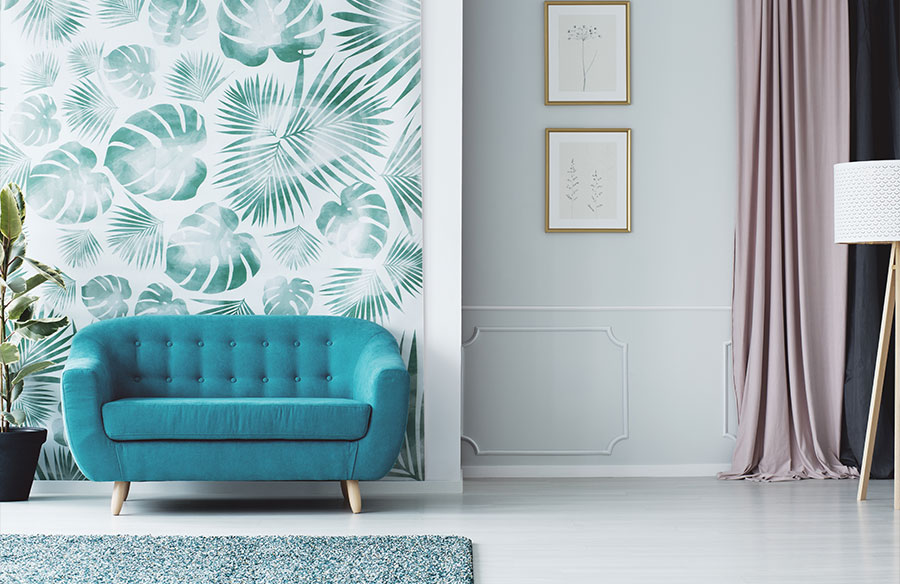
Though sometimes seen as a decorative accent, wallpaper is significantly more important in interior design than it is in providing colour or pattern to walls. It is a great instrument for determining the general comfort, emotions, impressions, and mood of a room, therefore moulding its environment.
The choice of wallpaper may make a space look sterile and unwelcome, cosy and inviting, dynamic and colourful, or peaceful and calming. This study investigates the great influence wallpaper has on the mood of a room by looking at the several components that support its emotional impact and therefore offers ideas on how to use this power to produce the desired ambience. From delicate textures to strong graphics, the choice of wallpaper is a vital decision in every design project; for those looking for varied and premium solutions, the active market for wallpaper Singapore provides a great abundance of inspiration.
The Psychology of Color and Pattern
The colour palette of a room determines the most direct effect wallpaper has on its atmosphere. Long ago, colours were connected to particular emotions and psychological reactions. Cool colours like blues and greens, for example, are perfect for bedrooms or leisure areas since they often inspire peace, tranquilly, and serenity. Often utilised in communal areas like living rooms or dining rooms, warmer tones—reds, oranges, and yellows—evoke emotions of vitality, excitement, and warmth. While darker colours like deep blues or greys can lend drama and refinement, lighter, neutral colours like whites and creams provide an airy and expansive feel.
Furthermore, greatly affecting the atmosphere of wallpaper are its patterns. While smaller, more complex patterns provide a sense of delicacy and refinement, large-scale, strong patterns can produce a dynamic and vibrant environment. While floral designs can add a bit of nature and romance to a place, geometric patterns can inspire a modern and ordered atmosphere. The magnitude of the pattern is also important; tiny patterns may be lost in a big area, while larger patterns could make a small room seem even smaller.
Texture and Materiality
Beyond colour and pattern, the texture of wallpaper subtly but powerfully shapes the mood. While textured wallpapers—such as those with embossed or raised surfaces—add depth, warmth, and a tactile dimension to the room, smooth, flat wallpapers produce a sleek, modern vibe. Grasscloth or fabric-backed wallpapers are among natural elements that could inspire organic comfort and elegance. The choice of material also influences the way light is reflected in the room, thereby affecting the general atmosphere.
Light and Atmosphere
Another important element establishing the mood is the interaction of wallpaper with light. While dark-coloured wallpapers absorb light, providing a more intimate and cosy environment, light-colored wallpapers reflect more light, so making a space brighter and more spacious. Additionally influencing light reflection is the finish of the wallpaper, matte or glossy. While glossy surfaces reflect light more fiercely, providing a little glitz and brightness, matte finishes often produce a softer, more diffused light.
Creating Specific Moods
Designers can employ wallpaper to produce a broad spectrum of particular moods by carefully weighing the elements of colour, pattern, and texture:
- Soft blues and greens, subdued designs, and matte-finish, textured wallpapers all help to relax and serene.
- Bold, warm colours, large-scale geometric or abstract designs, and somewhat glossy wallpapers define energetic and vibrant.
- Deep, rich colours, small-scale patterns, and warmly felt textured wallpapers define cosy and intimate spaces.
- Elegant and sophisticated: neutral colours with metallic accents, subdued patterns, and premium, smooth fabrics.
- Natural and Organic: Earthy tones, floral or botanical designs, and wallpapers created from natural materials such as grasscloth.
The Power of Wallpaper
Ultimately, wallpaper is a basic design element that significantly influences the mood and atmosphere of a room; it is far more than just a cosmetic consideration. Understanding the psychology of colour and pattern, the effect of texture and materiality, and the interaction of light can help designers and homeowners to maximise the potential of wallpaper to produce areas that reflect personal style, improve comfort, and arouse desired emotions. Whether one wants to design a sophisticated sanctuary, a lively social centre, or a peaceful retreat, the correct choice of wallpaper is critical. The dynamic market for wallpaper singapore provides a great range of choices to inspire and change any room for individuals investigating the newest trends and varied designs.