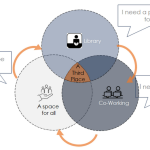
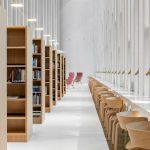
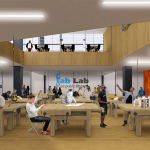
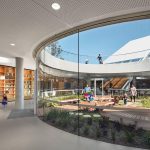
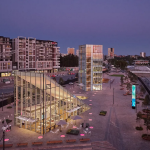
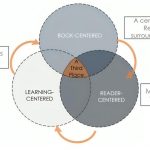
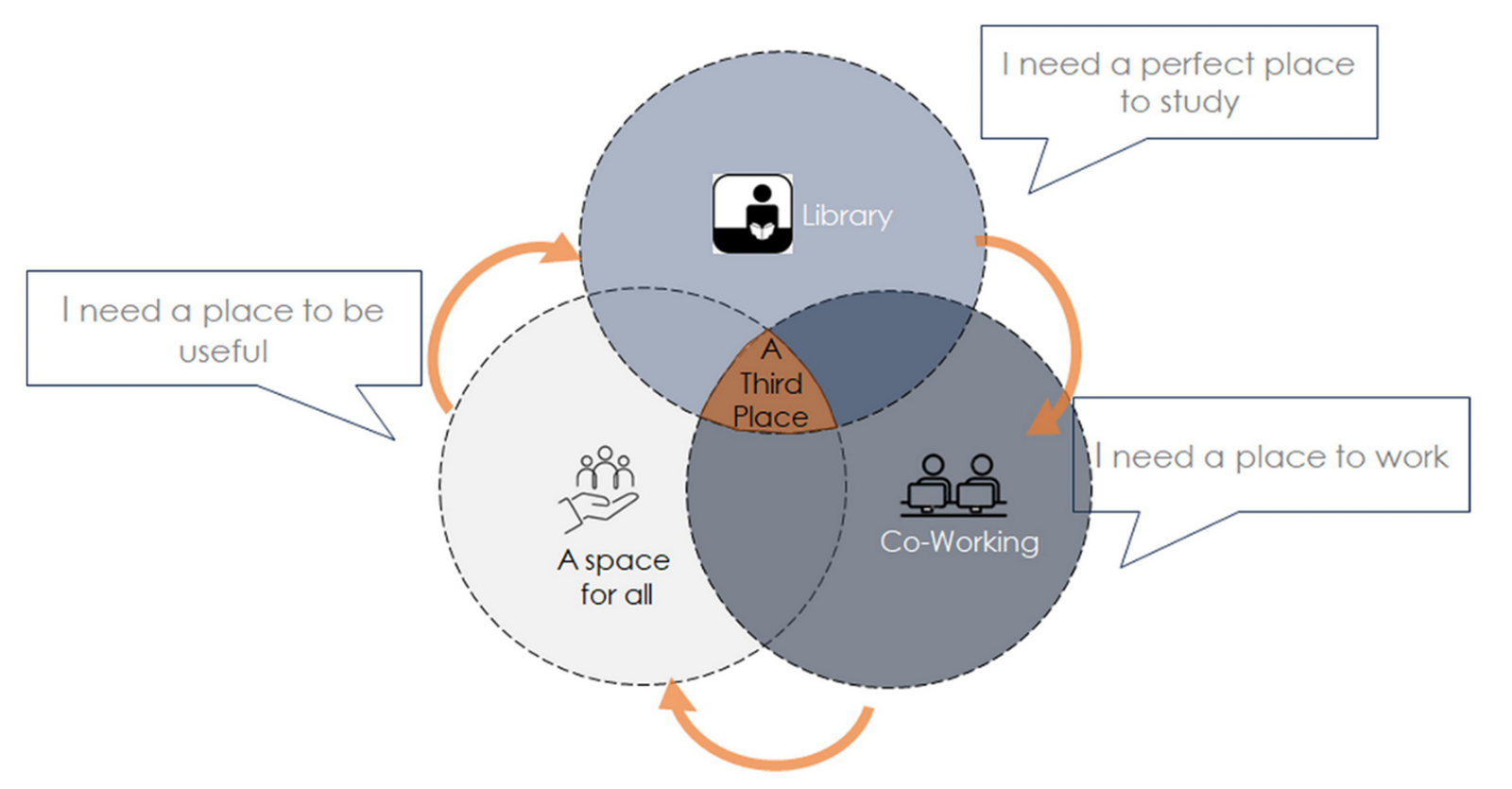
Public libraries serve as vital institutions providing equitable access to all, irrespective of social diversity. Rooted in community engagement, these spaces have evolved beyond mere storage of books to centers of interaction. This paradigm shift from massing collections to fostering connections calls for spatial rearrangements integrating diverse libraries’ functions. The modern library incorporates many elements beyond the books, including co-working spaces, reading parks, maker spaces, exhibition areas, cafes, public squares, and plazas, co-existing to enrich the overall experience. By embracing this vision, libraries emerge as vibrant ‘third places’ that catalyze community engagement and cultivate a welcoming public institution.
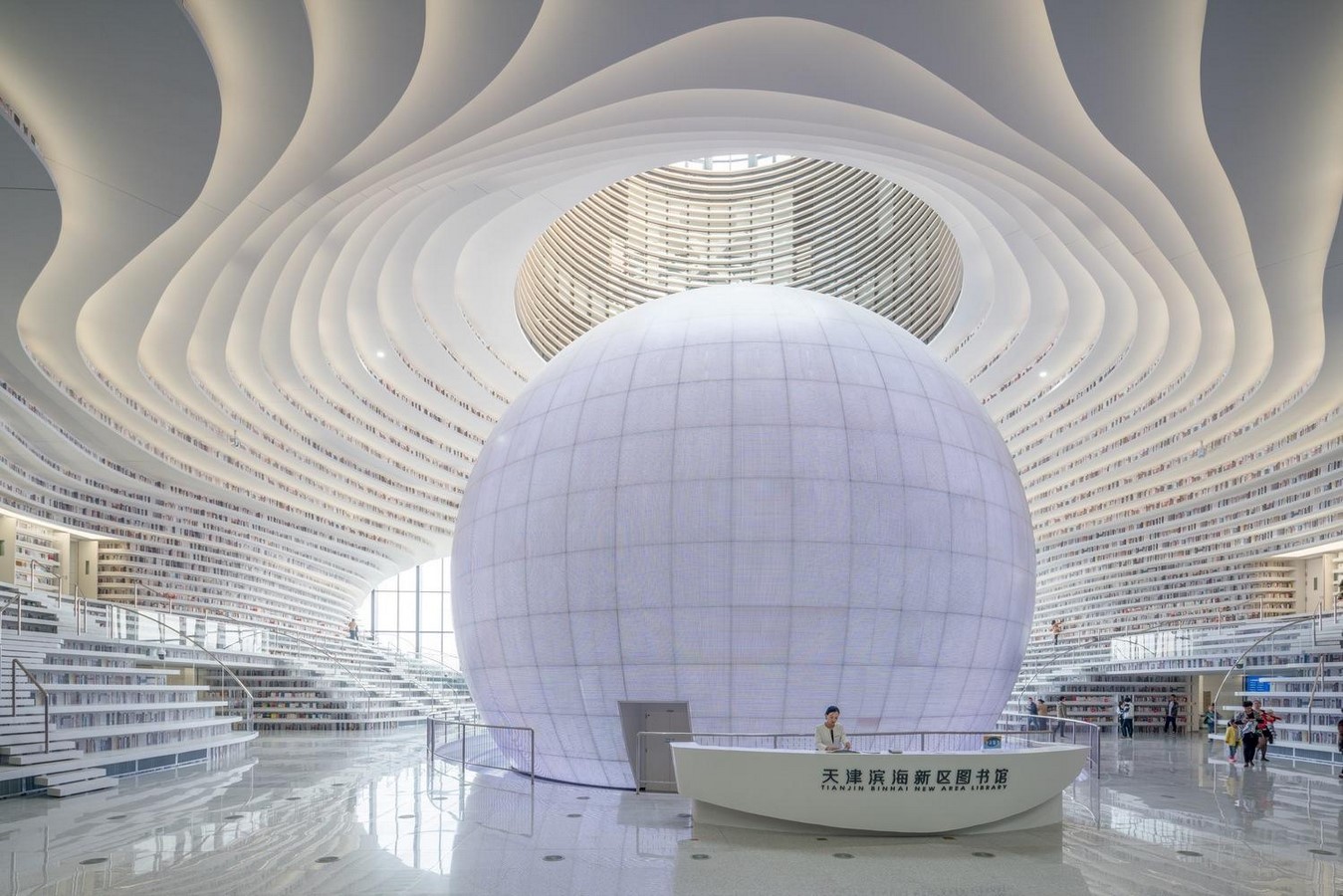
The Evolution of Library Spaces
Spaces in modern libraries have changed over time in response to social evolution. Library settings must adapt to the evolution of electronic information and the changing information users’ needs. Public libraries have become learning spaces, meeting places, work environments, and social places. To serve as truly inclusive community hubs in the 21st century, libraries must reimagine their purpose beyond books, creating environments where diverse activities and interactions can thrive.
The Four-Space Model
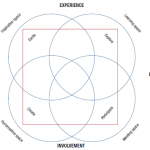
In the mid-1990s, a Danish study introduced the four-space model to redefine the library’s role. This framework categorizes libraries into four overlapping spaces:
Inspiration Space:
A place designed to spark imagination and new ideas, where people can explore, dream, and be inspired by art, nature, technology, or one another.
Learning Space:
A welcoming environment that offers tools, resources, and opportunities for growth, helping people of all ages to learn new skills, expand their knowledge, and follow their curiosity.
Meeting Space:
A comfortable and inclusive area where people can come together, share stories, exchange ideas, and build meaningful connections through conversation and collaboration.
Performative Space:
A vibrant setting that encourages expression, whether through music, theater, talks, or creative showcases, gives individuals and communities a platform to share their voices and talents.
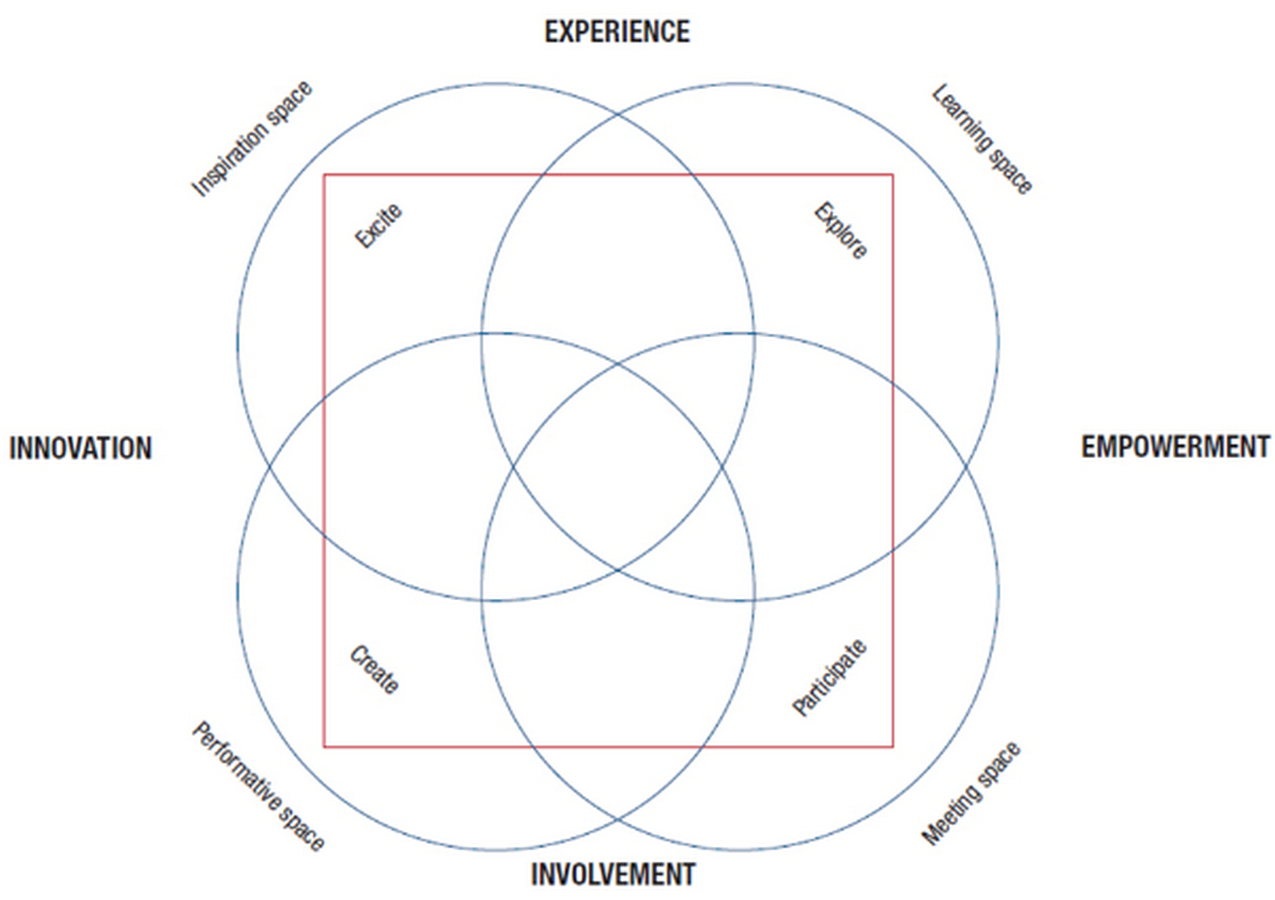
This model envisions a holistic library experience where architecture, design, programming, and services integrate seamlessly to promote inclusivity and accessibility. By incorporating these spaces, libraries create dynamic environments where people can gather, collaborate, and innovate.
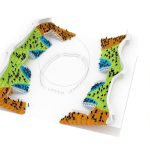
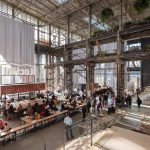
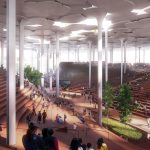
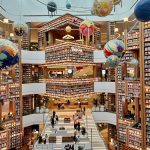
For example, Tianjin Binhai Library’s central atrium, where architecture fosters interaction, learning, and engagement. The tiered seating and organic design create distinct zones: “Watch” (blue) for observation, “Think” (green) for contemplation, and “Interact” (orange) for social engagement, mirroring the library’s fusion of bookshelves with seating and circulation areas. The design concept of the atrium, similar to the library itself, embraces fluidity, inclusivity, and adaptability, aligning with the Four-Space Model by integrating inspiration, learning, meeting, and performance into a cohesive environment that encourages creativity and collaboration.

Requirements of Modern Library
A Social Space for Interaction and Knowledge Exchange
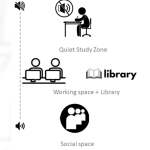
According to the research, millennials, who turn out to be the most frequent library visitors, prefer collaborative environments. Libraries should facilitate open engagement, group discussions, and networking while maintaining designated quiet zones for uninterrupted study. Library social areas provide cultural exchange and engagement, enhancing the community experience.
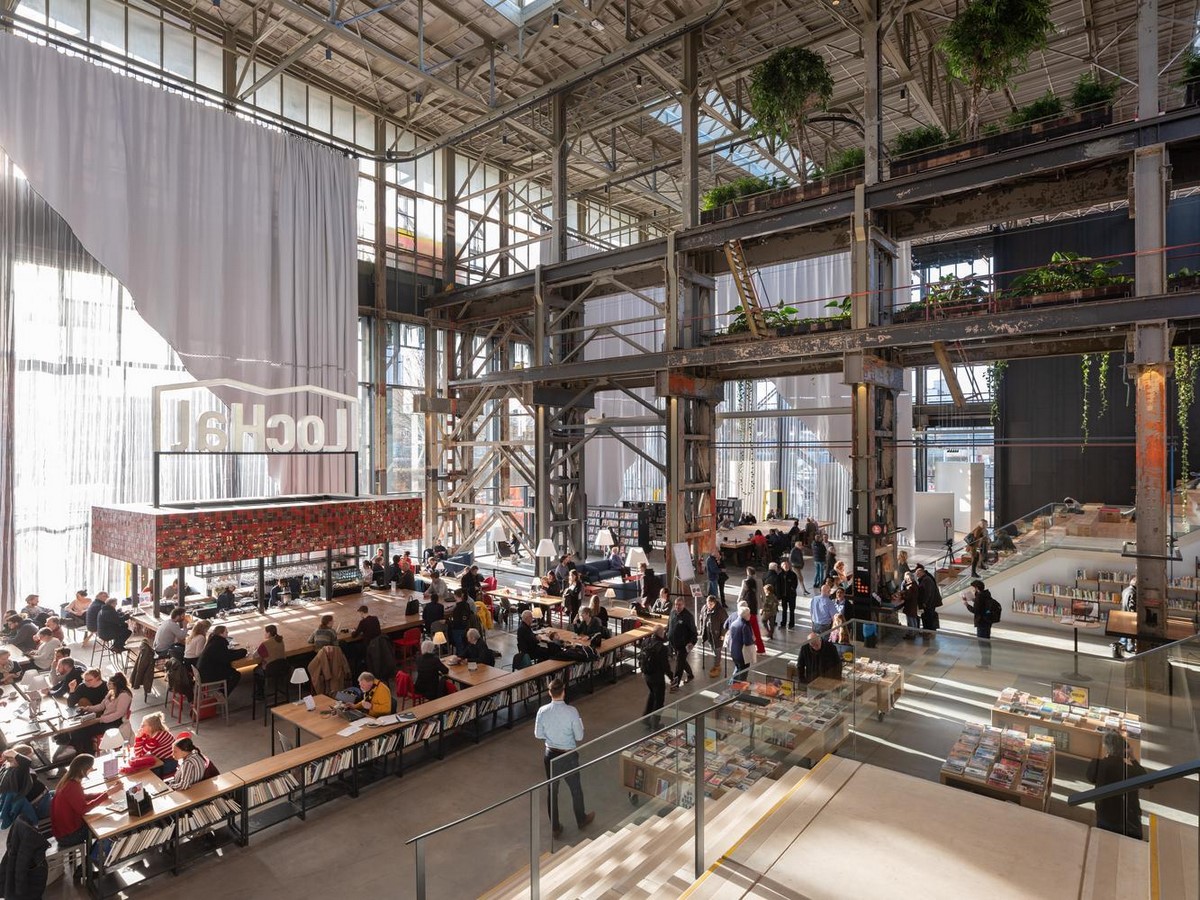

A Quiet Place for Contemplation
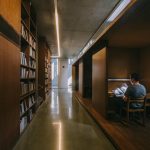
Despite the era of digitalization, the need for peaceful reading and reflection always remains. Libraries should provide silent reading rooms, individual study cubicles, and contemplative areas to support focused intellectual activities. These quiet spaces allow individuals to disconnect from the distractions of daily life and immerse themselves in learning and self-improvement.


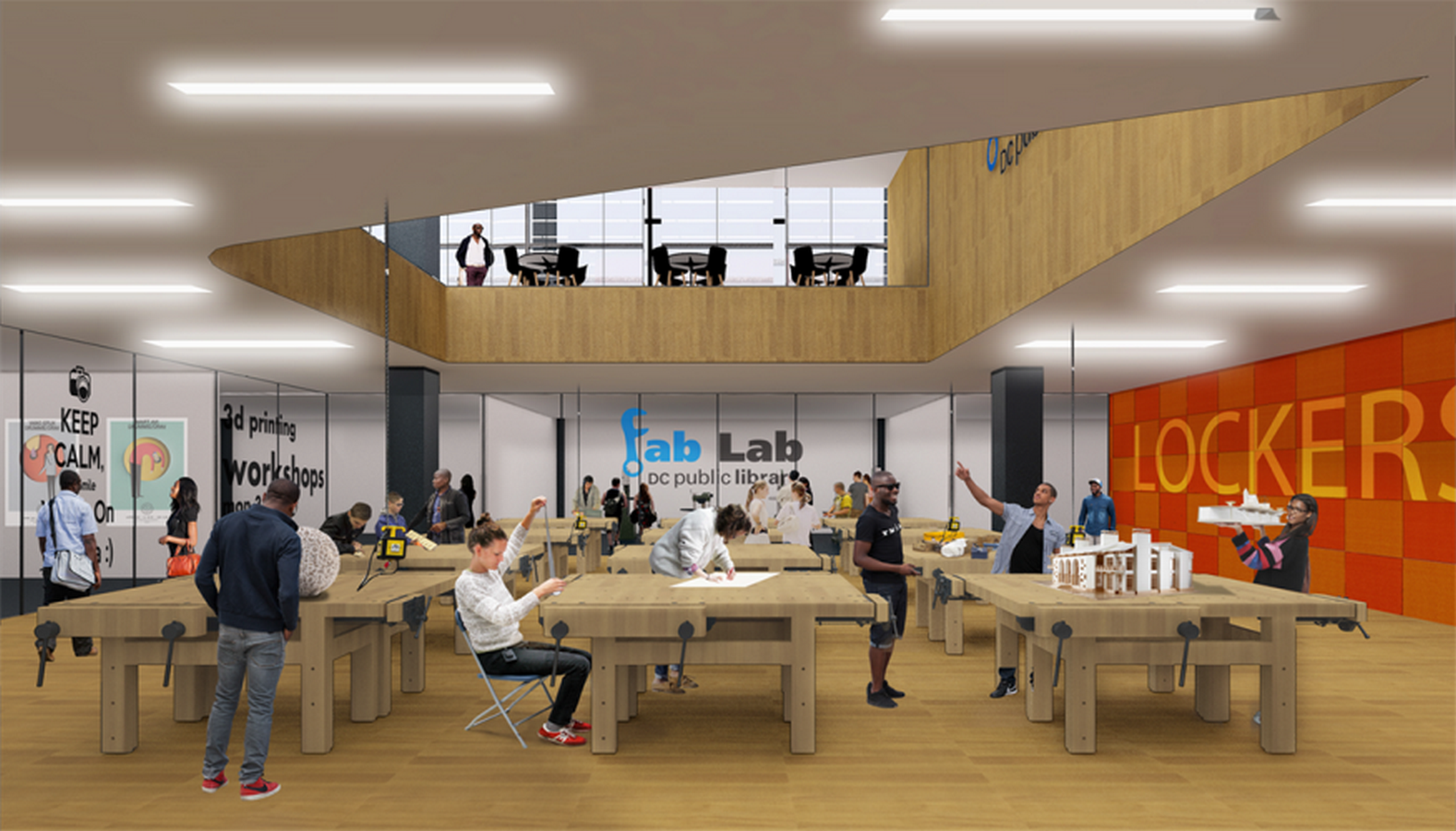
A Maker Space for Innovation
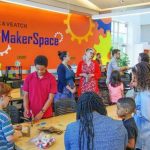
The modern library serves beyond reading to experimentation with hands-on learning. Maker spaces emphasize skills development, technology exploration, and resource sharing, fostering creativity and innovation within the community members. These spaces are particularly important for young learners, professionals, and hobbyists who wish to experiment with new ideas and technologies.

A neutral and trusted space for public use
The library covers a significantly wider spectrum of age groups and social backgrounds than other forms of cultural expression. As a result, the library has a different meaning for everyone. It can be a quiet space for professionals to do insightful work, a playground for families, or even a resource for those with fewer resources, among many other things. However, there is one thing about which everyone can agree: the library is a safe and impartial public space.

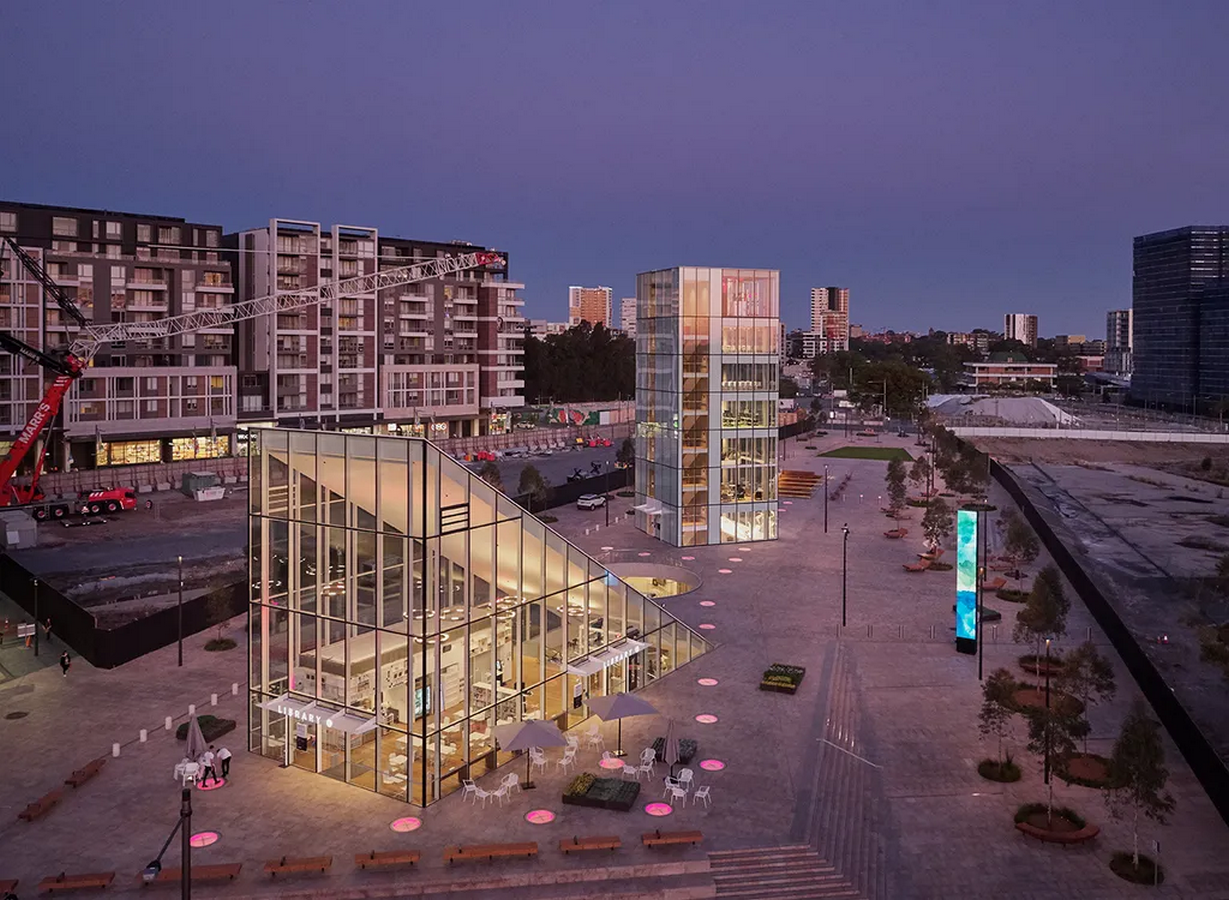
Case Study: Seattle Central Library, Seattle
Redefining the Library as an Information Hub
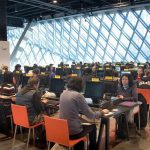
The Seattle Central Library, designed by Rem Koolhaas, reimagines the library as an information hub rather than a book-centric institution. This architectural masterpiece incorporates traditional and digital media, creating a dynamic civic space. The library’s design models future libraries, demonstrating how inclusivity and accessibility can be integrated into public institutions.

Functions and Vertical Zoning
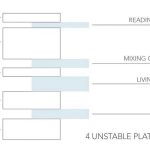
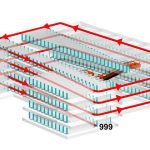
The library’s design integrates five stable programmatic zones (parking, staff, meeting rooms, Book Spiral, and HQ) and four fluid zones (children’s area, living room, Mixing Chamber, and reading spaces). Each area serves a unique purpose, ensuring accessibility for a broad spectrum of visitors. This zoning ensures that visitors of all backgrounds find spaces that cater to their needs, fostering a more inclusive library environment.

Concept of the Living Room
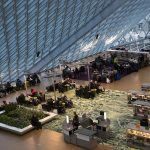
One of the most iconic features of the Seattle Public Library is its “urban living room,” a welcoming public space framed by a glass facade. This area encourages social interactions, reading, and relaxation, blurring the boundary between library and city life. It is the ultimate model of inclusivity as it allows individuals from all backgrounds to utilize the space freely. The living room concept transforms the library into an extension of the public realm, where people can gather informally and engage in meaningful discussions.
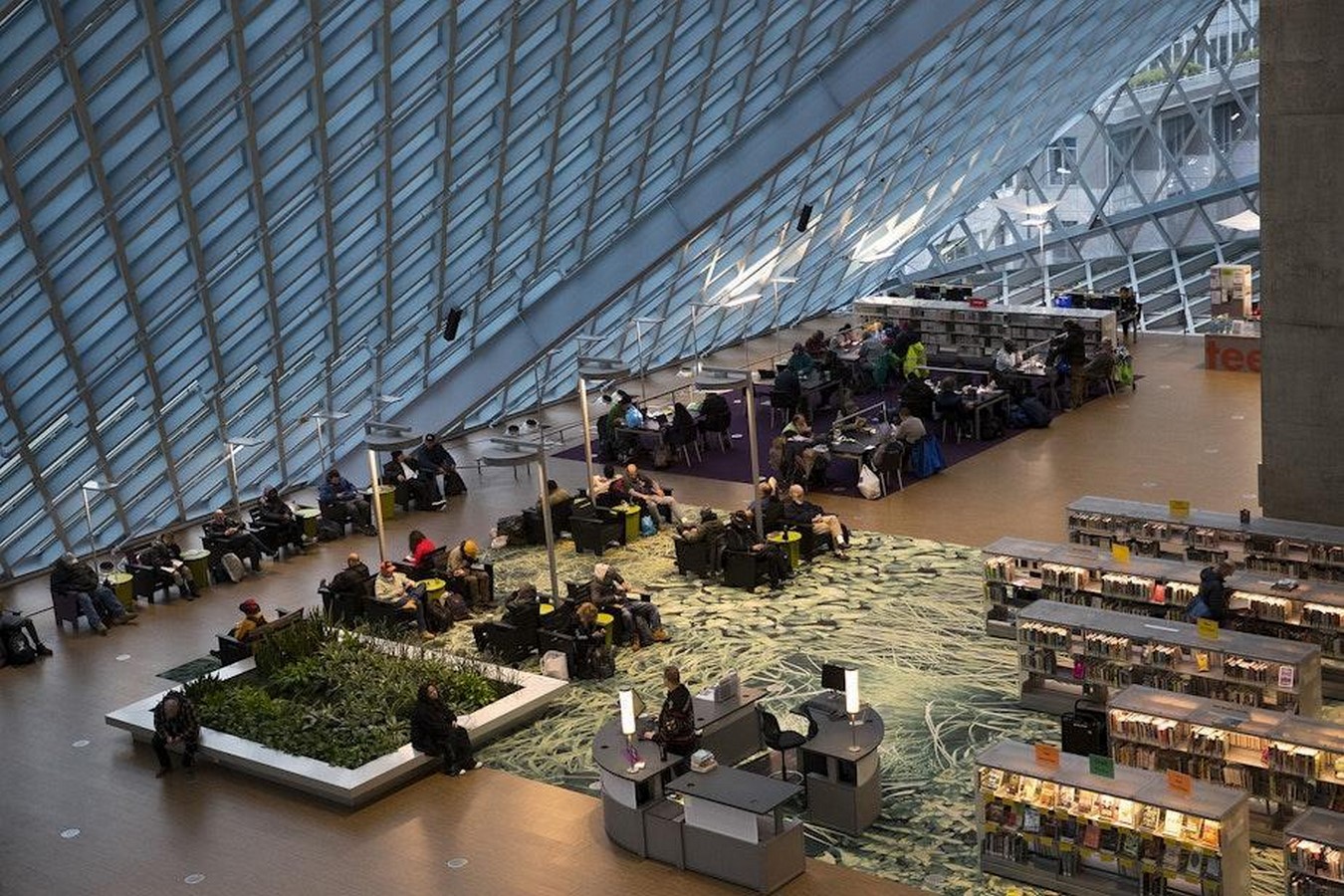
The Mixing Chamber, Book Spiral, and Reading Room
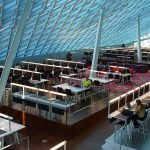
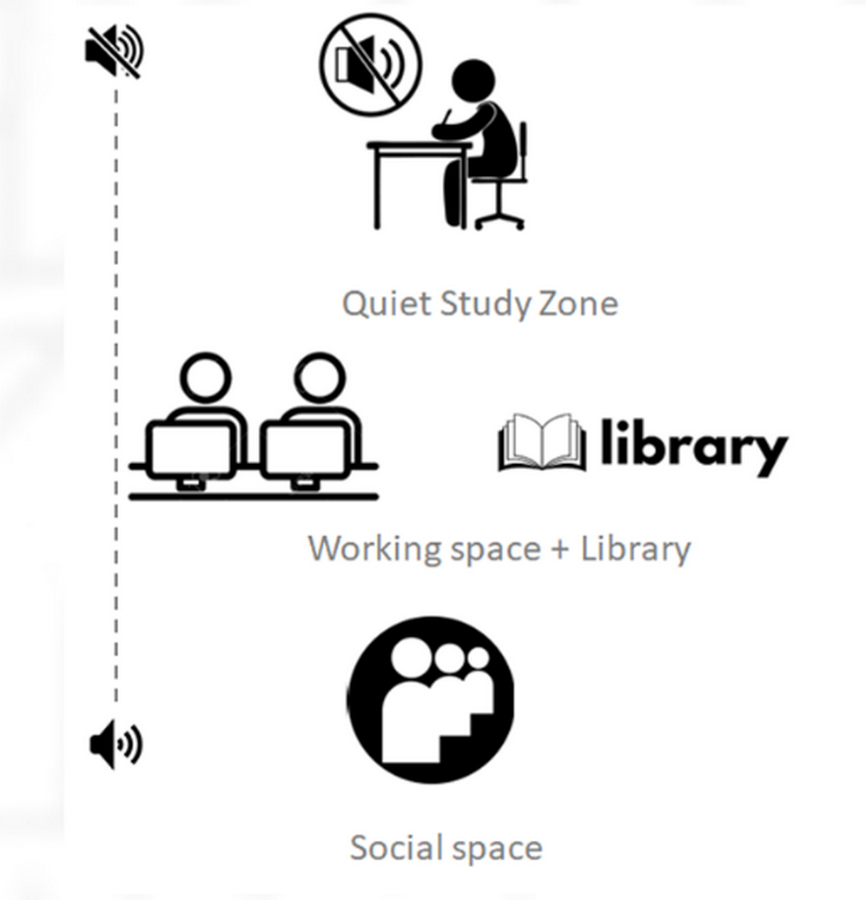
The Seattle Central Library’s layout balances activity, accessibility, and noise levels to support inclusivity. The Mixing Chamber on the third floor is a vibrant, interactive zone where librarians assist users, ideal for collaboration. Above that, on adjacent platforms, the Book Spiral offers a continuous ramp for browsing the non-fiction collection, enhancing smooth physical accessibility. Meanwhile, the quiet Reading Room at the top provides a quiet space for isolated or combined study. This vertical zoning, from active to silent, collaboration to isolated learning, ensures that all users can find a space that suits their needs and comfort.


Libraries as Catalysts for Social Change in Today’s World
In today’s rapidly evolving and post-pandemic society, public libraries have emerged as powerful catalysts for social change, far beyond their traditional roles. As the world recovers from isolation and digital dependence, libraries are shifting from mere repositories of collections to becoming centers of connection. They now offer inclusive, safe, and interactive spaces that bridge socioeconomic divides and foster community resilience.

Modern libraries celebrate cultural diversity through storytelling sessions, art exhibitions, and public events, encouraging dialogue and cohesion. By ensuring free access to knowledge, technology, and communal learning environments, they support individuals of all generations and backgrounds. Inclusivity is at their core, with wheelchair-accessible infrastructure, Braille materials, and audiobooks for visually impaired users. Through partnerships with schools, NGOs, and local groups, libraries expand their outreach and relevance.
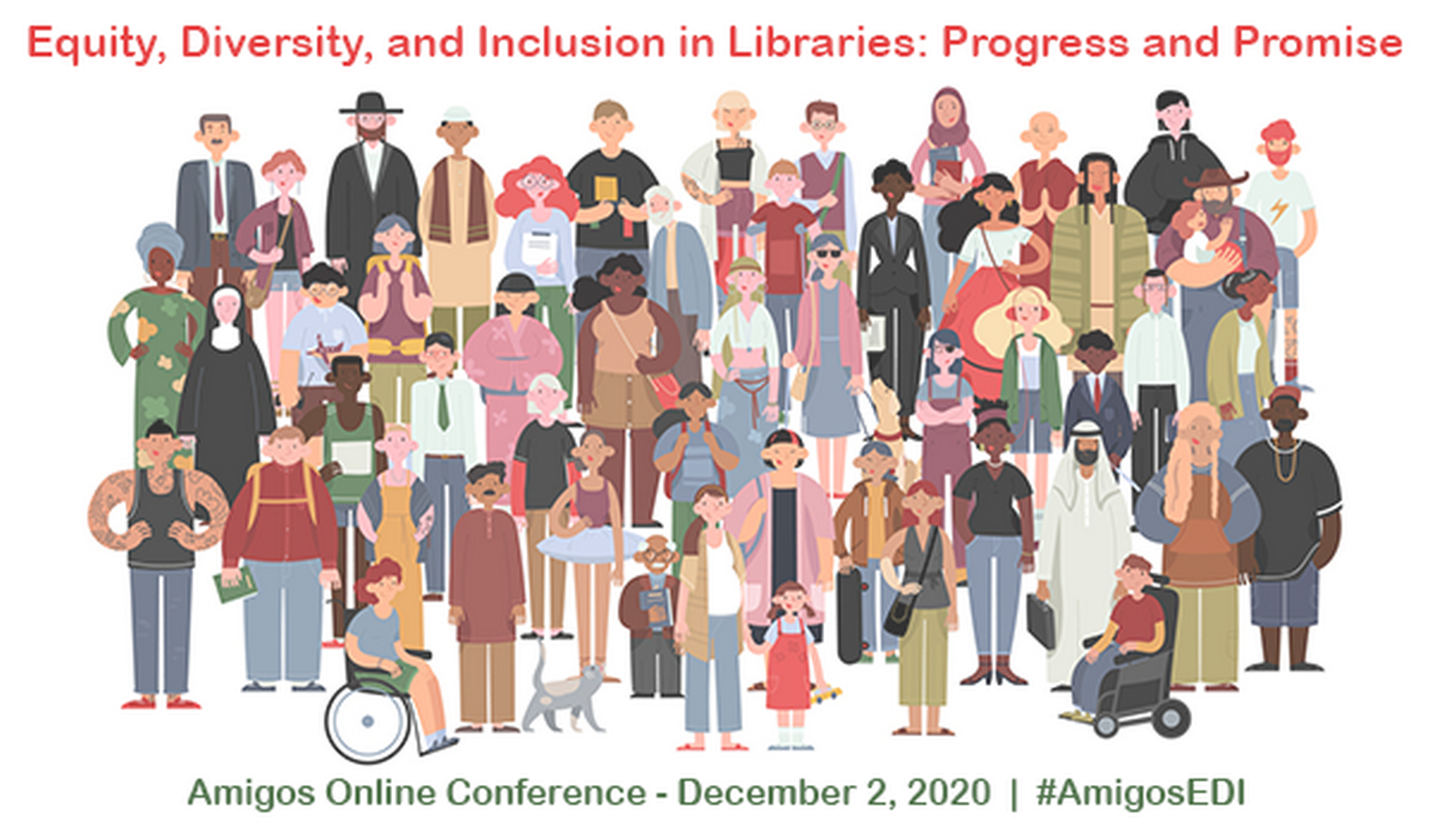
To sum up, today’s libraries are no longer silent halls but are vibrant, intergenerational hubs of equity, empowerment, and social transformation, continuously adapting to the evolving needs of their communities.
In conclusion, when public libraries evolve to serve communities holistically, they bridge gaps in accessibility and engagement, truly becoming knowledge and cultural epicenters for all. By embracing the four-space model, integrating maker spaces, and prioritizing social inclusivity, libraries can continue to be relevant and impactful in the 21st century. The day libraries fully cater to their diverse communities’ needs is when inclusivity gaps will be bridged, solidifying their role as significant public institutions.

References:
Archdaily. (2009). Seattle Central Library / OMA + LMN. [online]. Available at: https://www.archdaily.com/11651/seattle-central-library-oma-lmn [Accessed 21 March 2025].
OMA. (2009). Seattle Central Library. [online]. Available at: https://www.oma.com/projects/seattle-central-library [Accessed 21 March 2025].
Archdaily. (2017). Tianjin Binhai Library / MVRDV + Tianjin Urban Planning and Design Institute. [online]. Available at: https://www.archdaily.com/882819/tianjin-binhai-library-mvrdv-plus-tianjin-urban-planning-and-design-institute [Accessed 21 March 2025].
Princh. (2021). 4 important spaces every modern library should have: Princh Blog. [online]. Available at: https://princh.com/blog-4-critical-spaces-every-modern-library-must-have/ [Accessed 22 March 2025].
Library & Information Science Education Network. (2023). Role of Public Libraries in the Social Development of a Nation. [online]. Available at: https://www.lisedunetwork.com/role-of-public-library-in-the-social-development-of-a-nation/ [Accessed 22 March 2025].
LibrarIn. (2024). Public libraries as catalysts for social innovation. [online]. Available at: https://librarin.eu/public-libraries-as-catalysts-for-social-innovation/ [Accessed 22 March 2025].
Pressreader. (2025). Libraries and education: Providing access to knowledge and empowering communities. [online]. Available at: https://blog.pressreader.com/libraries-institutions/libraries-and-education-providing-access-to-knowledge-and-empowering-communities/ [Accessed 23 March 2025].
Jochumsen, H., Hvenegaard Rasmussen, C. (2012). The four spaces – A new model for the public library. New Library World, Volume 113, pp. 586-597. Available from: http://dx.doi.org/10.1108/03074801211282948 [Accessed 22 March 2025].
Montgomery, S., Miller, J. (2011). The Third Place: the library as collaborative and community space in a time of fiscal restraint. Rollins Scholarship Online, Volume 32, pp. 9-15. Available from: http://scholarship.rollins.edu/as_facpub/3 [Accessed 23 March 2025].
Karki, M., El Asmar, M.L., Sasco, E.R. et al. (2024). Public libraries to promote public health and wellbeing: a cross-sectional study of community-dwelling adults. BMC Public Health, Volume 24(1226). Available from: https://doi.org/10.1186/s12889-024-18535-5 [Accessed 23 March 2025].