Hybrid models of vehicles, hybrid working, and now hybrid cities. Recently, the word ‘hybrid’ has been all over the media. It means a product composed of multiple elements. But a city already consists of a variety of components. So, what does it mean for a city to be hybrid?
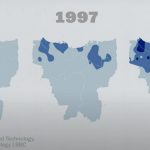
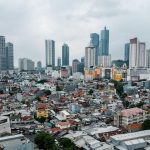
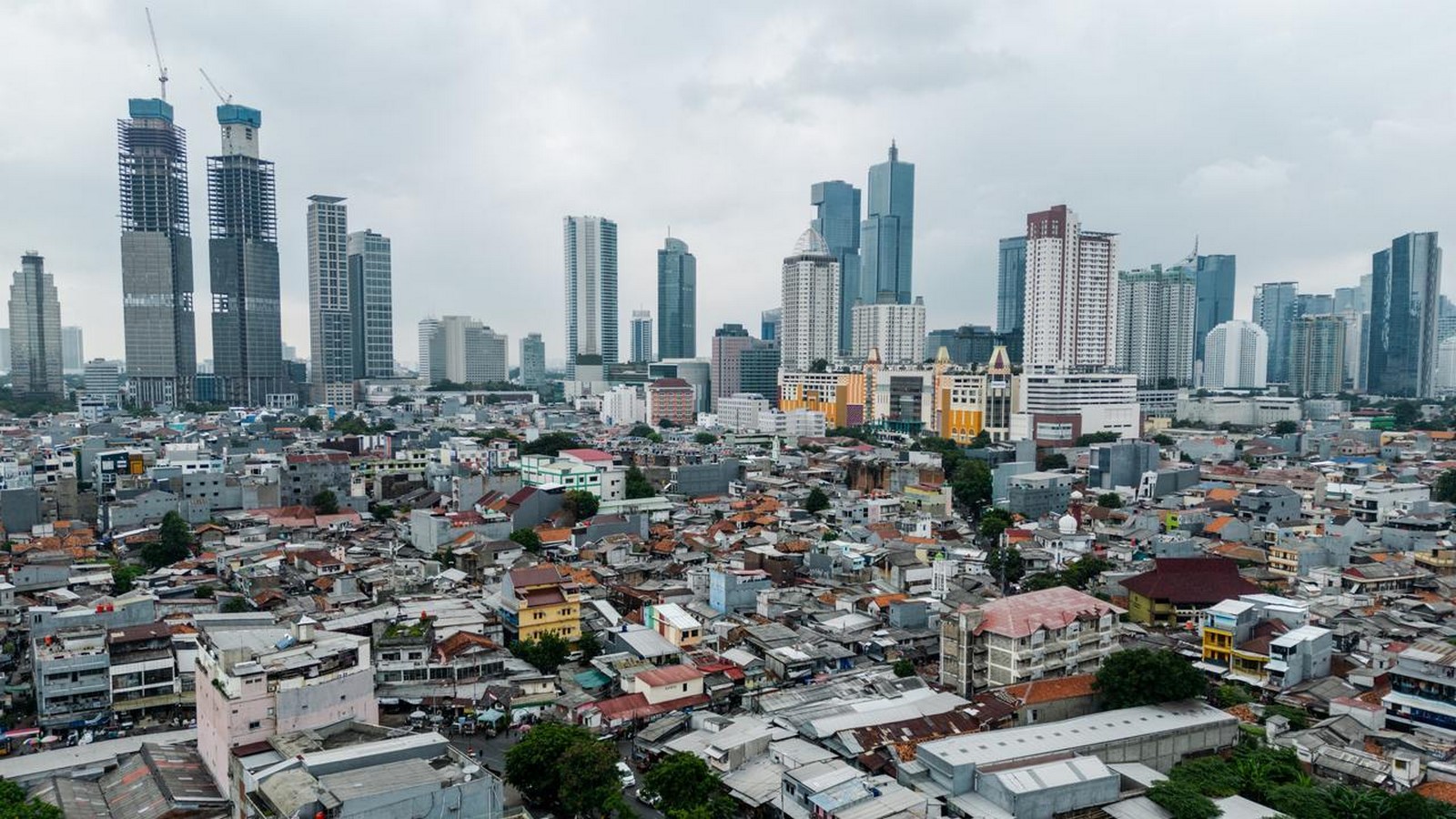
In recent years, many cities all over the world have faced some horrors that have shaken up everyone. The people of Indonesia have realized that they are being threatened by rising sea levels. It is the fourth most populous nation and largest archipelago with over 17000 islands, many of which are hardly over a meter above the sea level. By 2050, many of these would be submerged, leaving millions homeless along with the capital, Jakarta, labeled the fastest drowning city (by 25 centimeters per year). [2]
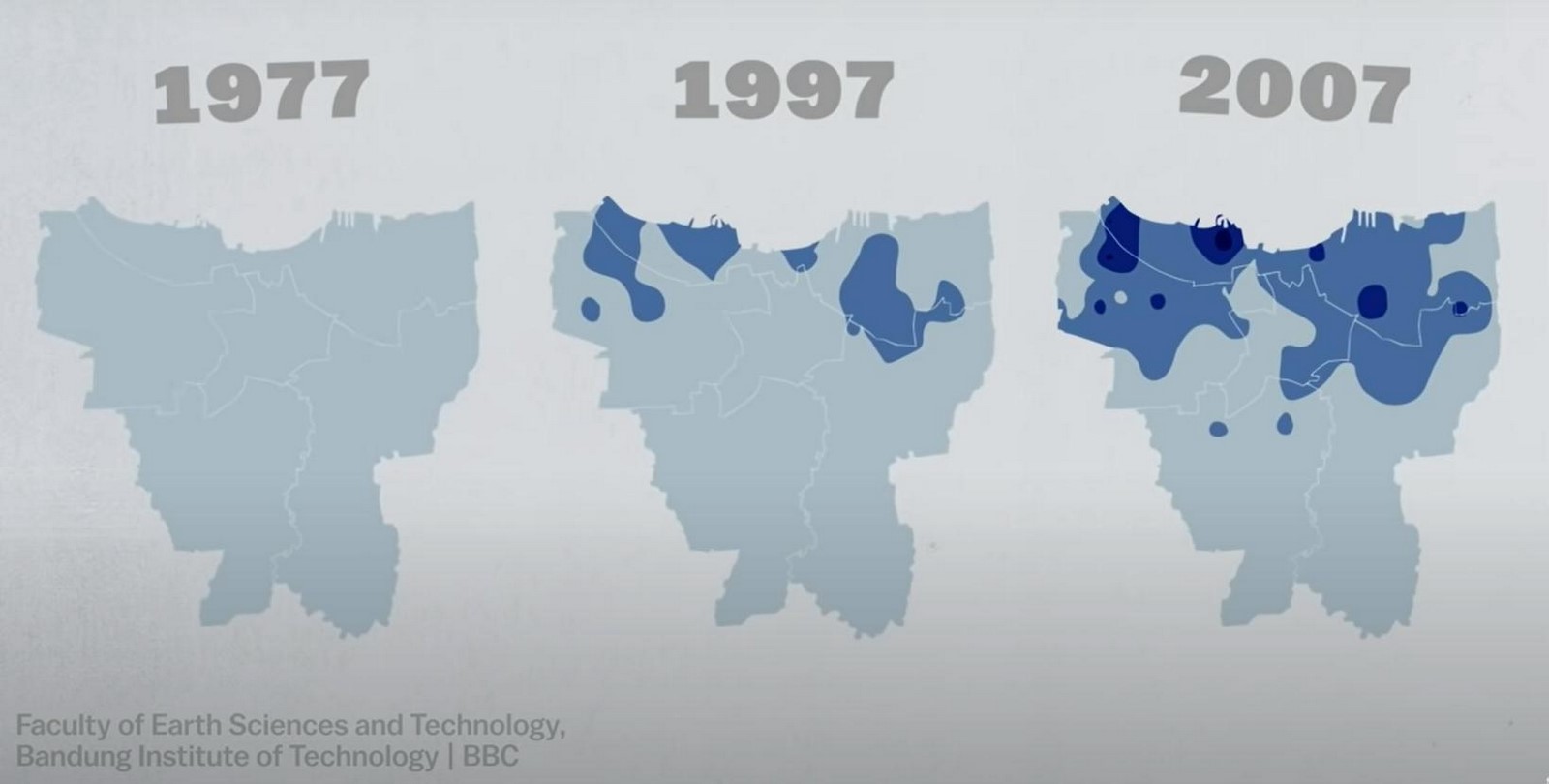
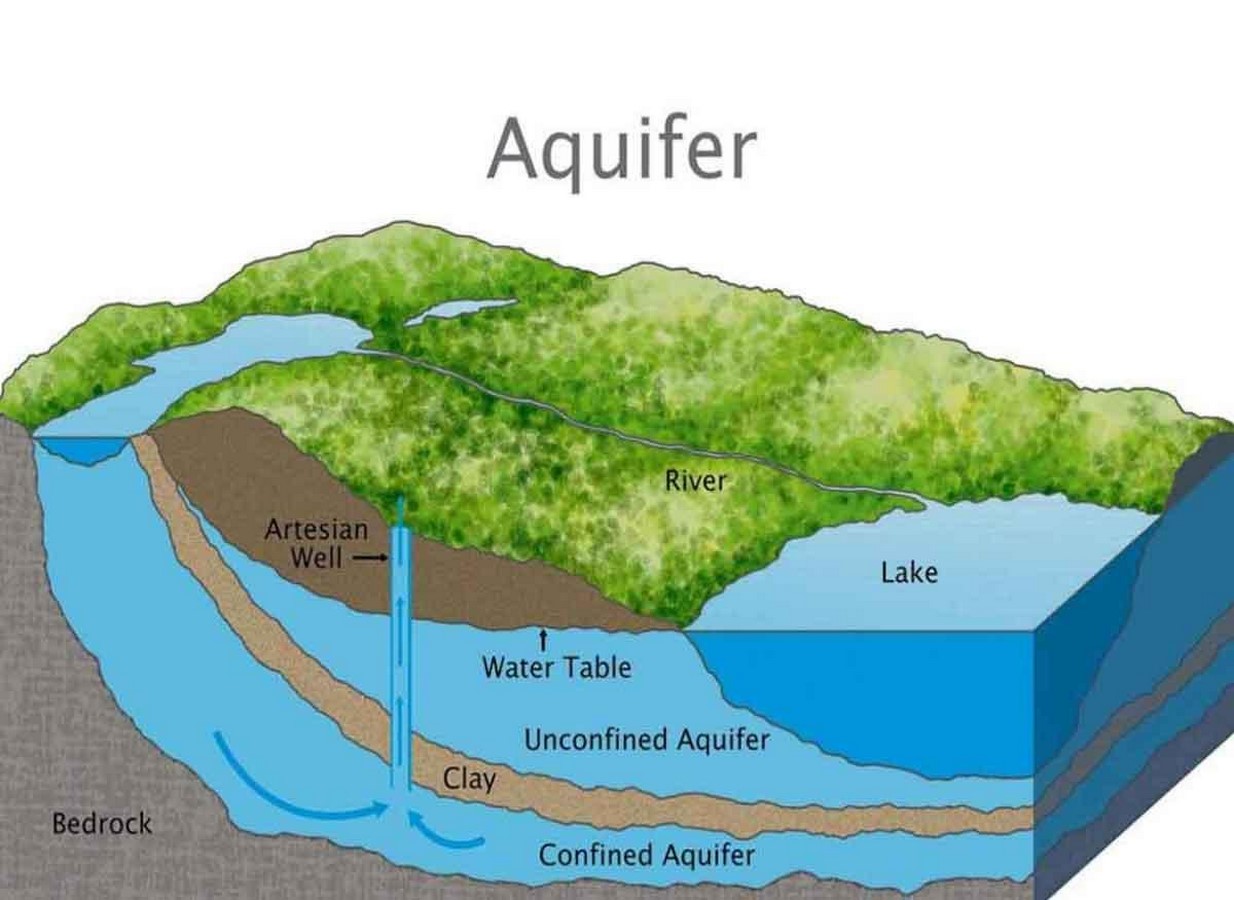
The city sits on a swampy land on low coastal land facing the Java Sea, and it has been sinking since the 1970s. Thirteen rivers pass through it, and although this seems to be the reason for the drowning, ironically the residents lack clean water, and extracting it is what is making it sink. Most of the sinking happens on the north coast where the land meets the Java Sea. Here, fishing makes the livelihood for people which makes them trapped in this area. There people lack basic resources like clean piped water and rely solely on water from aquifers. Now, a few borewells to extract this trapped water in these underground rocks would not be a problem but multiplying these punctures throughout the entire landmass will make it porous and crumble the soil above. [2] Further, for the aquifer to replenish, the rainwater and the stormwater have to permeate through the ground and reach it. This is getting increasingly difficult due to the rapid increase in concrete surfaces such as roads, buildings, and impervious pavings. The run-off water has nowhere to go but to end up in salty ocean water, causing these levels to rise. Combine it with the constant extraction from the aquifers, a crisis is on the way. Coastal cities all over the world are facing similar issues.
That said, the problems do not stop here. Urbanization and population increase also contribute to similar trends. According to the United Nations, by 2030 the world population is predicted to reach nearly 8.5 billion, half of which would be concentrated in urban areas of developing countries. [3] This would put immense pressure on the city’s core, infrastructure, and natural resources. As stated in ‘Reinventing cities for people and the planet’, 1999, the cities use a disproportionate amount of resources–they account for only 2 percent of total world land and generate 78 percent of carbon emissions. The water usage directly or indirectly is about 60 percent by cities. [4] Cities account for nearly half of the world’s economic development. The current trajectory of population growth points to a swelling in the number of people seeking high-paying jobs, and migrating to the cities.

On the other hand, some people have been flocking away from cities as they are becoming inhospitable, ungovernable, and unsustainable. The World Resources Institute (1996) says at least 420 million people lack sanitation, and 220 million lack clean water like in the case of Jakarta. Further, almost half of the trash is not collected and ends up piling up in landfills, spreading diseases and contributing to flooding. Untreated industrial waste gets dumped in rivers, labeling its water unfit to be used for human consumption, for example, the Yamuna River in India. [5]
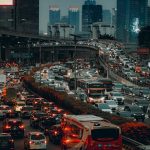
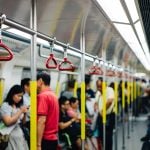
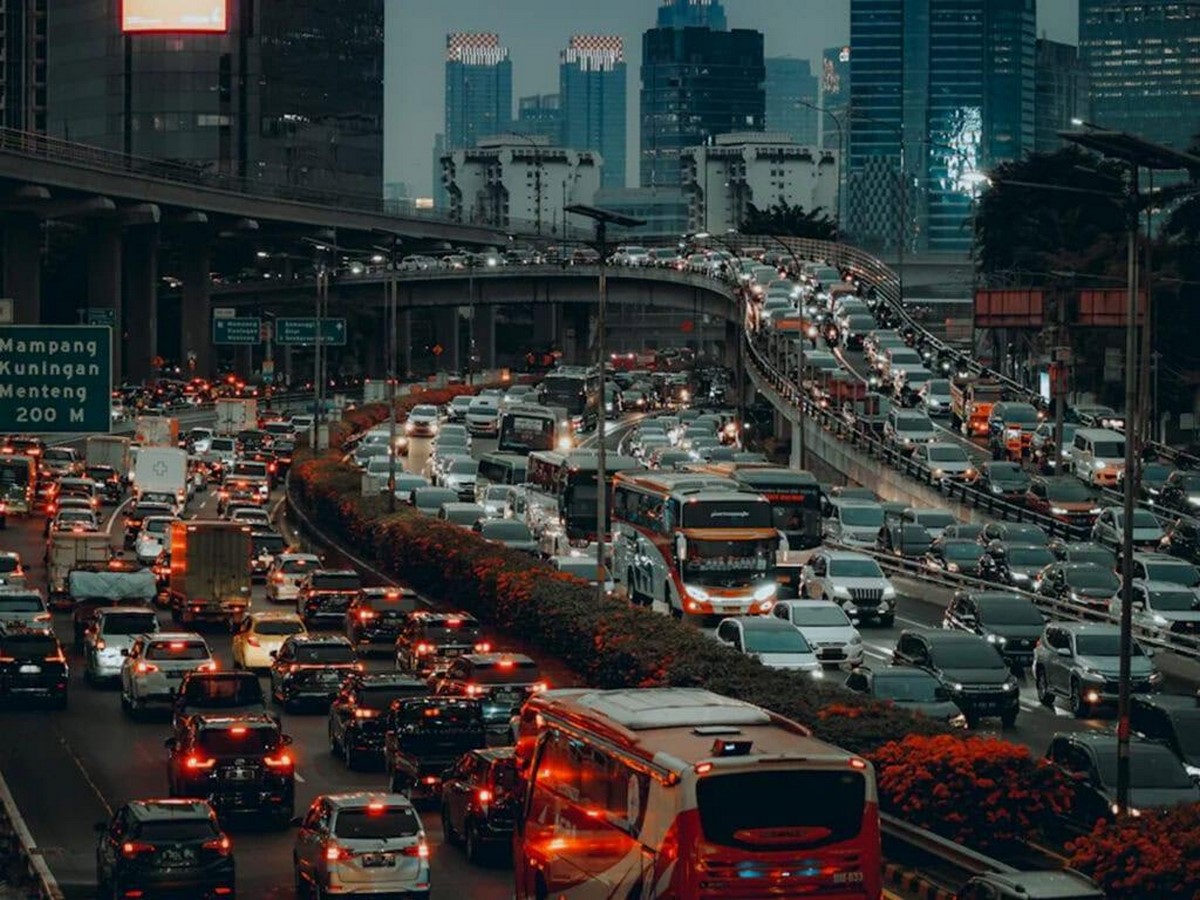
The traffic congestion on roads is the result of the rise in ownership of private vehicles and the absence of public transportation. Employees from metropolitan areas spend on average 40 hours per year waiting in traffic while commuting to work, losing productivity and wasting fuel. [4] This stalling negatively impacts their mental health, as according to Transportation Research 2024, it worsens moods, contributes to sleep disorders, and decreases life satisfaction. [6] The vehicle exhaust ejecting lead into the air and further the lungs of the city dwellers impact their physical health, by damaging the lungs, reproductive systems, and even brain. This toxic ingredient in the air is the reason for decreasing the level of IQ in children and why breathing it is said to be equivalent to smoking cigarettes.[7]
As a result, many inhabitants are not satisfied with their lives after moving to the cities. Initially, they shifted in hope for a better and more convenient lifestyle for themselves and their families. But now in response to the problems of urbanization, the wealthy at least, have found a way to escape–by buying a second home in a rural area, surrounded by nature. This concept of owning two homes, one in a beach town or countryside, for leisure and escapism and the other in a metropolitan city for work, being socially relevant and facing the reality of life is gaining popularity. Even though this is not a solution for everyone and to the issue that has been simmering for decades. What can be learned through this is that human beings have been craving a combination of both a city and a village.
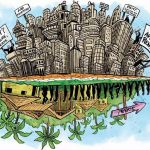
Therefore, a hybrid approach that combines the best attributes of both a city and a village to form a “village in a city, a city in a village” is essential. [8] It is not that humans have not tried to work out a solution, but looking at the problem, our efforts seem insignificant. There have been multiple attempts like the rise in electrical vehicles, creating awareness about nature, permeable paving technologies, and a rise in integrated townships. All these efforts do create a positive impact to a certain degree but a hybrid city will target these issues deeply and sustainably.
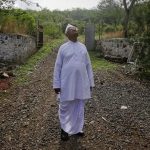
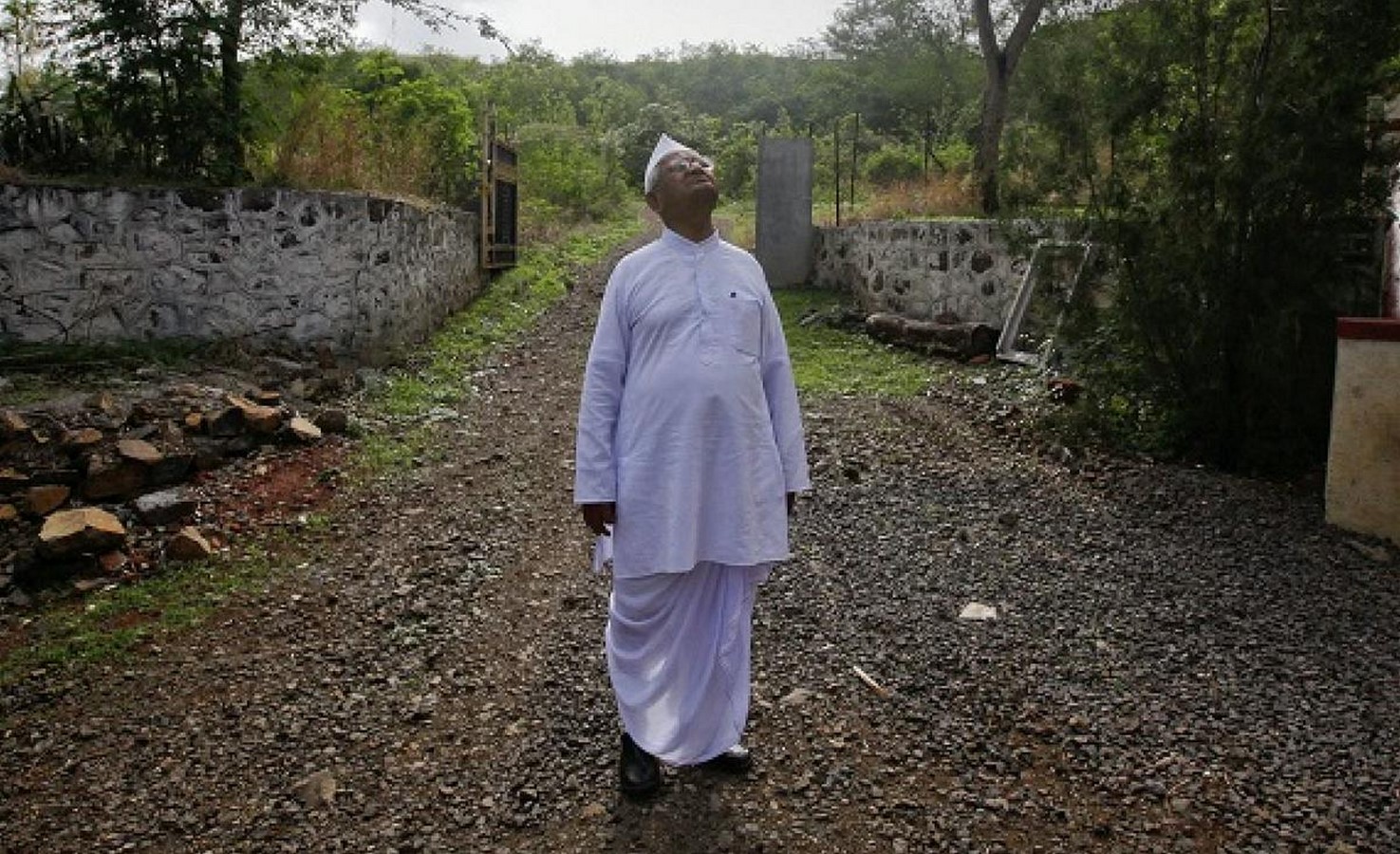
The National Academies Press 2002, clearly illustrates what a hybrid city aims for–‘The hybrid city attempts to combine the best qualities of cities—diversity, density, innovation, economic mobility, and access to means for human development—with the best qualities of villages or small towns—cultural wisdom, frugality, conservation, resource efficiency, a sense of scale and place, self-reliance, and a sense of community and connectedness.’ [8] Here are a few examples–in Maharashtra, India, a small village called Ralegan Siddhi was successfully developed by Anna Hazare. He created a town-like life in this countryside village and also a proper watershed system. He combined traditional wisdom with technological advancements to create a sustainable community, with various jobs; this idea has been replicated by 600 other villages successfully. [10]
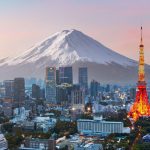
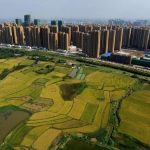
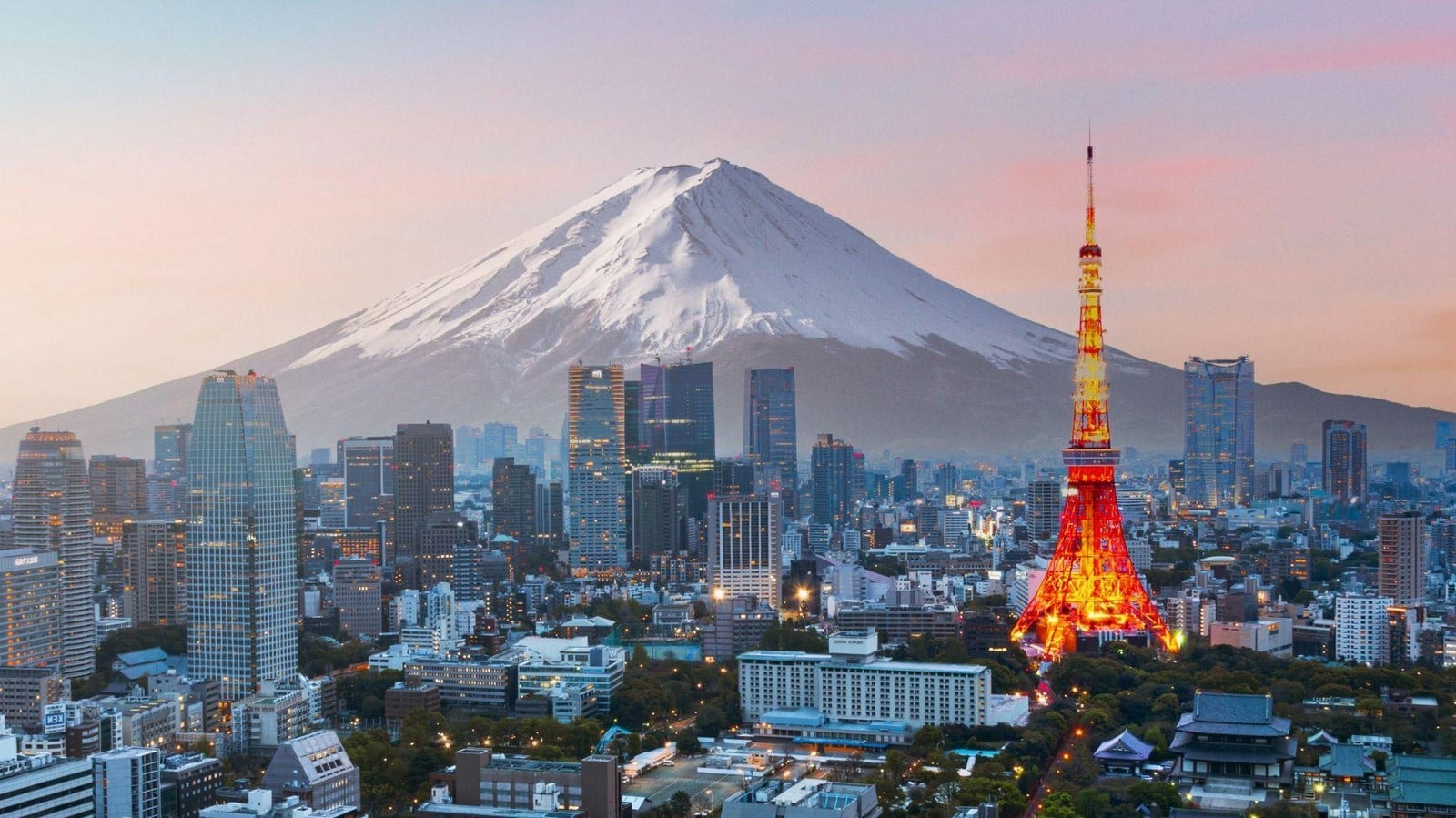
Outside India, Chinese cities have their way to a city more self-reliant. By reserving a large area surrounding a metro city and farming on it. This produce then is sent to the city, and in return, the farming area gets fertilized by the waste generated by the city. In Tokyo, Japan, where 80 percent of land is concreted, rainwater is harvested by placing collection tanks on the rooftops. Similarly, resource conservation and nutrition go hand in hand in Brazil, residents are asked to bring in a bag of recyclable waste against which they get a bag of locally grown vegetables. [8] Self-reliance, frugality, and urban sustainability are the unspoken rules behind a hybrid city.
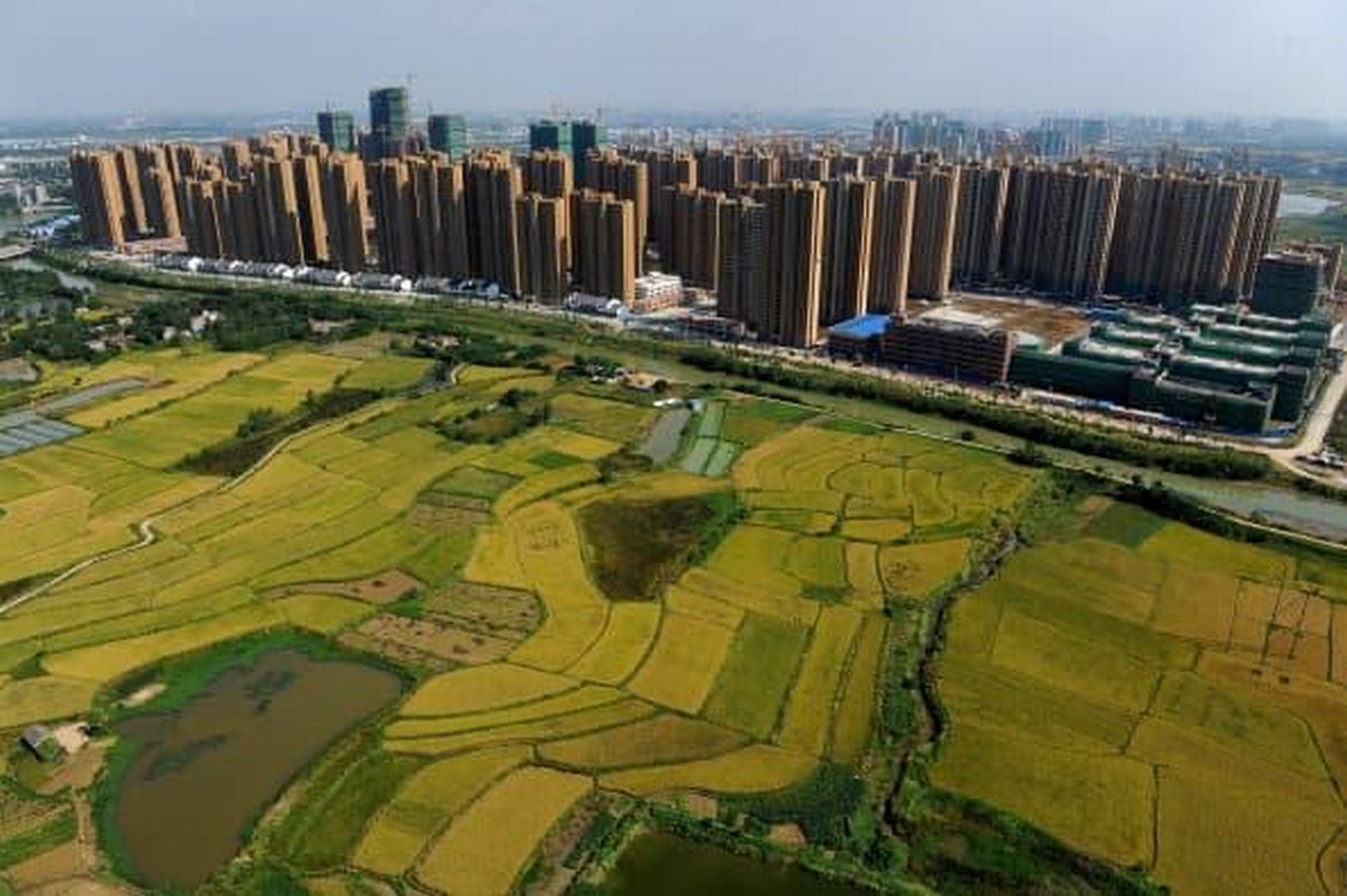
So how to incorporate the hybrid city model in existing megacities and small towns?
‘The hybrid city should be relatively small, governable and manageable’ according to The National Academies Press 2002. This report suggests a different framework for metro cities and villages. Megacities or metrocities should be divided into small parts that are neighbourhoods before introducing hybridisation and small villages should be clustered. Then community-based activities around the neighborhood as well as inside should be incorporated. Finally, some high-technology-based centers should be added in the peripheral so-called village area. [8] Diversify both the city (neighborhood) and the village (peripheral area). In other words, bring a city and a village closer and use each other’s strengths to uplift everyone.
The notion of experiencing the best of both worlds has been around for a while. For instance, Ebenezer Howard’s “Garden Cities of Tomorrow,” and Le Corbusier’s Radiant City concepts were created by visionary urban designers with utopian thinking. Such concepts were birthed when living conditions around the world became unbearable. To follow them through, required a clean slate, which is not ideal in today’s world, today a hybrid city is required as it can help take humans forward from right where they are now. Rather than being a one-shoe fits approach it addresses specific concerns, can be adapted the way required, and mainly it will evolve with any uncertainties. So whether it be Jakarta or any other city facing challenges–a megacity with a village has got it covered.
References:
- Lotulung, G. (2023) Indonesia’s drowning land, – The Diplomat. Available at: https://thediplomat.com/2023/02/the-drowning-land/ (Accessed: 24 March 2025).
- YouTube. Available at: https://www.youtube.com/watch?v=Z9cJQN6lw3w (Accessed: 24 March 2025).
- Population (no date) United Nations. Available at: https://www.un.org/en/global-issues/population#:~:text=The%20world%20population%20is%20projected,surrounding%20these%20latest%20population%20projections. (Accessed: 24 March 2025).
- O’meara, M. (no date) Reinventing cities for people and the planet (Worldwatch Paper, 147): Molly O’Meara Sheehan: 9781878071491: Amazon.com: Books. Available at: https://www.amazon.com/Reinventing-Cities-People-Planet-Worldwatch/dp/1878071491 (Accessed: 24 March 2025).
- World Resources Institute (1996) World Resources 1996-97: The urban environment, World Resources Institute. Available at: https://www.wri.org/research/world-resources-1996-97 (Accessed: 24 March 2025).
- Author links open overlay panelXuenuo Zhang et al. (2024) Impact of commuting on mental well-being: Using time-stamped subjective and objective data, Transportation Research Part F: Traffic Psychology and Behaviour. Available at: https://www.sciencedirect.com/science/article/abs/pii/S1369847824002602 (Accessed: 24 March 2025).
- Davis, D.L. and Saldiva, P.H.N. (1999) Urban Air Pollution Risks to children, World Resources Institute. Available at: https://www.wri.org/research/urban-air-pollution-risks-children (Accessed: 24 March 2025).
- Read ‘engineering and environmental challenges: Technical symposium on earth systems engineering’ at nap.edu (no date) Hybrid Cities: A Basis for Hope | Engineering and Environmental Challenges: Technical Symposium on Earth Systems Engineering | The National Academies Press. Available at: https://nap.nationalacademies.org/read/10386/chapter/14#99 (Accessed: 24 March 2025).
- Sharma, M. (2006). The Making of Moral Authority: Anna Hazare and Watershed Management Programme in Ralegan Siddhi. Economic and Political Weekly, [online] 41(20), pp.1981–1988. doi:https://doi.org/10.2307/4418240.