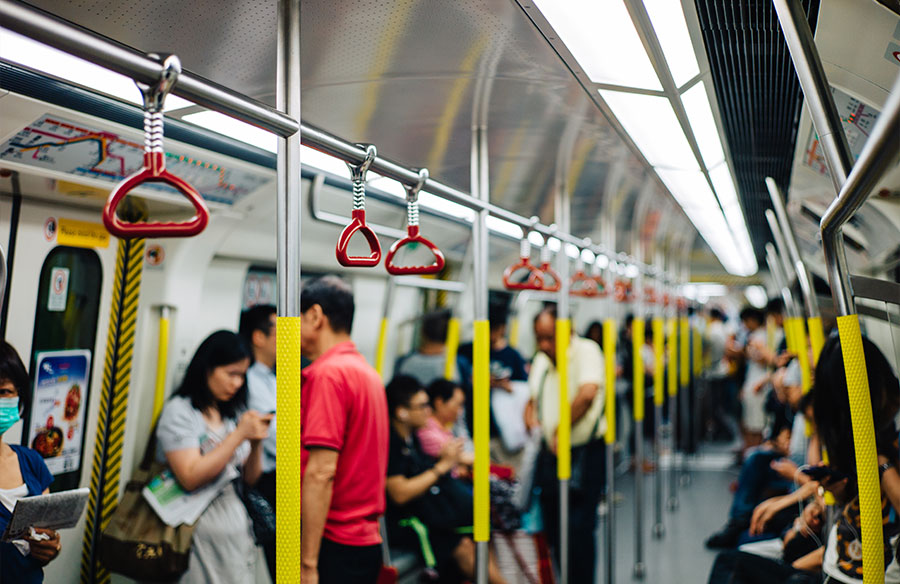
Public transport efficiency is influenced by far more than just the number of vehicles or frequency of service. There are several often-overlooked factors that can either enhance or undermine the effectiveness of a transit system. By examining these components, policymakers, transport authorities, and commuters alike can understand the full picture of what drives performance and reliability. One element that has significant impact on service quality is the condition and planning of the transport network itself, which sometimes involves working with an infrastructure company australia to upgrade or maintain critical components.
Another critical factor is the integration of various modes of transport. Seamless connections between buses, trains, trams, and even ride-sharing services can drastically improve the overall efficiency of public transit. When different systems work in harmony, passengers can complete journeys with fewer transfers, reducing wait times and the likelihood of delays. However, lack of coordination between transport providers can lead to missed connections and longer travel times, ultimately discouraging the use of public transit. An integrated network not only improves user satisfaction but also encourages a shift away from private car usage, thereby reducing traffic congestion and environmental impact.
Beyond infrastructure and system integration, operational management plays a crucial role in determining public transport efficiency. Factors such as scheduling, real-time information dissemination, and vehicle maintenance all contribute to the reliability of service. Inadequate scheduling can result in vehicles arriving too early or too late, while poor maintenance may cause unexpected breakdowns or delays. Transport agencies that invest in smart technologies to monitor performance and adjust operations on the fly tend to see higher levels of punctuality and passenger satisfaction. Training staff to handle unexpected situations and improving communication between the control center and on-the-ground personnel are also essential components in this equation.
Urban Planning and Design
The physical layout of a city can greatly influence the success of public transport systems. Urban planning that prioritizes transit corridors, dedicated bus lanes, and accessible transit stops can boost efficiency and reduce travel times. When cities are designed with public transport in mind, residents are more likely to use these services, which can lead to a virtuous cycle of increased ridership and further investments in the system. On the other hand, urban sprawl and poorly connected neighborhoods create barriers to efficient public transport, forcing residents to rely on private vehicles and exacerbating traffic congestion.
- Transit-Oriented Development: Focuses on creating compact, walkable communities centered around high-quality public transit.
- Mixed-Use Areas: Integrates residential, commercial, and recreational spaces, reducing the need for long commutes.
- Accessible Infrastructure: Ensures that all members of the community, including those with disabilities, can easily use public transit services.
Environmental and Social Considerations
The efficiency of public transport is not measured solely by punctuality and speed; it also has significant social and environmental implications. Efficient transit systems contribute to lower carbon emissions by reducing the number of private vehicles on the road. They also provide essential mobility for lower-income populations, ensuring equitable access to jobs, education, and healthcare. When public transport is efficient and reliable, it can serve as a catalyst for social inclusion and economic development.
Public transit systems that incorporate green technologies, such as electric buses or hybrid vehicles, not only operate more quietly and efficiently but also contribute to cleaner urban air quality. Moreover, a well-managed public transit network can stimulate local economies by providing reliable transport options for workers and customers alike. In contrast, inefficient systems can deter investment and lead to social disparities, as underserved communities become increasingly isolated.
A comprehensive approach to improving public transport efficiency involves looking beyond the obvious metrics. By addressing the less visible factors such as system integration, operational management, urban planning, and social equity, cities can develop transit systems that are not only more reliable and faster but also more sustainable and inclusive. Balancing these aspects is key to building a future where public transport plays a central role in urban life, offering benefits that extend well beyond the daily commute.