Urban Planning Approach
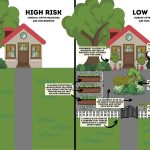
Urban Planning plays a crucial role in reducing crime by addressing factors such as visibility, accessibility, and safety. Planning with hidden spots and reduced visibility can encourage criminal activities. In contrast, increased visibility can promote safety and deter criminals. Ensuring safer communities cannot solely be the responsibility of government officials; architects and urban planners have the opportunity to build safer communities and can contribute significantly by designing spaces that reduce crime. This can be achieved through measures like better fencing, increasing neighborhood visibility, community engagement, and limiting entry points to premises. Additional safety features such as security locks, home automation, and shielding can further enhance security. As an urban planner, addressing high crime rates involves tackling issues like poor lighting, abandoned spaces, and difficult accessibility. While eradicating crime may not be possible, creating environments that discourage criminal behavior and improve safety is a realistic and achievable goal. Deficient urban design, planning, and management often contribute to insecurity, but crime rates can be reduced with proper strategies by prioritizing connectivity, public transport, active spaces, and proper maintenance.

‘Opportunity Makes a Thief’
In ‘Opportunity Makes a Thief: Practical Theory for Crime Prevention’, Felson, M, & Clarke, R.V. (1998), identifies a strategic approach to address the issue of situational crime in cities:
Increased Effort: Implement measures that make it more challenging to commit crimes, such as target hardening (e.g., installing robust locks) and controlling access to facilities.
Increase the Risks: Enhancing the chances of detection and apprehension of offenders through improved surveillance (e.g., using CCTV and ANPR cameras) and promoting natural surveillance through a robust environmental design.
Reduce the Rewards: Diminish the benefits derived from criminal activities by concealing or removing targets and ownership of marked property.
Reduce Provocations: Address factors that may incite criminal behavior, such as less overcrowding and disputes managed effectively.
Remove Excuses: Establish acceptable conduct by setting clear rules, posting instructions, aiding compliance, strict control of drugs, and restricting alcohol, fines, and punishment to discourage offenders.
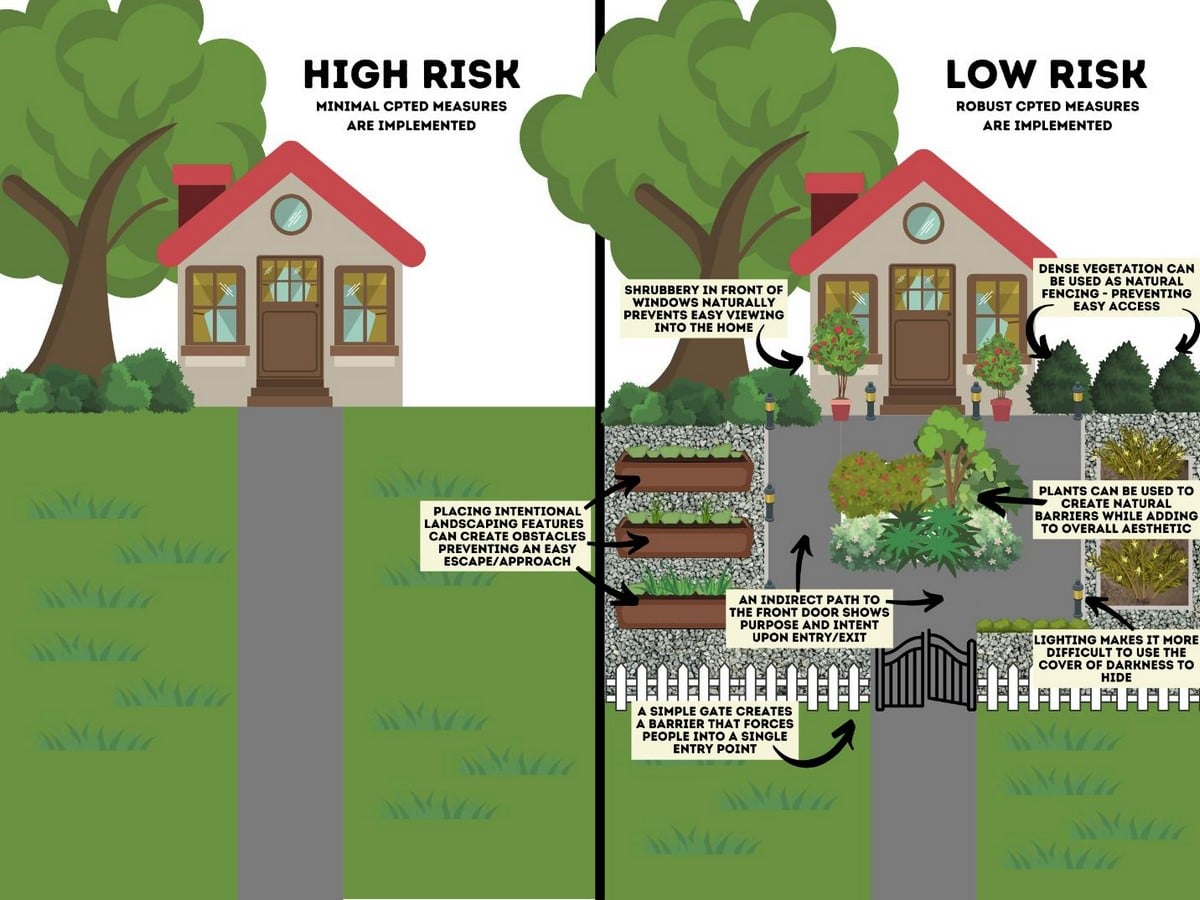
Integration of Criminological Theories
Felson and Clarke integrate several theories to support their framework:
- Routine Activity Theory: This theory postulates that crime typically occurs when a motivated offender encounters an easy target without the obstacle of capable guardianship. Also, understanding daily routines can help identify and mitigate crime opportunities.
- Rational Choice Theory: This perspective assumes that offenders make a conscious decision to commit crimes based on cost-benefit analysis. It is by increasing perceived risks and cost and at the same time reducing any anticipated benefit, the potential offenders may be discouraged.
- Crime Pattern Analysis: Analysing patterns in criminal activities can help identify hotspots and predict potential future crime zones, thereby enabling targeted interventions to redesign those zones.

CPTED Principles
The adoption of Crime Prevention Through Environmental Design (CPTED) principles aims to go far beyond traditional crime prevention techniques by examining the Site design in collaboration with the community and public development agencies. CPTED is predicated on the premise that crime is rather opportunistic and often context-driven. Poorly planned and designed spaces contribute quite unknowingly to disorder, nuisance, and criminal behavior, carve opportunities for crime, and cause a heightened level of fear among the public. By effectively applying CPTED principles, the research seeks to mitigate crime, nuisance behavior, and the fear of crime, particularly for newer developments. Furthermore, the application of CPTED principles in existing developments enhances problem-solving capabilities and prevents future issues.
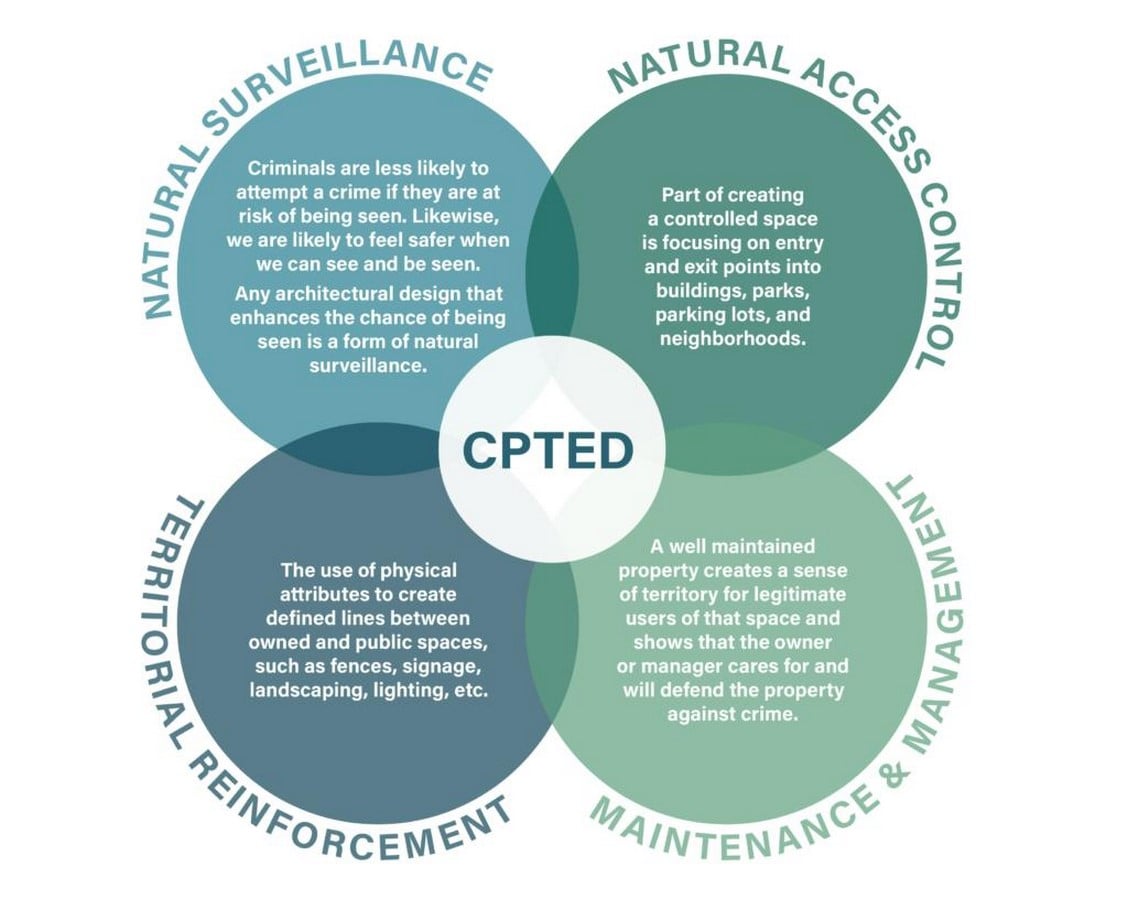
Natural Surveillance
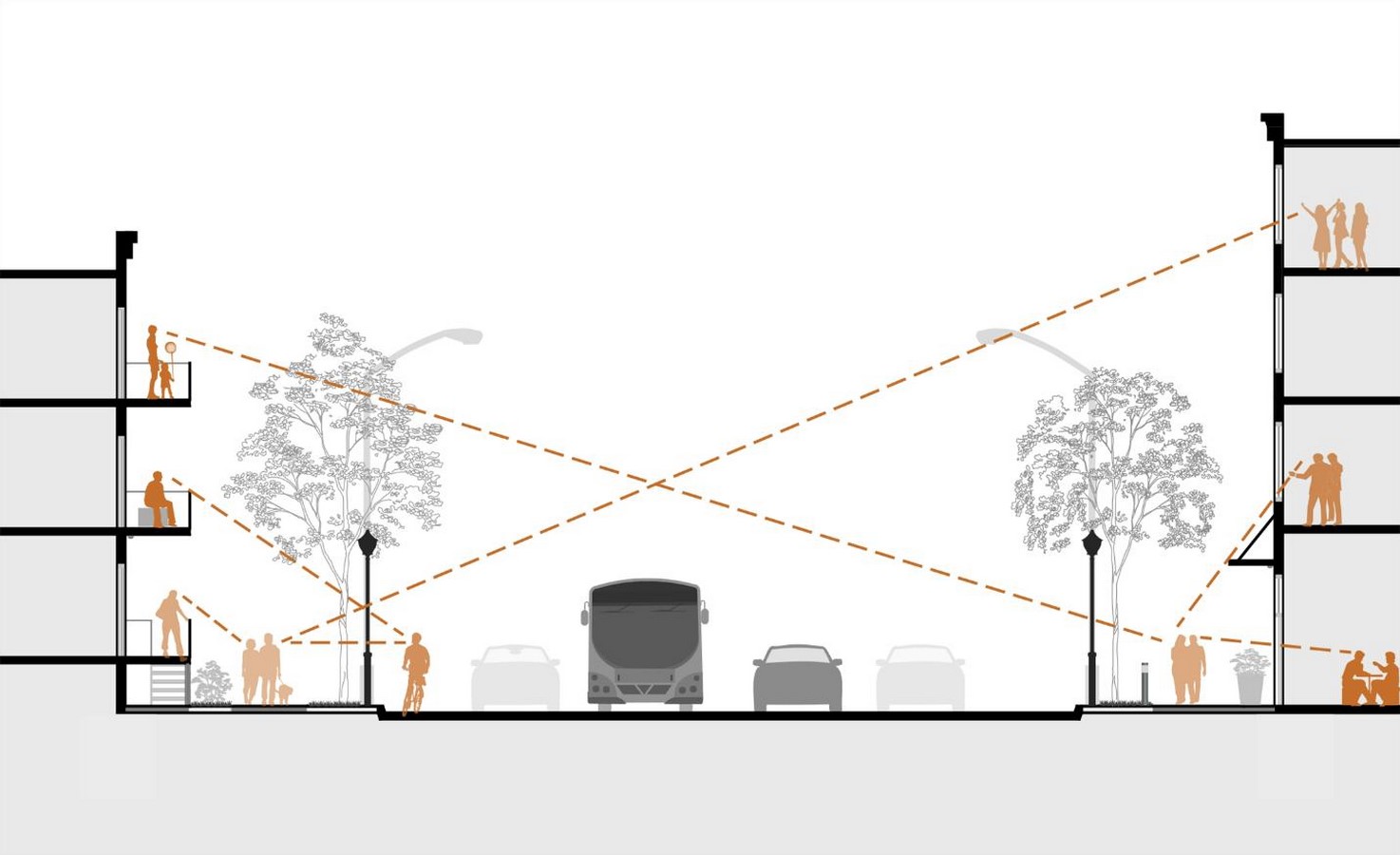
A fundamental aspect of urban planning, Natural Surveillance is a design concept that focuses on vigilant observation of potential intruders. This involves strategically situating and designing elements such as lighting and landscaping to maximize the visibility of properties or buildings. The goal is to empower individuals to witness and report inappropriate behavior to law enforcement agencies or to property owners, acting as an active deterrent to crime. Achieving Natural Surveillance in urban planning incorporates elements like well-placed ambient lighting, transparent fencing, and landscaping that is designed to eliminate potential hiding spots for unscrupulous elements. By deploying such strategies, there is a significant potential to mitigate crime rates, hinder criminal activity, and actively contribute to developing safer communities.
Defensible Space Theory
In the Defensible Space Theory, Oscar Newman, despite facing criticism, became influential in urban planning by introducing the concept of “Communities of Interest.” Newman suggested that building houses or apartments with small clusters of residents for communities with shared lifestyles, ages, and family cycles could enhance social cohesion. The theory focuses on residents’ informal control and territoriality, emphasizing physical design elements that contribute to a safer environment.
In the 1970s, the Spatial Choice Theory shifted the focus to offenders’ rational decisions regarding spatial selection. According to Brantinghams in this theory, criminals who behave like ordinary people most of the time prefer to operate near their home base but avoid working too close to their residence to prevent recognition by neighbors. This theory provides insights into the spatial patterning of crimes, particularly for property crimes.
In the context of these theories, situational crimes involve criminal activities precipitated through the surroundings and environmental factors. The physical design of spaces, the presence of informal surveillance, and the perceived defensibility of an area help reduce situational crimes. The theory helps contribute to understanding and addressing the dynamics between offenders and their environments, crime prevention strategies rooted in urban design and planning.

Enhanced Lighting & Crime Prevention
Urbanization has led to increased concerns with respect to increased crime rates in cities. Urban planners recognize that lighting plays a significant role in the safety and security of urban spaces. Properly designed and well-implemented lighting solutions can prevent criminal activities, enhance public safety and at the same time create a vibrant and dynamically elegant urban environment.
When visibility is heightened due to improved lighting conditions, potential criminals may rethink or even abandon their intention in that region. If the enhanced lighting leads to the capture and imprisonment of offenders, their ability to commit crimes in that area becomes significantly reduced. The installation of new lighting may also encourage residents to spend time on their porches or in the front yard during evenings resulting in informal surveillance. Moreover, improved lighting might inspire more people to venture out at night which also contributes to increased informal surveillance.

Two theories underpin Professor Pease’s ideas about crime prevention through improved street lighting. One theory suggests that street lighting is a situational crime prevention measure that focuses on reduced opportunity and increased risk through modification of the physical environment. Street lighting strengthens informal social control and cohesion in the community through social interaction and appropriate investments in neighborhood infrastructure. Urban lighting plays a crucial role in enhancing safety, reducing crime, and enhancing visibility in public areas for pedestrians, drivers, and urban dwellers.
Key Strategies:
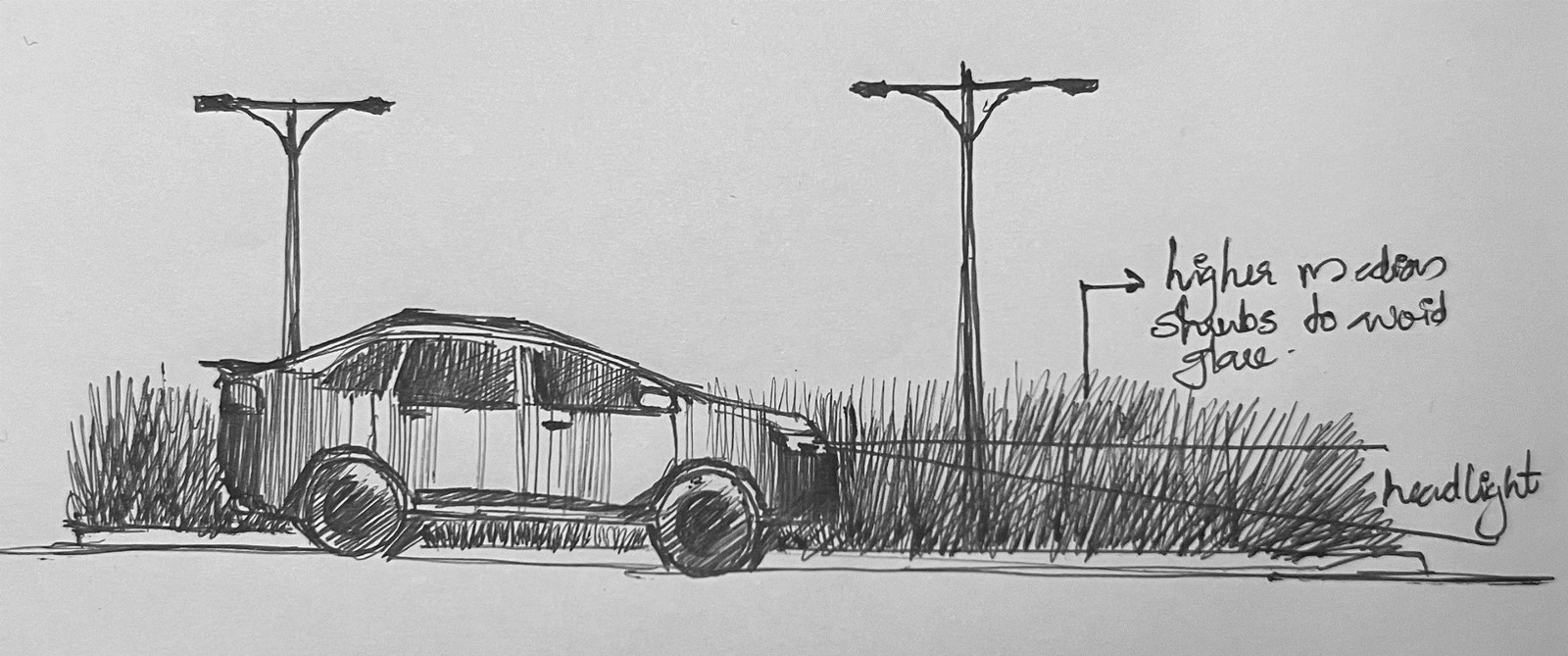
- Reducing Glare on Two-Way Streets: Higher medians at the level of car headlights prevent direct glare on motorists thereby improving night-time driving conditions as well as better safety for pedestrians.
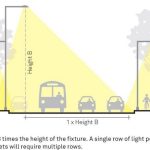
- Strategic Streetlight Placement: Proper spacing of streetlights (2.5 to 3 times the height of poles) ensures uniform illumination and eliminates dark spots that may attract crime.

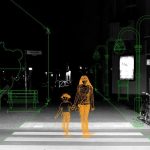
- Clear Sight Lines & Visibility: CPTED principles mandate that lighting should allow facial recognition from 10 meters for quick identification of individuals and potential threats.

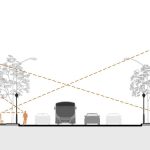
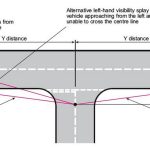
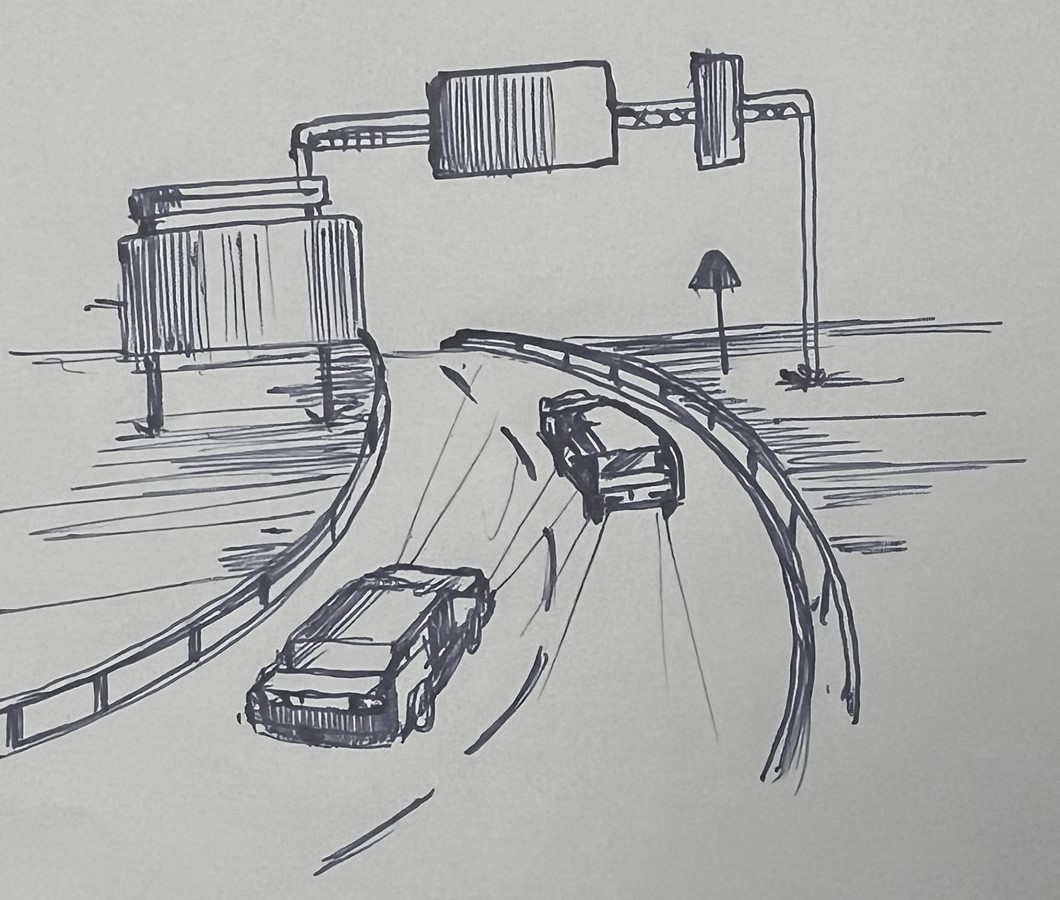
The visibility splay is measured using two distances: X is the distance from the edge of the road to the driver’s eye (2.4 meters back, 1.05 meters high), and Y is the distance needed for the driver to see oncoming traffic. The faster the vehicles, the further the distance needed. Both horizontal and vertical sightlines are checked to ensure drivers can see clearly without obstacles. [Illustration]
- Well-Lit Public Spaces: Parking lots, bus stands, and pedestrian pathways should be illuminated to enhance security and visibility from surrounding streets.
- Illuminated Signboards: Integrated lighting for signage improves wayfinding and contributes meaningfully to enhancing illumination on the streets.
- Targeted Lighting in High-Risk Areas: Entrapment-prone locations such as underpasses and alleyways should be well equipped with LED lighting to reduce isolated areas and instill fear in criminals.
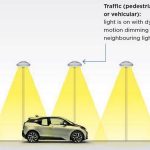
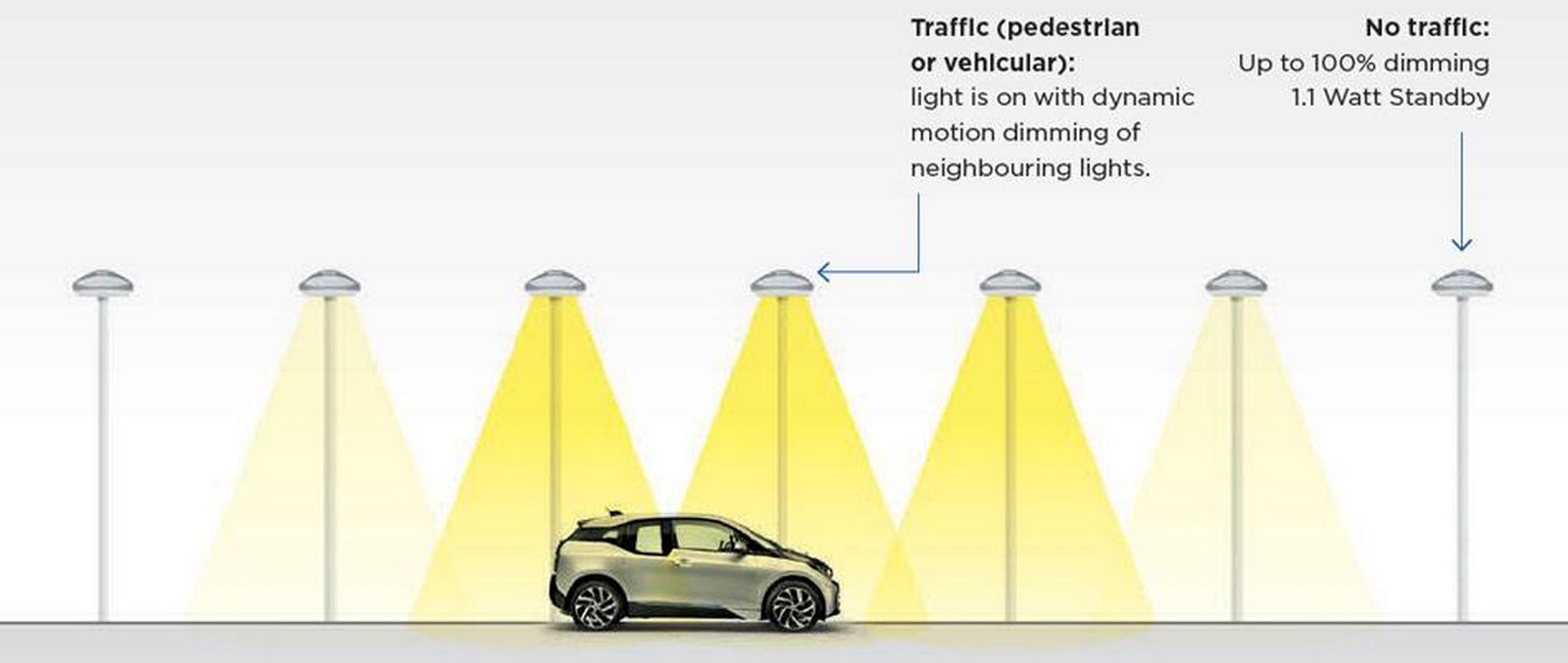
- Smart Pathways with Dynamic Lighting: Sensor-based lighting that operates based on movement tends to trap unassuming criminals and enhance safety while conserving energy, creating more efficient and adaptive urban spaces.
Jane Jacobs Theory:
Jane Jacobs is renowned for her theory of crime prevention in urban areas, as outlined in her book “The Death & Life of Great American Cities.” Jacobs emphasized the significance of community engagement, social interaction, and urban design in fostering safety and prevention of crime. In the context of lighting, proper lighting contributes to the concept of “eyes on the street,” enhancing visibility and creating a sense of safety in urban areas.
Jane Jacobs’ theory of crime prevention emphasizes proper visibility and surveillance by ensuring that public spaces are well-lit, allowing for increased visibility during both daytime and nighttime and restraining potential offenders with natural surveillance. Community interaction plays a key role in encouraging residents to use and enjoy public spaces. Mixed land use integrates multiple functions within the same area, combining commercial districts, residential zones, and recreational spaces. This approach keeps neighborhoods active, vibrant, secure, and accessible throughout the day. Well-illuminated streets and public areas promote a lively atmosphere, encouraging people to be present and active. This urban vitality aligns with Jacobs’ idea that a dynamic and diverse urban environment is less crime-prone. Additionally, community engagement involves residents in decisions with urban planning strategies and maintenance concerns, thereby ensuring that communities have spaces tailored to their needs. This empowerment fosters a sense of ownership contributing towards a safer and more secure environment.

Strolling Down Historical Storybooks:
Throughout history, various urban legends and supernatural figures have fuelled fear among communities, often linked to crime, superstition, or social anxieties. Many of these figures thrived in times when surveillance was weak, lighting was poor, and public awareness was limited. However, advancements in security, technology, improved street lighting, and community vigilance have significantly reduced their influence. Here are some notable examples:
Spring-Heeled Jack
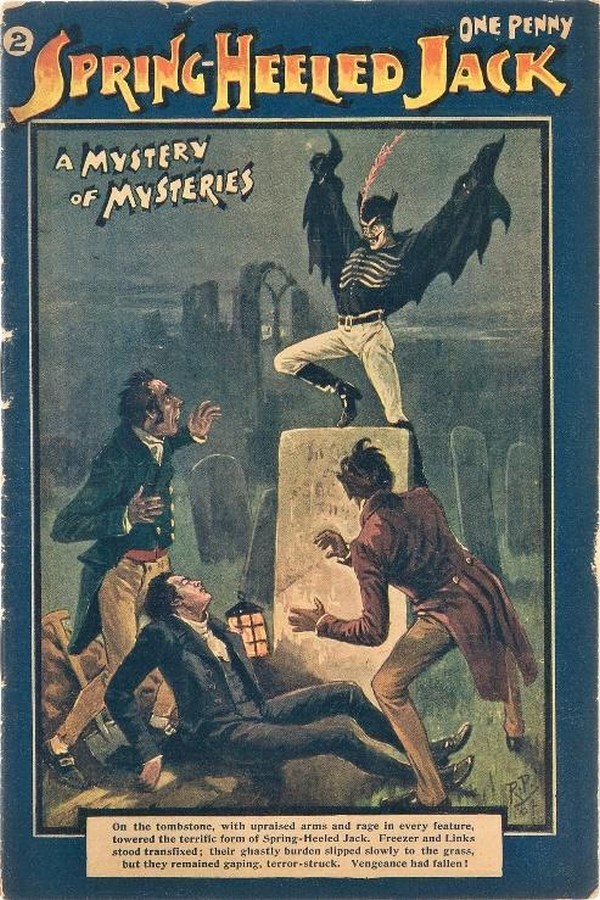
An infamous figure in Victorian England, Spring-Heeled Jack was rumored to be a supernatural entity capable of leaping to great heights, attacking women, and vanishing into the night. Many reports describe a shadowy figure in a tight-fitting black suit, sometimes breathing fire. While initially seen as a ghostly apparition, historical evidence suggests that criminals or pranksters used the legend to terrorize people and commit assaults or thefts. As street lighting improved and organized policing developed with Scotland Yard in 1829, this menace declined significantly.
The Black Man
The Black Man was a sinister figure, thought of as supernatural and other times a masked intruder dressed in black. Many European and American towns feared mysterious burglars dressed in dark clothing who preyed on isolated homes and stalked residents. With advancements in gas lighting in cities in the 1800s, electric lighting, and improved police patrols in the 19th century, crime became easier to track.
The Boogeyman & Fear-Inducing Figures
Boogeyman was originally a story to scare children into obedience. In some places, this legend was connected with actual criminal activity. In the 19th century, parts of France and Italy reported criminals dressing as shadowy figures to instill fear before burglarizing homes. As cities modernized, with better lighting, identification records in the police, and public awareness campaigns, these fears subsided.
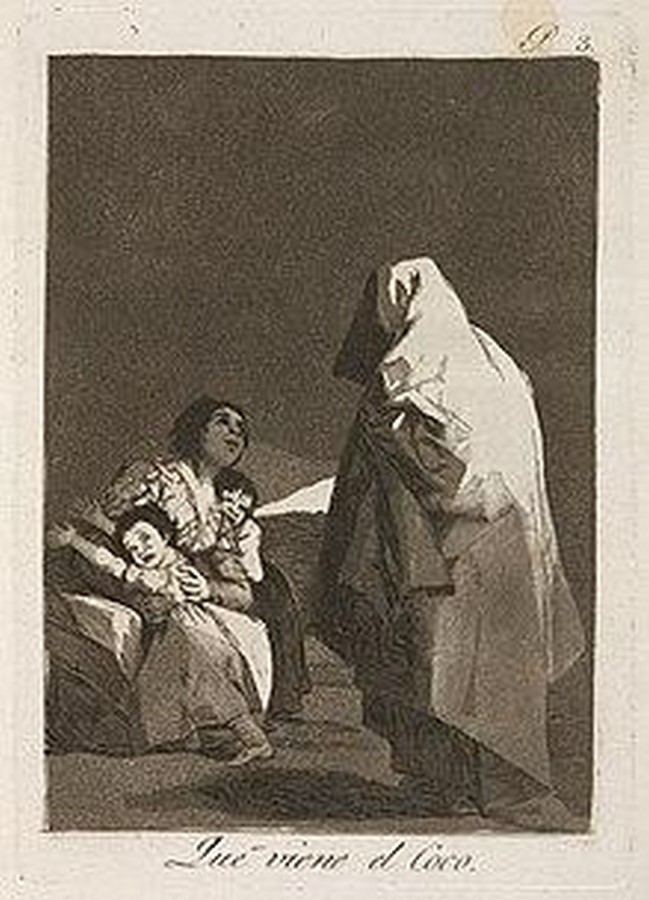
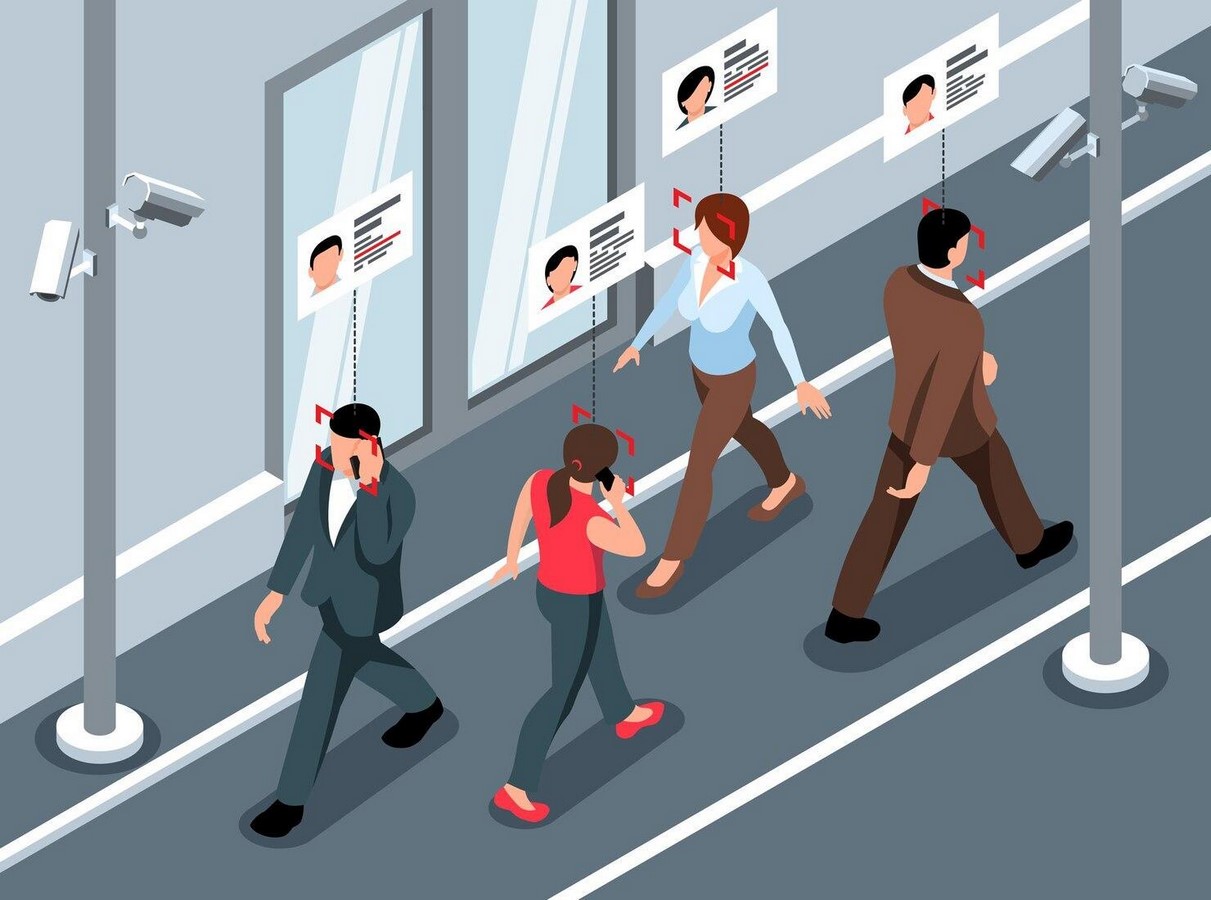
The rise of CCTV surveillance combined with increased police presence and improved lighting in urban areas, dramatically reduced these fears by making it harder for criminals to operate unnoticed. Improved street lighting reduced dark spots where criminals once thrived with modern LED lighting. In community awareness, better education and mass communication expose fraud and obstruct criminals from using fear tactics. Rapid emergency response and police hotlines allow for immediate action, reducing the success of stealth-based crimes. Forensics such as fingerprinting, DNA tracking, and identification such as facial recognition make it challenging for criminals to conduct crimes.
Mitigation Measures & Crime Reduction
Well-Connected Neighbourhoods Enhance Security: Crime tends to thrive in areas with poor accessibility. Designing well-structured streets with efficient infrastructure not only improves surveillance and faster police response.
Public Transport as a Tool for Social Equity: Limited access to public transportation can lead to social isolation, increasing unemployment, and inequality, which are linked to higher crime rates. Expanding and improving transit systems provides people with better opportunities, reducing these risks.
Compact Cities Encourage Natural Surveillance: Mixed-use neighborhoods that combine residential, commercial, and office spaces create continuous activity throughout the day and night. This natural presence of people fosters passive surveillance, making the area less inviting for criminal behavior.
Well-Maintained Public Spaces Foster Safety: Public spaces in good condition contribute to a sense of community pride and social responsibility. When utilized for activities like art, sports, or gatherings, they promote positive engagement while discouraging crime.
The Broken Window Effect: Neglected urban spaces signal a lack of care, encouraging further deterioration and criminal activity. A single broken window or scattered litter can escalate into vandalism or illegal occupation. Maintaining public areas sends a message of order and vigilance, acting as a disincentive to crime.
References:
- Securiguard. Crime prevention through environmental design. Available at: https://www.securiguard.com/crime-prevention-through-environmental-design/
- Lumenova Street light control system. Available at: https://www.lumenova.net/sales-products/street-light-control-system.html
- Speed Survey Visibility splays. Available at: https://www.speed-survey.co.uk/visibility-splays.htm
- Global Designing Cities Initiative Lighting design guidance. Available at: https://globaldesigningcities.org/publication/global-street-design-guide/utilities-and-infrastructure/lighting-and-technology/lighting-design-guidance/
- Big Bend Dark Sky Reserve Lighting. Available at: https://www.bigbenddarkskyreserve.org/lighting
- ONU Habitat Crime reduction through urban planning and management. Available at: https://onuhabitat.org.mx/index.php/crime-reduction-through-urban-planning-and-management
- Paragon Architecture Crime prevention through environmental design. Available at: https://www.paragonarchitecture.com/crime-prevention-through-environmental-design/
- Atlas Obscura (2018) Meet Spring-Heeled Jack, the leaping devil that terrorized Victorian England. Available at: https://www.atlasobscura.com/articles/meet-springheeled-jack-the-leaping-devil-that-terrorized-victorian-england
- All That’s Interesting Spring-Heeled Jack. Available at: https://allthatsinteresting.com/spring-heeled-jack
- Warwick, E., & Lees, L. (2022). Osmosis across defensible space: observations and lessons from dérives in London during COVID-19. Urban Geography, 43(6), 810–820. https://doi.org/10.1080/02723638.2022.2039435