Architecture is all about designing environments. Places to live, work areas, places of worship, celebration and leisure. All these are designed with so many resources and finesse. But an area of space-making is often overlooked by designers of the world, designers outside architects and planners. Namely, anthropologists, politicians and other decision-makers.
Architecture for Displacement
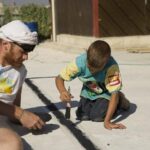
It is this “de-glamorous” architecture, neglected by the rich and powerful, which is the most impact-making, creating environments that change the lives of people forever. Architecture and space have a big role to play in the lives of those who fled their home countries, and ran away from their dear ones, to an alien city in hopes of a better future. During this period of crisis and struggle, the living environment has the potential to be the ultimate source of comfort.
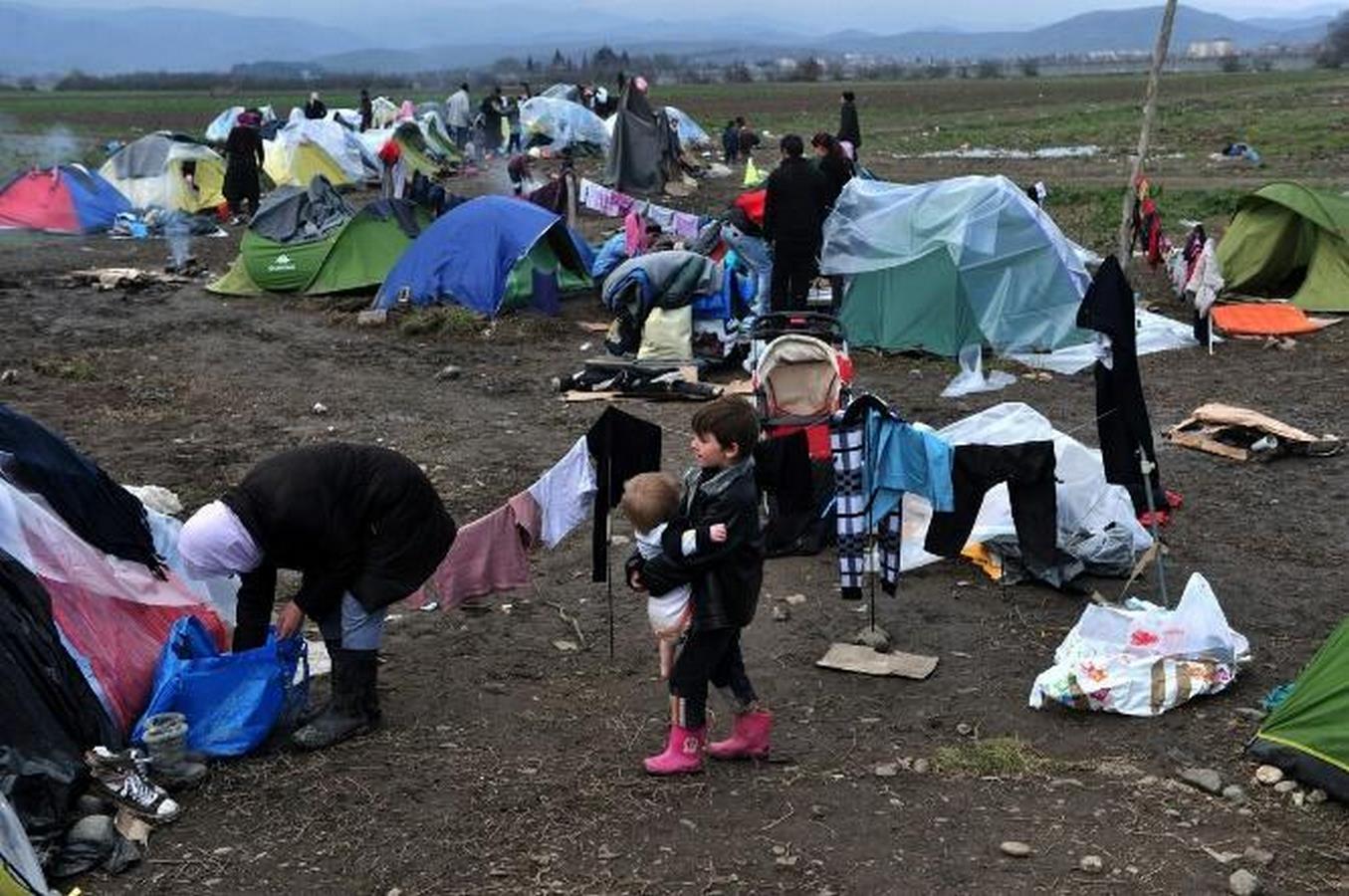
Building Futures, Not Just Shelters
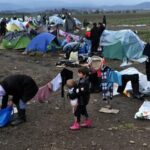
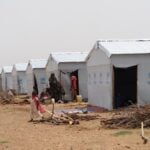
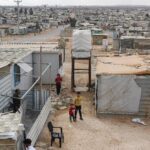
For many, refugee architecture only means long rows of tents or other temporary shelters in camps. But these shelters are a mere temporary measure in response to their displacement. In the book “Design like you give a damn”, the team of ‘Architecture for Humanity’ imagines refugee housing in three phases: Emergency, Transitional and Permanent. As designers, the goal is to always have people’s best interests at heart and welcome the displaced population, eventually letting them be a part of the city’s heart.
UNHCR, the UN Refugee Agency, recognizes that enabling refugees to live in communities lawfully, peacefully and without harassment, in urban or rural areas, could turn their lives around. They feel empowered and encouraged to grow personal skills and assets which can benefit the communities where they are living.

Welcoming Refugees from Day 1
This integration involves a multi-faceted approach. It can only be achieved if the place has good intentions from the get-go. Because the integration starts from the first day of the arrival of newcomers, in their host environment. Their initial reaction to the place and its people has a huge impact on how they imagine their lives living there.

This early integration happening on the local level of the city and more specifically in the host neighbourhood, shall be well planned with appropriate facilities and accommodations. It is the local municipalities that plan urban development and land use, that decide the locations and characteristics of refugee reception and accommodations.
Short-Term Focus, Long-Term Impact
Generally, these decisions are taken by politicians and administrative personnel. While trained urban planners may be consulted at times, their recommendations are not necessarily prioritised by decision-makers. These uninformed and hasty decisions largely impact the long-term integration dynamics of refugees. These city level decisions shape the urban context on multiple levels and affect the socio-spatial dynamics of the city.
Logistical and administration related issues in the larger political context, may be prioritized in their decision-making processes, over other aspects important for the long-term development and integration recommended by experts and urban planners like gender safety, minority inclusion, hygienic and sensitive housing conditions.
Space and Integration Dynamics
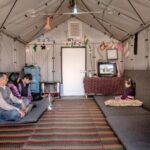
Over the years, there has been a wide range of refugee accommodation solutions depending on the context, resources, climate and culture. From emergency shelters to container villages, host communities provide a variety of arrangements according to each accommodation. These varied design responses allow different levels of access to various resources and cultures, influencing individual trajectories of integration differently.
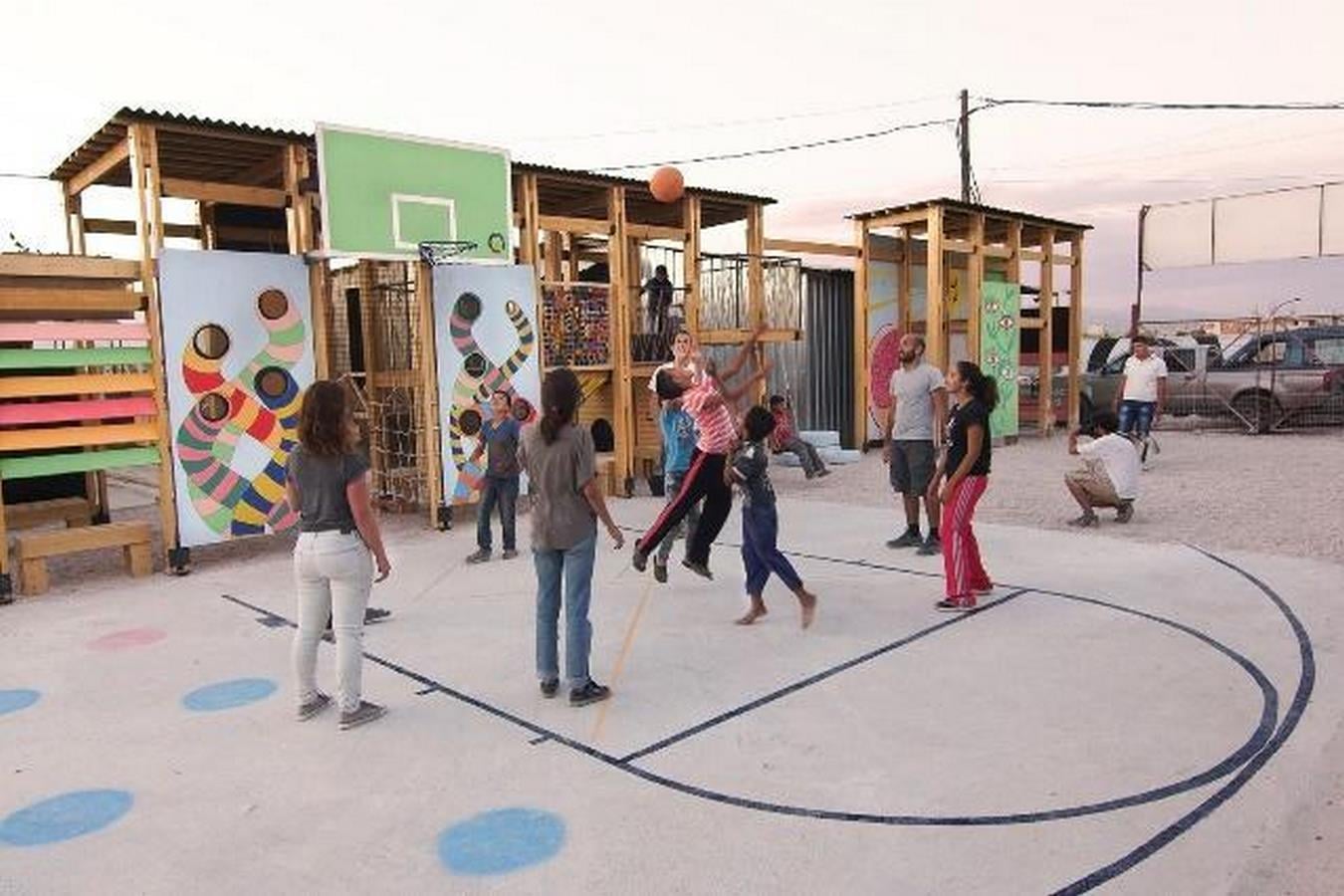
Many of these institutional arrangements or urban facilities are spatial in nature, which is a result of the prevalent urban planning and architecture. Therefore, both urban settlement and design facilitate the refugee integration processes in host cities, if these arrangements are included and considered during urban planning.
Surroundings Shaping Communities
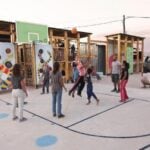
The urban arrangements beyond the four walls of refugee accommodation are just as important. They influence with whom they share their resources, whom they interact with on a daily basis, and with whom they eventually connect with work and commute. This directly influences how smoothly the community building happens, and whether it leads to integration or segregation.
Therefore, in order to plan for long-term sensitive goals; local strategies and planning should take into consideration the uniqueness of cities, their stories, demographic and cultural constructs, as well as those of the neighbourhoods hosting refugee accommodations.

Neighbourhoods and Refugee Lives
Where these displaced populations are placed in the jigsaw puzzle makes a huge difference. Housing environments near the city centre have easier access to urban services and infrastructure. The outskirts have limited possibilities and opportunities, which makes it harder for refugees to get to the city unless they need to.
While some are repurposed old buildings, others are newly built. While some are located within residential neighbourhoods, others are tucked away in industrial or commercial areas lacking social spaces that allow for community building. For those located in residential zones, a layer of “normality” is brought back to their lives. However other factors like the socio-economic dynamics and the cultural profiles of different neighbourhoods and their inhabitants, may lead to different experiences.
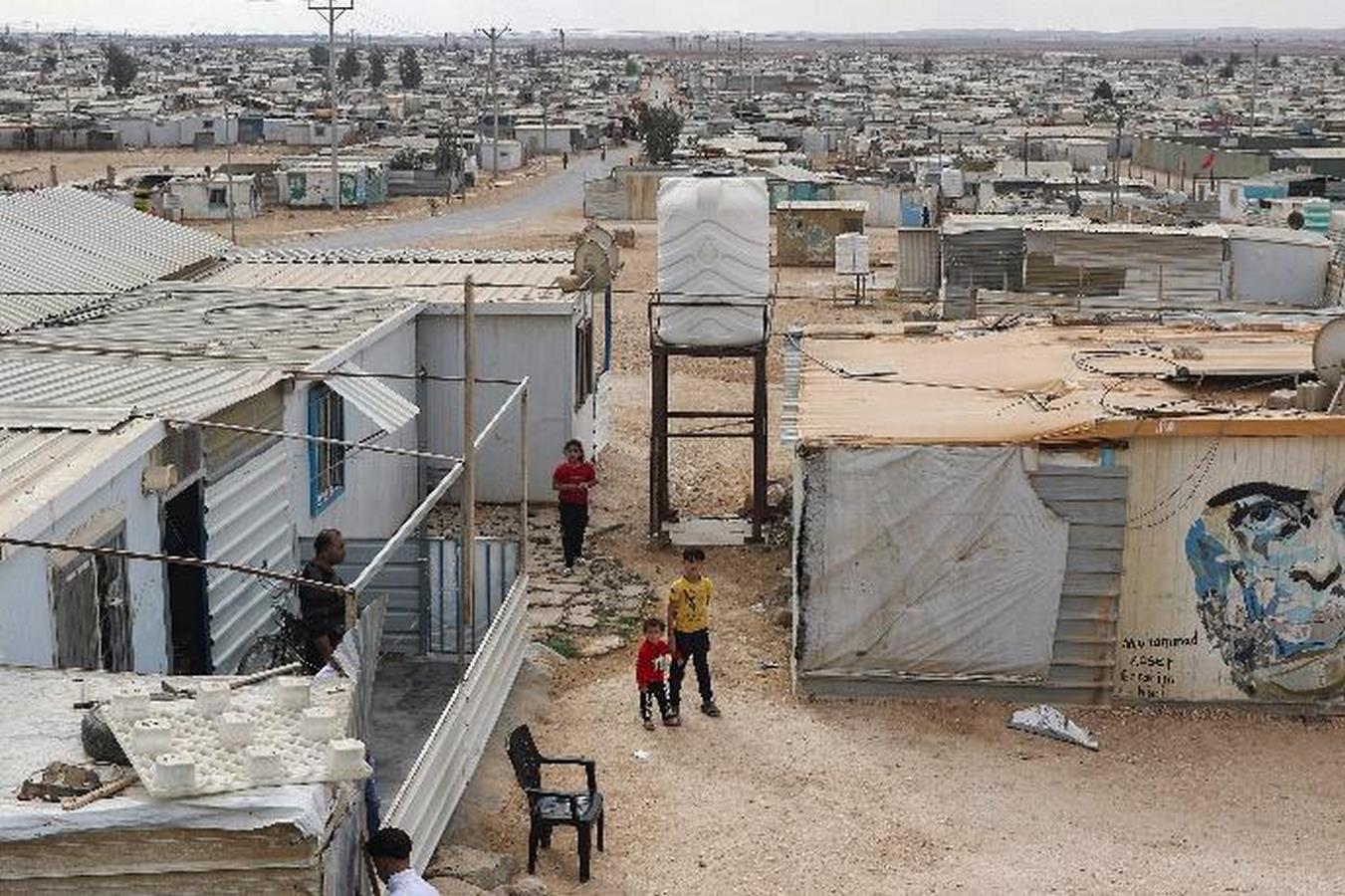
Urban Housing for Migrants
Most refugees come to cities, aspiring to lead better lives. They hope to work, give their children better facilities, and find a clean, safe house to look after their families. These migrants are in particular need of support from local governments in terms of education, language and health care. Therefore, immigration is a prime example of a global issue unfolding at the local level, both in the field of integration and citizenship.
Immigrant housing has always been a challenge on the urban level, options are always scarce and pricy. To solve this two-fold issue, planners can combine housing with their goal of social inclusion in policymaking.
Integrating Refugees through Participation
Overall, it is important to understand that migration and refugee policies which were previously understood as national in nature, in reality, can be solved at the local level in a multi-level governance system because cities may be better equipped to deal with them.
While it is essential to remember that there are no ideal solutions that fit all refugees or all cities, participatory planning for integration is the most effective tool on the local level, where refugees live and interact with their local environments, and participate in decision-making, eventually creating feelings of togetherness and belonging.

References:
UNHCR US. (2017). Alternatives to camps | UNHCR US. [online] Available at: https://www.unhcr.org/us/what-we-do/respond-emergencies/shelter/alternatives-camps [Accessed 5 Jan. 2025].
Seethaler-Wari, S. (2018). Urban Planning for the Integration of Refugees: The Importance of Local Factors. Urban Planning, 3(4), pp.141–155. doi:https://doi.org/10.17645/up.v3i4.1696.
Francisco (2011). Design like you give a damn : architectural responses to humanitarian crises. London: Thames And Hudson.
Doomernik, J. and Ardon, D. (2018). The City as an Agent of Refugee Integration. Urban Planning, 3(4), pp.91–100. doi:https://doi.org/10.17645/up.v3i4.1646.