It was that time of the year where anxiety was its peak. Everyone was sending out their portfolios for the college internship. While I had set my mind on trying to get into something that was often talked about in architecture schools and rarely ever saw it being implemented where people designed for the community and with the community.
I had sent my portfolio to Shelter Associates with low expectations and an honest email about how I am interested in working with the community and learning more about the Pradhan Mantri Awas Yojana (P.M.A.Y). On being accepted to work at Shelter associates, I was excited and curious to find out how an N.G.O works towards working with the community and how the design process is different or similar.
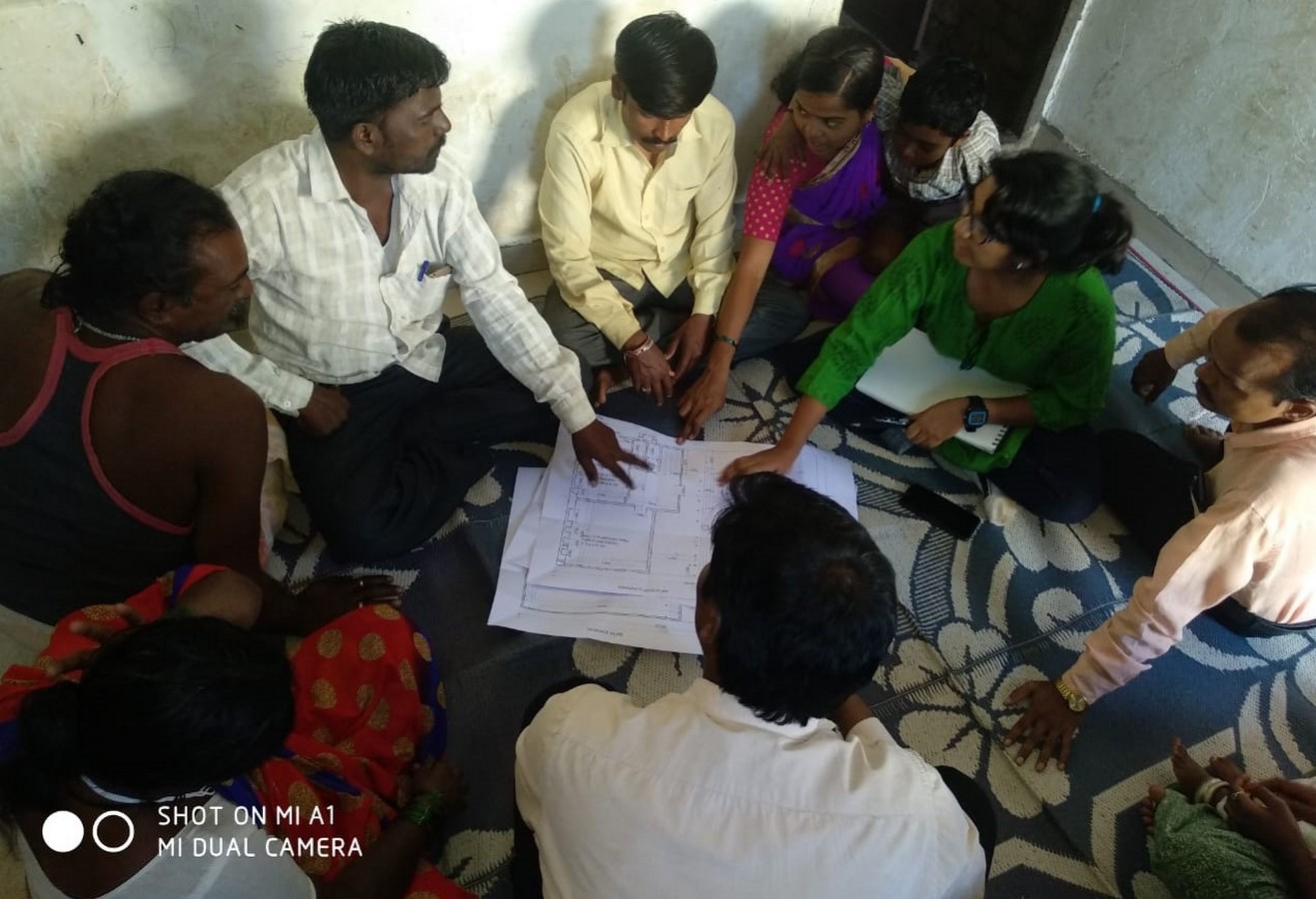
The fascination to work in an N.G.O was to understand how the social architecture that is often talked about in architectural colleges about social responsible design and participatory design.
The fact that participatory design and incremental housing has been taught in our architectural academic curriculum for decades and yet stirs interest in curiosity amongst young architects is amazing. It is very rare for architects to work with social workers and collaborate with communities.
The fact that this has become an rising field of interest with young architects taking up interest in housing for the poor and developing the BPL sector is in direct correlation with the idea of social design. Through the course of my internship I learned how a profession that dealt with aesthetics, materials and construction could help change the lives of many people through the small act of building toilets for them and by building them spaces that help the community grow.
Unlike the fact that we spoke about these changes extensively in architectural conferences, the real world has you dealing with a lot of hurdles. There are politicians, there are agencies there are the people who want to avail these benefits that have to undergo certain hurdles.
The challenge in this case was not just to provide them with the facility but also encourage them to take ownership of what is theirs. The idea to give them what they required but also create awareness and responsibility about the facility that they have newly found is incredible. The fact that I was constantly interacting with the people of these communities and understanding their daily activities is incredible. The way that most NGOs work towards growth is through mobilization of the community or through hosting talks for them.
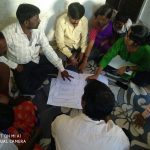
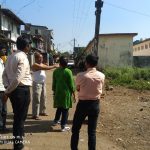
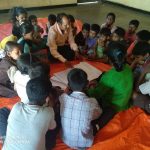
During my first month in the internship, on my visit to the site, I found it very unfortunate to see how the community toilet blocks were so badly maintained. However, it is often found that the economically backward sections of our society are often neglected. However, Shelter Associates has tried to create an efficient bridge between the urban local bodies and the community of these economically backward settlements. I learned about how these communities are well aware of the current need and have a lot of aspiration for the Area Resource Centre which is contradictory to the common belief that “they don’t know anything”. Several meetings were conducted in the community where there was a dialogue about ‘what our vision was about the Area Resource Centre’ and ‘what more the community wanted in terms of a congregational space’. The people of the community were very warm and welcoming to the idea of having a resource center in which the majority wanted to be run by the women of the community.
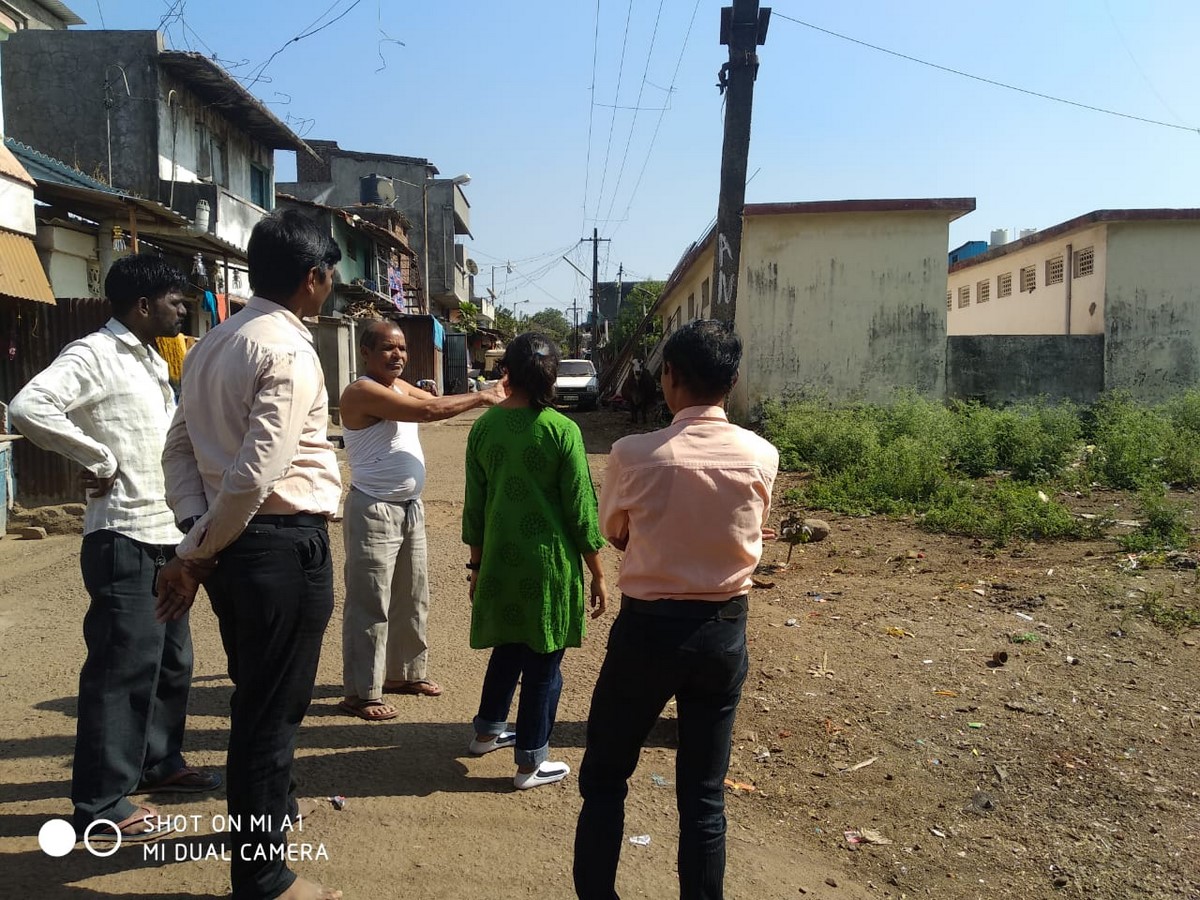
There were also settlements that I visited in Mumbai that were so compact. The open spaces in these areas are a luxury they can not afford. The houses in these settlements are extremely small and lack natural light. The houses in Navi Mumbai and Thane are heavily dependent on the Community toilet blocks. I learned that the people in such settlements were very repulsive to the idea of having a toilet in their own house. They were very slowly adapting to the idea of not walking miles to go to the toilet. While the women and children find it to be of utmost convenience, the men still prefer going to the community toilets.
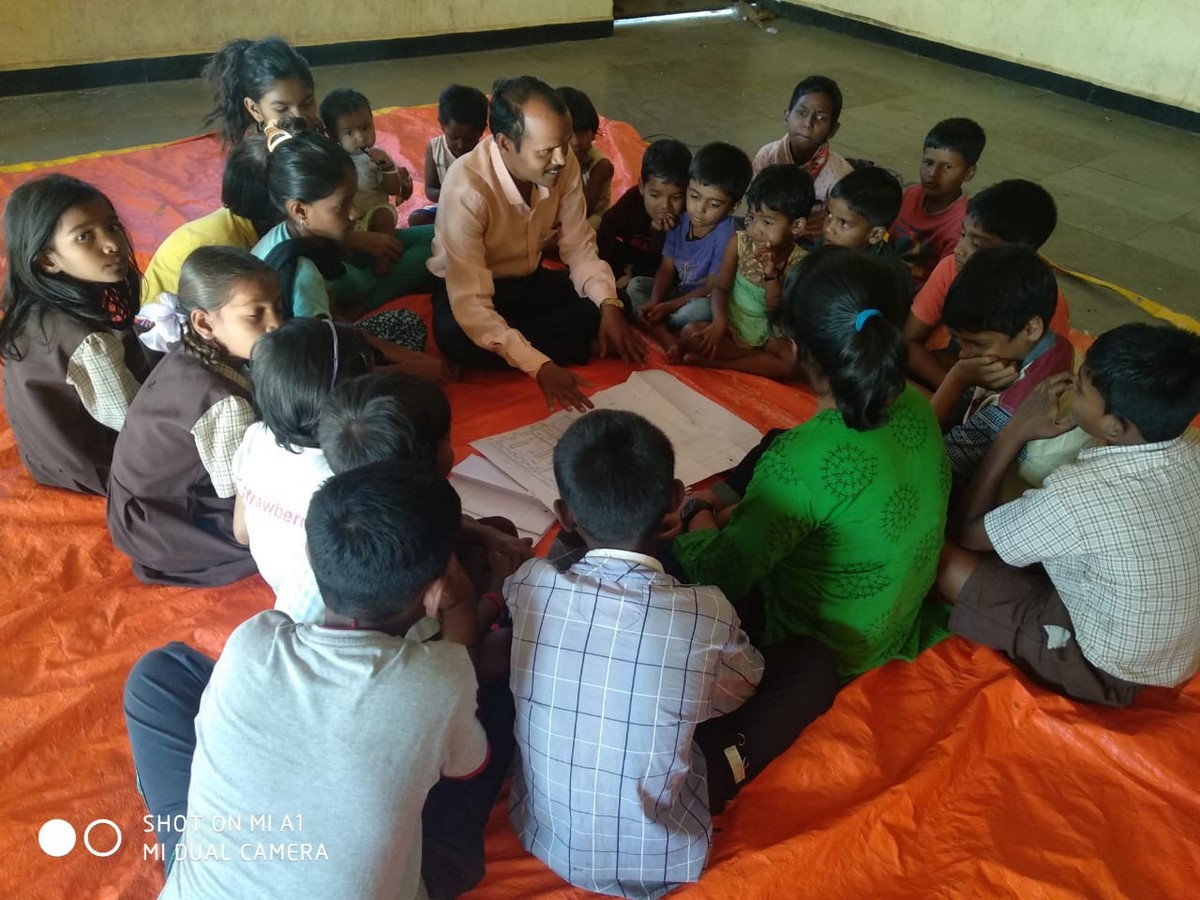
There is also a housing project which I was able to follow closely. The housing project is being done under the P.M.A.Y. It helped me understand how the data used by the Geographical Information systems (G.I.S) and the data collected in the slum are used to identify certain important aspects of the slum. The Geographical Information system (G.I.S) helps in mapping the typology of the households, the drainage lines, water sources, number of C.T.B’s in the settlement, and so on. The use of the Rapid Household Survey (R.H.S) and the G.I.S helped us analyze the situation of the families in the community and figure out how vulnerable they are in terms of being able to invest in the house that is proposed.
All in all, the experience of working at Shelter Associates has been extremely humbling and comforting. The fact that we work in a space that is so open is adding comfort to someone who is outside their comfort zone. The interactions that I have had with the people in various communities and settlements have made me believe in the power of involving the people in the design process. The fact that the office is so involved at every stage of the process is also something that I hope to take forward in life. It has been a very enriching experience working at Shelter and understanding how the communities are affected and the countless ways in which they can be helped.