Light is one of the most integral aspects of architecture. It is what breathes life into static spaces and allows human activity. Architects harness the control of light and its movement to better design spaces for both functionality and aesthetics. While designing museums the impact of lighting becomes even more pervasive since it becomes a medium of storytelling in exhibitions. It can alter moods and convey intangible ideas to those who experience these spaces and what is held within them. In this context, the control of lightning also determines the preservation of artifacts displayed in museums, since these are often susceptible to deterioration under certain kinds of lighting conditions. Moreover, the type of light also determines the accuracy with which an artifact is perceived by the human eye. Thus, in museums, light becomes a medium of connection between the space and the objects that are held within.

As mentioned, light is essential to the preservation and perception of artifacts in a museum. Numerous studies describe how different lighting conditions affect artworks in terms of their lifespans and originality.
A deeper understanding of these conditions can be derived from understanding the properties of light which govern these changes. Color rendering index (CRI) is the extent to which colors are rendered in artificial white light in comparison to natural light. A higher CRI indicates a wider spectrum of colors rendered with greater accuracy. Natural light has the highest CRI, however, it is a dynamic and unreliable source of lighting all year round, hence most museums use a combination of natural and artificial sources to satisfy lighting requirements.
Another important component of light is the amount of UV radiation and heat it carries. Most museums are a house to artifacts susceptible to light deterioration, particularly in the case of organic substances like wood, textiles, leather, and paints. Some of these cannot be displayed under direct sunlight and require a particular band of lighting for accurate perception by the human eye. The effects of lighting are cumulative and thus the time of exposure is also to be considered.
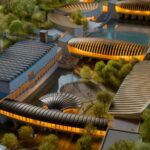
The proposed design to extend the Crystal Bridges Museum by Safdie Architects makes use of natural lighting in a particularly interesting way. A thorough understanding of color temperature has allowed them to create a hall with perfectly white light which balances the colour differences of north and south light. North light has a bluish shade and a cooler temperature which changes the appearance of red and purple tones. To balance this the north light is mixed with warmer and softer south light, with the help of reflectors in the sawtooth roof structure. Set for completion in 2026, this design creates a perfectly well-lit space that works even in the absence of a sunny day through the reflectors.

Storytelling Through Light
Light is a medium of storytelling in architecture. In museums, where the primary experience is that of ‘seeing’, light is responsible for narrating the tale. The choice of how natural light enters into a room to illuminate the objects within, or how artificial light creates moods are elemental in designing spaces. Over the years architects have learned to innovate with light in various ways, and a prominent use can be found in the works of Tadao Ando.
Chichu Art Museum, Naoshima, Japan
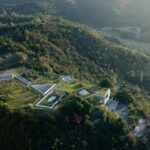
The Chichu Art Museum is one of the most interesting examples of the use of light in museum design. Despite being virtually underground, the use of natural light is the central theme that runs throughout the entire structure. Being embedded inside the earth, it is perhaps the lack of light that gives Ando its control. He successfully cuts off the visitors from outworldly distractions as each space becomes a carefully planned immersive experience.
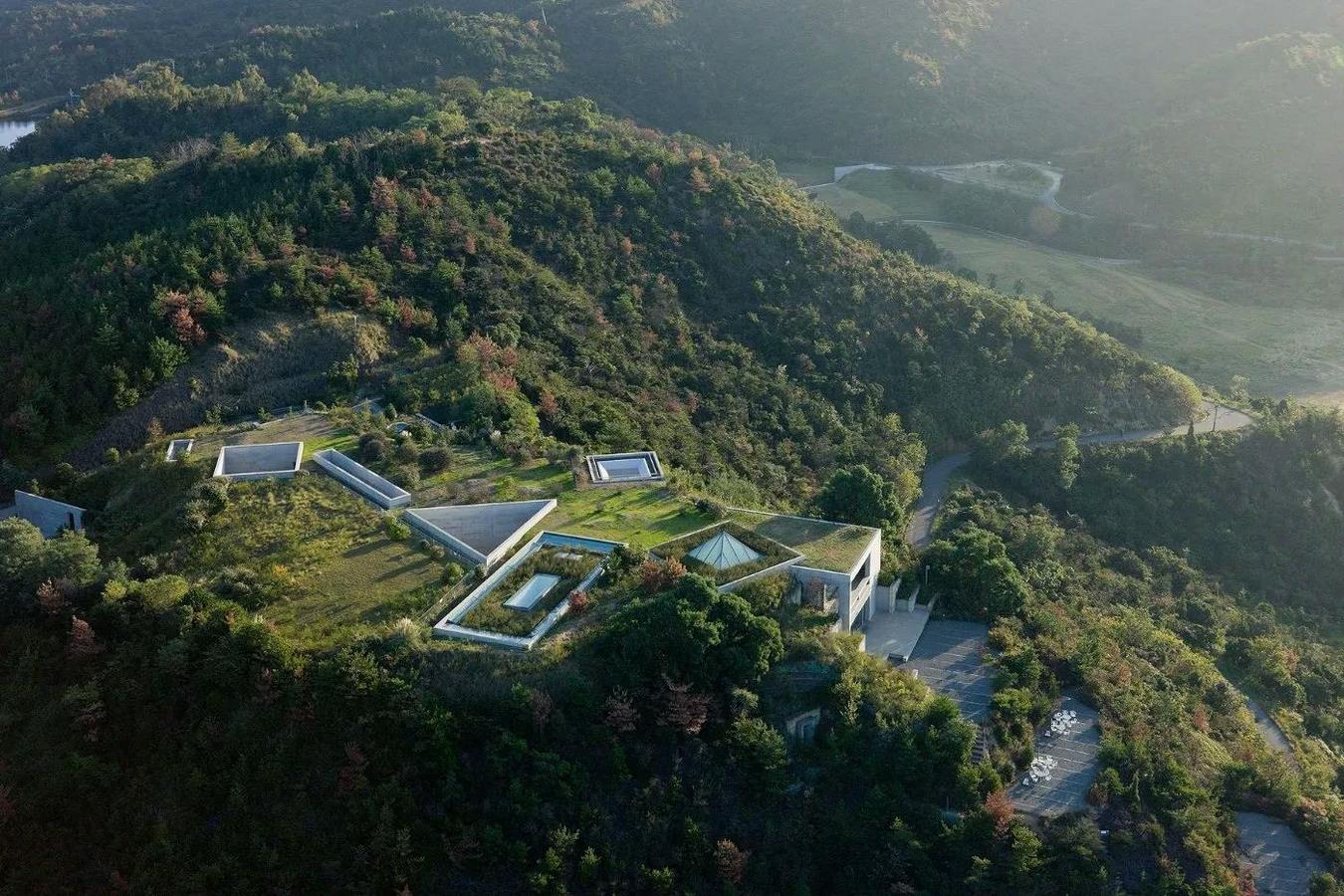
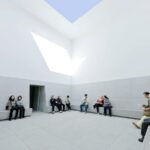
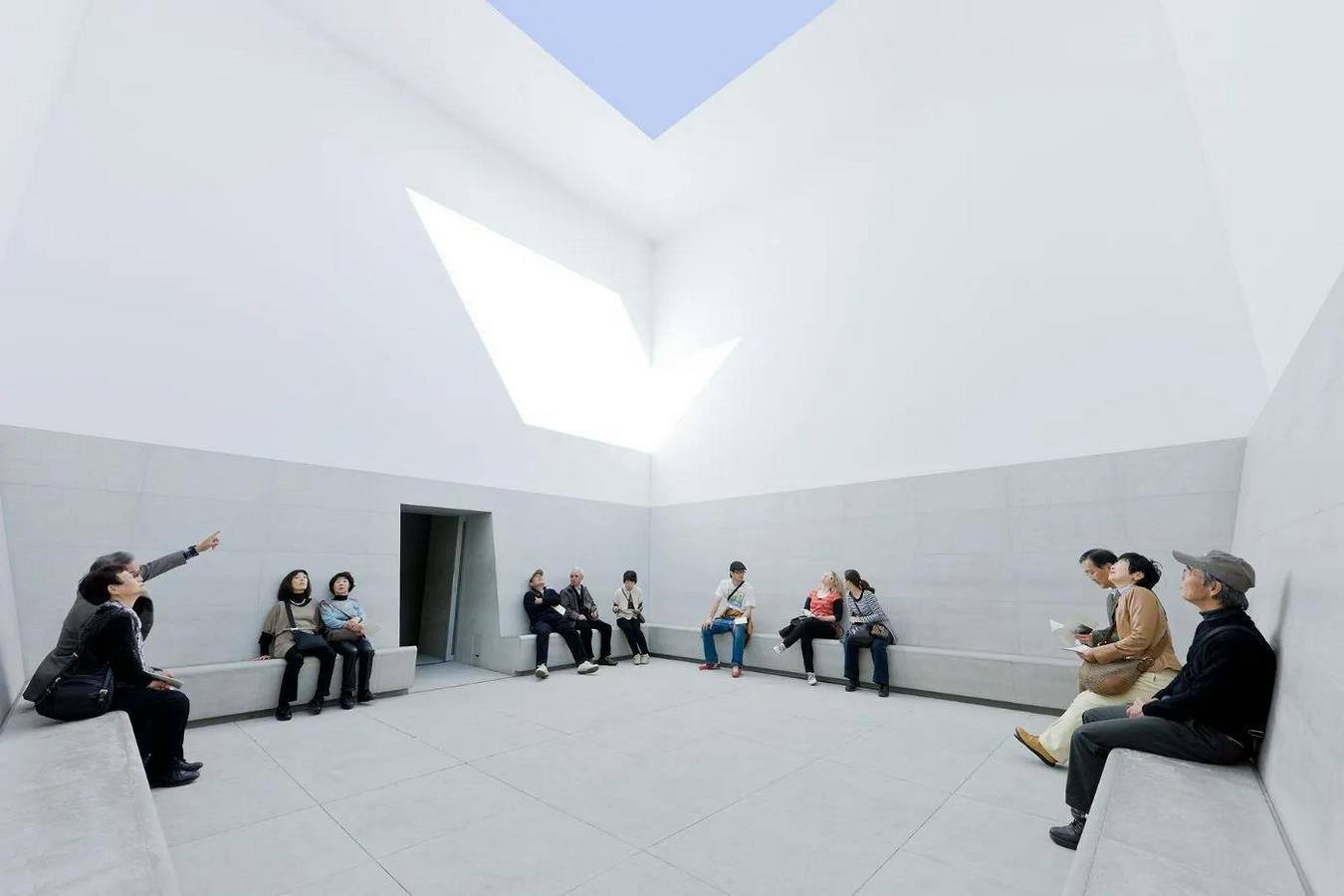
As one enters the museum, they are led downwards on a seemingly tight sloping pathway. This entrance procession is open to the sky and creates tension as the visitors are made to plunge within the museum’s entrance through completely dark voids. The visitor’s journey continues along a dark path only to be punctured by a vast square courtyard open to the sky. Through this game of sparingly lit corridors and large geometric skylights, Tadao Ando plays with the moods of his visitors, making them experience fear and darkness but also relief and wonder. The small collection of artworks housed within the museum is also designed to interact with natural lighting, altering their appearance at different times of the day and different seasons throughout the year.
United States Holocaust Memorial Museum
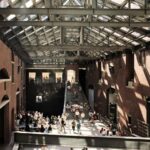
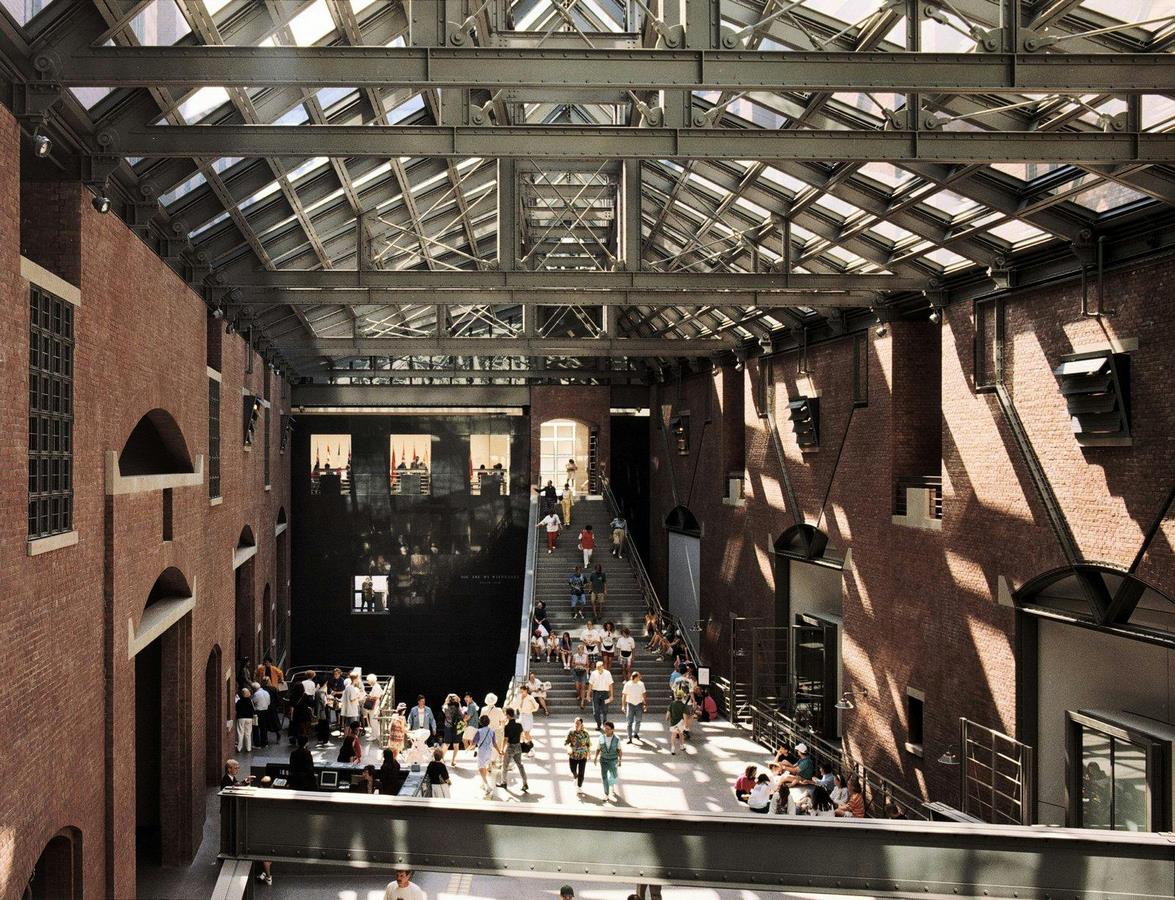
The United States Holocaust Memorial Museum is another example of how lighting has been used as a narrative tool for storytelling. Designed by the architect James Freed, this museum profoundly echoes the plight of the Holocaust victims and survivors by making visitors walk through their story spanning its origins in 1933 to the liberation of the camps and the aftermath that ensued. While designing the museum, Freed extensively studied the architecture of concentration camps and how design was used as a tool for furthering Nazi propaganda. These overcrowded spaces were especially designed to keep the dark secret of the Holocaust and what appeared to be composed and harmless structures on the outside were literally ‘rigorous killing machines’. It was the Nazi’s functional efficiency that Freed used as an inspiration for his design.
As one steps inside the museum, there is a stark change of environment. The bright limestone gives in to dark brick and concrete. As visitors move through the dark spaces in the museum the only source of light becomes the sun, much like what was faced by the victims inside the camps. Spaces are confining and narrow for their height, forcing a sense of discomfort. Dim, shadowy lighting in spaces and corridors conveys the emotional and physical turmoil experienced by the victims while well-lit, brighter spaces symbolize hope and survival through the ordeal. Lighting is used to connect the visitors to the horrors of the past in a very raw and blatant manner.
Lighting design has a profound role in museum design both as a functional element for seeing and an emotional element for creating profound visitor experiences. A careful understanding of the impact of lighting becomes essential for preserving the quality of artwork as well as better conveying its meaning. As innovations continue, museums expand their use of lighting as an indispensable tool for storytelling, delicately balancing between its need and impact.
Citations for websites:
Moreira, S. (2021). Beyond Artificial Lighting: Museums Exploring the Benefits of Daylight. [online] ArchDaily. Available at: https://www.archdaily.com/960558/beyond-artificial-lighting-museums-exploring-the-benefits-of-daylight.[Accessed 18 Dec. 2024]
Architectmagazine.com. (2021). Available at: https://www.architectmagazine.com/technology/lighting/show-tell-museum-lighting_o. [Accessed 18 Dec. 2024]
issuu.com. (n.d.). Lighting Design In Museums by Komal Lakhyani – Issuu. [online] Available at: https://issuu.com/komallakhyani/docs/komal_dissertation_report. [Accessed 18 Dec. 2024]
www.flexfireleds.com. (n.d.). Color Rendering Index (CRI) and LED Lighting | What is CRI? [online] Available at: https://www.flexfireleds.com/color-rendering-index-cri-and-led-lighting-what-is-cri/. [Accessed 19 Dec. 2024]
Sahoo, P. (2024). Light in Architecture: Poetry of spaces. [online] The Architects Diary. Available at: https://thearchitectsdiary.com/light-in-architecture-poetry-of-spaces/. [Accessed 23 Dec. 2024]
Google Arts & Culture. (n.d.). Chichu Art Museum: Invisible Architecture. [online] Available at: https://artsandculture.google.com/story/chichu-art-museum-invisible-architecture-tadao-ando-architect-associates/kgUBINjNbw6Nfg?hl=en. [Accessed 23 Dec. 2024]
Ansari, K. (2022). Chichu Art Museum: Portrayal of Japanese Brutalism. [online] archEstudy. Available at: https://archestudy.com/chichu-art-center-portrayal-of-japanese-brutalism/. [Accessed 24 Dec. 2024]
www.pcf-p.com. (n.d.). United States Holocaust Memorial Museum. [online] Available at: https://www.pcf-p.com/projects/united-states-holocaust-memorial-museum/. [Accessed 27 Dec. 2024]
Los Angeles Times (1993). THE ARCHITECTURE OF DEATH : TO DESIGN THE U.S. HOLOCAUST MUSEUM, JAMES FREED HAD TO CHALLENGE THE VALUES THAT HAD GUIDED HIS WORK–AND CONFRONT OLD HORRORS. [online] Los Angeles Times. Available at: https://www.latimes.com/archives/la-xpm-1993-04-18-tm-24163-story.html. [Accessed 26 Dec. 2024]
Travelationship (2015). United States Holocaust Memorial Museum – Travelationship. [online] Travelationship. Available at: https://travelationship.com/united-states-holocaust-memorial-museum/ [Accessed 27 Dec. 2024].
Citations for YouTube videos:
The Daylight Award (2020). ‘THE ARCHITECTURE OF NATURAL LIGHT’ by Henry Plummer, Laureate of The Daylight Award 2020. [online] YouTube. Available at: https://youtu.be/oMJZ4z6KOtc?si=FV2XkPfvrJBQpRlk [Accessed 18 Dec. 2024].