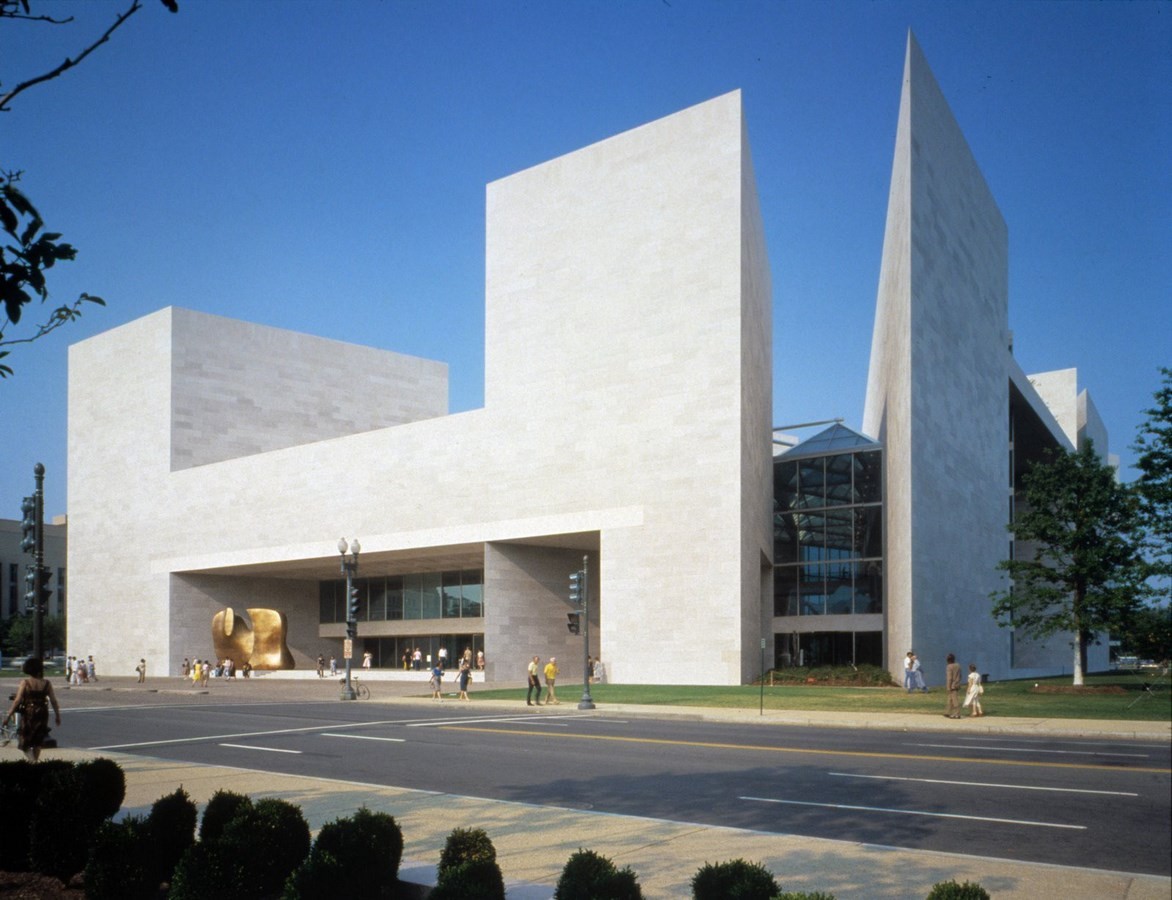
11. East Building of National Gallery of Art, Washington D.C. | I.M. Pei
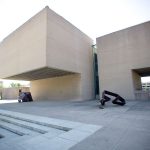
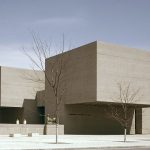
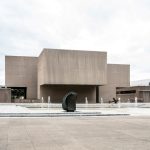
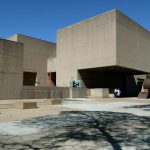
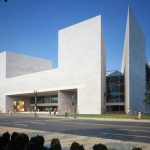
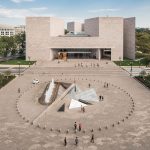
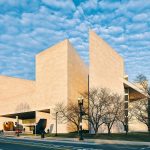
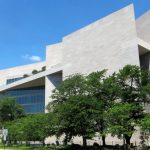
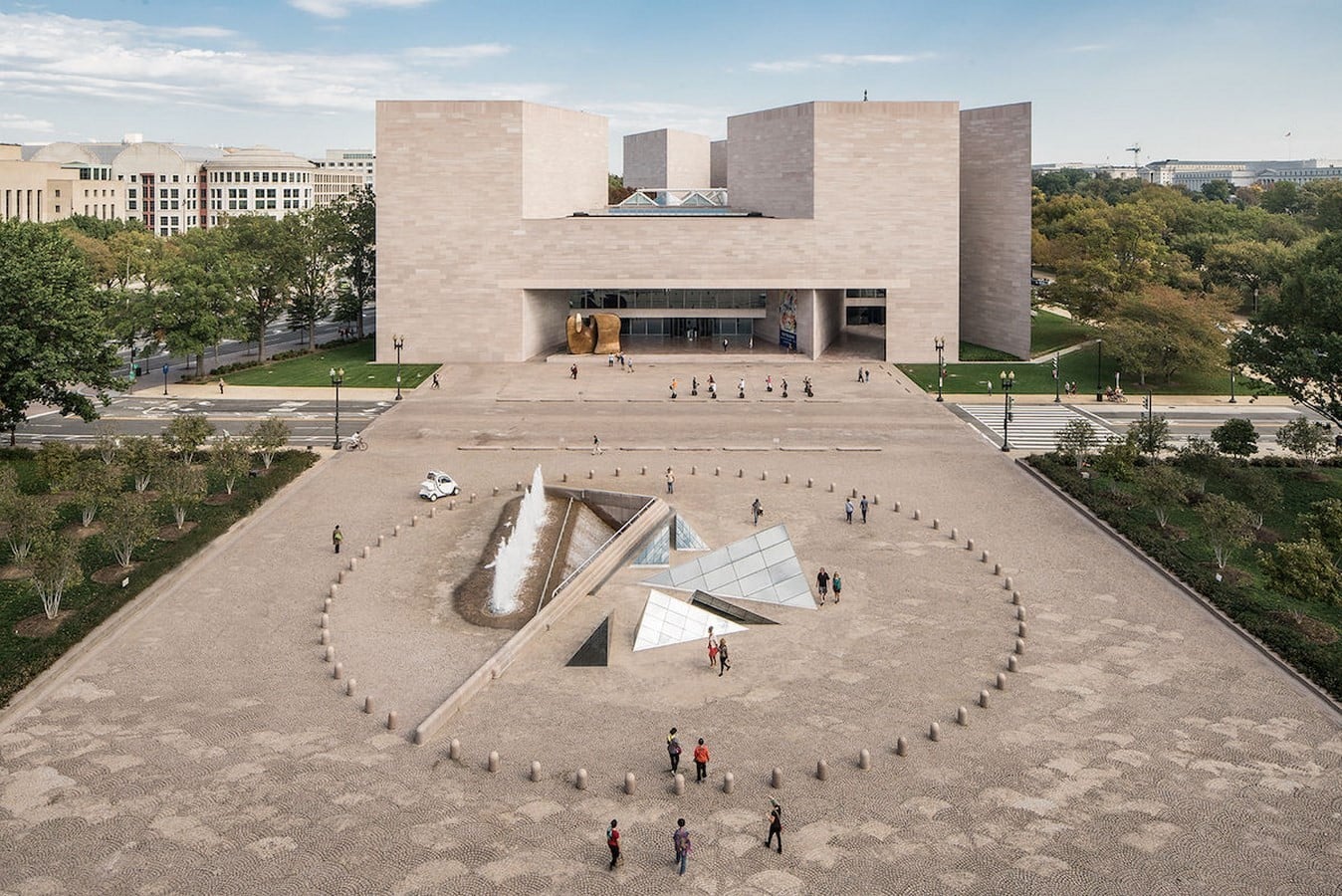
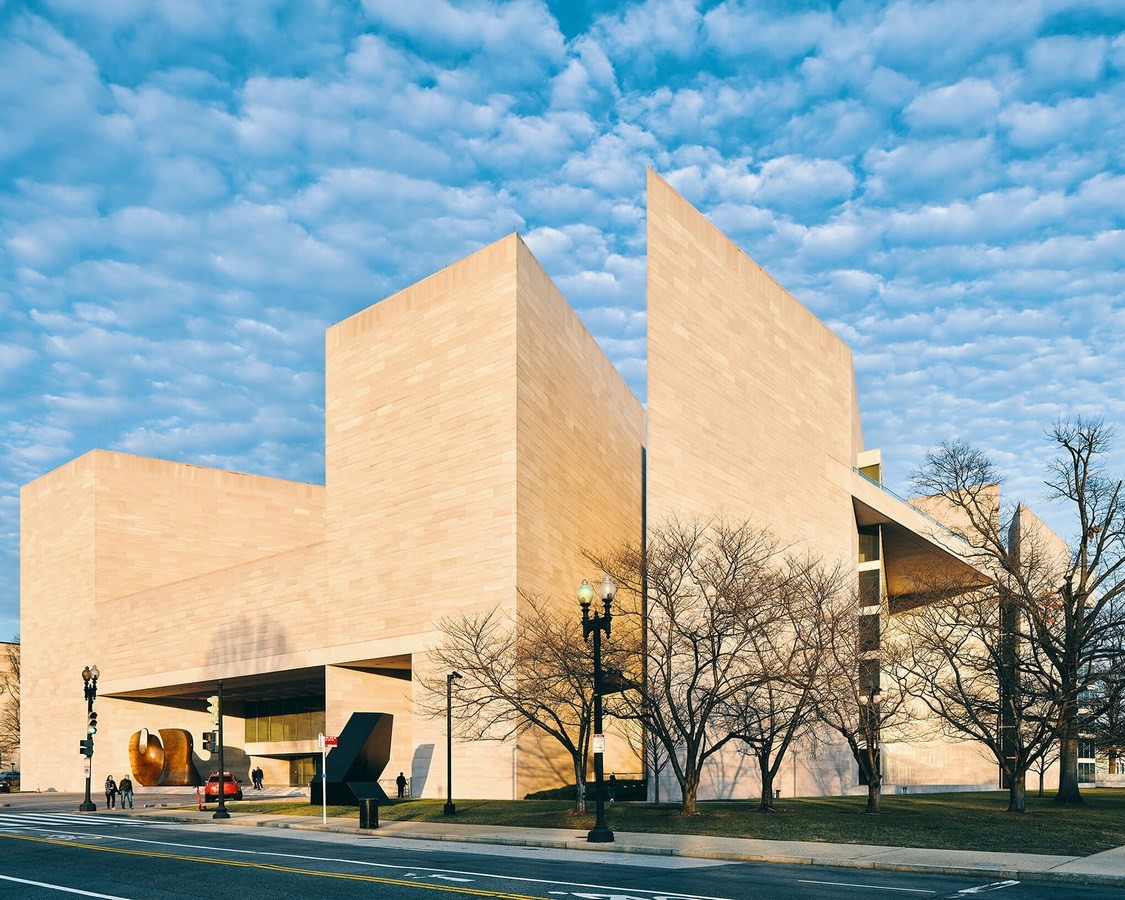
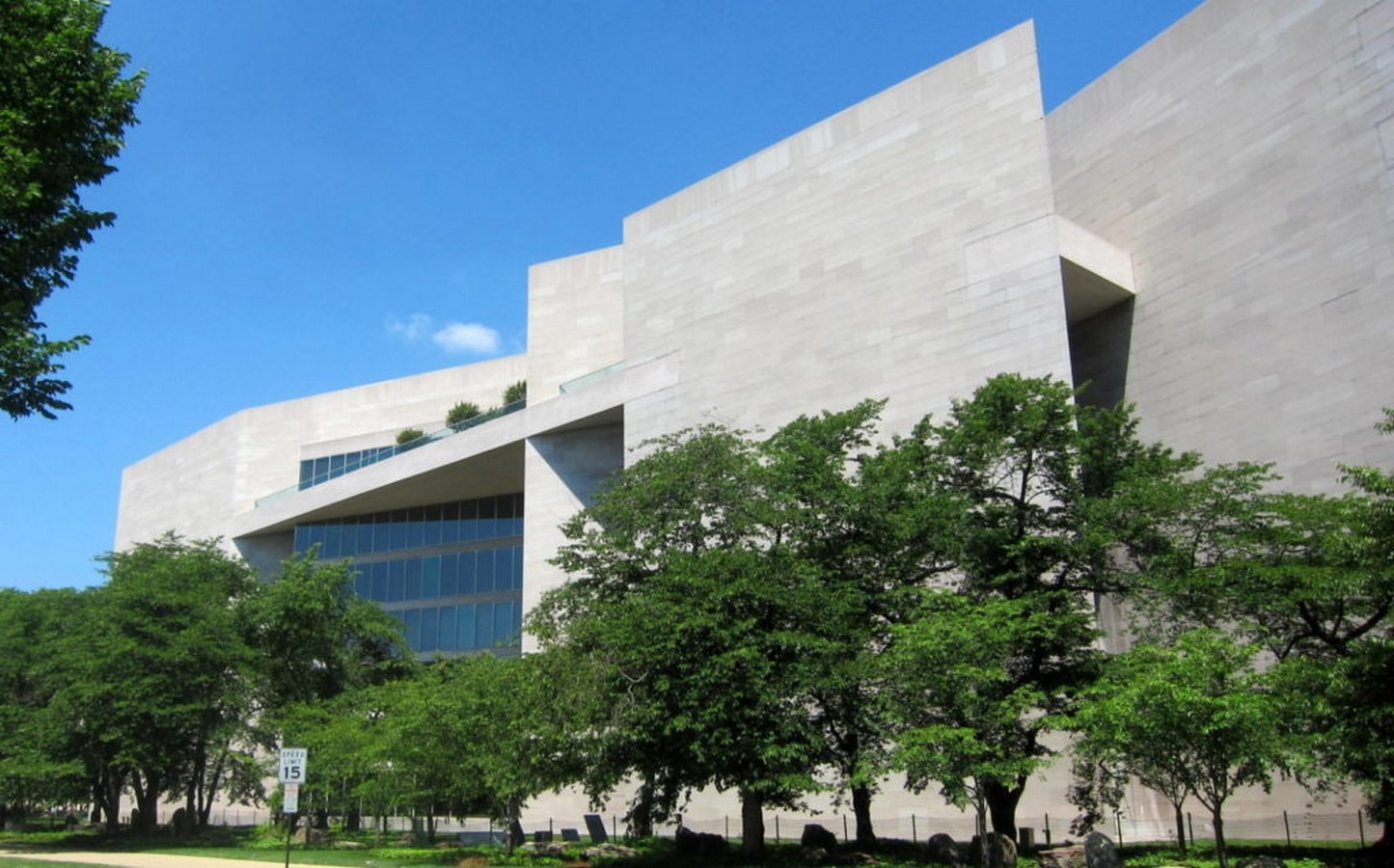
This was probably one of the most challenging sites Pei was commissioned for during that period, which was completed in 1978. The Site had an odd trapezoidal shape, with limitations in the context of its surroundings and slope towards the north. Pei had to come up with a design that could incorporate all the requirements without compromising on design and aesthetics with respect to its surrounding buildings: the National Mall to the south and the neo-classical building to the west. Tennessee marble and glass were the major materials used for finishes. Pei split the trapezoid into two triangles and extruded two individual volumes connected by a central atrium, which provides an abundance of natural light.
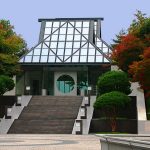
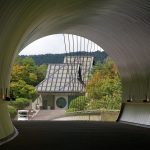
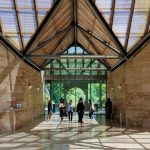
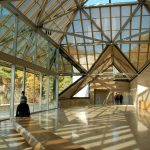
12. Miho Museum, Kyoto, Japan
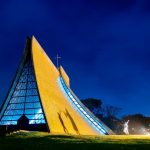
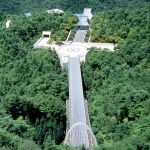
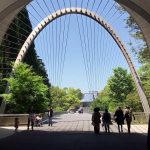
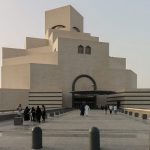
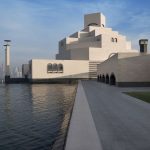
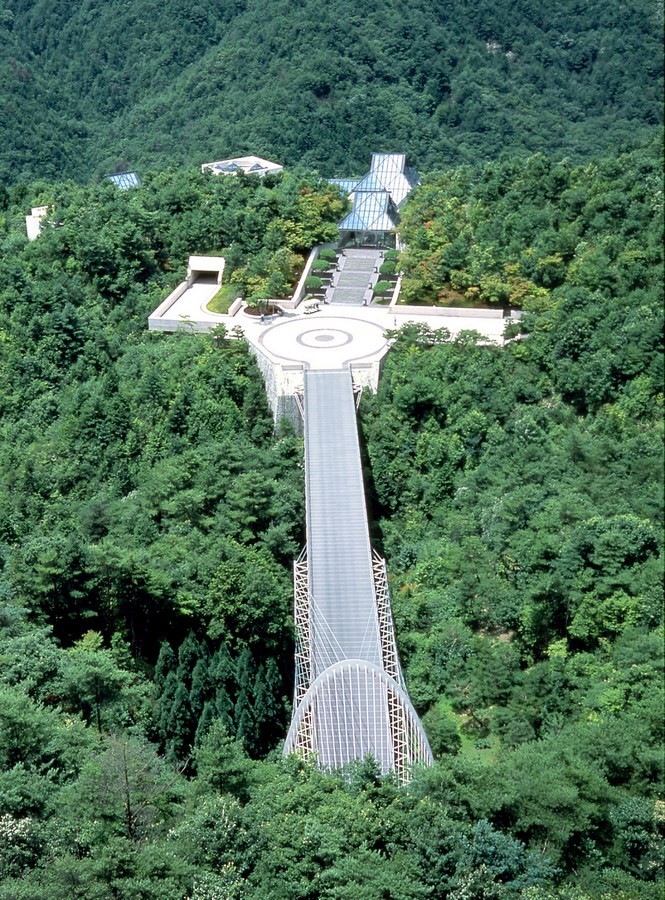
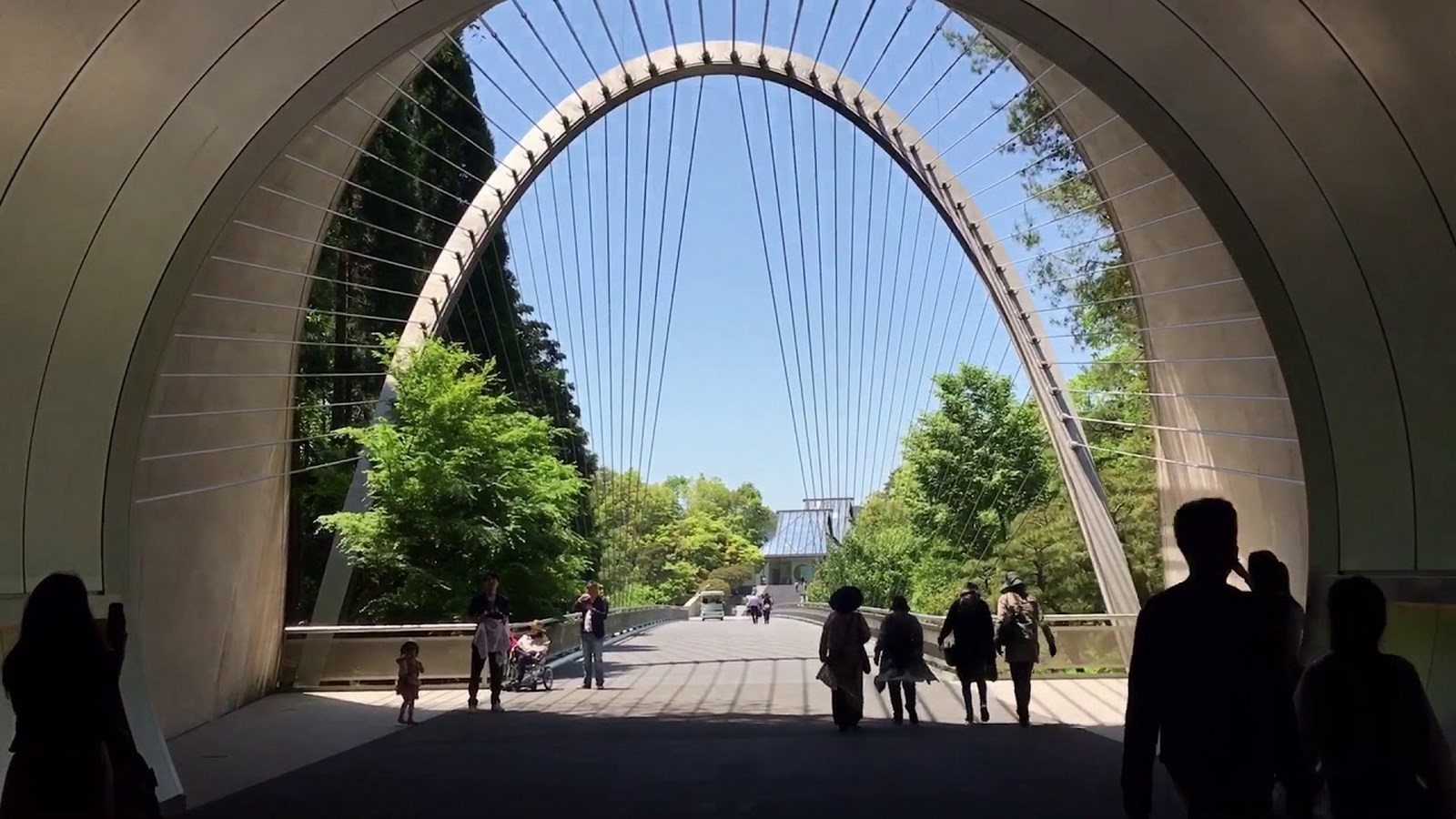
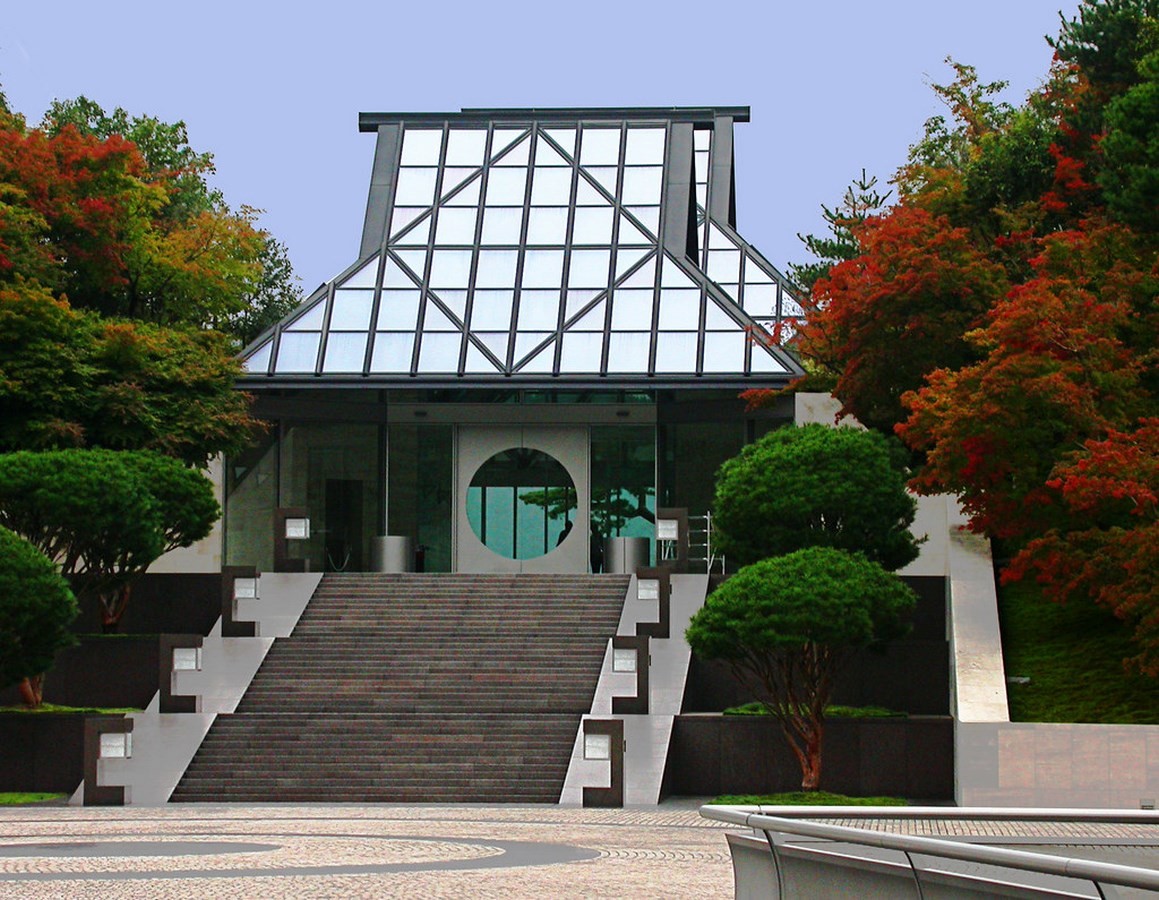
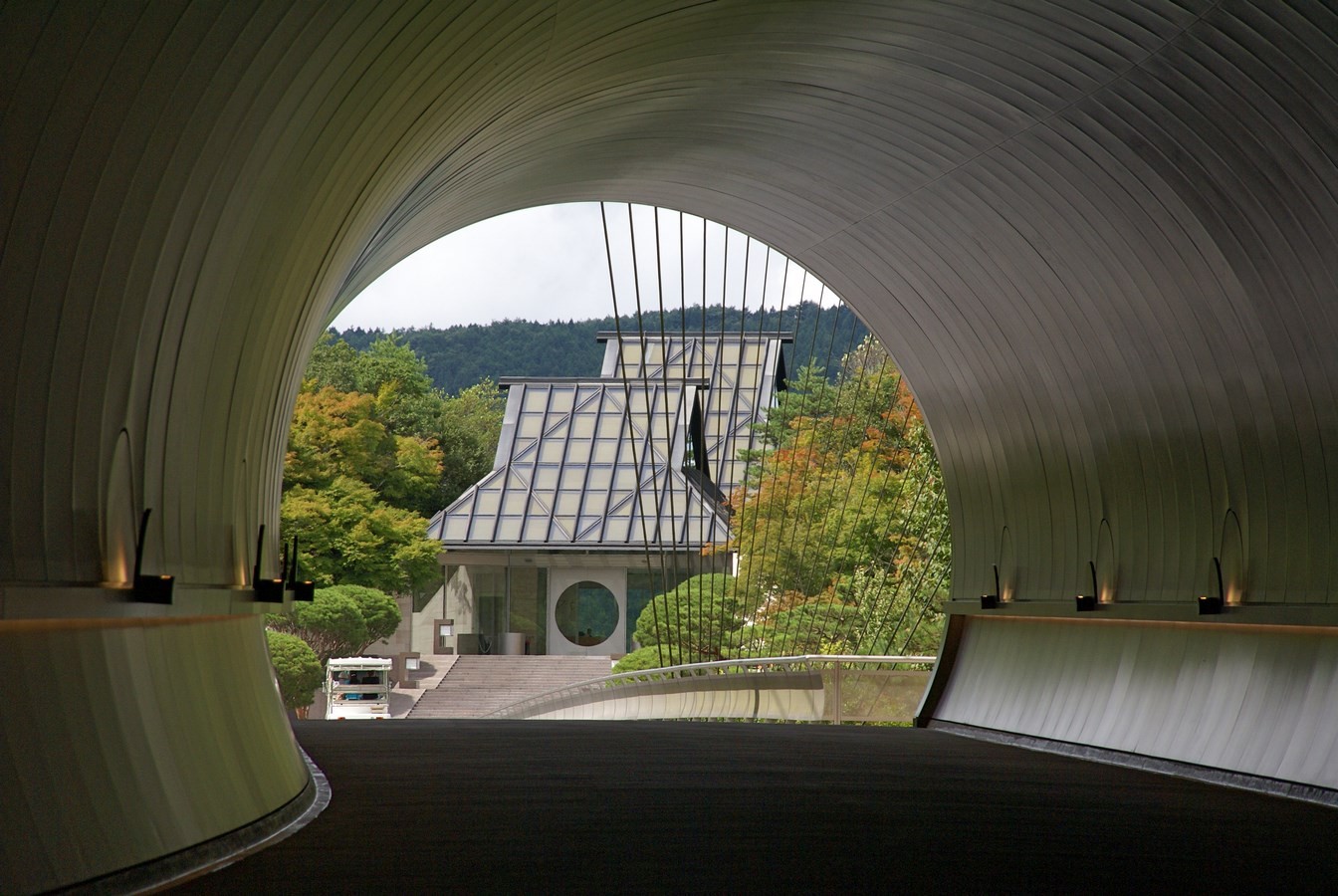
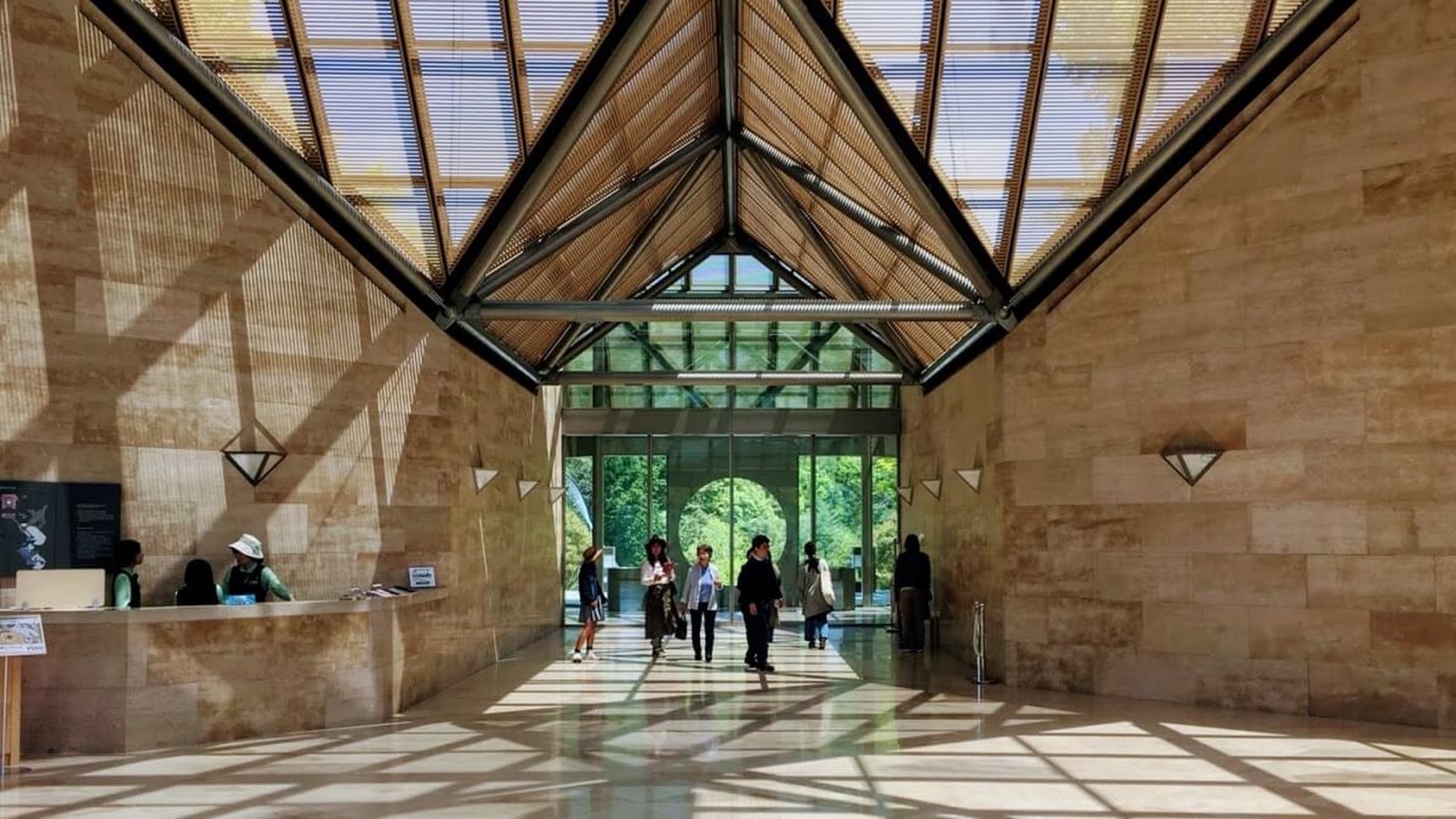
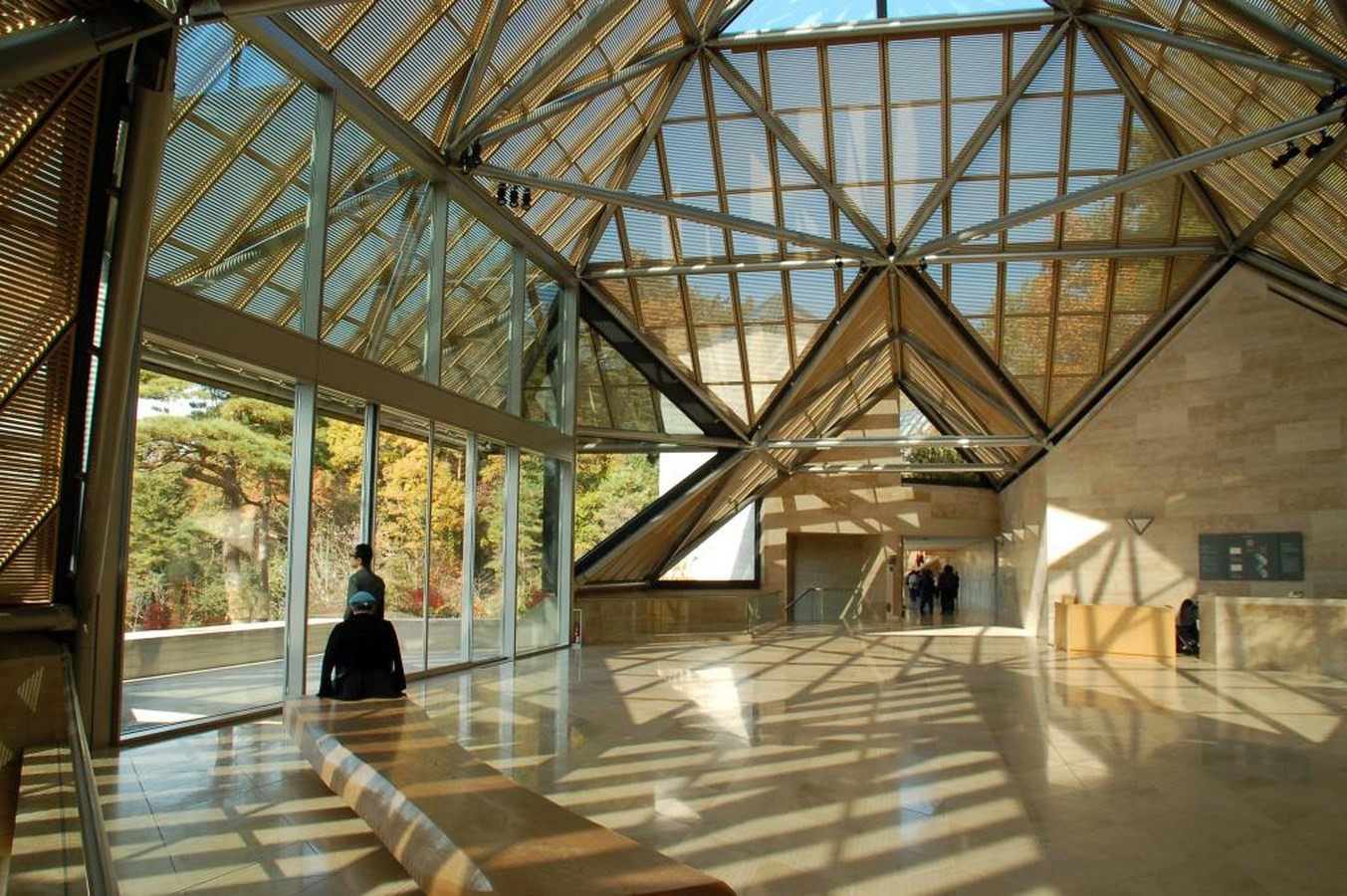
Completed in 1997, this building by I.M. Pei in collaboration with Kibowkan International, Inc. complements the existing scenic mountainside in the nature preserve. The arched tunnel provides its visitors a mystic experience, leading towards a grommet shaped roof made of glass and beige limestone structure. Surrounded by nature and fresh air, a calm and peaceful environment attracts many visitors across the globe. Pei wanted to create a space that reflects the old Chinese tale, ‘Peach Blossom Valley’ to exhibit the private collection of ‘Mihoko Koyama’, and he did it by providing the best experience to its users.
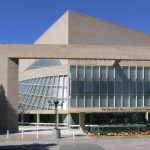
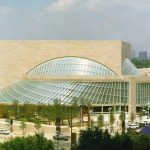
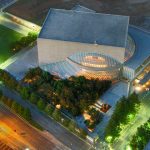
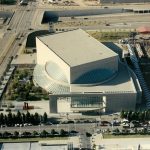
13. Meyerson Symphony Centre, Dallas
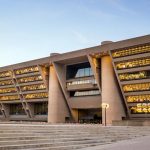
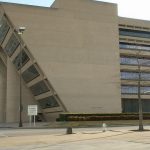
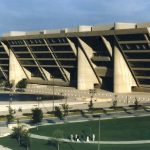
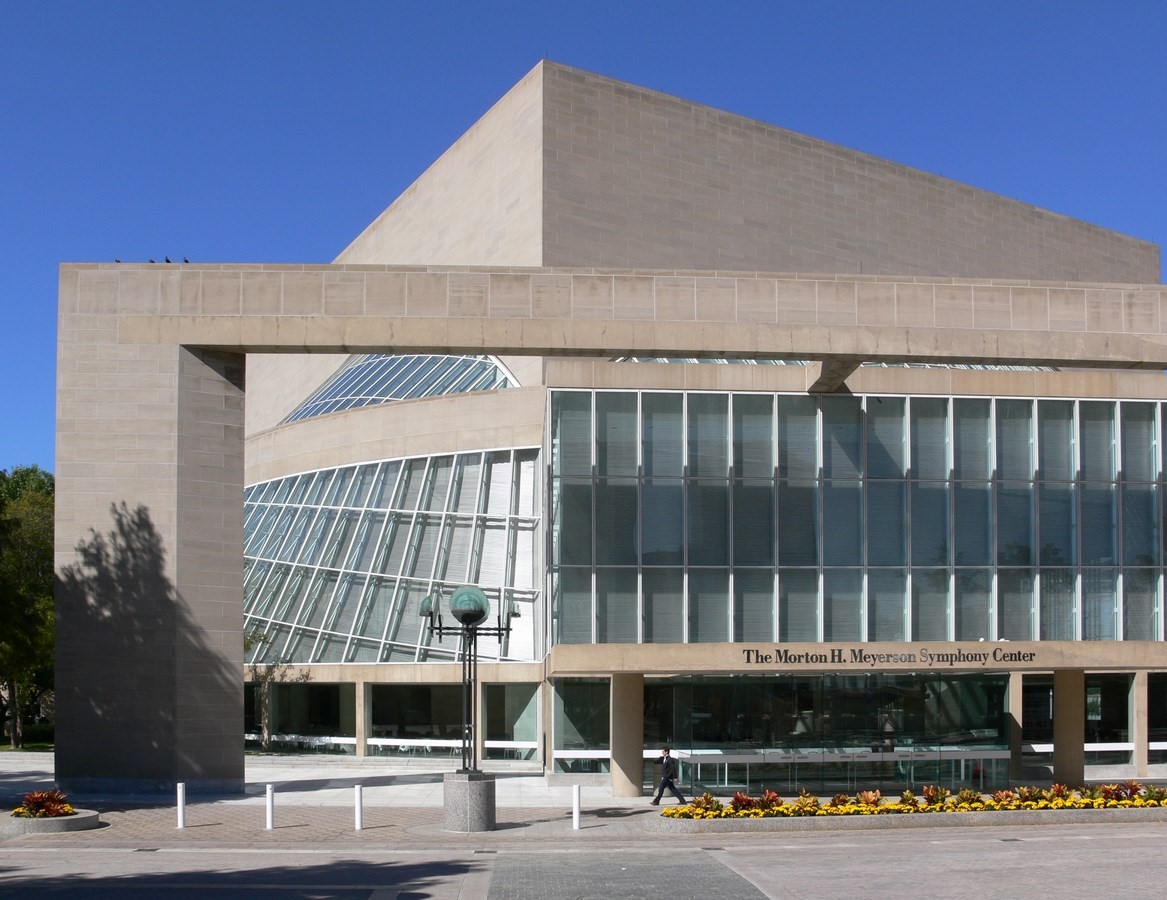
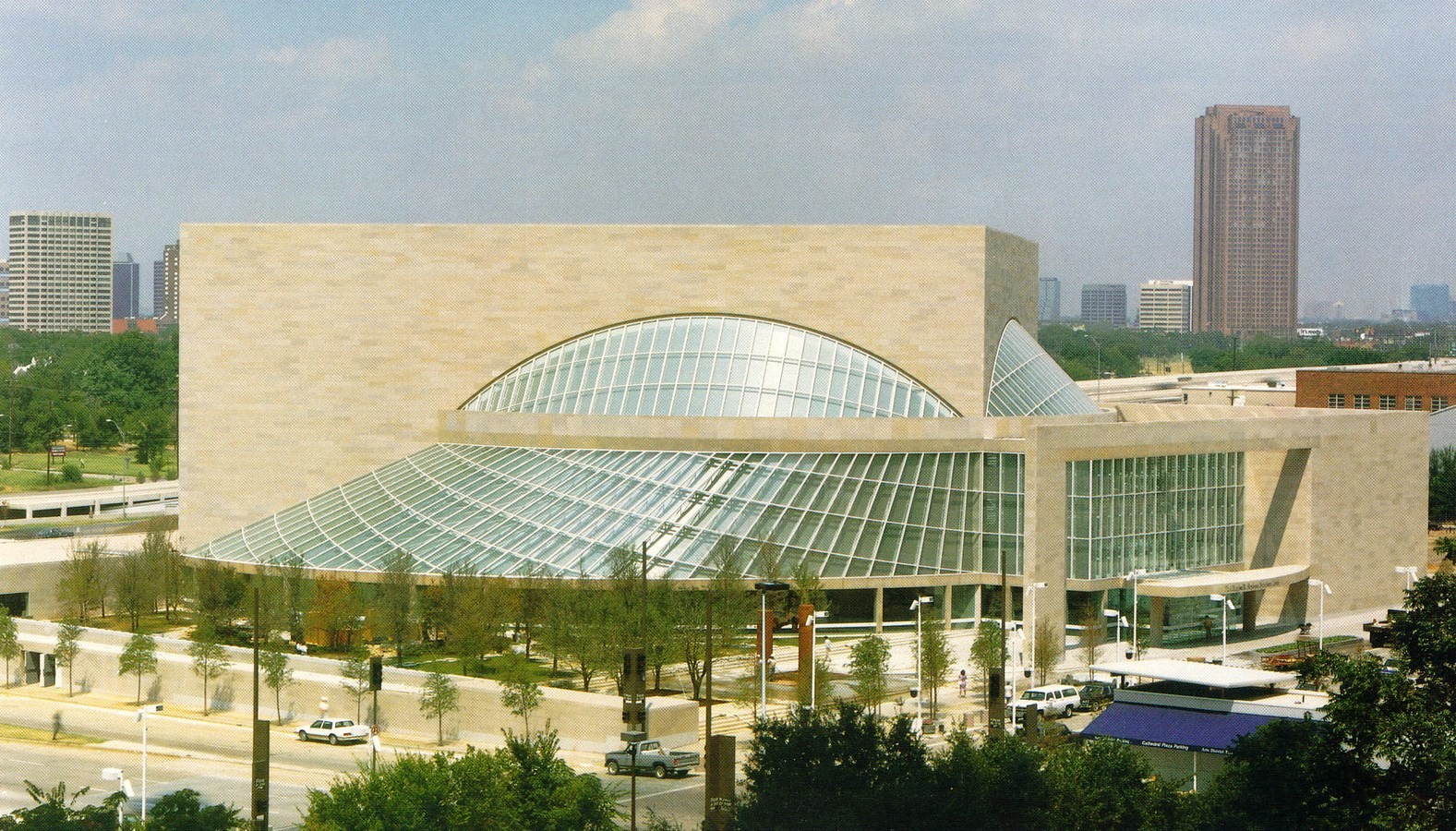
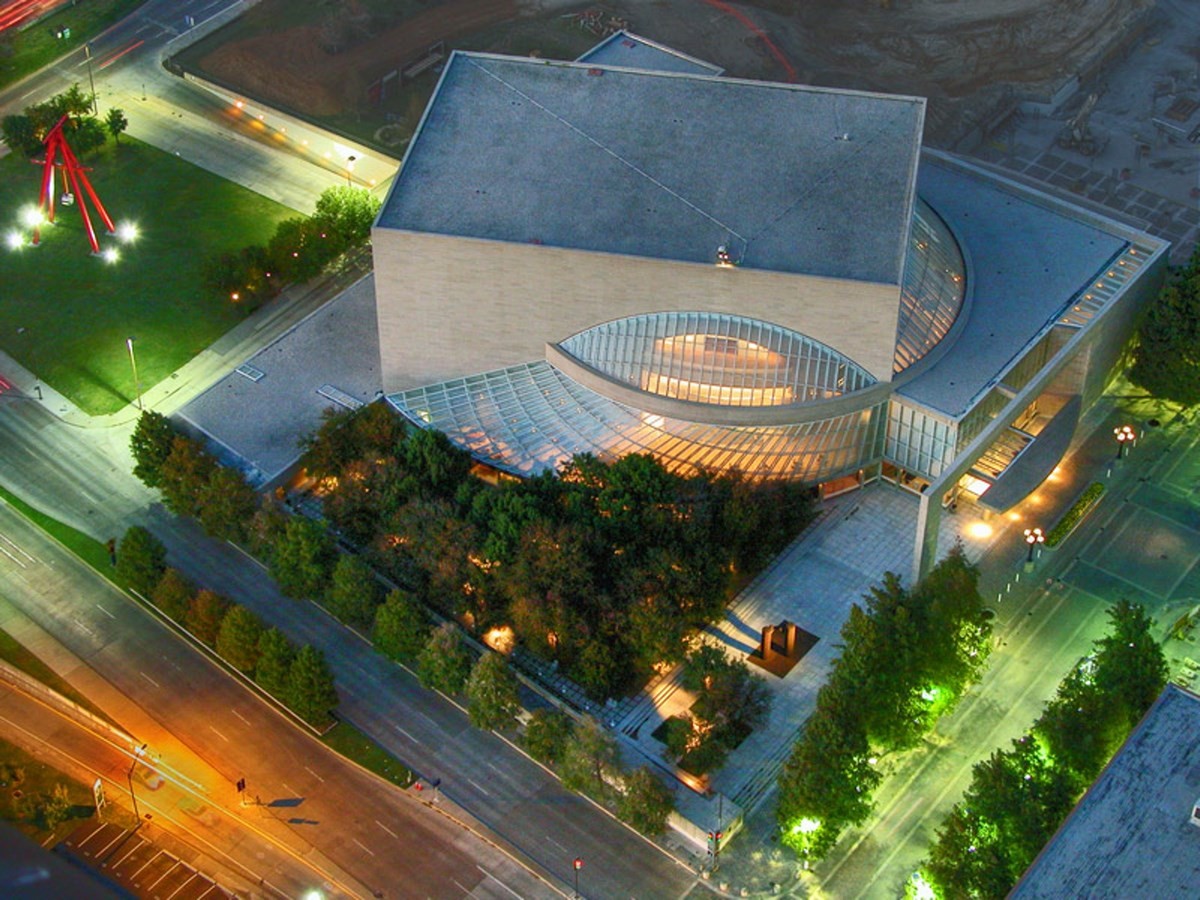
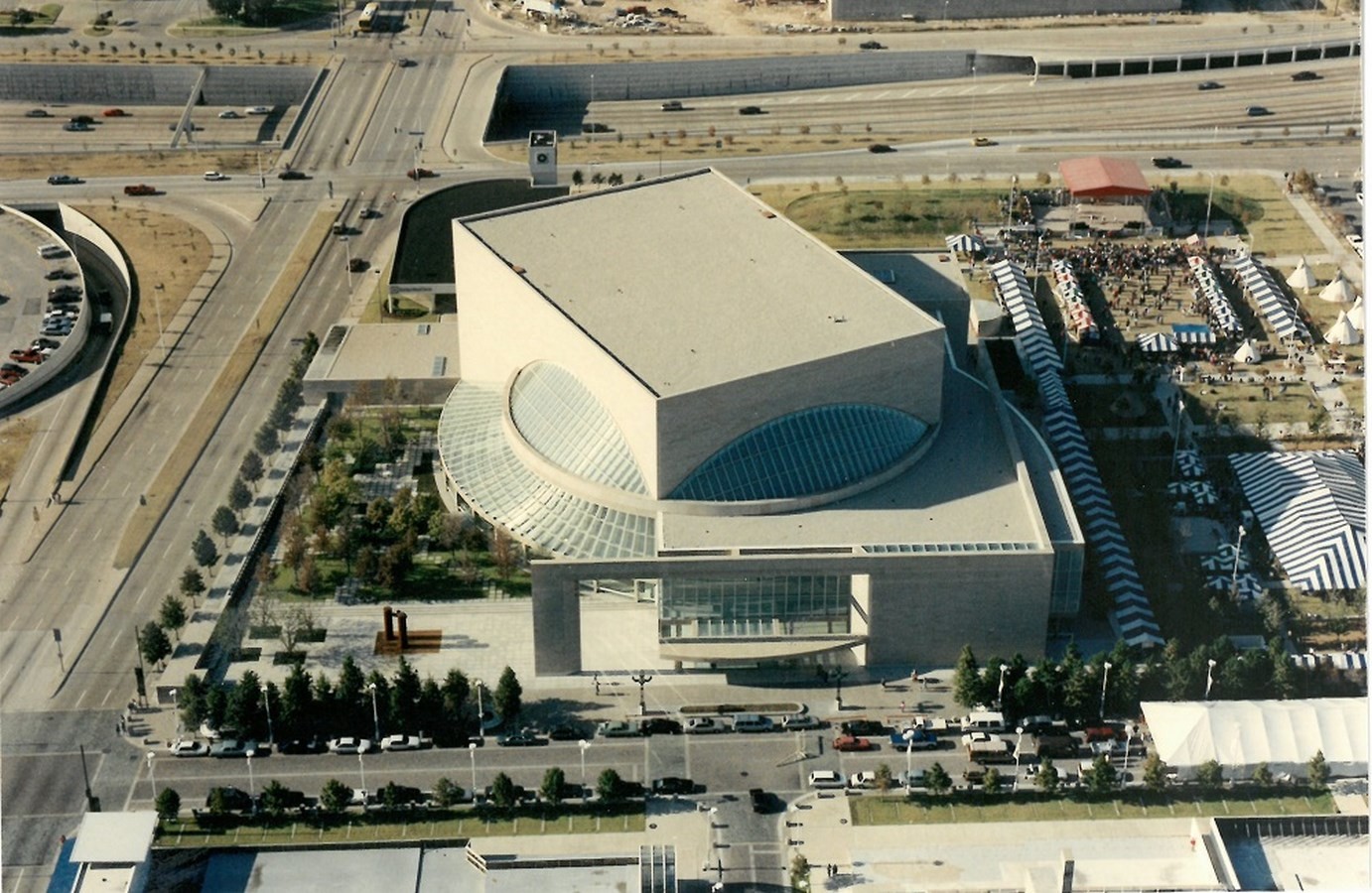
I.M. Pei along with Russell Johnson, an acoustics expert, designed one of the best Orchestra Hall in Dallas in 1989. To provide all the users with an exceptional experience, 56 acoustic curtains, 74 concrete doors weighing approximately 2.5 tons, and canopies were utilized. The exterior glass and steel façade create a contrasting effect along with the solid stone surface. Pei’s bold geometry principle distinguishes this building from the surrounding structures, highlighting its grand stature.
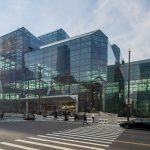
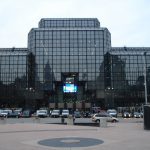
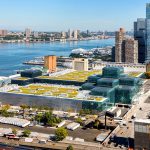
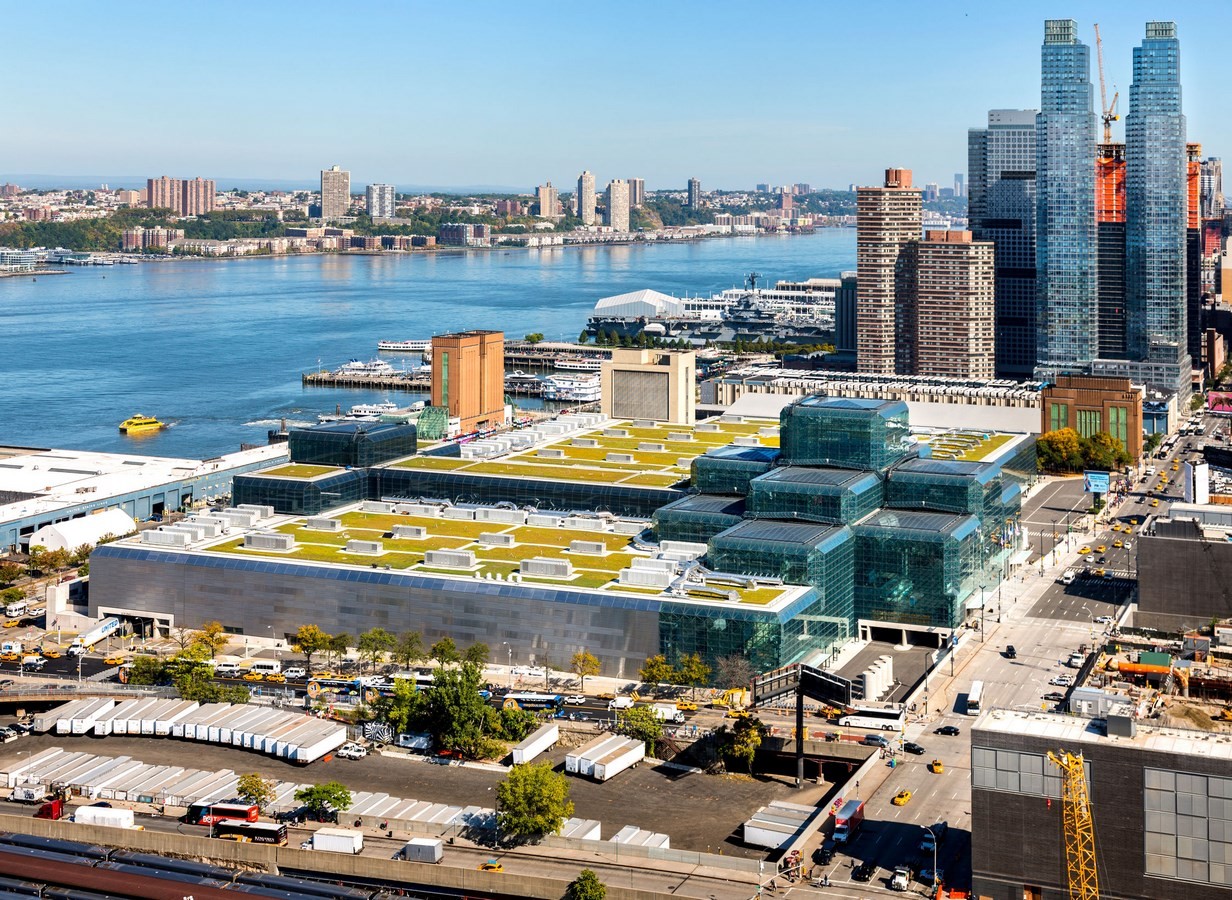
14. Javits Centre, New York
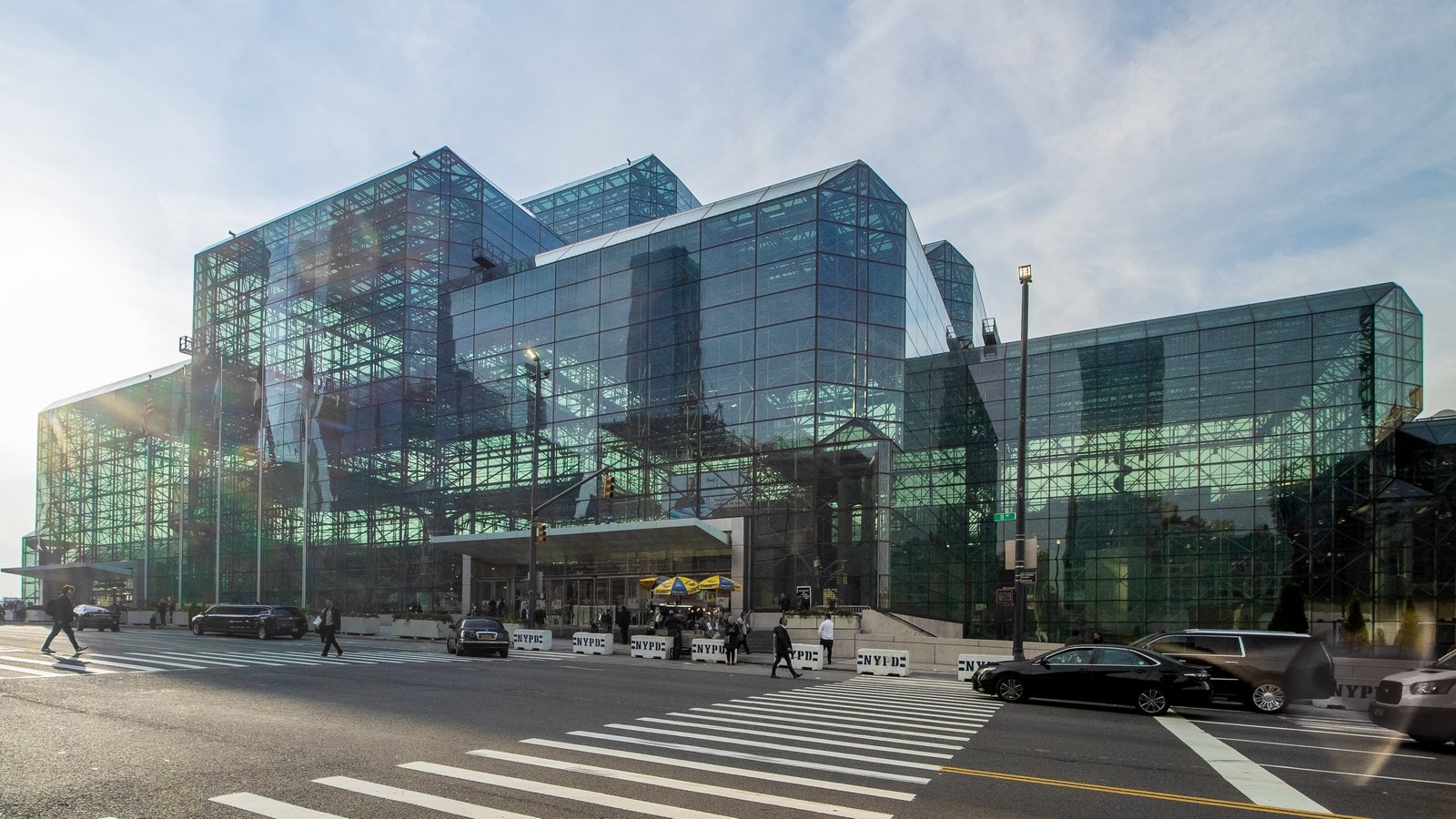
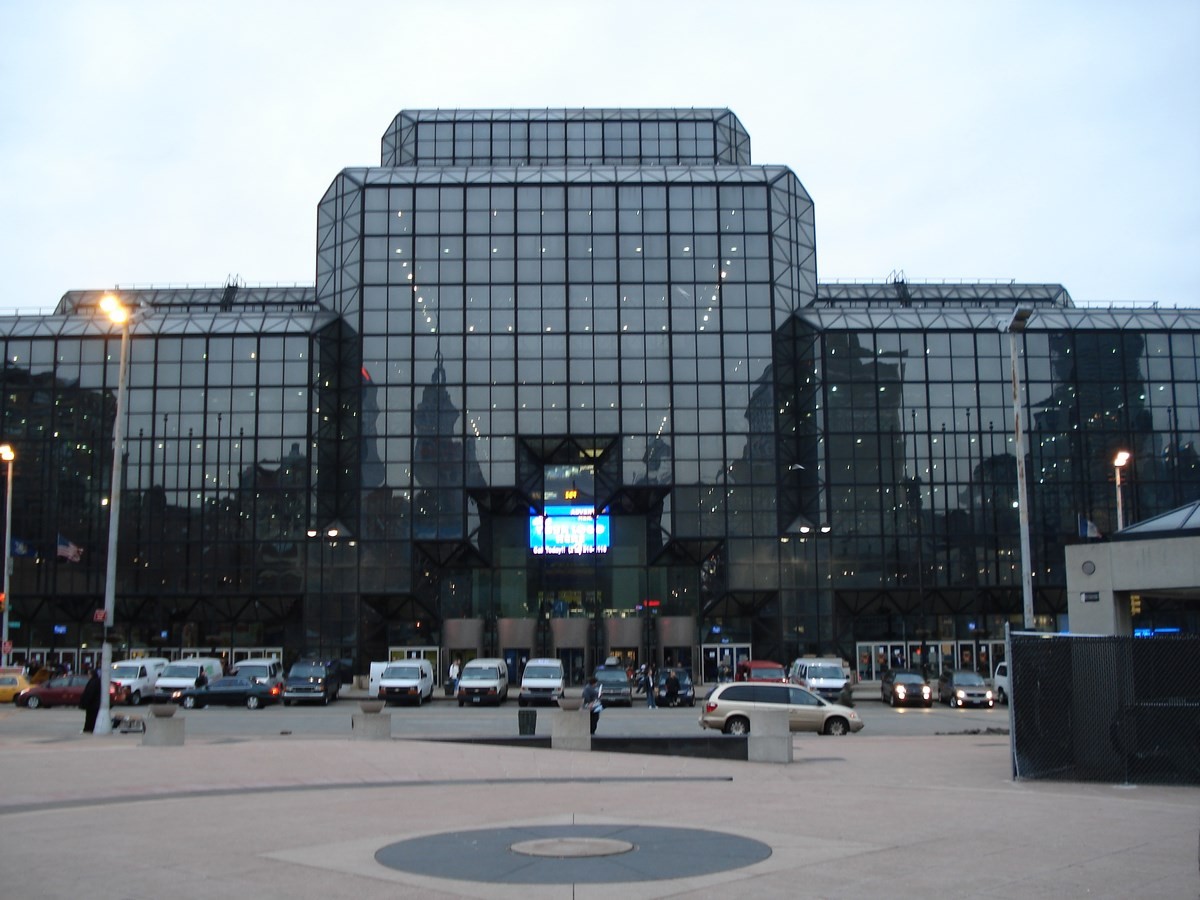
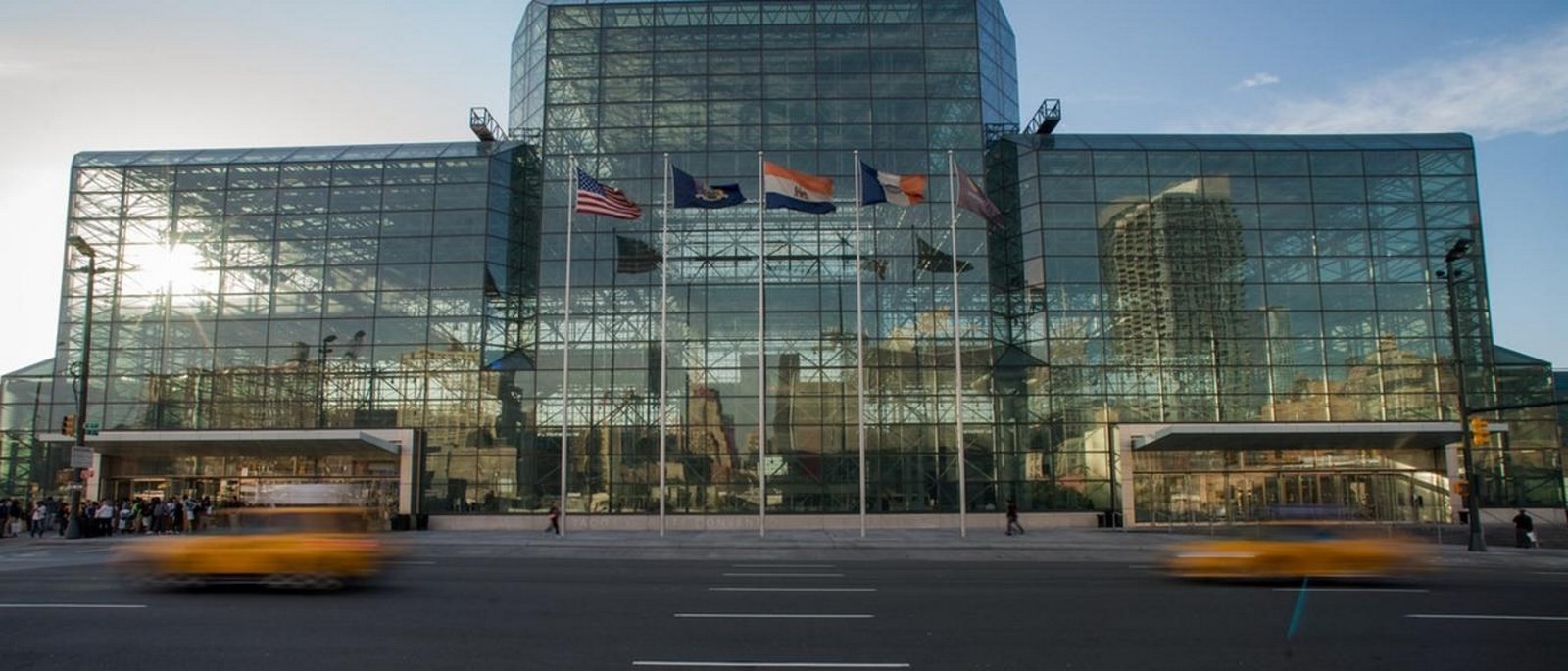
I.M. Pei and his then partner, James Freed, designed this massive building in a rectilinear plan executed by using prefabricated steel frame modules finished with glass as an exterior façade in1986. Tubular steel pillars were used to support the structure internally. A 150-foot-high lobby at the south entrance resembles a crystal palace, inhabiting exhibition halls, meeting rooms, and an auditorium of 2500 capacity covering around 1.8 million Sq.ft area. With its overrunning cost, this structure enlisted in Pei’s controversial projects.
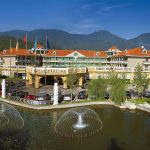
15. Fragrant Hill Hotel, Beijing, China | I.M. Pei
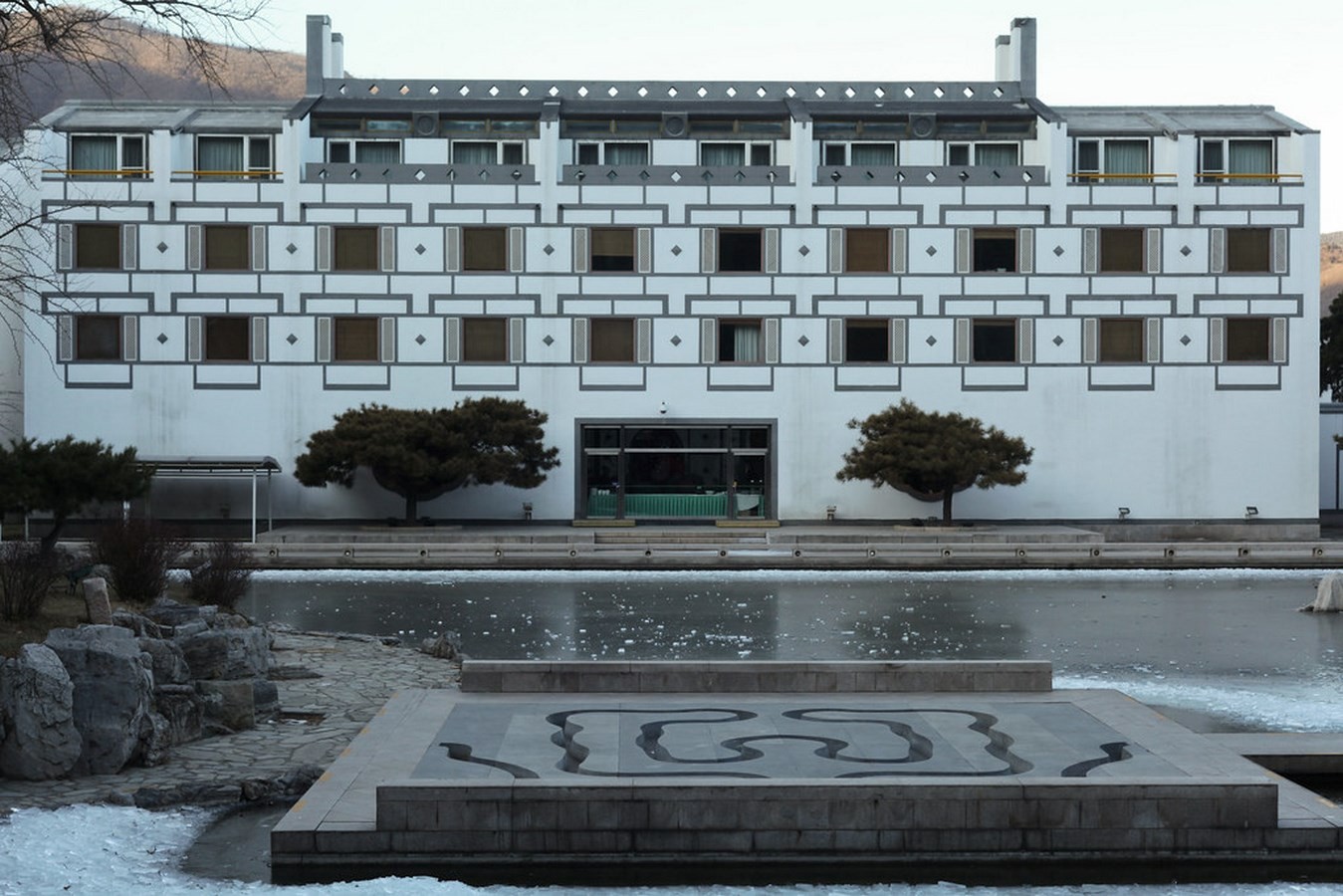
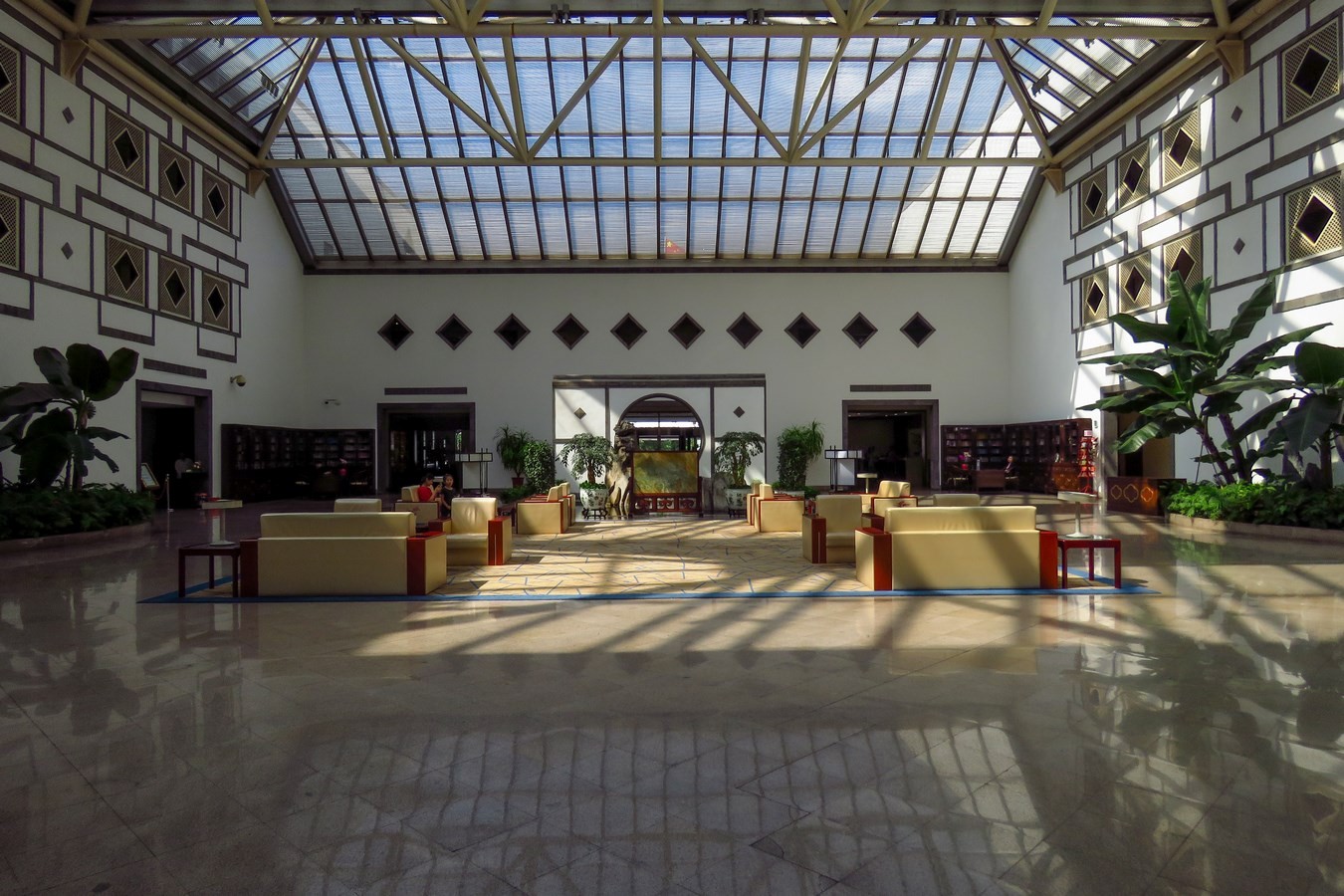
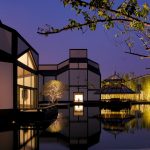
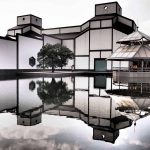
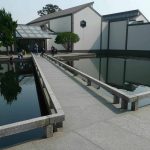
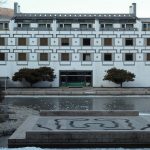
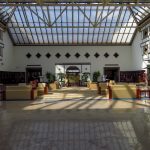
In 1982 this Luxury hotel was completed and won AIA national honor award in 1984. Unlike other designs by Pei, this doesn’t have a sloped glass roof or walls. He used the rectangular form to plan this building reviving the Chinese culture. In the century where all the buildings were turning modern, people were changing their lifestyle, Pei reincarnated vernacular architecture of china.