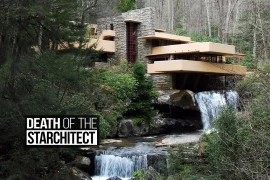
Pritzker Award, the highest award an architect can receive. It is awarded to “starchitects” whose architecture screams for attention and grants a place in stardom. These glamorous buildings are often detached from the experiences of the people around them and do not truly represent the context that gave rise to them, but are instead icons of modernity and economic expansion that transport people to another world.
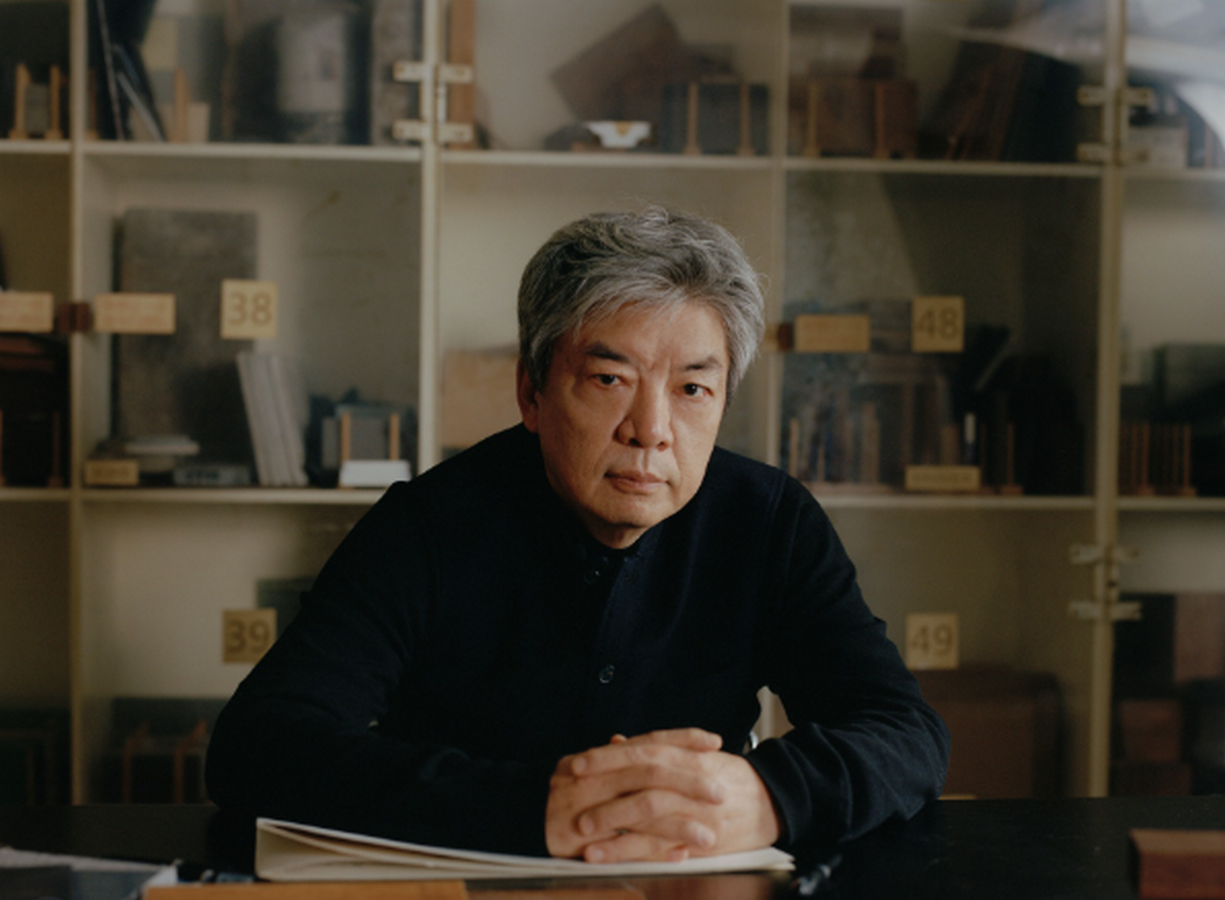
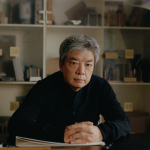
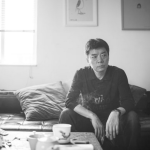
But what made the jurors pick up a quiet architect for the award recently? The prize was granted to a down-to-earth and simple architect whose work did not shout. Liu Jiakun did not chase futuristic ideas or form. Instead, he quietly shattered such paradigms and won a “Quiet Pritzker” in 2025 for his celebration of local materials and the culture of Chengdu, China, and his commemoration of ordinary, everyday living and listening to others rather than being loud.
Biography of the Pritzker Laureate:
The quiet architect was born in Chengdu in 1956. His early life was spent labouring in the countryside during the Cultural Revolution, which he recalls as “life was inconsequential”. He was drawn to drawing and literature before pursuing architecture as he found his purpose in life. After founding his firm, Jiakun Architects in 1999, he remained firm to his roots and kept doing his practice in Chengdu rather than migrating to the hyper-urban developing hubs of China such as Beijing or Shanghai.
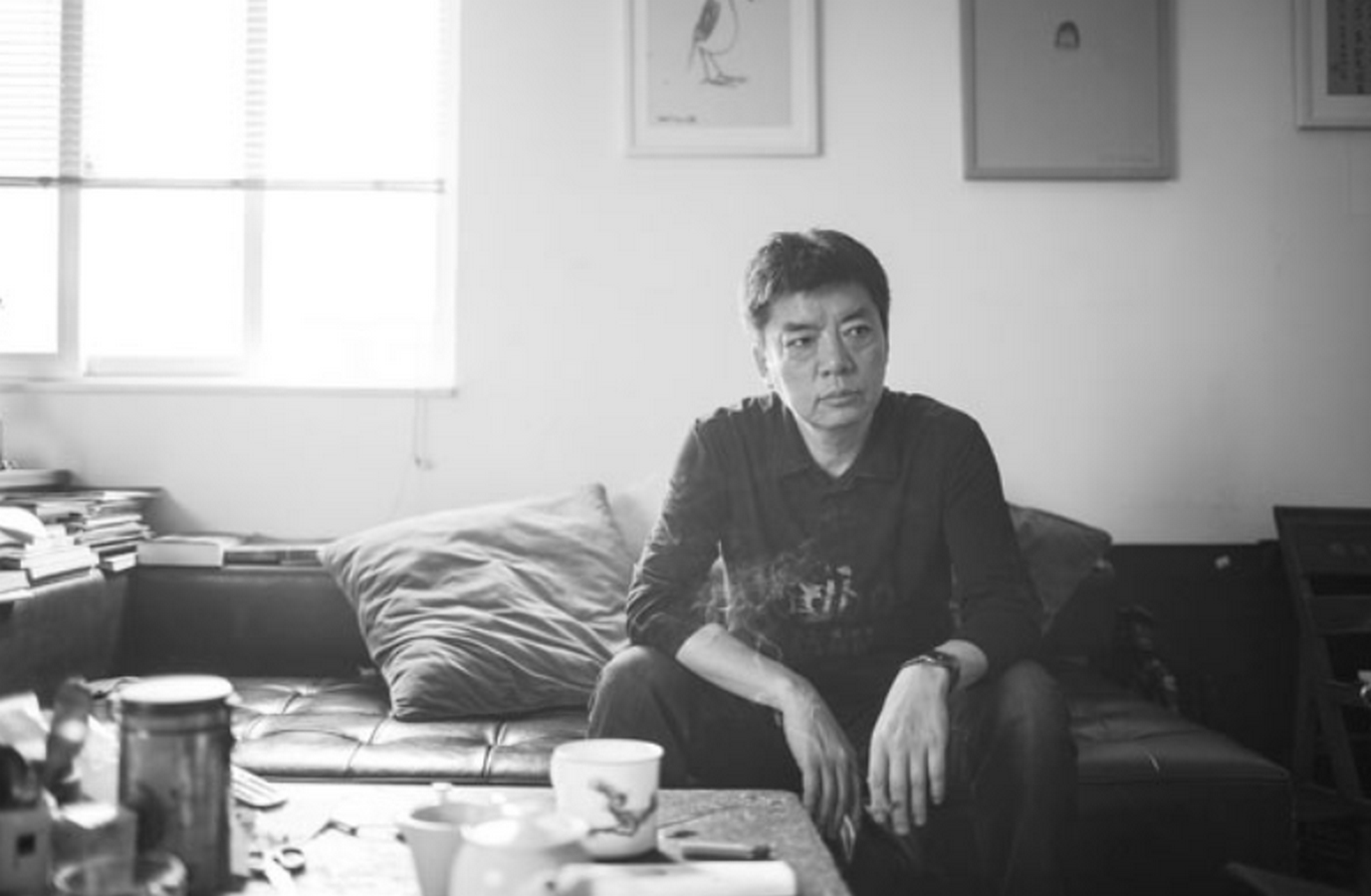
He positioned himself regionally and followed the regional architectural style he had always been doing and resisted the pressure of modernization that was dominating China. All around the world, architects sought globalized uniformity, chasing after skyscrapers and grand buildings; Liu stuck to his localized style rather than replicating the trends of the world. His work can be defined by his understanding of climate, materials, traditional craftsmanship, and budget constraints that helped him deliver the profound architectural examples we have today.
The Rebirth of Materials:
It was 2008 when China was hit with a deadly earthquake. Sichuan also faced destruction. At that time, Liu stood for the people of his province and showed an empathetic response. Rather than importing new, manufactured products to reconstruct the areas affected, he saw the rubble as an opportunity.
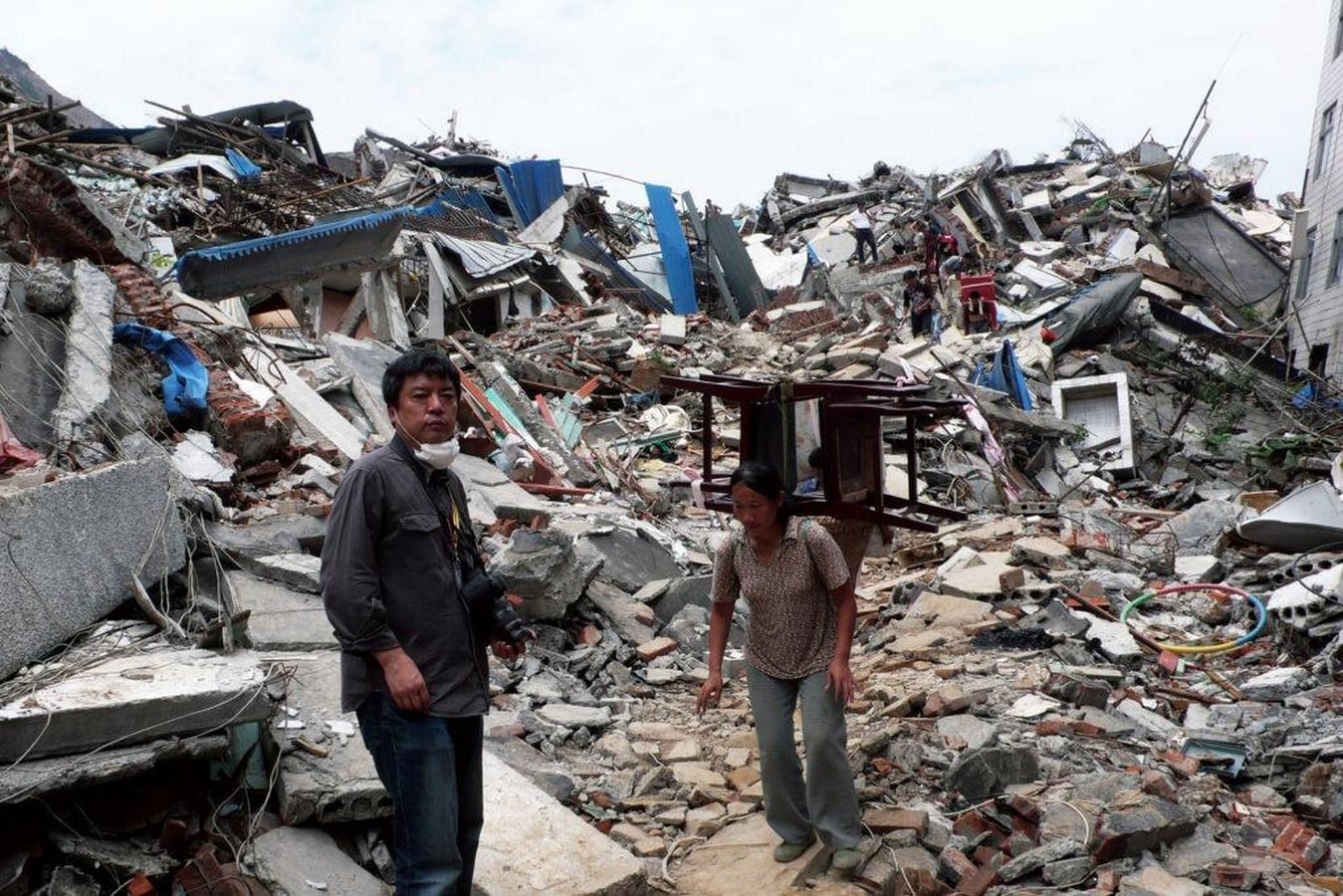
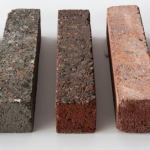
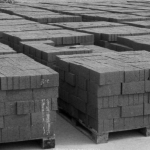
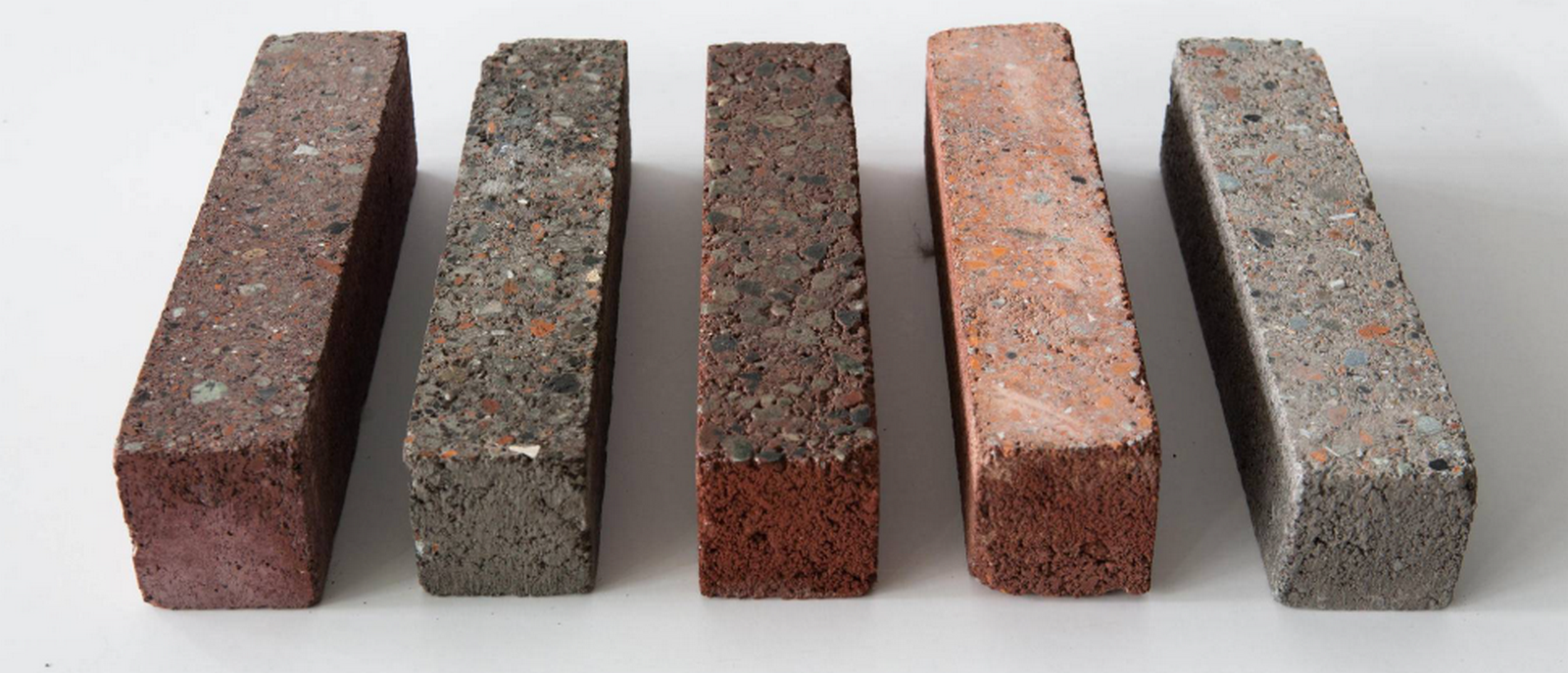
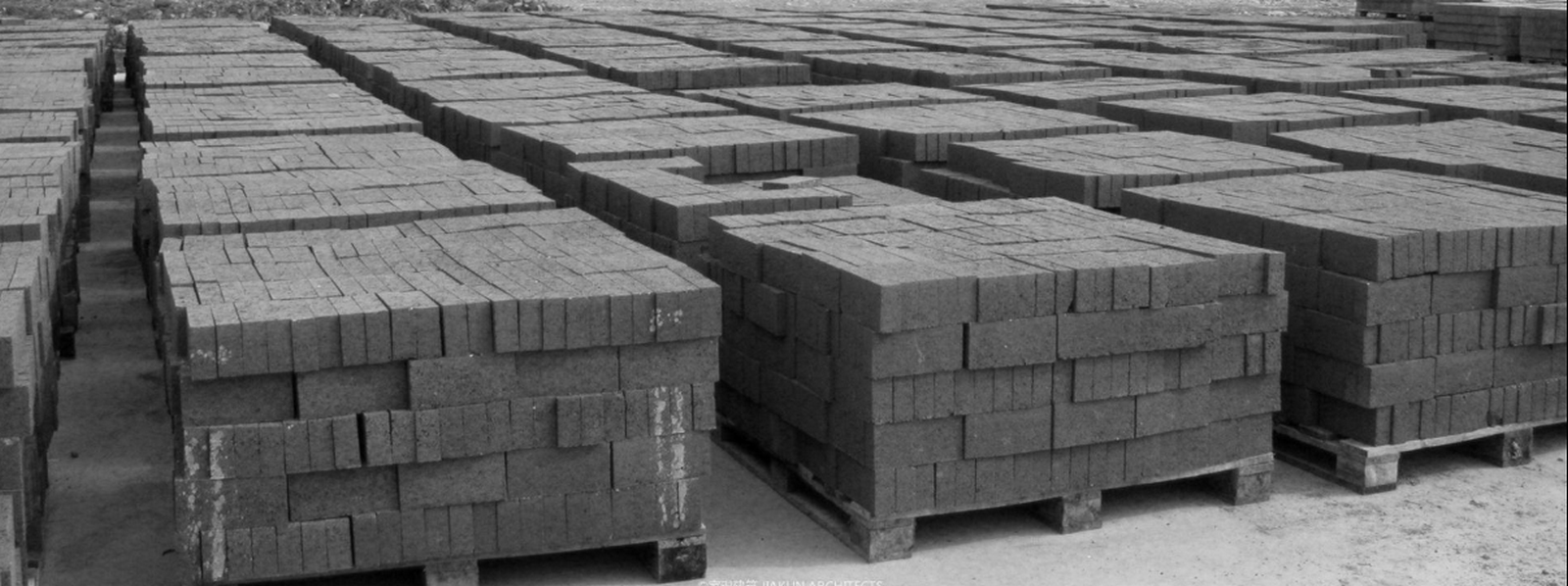
He took the earthquake debris, mixed it with cement and local wheat straw, and gave life to a new building material from the old waste. These Rebirth bricks were then used for the reconstruction of the new walls while narrating the tales of history as a physical archive.
Bringing Back Those Who Are Missed and Loved:
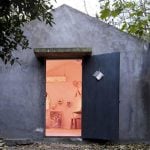
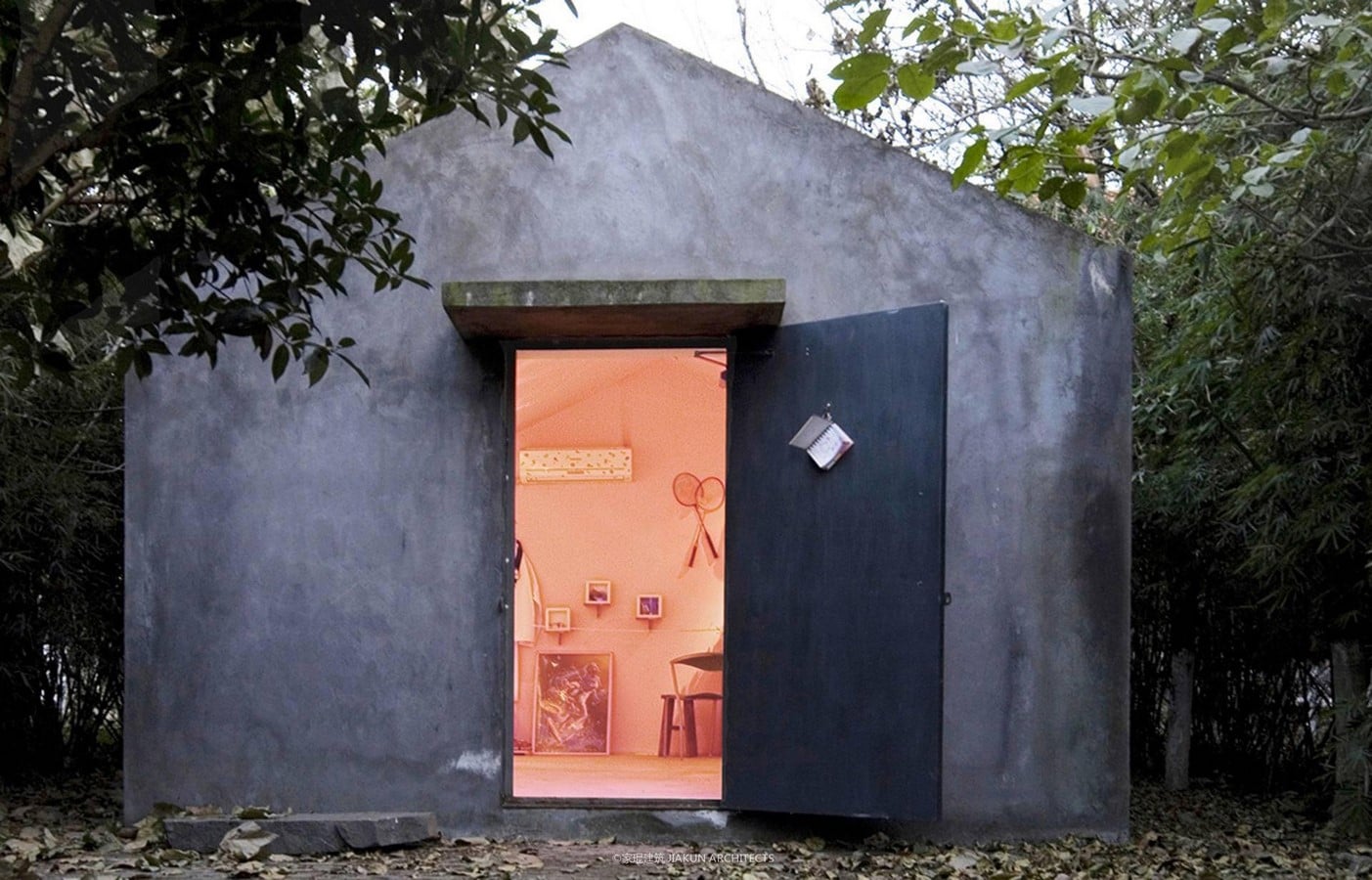
He also dedicated a memorial in the name of a 15-year-old student, Hu Huishan, who died while her school collapsed. He designed a small, memorable memorial shaped like a rescue tent. The interior walls are painted light pink and hold her personal belongings from before she passed away. That shows that architecture is not always grand and celebratory but humane and warm to evoke empathy with those that matter most to humans.
Designing for humans:
What made Liu Jiakun’s work extraordinary yet ordinary was his dedication to humane architecture, an architecture for all that prioritizes civic warmth and public access, unlike starchitecture that is made for glamour and seeking the attention of the public.
- Luyeyuan Stone Sculpture Museum
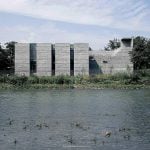
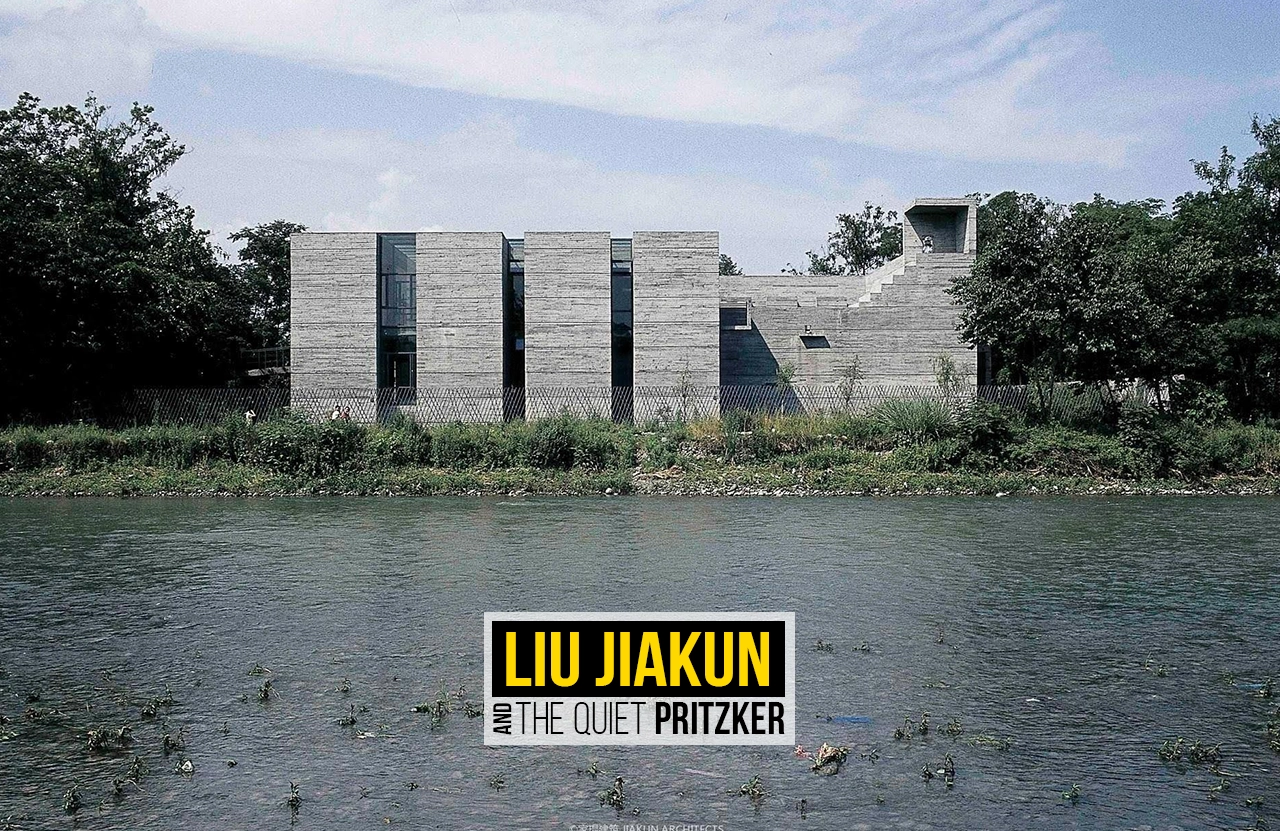
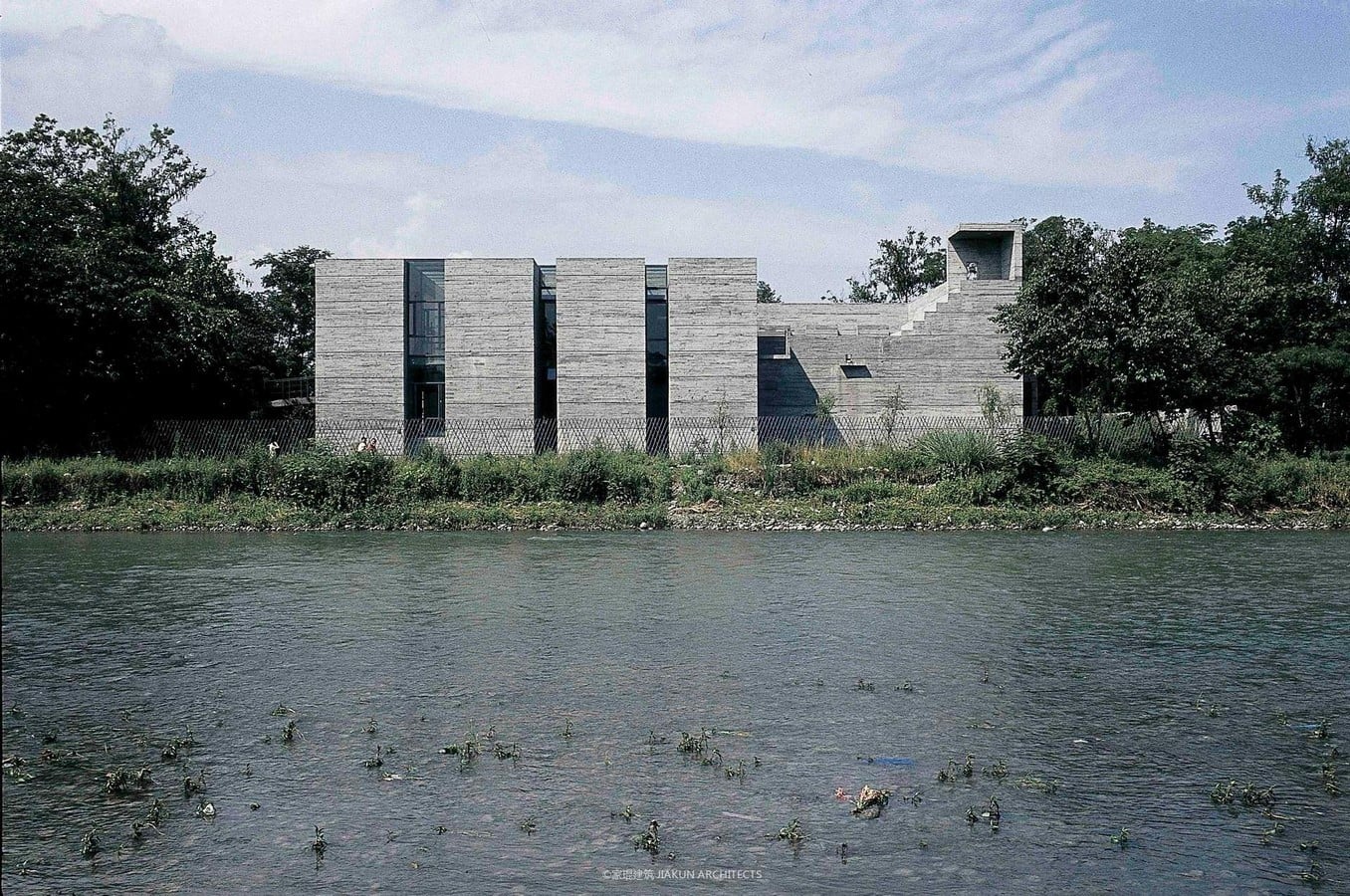
The Luyeyuan Stone Sculpture Art Museum in Chengdu is widely regarded as one of Liu Jiakun’s earliest masterpieces. He understood his assignment not to overpower nature and create something that silences the landscape, but a design that blends with the backdrop. The monolithic, cast-in-place concrete walls and planes go with the natural textures, humidity, and moss growth of the local climate. The interplay of light and shadow through solid and void geometry gives the feeling of walking in nature.
- Suzhou Museum of Imperial Kiln Brick
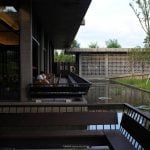
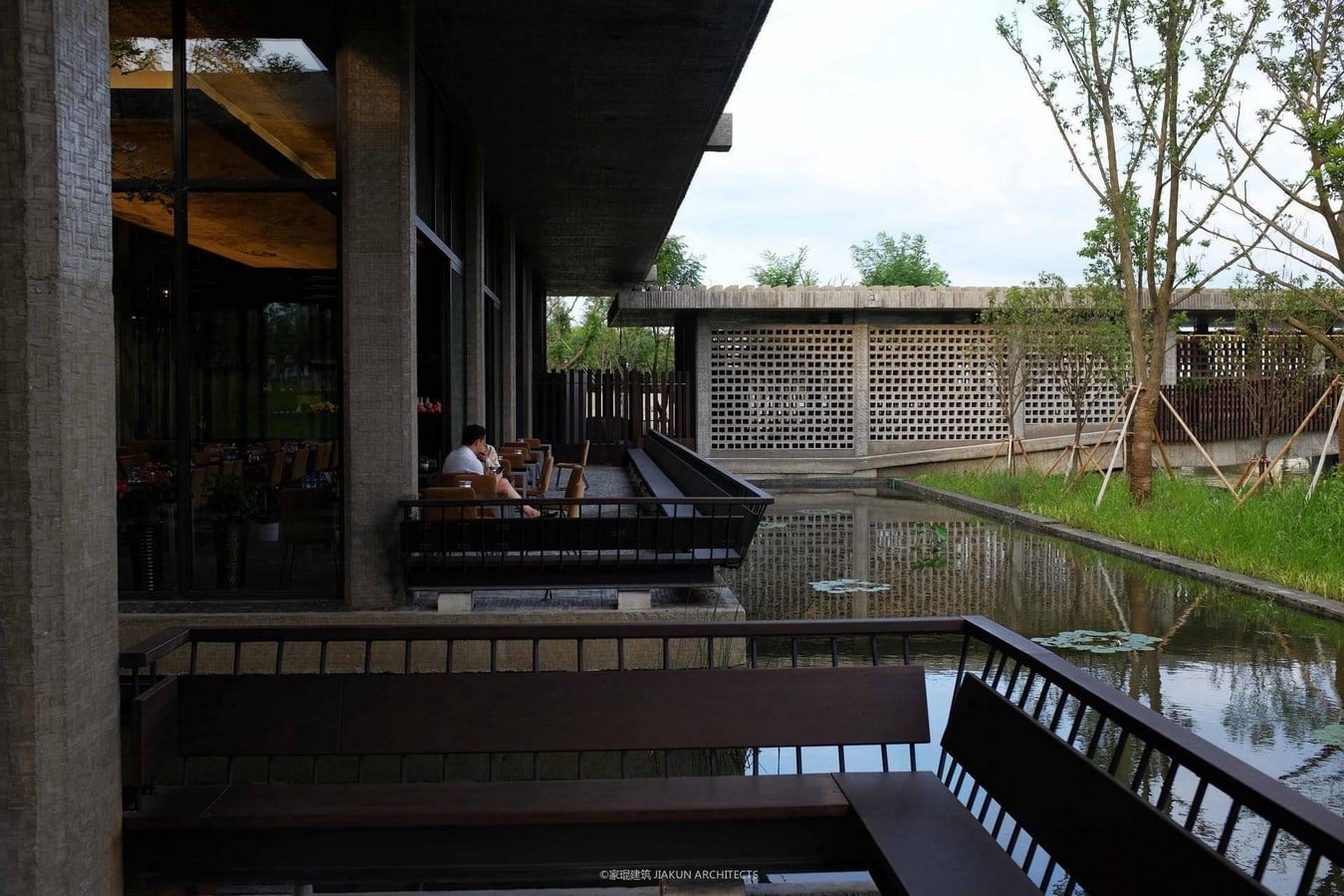
The museum is located in Suzhou’s Xiangcheng District over the historical ruins of the kilns that produced “Jin Zhuan” (Golden Bricks), which were the prestigious floor bricks used exclusively in the imperial palaces of the Ming and Qing dynasties. The project is split into two parts: one is the historic ruins park that is in its raw form, and the other is the contemporary museum building. The layout is in a way that visitors walk through three distinct spatial narratives: “the making of a brick,” “the journey of a brick,” and “the era of a brick.” Mirroring traditional Chinese gardens, the circulation is full of unexpected twists, turns, and changing frames of view.
The massing of the museum is planned in a way that the concrete walls and sweeping, simplified roof eaves reflect the majesty of ancient imperial palaces, yet translate them into clean, minimalist lines. The bricks of the walls utilize modern masonry techniques throughout the building that help visitors explore the ancient and modern styles of masonry.
- Department of Sculpture at the Sichuan Fine Arts Institute
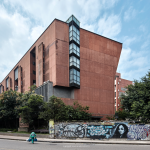
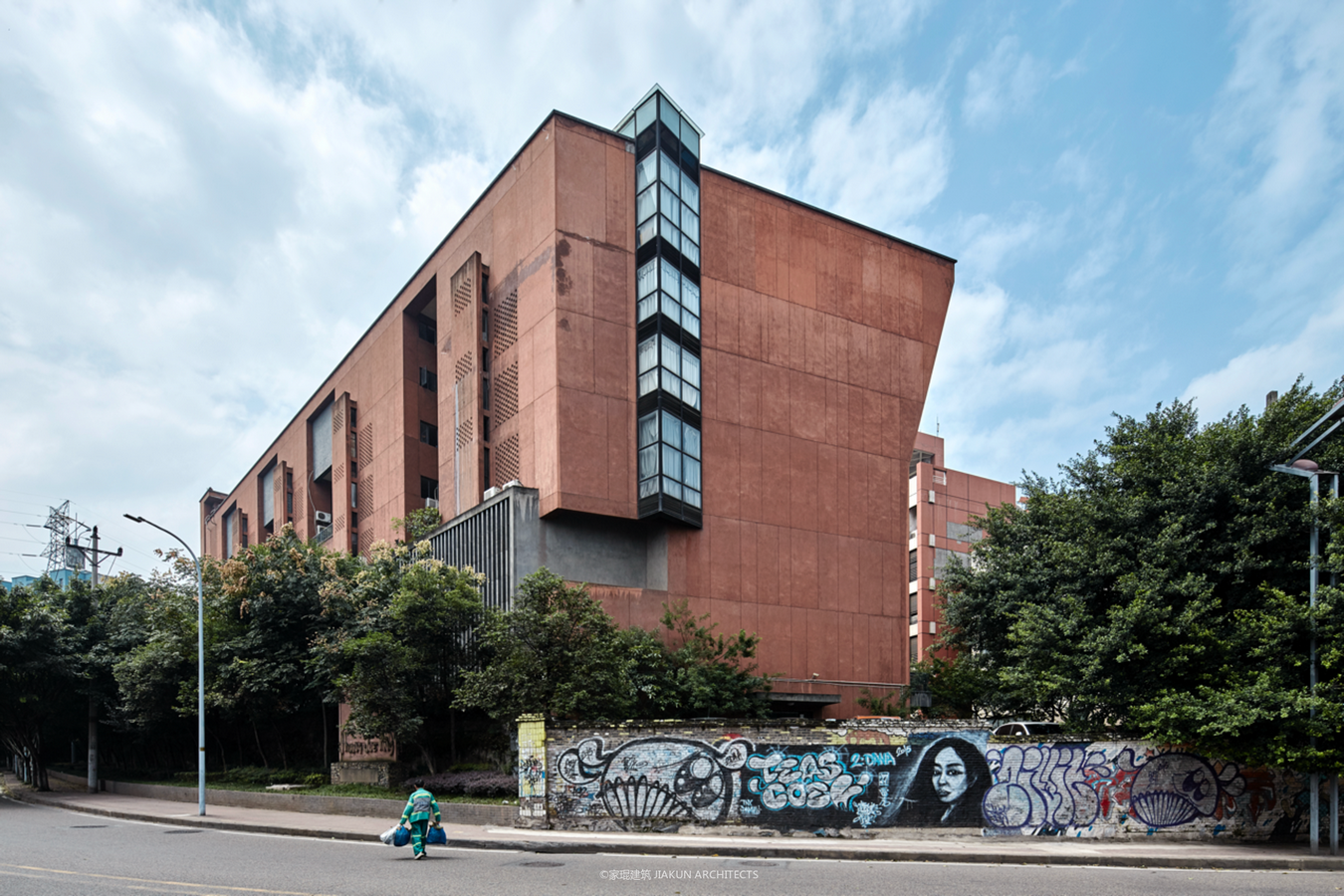
This academic building is located in Chongqing, exploring the solutions to the challenges a university art department needs. Recognizing that sculpture studios are noisy, dusty, and utilize a lot of space, Liu designed a rugged, industrial framework to tackle such issues. He used raw, exposed concrete, spacious, open-plan studios, and vast, airy paths for circulation. The materials and the spatial design easily absorb the toll of clay, stone dust, metal welding, and sprawling student installations. Light pours into the industrial studios through high, deep-set openings, creating dramatic, shifting natural light shadows that help students sculpt and discover their creative sides even more.
Why celebrate the “Quiet Pritzker”
In an era facing climate crises, resource scarcity and disputes, architects who break the barriers of creativity through sustainability should be at the forefront. The Pritzker Jury’s decision to award Liu Jiakun in 2025 is a crucial moment for the design community. He proved that an architect’s most powerful tools are not high-tech software or heavy budgets but common sense, observation, and local wisdom. His architecture teaches us that they do not need to shout to be heard; they just need to be there in quiet peace with their surroundings.
References:
Gent, S. and Velázquez, J. (2025) The “Golden Brick”. Museum and Park, Ruins of the Imperial Kiln in Suzhou by Jiakun Architects, Metalocus, 24 September. Available at: https://www.metalocus.es/en/news/golden-brick-museum-and-park-ruins-imperial-kiln-suzhou-jiakun-architects (Accessed: 16 July 2026).
Holland, O. (2025) Pritzker Prize 2025: China’s Liu Jiakun awarded ‘Nobel of architecture’, CNN, 4 March. Available at: https://edition.cnn.com/2025/03/04/style/pritzker-prize-winner-liu-jiakun-intl-hnk/index.html (Accessed: 16 July 2026).
Jiakun Architects (2015) West Village • Basis Yard, Divisare. Available at: https://divisare.com/projects/326479-jiakun-architects-west-village-basis-yard (Accessed: 16 July 2026).
Jiakun Architects (n.d.) West Village Basis Yard, Jiakun Architects. Available at: https://www.jiakun.com/project/detail?id=30 (Accessed: 16 July 2026).
Maqbool, S. (2025) Design That Listens: The Architecture of the 2025 Pritzker Winner, Liu Jiakun, Youlin Magazine, 20 November. Available at: https://www.youlinmagazine.com/story/design-that-listens-the-architecture-of-the-2025-pritzker-winner-liu-jiakun/MzE4MA==#google_vignette (Accessed: 16 July 2026).
Pogrebin, R. (2025) Chinese Architect Liu Jiakun Wins Pritzker Prize, The New York Times, 4 March. Available at: https://www.nytimes.com/2025/03/04/arts/design/chinese-architect-liu-jiakun-pritzker-prize.html (Accessed: 16 July 2026).
The Hyatt Foundation (2025) Liu Jiakun: 2025 Laureate Biography, The Pritzker Architecture Prize. Available at: https://www.pritzkerprize.com/laureates/liu-jiakun#laureate-page-2726 (Accessed: 16 July 2026).