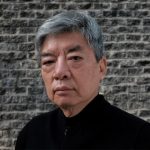
It is always unthinkable, beyond the thoughts of the infinitesimally small yet enormously large human brain that one person can impact the way we perceive architecture. Liu Jiakun’s immense contribution to the fraternity has made us realize this.
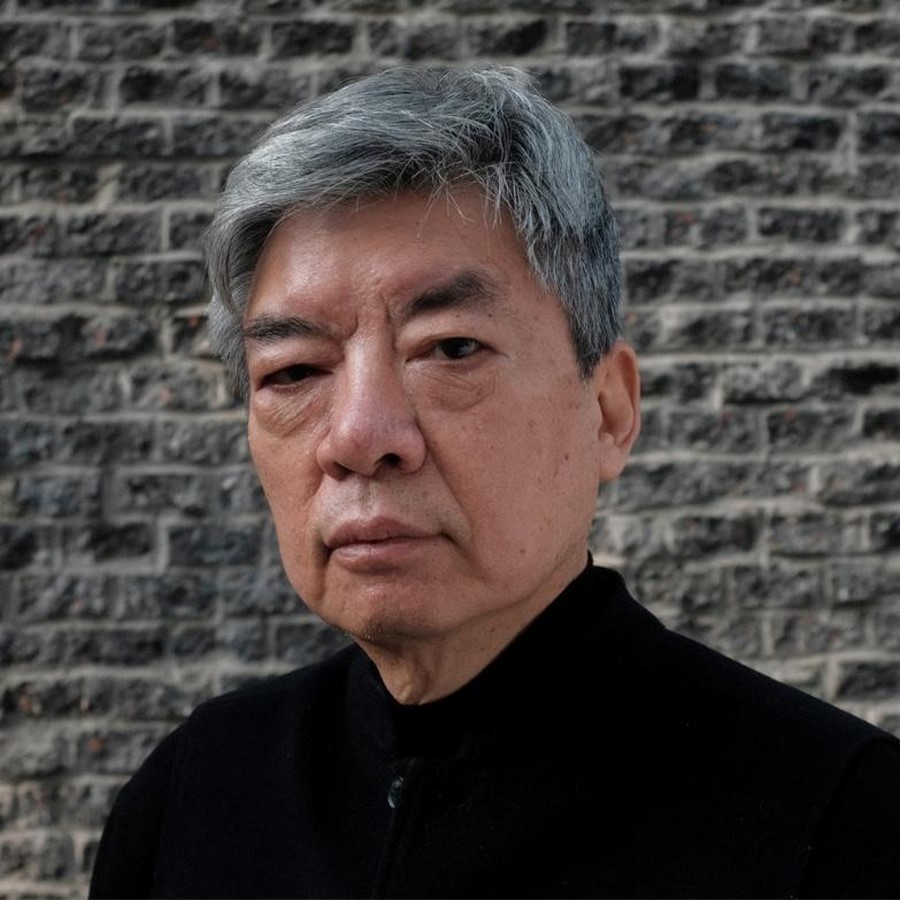
The prize of the highest cadre in the discipline of architecture, the highest honor one could get in the architecture fraternity, is the Pritzker Prize. The Pritzker Prize of 2025 has been awarded to Liu Jiakun, a Chinese architect working towards bringing about a paradigm shift in the architecture fraternity through his humble and rigorous efforts of unifying two currents that are deeply rooted in us as a society, namely traditions and contemporary needs, revolutionizing the modern architectural discourse. This award concretizes his footing as a visionary architect who harmonizes the culture, sustainability, and human-centric approach.
Early Years, Making of a Great Architect
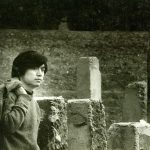
Jiakun was born in 1956, in Chengdu, People’s Republic of China, and spent most of his childhood in the streets of Chengdu.
Liu graduated with a bachelor’s degree in architecture during the building years of China. During this tenure, he was an architect by the day and the nights were to carve the literary creations as an author as he was deeply inspired by the literary works.
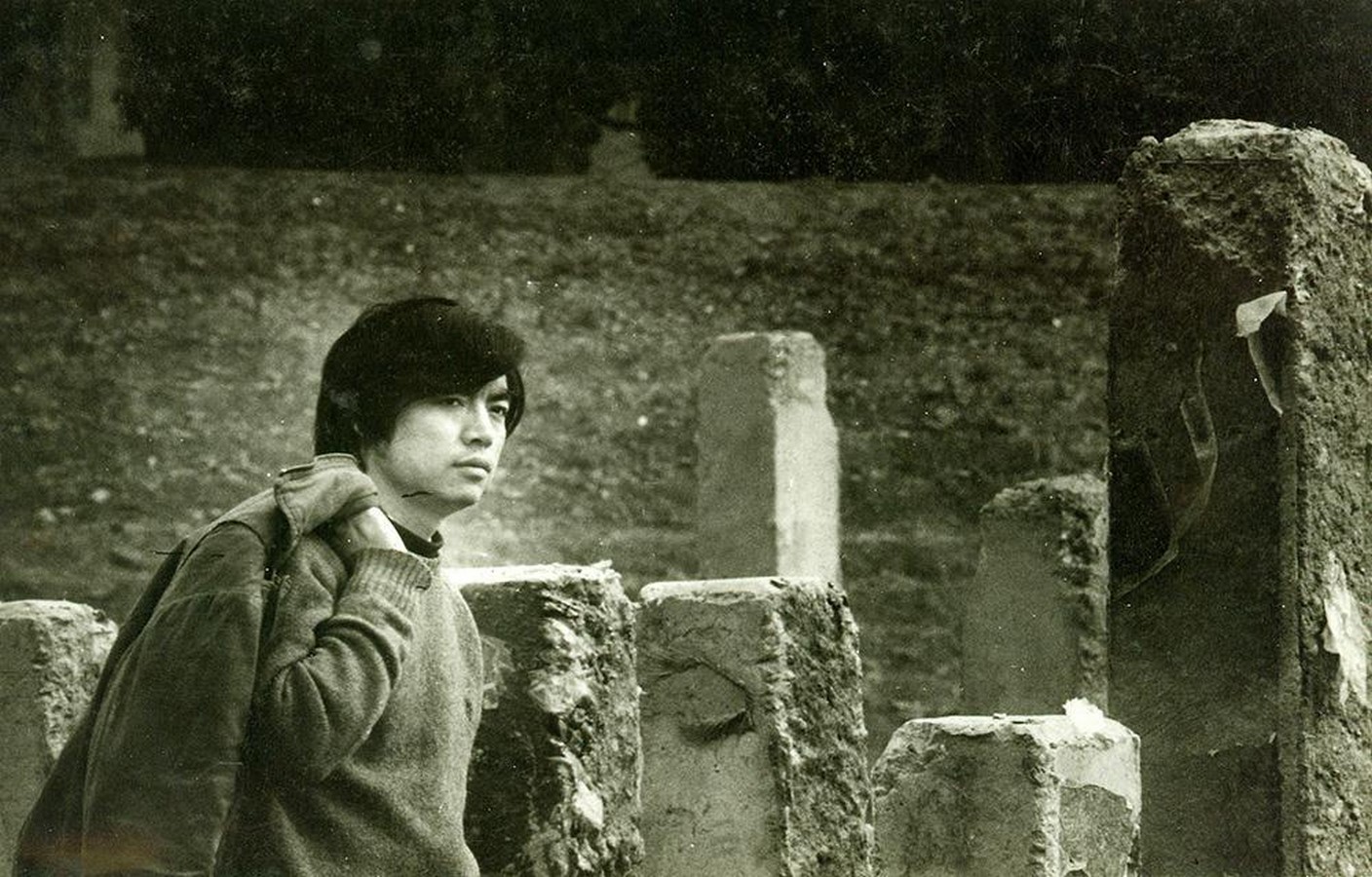
On the verge of ending his career in architecture, Jiakun visited a solo architecture exhibition at the Shanghai Art Museum and this revoked his passion for architecture.
Far from predictable and even farther from his expectations, Jiakun established Jiakun Architects in 1999 withholding the mast of power of architecture while making an understatement that it is a product of community, spirituality, and traditions.
Liu and his Notable Works
Revering the lives of ordinary citizens, Liu’s work offers an insight into the power of the built environment that can harmonize the cultural, historical, emotional, and social dimensions to form a community. He builds new worlds devoid of any aesthetic and stylistic constraints, instead strategizing the specific features and needs of each project differently. Demonstrating a respect for culture, history, and nature, Liu celebrates time by revisiting classic Chinese architecture and reinterpreting it in a modern way to comfort users.
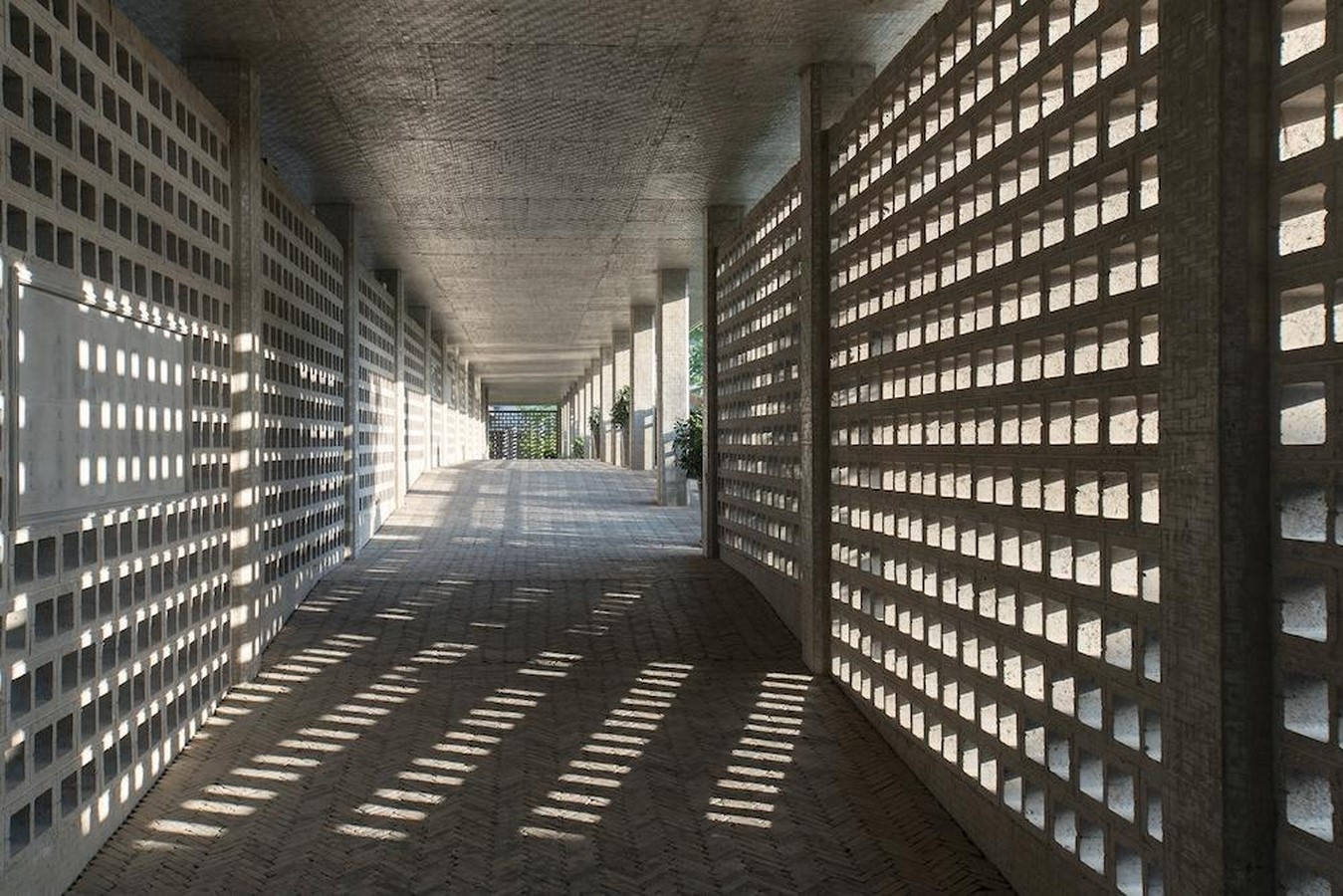
A patron of traditional crafts, he dismisses the use of manufactured products. Favoring the use of raw and local materials not only sustains the economy but also displays the imperfections that gracefully age rather than degrade.
Liu’s work displays a profound sensitivity to a place and culture, his interventions are low-tech and highly wisdom-driven, emphasizing functionality, local craftsmanship, and low environmental impact. Deeply influenced by spiritual notions, he believes in the idea of being adaptable like water. He says architecture should be built as a response to its context rather than imposing itself.
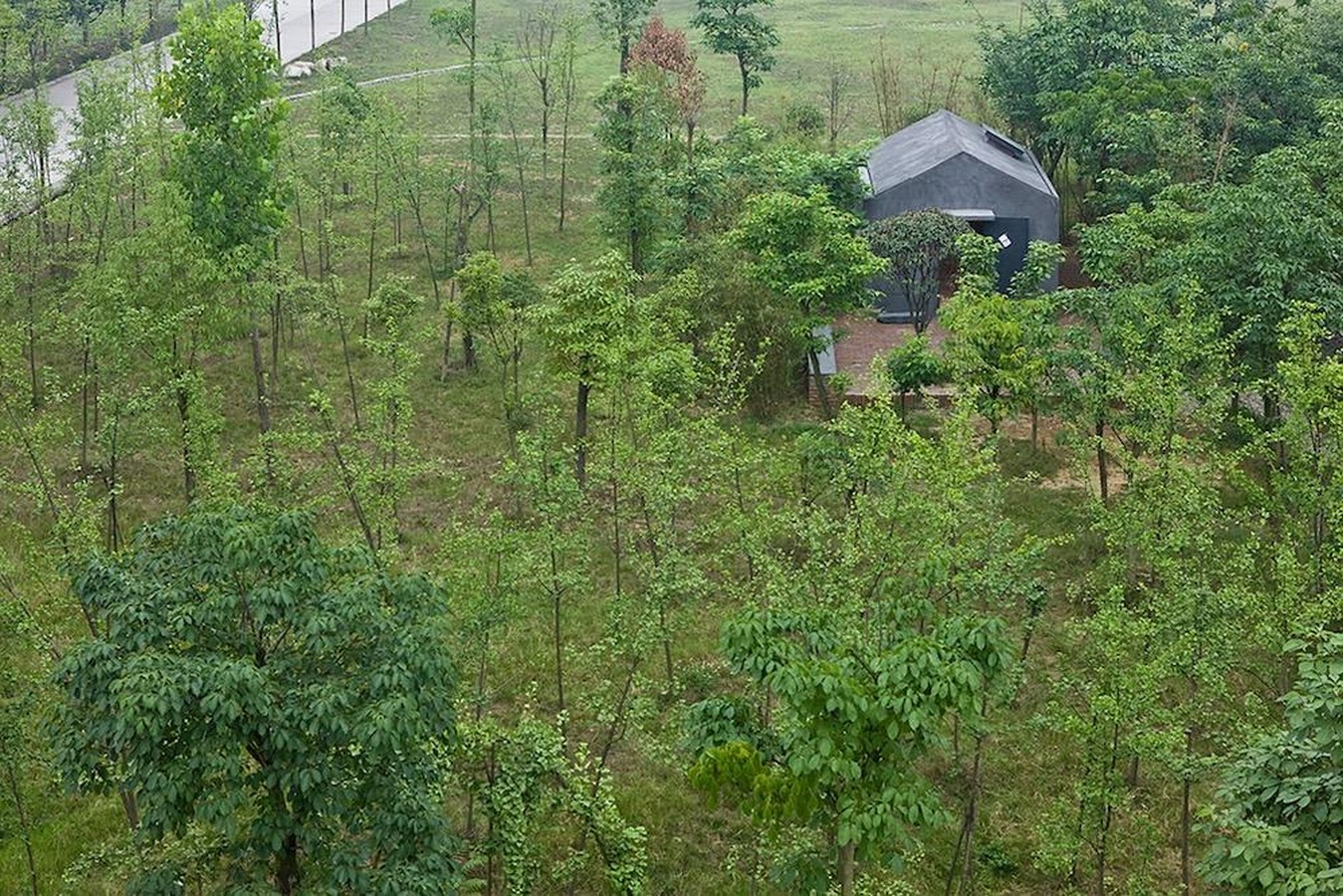
Honesty is reflected in the architecture that he builds, fostering a sense of belongingness, and emotional connections and mirroring the sincerity in textural materials and processes. While on the surface his architecture is a very simple one, it is in the substrata that one finds intellect and wisdom in his work which sponsors and reveals that history, materials, and nature are in a symbiotic relationship and a little disturbance can cause great impact.
Liu’s commendable work portfolio encompasses a versatile range of projects which include public spaces, museums, residential projects, and urban design.
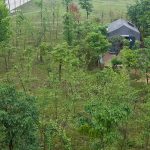
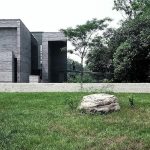
A humble and tranquil retreat in Chengdu is the Luyeyuan Stone Sculpture Art Museum where the users engage with the Buddhist sculpture in a meditative space. The juxtaposition of natural and built environments has been strategically done, for the viewers to traverse through different scenarios.
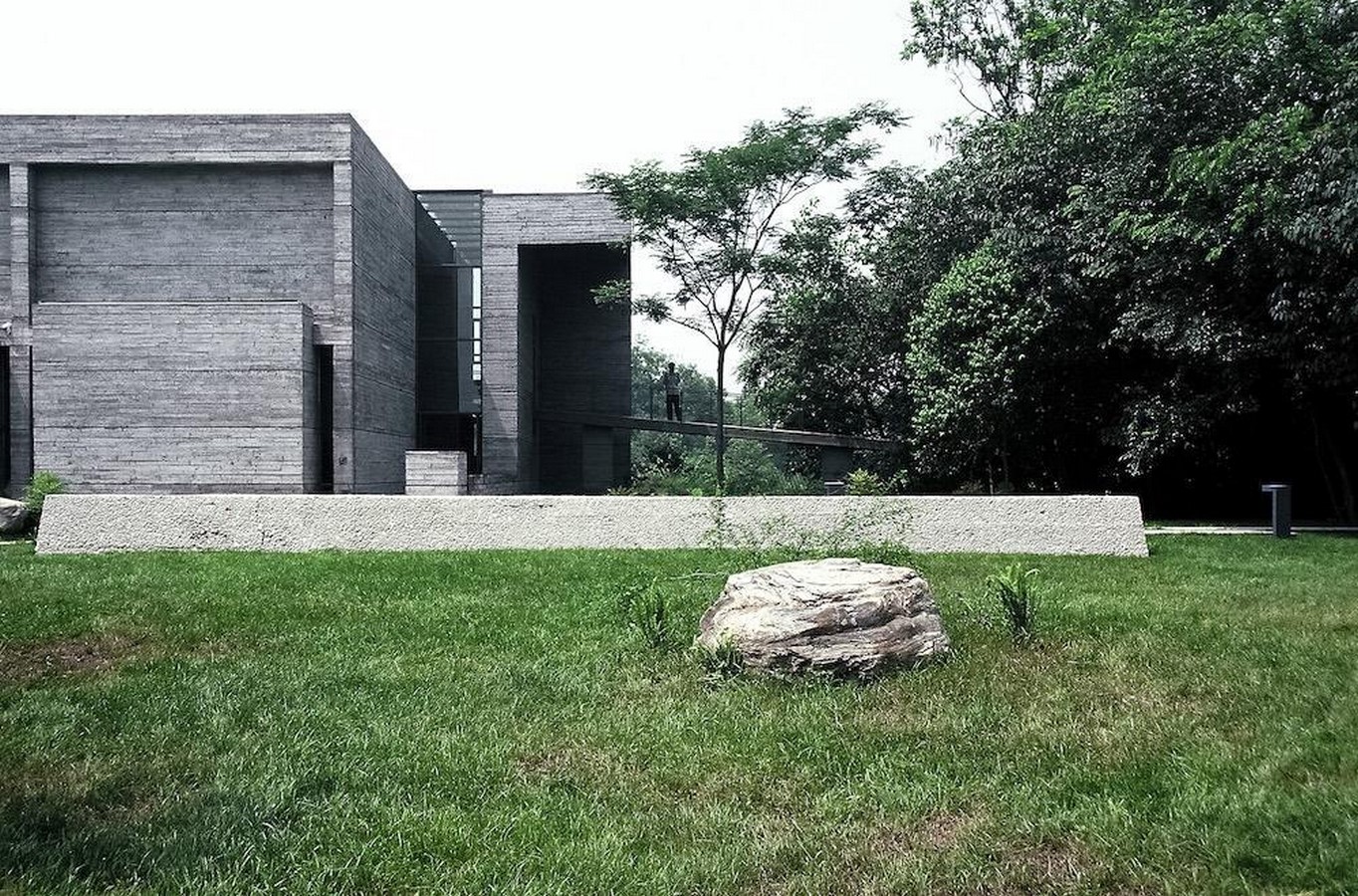
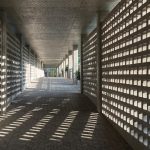
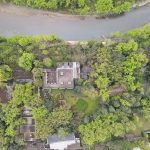
This is a reincarnation of a traditional Chinese garden highlighting the harmony between architecture, nature, and culture. The strategic placement of the building blocks have been used to borrow light to create exhibits and scenery for the building to merge into the surrounding landscape, emphasizing the symbiotic relationship of nature and architecture.
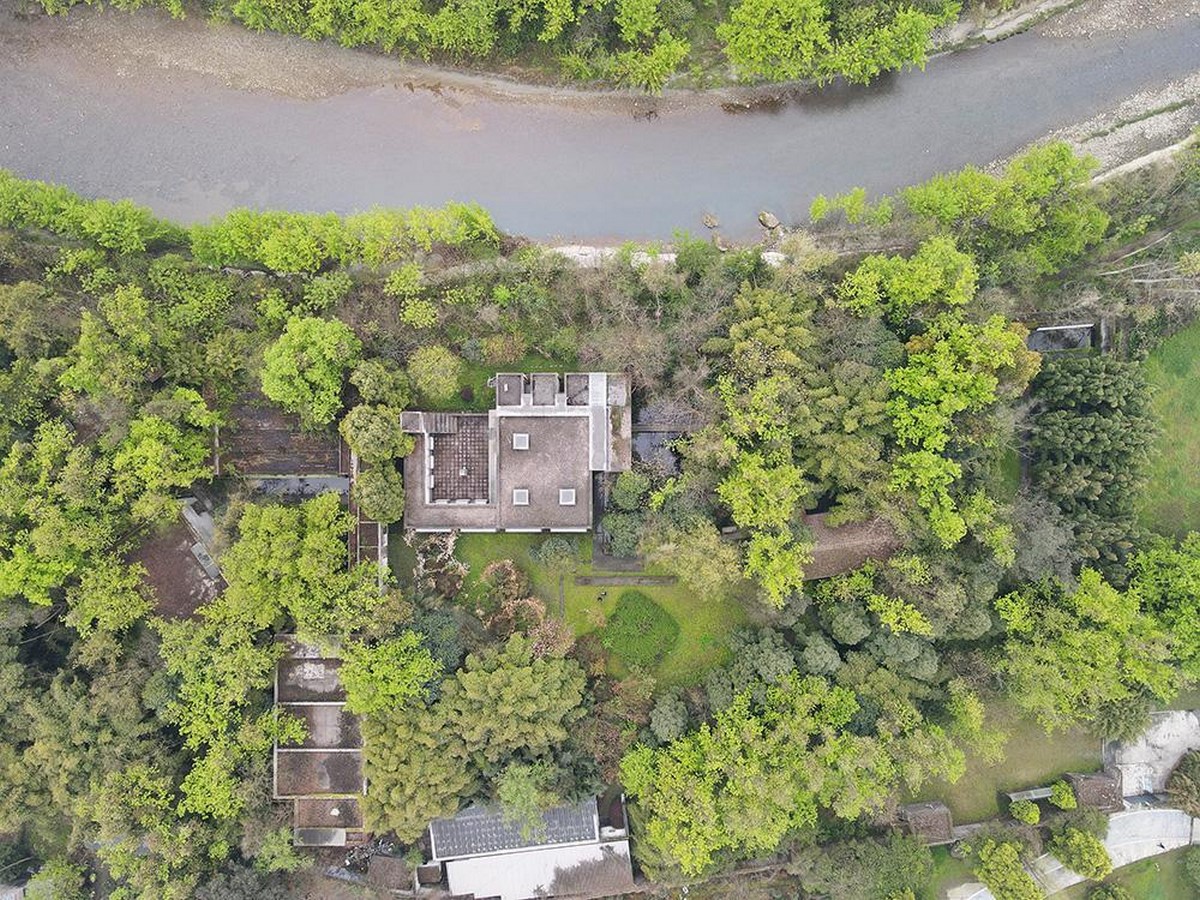
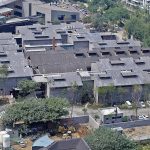
On a historic landmark of Baijiu Distillery, stands the Shuijingfang Museum that cautiously conserves history while amalgamating contemporary design styles. The minimalist aesthetic and the use of local materials highlight Liu’s exemplary ability to preserve and respect the Time that has bygone and address the present needs for sustainable development.

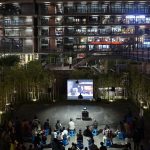
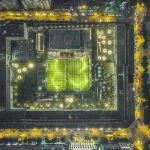
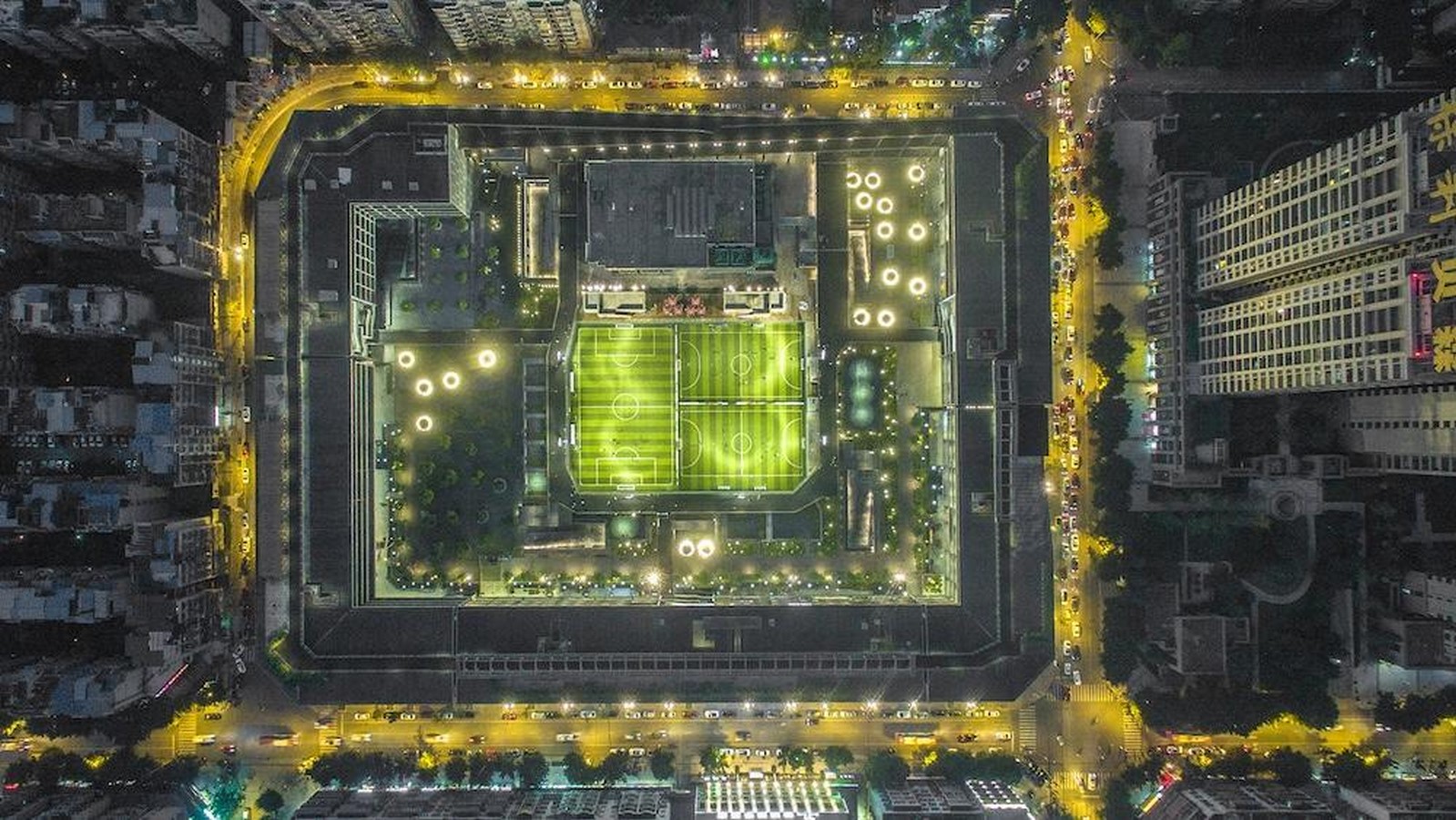
An alternative module to sustainable urbanization is offered in an area surrounded by high-rise buildings which is the West Village. Sensitively intervened, this is a mixed-use public space that provides office spaces, areas for recreation, and cultural centers, all connected by a pedestrian-friendly circuit, reiterating urban living.

With his ability to adapt, the Rebirth Brick project was a milestone in Jiakun’s career. Repurposing the debris into building materials after the Sichuan earthquake, Liu coined the term “Rebirth Bricks” to bring to light the issue of material shortage, but also to express resilience and recovery, while accentuating the role of architecture in post-disaster recovery.
Unlike the iconic and extravagant designs, Liu’s work and design approach stand unique due to its humility and depth. His work is a relentless effort to blend in with the surroundings, offering spaces that feel natural and lived-in.
The winning of Pritzker by Liu signals a shift in the trends of architecture valuing sensitivity and inherent power of a place. His works and philosophy stand as statements and guiding light for the architecture fraternity, potentially inspiring people to prioritize cultural authenticity, material authenticity, and sustainability making architecture a medium to share stories of times, resilience, and ecological harmony making it immortal.
References:
(n.d.). Retrieved from https://www.pritzkerprize.com/laureates/liu-jiakun#laureate-page-2736.
(n.d.). Retrieved from https://www.jiakun.com/project/index?page=2.