In modern times, ethical considerations about the environment are at the centre of developing and constructing buildings with materials that are produced locally, which is increasing in popularity. This ecological strategy not only decreases the carbon impact of conveyance but also fosters self-sufficiency and the preservation of local traditions.
In the current constantly evolving architecture scene, construction material selection is critical in defining not just structural credibility, but also the visual impact and historic value of structures. Local building materials, in particular, have specific advantages that promote environmentally friendly building techniques, economic development, and the preservation of culture.

Through the construction material(s), each aspect of the building is connected regarding colour, apparel, and appearance. The materials employed for a piece usually add to its nomenclature.
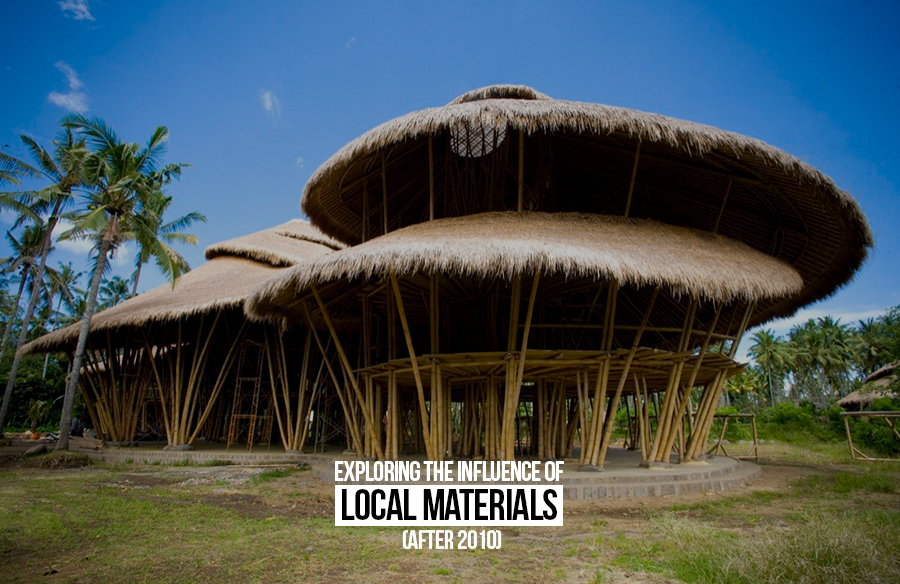
Local materials are often available near the building site. This availability lessens the necessity for significant transit and alleviates the load on resources that are not renewable. Utilising materials such as clay, stone, wood, bamboo, thatch, and dirt enables constructors to benefit from a wide range of such assets without diminishing them.
Local resources often have a smaller ecological effect than items that must be carried across great distances. By procuring materials locally, we decrease the greenhouse gas emissions from transportation as well as the power necessary for collection and manufacturing. This method contributes to the mitigation of climate change and the promotion of a more sustainable building sector.
Structural and Visual Significance
The development fabric impacts the vision of a structure since it is interatomic with the construction’s vision. Local materials, acquired from the nearby environment, contribute to a healthy link between the structure and its surroundings. This method improves the aesthetics of a structure while maintaining structural soundness.
As a result, the quality-quantity ratio of the construction materials utilised influences the architecture’s characteristics. It also has an impact on conceptions of ease and difficulty in the design of buildings. It has also promoted creativity. Naturally, construction materials have played a significant role in architecture. Taj Mahal significance. They have radically transformed the field of architecture by constructing landmark monuments across the globe.

The materials used to construct a structure may have a considerable impact on its longevity and aesthetic attractiveness. For example, utilising locally available stone or wood may add a feeling of location and consistency while representing the area’s architectural heritage. Furthermore, the utilisation of local materials can result in creative design ideas that combine centuries-old techniques with modern architectural principles.
Developing and utilising native assets fosters a deeper connection to the natural environment.
Contractors may guarantee that their building is environmentally friendly by using materials acquired from the local ecosystem. This promotes ecological balance and biodiversity.
Economic and Environmental Benefits
Among the key benefits of choosing locally sourced building materials are reduced shipping expenses and ecological impact. Materials obtained locally use less transportation energy, resulting in reduced carbon emissions. This strategy benefits the regional economies by creating possibilities for employment and promoting growth in communities.
Furthermore, local materials are frequently more sustainable since they are tailored to the local climate and environmental requirements. For example, employing adobe in arid locations and bamboo in tropical climes can improve construction thermal efficiency and sustainability. These materials also have a lesser environmental impact than imported materials.
Local materials are frequently less expensive than importing particular resources. They are usually numerous and easily offered, which lowers the expenses of transportation and import. This low cost makes sustainable building affordable to a broader spectrum of individuals, even those with little financial means.
Using locally sourced products benefits the local economy by boosting local companies and industries. It generates job opportunities and promotes economic progress in the neighbourhood. By procuring materials locally, builders support the livelihoods of local artisans, craftsmen, and suppliers, assuring the longevity of local trades and talents.

Cultural and Historical Preservation
Local construction materials are historically and culturally significant, typically reflecting the region’s legacy and traditions. The use of these materials in modern buildings helps to retain a place’s cultural character and past continuity. For example, using ancient masonry techniques to restore heritage buildings guarantees that the architectural language of the past is preserved while satisfying modern requirements.
Furthermore, structures made from local materials frequently become symbols of cultural pride and identity. They operate as physical ties to the past, providing insights into the history of architectural methods and the creativity of previous civilizations.

Building materials play an important role in preserving the genuine aesthetics of a location’s theme and function, whether it’s a holy area or a religious edifice. They retain rituals and traditions while remaining true to the design concept. Building materials not only provide a sense of purpose and usefulness, but they can also bring aesthetic delight while remaining practical. This combination provides unique sensations and mystical design elements.
Local materials are frequently culturally significant, contributing to a location’s character and legacy. Incorporating these elements into the design preserves local traditions and aesthetics, resulting in a sense of location and authenticity.
The Ten-Mile Building Challenge (TMB) is an innovative program launched by the Low Technology Institute to promote sustainable construction methods. This challenge asks architects to picture a future in which fossil fuels are no longer accessible and to design and build structures utilising materials gathered within a ten-mile radius of the building site.
By modelling this future situation, the TMB hopes to create methods and solutions that achieve high technical criteria for strength, durability, and efficiency while incorporating local, natural, recycled, or new materials. This one-of-a-kind initiative encourages architects, builders, and homeowners to envision the years to come and develop alternatives that uphold the concepts of responsible development and caring for the environment.
Given that we face an uncertain future that has restricted the availability of petroleum and coal, the Ten-Mile Building Challenge urges us to prioritise regional supplies, creative architecture, and environmentally friendly building techniques. Using locally sourced materials, builders and designers may create constructions that are not only environmentally responsible but also deeply connected to their regions’ heritage and social tapestry.
References:
Morel, J.C., Mesbah, A., Oggero, M., and Walker, P. (2001) “Building Houses with Local Materials: Means to Drastically Reduce the Environmental Impact of Construction”. Building and Environment [online] 36 (10), 1119–1126. available from <https://www.researchgate.net/publication/223275169_Building_houses_with_local_materials_Means_to_drastically_reduce_the_environmental_impact_of_construction>
Hopkins, R. (2010) The Economic Potential of Local Building Materials » Transition Culture [online] available from <https://www.transitionculture.org/2010/03/15/the-economic-potential-of-local-building-materials/>
Maheshwari, A. (2021) “World Environment Day: Vernacular Architecture and Its Therapeutic Effect on Dwellers”. Architectural Digest India [online] 5 June. available from <https://www.architecturaldigest.in/story/world-environment-day-vernacular-architecture-and-its-therapeutic-effect-on-dwellers/>
Fr33d0m (2023) Incorporating Local Materials in Your Home’s Architecture – Lux Builders [online] available from <https://theluxbuild.com/incorporating-local-materials-in-your-homes-architecture/>
Aibd (2023) Designing and Building Houses with Local Materials: A Sustainable Approach [online] available from <https://aibd.org/designing-and-building-houses-with-local-materials/>