Logos represent the brands in the simplest form and with the most visual recognition for the user. The purpose is to establish a sense of familiarity for the people to trust it and be their customers. With a burgeoning and competitive marketplace, the constant reminder of the brand’s presence can be communicated by its logo, which can appear on numerous online and offline platforms. Easy-to-spot and remember logos become a brand necessity to keep its presence in the visually saturated world, which is aided by the minimalistic design language, which evolved through other design methods but got translated into this form of graphic and visual representation of the logo design. The simple and self-explanatory designs help people remember and allow creative flexibility and ease to adapt the logo into different formats applicable across the realm of the user interface.
Evolved from the Japanese ideas of minimalism in architecture and principles, the concept of minimalism further developed as the De Stijl design movement that used basic graphical shapes- lines and primary colors to create visually balanced compositions.
Modern mass communication symbol logo design is a special kind of text or image composition; its basic function is to convey graphical information, the performance of its intrinsic quality, features, and as a means of communication with the media; it is human civilization high capacity carrier, is the epitome of human culture (Zhang, 2016).
What symbols carried at some point in the past got translated to logos today and convey the sentiment of the organization it represents. Zhang calls logos a ‘common human visual contact tool’, which means that the representations have become increasingly simple and unanimous, inclusive of the international. The times before the industrial revolution marked the audience for logo service design objects as elites and aristocrats. The styles were flamboyant and cumbersome designs- visually and execution wise were a reflection of the group who could afford the time, money, and expertise to build it.
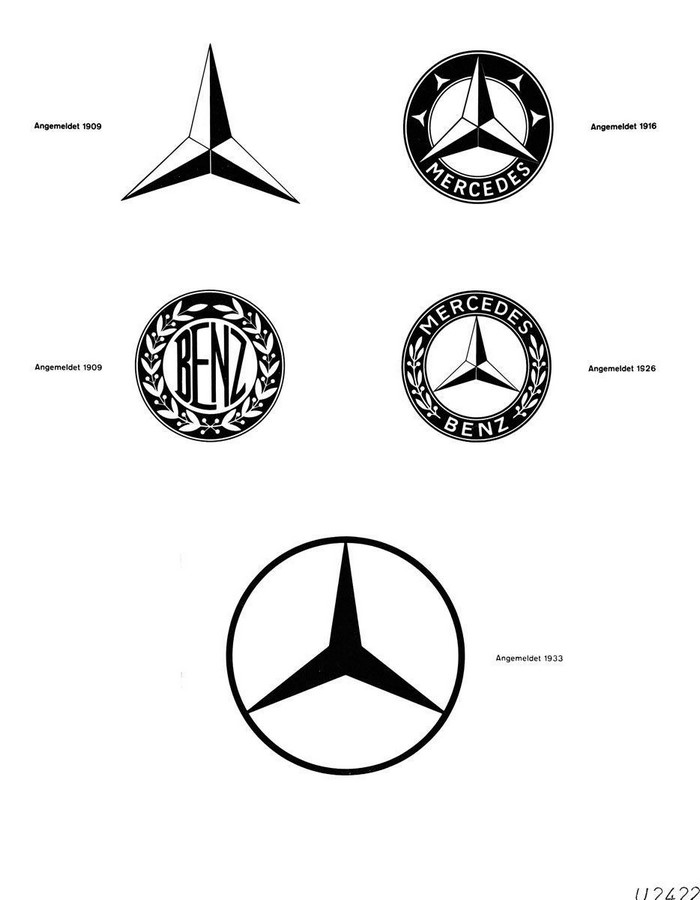
The transition between the Arts and Crafts design movement and modernism style logos was the Art Deco period which neglected Victorian era extravagance but borrowed the accentuated formats reinstated by geometric lines and shapes, and the use of metal colors. The modern era brought back functional, visually clean geometry. This muted the earlier ideas of complexity and penetrated logo design eventually. With it being new, it also became monotonous and impersonal.
Western minimalism used flat solid colors- usually bright and contrasting, to emphasize visual identification and create a lasting impression. Geometric compositions with flattened shapes and objects became another feature of the same. It stands true that the design styles and movements have been intertwined with the lifestyle of the people in that era. With the living methods that dismiss redundancy and focus on the most basic. The overall setup of an individual can be different, which means that the combination can be varied but individually the products and objects in our lives have been shredded off their excess. The minimalist design caters to that, it is simple yet smart. This alignment has popularised and created acceptance for the minimalist designs around.
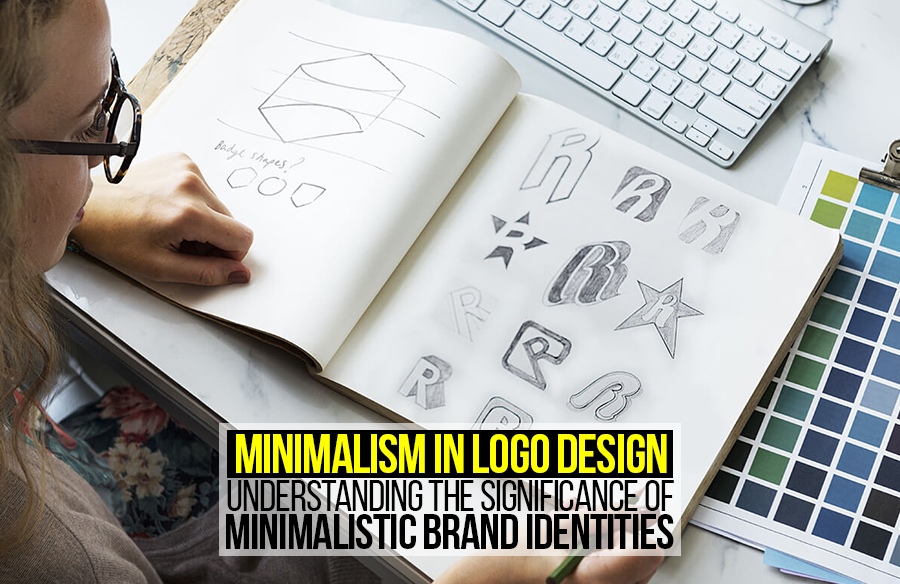
The features of the minimalistic designs are simple and clean shapes and linear creations. The representation is direct and obvious. Twitter bird or the McDonald’s arches are iconic logos associated with and recognized by people even from a distance, such as a symbol on the highway. Their color is another significant distinguishing feature of these logos since they are bright and clear. The typography of these logos, if it involves a word, usually the brand name, is another strong visual character of a logo that is instantly read in the mind without a lot of thought or remembrance, which is how the brands can create familiarity.

In an information-fed era, the consumption of this information is fast-paced with an appreciation for simplicity and briefness. Apple has evolved as a brand logo from complexity to simplicity and then to experiments in color variations such as blue, black, and metallic. The geometrically proportionate yet asymmetric logo maintains visual curiosity through the leaf and the bite, which has rumored stories.
An interesting relationship is between minimalism and luxury, which could explain the association for some luxury brands to opt for minimalist themes and hence logos. There is a newly developed taste for minimalist themes, often as an escape from pompous environments. From mobile phones to interiors, minimalism is becoming an approach that is influenced by it.
The overall essence is that minimalism is an expression that is not introverted, it has its method of representation which is direct and simplified. It breaks the paradigm of ‘more’ and reduces elements- physical or intangible, to ‘less’. While it is not seen as a ubiquitous design strategy, logo design is a brand identity that incorporates the idea efficiently. Its visual scheme helps reach the audience in a prominent way to absorb the information better. A clear and crisp logo also indicates the confidence that the brand embodies to its customers.
References
Fan, R., 2019, October. Research on the Expression Tendency of Minimalism in Logo Design Under the Influence of Contemporary Aesthetic Trends. In 2nd International Conference on Contemporary Education, Social Sciences and Ecological Studies (CESSES 2019) (pp. 756-759). Atlantis Press.
Zhang, X., 2016, May. The Evolution of Logo Design Styles Forms. In 2nd International Conference on Arts, Design and Contemporary Education (pp. 492-494). Atlantis Press.