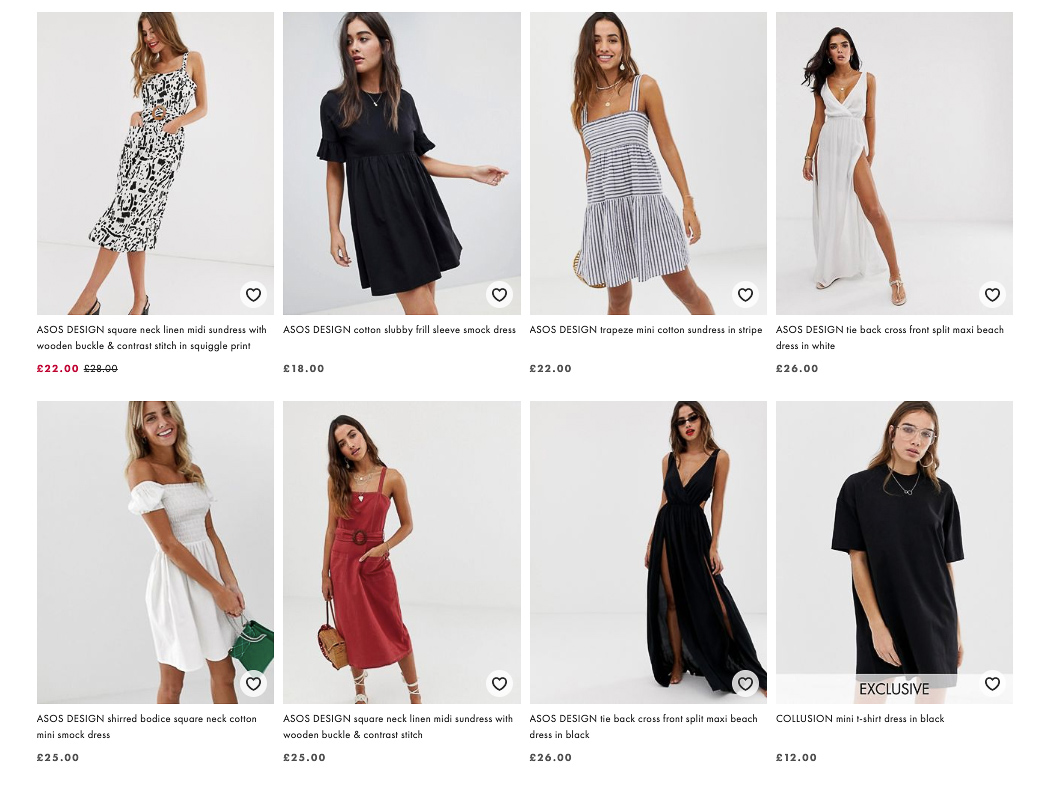
Learning about the textile industry, there are specific uses of place and season in determining the language of different fabrics and patterns particularly when it comes to fashion.
With architects, seasons invoke a need to respond through the amount of insulation, circulation of air around the building, addition of mechanical modes of ventilation, the shape of the building and other strategies that involve the seasonal conditions.
Yet when it comes to fashion, at least based on contemporary terms, there are different implications in mind. Thalia Barrera explains the division of Four Seasons into fashion, which she goes into more detail in her article Fashion Seasons Explained: How It Started & How It’s Going In 2022 And Beyond. In the article, fashion houses make use of seasons as a marketing strategy to profit off of their previous collection in time for the release of their new one. There would be themes where seasonal weather would affect textile, form and color as standards for evoking mood. But a big part of certain seasons would usually occur as a point in the year where collections from previous collections would be ideal for a certain point in the year. Hence, fashion’s strange seasons, such as pre-seasons.
In contemporary terms, art is explicitly dictated by market factors, and the world of fast fashion raises the standards by fracturing seasons into as many as 52. This becomes a point where capital rules the rapid rate at which the design process becomes a mess of different catalogs of clothing. Season rarely becomes a thing of occasion and more of a place of trends to wear for the week.
But the problems of fast fashion and how it fragments seasons are the least of the world’s concerns. Murray-Nag discusses in her article the harmful progress that fast fashion is putting into the world as not only a problem of excessive transportation. It is easy to forget that fast fashion impacts the world through 79 trillion liters of water consumption, 15,000 types of chemical use, 92 million tonnes of textile waste and an annual number of 190,000 tonnes to microplastic pollution. This puts into perspective how big of a threat the industry poses.
To take a step back from current fashion practices would be to first understand its basics…
Colour theory and fibre properties make up the first step in selecting a base material. Weight and drape are the second consideration when knowing which garment to be weaved into. An article by Seamswork titled Fabric Swaps for Every Season explains this process best, as they touch base knowledge to these careful considerations of material and going over these basics is, as the author feels, something anyone reading this would instantly choose to skip.
However, the point of this article is to use the framework of the basics, color and fiber, and explore how they could act as main design drivers with the fashion industry’s need to rethink its role in impacting Earth’s ecologies.
Managing Your Colors Properly
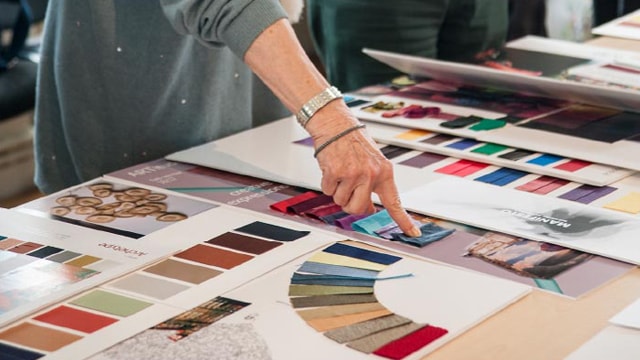
Choosing colour in fabrics requires the designer to use careful colour sample selection, and the process of choosing colour could sometimes be messy. Datacolor, a colour management company, considers some of the things companies must consider before producing a final dye.
One of the main points they bring about in having to rely on a colour management strategy is the fact that the process of colour sampling would sometimes have companies spend seven-figure numbers. The reason for this would make sense when thinking about how tedious the process of extracting raw materials would be, then to the processing of dye, and towards courier service to deliver samples. And all this for some color samples to not even make the final cut.

By using colour formulation software, an efficient process of optimising recipes for colour and reducing re-dying are just some of the methods that could reduce the need for new colour samples. Reusing dye colour samples that do not make it are also some of the things the company promises. And even with the emerging rise of new sustainable materials, the process of colour dying and assessing the dyeability of material will always be constant when choosing a colour for a fabric. If a basic management system ought to be one of the effective solutions to considering color, then this is definitely a viable solution for solving it. The only caveat to this is that widespread knowledge of color management would need to be spread throughout the industry, and these are specifics that the author of this article could not really delve into unless given full experience.
The Complicated Relationship between Plastic and Fibre
Contemporary fashion makes use of polyester and nylon, which is a product made from petroleum, that have contributed to the acceleration of the planet’s climate catastrophe. The practice of upcycling existing garments, or simply revitalizing an old fashion piece, is a solution that is quite known amongst fashion design. Yet it does not do much to counter the harmful production of plastic-based materials or when it offsets microplastics as a result of degradation over time.
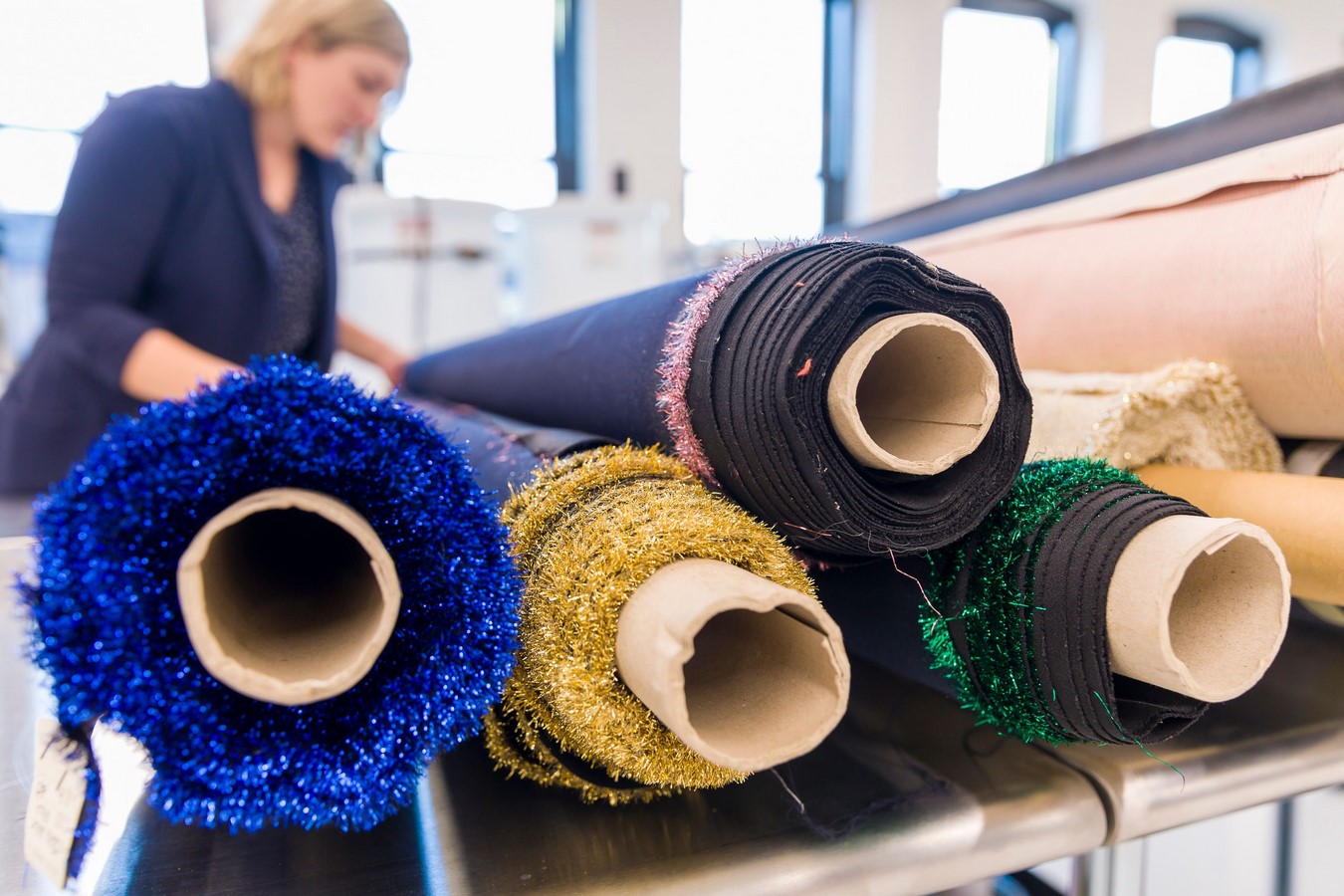
Issues such as this are being tackled using creative solutions, although wide systemic changes within the fashion industry also need to be agreed upon. An article by Jill Ettinger reports on some of the efforts made by big names in the industry, such as Stella McCartney and her collaboration with an up-and-coming tech brand, Protein Evolution. Her solution encourages a fashion of circular economy, where leftover materials from her clothing collection will be transformed into new materials. Protein Evolution’s part is figuring out how these plastic-based materials could be transformed into reusable material using an enzymatic process, which means breaking the waste material into its basic parts using a plastic-eating enzyme.
While relying on tech-based solutions should not be the golden solution to the wide-scale problem of plastic in the textile industry, such an innovation could lead to better discourse or conversations on the place of plastic-based materials in the industry.
Rethinking the Role of the Fashion Designer
In concluding this article, a key factor to all the solutions is not simply engaging with the material of the product but the ones designing the products themselves. Fashion designers. One such fashion designer who words his perspective best is Liverpool-born Patrick McDowell in an article by Beatrice Murray-Nag. The usual word advice of being aware of the implications of their designs and the environment of their workplace. What is interesting is how he has chosen to practice what he preaches. Choosing to follow a practice of business that prioritizes humans, the planet and, of course, money. By extending the concept of sustainability to how a designer works, as Patrick McDowell has done by rejecting wholesale fashion.
Perhaps how one chooses which sort of practice they should follow is entirely dependent on the designer’s work habits, type of relationship they want to have with clients and other external factors from which they currently live. While it is easy to say that one could reject wholesale fashion and choose to design and curate within their own given time, could that be said for all fashion designers outside of the UK?
References:
Barrera, Thalia. (2021) Fashion Seasons Explained: How It Started & How It’s Going In 2022 And Beyond Fast Fashion and Putting Seasons Obsolete. 19th November. Tech Fashionista. [Online] [Accessed on 28th February 2023] https://thetechfashionista.com/fashion-seasons-explained/
Ettinger, Jill (2022). Stella McCartney Joins Circular Fiber Recycling Effort. 20th December. Ethos Digital. [Online] [Accessed on 28th February 2023] https://the-ethos.co/stella-mccartney-joins-effort-to-recycle-mixed-fibers/
Murray-Nag, Beatrice. (2020) How Far Have We Actually Come in our Fight to Change Fast Fashion?. 27th April. Eco Age. [Online] [Accessed on 29th February 2023] https://eco-age.com/resources/fast-fashion-what-has-changed/
Murray-Nag, Beatrice. (2020) Patrick McDowell: Being a Designer in a Changing Climate. 29th January. Eco Age. [Online] [Accessed on 29th February 2023] https://eco-age.com/resources/patrick-mcdowell-being-a-designer-changing-climate-interview/
Seamwork (2015). Fabric Swaps for Every Season. 28th February. Colette Media. [Online] [Accessed on 28th February 2023] https://www.seamwork.com/articles/fabric-swaps-for-every-season
Sustainability, Color, and the Textile Industry: What You Need to Know. Datacolor. [Online] [Accessed on 29th February 2023] https://www.datacolor.com/business-solutions/blog/sustainability-color-textile-industry/
IMAGE References
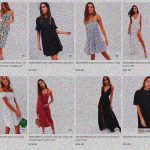
Besma. (2020) ASOS-Responsible-Edit. Curiously Conscious. [Online image] [Accessed on 2nd of July 2023] https://www.curiouslyconscious.com/wp-content/uploads/2019/07/ASOS-Responsible-Edit.jpg
Intercolor. (2018) Datacolor-SpectraVision. International Commission for Color [Online image] [Accessed on 1st of July 2023] https://apparelresources.com/wp-content/uploads/2018/05/Datacolor-SpectraVision.jpg.
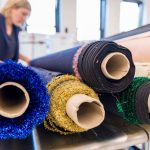
Protein Evolution. A_variety_of_Stella_Mc_Cartney_polyesters_and_nylons_were_delivered_to_PEI_s_HQ. [Online image] [Accessed on 1st of July 2023] https://protein-evolution.com/uploads/A_variety_of_Stella_Mc_Cartney_polyesters_and_nylons_were_delivered_to_PEI_s_HQ_1_642bc47463.JPG