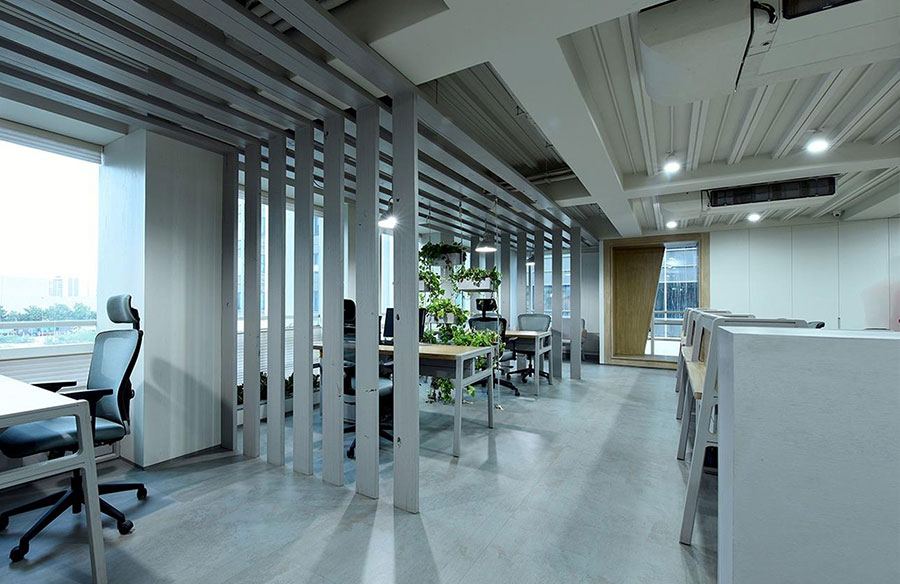
Introduction to Modern Office Design
The contemporary workspace has evolved far beyond the traditional cubicle setup. Today, office design is a crucial aspect of company culture, employee engagement, and productivity. It’s more than just about creating a physical space for your team; it’s about crafting an environment that inspires creativity, encourages collaboration, and enhances overall job satisfaction. In this age of remote working and co-working spaces, a well-designed office can be a significant factor in attracting and retaining top talent.
Modern office design is a fusion of functionality and aesthetics. It’s about creating a space that not only looks good but also works well. This includes considering factors such as lighting, furniture, space planning, and even noise levels. A well-designed office doesn’t just happen by chance; it’s the result of careful planning and thoughtful design decisions.
In this blog post, we’ll delve into the world of modern office design. We’ll explore why office design matters, the role of interior design in office productivity, office decor essentials, and eight unique office design ideas for a modern workplace. We’ll also discuss how to incorporate neon sign and neon artwork into your office design, upcoming office design trends, and expert tips for designing an office space.
Why Office Design Matters
The importance of office design cannot be overstated. A well-thought-out office design can boost productivity, foster collaboration, and even improve employee health and well-being. For instance, natural lighting can reduce eyestrain, leading to fewer headaches and increased productivity. Similarly, ergonomic furniture can prevent back problems and other health issues, leading to fewer sick days and more productive work hours.
Moreover, office design can significantly impact company culture. By designing spaces that encourage teamwork and communication, you can foster a collaborative culture. On the other hand, by providing quiet spaces for focused work, you can cater to the needs of introverts and those who prefer to work alone.
Lastly, office design can be a powerful tool for branding. By incorporating your brand colors, logo, and other elements into your office design, you can create a workspace that reflects your company’s identity and values.
The Role of Interior Design in Office Productivity
Interior design plays a crucial role in office productivity. The choice of colors, textures, and materials can significantly affect employees’ mood and performance. For instance, colors like blue and green are known to enhance concentration and creativity, while warm colors like red and orange can boost energy levels.
Similarly, the layout of the office can impact productivity. Open-plan offices can encourage collaboration and communication, but they can also lead to distractions and noise. On the other hand, private offices can provide a quiet space for focused work but can also isolate employees and hinder teamwork. Therefore, it’s crucial to strike a balance between the two, perhaps by incorporating a mix of open and private spaces in your office design.
Furthermore, incorporating elements of nature into your office design – a concept known as biophilic design – can significantly boost productivity. Research has shown that exposure to natural light, plants, and views of nature can reduce stress, improve mood, and enhance cognitive function.
Office Decor Essentials
When it comes to office decor, there are a few essentials to consider. First and foremost, ergonomic furniture is a must. This includes adjustable chairs, desks at the right height, and other furniture designed to support the body and prevent strain or injury.
Secondly, lighting is crucial. Natural light is the best option as it reduces eyestrain and boosts mood. However, if that’s not possible, ensure that your office is well-lit with artificial lights. Consider using a mix of ambient, task, and accent lighting to create a well-balanced lighting scheme.
Thirdly, consider the acoustics of your office. Noise can be a major distraction in the workplace, so consider incorporating sound-absorbing materials and elements into your office design, such as carpets, acoustic panels, and plants.
Finally, add personal touches to your office decor. This could be artwork, photos, or other decorative items that reflect your company’s culture and values.
8 Unique Office Design Ideas for a Modern Workplace
- Co-working Spaces: These are shared workspaces that encourage collaboration and networking. They are usually open-plan and feature shared desks, communal areas, and private meeting rooms.
- Biophilic Design: This involves incorporating elements of nature into your office design, such as plants, natural light, and views of nature.
- Multi-purpose Spaces: These are flexible spaces that can be used for different purposes, such as meetings, brainstorming sessions, or relaxation areas.
- Home-like Offices: These are designed to feel like a home rather than an office, with comfortable furniture, residential-style decor, and a relaxed atmosphere.
- Activity-based Workspaces: These are designed around specific tasks or activities, such as quiet spaces for focused work, collaborative spaces for teamwork, and social spaces for relaxation and socializing.
- Tech-enabled Offices: These feature the latest technology, such as smart desks, interactive whiteboards, and high-speed internet, to enhance productivity and collaboration.
- Sustainability-focused Offices: These prioritize eco-friendly design and practices, such as energy-efficient lighting, recycled materials, and indoor plants.
- Wellness-focused Offices: These prioritize employee health and well-being, with features such as ergonomic furniture, wellness rooms, and healthy snack options.
Incorporating Neon Sign and Neon Artwork into Your Office Design
Neon sign and neon artwork can add a unique and modern touch to your office design. They can create a vibrant and energetic atmosphere, which can boost creativity and motivation.
Neon signs can also be a great branding tool. You can have a custom-made neon sign featuring your company’s logo, slogan, or any other element that represents your brand. This can create a memorable first impression for visitors and reinforce your brand identity among your employees.
Neon artwork, on the other hand, can add a splash of color and creativity to your office walls. They can serve as a focal point and a conversation starter, sparking creativity and inspiration.
Office Design Trends to Watch Out for
As we move forward, office design trends are expected to continue evolving. Here are a few trends to watch out for:
- Flexible Workspaces: With the rise of remote working, offices will need to become more flexible, catering to a mix of on-site and remote employees.
- Wellness-focused Design: With increasing awareness of employee health and well-being, wellness-focused design will continue to gain prominence. This includes ergonomic furniture, wellness rooms, and air quality improvement systems.
- Sustainable Design: With growing concern for the environment, sustainable design will become more important. This includes using eco-friendly materials, energy-efficient lighting, and indoor plants.
- Tech-enabled Design: With the advancement of technology, offices will become more tech-enabled, featuring tools and equipment that enhance productivity and collaboration.
Expert Tips for Office Design
Designing an office space can be a complex task, but here are a few expert tips to help you:
- Understand Your Needs: Before starting the design process, understand your company’s needs and goals. What kind of work do you do? What kind of environment would best support that work?
- Involve Your Employees: Involve your employees in the design process. Ask for their input and take their needs and preferences into account.
- Prioritize Functionality: While aesthetics are important, functionality should be your top priority. Make sure your office design supports the work your employees do.
- Consider Future Growth: Design your office with future growth in mind. Make sure there is enough space for new employees and additional equipment.
Conclusion
Office design plays a crucial role in company culture, employee productivity, and overall business success. By incorporating modern design trends, prioritizing functionality, and adding personal touches, you can create a workspace that not only looks good but also works well. Whether you’re designing a new office or renovating an existing one, keep these tips and ideas in mind to create a modern, functional, and inspiring workspace.