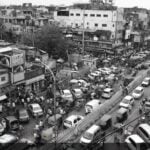
Rapid urbanisation has turned cities into concrete wilderness, with the streets lifeless and inert. Climate change, rising urban density, and economic and social segregation have further reduced access to green and recreational space. Dominated by noise and air pollution, the streets have become increasingly hostile to their users. According to a 2021 World Bank report, India has the highest number of road accident fatalities. Most of them are pedestrians and cyclists.
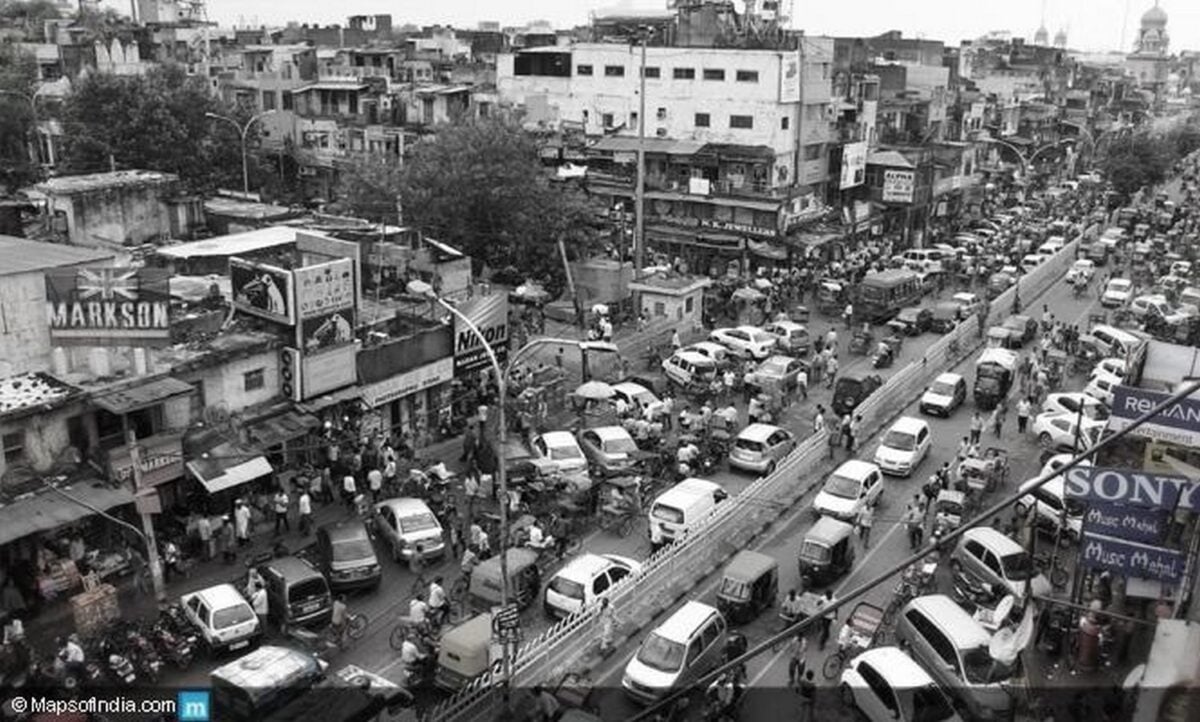
The Street as Community Space
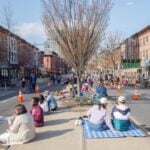
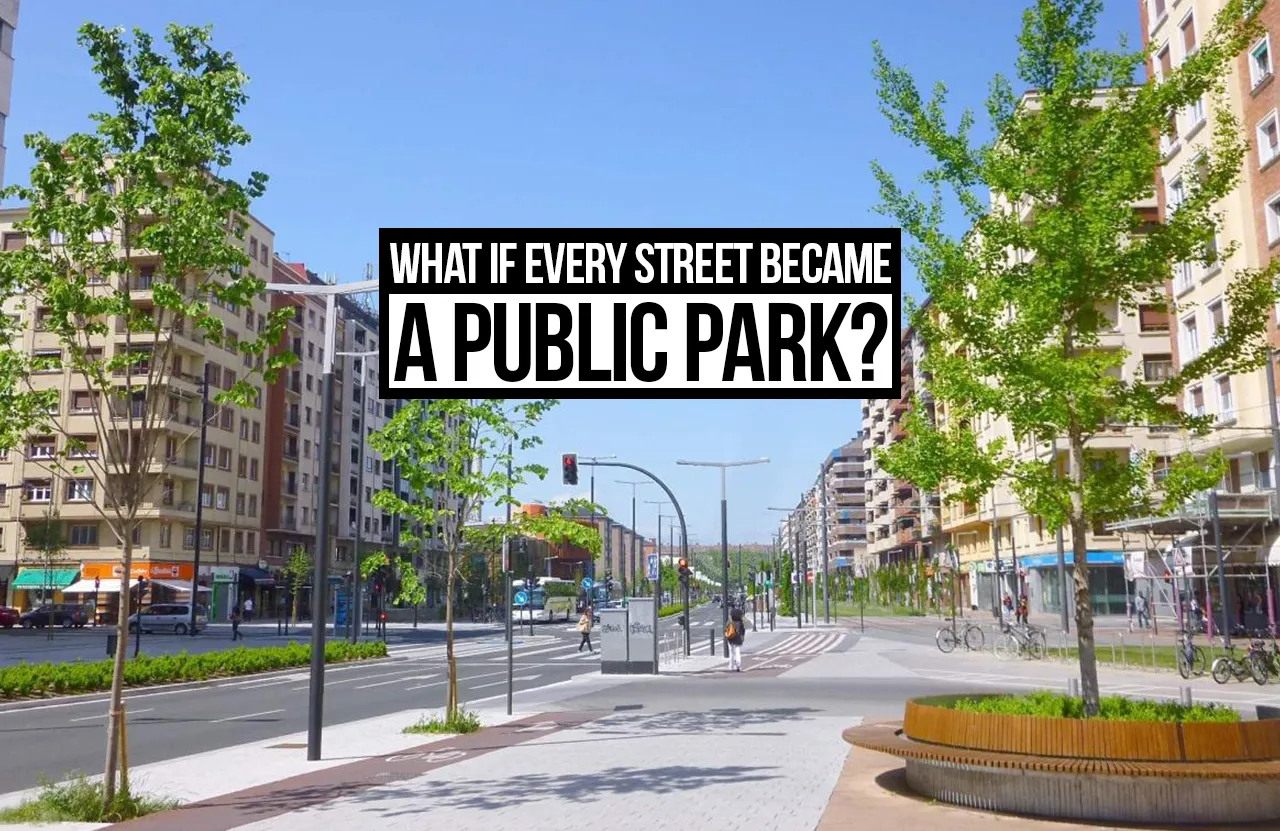
Streets comprise about 80% of urban public spaces. When thoughtfully designed, they can become vibrant community spaces for social interactions and recreation. Several cities have started redesigning their streets to support pedestrian movement along with automobile circulation. They have experimented by having streets temporarily closed to vehicles. Such closures have shown an improvement in air quality, increased foot traffic, greater use of public transport, and a renewed sense of community.
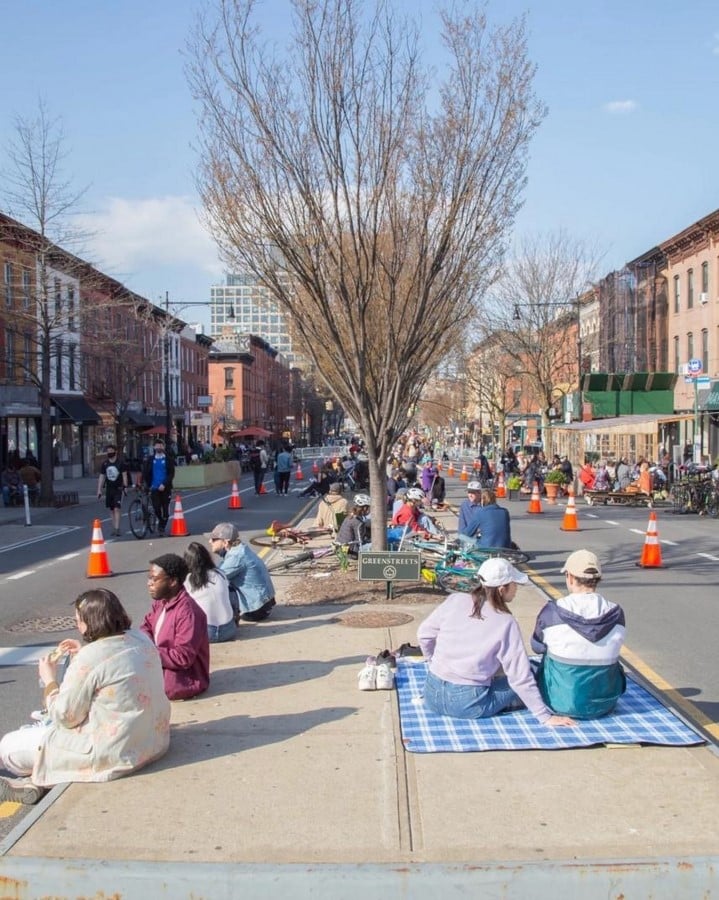
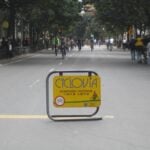
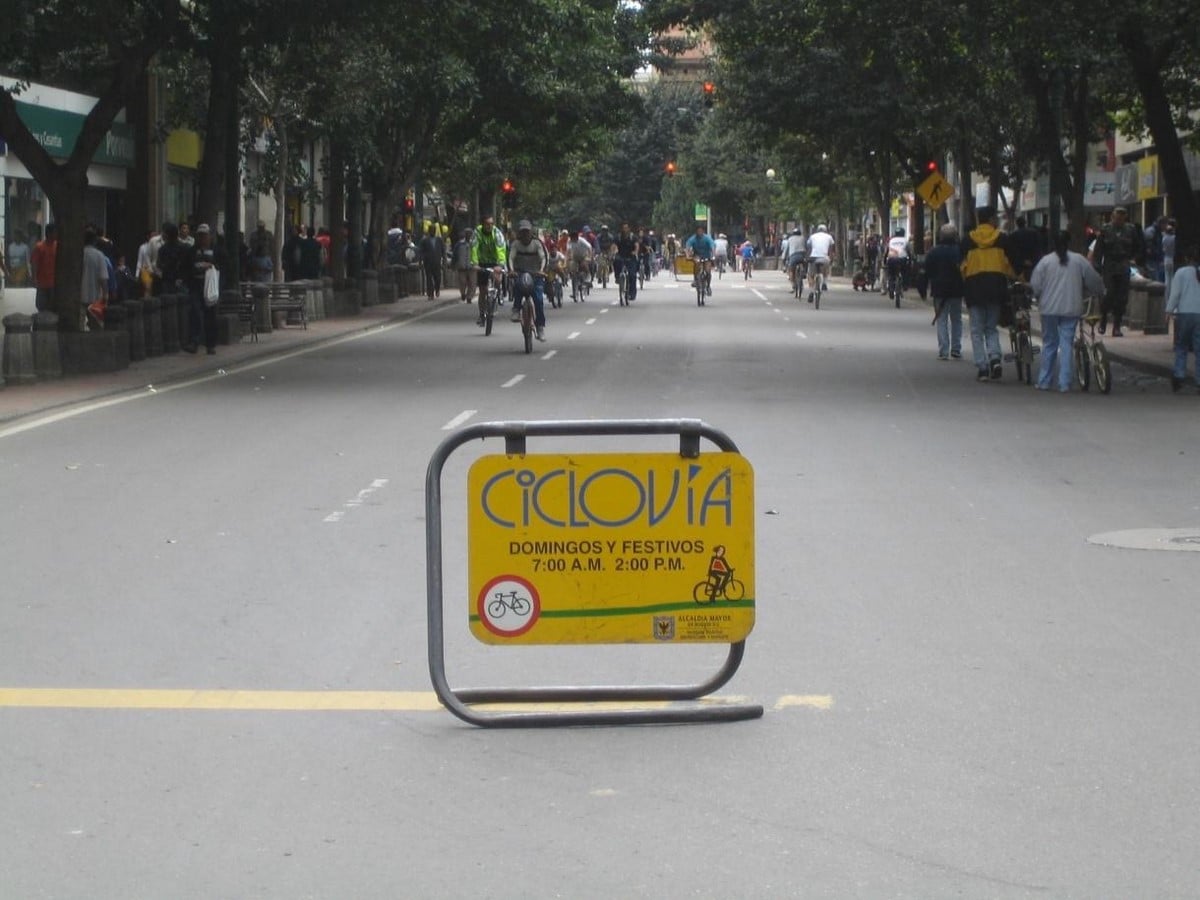
This practice of closing down certain streets temporarily for motorised traffic is commonly known as an Open Streets initiative or Ciclovía. During such initiatives, the streets are opened to cyclists, runners, and pedestrians. Bogotá’s Ciclovía is often regarded as the birthplace of this movement. Every Sunday and on public holidays, it pedestrianises over 120 kilometres of major roads. Other recurring events have come up in different parts of the world. They routinely shut down streets for cars to promote non-motorised mobility.
Architecture and Design of the Streets
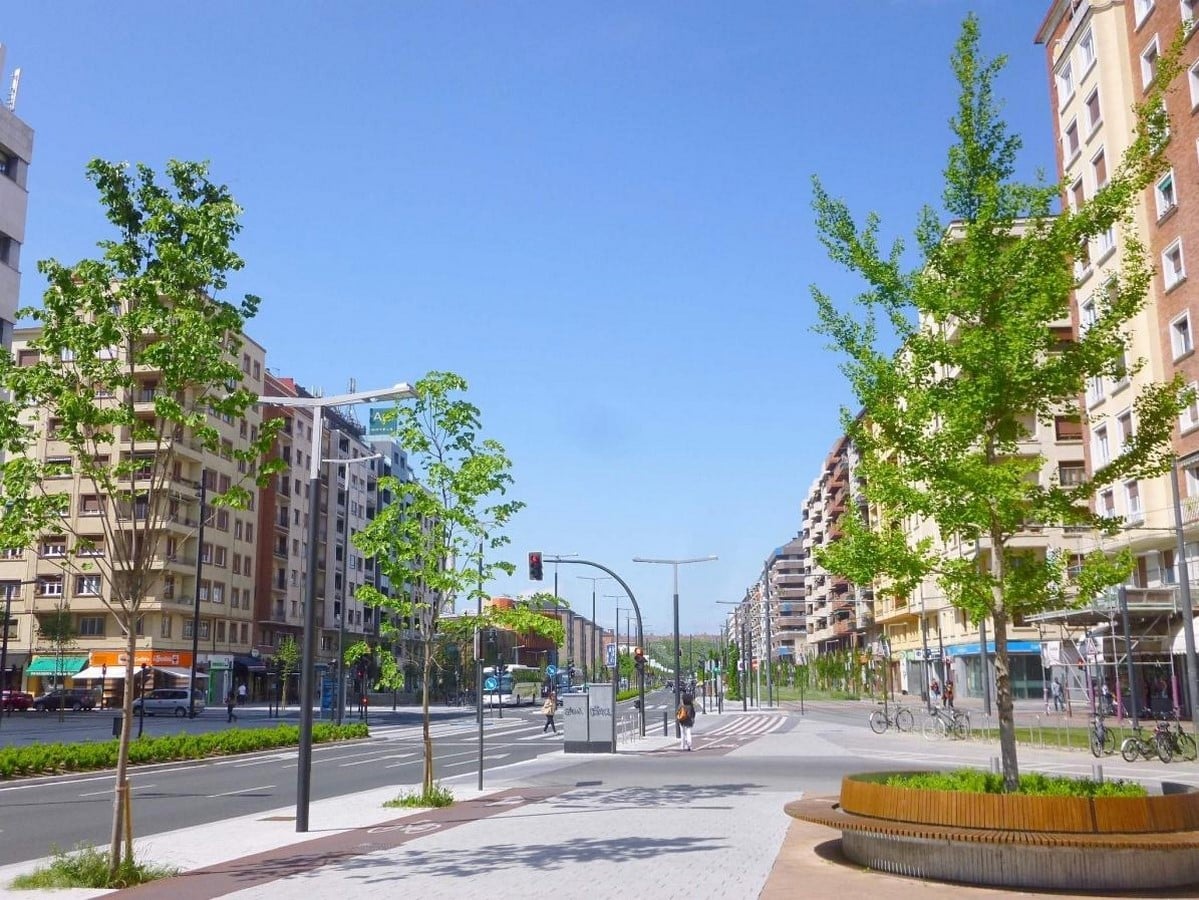
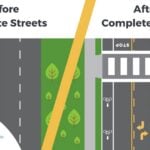
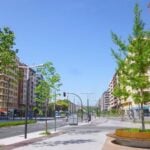
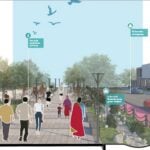
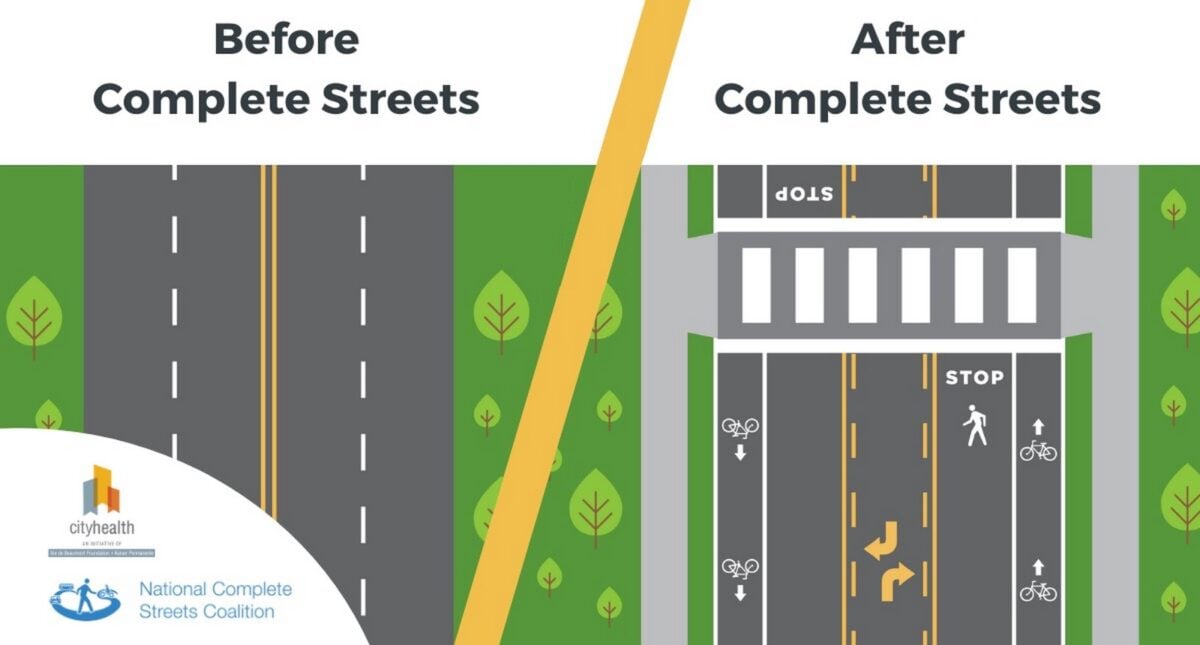
Instead of closing down automobile traffic for a certain time, road space can be reallocated to accommodate both motorised and non-motorised movements. Such a concept is known as Complete Streets. The street works for diverse users and activities. The Institute of Transport and Development Policy (ITDP), India, has developed a Complete Streets policy network to develop pedestrian-friendly infrastructure. The output includes:
- Segregated cycle tracks wherever possible,
- Continuous, shaded footpaths,
- Bus lanes where required,
- Safe intersections,
- Organized vehicular movement and parking,
- Street trees, seating, and shelters,
- Children’s play zone,
- Street vending,
- Service utilities as per the street typology
Designing around pedestrians, the streets must be inclusive of toddlers, the elderly, and people with disabilities. In India, the architecture and design of streets seldom take into account the needs of these vulnerable groups. Prioritised as corridors for cars, these groups are often seen navigating through moving traffic and two-wheelers, making everyday movement unsafe and challenging.
The Complete Streets Strategy
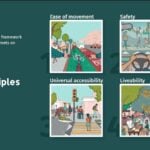
For such initiatives to succeed in larger city networks, a progressive long-term vision and a strong institutional framework for implementation must be established. An analysis framework in terms of ease of movement, safety, universal accessibility, and liveability can form the foundation for a smooth transition towards a more pedestrian-oriented urban environment.
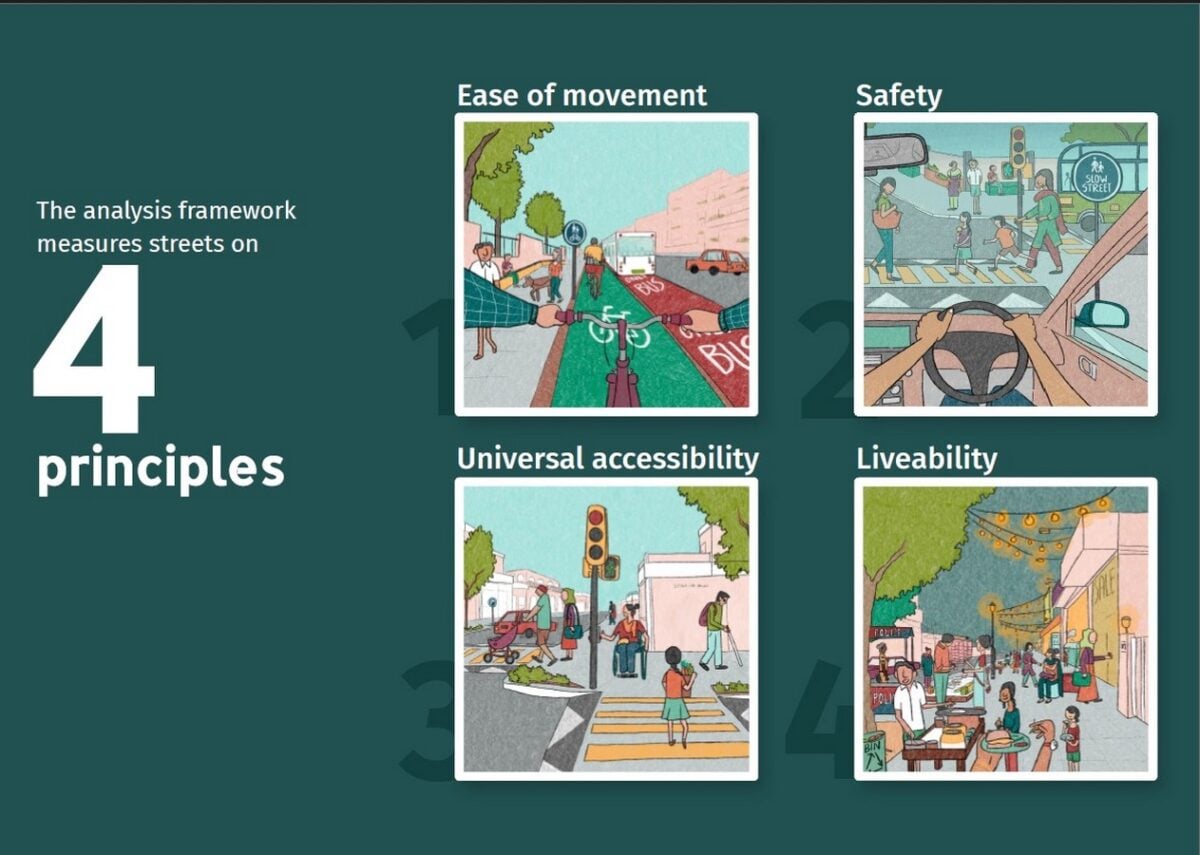
Assessing the existing streets beforehand can help cities understand the needs of the pedestrians and other non-motorised users, making them more visible. Such assessments before implementation can truly transform the streets into public parks.
Successful Pilots of The Complete Streets Strategy
Pune, Maharashtra, India
Pune has received the 2020 Sustainable Transport Award for adopting the Complete Streets initiative. The Pune Municipal Corporation (PMC), in collaboration with ITDP, India, has transformed around 100 kilometres of routes with safe walking and cycling infrastructure. A key aspect of the initiative is its child-friendly approach.
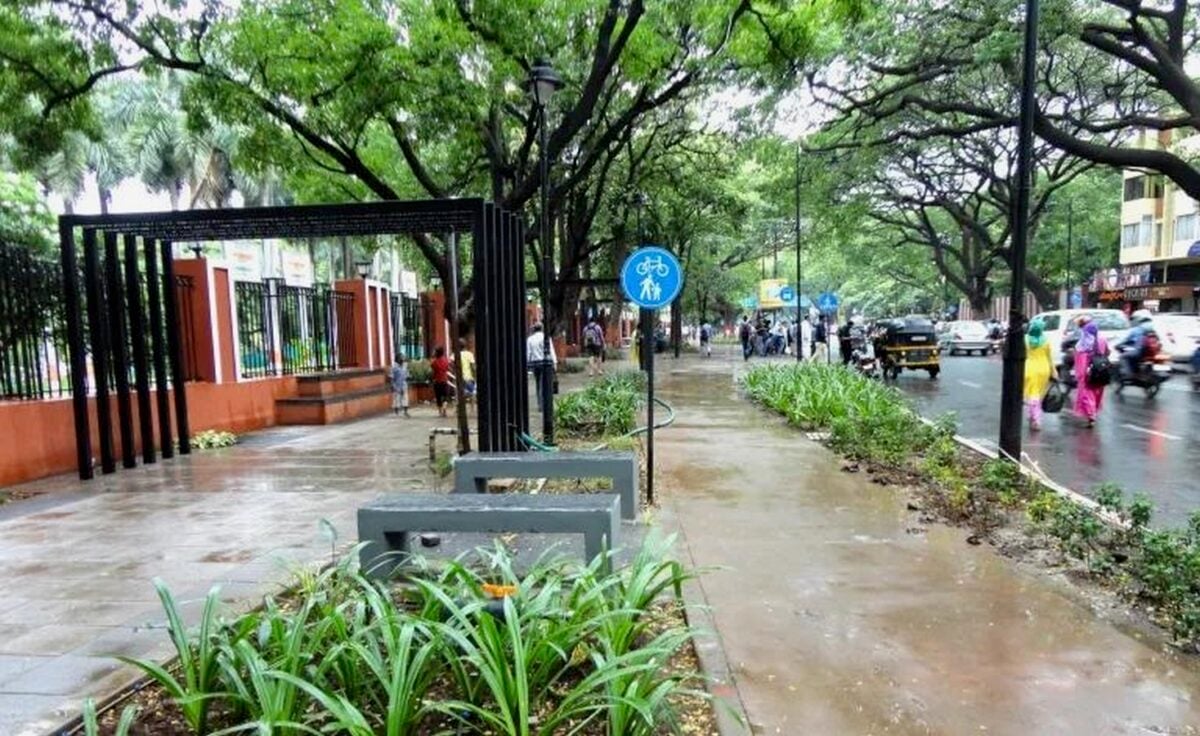
PMC conducted an assessment to identify areas that required improvement. This process helped locate gaps in the existing design practices, estimate the required budget, and determine the right interventions needed for the streets to adapt to the users. It conducted three types of surveys to attain insights into the street conditions:
- A design survey that evaluated how well the streets adhered to the design guidelines.
- An observation survey that showed the street usage patterns of pedestrians and cyclists.
- A perception survey that gauged the users’ reactions to the designs.
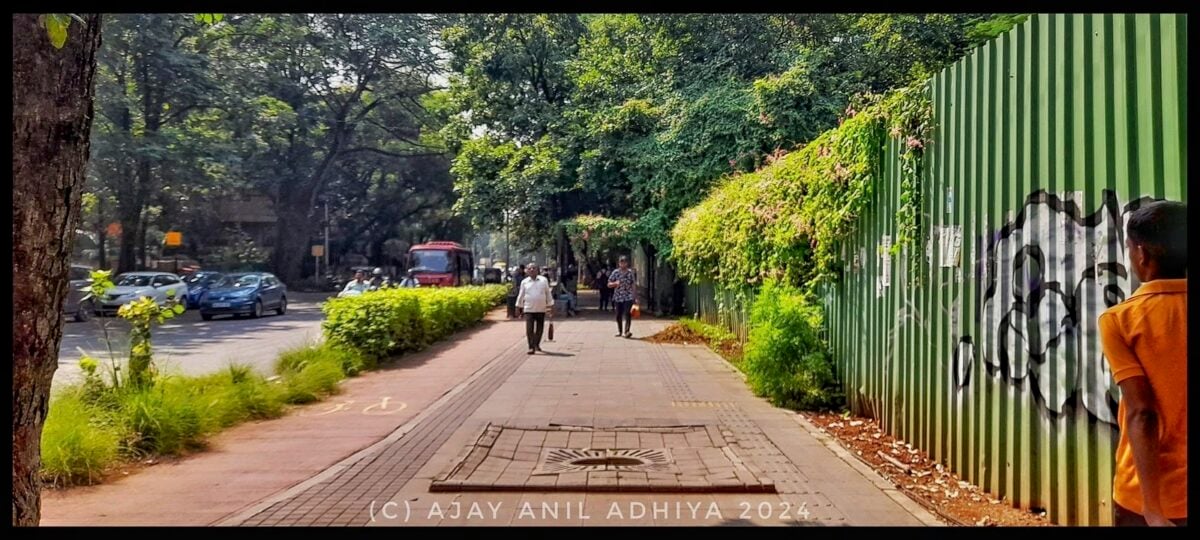
The architecture and design of streets like Jangli Maharaj (JM) Road and Fergusson College (FC) Road deserve a mention for carrying out a successful Complete Streets initiative. Dedicated cycle tracks, play spaces, green buffers, and organised zones for street vendors were introduced. On JM Road, wide pedestrian space was carved out by reclaiming some of the parking areas. Street-level crossings were prioritised to make the city accessible to children, caregivers, and older adults.
Coimbatore, Tamil Nadu, India
A bustling city located in Tamil Nadu, Coimbatore has been working towards a more sustainable and human-centric environment. Through its collaboration with ITDP India, Coimbatore City Municipal Corporation (CCMC) has gradually prioritised walking, cycling, and public transport over moving vehicles.
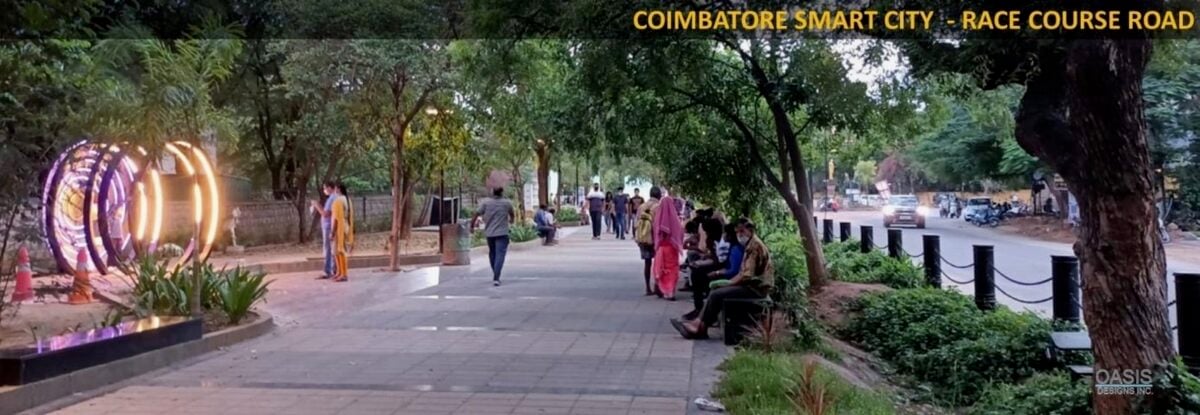
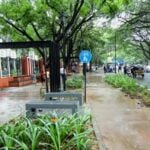
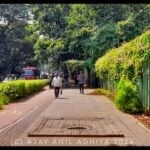
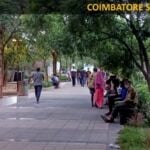
CCMC has taken six critical corridors, including DB Road, TV Swamy Road, and Race Course Road, under its Complete Streets initiative. The streetscapes have been redesigned to include a universally acceptable walking plaza, continuous pathways, dedicated cycle-tracks, ramps, and bollards, creating a safe, barrier-free experience.
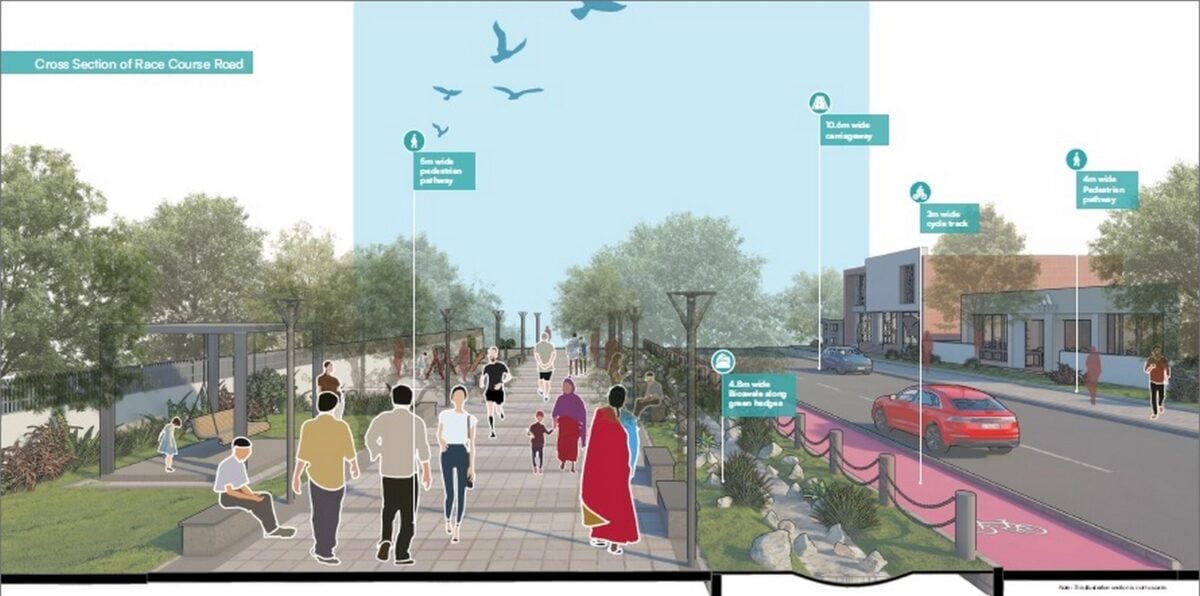
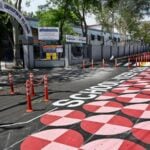
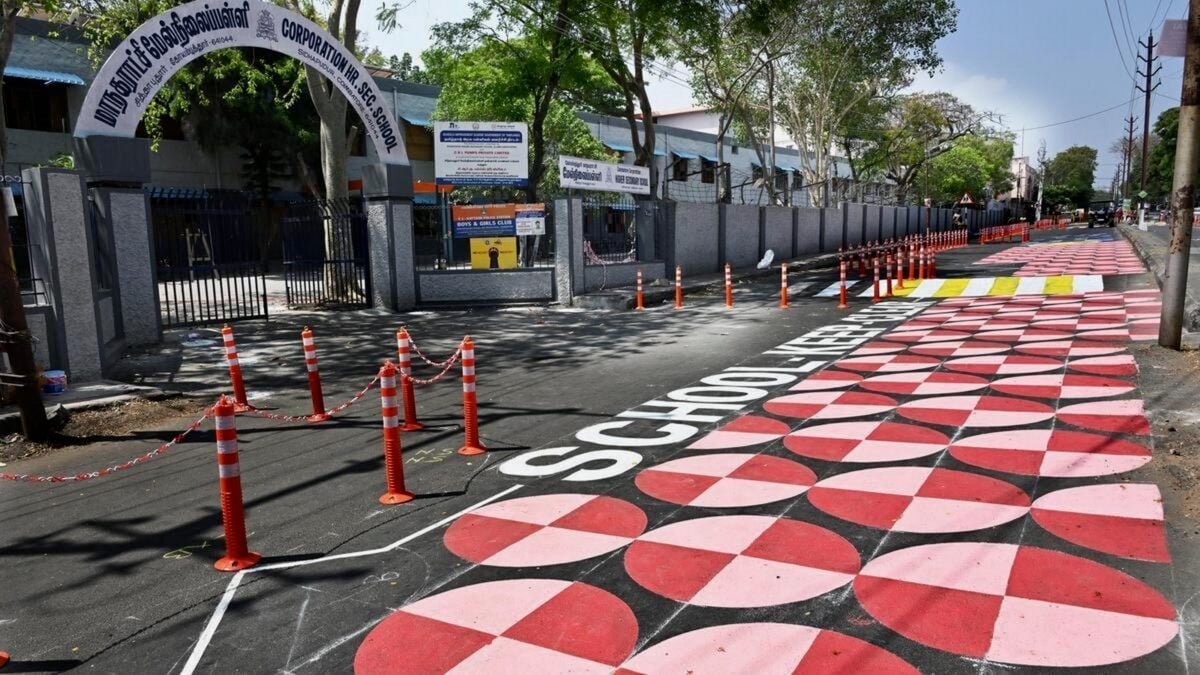
The Race Course Road already had a dedicated walkway and sufficient green buffers. So the project focused on introducing necessary amenities for resting, playing, and managing stormwater. School-adjacent streets like the VKK Menon Road were reorganised with high-visibility road markings, narrower driving lanes, and clear boundaries between motorised and non-motorised spaces. Many high-fatality intersections were redesigned with safer crossings and smart pedestrian signals. The city aims to address environmental degradation by integrating sustainable mobility, ensuring accessibility to all user groups, and making the streets climate-resilient.
Limitations of Such Architecture and Design
The main challenges that such policies can face include maintenance, parking management, engineering gaps, and the allocation of funds. Most often, in such projects, a significant imbalance exists between the capital expenditure and operational expenditure. The former is adequately funded while the latter receives comparatively little attention. Furthermore, separate agencies are tasked with separate works, but there is often no communication between them, which leads to lapses in duties.
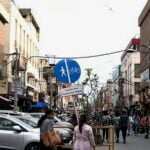
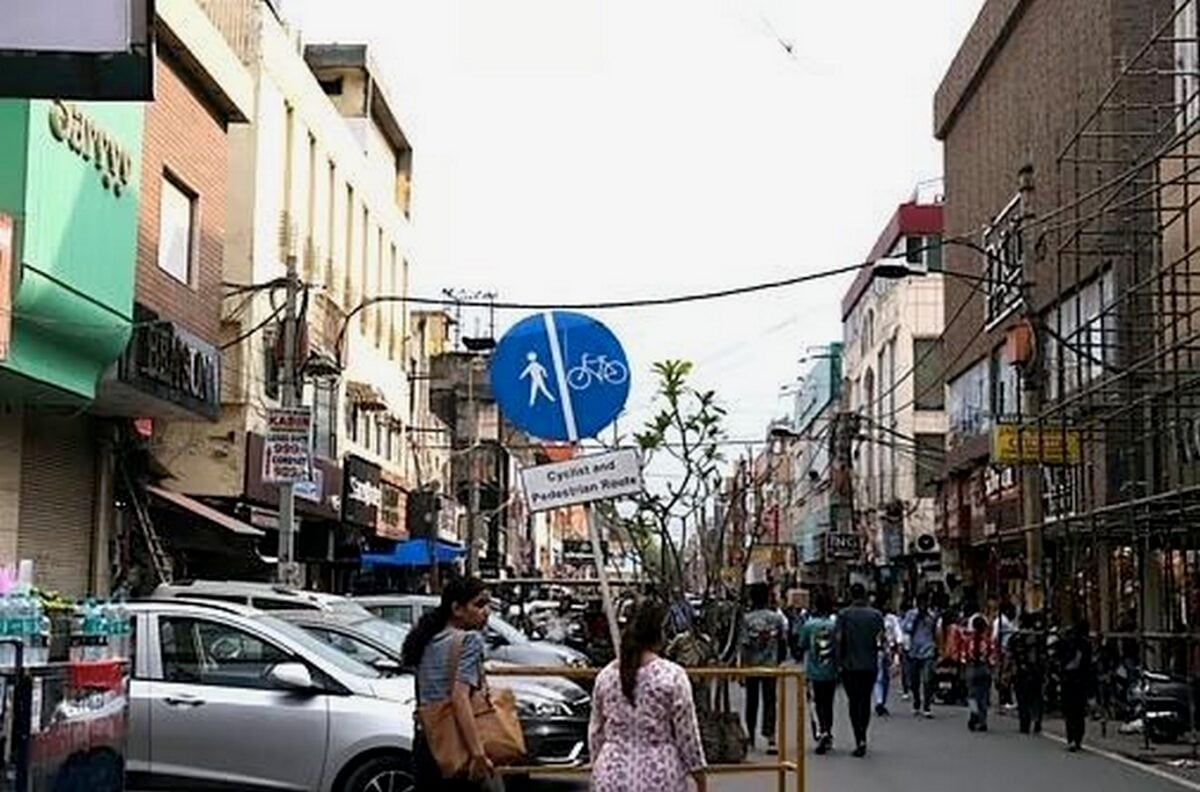
The pedestrianisation of Delhi’s Ajmal Khan Road and Chandni Chowk promenade began with considerable promise. But gradually they returned to their earlier chaos. Ajmal Khan Road struggled with inadequate parking provisions while Chandni Chowk faced maintenance hazards. These examples highlight the importance of not only the initial designs but also effective management and coordinated governance.
The Complete Streets initiative has also faced severe setbacks in different parts of India like Nagpur, Nashik, Guwahati, and Jaipur. Guwahati, despite being chosen in the first batch for this program, continues to struggle with a severe walkway crisis, infrastructure misalignment, drainage failure, and heavy waterlogging. Although the program aims to prioritise walkability, the city still remains heavily vehicle-centric. Several of the major cities witnessed public backlash and structural failures due to poor planning and enforcement.
The contrasting outcomes of these projects illustrate how the adoption of the Complete Streets initiative does not yield the same result in every city. And the question arises: why? Design interventions alone cannot determine success. Equal attention must be given to long-term management and maintenance. Layouts, climatic conditions, and public movement patterns differ from city to city. While Pune incorporated adequate walkways into its redesign process, Guwahati continues to face challenges due to its lack of them. Coimbatore introduced bio-swales and permeable surfaces to combat stormwater, but Guwahati continues to experience severe waterlogging despite introducing different measures.
Factors like road width, daily traffic volume, possibility of traffic re-routing without affecting mobility, parking availability, and availability of spaces for building pedestrian infrastructure without disrupting the traffic all influence the success of such projects. Although the underlying objective of Complete Streets remains the same, the approach must be as per the needs and constraints of each city. If every street were turned into a public park without considering its usability, local conditions, and mobility requirements, the result could be disruptive rather than welcoming.
Enforcing strict traffic regulations and implementing safer designs can reduce the conflict between vehicles and vulnerable road users. Prioritising durable materials and designs that extend the lifespan of the infrastructure and make maintenance easy further ensures long-term sustainability. Additionally, conducting periodic surveys to monitor street usage, accessibility, and overall performance can help assess the effectiveness of such initiatives. When both functions are accommodated successfully, then every street can become inclusive. The challenge, however, is not to turn every street into a park but to repurpose each one as a space that balances mobility and liveability.
References:
- Running a ‘find-and-replace’ over the city, replacing streets with parks [online]. Available at: https://cityofsound.com/2021/09/15/running-a-find-and-replace-over-the-city-replacing-streets-with-parks
- Arvinius + Orfeus Publishing – Green Visions: Greenspace Planning and Design in Nordic Cities [online]. Available at: https://ao-publishing.com/product/green-visions-greenspace-planning-and-design-in-nordic-cities/
- Nolli map as a tool for small developers [online]. Available at: https://www.cnu.org/publicsquare/2017/01/19/nolli-map-tool-small-developers
- Pedestrianised Streets & Urban Wellbeing | Urban Morph [online]. Available at: https://www.urbanmorph.com/blog/pedestrianised-streets-church-street
- From motorway to pedestrian and cycleway: the banks of the River Seine in Paris [online]. Available at: https://www.trendingcity.org/europe/2013/7/22/2nt33s6akuufaprv7h5hyevh7uqumk
- Streets for People: with Seble Samuel [online]. Available at: https://bycs.org/streets-for-people-with-seble-samuel/
- Delivering Road Safety in India Leadership Priorities and Initiatives to 2030 [online]. Available at: https://documents1.worldbank.org/curated/en/827641581916488024/pdf/Delivering-Road-Safety-in-India-Leadership-Priorities-and-Initiatives-to-2030.pdf
- Ciclovía [online]. Available at: https://en.wikipedia.org/wiki/Ciclov%C3%ADa
- The #HealthyStreets Movement in India [online]. Available at: https://india.itdp.org/the-healthystreets-movement-in-india
- Strøget [online]. Available at: https://en.wikipedia.org/wiki/Str%C3%B8get
- How India moves: Delhi’s walking streets were a success, until they weren’t. What went wrong – and how can we fix that? [online]. Available at: https://www.downtoearth.org.in/air/delhis-walking-streets-were-a-success-until-they-werent-what-went-wrong-and-how-can-we-fix-that
- Creating a Pedestrian-Friendly Utopia Through the Design of 15-Minute Cities [online]. Available at: https://www.archdaily.com/954928/creating-a-pedestrian-friendly-utopia-through-the-design-of-15-minute-cities
- i Complete Streets – Policy Workbook [online]. Available at: https://www.itdp.in/wp-content/uploads/2019/05/CS-Policy-Workbook_Web-Version-compressed.pdf
- Pune’s Vision for Streets Puts Children First [online]. Available at: https://itdp.org/2020/01/13/punes-vision-for-streets-puts-children-first/
- Assessing Pune’s Streets: Lessons from conducting a Walk and Cycle Analysis of Pune’s streets [online]. Available at: https://itdp.in/pune-streets-impact-assessment/
- 1 Streets For People: Pathways of change from India’s Smart Cities [online]. Available at: https://oasisdesigns.org/Streets%20for%20People-Publication%20-%20ITDP.pdf
- Coimbatore Corporation pilots tactical street design to improve safety near schools [online]. Available at: https://www.thehindu.com/news/cities/Coimbatore/coimbatore-corporation-pilots-tactical-street-design-to-improve-safety-near-schools/article70743103.ece
- Nashik Smart City Development Fails: Over 57 Road Projects Cancelled in Old Areas: Nashik News – Times of India [online]. Available at: https://timesofindia.indiatimes.com/city/nashik/nashik-smart-city-development-fails-over-57-road-projects-cancelled-in-old-areas/articleshow/115741785.cms
- 6 of 7 Nagpur Streets Fail Design Test: NMC Report: Nagpur News – Times of India [online]. Available at: https://timesofindia.indiatimes.com/city/nagpur/6-of-7-nagpur-streets-fail-design-test-nmc-report/articleshow/122410313.cms
- Smart City dream fades as Jaipur battles potholes & flooded roads: Jaipur News – Times of India [online]. Available at: https://timesofindia.indiatimes.com/city/jaipur/smart-city-dream-fades-as-jaipur-battles-potholes-flooded-roads/articleshow/122272371.cms
- Guwahati’s Urban Infrastructure Faces Crisis of Neglect and Misuse [online]. Available at: https://www.guwahatiplus.com/guwahati/guwahatis-urban-infrastructure-faces-crisis-of-neglect-and-misuse