Architecture can be assessed on several bases such as functionality, aesthetic appeal, environmental sustainability and technical innovation. Yet a place’s significance is not only physical; it also involves relationships, memories, and experiences. This article examines the significance of architecture in relation to human belonging to space and place, and the effects of spatial organisation, cultural memory, joint activities, and human behaviour on the relationship between people and places. Drawing on literature from architecture, environmental psychology, urban design, and place attachment studies, the article explores a conceptual basis for belonging as a dynamic relationship between physical setting, social interaction, and meaning. According to the article, a space does not acquire meaning only through architectural design; it becomes meaningful through repeated use, social interaction, familiarity, and cultural understanding. This article discusses the importance of streets, neighbourhoods, public spaces, historic surroundings, and other gathering spaces in creating connections among people. The article is also critical of practices such as standardised development, exclusionary architecture, and the displacement of people and familiar surroundings. The paper ends by giving practical guidelines to architects and urban designers, which include inclusive space designs, provision for informal interactions, preservation of the sense of place, environmental comfort, and community participation. The paper argues that belonging is central to sustainable design, and that architecture must focus not only on what a space accommodates but also on the relationships and meaning it fosters.
1. Introduction: Beyond the Physical Structure
Architecture is often understood in terms of form, materiality, spatial arrangement, structural behaviour, and aesthetics. These elements matter, but they don’t fully explain how some places gain value within communities. An ordinary neighbourhood courtyard can matter more than an architecturally notable structure. A street corner known for decades might be where people meet and discuss their problems, while a perfectly designed urban plaza can end up feeling dead. Thus, architecture has an important aspect that should be noted.
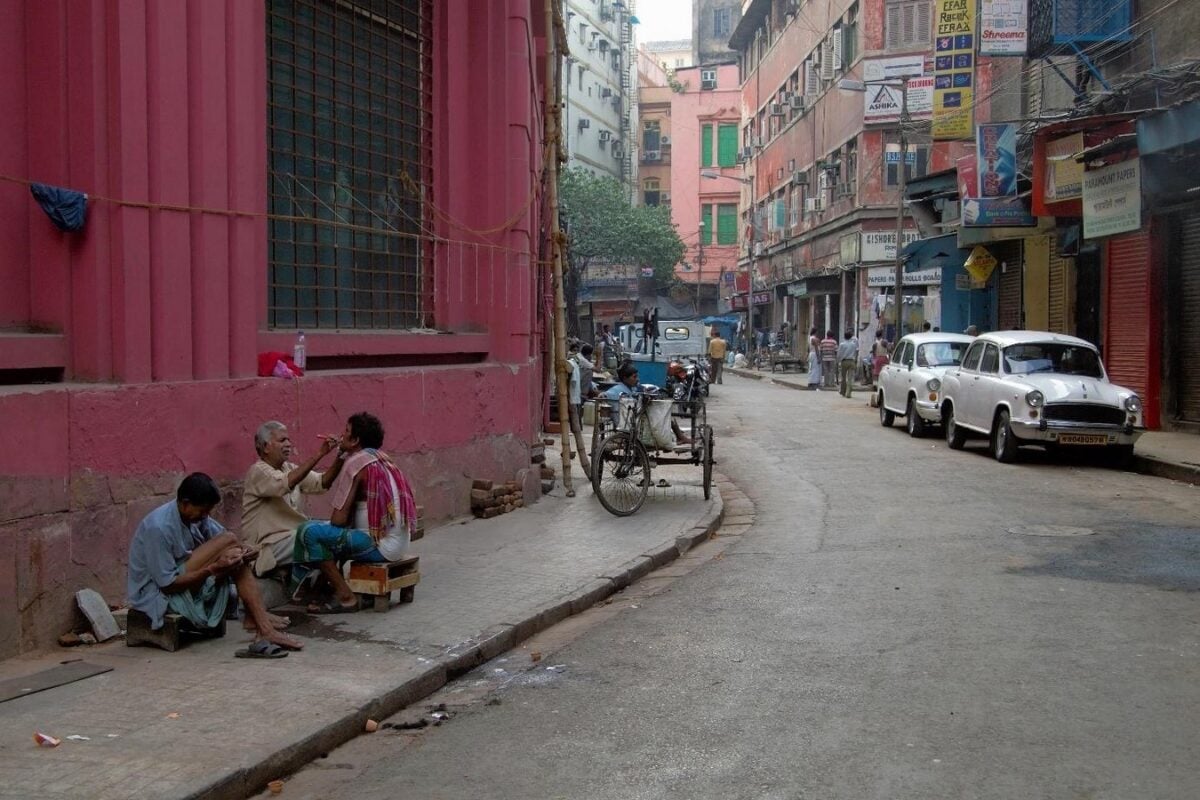
People don’t perceive environments as neutral places for activity; they become associated with routines, relationships, experiences, and culture. The staircase serves as a circulation facility, but it can also become a place where people greet each other. The verandah creates a comfortable climate and helps people to communicate informally. A marketplace provides economic functions but also becomes a place of recognition. These examples suggest that architecture contributes to belonging not merely by providing space, but by enabling people to establish meaningful relationships with their surroundings and with one another.
The idea of sense of place offers an interesting perspective on this issue. In this regard, Tuan (1977) examined how people give meaning to places through experiences and attachments. Similarly, Relph (1976) examined the connection between a place’s identity and the authenticity of its environment, highlighting the implications of environments losing their unique identity.
This definition has an important practical application in architecture and urban design. Urbanisation, lifestyle changes, redevelopments, and construction projects play an increasing role in how people interact with their surrounding environment. While new construction can enhance accessibility and comfort, it may also disrupt existing social environments by failing to consider the relationships between buildings and streets. Thus, the task is not to preserve all existing spaces untouched or to blindly repeat historic architecture. The task is to identify the properties of a space which contribute to the sense of belonging and find ways to maintain or develop them in practice. Architecture and Human Connections: This article explores the connection between architecture and human interactions through three interrelated aspects. The first is the physical nature of the place, the second is the social activities that take place there, and the third is the memories and meanings associated with the place.
2. Understanding Sense of Place and Belonging
A sense of place is a multidimensional concept that involves meaning, experiences, and relations that help individuals make sense of particular environments. Physical features, emotions, cultural connections and social interactions are some of the aspects that define sense of place. It should be noted that sense of place is not a single or homogeneous entity. The same environment may mean familiarity and safety to one individual but exclusion and discomfort to another individual.
According to Tuan (1977), space differs from the meanings people attach to particular places. Environmental meanings are created through movement, occupancy, and multiple experiences.
Similarly, Relph (1976) stresses the need for place identity and an understanding of the relationship between individuals and their surroundings. Relph’s work helps architects focus on the environment’s characteristics rather than its appearance.
The sense of place relates to, yet is separate from, place attachment, place identity, and belonging. Place attachment refers to the ties people form with specific places. Place identity is the way places contribute to the formation of individual or group identity. Belonging refers to feelings of acceptance and recognition within a particular setting or community. These terms are related but do not substitute for one another.
In their research on the topic, Scannell and Gifford (2010) suggested a tripartite model for analysing place attachment that includes three aspects: person, process, and place.
In more recent research, Erfani (2022) focused on the interdependencies between individuals, communities, and places in relation to the sense of place. This approach is especially important for architecture because it shows that belonging is inseparable from interactions among people, their environment, and their social context.
This distinction is especially important for architects. A building can be practical and aesthetically pleasing, yet fail to foster a sense of belonging. At the same time, a common place can become meaningful for its occupants because of the activities that take place there.
In that sense, then, the question is not merely one of distinctiveness or functional efficiency. The question becomes whether the space itself offers the capacity for people to develop familiarity and agency, and to engage with others in developing relationships with their surroundings.
3. Architecture as a Setting for Human Connection
3.1 Spatial arrangements and opportunities for interaction
The spatial organisation affects how people meet each other. This includes the positioning of entries, the balance between public and private areas, seating arrangements, and the dimensions and qualities of movement paths and transitional spaces.
A movement-only passage offers a completely different scenario than a passage with a window seat, an entry space, or even a lounge area. Similarly, a housing layout where residents move directly from private entries into enclosed car parks offers fewer chances for spontaneous meetings than one that includes shared space.
This does not necessarily imply that every space is expected to facilitate meetings. Privacy, withdrawal, and individual freedom are also just as important.
Gehl (2011) studied how environmental conditions affect outdoor activities in terms of necessary, optional, and social activities.
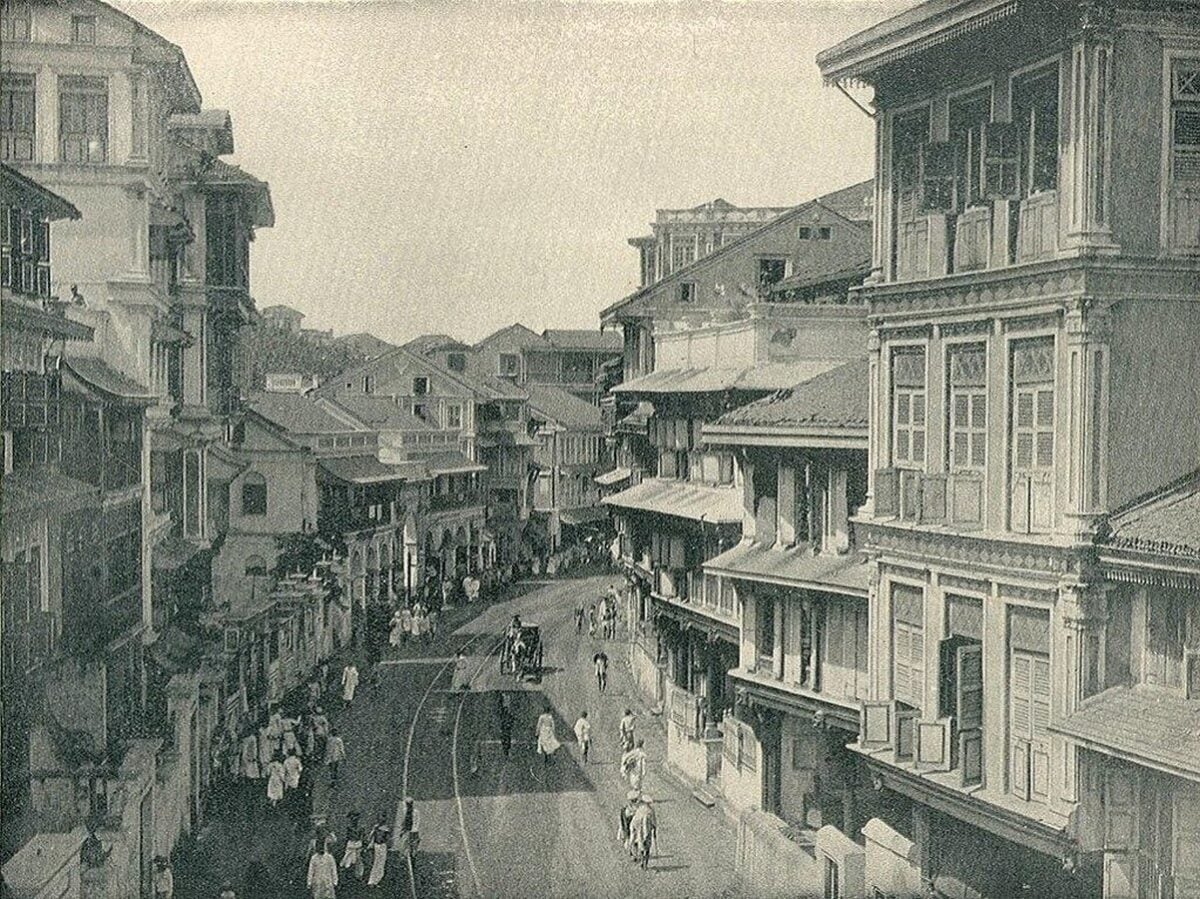
In his research, Gehl found that environmental conditions can affect people’s decisions to stay and the interaction opportunities that arise from their presence. For instance, people may stay longer in an outdoor area with good shade and comfortable seats. Staying longer may increase chances of meeting people and having conversations with them. However, these outcomes will not occur if the area is not easily accessible, does not feel safe, is not well maintained, or is not relevant to the area’s users.
Therefore, architecture should be viewed as an enabler of social connections rather than a creator of them.
3.2 The significance of thresholds and shared spaces
Belonging often occurs in zones which bridge clearly separated uses. Balconies, verandahs, steps leading up to front doors, entrance courtyards, building setbacks, shared corridors and street edges provide a transition from private to public spaces.
These intermediary spaces allow activities that cannot easily fit into the strict architectural program. A resident could sit near an entrance and watch the street. A shop owner could create a display that reaches into the public space. Neighbours could exchange brief conversations without having made prior arrangements.
The activities themselves are simple but, when repeated, may have a cumulative impact. Multiple interactions help people to get to know each other, understand their rhythms and become part of the community in which they live.
Alexander et al. (1977), in A Pattern Language, investigated spatial patterns based on people’s everyday needs and social connections. Although the patterns cannot always be literally transferred to every situation, the general idea remains applicable: architecture must account for how people use space.
Today, this implies viewing building interiors, entries, streets, and shared outdoor spaces as an integrated spatial continuum. Perhaps belonging will be derived less from creating a single design destination than from connections to common destinations.
3.3 Public spaces and social life
Public spaces allow individuals to interact with others outside their home and workplace and beyond the social networks they form within these boundaries. Public spaces like streets, parks, marketplaces, squares, and neighbourhood gathering places allow for organised as well as impromptu interaction.
According to Jacobs (1961), street vitality, mixed uses, and observing daily life were significant elements of city life. Her critique questioned the planning practices that separated activities and failed to understand the complex interrelationships that maintain the neighbourhood.
Similarly, Oldenburg (1999) stressed the importance of informal gathering places outside the home and office. Such places allow relaxed conversation and repeated meetings, fostering continuity in social interaction.
Physical availability of spaces does not guarantee social inclusion. There may be physically accessible places that are socially unwelcoming to children, older people, disabled people, street vendors, and those who cannot afford to join commercial activities.
In a systematic review of the relationship between public spaces and social cohesion in urban settings, Qi et al. (2024) considered the interaction of public space usage, social engagement, and community connections.
Beyond appearance and space requirements, architectural design should consider who can use these spaces, what activities they allow, users’ comfort, and the possibility of occupancy by different groups without unjustifiable limitations.
4. Memory, History and Cultural Continuity
4.1 How places become carriers of memory
Locations derive significance through shared experiences. For example, a local street may be linked to childhood trips, a courtyard to family reunions, while a plaza may evoke memories of festivities and other group activities.
These connections do not have to manifest in an architectural form. The connection might be to a certain tree, a specific path, the opening of a market or the smell of food cooked there. Such experiences show how memories of a place are created through the interaction of physical setting, perception and social process.
Hayden (1995) studied the connection between the urban landscape, collective memory and cultural identity and suggested that the locations through which communities articulate their past should be acknowledged more.
This matters for the architect’s work because the value of the environment cannot be gauged solely by its age or architectural style. For instance, a modern community centre may gain meaning through the time people have spent in it, while older buildings may lose significance when no connection to their history remains.
The study of memory thus involves understanding how people experience space and place. The architectural project should consider not only the environment’s qualities but also the practices of interacting with it.
4.2 Historic environments as living systems
The historic environment is seen as an assemblage of buildings to be protected from any form of change. While this kind of conservation is important, this attitude fails to account for the relationships that define historic environments.
The historic environment may be characterised by relationships among buildings, narrow lanes, courtyards, business activities, religion, seasonality, and movement. The importance lies not just in the building itself but also in the relationships between them.
The United Nations Educational, Scientific and Cultural Organisation (2011) recommendation on the Historic Urban Landscape encourages an approach that considers the broader urban environment and its cultural and natural values.
This view goes beyond a binary between preservation and modernisation, where historic settings can support new construction, changing household requirements, and contemporary economic activity as long as the process does not overlook the characteristics that give those places meaning.
For instance, improvements on a historic street do not have to involve removing all activities and replacing locally characteristic materials with generic ones. The goal could instead be to ensure good drainage, shady streets, service delivery, and safety while maintaining spatial associations.
This approach is not aimed at keeping a place unchanged but to allow for changes without destroying its meaning.
4.3 Tradition without imitation
Cultural continuity often gets confused with replicating previous architectural styles. Decorations, facades, and materials can be part of a place’s visual identity, but they cannot alone reproduce the socio-cultural environment that made the earlier environment significant.
The current structure could be sensitive to the cultural environment without replicating any historical style. The historical structure could also become irrelevant if it does not serve the socio-cultural needs of the people and activity associated with it.
Architectural practice must therefore differentiate between replicating a place’s form and understanding its underlying principles.
The principle might involve flexible spatial configurations, shaded entrances, communal courtyards, local material knowledge, transitions between the public and private realms, and provision for informal occupation.
5. Human Behaviour and the Everyday Production of Belonging
5.1 Belonging develops through repeated encounters
Many instances of human interaction take place through normal, recurring activities rather than through exceptional architectural events. Recognising one’s neighbours, greetings from a familiar shop owner, the sight of playing children, or meeting the same people along the way every day can build familiarity.
Such instances might be transient and not necessarily lead to a relationship. However, they might help create a feeling of recognition in the larger social environment.
Milligan (1998) discussed place attachment as an interactional process that is informed by the meaning of both past and future experiences. In other words, some places get special significance partly because of the relationships that are formed there.
Architecturally, this means paying attention not only to planned interactions, but to everyday activity as well. Architecture built only for occasional gathering might lack the elements of daily interaction provided by a more comfortable, accessible setting.
The trick lies in designing such spaces that would allow interaction without imposing it on people. Elements such as informal seating, visible entrances, shaded waiting zones, common gardens, and pedestrian pathways are examples of such spaces.
5.2 Behaviour is influenced by context
Buildings cannot be understood solely through architecture.
Social norms, cultural practices, economic factors, age, gender, mobility, personal preferences, and perceptions of safety play an important role in how people use spaces.
If a bench is situated under a tree, it can provide opportunities for rest, but only if people feel comfortable there, the area stays clean, and it is easy to access. An open courtyard might look like an area that promotes community spirit, but residents might not use it because they perceive it as another territory.
It is essential to remember that architectural purposes do not always coincide with reality.
Gokce and Chen (2021) researched features related to the sense of place in buildings, streets, and neighbourhoods. These indicators include place identity, place familiarity, social bonding, belonging, and social interaction.
This example shows that architects should not expect any place to succeed just because it is designed according to certain principles.
5.3 Inclusion, exclusion and the limits of belonging
Not everyone feels a sense of belonging, even in the same setting. An environment that fosters identity and comfort for one group can make others feel alienated or uncomfortable.
Public environments may be managed through surveillance, unfriendly seating arrangements, limited hours of operation, or prohibition of informal activities. Environmentally managed settings provide a very comfortable physical setting but prohibit informal activities that do not add monetary benefit. In addition, community development may displace original community members and break down their networks, despite improvements in physical surroundings.
All these cases refute the belief that a good-looking and well-managed environment creates inclusive communities.
Sense of place cannot be assumed to be always positive. Sense of place and attachment can go hand in hand with social exclusivity, inequality, and rejection of outsiders. Thus, responsible architectural design should consider not only the relationships an environment creates but also the people excluded from them.
To foster a sense of belonging, designers must consider accessibility, affordability, cultural differences, gender sensitivity, and the people whose activities are often overlooked.
Rather than trying to construct a common identity, the objective is to provide spaces that allow different kinds of people to form bonds without having to fit into one particular way of occupying space.
6. The Relationship Between Belonging and Sustainability
Discussion on sustainable architecture is generally made with respect to energy efficiency, consumption of resources, choice of materials, water management and environmental performance. While all these aspects are crucial, they only partially represent the long-term interaction between architecture, community and environment.
An edifice can demonstrate strong technical performance but fail to respond adequately to the needs of its inhabitants. A district can have excellent green infrastructure but lose the network of social connections which used to make it a live place. At the same time, an old building that fulfils everyday needs and stays flexible may serve the community for years.
Thus, one more aspect which has to be taken into account is the sustainability of use and social connections.
6.1 Social sustainability
Social sustainability relates to the environment that allows individuals to engage in the community’s affairs, opportunities, and relationships. It can be addressed through architecture by providing shared spaces that accommodate various forms of occupation and diverse users.
Nevertheless, social sustainability is not about how many communal facilities are available for the users. Communal space should be relevant to the community and flexible enough to meet new demands.
Architects must consider how residents interact with each other, whether communal spaces are usable for people of different ages, and whether there is enough balance between social engagement and privacy.
6.2 Environmental sustainability and attachment
Environmental connections can also foster a sense of place through associations with natural environments such as trees, gardens, rivers, seasons, and landscapes that become integral parts of individual and collective identities.
A neighbourhood tree might provide shade and refuge while also serving as a landmark and a space for daily interactions. The riverfront area might have ecological roles as well as historical, cultural, and recreational importance.
These connections suggest that environmental design should not treat nature as mere adornment. Natural elements could be incorporated into communities’ spatial and social aspects.
However, environmental redesigns must be careful about the potential displacements and disparities they can create. Ecological redesigns could increase the environment’s ecological value, but they can also increase costs and exclude some community members.
6.3 Adaptability and continuity
Spaces and buildings that adapt to new requirements can remain useful. Flexible ground-floor use, adaptable community facilities, adaptable buildings, and accessible common spaces may enable buildings to change while maintaining continuity with their past.
This becomes especially relevant when redevelopment occurs too quickly, obliterating known spaces before their importance is fully appreciated.
Sustainability means not only efficient use of the building as it stands now, but also its adaptability to change, the longevity of its materials and spatial composition, and the usefulness of its continued use to the community.
Belonging does not imply permanent preservation of every physical element. Belonging means acknowledging those relations that matter and determining how they can persist through proper change.
7. From Concept to Practice: A Framework for Designing Belonging
From the above discussion, it is clear that the question of belonging should be approached through the lens of space, society, culture, and environment. The framework below translates these principles into questions that architects and urban designers can use when assessing site, developing designs, and conducting post-occupancy assessments.
7.1 Spatial permeability and accessibility
The first issue is whether people can access, enter, and navigate the place comfortably.
A design review must look at the accessibility and legibility of pedestrian paths, entry visibility, level access, resting places, pathways, and the relationship between public and private spaces. Spaces must be legible without restricting movement.
Practical question: Can people with different needs access the place comfortably?
7.2 Opportunities for social interaction
The second factor concerns whether the physical context facilitates both programmed and non-programmed social encounters.
Appropriate placement and maintenance of seating, shared thresholds, shaded waiting spaces, neighbourhood amenities, and activated building edges may facilitate these social interactions.
Practical question: Can people meet, watch, talk, or share in activities informally?
7.3 Cultural continuity and local identity
This brings us to the third factor: whether the design addresses the history, practice, and meaning of its setting.
A site analysis must reveal significant buildings, local materials, familiar paths, repeating activities, community landmarks and cultural significance. This must guide the design process rather than serve as decoration.
Practical question: What aspects of the existing condition provide meaning to this site, and how can they be maintained or interpreted?
7.4 Environmental comfort and sensory experience
The fourth factor to consider is whether the space remains comfortable to occupy in normal environmental conditions.
Shading, lighting, airflow, sound conditions, vegetation, material quality, seating, and shelter from rain may affect how long people stay in a place and how they occupy it.
Practical question: Does the environment facilitate comfortable occupancy at various times and in various seasons?
7.5 Adaptability and everyday use
The fifth factor to consider is whether spaces can accommodate varied activities and user needs.
Design features such as flexible layouts, adjustable seating, adaptable ground levels, and multi-use community spaces may support varied occupancy patterns. But flexibility should not compromise the safety, accessibility and legibility of spaces.
Practical question: Is the space able to accommodate both planned activities and unexpected activities?
7.6 Inclusion and community agency
The sixth and last criterion is whether people can participate actively in the formation and use of their physical environment.
Discussion should be extended from official representatives to everyday users, including children, older people, disabled people, local employees, etc.
Practical question: Whom does the place serve, whom does it exclude, and what is known about the use by the designer?
These six criteria are suggested as a conceptual checklist for design, not a tool for validation or testing. The advantage of the criteria is that they help us observe and discuss the issue systematically, rather than assume that a sense of belonging would come with certain architectural features.
The criteria can be used for early site analysis, design review and post-occupancy evaluation. Qualitative methods such as behavioural mapping, interviewing, walking observation, photo-documentation, and community discussions can help designers link spatial conditions with people’s lived experience.
The information obtained should guide subsequent design decisions rather than prove a universal connection between certain forms and certain behaviour.
8. A Critical Perspective: Can Belonging Be Designed?
The idea that architecture can enable belonging needs to be handled with care. Belonging is not something you can design and deliver like a complete building or an open space. Rather, it is achieved over time, through interactions, practices, and personal interpretation.
An architect can offer a courtyard, but cannot ensure people living there use it. An old facade can speak of continuity to certain users and might seem insignificant to others. A public square might facilitate collective activities but can also be contested regarding access and representation.
This does not undermine architecture’s function. Rather, it makes clear what architecture should be responsible for. Architecture can provide favourable conditions for achieving belonging, but not all the meaning that a place has socially can be controlled by architects.
Another danger is the romanticising of traditional environments. Traditional neighbourhoods are not necessarily welcoming, sustainable, or comfortable for everyone. Streets can be dense and facilitate interaction but have poor sanitation, accessibility, or protection from the environment.
Familiarity does not necessarily go hand in hand with equal social expectations.
In much the same way, current architecture should not be rejected merely because it creates unfamiliar forms or novel patterns of use. Change is inherent in cities, and new places may acquire identity over time.
The real question, then, is not whether old places are superior to new places. It is about whether design addresses the relationships among people, place and change in a considered fashion.
Furthermore, belonging needs to be recognised as a fluid concept. New arrivals come with their own histories and experiences, and existing communities change over time. The meanings attached to places shift from one generation to another. Good design needs to allow for these changes without unnecessarily erasing past identities.
For this to happen, designers need to move away from the belief that architectural forms will create social conditions by themselves. A better way to think about architecture is as a process involving spatial design, participation, maintenance, governance, and use.
9. Conclusion: Designing for Relationships, Not Just Space
The architecture of belonging starts with understanding that places gain importance through the relationships people establish with them. The arrangement of spaces determines the potential for meetings; daily activities determine familiarity; cultural traditions and personal memories affect the formation of identities; and environmental characteristics affect the context within which the relationship is formed.
The literature discussed in this article indicates that the sense of place cannot be understood through physical characteristics only. It emerges from interactions among individuals, communities, and the environment. Architecture matters because it shapes the possibilities available to people; however, meaning is created through experience.
From a contemporary design perspective, several lessons can be learned from this understanding. These include accommodating informal interactions without violating privacy; appreciating the history of places without merely mimicking traditional architecture; integrating ecological characteristics into daily life; ensuring spaces are flexible and adaptable; and recognising that belonging is not uniform.
The connection between belonging and sustainability is especially significant. Spaces that continue to provide value, adaptability, and meaning can support generational continuity. But continuity should never become a reason not to embrace change. On the contrary, it should make the designer understand which aspects of the built environment can be transformed and which relationships cannot be easily substituted.
Firstly, the performance of the architectural project should not be assessed only by its aesthetics, efficiency, and programme. It should also be judged by the everyday experience it offers, the people it attracts, the stories it can accommodate, and the relationships it allows.
A space gains meaning not because it is designed, but because it can be included in people’s lives. Architecture’s duty is to facilitate this process in an honourable, inclusive, and environmentally conscious way.
References:
Alexander, C., Ishikawa, S., & Silverstein, M. (1977). A Pattern Language: Towns, Buildings, Construction. Oxford University Press.
Erfani, G. (2022). Reconceptualising sense of place: Towards a framework for examining the relationships between individuals, communities, and places. Journal of Planning Literature, 37(3), 452-466. https://doi.org/10.1177/08854122221081109
Gehl, J. (2011). Life Between Buildings: Using Public Space (Translated by J. Koch). Island Press. (Original Work Published in 1971)
Gokce, D., & Chen, F. (2021). Multimodal and scale-sensitive evaluation of sense of place in residential neighbourhoods of Ankara, Turkey. Journal of Housing and the Built Environment, 36, 1077-1101. https://doi.org/10.1007/s10901-020-09798-6
Hayden, D. (1995). Power of place: Urban landscapes as public history. MIT Press.
Jacobs, J. (1961). Death and life of great American cities. Random House.
Milligan, M. J. (1998). Interactional past and potential: Social construction of place attachment. Symbolic Interaction, 21(1), 1–33. https://doi.org/10.1525/si.1998.21.1.1
Oldenburg, R. (1999). Great good place: Cafés, coffee shops, bookstores, bars, hair salons, and other hangouts at the heart of a community (3rd ed.). Marlowe & Company.
Qi, J., Mazumdar, S., & Vasconcelos, A. C. (2024). Understanding the relationship between urban public space and social cohesion: A systematic review. International Journal of Community Well-Being, 7, 155–212. https://doi.org/10.1007/s42413-024-00204-5
Relph, E. (1976). Place and placelessness. Pion.
Scannell, L., & Gifford, R. (2010). Defining place attachment: A tripartite organising framework. Journal of Environmental Psychology, 30(1), 1–10. https://doi.org/10.1016/j.jenvp.2009.09.006
Tuan, Y.-F. (1977). Space and place: Perspective of experience. University of Minnesota Press.
United Nations Educational, Scientific and Cultural Organisation. (2011). Recommendation on the historic urban landscape, including a glossary of definitions. UNESCO. https://whc.unesco.org/en/hul/
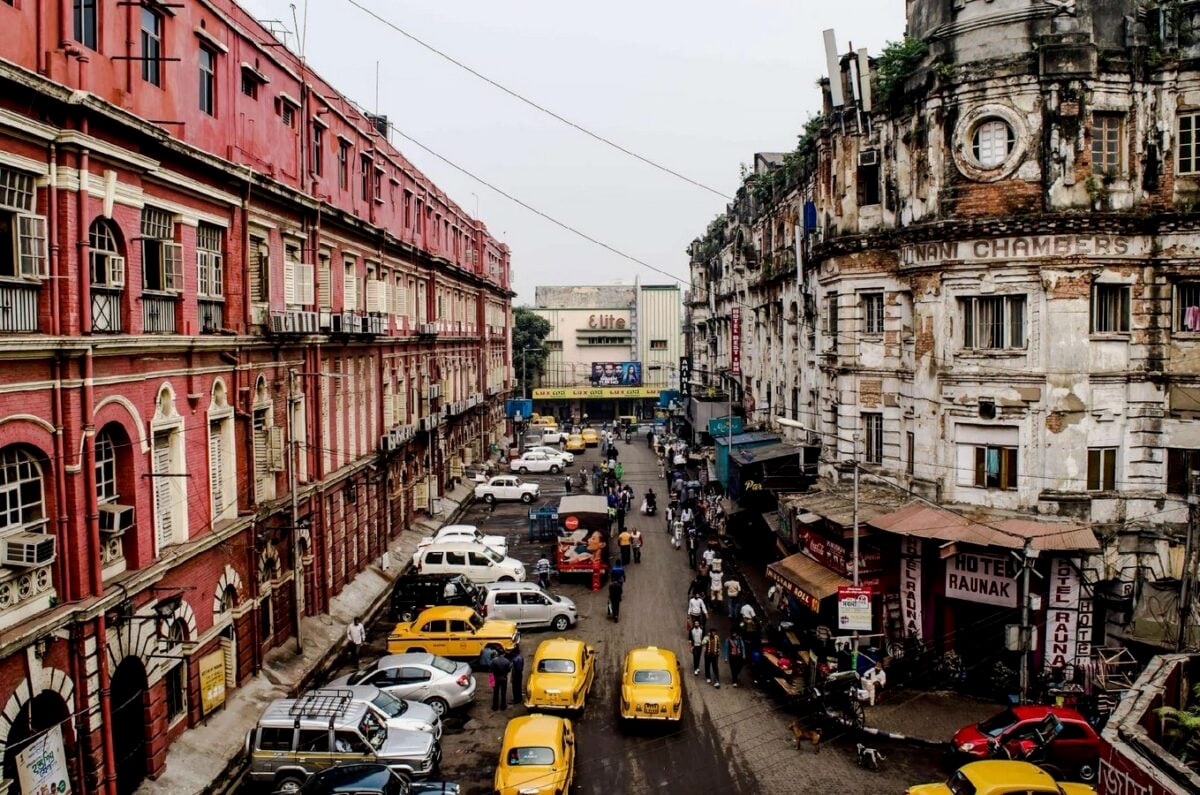
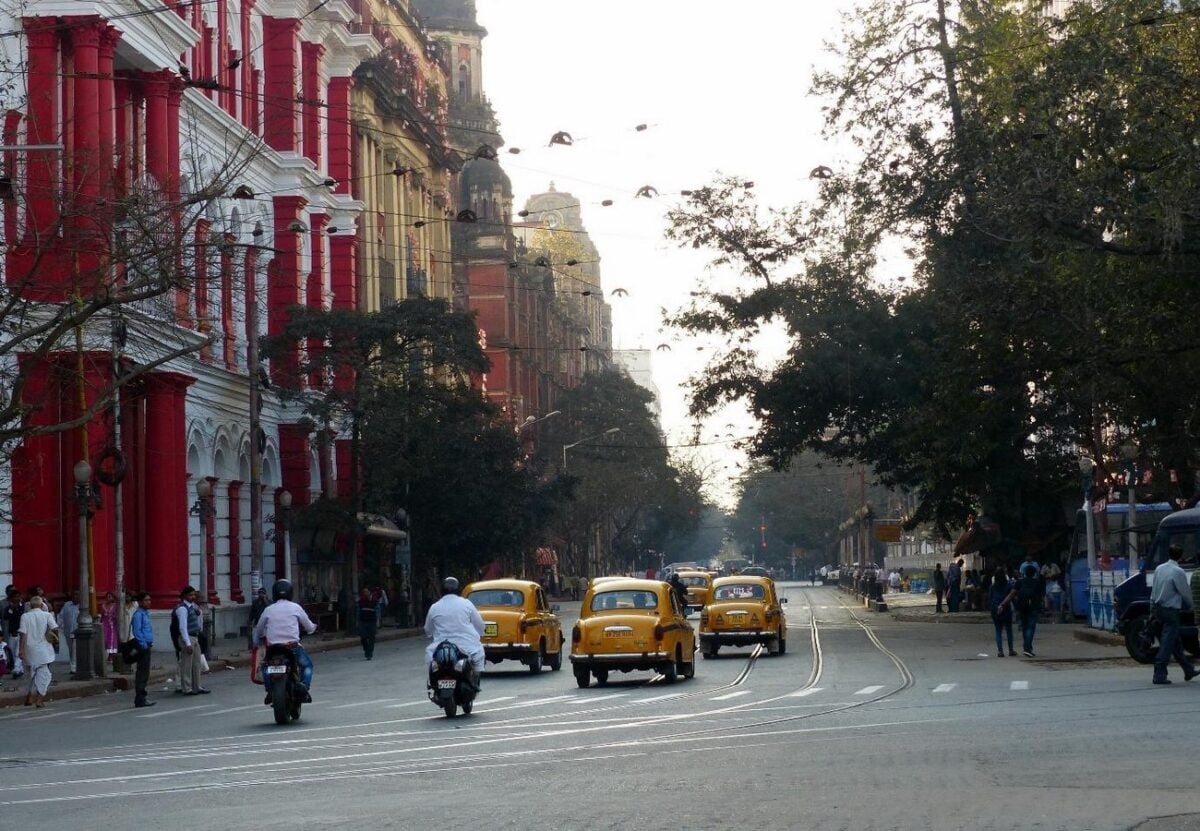
Argenberg, V. (2009). Streets of Kolkata, Colonial downtown, India [Photograph]. Wikimedia Commons. https://commons.wikimedia.org/wiki/File:Streets_of_Kolkata,_Colonial_downtown,_India.jpg
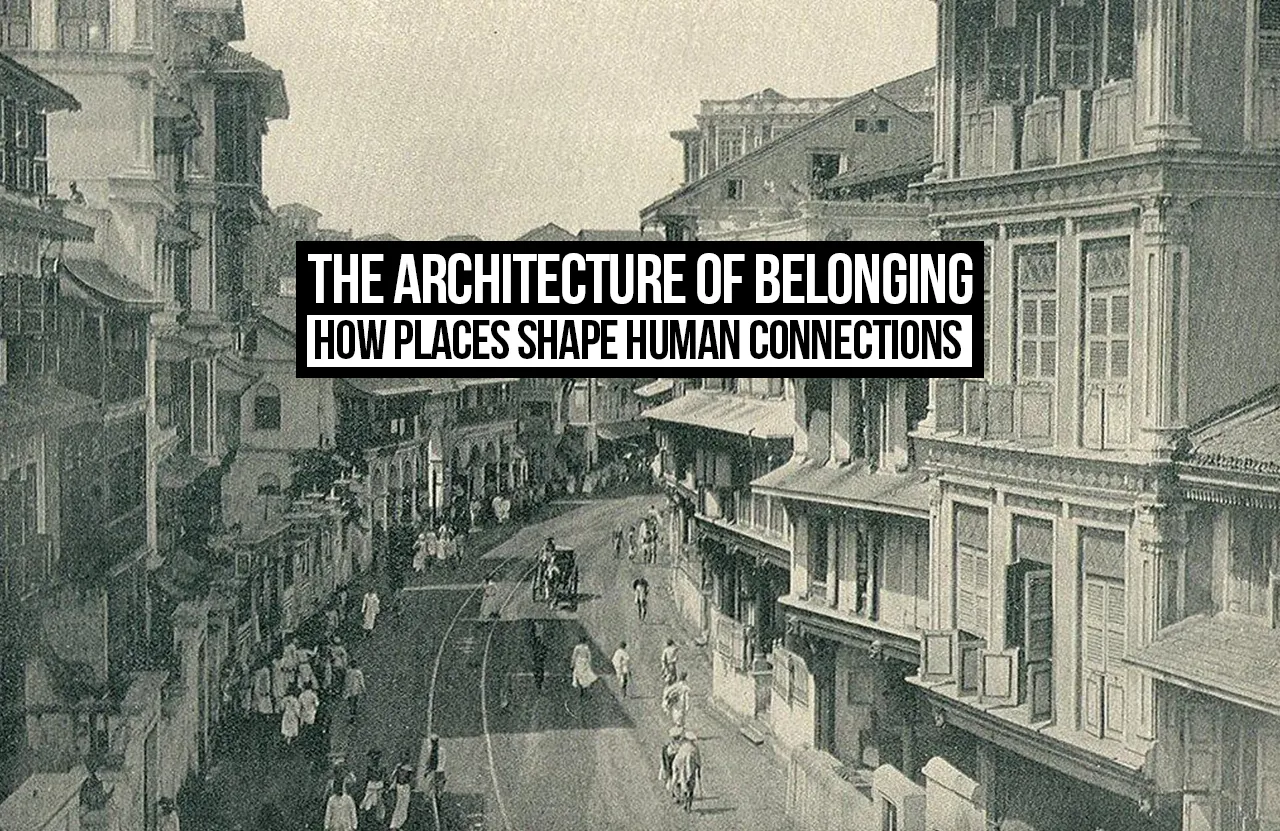
Jackson, W. H. (1895). Bombay—street scene in native quarter [Photograph]. Library of Congress. https://commons.wikimedia.org/wiki/File:Bombay_-_street_scene_in_native_quarter_LCCN2004707350.jpg