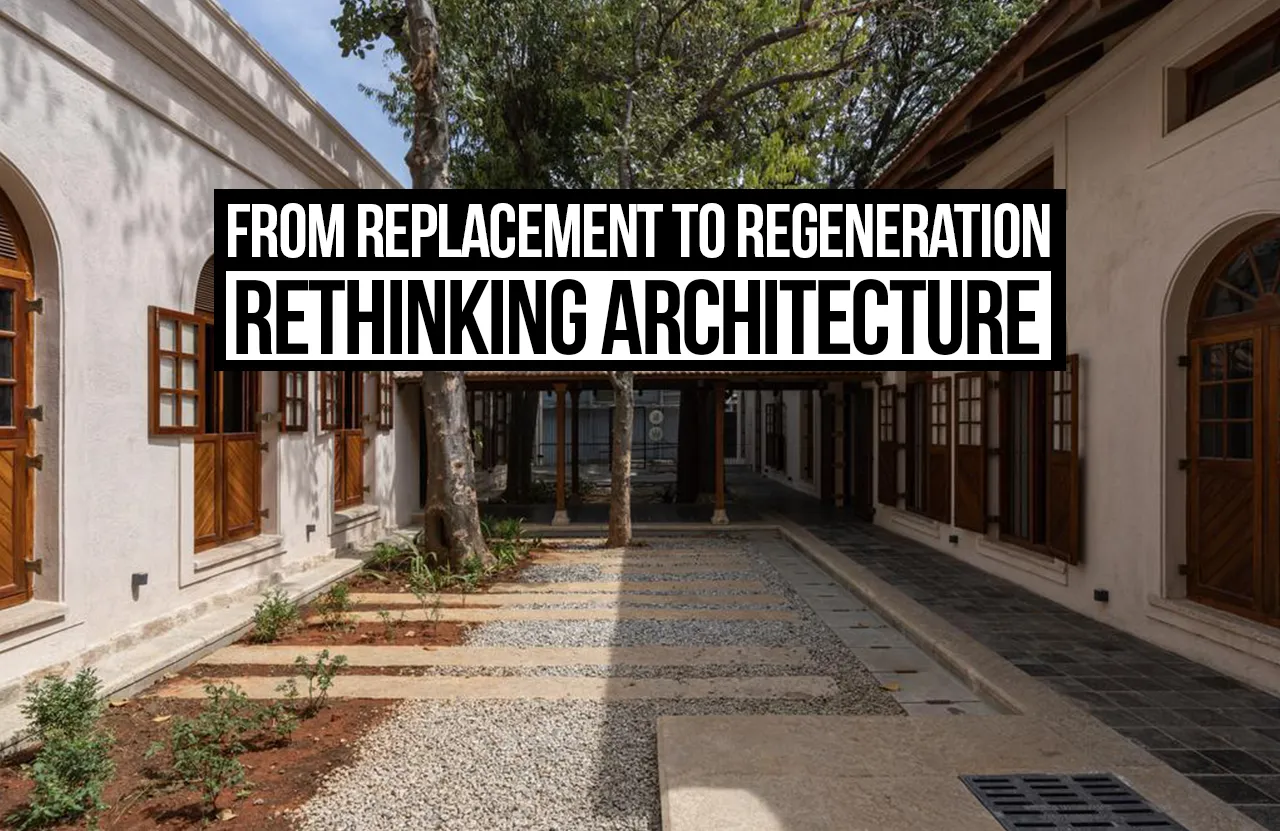
Imagine a city in which old buildings are not dismantled to make way for new developments, but rather their windows are replaced, their broken parts renewed, their abandoned spaces rethought. Given the depletion of resources, the mountains of construction waste, and the effects of climate change, the question is a pertinent one. Architecture and Design have the potential to change the way buildings are designed and made, shifting away from a focus on creating a product for one moment in time, to instead building items fit to evolve with their owners. To design with repair in mind challenges the idea that new is best and highlights the value in what we have.
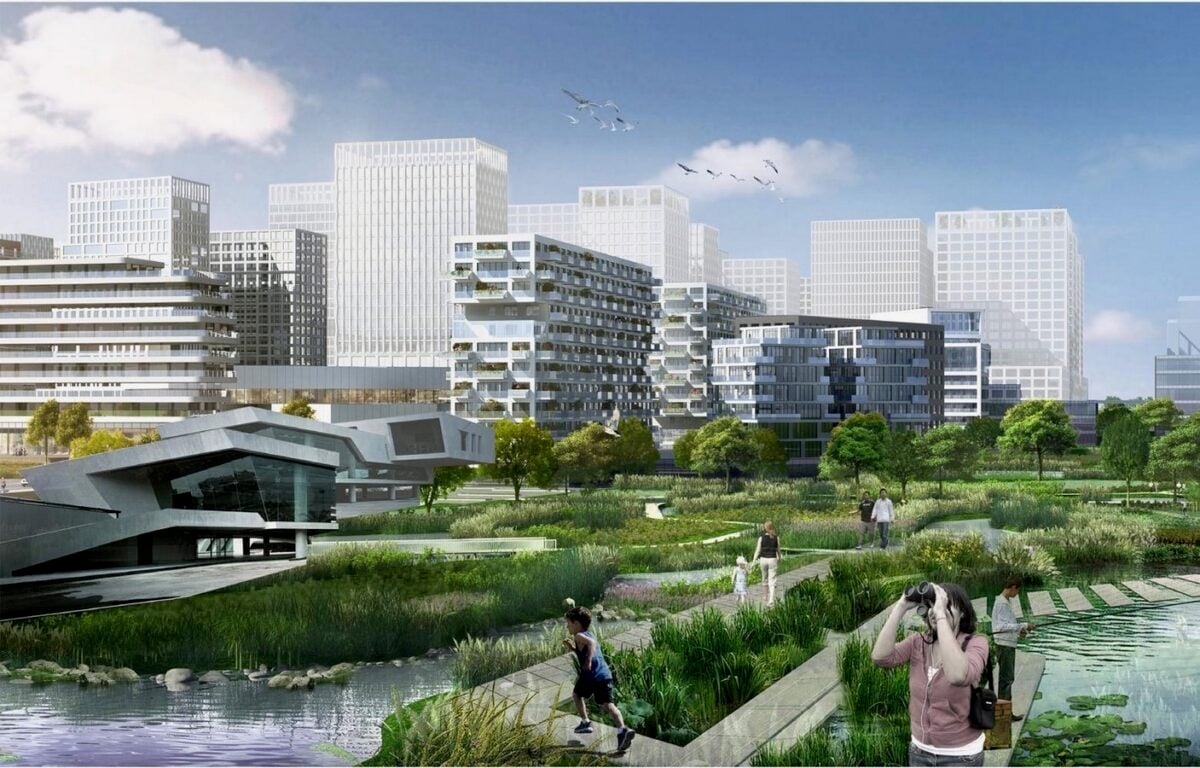
The Hidden Cost of Construction and Demolition
The construction industry is characterised by the use of huge amounts of materials: steel, cement, wood, sand, and many other materials. The extraction and processing of these materials, their transportation and construction waste are all serious environmental problems. Moreover, for the case when, for example, a strong building was erected, but over time its furnishings have become unusable, its demolition seems like a waste of resources. This situation and many others lead to the deterioration of the ecological environment through uncontrolled construction and demolition of buildings. The Architecture and Design communities can solve this problem by saving the existing buildings, saving the resources invested in their construction, and saving the environment. Instead of demolishing buildings to construct new ones, it is sometimes possible to invest in the repair of the existing structure like replacing a faulty roof or installing new electrical wiring.
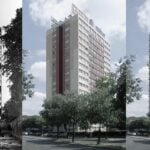
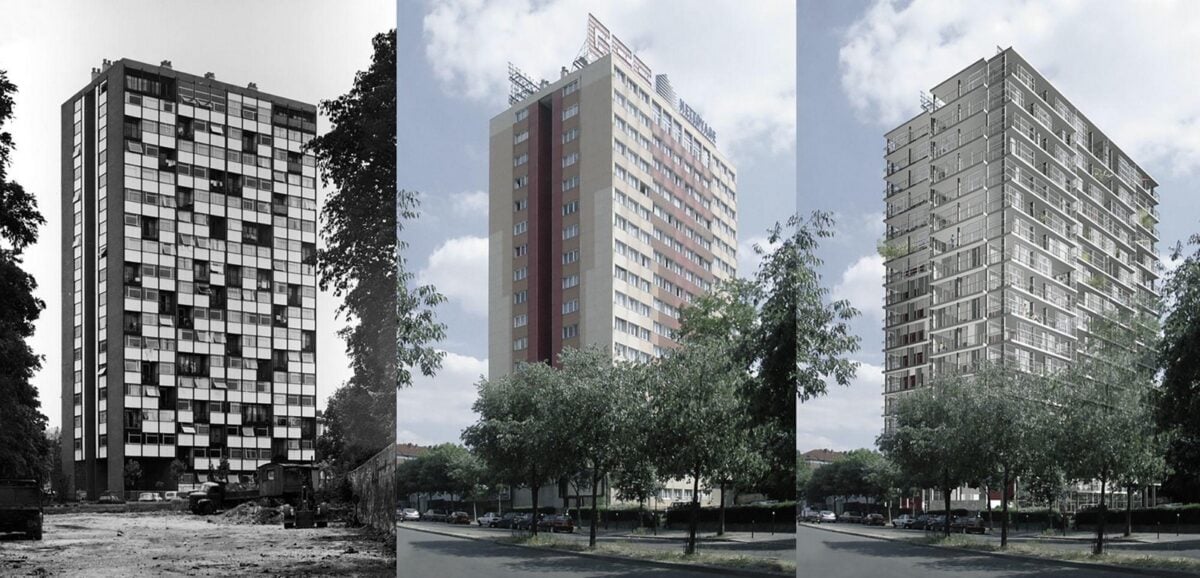
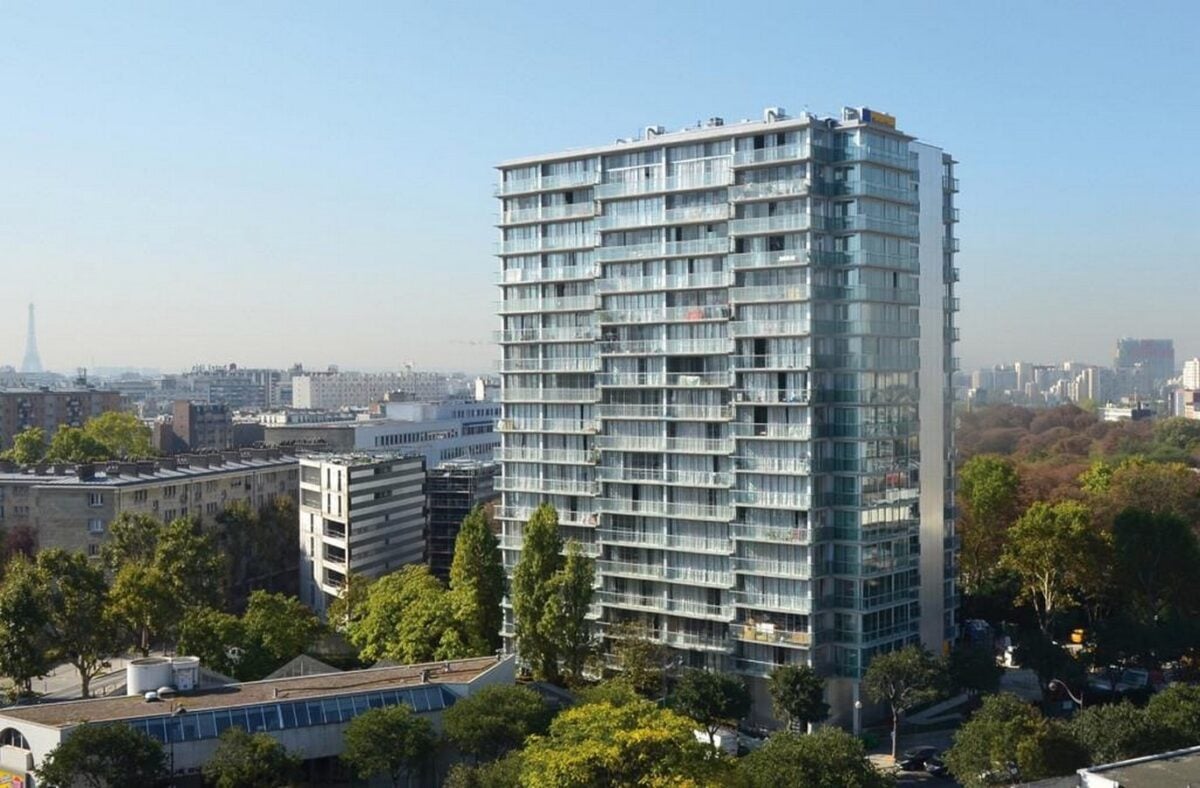
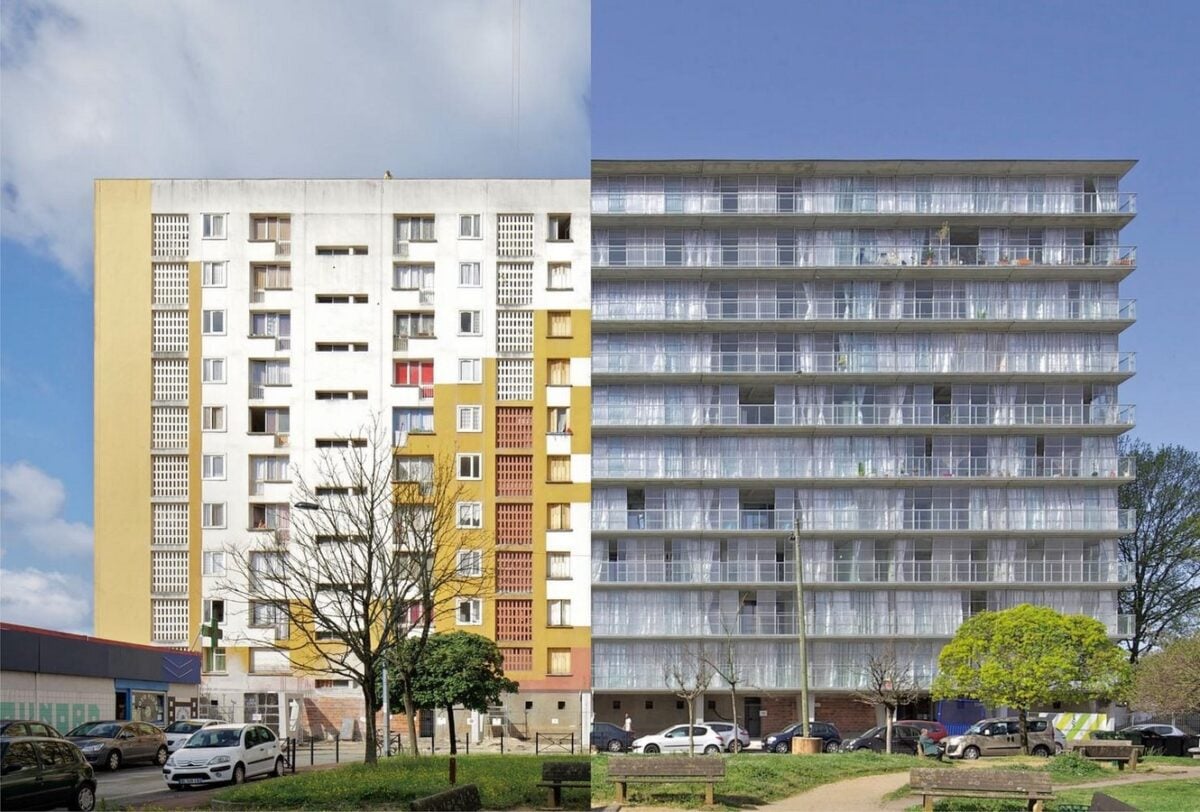
A real-world example is Tour Bois-le-Prêtre in Paris, the work of architects Frédéric Druot, Anne Lacaton and Jean-Philippe Vassal. They decided to renovate an entire block of housing built in the 1960s, instead of abandoning it. By adding new elements such as balconies and winter gardens, they have managed to considerably improve the quality of life of the residents in the building. This project shows how Architecture and Design can intervene within an existing construction to adapt it to a new use, at the same time that it is given a second life. Such measures will save the building’s structures that would have been destroyed during the demolition. Of course, sometimes the situation is such that it is necessary to abandon the building and construct new buildings. However, in this case, it is essential to consider alternative ways of renovation instead of demolition.
Designing for Disassembly and Adaptability
Buildings are typically designed to be permanent, in which materials and systems are combined in such a way that future repair and upgrade work is made difficult. The use of concealed pipework, inaccessible service ducts and permanently fixed internal finishes all turn up costs for simple maintenance tasks. Designing for repairability requires that architects look ahead to how elements of a building might be replaced in the future. Architecture and Design can be used to create modular buildings, with accessible service zones and reversible building services. All such design decisions have an impact on the life cycle of the building, making it less likely to be demolished because of the failure of a single system.
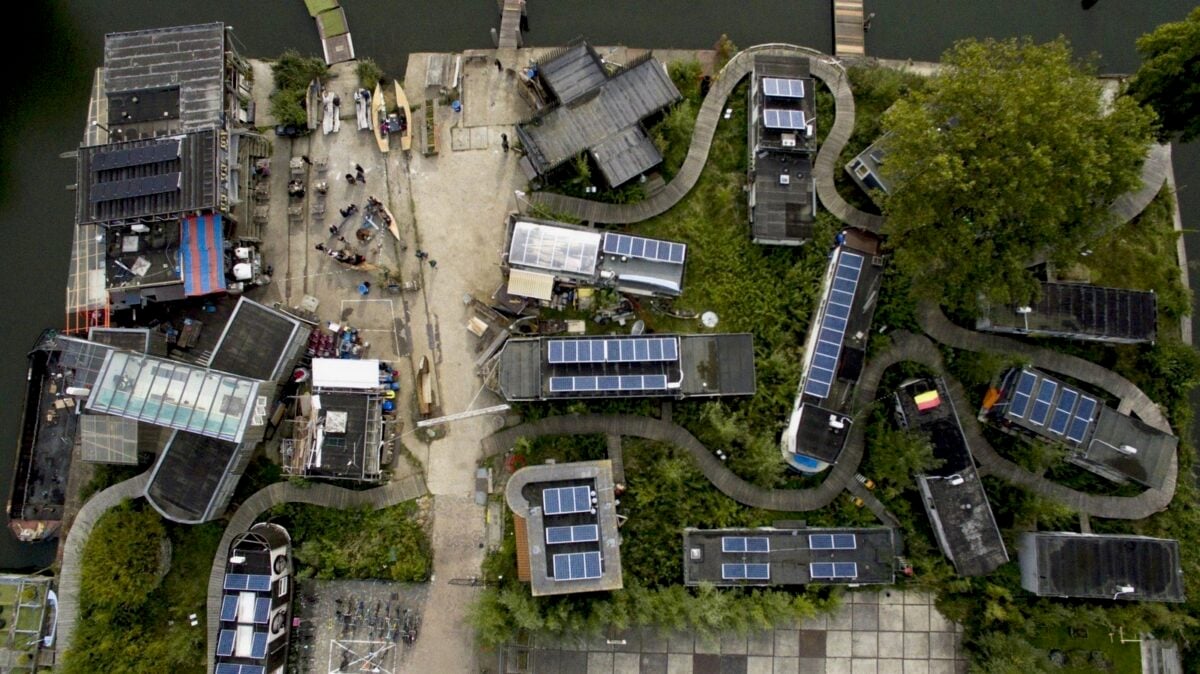
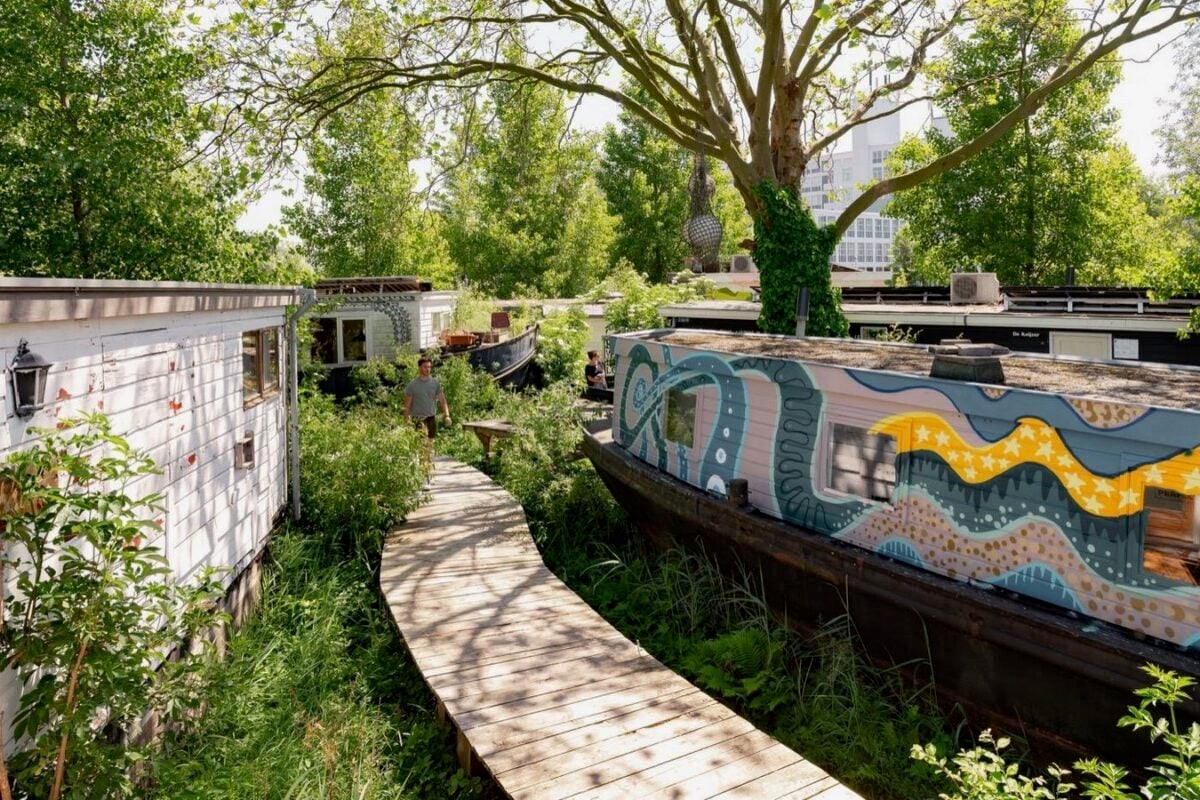
The principles of reuse and adaptability are also found in De Ceuvel in Amsterdam, where the reused houseboats are transformed into creative work spaces on a former shipyard. De Ceuvel is a prime example of recycling existing structures and materials, giving them a new function instead of throwing them away. This project shows an alternative way of thinking to the idea that new buildings need to be constructed from the ground up and prompts the designer to think of other ways that structures and materials can be reused and adapted to fit different needs. Adaptability is a closely related concept, which sees a building as able to be used for a range of purposes. A school building might be converted to a community centre, and an office block might be turned into residential accommodation. By designing generous floor-to-floor voids, flexible structural frames and the siting of services within the building core, buildings can be made ready for conversion between uses.
Learning from Traditional Architecture
Long before modern-day concepts of sustainability took hold, long-lasting buildings were made using repair, reuse and local know-how. Vernacular buildings were constructed using local materials which lend themselves to individual replacement, with timber elements replaced, clay tiles exchanged and lime plaster renewed. Traditional buildings offer insight into how a material appreciation, craftsmanship and climatic responsiveness can prolong the life cycle of a building in architecture and design. For example, even lime-based finishes can often be renewed, and traditional timber joinery can be dismantled and repaired.
The Economic and Social Value of Repair
Repairing a building can save money on new materials, demolition, transportation, and replacement infrastructure, and may help to retain connections to a local area. Architecture and Design can boost a local economy by providing employment in maintenance, skilled crafts, carpentry, masonry, and specialist contracting. Unlike demolition-led development, which concentrates employment in large construction projects, repair-based practice can provide ongoing work throughout the life-cycle of a building. But repair is not always cheaper, nor necessarily more sociable: buildings with serious structural damage, or poor or unsafe layouts, may need large-scale reconstruction.
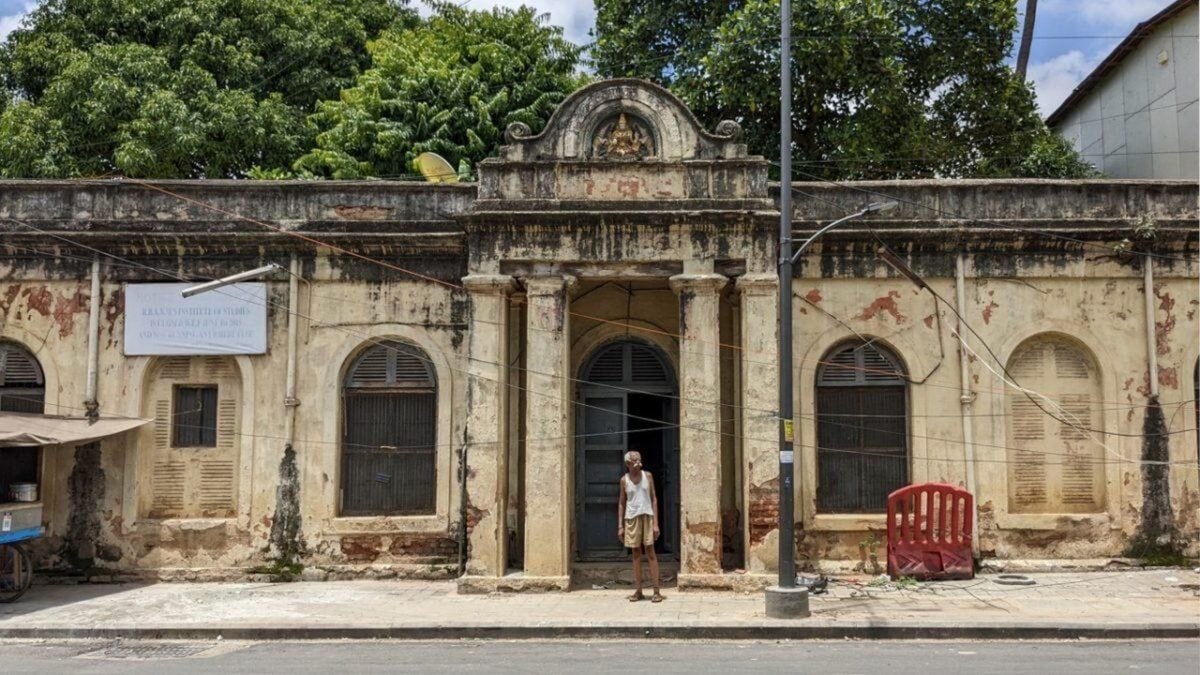
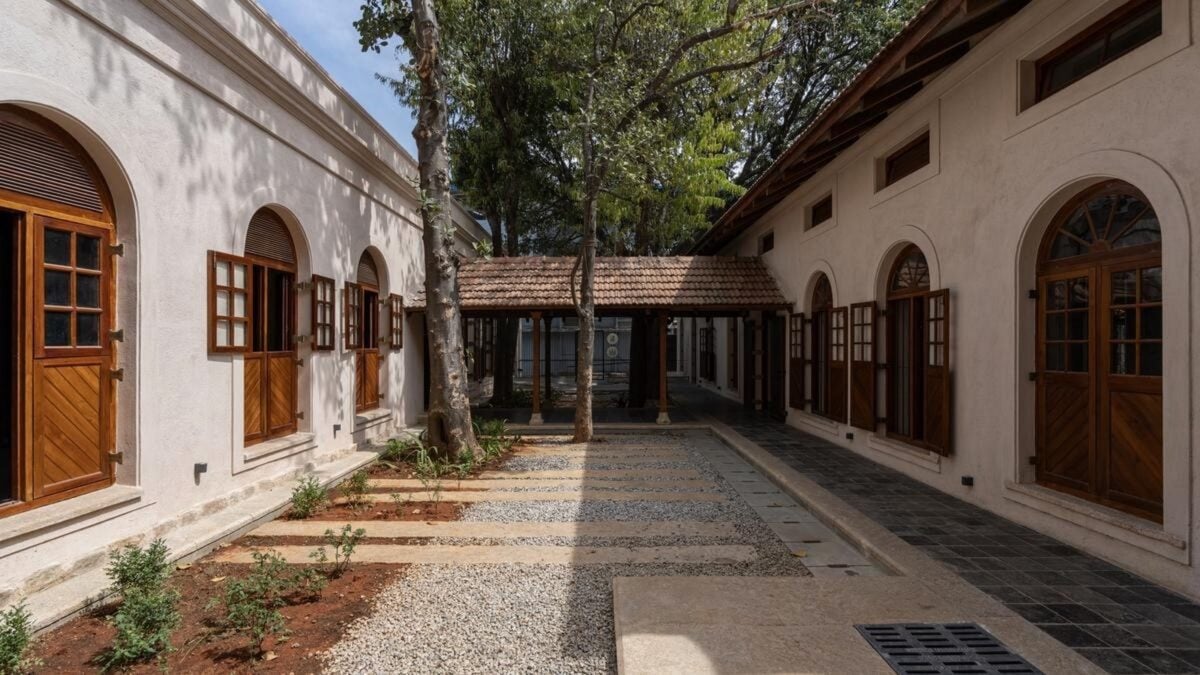
In India, the Sabha, a cultural centre designed by Hundredhands, is a perfect example. This was created by restoring a 150-year-old colonial school building in Bengaluru. In this project the architects chose to repair the structures rather than demolish them. This involved repairing the roofs, and restoring the stonework. Broken roof elements were used as window frames. This supports the idea that Architecture and Design can be used to ensure a building’s lifespan can be extended using conservation.
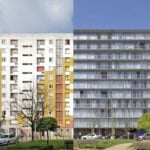
The value of renovation can be seen in Grand Parc in Bordeaux through the transformation of three existing housing blocks. Instead of demolishing the building to construct new ones, the architects added balconies and winter gardens, thus making the houses larger. This way, the residents did not have to move out while the construction was underway. The renovation project demonstrates how Architecture and Design can intervene to make life better without destroying the existing housing blocks.
Building a Culture of Continuity
Overall, architecture has a sustainable future if we look at the buildings we want to keep. By focusing more on repairing, reusing and carefully maintaining our architecture, we can ensure less waste, fewer resources used, and preserve the history contained within our architecture. Architecture and Design must shift away from the need for new buildings to focus on creating sustainable architecture. By building with repair in mind, architects and designers can create spaces that can be easily adapted to suit the ever-changing needs of the future. Sustainable architecture should have a focus on not just what we build but what we keep, refresh and pass on to future generations.
References:
Brand, S. (1995). How Buildings Learn: What Happens After They’re Built. New York: Penguin Books.
- Wong, L. (2016). Adaptive Reuse: Extending the Lives of Buildings. Basel: Birkhäuser.
- Mossin, N. and Ejstrup, H. (2024). Retrofitting Existing Buildings: The Added Value. The UNESCO Courier. [online]. Available at: https://courier.unesco.org/en/articles/retrofitting-existing-buildings-added-value [Accessed: 24 October 2026].
- Moreira, S. (2021). Deconstruct, Do Not Demolish: The Practice of Reuse of Materials in Architecture. ArchDaily. [online]. Available at: https://www.archdaily.com/974056/deconstruct-do-not-demolish-the-practice-of-reuse-of-materials-in-architecture [Accessed: 24 October 2026].
- Sharma, M. (2024). Adaptive reuse of old, decaying buildings in metros across India. Hindustan Times. [online]. Available at: https://www.hindustantimes.com/cities/delhi-news/adaptive-reuse-of-old-decaying-buildings-in-metros-across-india-101712513559745.html [Accessed: 24 October 2026].
- Vijayalaxmi, J. (ed.) (2023). Conservation of Built Heritage in India: Heritage Mapping and Spatializing Values. Singapore: Springer Nature.