Architecture has always evolved naturally with time, just as development has continued. For better or worse, the world keeps growing; civilisations keep coming and going, and with time, everything continues to change. Yet only a few structures manage to stand the test of time. And these few go on to become the monuments and wonders we see today, giving a glimpse into what once was. But most of the structures are protected and preserved and left frozen in time, unable to continue serving the purpose it was built for in the fear of further damage.
But what if a building or structure is designed to stand the test of time? What if it was designed to live past centuries and civilisations while still being functional and in use rather than becoming a monument frozen in a moment of history? Could architecture be designed to adapt with changing times and people and societies and still stand?
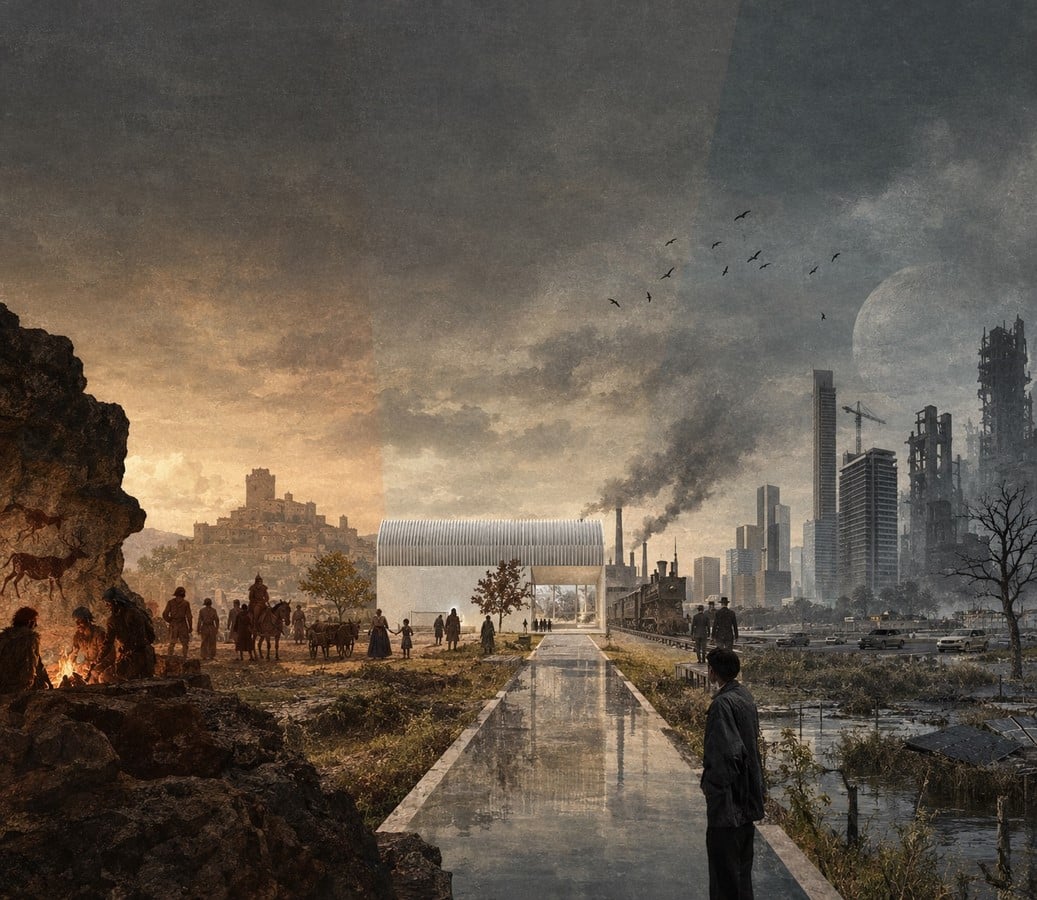
Built for the Present
Looking around the architecture we have today, one might notice that most of the buildings are usually designed to satisfy the needs of the present, following the current contextual trends without standing out too much. Architecture has become generic in many places that it has become normal enough to make people forget what it once was and what it could be.
This is not necessarily a flaw, as architecture has always responded to the needs, technology, and ideas of its time, but it has become so common that it leaves little room for the future and the changes it may need to accommodate. A building may continue to stand physically, but it may no longer serve the purpose it was built for. The structure might survive, but its purpose might not.
With the way buildings are built today, some may not even last fifty years, let alone a century. So when considering a building to be designed to last beyond centuries and civilisations, the question shouldn’t be just about designing them to be indestructible but about making them adaptable. The materials used, spaces created, and the structural system should all be done in such a way as to allow buildings to be repaired, altered, expanded or repurposed along with changing needs.
But a building that lasts civilisations does not mean it has to stay the same for centuries. The ability to change is what would allow it to survive. It could find a new purpose as time goes on. The building should continue to exist in its own way, tweaked to the times’ needs, not as a museum of what it once was, but as a part of the living city.
Not every surviving building needs to become a monument.
What Makes a Building Survive?
One of the prominent examples of a structure that stood beyond civilisations is the Great Pyramids of Giza, the only surviving wonder of the ancient world, built around 4500 years ago as a tomb, still standing to witness the rise and fall of kingdoms, developing tech, vivid cultures and societies. It is not the only surviving ancient structure, but its longevity, scale and the mysteries surrounding the construction make it one of the most recognisable examples of architecture that outlived its creators.

The Pantheon in Rome shows another different side of longevity. It has survived for almost two thousand years and continues to be in use. It demonstrates that survival is not just about building something strong enough to resist time but also about whether the said building can continue to keep finding its place within the lives of people who inherit it.
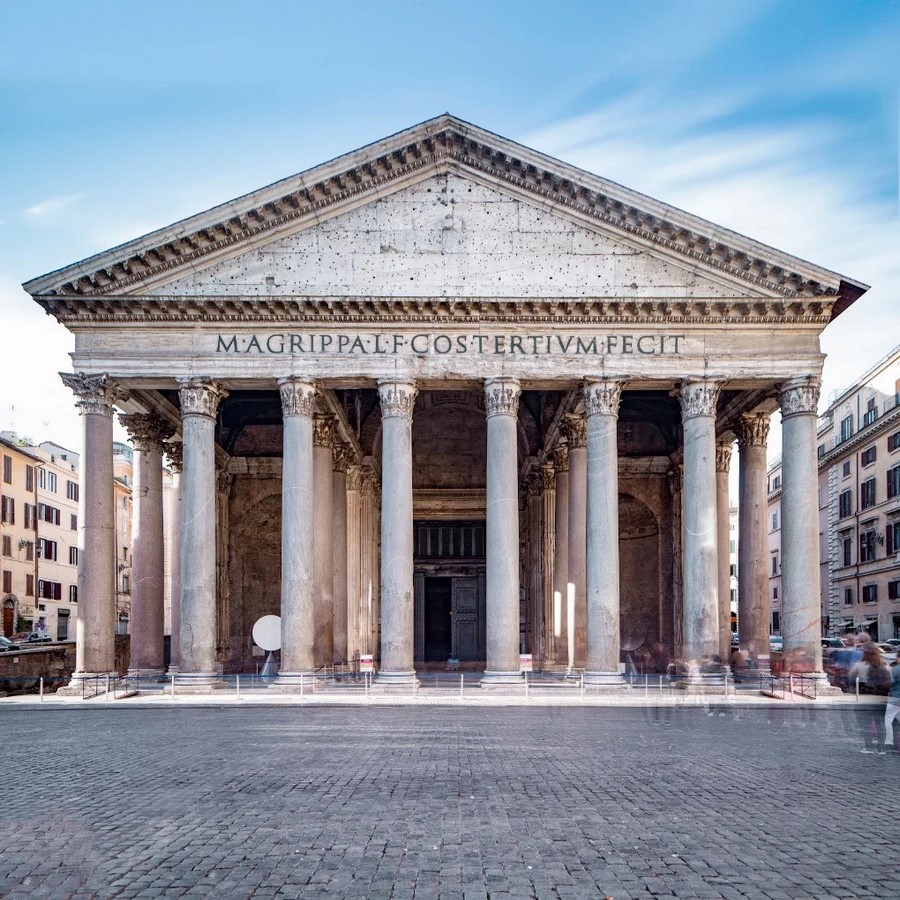
The Pyramids and the Pantheon were built to be monuments meant to endure. But not every building can or needs to be another Great Pyramid or the Pantheon, as the buildings built today have a purpose that is a lot different from what once was.
Price of Permanence
Designing buildings to stand beyond civilisations and centuries, however intriguing it might sound, has its own drawbacks. If permanence turns into a final goal of architecture, would people lose the freedom to experiment?
If buildings were designed and expected to last thousands of years, would architecture become increasingly focused on permanence?
Architecture has always evolved through trial and error. As societies change, so do the buildings. Replaced and redesigned to fit in. As time went on and new technology kept coming in, construction has allowed architects to experiment with new materials, new ideas and new ways of using spaces according to the needs without the weight of lasting forever. If everything built was expected to survive, perhaps it would be harder to change or be replaced or disappear.
Another important thing about impermanence is that not every structure needs to survive forever to become a monument; a place with buildings already existing for civilisations would leave little room for what comes next.
Architecture that can adapt
Designing a building to last for centuries does not necessarily mean it has to remain exactly as it was built. Architecture has to be a reflection of its time, but buildings that survive become more than that. They become a standing record of people who built them and a part of people who come after.
After all, the ultimate test of a building may not be whether it can stand for centuries past civilisations but whether it can still have a reason to stand after a thousand years. Maybe architecture should not simply be designed to stand the test of time but to change with it.
Reference:
Wikipedia (2018). Great pyramid of Giza. [online] Wikipedia. Available at: https://en.wikipedia.org/wiki/Great_Pyramid_of_Giza [Accessed 25 Oct. 2026].
Wikipedia Contributors (2019). Pantheon, Rome. [online] Wikipedia. Available at: https://en.wikipedia.org/wiki/Pantheon,_Rome [Accessed 24 Oct. 2026].