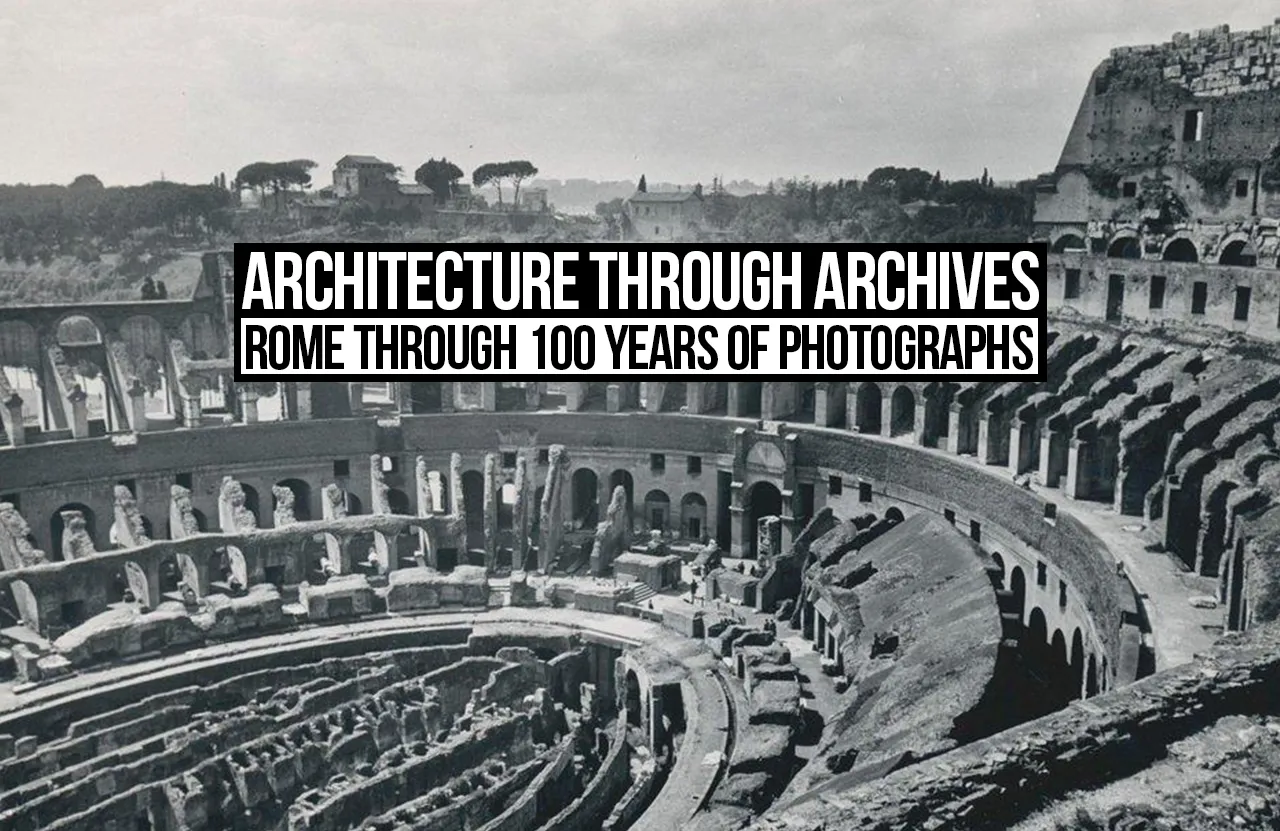
“I found a Rome of bricks; I left to you one of a marble”, proclaimed Emperor Augustus, founder of the Roman Empire, while lying on his deathbed in 14 CE. The Roman Empire was founded in 27 BC on the ruins of the Roman Republic: massive civil wars, rampant systemic failures and political disagreements. In stark contrast, the Roman Empire’s foundation years were relatively peaceful, and this stability ushered in a prosperous golden age of art, architecture, literature and technology, inaugurated by Augustus and consolidated by later emperors.
The Prelude
Innovation and technological achievement, emblems of Roman expertise, existed in ancient Rome even before the empire came into existence, but the unrest and warfare that drowned Rome during the Republic era shifted the spotlight away from these advancements. Peace was nearly unnatural to the people of ancient Rome, where there were abiding class conflicts between them and the government, constant power feuds between the generals, political differences between the members of the Senate, incessant succession struggles and numerous planned assassinations of emperors and generals, all of which ignited a series of brutal civil wars over the decades.
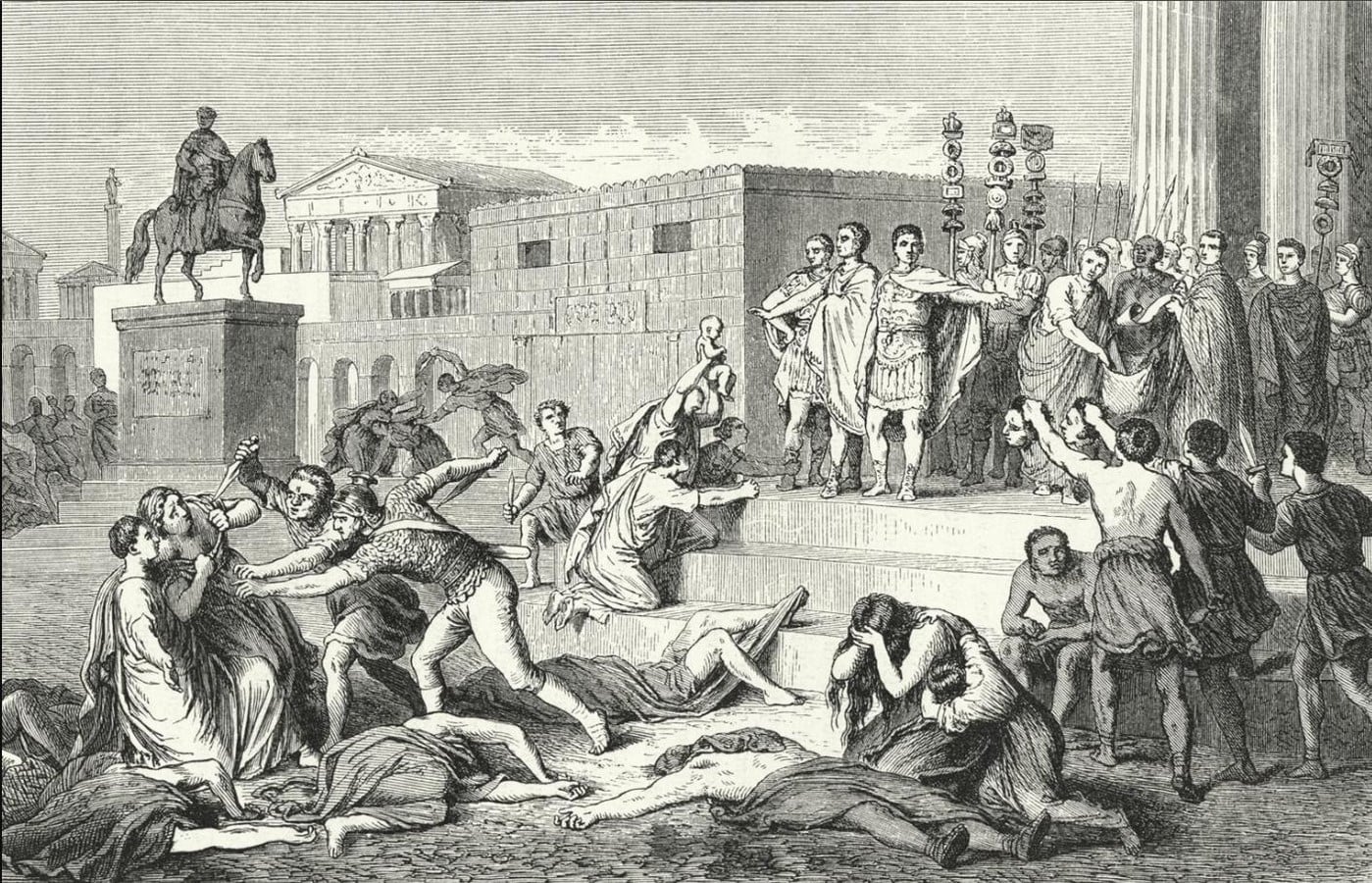
What becomes interesting here is that these exact years of agitation and turmoil paved the way for a politically stable and sound Rome. The havoc was such that it necessitated careful and deliberate decisions by Emperor Augustus to restore command and order in Rome, and the ensuing peace allowed trade, culture and architecture to burgeon on a scale that had never been seen before. New frontiers, marvellous architecture, expanded infrastructure, social stability, literary accomplishments, and a growing urban culture soon altered the face of the Roman Empire.
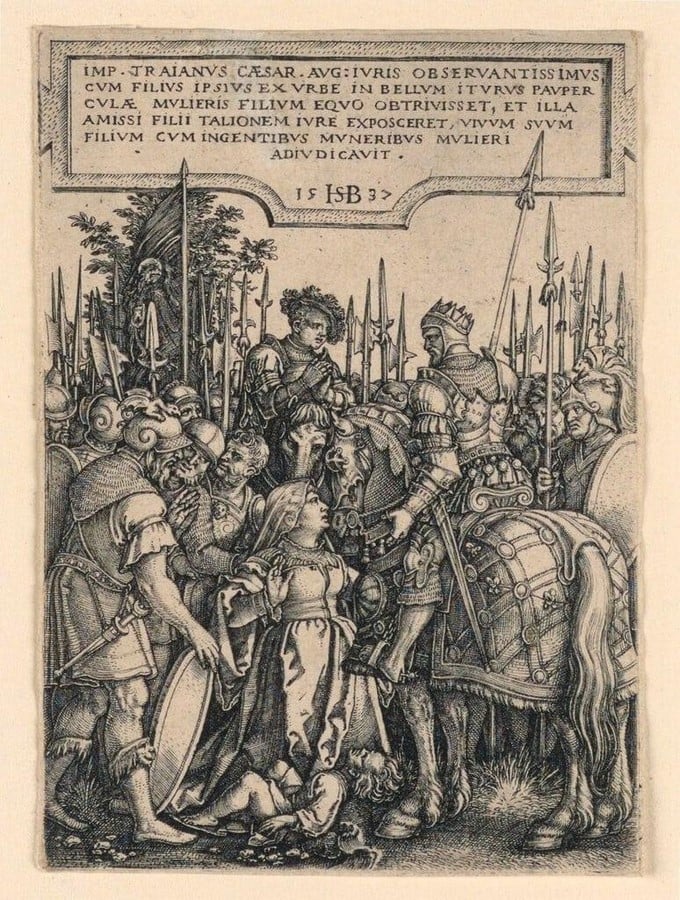
The Outset of Peace and Prosperity
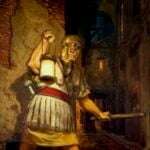
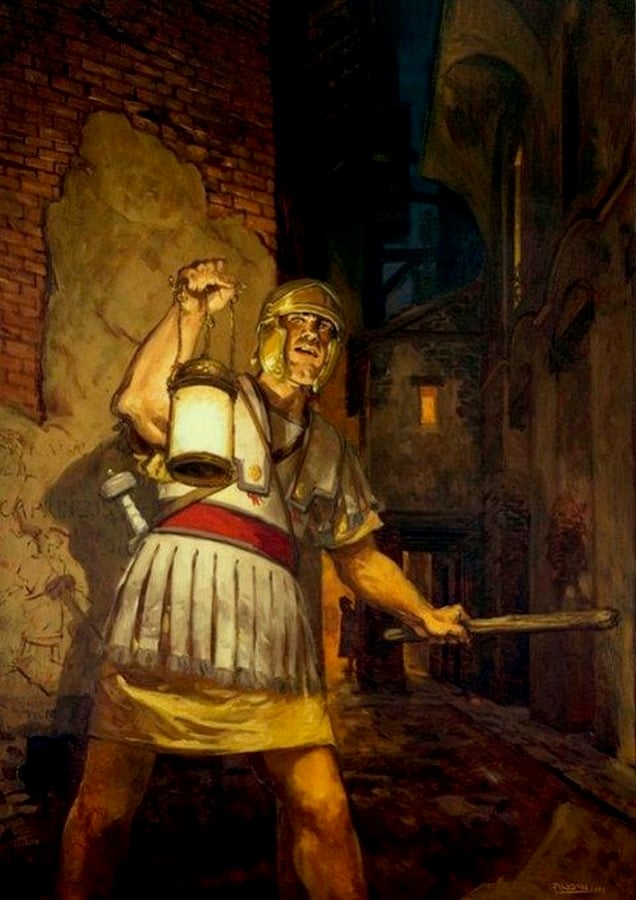
What expedited Rome’s progress was the subjugation of forces that twisted law and order. Upon his ascension to power, Augustus was adamant about steering clear of the chaos, and to do so, he turned the fractured republic into a centralised autocracy. He unleashed a system of efficient administration by diminishing the power of the Senate, decentralising control from the capital to local provinces, ensuring transparent management of taxes and resources, and organising a permanent civil service to shift power from nobles to bureaucrats and penalise corrupt provincial governors who manipulated their power for personal gain. Likewise, the establishment of a police force to quell crimes; a fire brigade to combat common fire incidents; and an official courier system to enhance communication across the empire emboldened peace, stability and cohesion within the society, so much so that it gave rise to the Imperial Cult: the deification of emperors.
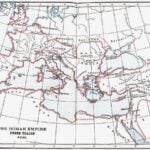
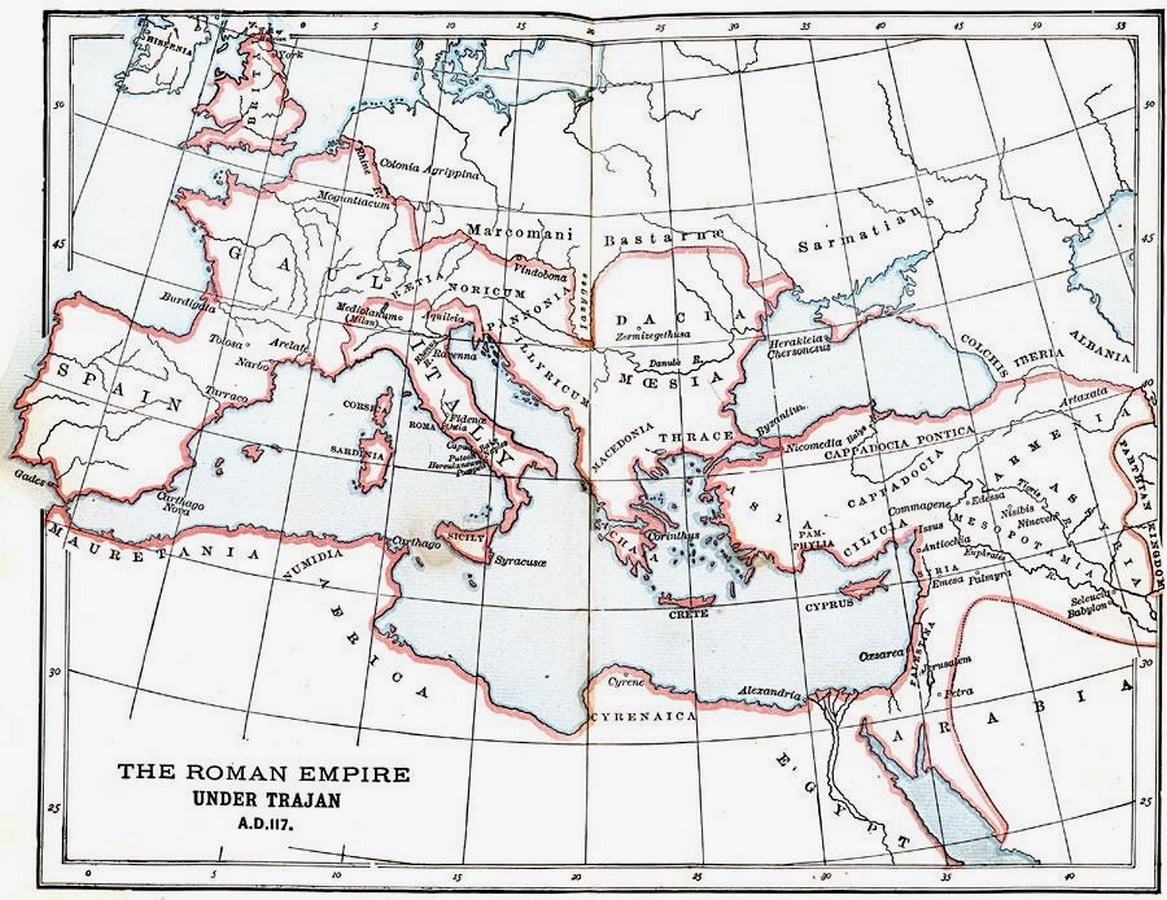
The advancements persevered in the reigns of subsequent emperors. Like Augustus, who expanded the empire by stationing the army at defensible borders, successive emperors added new regions to the empire until the reign of Trajan, when the empire was at its largest territorial extent, stretching across Europe, the Middle East, North Africa, Turkey, Lebanon, Syria, and parts of modern Iran and Iraq. His reign also saw a well-structured provincial administration, improved infrastructure, a reformed legal system and, most notably, alimenta: a welfare program to assist Italy’s orphans and poor children. These measures reduced wars and internal conflicts and boosted infrastructure, architecture, culture, and the economy in the capital and across the empire.
Architectural Triumphs of the Time
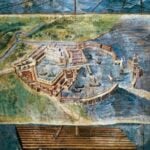
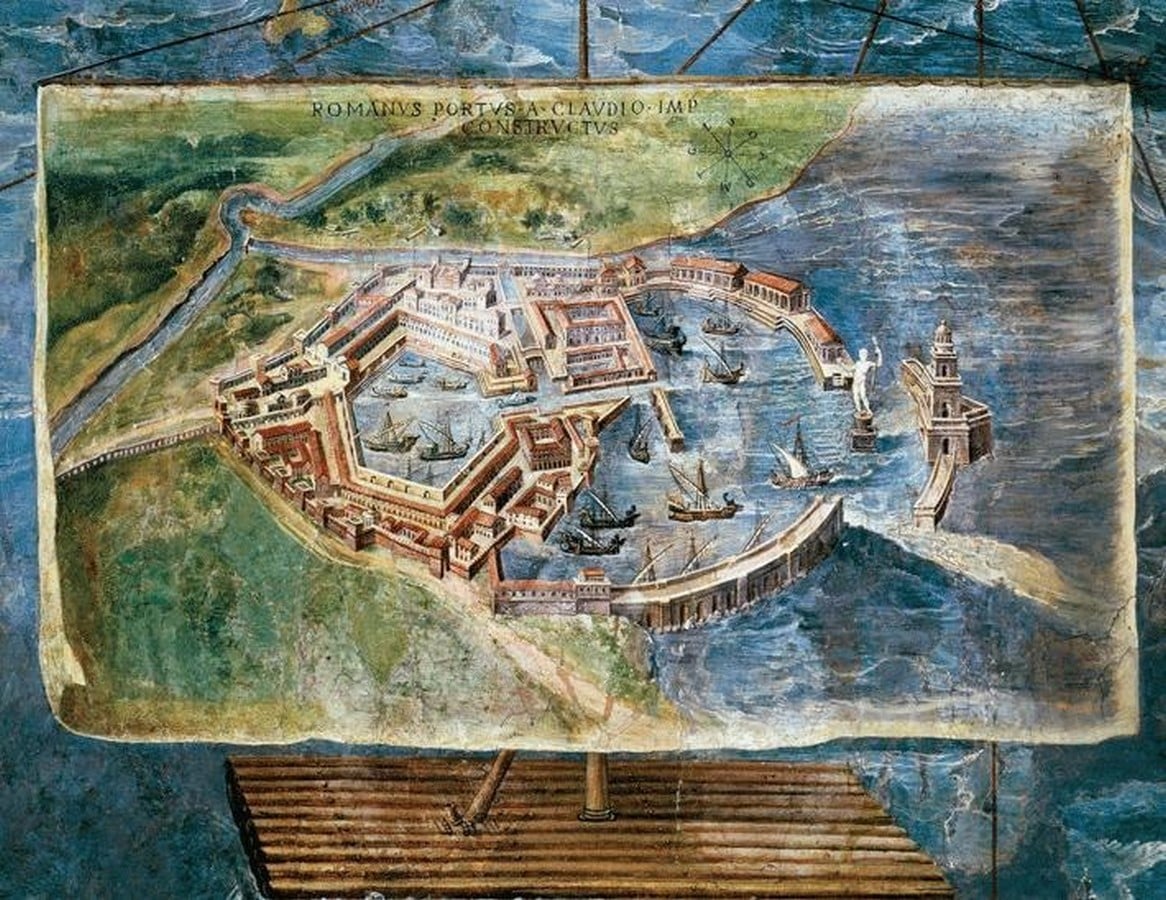
The empire was at its zenith during its golden era, as it morphed into a powerful and expansive empire not just by land but by sea, as Romans sailed far and wide, trading silk, ivory, spices, precious stones, gold, glass and silver. The peace and administrative efficiency, coupled with the abundant wealth brought through maritime trade, stimulated massive beautification and building programs, including forums, libraries, military bridges, aqueducts, bathhouses, circuses, amphitheatres, arenas and some of the architectural masterpieces which have survived to date as a memory of Roman prowess in building technology.
-
Colosseum
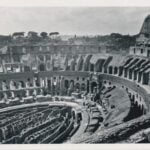
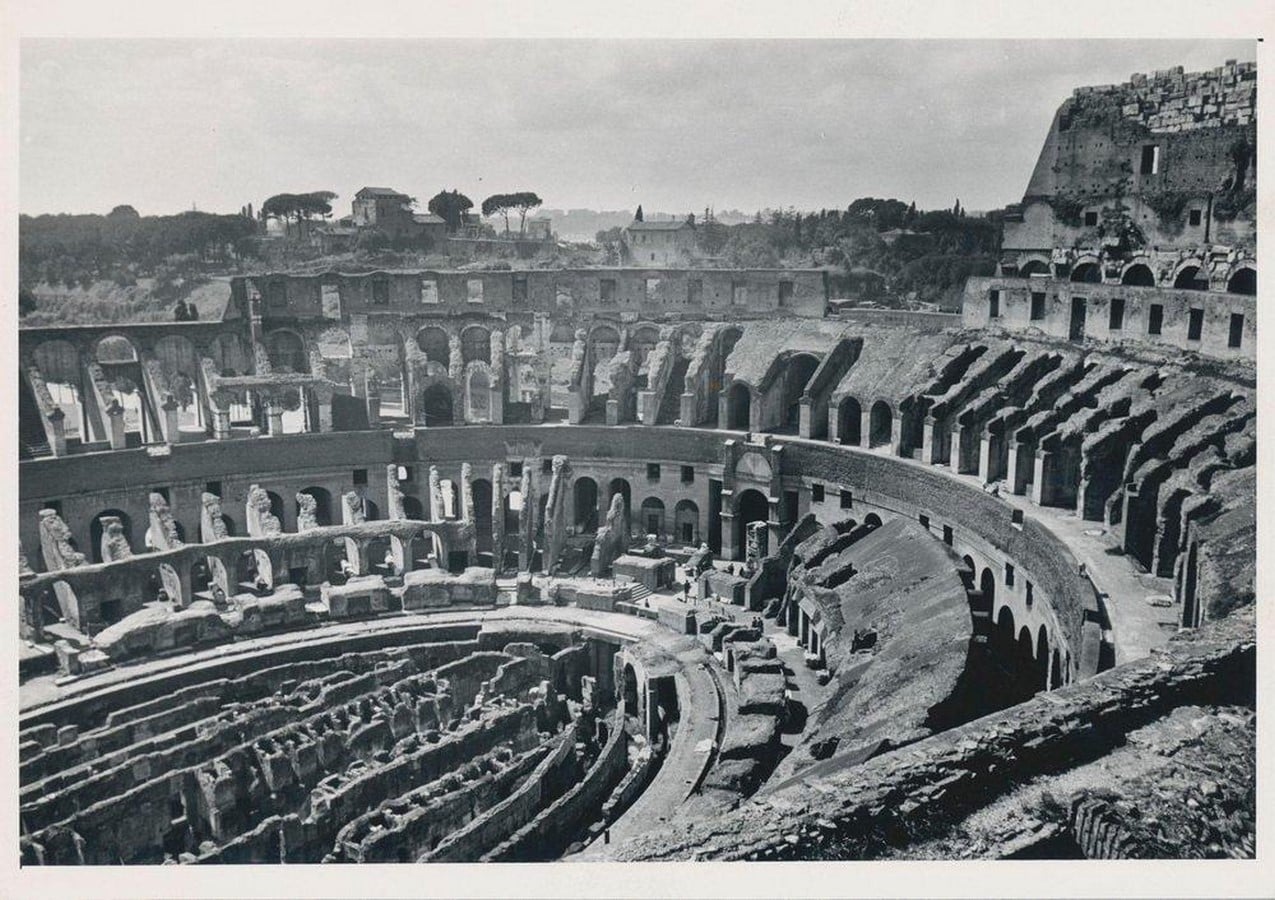
In 80 CE, Romans built the largest amphitheatre known to the world today: a four-story, oval-shaped structure measuring a humongous 620 feet in length, 513 feet in width and 157 feet in height. Imagining such a grand space to stage their gladiatorial battles and sea spectacles at that point in time was undoubtedly an astounding feat. The massive structure utilised travertine stone, Roman concrete, volcanic tuff and brick, and techniques such as barrel and groin vaults to distribute massive weight efficiently. Eighty entrances surrounded the perimeter of the building so that the large number of people could enter and exit smoothly.
The oval shape was a deliberate design decision so that each of the 50000 spectators had a clear sightline to the stage, and to shield them from the weather; Romans also designed a massive retractable canvas roof system. Hidden beneath the superstructure was a complex two-story underground network of tunnels, chambers, capstan-operated elevators and trapdoors (Hypogeum) to allow animals and gladiators to appear dramatically on stage, evoking thrill and excitement. This technical expertise was matched by polished stone ornamentation and towering statues of Roman gods, heroes and mythological figures in arched niches on the exterior.
-
Pont du Gard
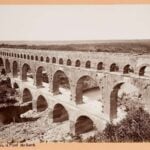
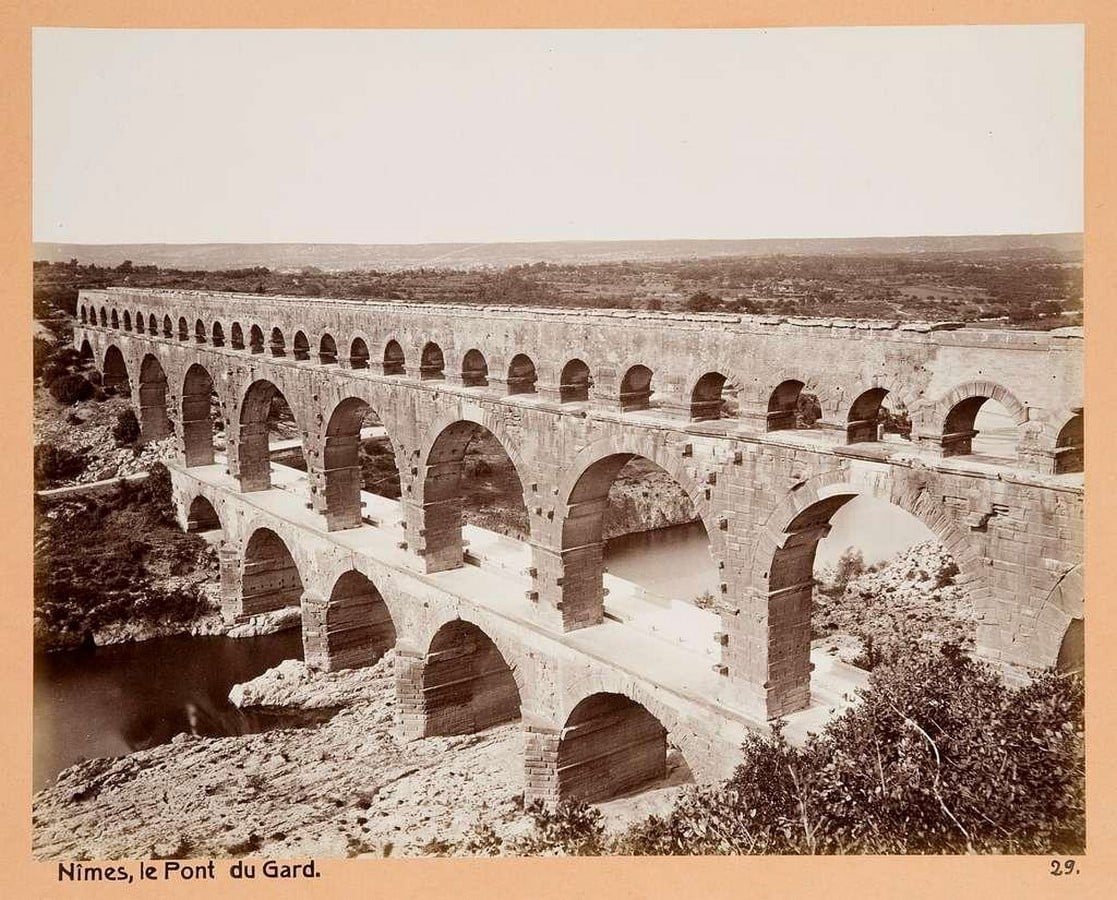
The discussion of Rome’s architectural innovations remains incomplete without quoting their one-of-a-kind invention: aqueducts. While numerous aqueducts populated the entire expanse of the empire, Pont du Gard was the tallest aqueduct bridge ever built as part of a 50 km-long aqueduct from Uzès to Nîmes, and that too during Rome’s golden age. Employing careful precision and geometry, Roman engineers stacked nearly 50,000 tons of dry yellow limestone without any reinforcement to reach a height of approximately 161 feet. Achieving this height was crucial because Pont du Gard lay in the wide and flood-prone valley of the River Gardon, and to safely do so, Roman engineers utilised a multi-tiered stacking design to effectively distribute the immense compressive weight of the structure. The architectural ingenuity was such that the entire 50 km aqueduct maintained an average downward slope of 25 cm per kilometre, allowing water to flow smoothly through gravity alone. Even centuries later, the aqueduct stands tall as a testament to ancient Roman brilliance and innovation in civil engineering.
-
Markets of Trajan
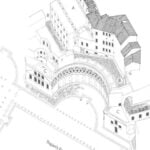
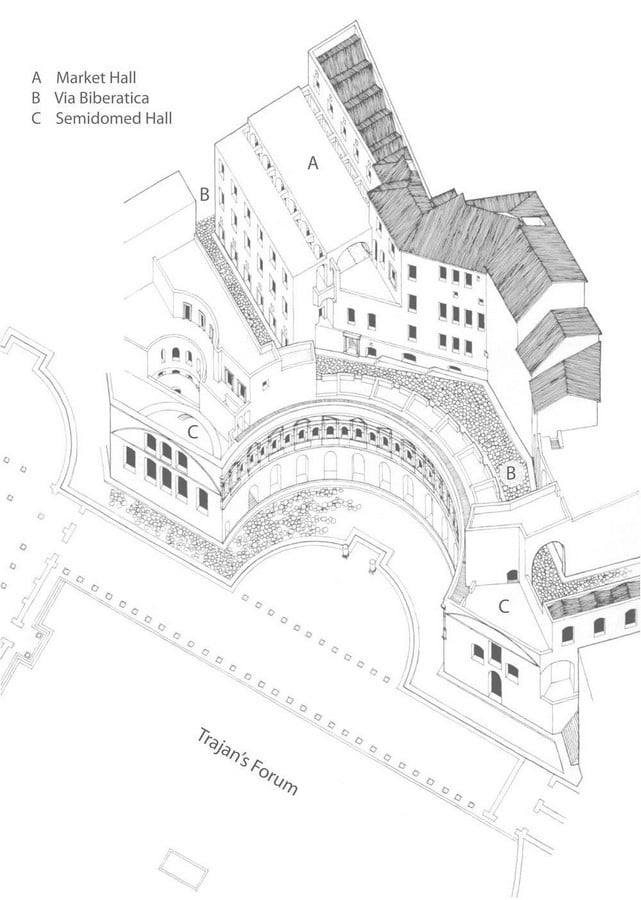
Often referred to as the world’s first shopping mall, the Markets of Trajan were a multi-level, multi-functional complex, housing administrative offices, a courthouse, markets and some important public archives. Boasting a hemispherical facade facing the main square, the six-story complex was directly built into the rock of Quirinal Hill. For its time, the structure was unique in utilising groin vaulting to support the soaring Great Hall, which served as a civic centre of the complex. The building spanned a vast 360 feet by 492 feet, housing 170 rooms for daily shopping, administration and finance.
-
All Roads Led to Rome
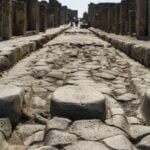
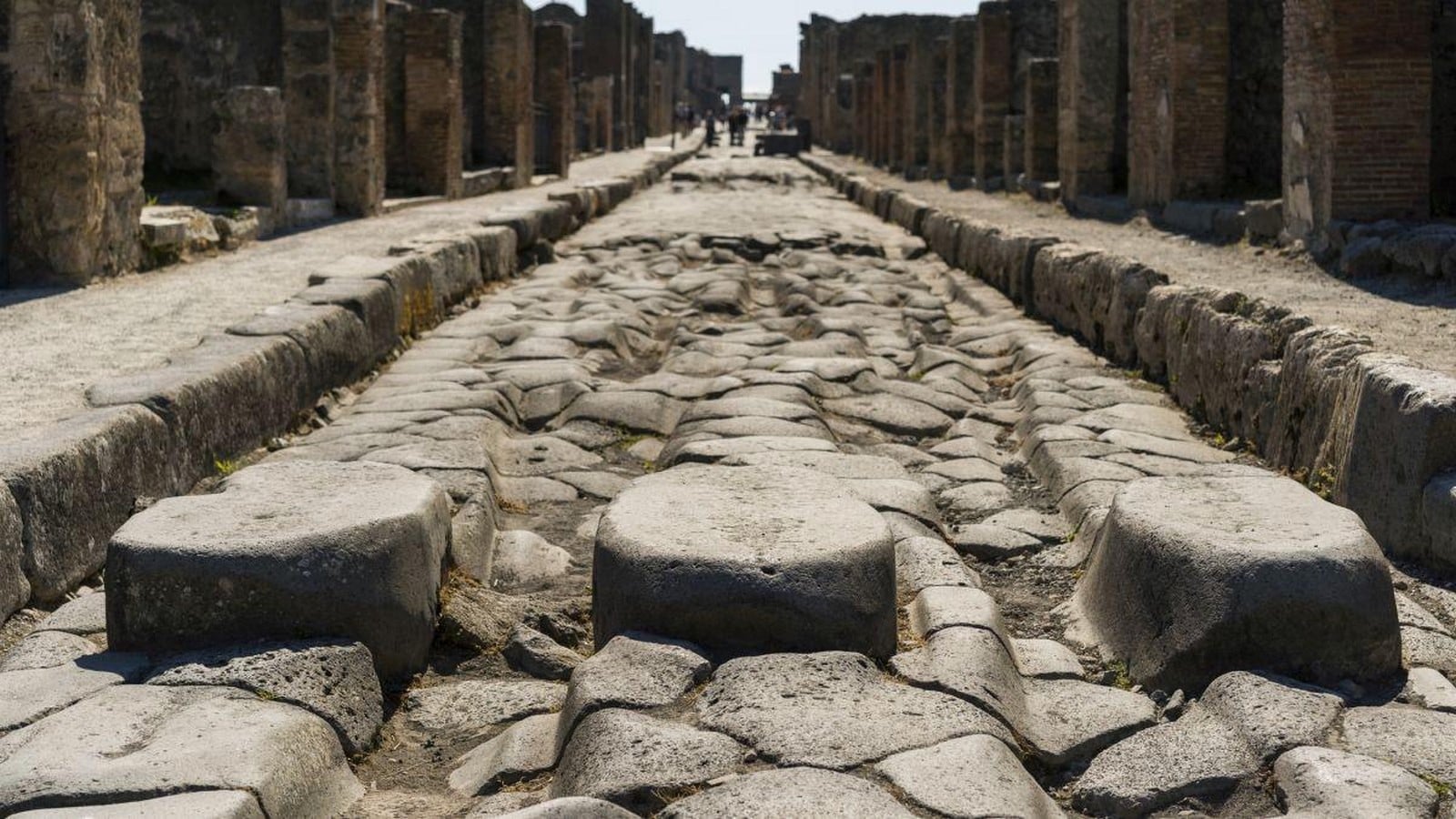
As vast as the Roman Empire got at its maximum territorial extent in its golden era, each distant province of the empire was connected by an expansive network of roads for the first time in human history. Under Emperor Augustus, 50,000 miles of new roads were built that facilitated the movement of military troops, information, goods, people and religious missionaries as Christianity took root. Via Augusta, inaugurated by Augustus, was the longest and most important ancient road in the Iberian Peninsula, stretching more than 900 miles. These new roads and highways took inspiration from previous Roman excellence of combining multi-layered construction and deep site surveying to achieve incredible straightness and durability under travel and rain.
Thriving Art and Civic Life
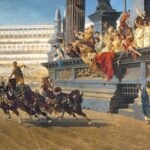
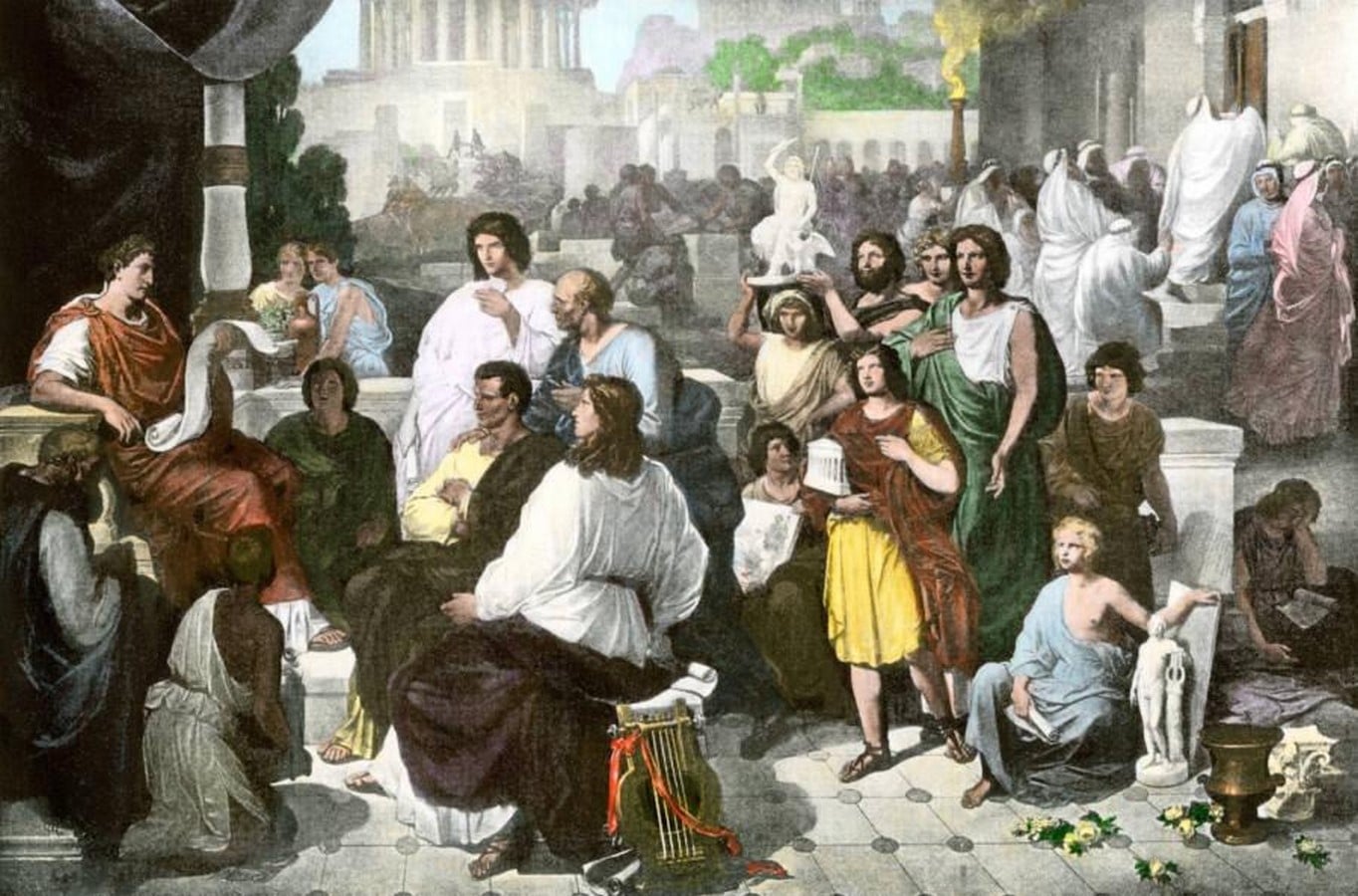
Just as the prolonged period of peace invigorated city growth, it fostered literary achievements and a vibrant urban culture. Public entertainment became central to social life, as people readily gathered in huge amphitheatres, arenas and circuses to relish comedies, tragedies and spectacles such as gladiatorial games, chariot races, theatre plays and mock sea battles, which were proudly hosted by emperors to cultivate civic joy and pleasure. Historians debate whether these entertainment shows were really meant for public entertainment or were merely extravaganzas to establish state control, to garner personal prestige and to mask societal decay. Nevertheless, the people of Rome at the time resorted to these spectacles for a chance at recreation.
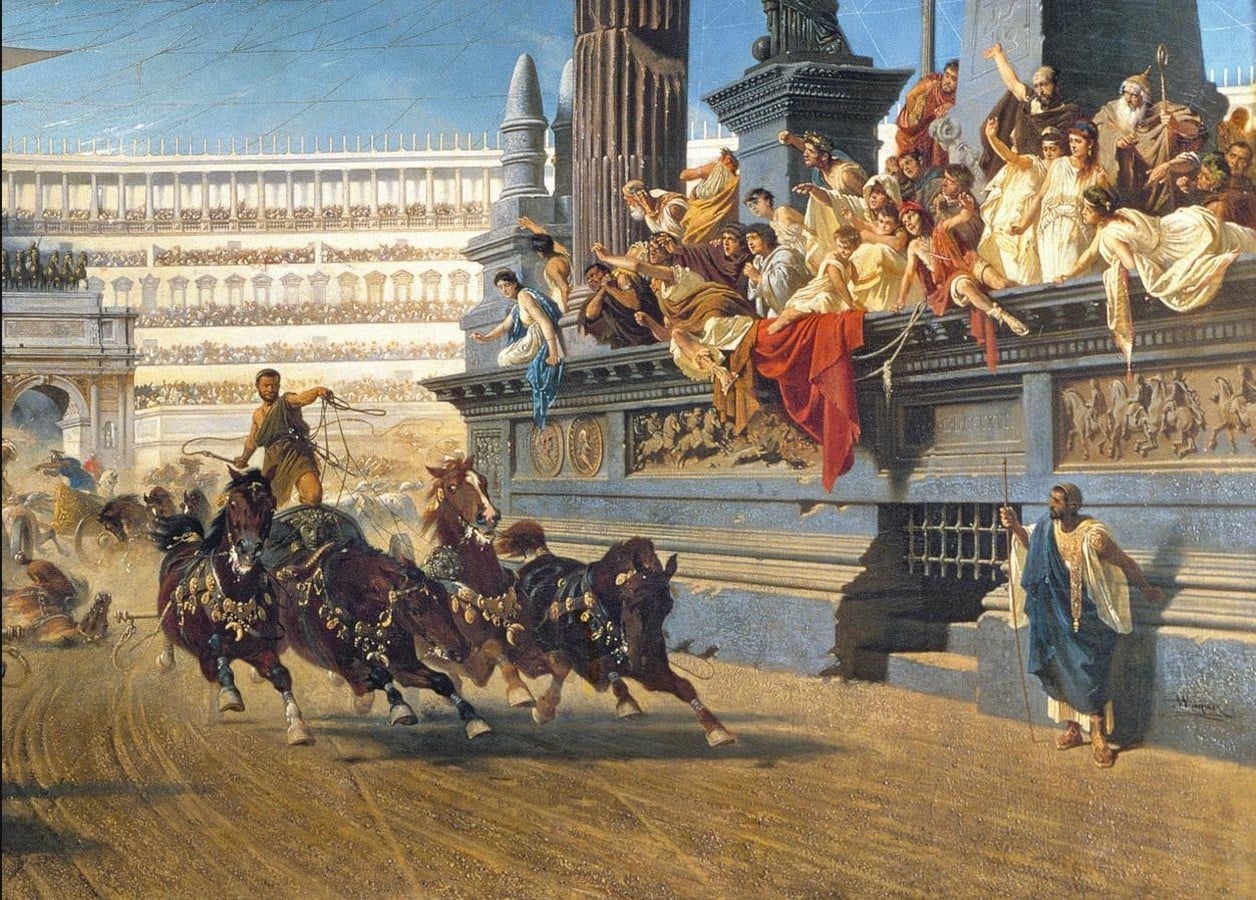
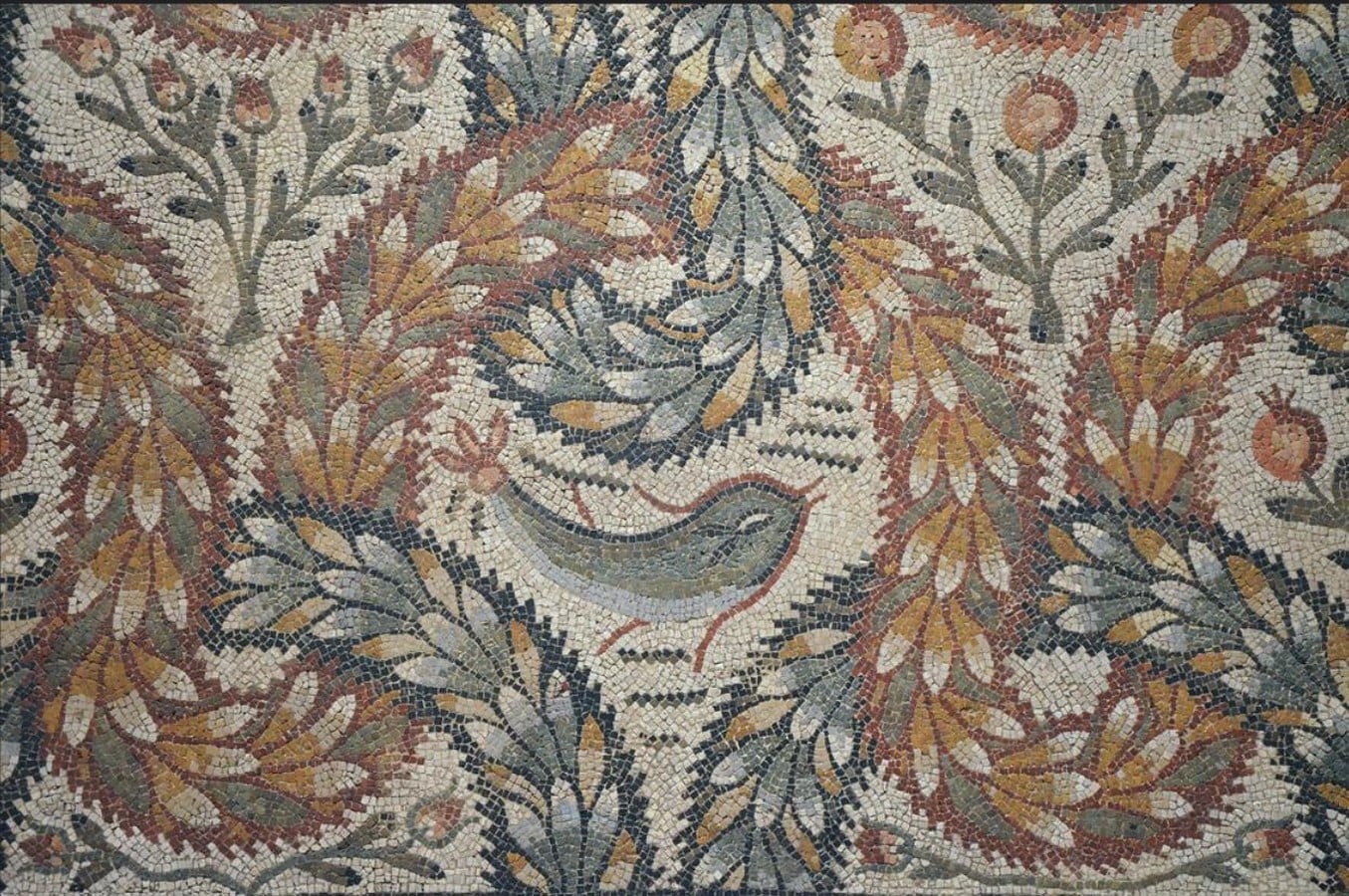
At the same time, great artists, poets and writers of the time, such as Virgil, Horace, Livy and Tacitus, produced influential works which honoured the empire’s accomplishments. Artists and sculptors carved Rome’s history and glory in beautiful mosaics, lifelike statues, altars, arches and columns, inculcating pride and esteem in the people for their rulers and the hope they brought to Rome. Meanwhile, Roman emperors invoked cultural imperialism, spreading Roman hairstyles, clothing, literature and theatre to non-Roman educated elites who were encouraged to adopt Roman citizenship and serve in the Roman state.
A closer look at history reveals that political strife, chaos and unrest never departed Rome. Even during its golden age, Rome’s progress was partly hampered by the incompetence of erratic rulers because of the absence of a formal succession system. But what made this era unique was relative peace, stability and prosperity, which let Rome thrive, and with the architectural ingenuity its people put forth, it left behind some of the enduring structures and legacies for it to be remembered earnestly in today’s day and age.
References:
- Augustorum, C. (2023). Trajan: Rome’s optimus princeps and architect of empire. [online] Medium. Available at: https://medium.com/@codexaugustorum/trajan-romes-optimus-princeps-and-architect-of-empire-549569e3ba8a [Accessed 06 Oct. 2026].
- Becker, J. (2017). Forum and Markets of Trajan. [online] Khan Academy. Available at: https://www.khanacademy.org/humanities/ap-art-history/ancient-mediterranean-ap/ap-ancient-rome/a/forum-and-market-of-trajan [Accessed 10 Oct. 2026].
- Irvine, A. (2021). Trajan’s markets. [online] History Hit. Available at: https://www.historyhit.com/locations/trajans-markets/ [Accessed 10 Oct. 2026].
- Irvine, A. (2023). Pax romana: Rome’s golden age. [online] History Hit. Available at: https://www.historyhit.com/pax-romana-romes-golden-age/ [Accessed 06 Oct. 2026].
- Klein, C. (2021). How ancient Rome thrived during Pax Romana. [online] HISTORY. Available at: https://www.history.com/articles/pax-romana-roman-empire-peace-augustus [Accessed 06 Oct. 2026].
- Millar, B. (2022). Pax romana: A detailed summary – history crunch. [online] History Crunch. Available at: https://historycrunch.com/pax-romana/ [Accessed 06 Oct. 2026].
- Pont du Gard: Masterpiece of Roman Engineering. (2025). [Video] Directed by StoneEchoes. YouTube. Available at: https://www.youtube.com/watch?v=GOCUjgFB1aY [Accessed 09 Oct. 2026].
- Redaktion (2025). The colosseum in Rome: A wonder of the ancient world. [online] Vivere in Italien. Available at: https://vivereinitalien.de/en/the-colosseum-in-rome-a-wonder-of-the-ancient-world [Accessed 09 Oct. 2026].
- Roos, D. (2025). The surprisingly vast reach of ancient roman roads | HISTORY. [online] HISTORY. Available at: https://www.history.com/articles/ancient-roman-roads-network [Accessed 09 Oct. 2026].