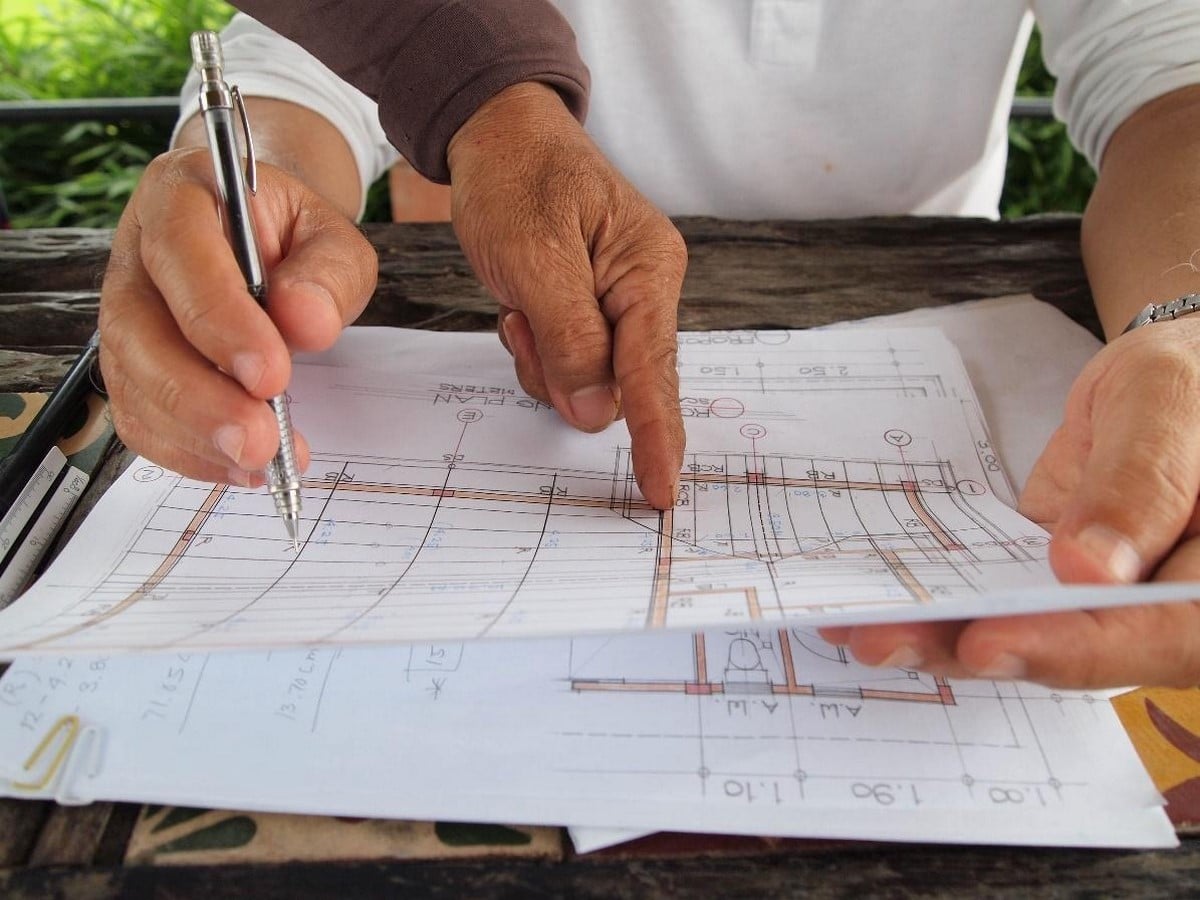
Well, the architect usually starts his/her day with an idea which he/she wants to sketch, then he/she finds him/herself reviewing the work of his/her colleagues, responding to clients, distributing tasks, all while trying to solve a problem which delays the turn-in. The day ends without ever touching his/her notebook; the scene repeats itself, over and over, until he/she feels that the position he/she has reached owing to his/her creativity is taking him/her away from the design. The leadership of the architectural design team faces a critical question: how can they help others present their best ideas? While maintaining consistent progress on his/her own ideas as well. The answer requires looking into the way work is managed, the available space for each individual, and the time which the leader saves for him/herself to still continue learning and experimenting. (Amabile, et al., 1996) Image1

Does every line need your approval?
The design team leader may think that reviewing every little detail him/herself is the best way to ensure the quality of the project, that everything must be modified: the entrance, the room distribution, façade paints, in hopes that most of the small decisions are tied to his/her approval. And with time, the colleagues await their guidance before trying out any solution, while his/her day is spent in corrections and follow-ups. To mitigate this, the team needs a design vision understood from the start. If all that is required is privacy and natural lighting, then the leader can explain the importance of these two goals, and then allow colleagues to suggest different solutions. That’s how everyone knows what they’re searching for, and before them is room to think. (Zhang & Bartol, 2010)The leader can then keep the direction of which the project is headed, without having to sketch every part of it, or turn other people’s propositions into duplicates of his/her initial idea. It can be agreed that each colleague will develop two alternatives, explain the advantages of each, and then choose the most appropriate solution for the project objectives together.
The Design Review team can assist if it becomes a discussion in which the Design Team understands the motivation for the decisions. That instead of the leader saying that the entrance requires change, asks how the visitor can get to it, and whether he can easily distinguish it, in addition to anything that may obstruct his movement. With these questions, the suggester learns how he/she can examine as well as develop his/her solutions. (Edmondson, 1999) Then he/she makes his/her decision, while the next step stands clear, so that the discussion does not return to the beginning in the next meeting. The team also needs to know what decisions they can make without the necessity of consulting the group leader. This may help reduce the waiting for approvals. The leader makes time for issues that require his/her competence, as well as time to sketch and experiment. He/she is still responsible for the outcome, as are his/her colleagues who were involved in reaching it. Image 2
Bjarke Ingels: How do you lead an idea without monopolising it?
When someone from the Design Team proposes a different idea, the team leader may be inclined to modify it at once for it to grow closer to his/her personal vision. But what if it actually was worth pursuing? Bjarke Ingels Group — BIG shows that suggesting an idea is available for everyone, and that its choice depends merely on the reasons for its strength, regardless of its proposer. Idea Generation allows the presentation of different possibilities to be raised during idea generation. and then they would be thoroughly inspected when choosing. (Bjarke Ingels Group, n.d.) In this way, the leader remains engaged with the team with his/her creativity and expertise while giving others a real opportunity to contribute. As he/she discusses, compares, and helps develop proposals, without needing to begin with each concept. Instead of everyone speculating about what their leader will prefer, the design meeting becomes a chance to find a fresh solution.
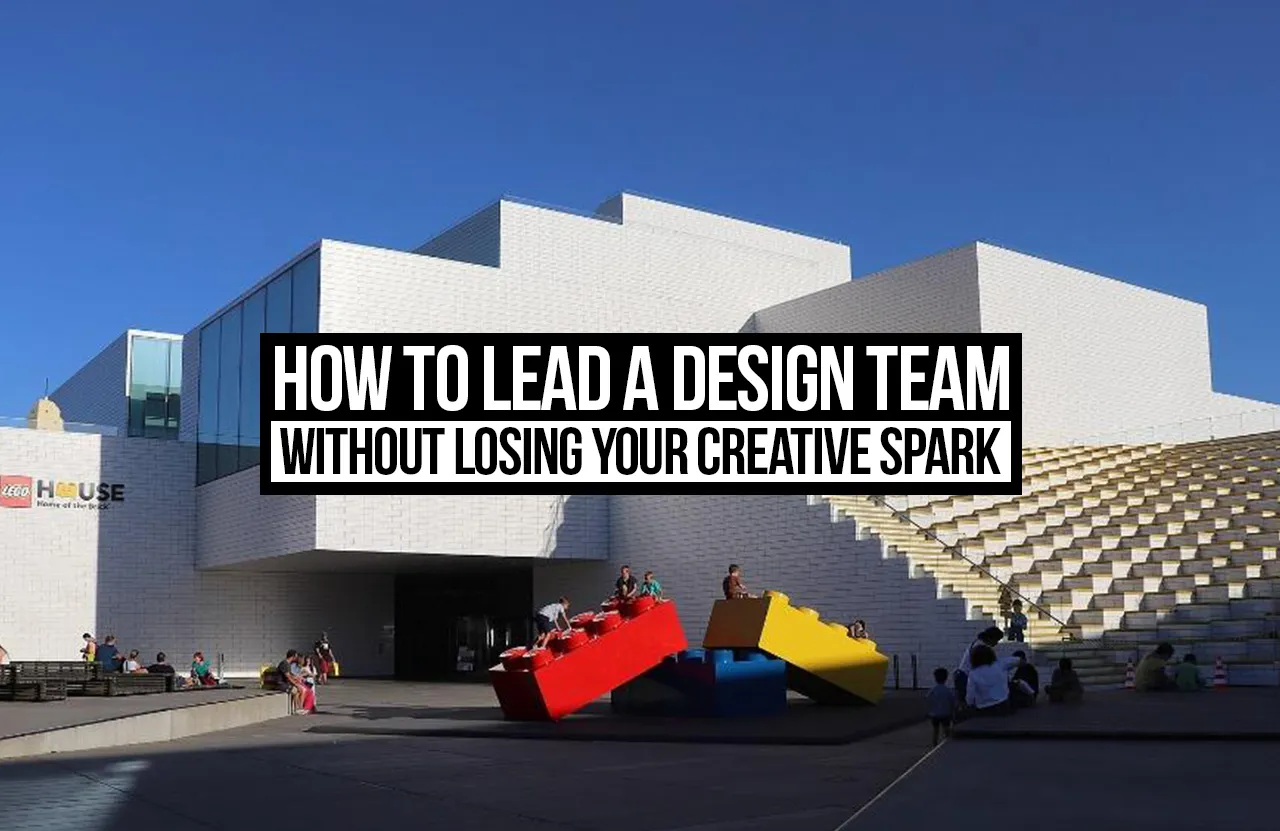
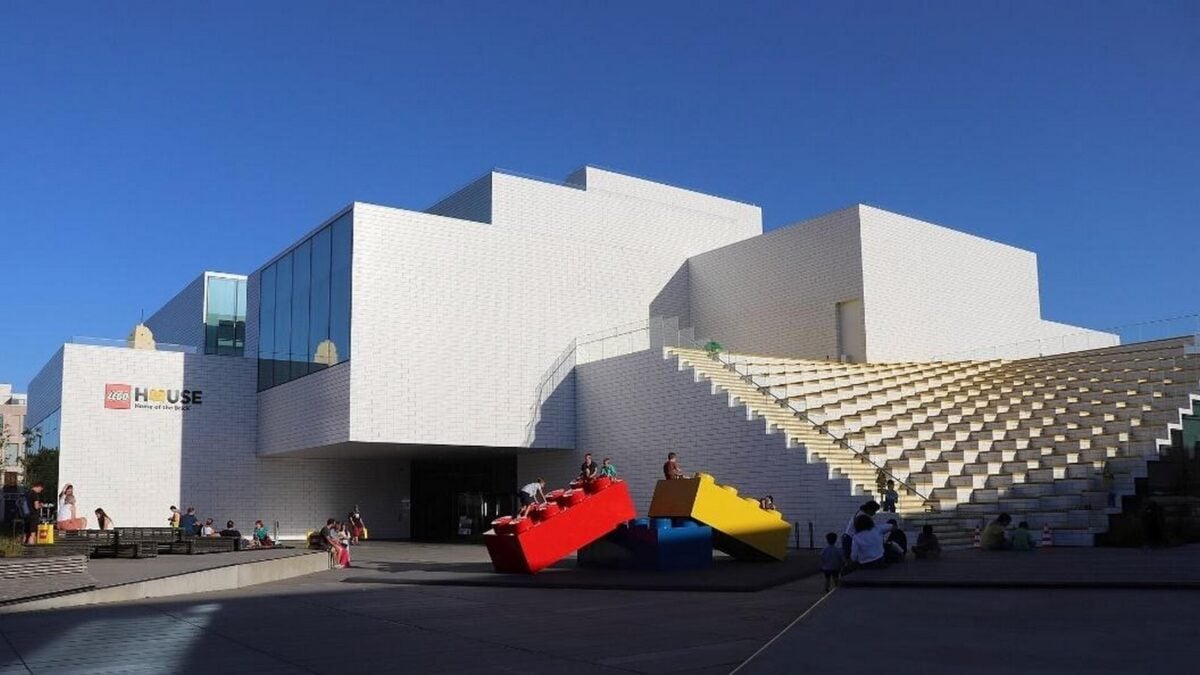
LEGO House in Denmark presents an example that helps understand this. Before designing the project, Engles and his colleagues spent time playing and building with LEGO brick pieces. (The LEGO Group, 2017) The leader tested with his team and dealt with the material from which they drew inspiration to build. This can be used to understand the beginning relationship between leadership and creativity. When a design team leader participates in the testing, they stay close to the delight of discovery that drew them to this very profession, while allowing their colleagues to participate in the search for a solution. This can be done in the office by setting aside a sketch or model-making session, during which the leader presents his/her own possibilities as well as the potential of others. He/she then uses his/her expertise to help the team choose what is worth developing, while still owning the willingness to adopt an idea that is better than his/her own. Image 3
Norman Foster: Who carves out time for you to design?
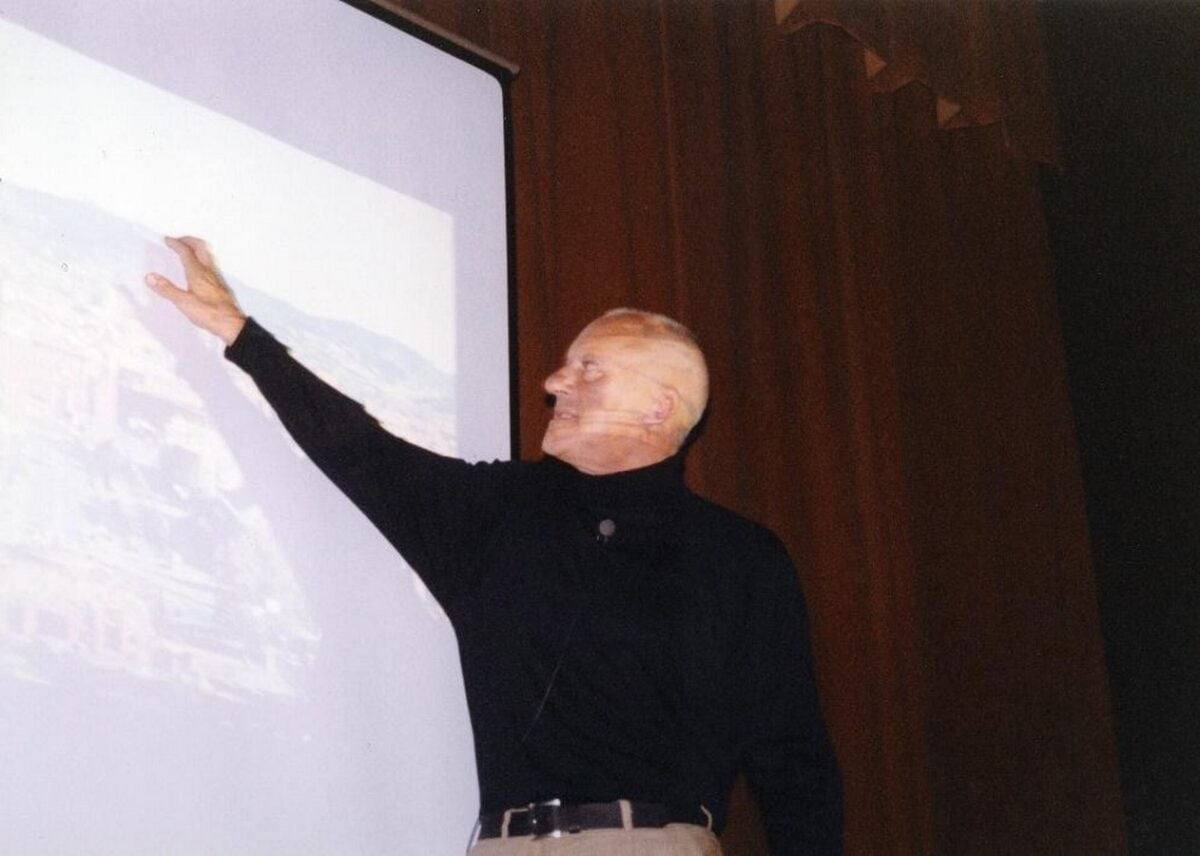
Norman Foster’s experience proves that conserving design time may need to change the way the office is managed. Norman Foster’s foundation mentions that one of the goals of the reorganisation of his practice from 2006 onwards, was to relieve him of his detailed management responsibilities, so that he could focus more on design. (Norman Foster Foundation, n.d.) This is an intriguing point to any design team leader: if the daily follow-up consumes all the working hours, it wouldn’t do to wait for a quiet time to come on its own. Delegation helps to save this time; it distributes specific responsibilities to people who are able to handle them, while setting clear deadlines for reviewing results. Small offices can take advantage of the same principle, to match their size and potential, by reducing one-person decisions and reserving regular time for design work
In the end, the Design Team leader needs to consistently practice what he/she preaches to others: thinking, questioning, experimenting with alternatives, and accepting that the first proposal may need to be changed. He/she can maintain this ability by dedicating time to sketching, visiting buildings, reading, and discussing ideas yet to be turned into projects. Then he/she returns to his/her team with what he/she has learnt, while listening to what the colleagues have discovered as well. When everyone finds an opportunity to participate, the possibilities of how far the project may reach expand vastly and then the leader becomes an inseparable part of the discovery. His/her joy in design continues once he/she sees the influence of his/her expertise on teamwork, while still having room to test his/her ideas with his/her own hands. Professional advancement can then add to his/her creative experience and give him/her new motives to keep going. Image 4
References:
Amabile, T. M. et al., 1996. Assessing the work environment for creativity. Academy of Management Journal, 39(5), p. 1154–1184.
Bjarke Ingels Group, n.d. Careers: Design process. [Online]
Available at: https://big.dk/careers
[Accessed 1 11 2026].
Edmondson, A., 1999. Psychological safety and learning behavior in work teams. Administrative Science Quarterly, 44(2), p. 350–383.
Norman Foster Foundation, n.d. Norman Foster Sketchbook Volume VII. [Online]
Available at: https://normanfosterfoundation.org/publications/norman-foster-sketchbook-volume-vii/
[Accessed 1 11 2026].
The LEGO Group, 2017. LEGO House: Billund, Denmark. LEGO Architecture 21037 information booklet. s.l.:The LEGO Group.
Zhang, X. & Bartol, K. M., 2010. Linking empowering leadership and employee creativity: The influence of psychological empowerment, intrinsic motivation, and creative process engagement. Academy of Management Journal, 53(1), p. 107–128.
Image 1Fring, G. (2020). Men reviewing architectonic plans together [Photograph]. Pexels. Available at: https://www.pexels.com/photo/men-reviewing-architectonic-plans-together-6285157/ [Accessed 1 November 2026].
Image 2: Reyes, A. (2017). Planning over blueprints [Photograph]. Pexels. Available at: https://www.pexels.com/photo/planning-over-blueprints-465118/ [Accessed 1 November 2026].
Image 3: Otrębski, A. (2022). Billund Lego House 01 [Photograph]. Wikimedia Commons. Available at: https://commons.wikimedia.org/wiki/File:Billund_Lego_House_01.jpg [Accessed 1 November 2026].
Image 4: LSE Library (2001). Norman Foster, 2001 [Photograph]. Wikimedia Commons. Available at: https://commons.wikimedia.org/wiki/File:Norman_Foster,_2001.jpg [Accessed 1 November 2026].