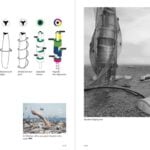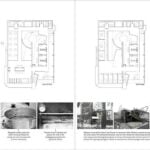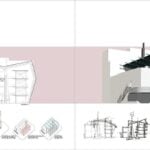
An architectural portfolio is an illustration of your skills, knowledge, expertise and creativity through the presentation of the projects accomplished during your years of architectural learning and experience. From successfully pitching a project to a juror to building an architectural portfolio that gets you hired, the ball is in the court of communication. Between the employer and the employee, an architectural portfolio is the link and, whatever the nature of the projects, hiring depends on how effectively you communicate your ideas because that is what makes its mark. Here are some tips to follow if you are planning to build one for yourself:
Where to Begin
If you start building your architectural portfolio as a catalogue of your projects, then you are already making the first mistake. Your portfolio needs to narrate a story that structures your entire stream of work. This story should highlight the essence, meaning and impact behind each listed project. This approach will grab the employer’s attention and will let you stand out among other commonplace portfolios.

As you build the foundation of your architectural portfolio, the next crucial step is to carefully think about how many and which projects you should include. Contrary to popular understanding, there is no need to include most of your projects. Employers are not interested in your project history; instead, they look for examples that show the value you can add to their practice. In this case, select your best work which is relevant to your intended application and aptly conveys your approach and design philosophy. These projects can be about presenting your specific skills, or can illustrate your passion or the values of the design practice you are applying to. Support these projects with compelling imagery and drawings. Lastly, represent your hard skills and creativity equally, because the firms need to see how you balance the two to get their projects moving.
Building a Template
A cohesive, professional-looking architectural portfolio is most likely to make an impression because it ensures readability and understanding, making it easy for the employer to grasp your skills. Before you start adding your projects, choose a template to guide the placement of your images, drawings and text in a hierarchical, organised fashion. This template will also include uniform font styles, appropriate font sizes, colours and patterns that will be repeated across the portfolio from the cover page to the last project, visually anchoring the work in a common identity. Follow a consistent grid system for harmony and maintain a perfect balance of images and negative space to prevent confusion, because an incoherent portfolio with a random arrangement of text and visuals lacks readability and can easily take away the interest of the employer.
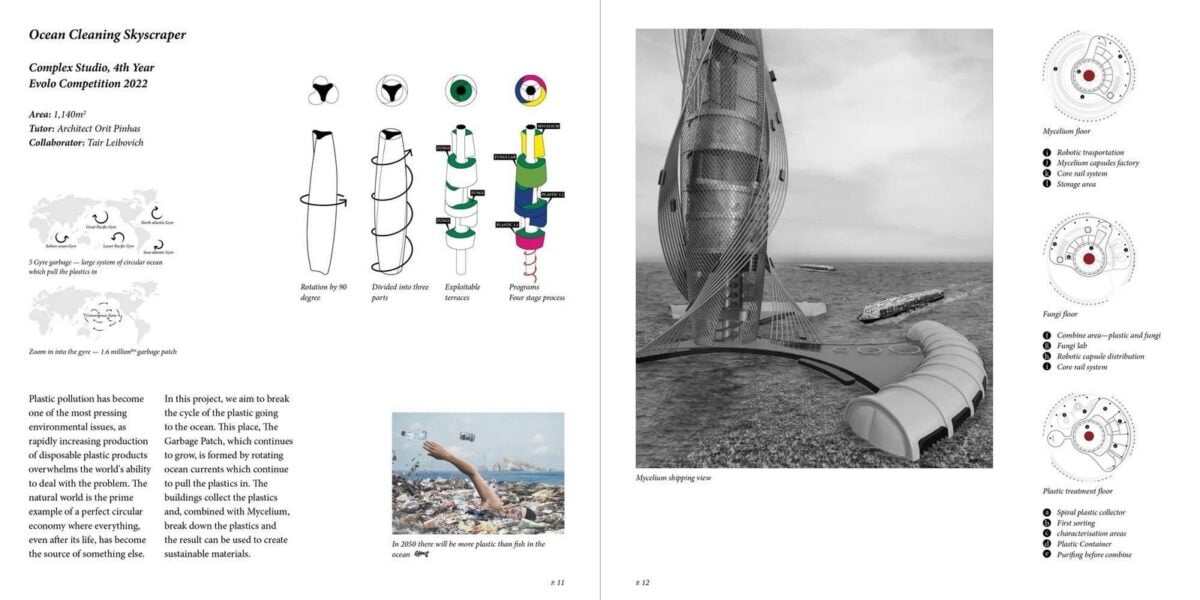
Moreover, a table of contents should come right after your cover page because it outlines the scope of your work for the employer and allows them to easily navigate ahead. For each project, add important images which deliver some meaning and purpose to the narrative, eliminating every other detail which will make it difficult to ascertain your knowledge and skills. Each image that you add in your architectural portfolio must be accompanied by a focused narrative- a few bullet points or a short paragraph indicating the purpose of that image. Last but not least, your concept and design philosophy are of utmost importance for any showcased project, which tells the employer about how you uniquely approached certain situations or solved particular problems, and they must be emphasised.
What to Avoid
In addition to things that need to be implemented in order to build an effective architectural portfolio, there are some things that need to be clearly avoided. One of them is certainly giving up on adding images just because you like them because every image individually needs to attach meaning and purpose to the project wholly. Loads of images and renders are not what make your portfolio stand out, but it is the small real-time details and your role in and response to the project, with small stories and descriptions, which will inform the employer about your value and expertise. A variety of formats, e.g. perspectives, plans, 3D photographs, and construction details, will help explain the project in contemplative detail. Moreover, try to abstain from adding too much text because that makes the story feel boring, and no employers are interested in reading bodies of text; rather, they are interested in short and precise glimpses of information such as concise image captions explaining project goals, design challenges and innovative solutions implemented.
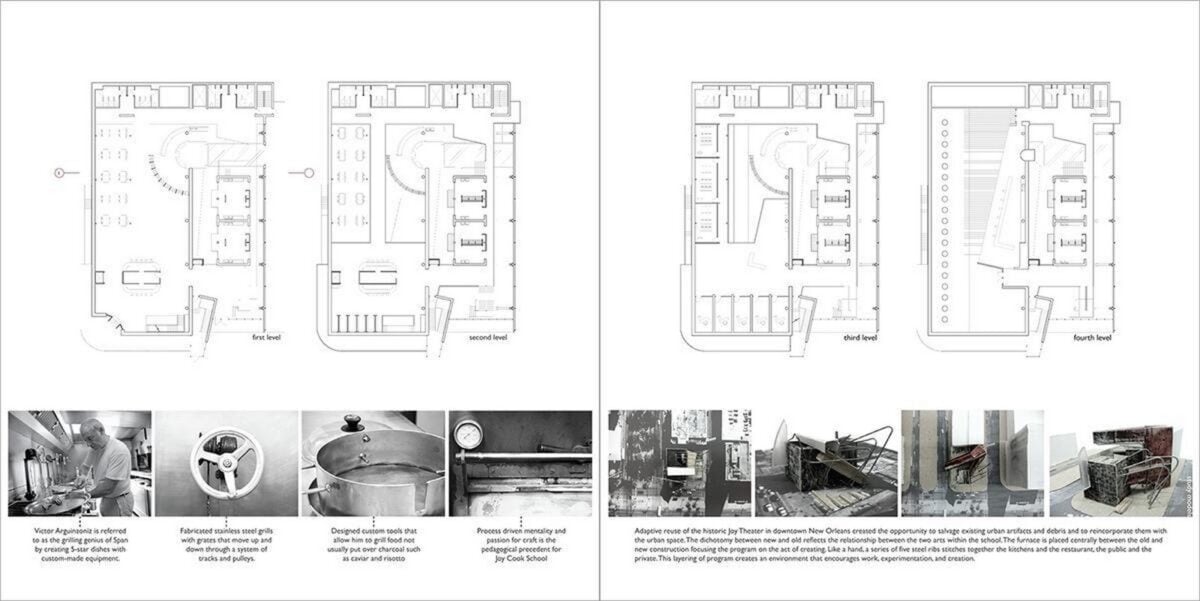
Owning Your Portfolio
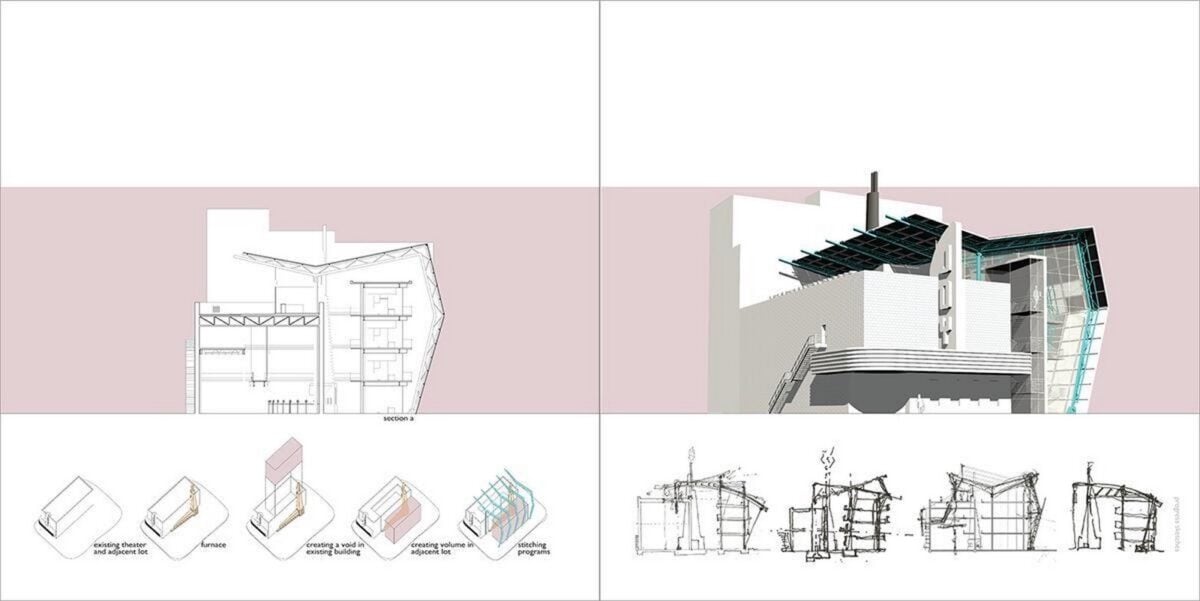
An architectural portfolio that gets you hired must transcend mere rules and regulations of arranging things here and there. It should reflect your creative journey through a communication style unique to you, which narrates your story. Reveal your problem-solving approach and your architectural potential through the listed work. Focus on the creative process and not just the solution itself; include concept sketches, zoning diagrams, physical models and preliminary attempts that offer the employer a glimpse into the opportunities and constraints of the project and how your design managed to capitalise on them. You must make your portfolio distinctive by adding your personal flair to it and exploring options that permit vivid and thorough communication of your ideas and potential.
References:
- AHMEDSALEH938270 (2025). The making of an architectural portfolio. [online] Slideshare. Available at: https://www.slideshare.net/slideshow/the-making-of-an-architectural-portfolio/284013432 [Accessed 28 Oct. 2026].
- Borson, B. (2017). Architectural portfolios | life of an architect. [online] www.lifeofanarchitect.com. Available at: https://www.lifeofanarchitect.com/architectural-portfolios/ [Accessed 28 Oct. 2026].
- How to Create an Architecture Portfolio | Everything You Need to Know! (2021). [Video] Directed by D. Lee. YouTube. Available at: https://www.youtube.com/watch?v=-hdmy7cK6cI&t=49s [Accessed 28 Oct. 2026].
- Johnson, J. (2024). Creating a stunning architecture portfolio: A step-by-step guide. [online] ArchAdemia. Available at: https://archademia.com/blog/creating-a-stunning-architecture-portfolio-a-step-by-step-guide/ [Accessed 28 Oct. 2026].
- Preparing Your First Architecture Portfolio. (2020). Available at: https://www.riba.org/media/j25kzodi/preparing-your-first-architectural-portfolio-2020pdf.pdf [Accessed 28 Oct. 2026].