Architecture is often defined as a process of creativity, imagination and passion. And for many students, that passion develops long before they get into architecture school. People are inspired by the idea of designing spaces, by exploring how people interact with a building, and by making something that exists only as a thought in their minds tangible and real.
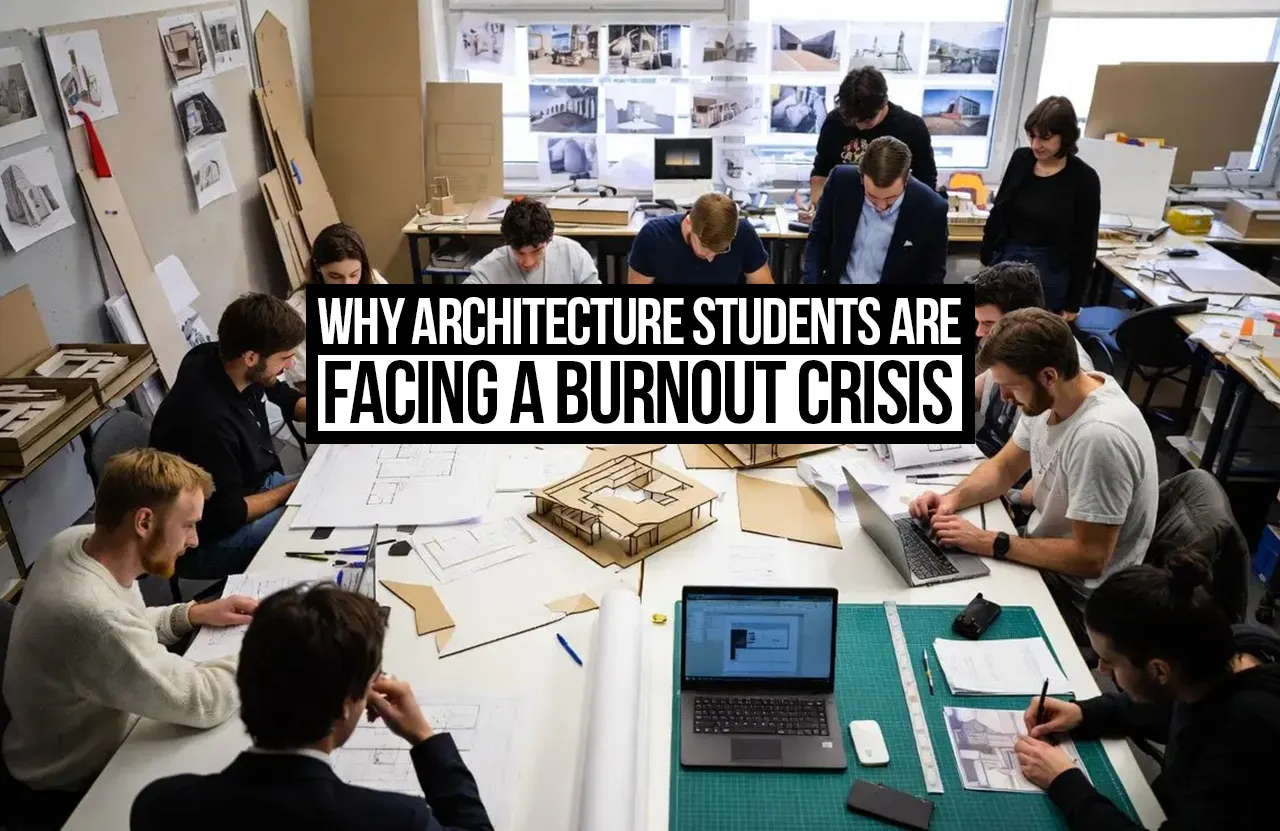
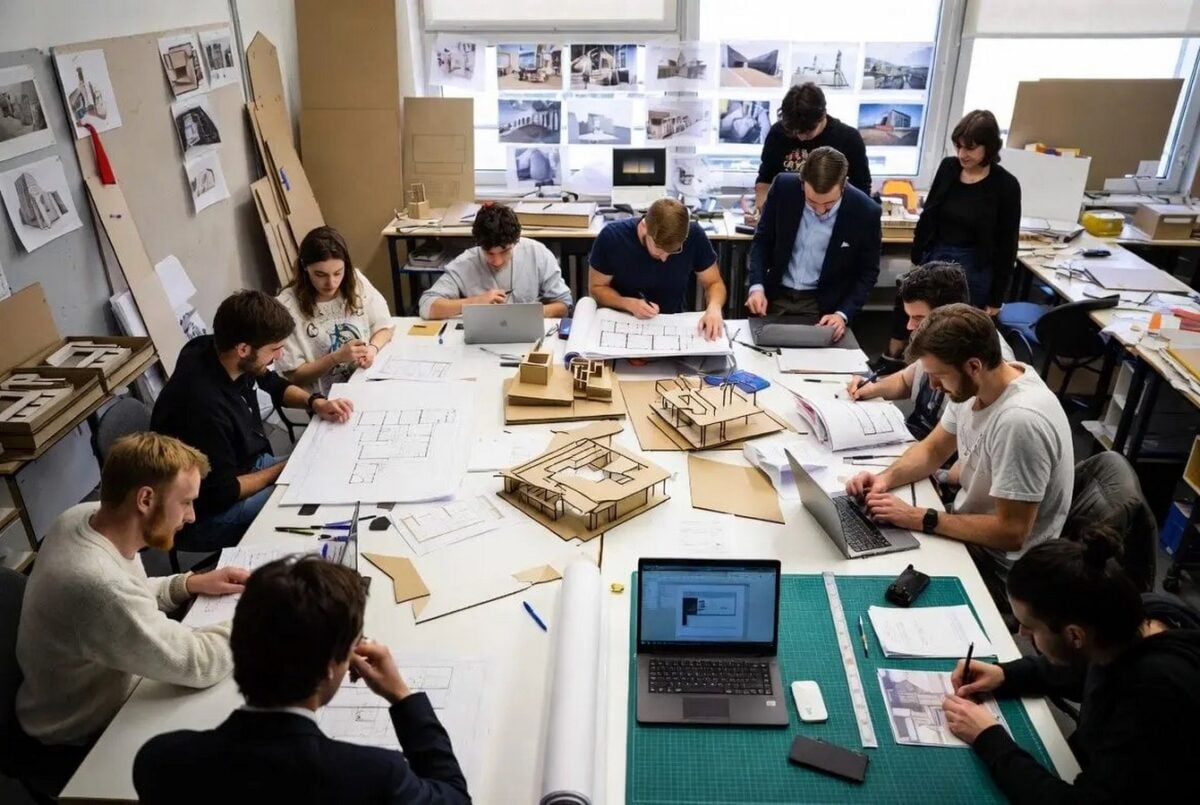
Architecture school may also wear you down in ways you cannot quite explain to someone who isn’t an architect; it is not simply about taking classes, completing homework, or getting ready for exams. You have drawings to make, models to build, software to learn, presentations to prepare and juries to endure. There is always another sheet to work on, another correction to do, and another deadline.
Somehow, it’s almost like being tired has become a staple part of being an architecture student.
The problem is people shouldn’t mistake commitment for hard work. If working late every night and a pinch of laziness look the same to you, then something is wrong. Architecture students are not exhausted because they don’t care; they are burnt out because they have been performing at such a high capacity for so long.
You’re Never Really Off The Clock
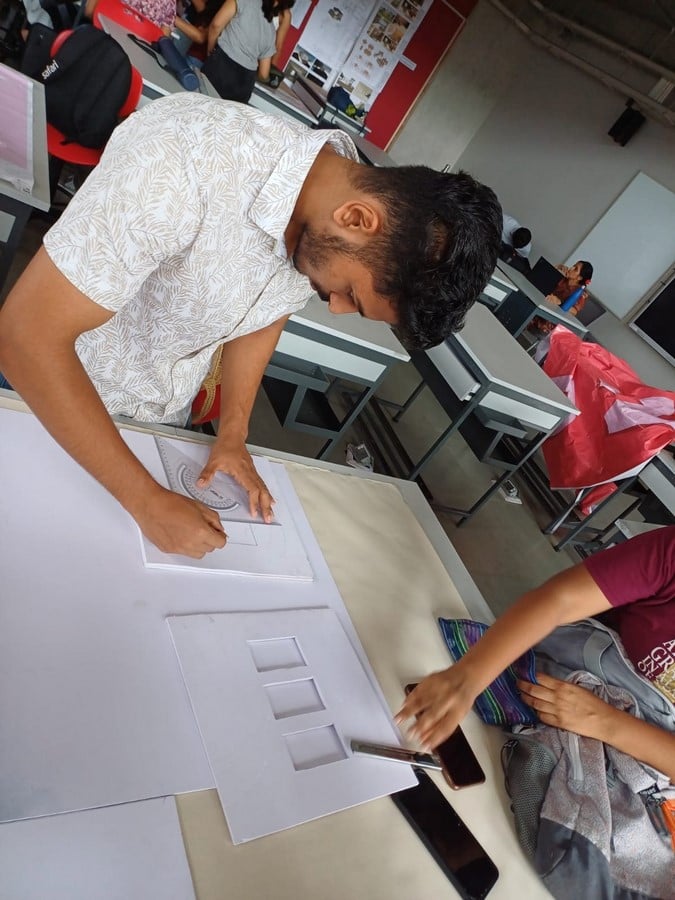
The primary culprit of burnout in architecture students is the climate of the studio; for many, academic courses have a start and end that are well defined, but architecture projects often appear to be never-ending.
A project may start with a simple brief, but quickly there’s site analysis, concept development, plans, sections, elevations, models, diagrams, structural decisions, material investigations, renders, and presentation boards, and even when there is still something to be changed. The studio always remains incomplete.
A student might work for hours on a drawing just to realise that during the review the entire approach must be altered. A model that he had been working on all night suddenly becomes useless as the idea has evolved. A presentation that seemed to have been finished yesterday could need a complete redesign as the jury arrives tomorrow.
The net effect of this is a strange and somewhat distorted relationship with time. Students begin to assess their days in terms of submission deadlines, rather than in terms of hours. It is common for students to get into the habit of sleeping two or three hours before the “deadlines”. Meals are skipped because “there’s still one more sheet to complete”. Weekends become additional studio days.
The technology has also made this culture more complex. Even as software makes it easier for us to create ever more intricate work, it also raises the bar. The more a student learns to create convincing renderings, diagrams and animations, the higher the standard for their presentation becomes. Learning one piece of software inevitably leads to another.
There is always something more to learn. There is always another way to improve.
That means that architecture students constantly feel like they are failing, even though they have been working constantly.
When Passion Turns Into Pressure
Because most students do love doing their work, it makes burnout even more complex in architecture.
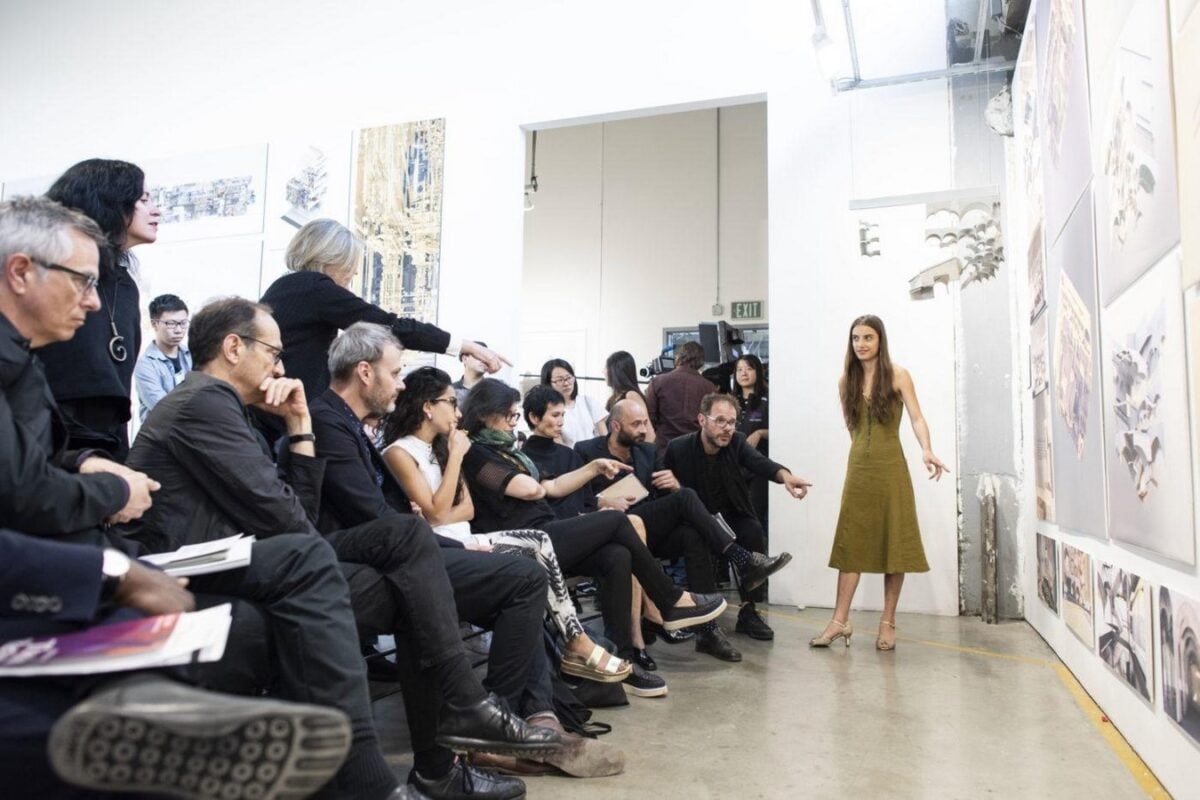
Architecture is not just a subject that students have to cover. It can get very personal. A project may mean months of thinking, researching, drawing and experimenting. When you criticise the project, then you can often be criticised for criticising the student himself.
It is there that pressure can slowly grow into passion.
However, the perception that overworking is a demonstration of commitment can develop when students receive positive feedback for working tirelessly through the night and undertaking assignments at the last minute – a tacit assumption that the top tier of architecture students are those who are prepared to sacrifice everything to complete their work. This is not always the case with creativity.
An exhausted mind won’t necessarily improve your architecture. There are times when leaving a drawing to sit for a few hours will help you spot its flaws, and there are times when a good sleep will fix a design issue that you had been convinced was insoluble by 3 a.m.
There is also a compulsion to constantly demonstrate that something is improving. With each semester comes a new project, a new software skill or a new requirement. They examine someone else’s end-of-year portfolio and compare it to their own first-year work and wonder why they are not there yet.
Design becomes more pressured when it is a mirror of a student’s own ability or talent. Here, if a student produces an unsatisfactory piece of work, it might feel as though the student has failed. Thus, it becomes challenging to separate the individual from their grades.
The Comparison, Competition and Perfection Trap
To put it very simply, the architecture school is extremely competitive even if nobody actually says so.
Students get a chance to see one another’s models, drawings, portfolios and renders daily. Now social media comes into play, and this opens another whole dimension of comparison. All a student needs to do is log on to their Instagram accounts, and they can see right away the well-rendered projects, the snap model shots, the competition entries and the incredible portfolios from students all around the world.
What happens underneath those photographs is something one cannot see.
We never see the ideas that died, the wrong models, the rough drawings, the bad renders, or the nights somebody just wanted to give up. All we see is the final product.
This can lead to an illusion of what an architecture student should be.
It is as if there is an expectation that you are good at everything. You should be able to draw well and be able to render. You should be able to produce physically satisfying models, be able to deal with construction, look good whilst speaking confidently and know a handful of software packages. However, at the same time you need time for your internships, competition entries, a portfolio and a life outside of college.
Perfection is the goal, although architecture is an iterative process.
Similarly, the fear that what we produce might not be “good enough” can mean that students spend much longer than necessary on their project, as they may spend hours changing the line weights, changing the colours, fixing the renderings or rearranging the presentation board just because the final product doesn’t look exactly as the drawing in their head.
Almost the moment the student stops doing their work because they love to do it, they begin doing it because they fear the results.
That’s where burnout crossed over into the abnormal.
Redesigning Architecture School for Human Beings
You cannot fix burnout with a “time management” seminar. Although time management may be of some help, it cannot overcome a cultural attitude that considers an excessive workload to be normal; if students have to give up their sleep each time a deadline arrives, altering individual habits will have only limited effect.
The way in which architecture is taught should think again about the things it considers important.
One should not automatically regard long working hours as proof of dedication. A student who puts in careful work and at the same time keeps a healthy routine should not be seen as less committed than someone who remains in the studio until morning.
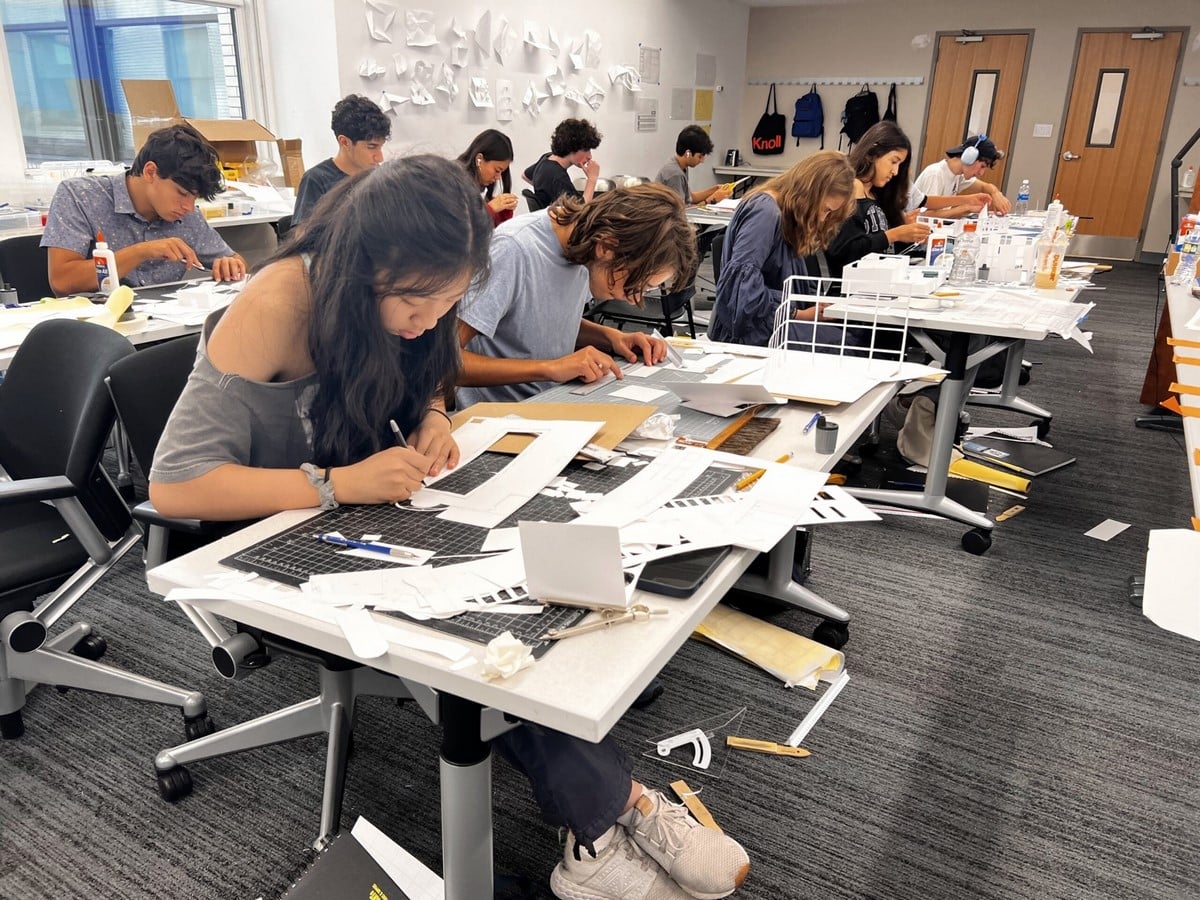
Juries and reviews too can take on a more constructive approach. Although criticism is an important element of architectural education, students must realise that when their projects are criticised, it does not mean that their abilities or personal value are in any way being criticised. The studio should be a place in which experimentation and failure can occur.
Most importantly of all, rest should not be seen as something that students only earn once they have finished their work.
At the end of the day, architecture is concerned with people; we build homes, schools, hospitals, streets, and public areas for human use. It does seem contradictory that an education aimed at preparing students to design with human wellbeing in mind should at the same time ignore the wellbeing of the students themselves.
Architecture students will always have tight deadlines. Since design always involves making revisions, experiencing failure and working long hours, this is simply part of the discipline. It is not the aim to get rid of the difficulty in architecture school.
We should aim to ensure that the challenge is not undertaken at the expense of the person carrying out the work. Maybe architecture school doesn’t require students who are able to endure the most sleepless nights; perhaps it needs students who can stay curious, creative, and passionate without destroying themselves in the process. Because burnout should not be the price of becoming an architect.
References:
- Xie, Y., Yaqoob, A., Mansell, W., & Tai, S. (2021). A qualitative investigation of stress related to studying architecture at degree level in the UK. [Accessed: 29th October 2026].
- Abdulwahhab, M. L., Jbur, A. Q., & Hussein, A. G. (2025). Perceived Academic Workload and Its Impact on Burnout among Architecture Students. [Accessed: 29th October 2026].