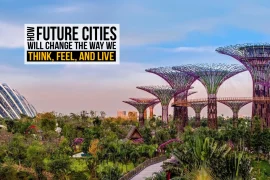
Architecture, being both an art form and a science, has a significant impact on how we live, work, and interact with our environment. Architecture is more than just building structures; it is about designing settings that promote connectedness, functionality, and sustainability. It serves as the template for cities and towns, impacting the quality of life and having a long-term influence on society

The optimal use of space and resources inside cities is addressed by urban planning, which is an important part of architecture. Architects and urban planners collaborate to create sustainable and well-organized communities. Architecture improves the operation and livability of communities via smart zoning, traffic control, and green areas. Intelligent design makes public spaces accessible, safe, and visually beautiful, fostering a sense of community and social cohesiveness.

The booming metropolitan centres remain witnesses to a transition from ancient civilizations to modern metropolises in the wide and diversified tapestry of India’s historical tale. These cities are living entities with their own distinct pulse, story, and architectural environment.

So how does urbanization influence the architectural ambience of these spaces? And how does this transforming journey affect the identity of its people and the nation?
Based on the implications of qualitative work from India and urbanism theories, I want to know if religious bonding and social capital in modern India rise with increased urbanization and, if so, if such gains are mitigated by caste or social class status. Yet, there is minimal evidence that social class moderates the relationship between urbanization and religious connection. Given these findings, religious bonding may be best understood as a result of the combination of caste dynamics and changes in the urban environment rather than as a result of increased wealth. The findings are also consistent with previous research emphasizing the importance of distinguishing between social class and caste among Hindus in modern India.
Urbanization: Catalyst of Change
The word “urbanization” refers not only to the population growth of cities but also to the transformation of society’s conventions, lifestyles, and, of course, architecture. The migration from rural to urban India, spurred by the desire for greater economic possibilities and a higher quality of life, has changed the skylines. Modern high-rises, upscale commercial institutions, and cutting-edge infrastructure coexist alongside historic temples, colonial structures, and traditional bazaars. This paradox represents a country balancing its rich history with an optimistic future.

It has an impact on the urban fabric, influences community behaviour and determines the image of cities. Beyond aesthetics, it covers functional space demands, protecting the atmosphere, and cultural heritage protection. As an architect, you can design spaces that encourage creativity, connectedness, and well-being, creating a lasting impression on people’s lives.

The Architectural Narrative
The architectural landscape of India reveals the core of its urbanization story. In places like Mumbai, British Colonial architecture coexists alongside modern glass towers, providing a visual picture of a town that has been influenced by many cultures and epochs. Likewise, the Qutub Minar and Lotus Temple in Delhi tell stories of old and current spiritual ambitions.

Building architecture reflects the identity and culture of a city. Famous monuments, historic structures, and distinctive architectural styles establish a city’s personality and contribute to its sense of place. Architecture recounts the stories of our history and heritage, from the soaring skyscrapers of New York City to the exquisite palaces of Jaipur. Architects can influence urban environments by fusing modernism and tradition to create dynamic and unified cityscapes. But, as these cities grow, the pressing question remains: how do you accept the new without overshadowing or eliminating the old?

Preserving the Past
Historical landmarks are occasionally threatened when modern projects absorb available land. The allure of Varanasi’s ghats or Pondicherry‘s historic dwellings risks getting absorbed in the drive for modernization. It is not only about preserving bricks and mortar; it is also about preserving the soul of the city, the collective memory of its people, and the nation’s historical identity.


City planners and campaigners have a difficult challenge. They must push for a harmonious combination of old and modern, ensuring that urban development does not destroy the traces of the past.
Inclusivity in Design
Urban environments mirror societal dynamics. In India’s rapidly expanding cities, there is a stark contrast between wealthy skyscrapers and informal settlements, or slums. Architecture is crucial to bridging this difference. Building inclusive urban areas entails planning for everyone, from the wealthy business leader to the average wage employee.

Public areas, affordable housing initiatives, and infrastructure that serves all socioeconomic classes help to keep the urban fabric together. Cities like Ahmedabad, with initiatives like the Sabarmati Riverfront, provide glimpses of what is possible when urban revitalization focuses on inclusion and cultural rebirth.
Conclusion: An Identity in Flux
In India, urbanization is more than simply an infrastructure transformation; it is also a development of identity. Indian cities’ architectural landscapes reflect societal goals, problems, and history. While growth is unavoidable and generally desirable, the true problem is ensuring that it is inclusive and respectful of the country’s rich and historic heritage.
Economic growth and urbanization are naturally linked and complementary. Inequality, which is connected to inclusion, is inversely related to urbanization, and many would argue that growing inequality is an unavoidable effect of urbanization. As previously explained, important members of strong public and corporate elites may establish urban growth coalitions to reap significant advantages while professing to support economic growth and serve the public interest. At best, elite interests in inclusiveness are murky. India’s cities are referred to as this type of complicated symphony in the movement of progress, attempting to combine prosperity with legacy and modernization with tradition. Architecture, in all of its manifestations, is a silent witness, a storyteller, and a forerunner of what is to come.
References:
Datta, A., 2015. New urban utopias of postcolonial India: entrepreneurial urbanization in Dholera smart city, Gujarat. Dialogues in human geography, 5(1), pp.3-22.
Udeaja, C., Trillo, C., Awuah, K.G., Makore, B.C., Patel, D.A., Mansuri, L.E., and Jha, K.N., 2020. Urban heritage conservation and rapid urbanization: Insights from Surat, India. Sustainability, 12(6), p. 2172.
Watson, V., 2009. ‘The planned city sweeps the poor away…: Urban planning and 21st-century urbanization. Progress in Planning, 72(3), pp.151-193.
Datta, A., 2012. India’s eco-city? Environment, urbanization, and mobility in the making of Lavasa. Environment and Planning C: Government and Policy, 30(6), pp.982-996.
Stroope, S., 2012. Caste, class, and urbanization: The shaping of the religious community in contemporary India. Social Indicators Research, 105, pp.499-518.
AI Detector: