Architectural Identity and Expression
Just as two people with the same name aren’t the same person, two buildings might look the same but still have different interiors. But on an urban scale, it matters – how a facade is designed, how the skin of the building protects it, or how the exterior of a building represents its owner or occupant. This concept of building an identity leads to many concepts like townships, housing developments, row houses, etc., where the buildings are identical and promote faster and cheaper construction but offer only a repetitive habitat space. Again, the interiors of each house would be different depending on the user’s choice of living.
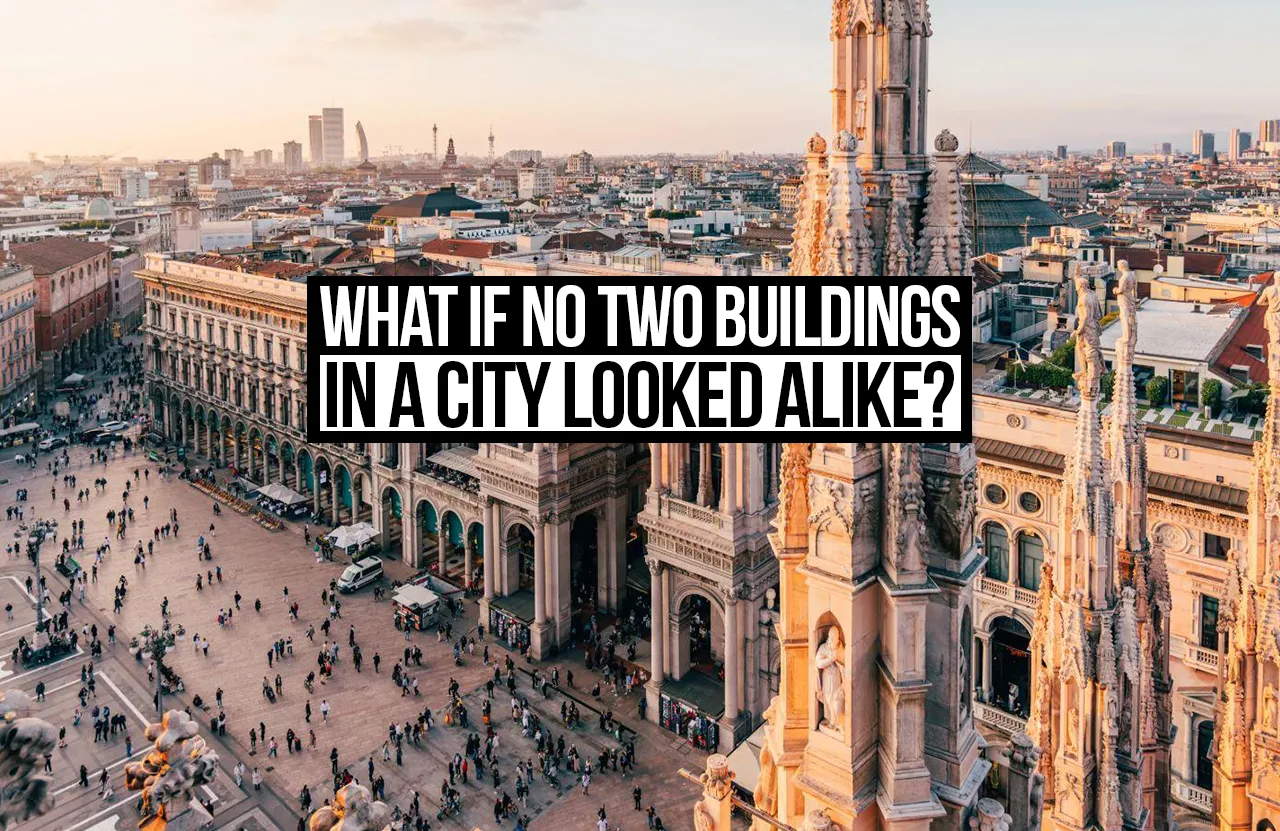
But then, what about the reflection of someone’s choices in the exterior of a building? In a broader context at the city level, the variation in built forms creates a fabric of expression. A city walk is monotonous if all the buildings look alike, giving a sense of mass production instead of a naturally grown city.
Architectural typology and distinctive characteristics
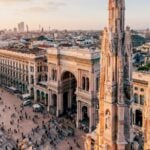
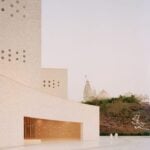
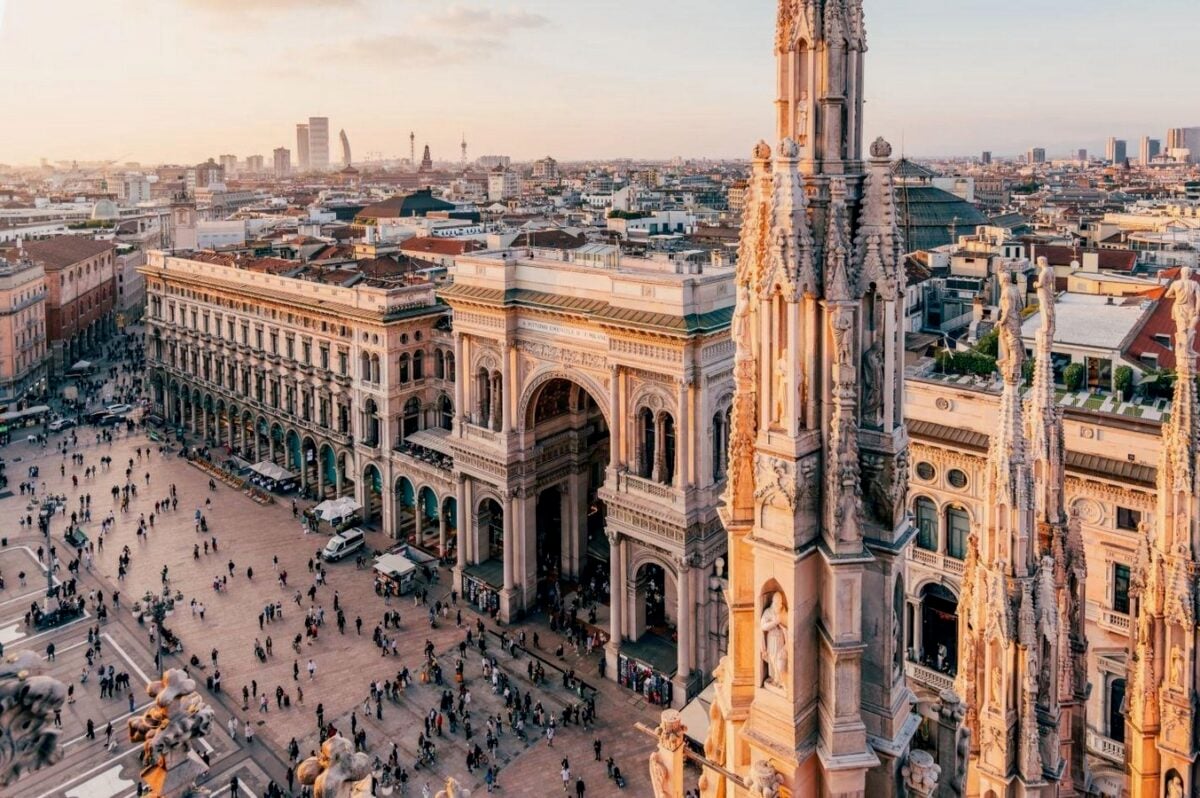
Are we really ready to move and live through cities that don’t distinctly design and build the commercial complexes, residences, and temples? Two buildings have to look different in order to serve differently and feel differently. A place of worship or prayer will have raised volume in order to feel the presence of a divine presence for the visitor. Temples, cathedrals, mosques, etc. are designed with shrines and domes rising towards the sky, because it symbolizes closeness to the sky. As one moves from a marketplace to a worship complex, one expects it to be different than the chaotic and low-rising shops with cluttered circulation and narrow entrances.
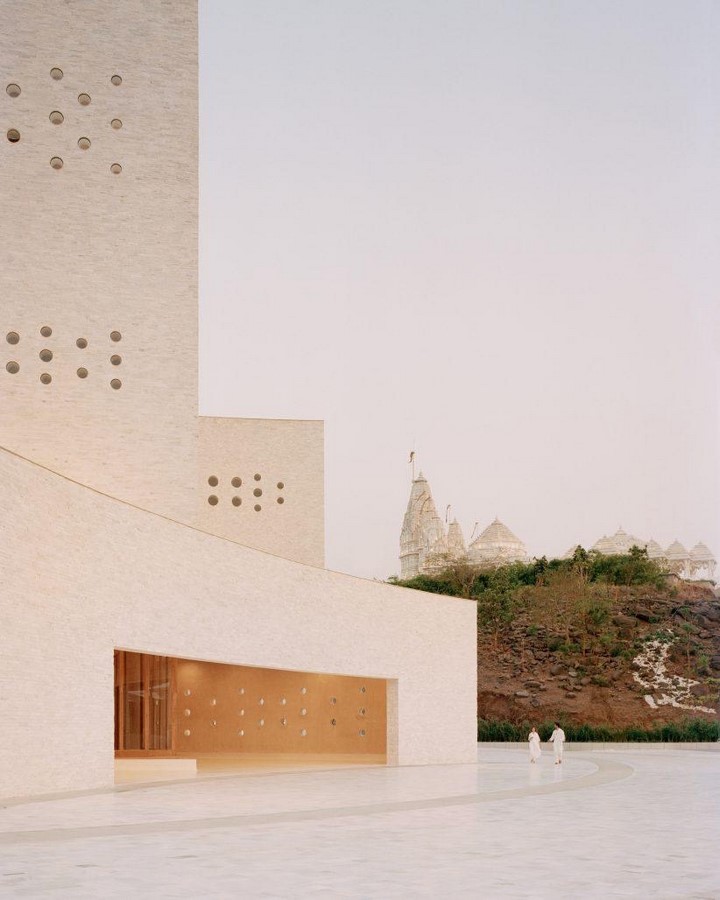
A city with buildings of different uses will naturally have to be distinctly unique, to create an expression of use, purpose, and also the mind of the designer. Also, the geography plays a crucial role in creating a natural separation between different typologies of buildings. For instance, temples are mostly seen located on hilltops within a city or on the outskirts.
Uniqueness of climate-adaptive and sustainable architecture
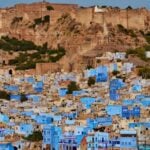
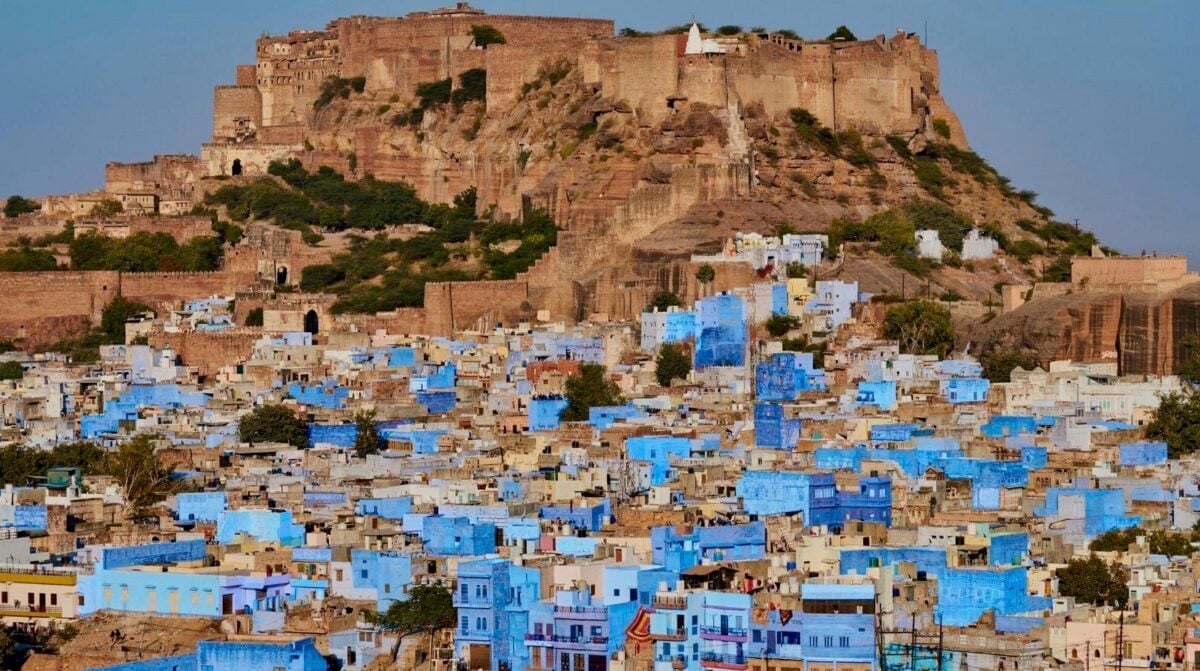
The alikeness doesn’t have to be a completely imitated or the same design. But it should share a common feature that defines the city’s architectural appearance. Indian cities like – Jodhpur, Jaipur, etc. are known for their blue-painted buildings and pink terracotta walls, respectively. Many sustainable factors back up this appearance. The blue color is believed to keep the buildings cool by reflecting back the heat of the dry and hot climate of this region. Terracotta-clad walls also serve the same purpose because of their thermal insulating properties. This kind of climate-oriented design, or common architectural language, can be a favorable expression for a city’s sustainability.
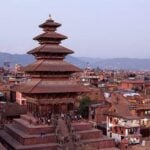
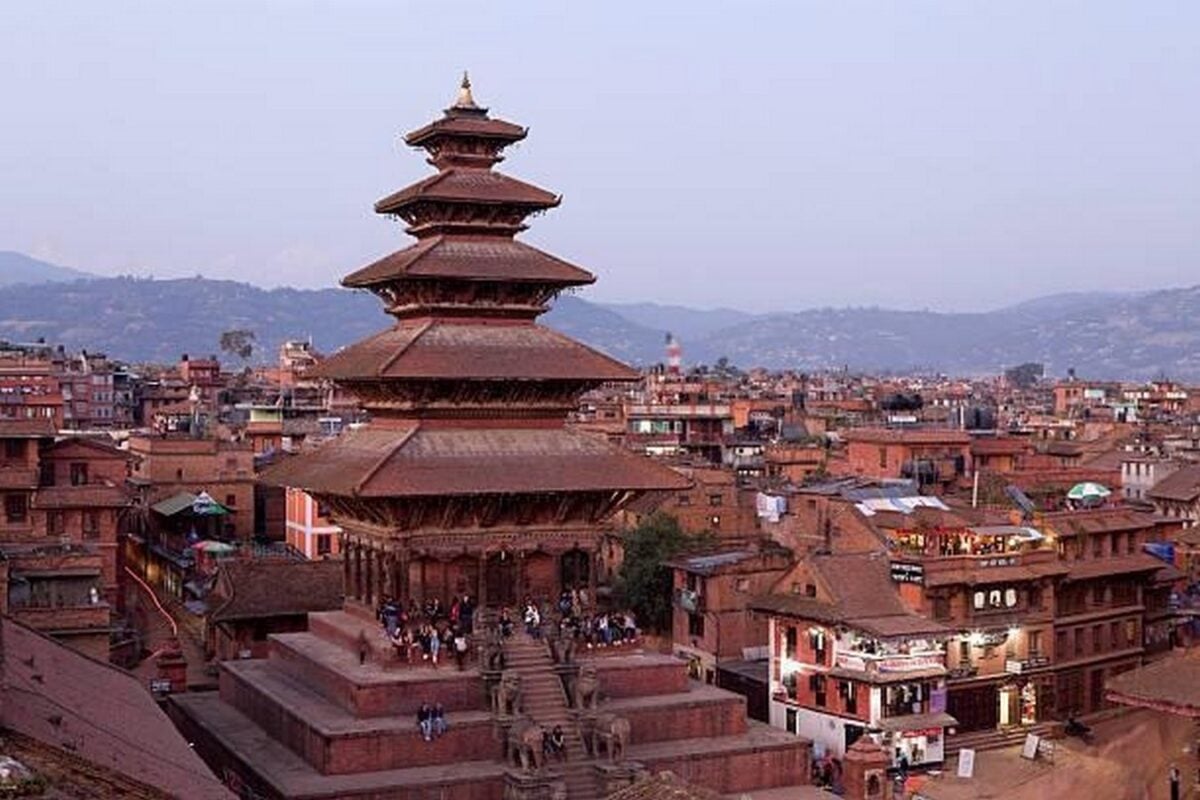
Vernacular architecture also represents a harmonious expression of similar-looking structures. Many examples of naturally evolved, harmonious skylines represent climate-responsive architecture. For instance, pagoda structures in Nepal. This style is believed to have evolved from stupas in East and Southeast Asia. The steep, curving slopes drain snow during cold weather.
Global influence on Regional Architecture
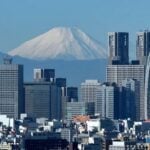
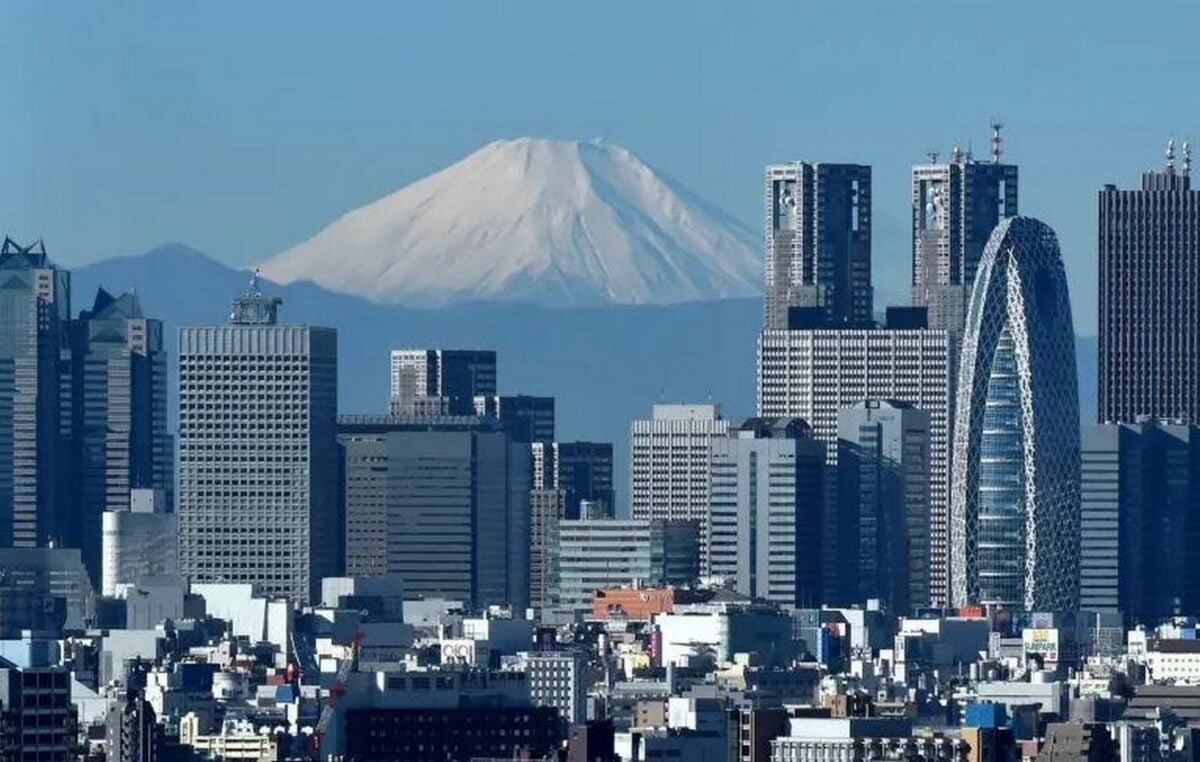
If we look at the whole world as a city, there are many cities with steel- and glass-covered skyscrapers. Someone walking through the central commercial hub of New York, Tokyo, or Mumbai will witness skyscrapers forming a similar skyline with different backgrounds of mountains or sea. As one witnesses these tall structures, the global architectural fabric looks like a plain, copied bedsheet with repetitive patterns. But going deeper, moving through lanes and streets, one gets to see a trace of vernacular architecture, the importance of mindful sustainable design, and the richness of each building expressing itself differently. There is a functional beauty in not having many same-looking buildings in a city. It creates a humane environment; it creates livable and walkable cities.
Architect’s expression & Urban scale
There are many cities with uniform neighborhood planning, repetitive spatial arrangements of houses with parks, and sector planning. Even with this kind of design, it is not yet seen that the whole city looks like a factory-made development. Architecture is an expression of proportions, psychology, colors, and geographic relatability. It can never stand alone with one motive of cost-effectiveness, but requires climate-responsiveness and a play of scales at the urban level, where a city experiences silence and chaos together.
A city with a history of war can hold various structures like ruins, museums, temples, and residences together, with different architectural styles that have evolved. Now imagine a city with all the buildings looking alike. It will feel like an artificial, fast-built place with no human interventions in the past, no traditions, and no closeness to nature to grow naturally with time.