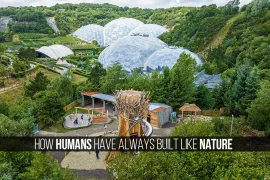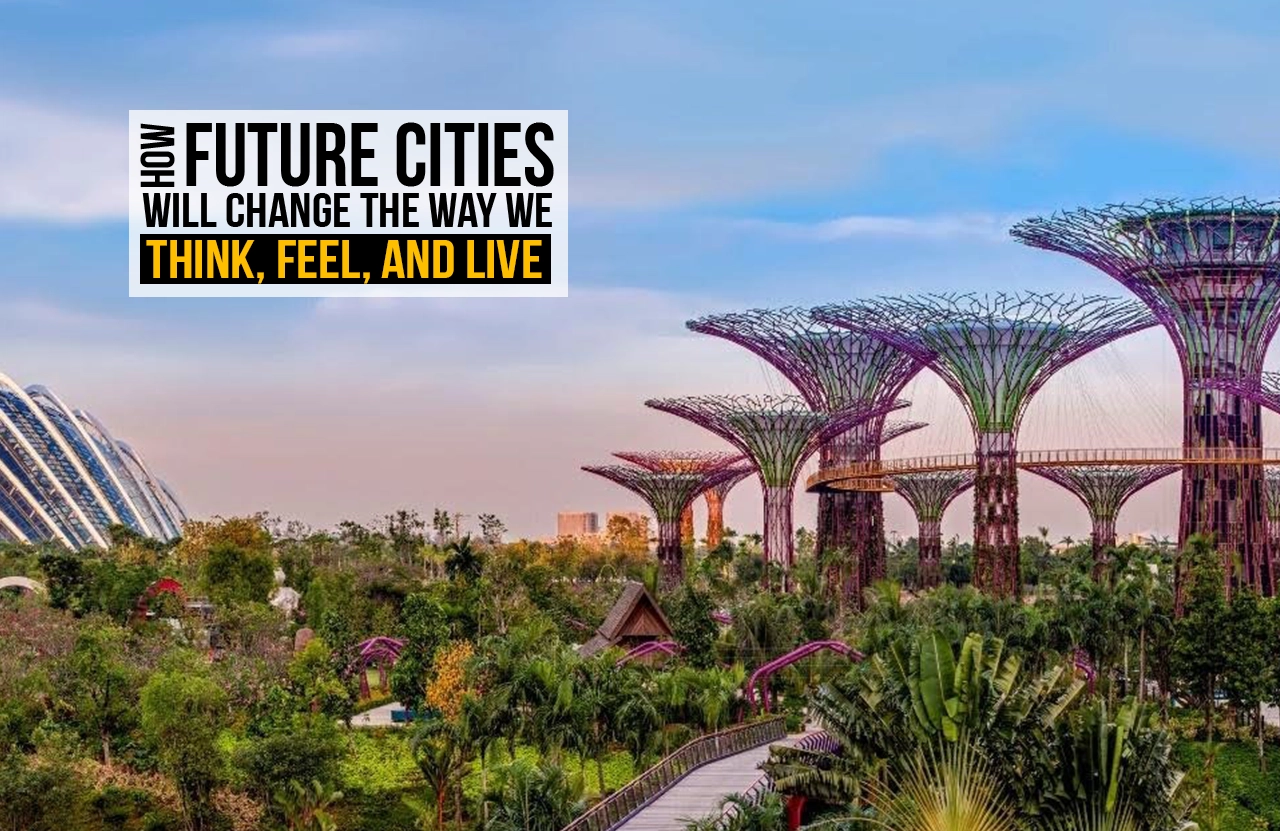
Future Cities are often imagined through autonomous vehicles, intelligent buildings and glowing digital networks, but the most important transformation may be less visible. The cities of the coming decades could change how people move, work, socialise, rest and experience nature. As urban populations continue to grow, pressure on housing, infrastructure, mobility, energy and public space will intensify. Future Cities, therefore, are not simply about adding technology to existing streets. They are about reshaping everyday life around resilience, accessibility, environmental responsibility and human well-being.
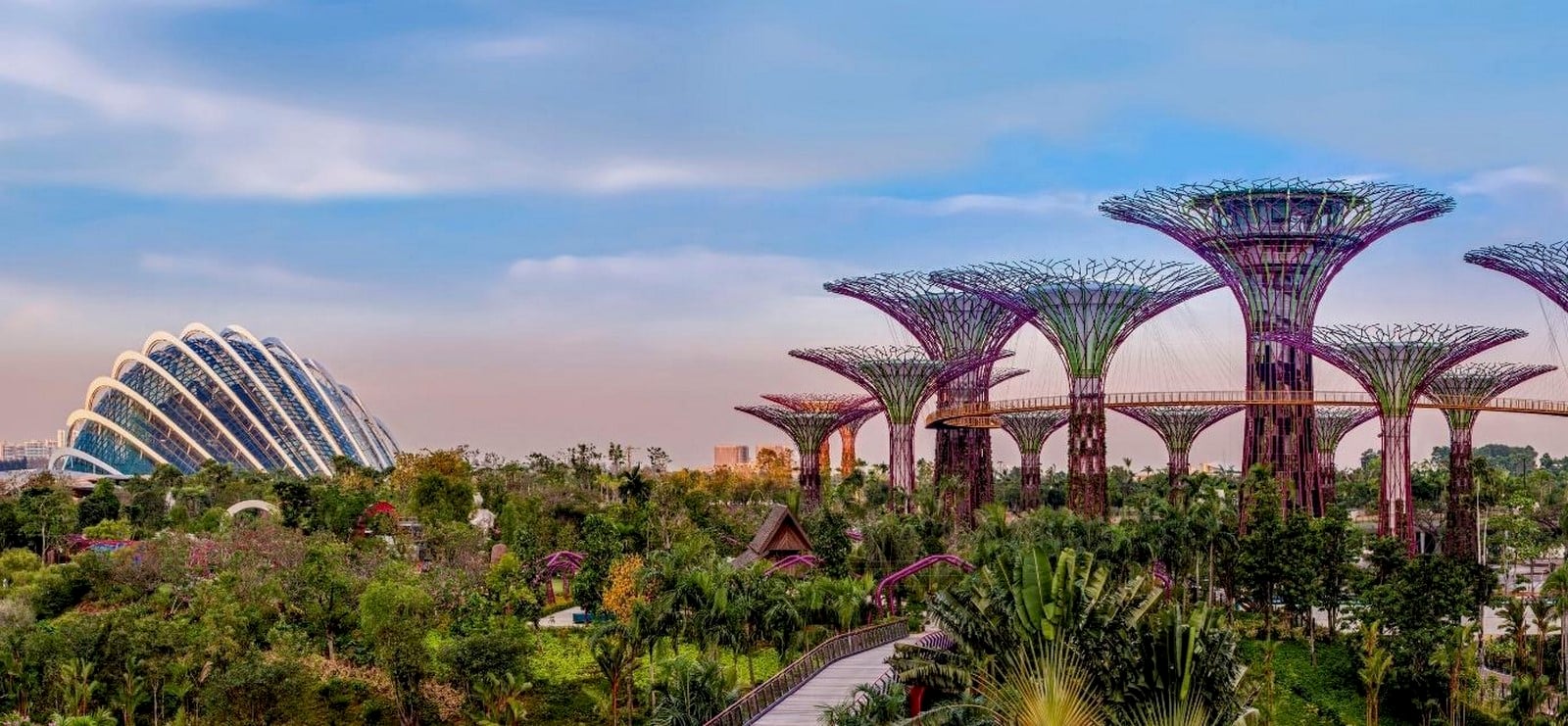
From Smart Cities to Human-Centred Cities
The idea of Future Cities has moved beyond the simple notion of a “smart city” filled with sensors and automated systems. Digital tools can help cities understand traffic, energy demand, water use and infrastructure conditions in real time, but technology alone does not make a city successful. A technologically advanced city still needs to be sustainable, resilient, equitable and accessible. In practice, this means that future urban systems will increasingly be judged by what they enable people to experience: shorter and safer journeys, cleaner air, comfortable public spaces, reliable services and greater access to opportunities.
This shift could also change how urban success is measured. Traditional planning often focuses on road capacity, construction, land values or economic output. Future Cities are likely to place greater emphasis on indicators such as walkability, access to green space, thermal comfort, public health, social connection and the time people spend reaching essential services. These factors recognise that urban environments influence behaviour and emotions. A shaded pedestrian route can encourage walking, while a welcoming park can support social interaction. A mixed-use neighbourhood can reduce dependence on long commutes. The physical form of a city quietly shapes everyday decisions.
Nature Will Become Part of Urban Infrastructure
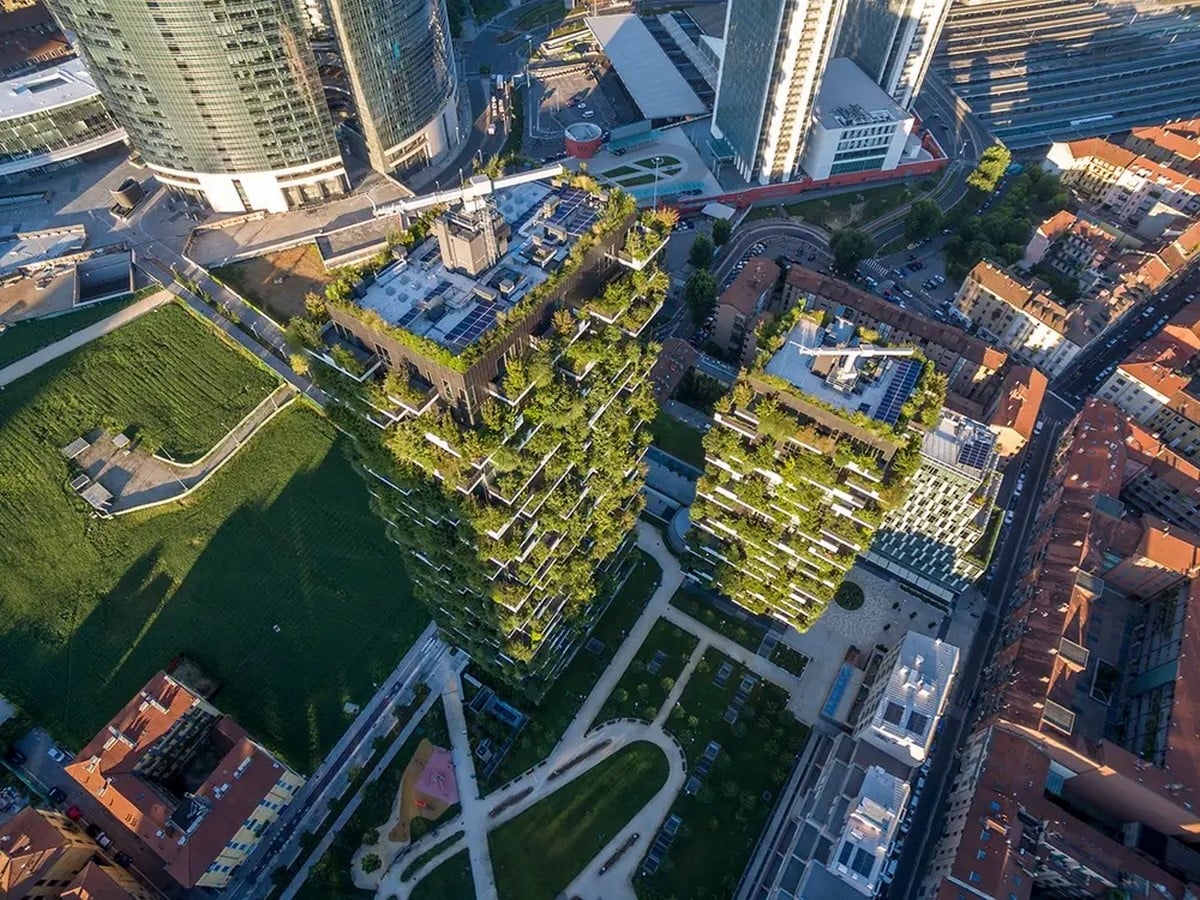
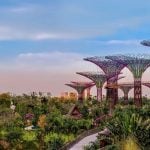
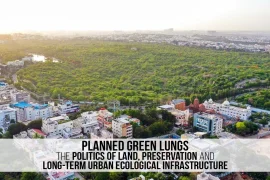
One of the defining characteristics of Future Cities may be the return of nature as essential infrastructure. Trees, wetlands, rain gardens, urban forests, green roofs and permeable landscapes can perform practical functions while also improving the experience of a neighbourhood. Urban nature can help reduce heat, manage stormwater, support biodiversity and strengthen resilience to climate-related hazards. It can also contribute to public health and social cohesion. This changes the way greenery is understood: a tree-lined street is not merely decorative, and a pocket park is not simply leftover land. Both can become active components of urban environmental performance.
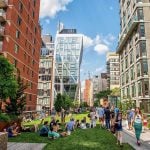
The psychological effect of this change could be equally significant. In dense urban areas, access to natural elements can create moments of pause within fast-moving routines. Future Cities may therefore integrate greenery into streets, transport corridors, housing, schools and workplaces rather than confining it to large destination parks. Buildings could be designed around courtyards and planted terraces, while neighbourhoods could use connected green networks to make everyday contact with nature easier. Such environments may encourage slower movement, informal social interaction and outdoor activity. The future city could consequently feel less like a machine for moving people and more like a living landscape.
Mobility Will Become Less About Cars and More About Access
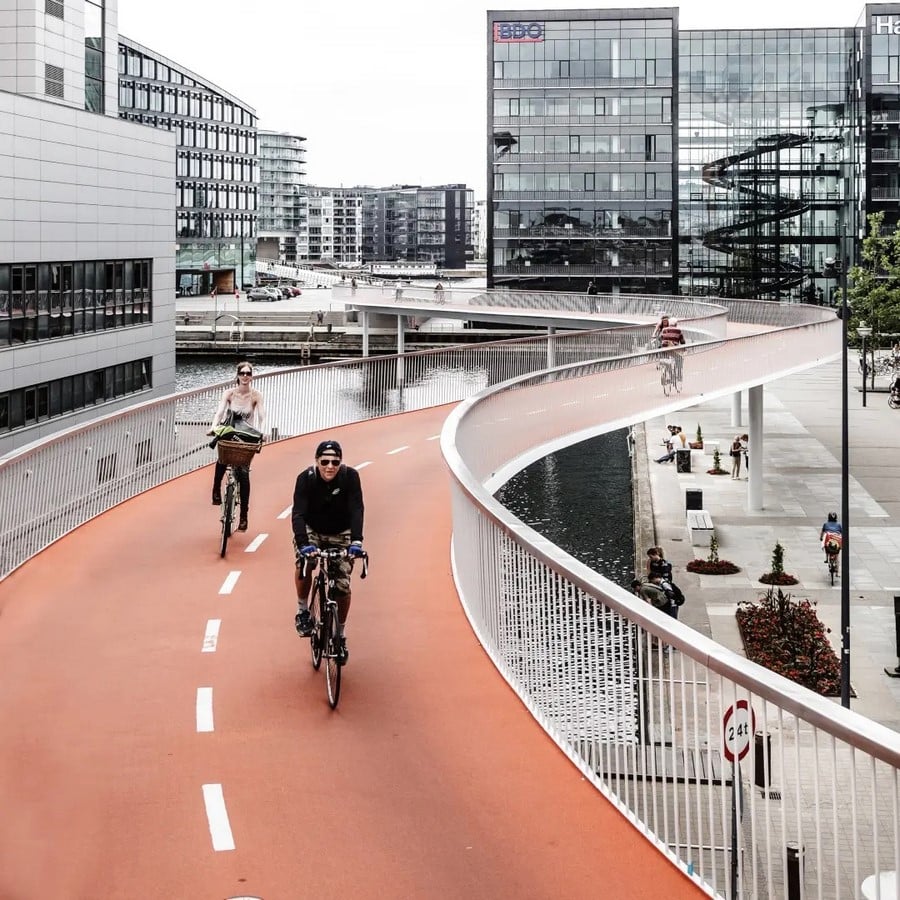
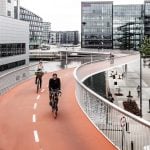
Transport is another area in which Future Cities could alter everyday behaviour. Instead of designing urban areas primarily around private vehicles, planning is likely to focus more strongly on access: how easily people can reach work, education, healthcare, recreation and one another. Public transport, walking and cycling can be combined with shared mobility and emerging automated systems to create more flexible networks. The objective is not simply faster travel but a better relationship between movement and place. If essential destinations are closer and transport systems are integrated, commuting may become less stressful and streets can devote more space to people rather than traffic.
This transition could also change the emotional character of streets. A pedestrian-friendly neighbourhood offers more opportunities for chance encounters, outdoor activity and local commerce than a road dominated by moving and parked vehicles. Autonomous mobility may eventually reduce some of the space currently allocated to parking and traffic management, but the value of that recovered space will depend on planning decisions. Future Cities will need to decide whether reclaimed land becomes additional development, public space, urban greenery or a combination of uses. The key question will not simply be whether technology can move people more efficiently, but what cities choose to do with the time and land that better mobility systems could create.
Buildings Will Respond to People and the Environment
Future Cities will also transform the relationship between buildings and their occupants. Buildings are increasingly becoming responsive systems that can monitor energy use, indoor conditions and occupancy patterns. Digital controls can help adjust lighting, ventilation and cooling according to changing needs, potentially improving efficiency and comfort. Yet the most valuable buildings will not simply consume less energy; they will also support healthy and adaptable ways of living. Passive design, daylight, natural ventilation, shaded openings and access to outdoor space can reduce environmental loads while improving everyday experience.
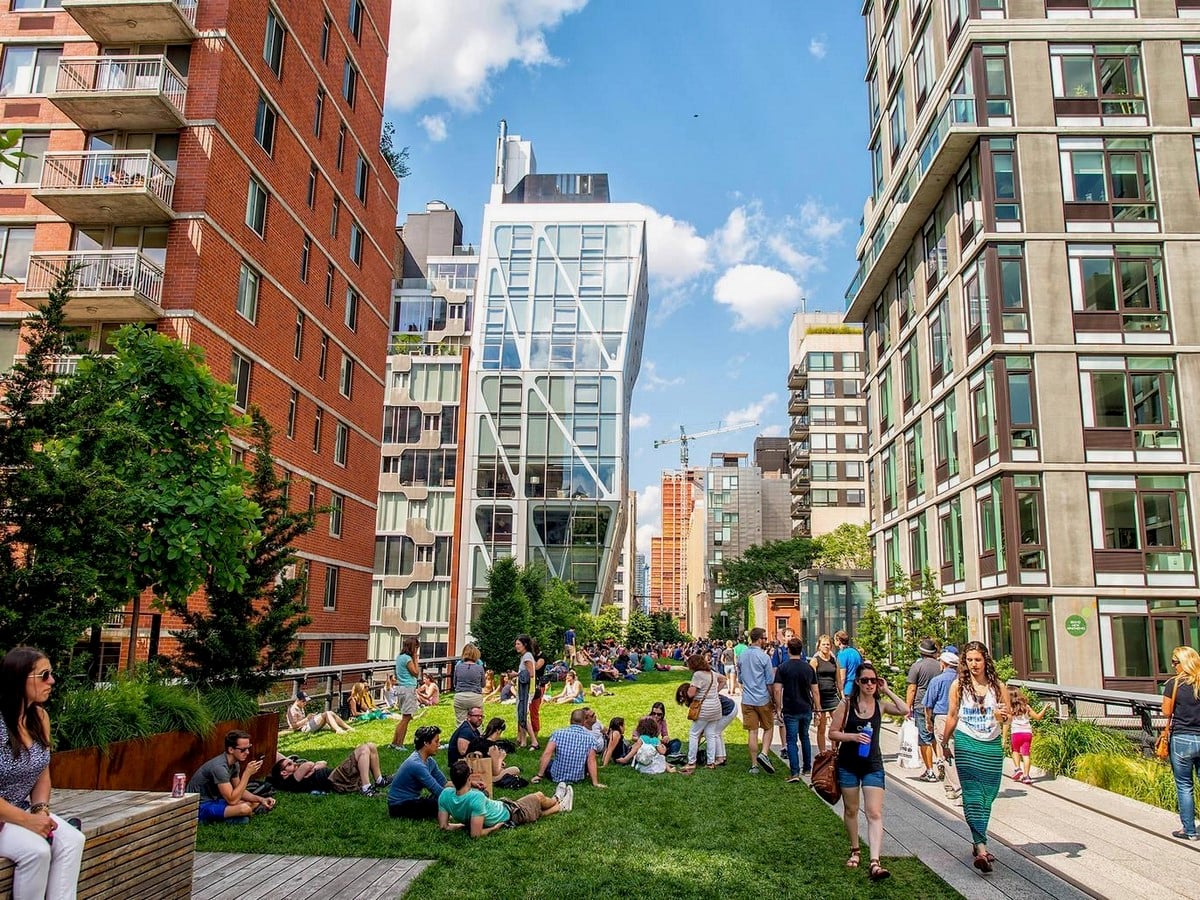
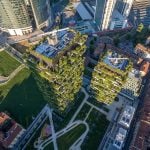
The distinction between building and city may become less clear. Roofs can produce energy, collect rainwater and support vegetation. Facades can respond to heat and sunlight. Ground floors can connect buildings with public life rather than creating inactive edges. Residential developments can combine homes with shared gardens, workspaces, recreation and essential services. In this model, Future Cities become collections of interconnected environments rather than isolated buildings. Architecture will increasingly be expected to contribute to neighbourhood resilience, resource efficiency and social life, not simply provide enclosed floor area.
Digital Twins Will Change How Cities Make Decisions
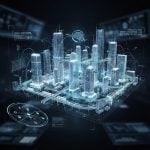
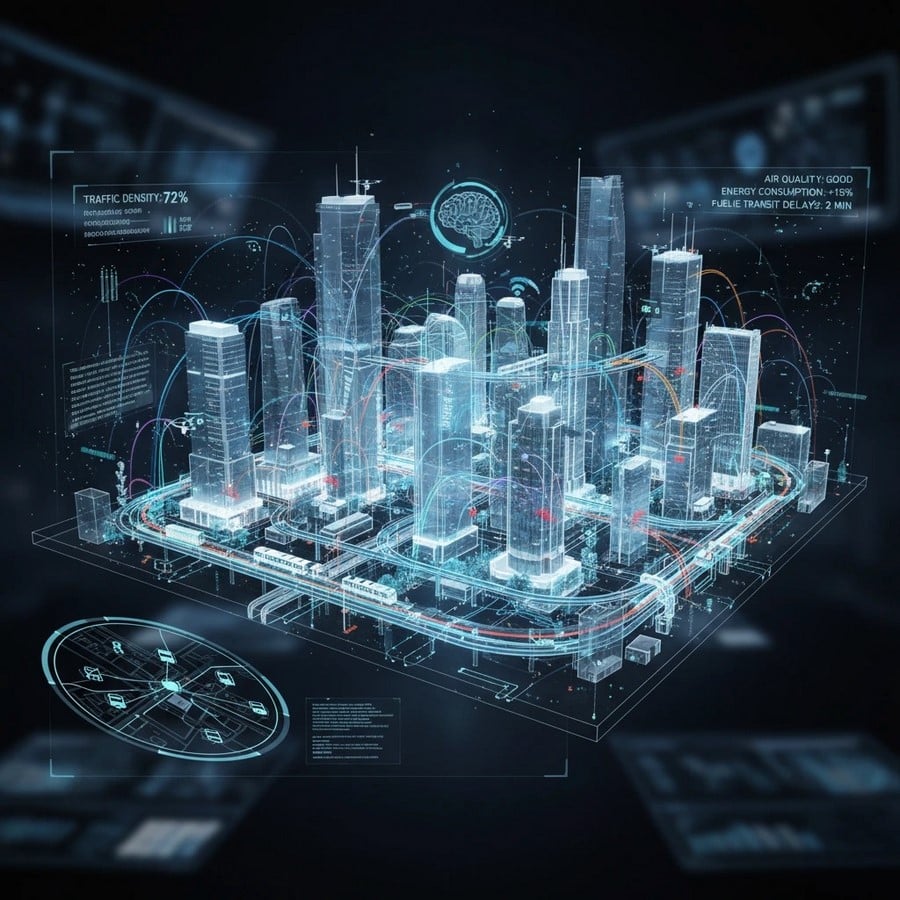
The digital layer of Future Cities will be just as important as the physical one. Digital twins create virtual representations of urban environments that can bring together information from infrastructure, mobility, buildings and other city systems. This could allow planners to test scenarios before making expensive physical changes. A proposed road, drainage intervention, public space or development pattern could be assessed under different conditions, helping decision-makers understand possible consequences before construction begins.
However, a data-rich city also raises questions about privacy, access and power. If urban systems rely increasingly on data, residents need to understand how information is collected, used and protected. Digital services must also remain accessible to people who have limited connectivity, digital skills or access to devices. Future Cities will therefore need digital literacy and transparent governance alongside technical infrastructure. The goal should not be to create cities that watch residents more closely, but cities that use information responsibly to provide better services and make more informed decisions.
The Future City Will Influence How People Feel
The deepest change brought by Future Cities may be psychological. Urban environments affect stress, concentration, social interaction and a person’s sense of belonging. A neighbourhood that is noisy, polluted, unsafe or difficult to navigate can create constant friction in daily life. By contrast, streets with shade, comfortable walking routes, accessible public spaces and nearby services can make ordinary routines easier. Future urban design will increasingly recognise these emotional and behavioural effects as important aspects of quality of life.
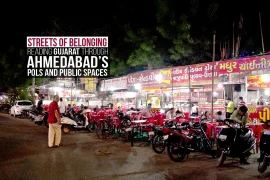
This also means that the future cannot be designed only through efficiency. Cities need spaces where people can stop without spending money, meet others without planning, encounter nature and feel a connection to their surroundings. Public space will remain important even as digital life expands. In fact, the more time people spend connected through screens and virtual networks, the more valuable meaningful physical places may become. Future Cities should therefore create a balance between digital convenience and physical presence, ensuring that technological progress does not weaken the social and sensory experiences that make urban life meaningful.
A Future Shaped by Choices, Not Technology Alone
Future Cities will not emerge from technology automatically. Their form will depend on decisions about land, governance, investment, housing, public space and environmental priorities. Rapid urbanisation is already placing pressure on infrastructure and services, while climate risks are increasing the need for resilient development. Urban resilience requires physical systems, information systems and policy systems to work together rather than being treated as separate concerns. This integrated approach is crucial because urban problems rarely exist in isolation. Transport affects air quality, land use affects mobility, drainage affects public space, and housing affordability affects access to opportunity.
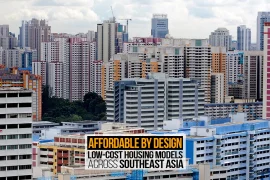
The most successful Future Cities may therefore be those that resist the temptation to pursue novelty for its own sake. A sophisticated sensor network cannot compensate for inadequate housing. An autonomous vehicle cannot solve poor land-use planning. A digitally managed public space cannot replace genuine safety and inclusion. The future city will need technology, but it will also need trees, affordable homes, accessible transport, active streets and places for people to belong. The central measure of progress will be whether urban innovation improves everyday life without creating new forms of exclusion or environmental damage.
Conclusion: Designing Cities for Human Possibility
Future Cities represent more than a technological upgrade to the urban landscape. They offer an opportunity to rethink what cities are designed to achieve and how people experience them. As urbanisation continues, the strongest cities will be those that combine digital intelligence with ecological thinking and human-centred design. Streets can become healthier public spaces, buildings can become adaptive environmental systems, and neighbourhoods can become more connected to nature and essential services. Technology can make these changes possible, but planning and design will determine whether they are equitable and meaningful.
Ultimately, Future Cities will change the way people think, feel and live when they are designed around human possibility rather than technological spectacle. The future of urban life will be measured not only by how intelligent a city becomes, but by how comfortable, inclusive, resilient and inspiring it feels to inhabit. The city of the future should be capable of responding to data while still responding to people. Its greatest achievement may be a simple one: making everyday urban life healthier, calmer, more connected and more capable of adapting to an uncertain world.