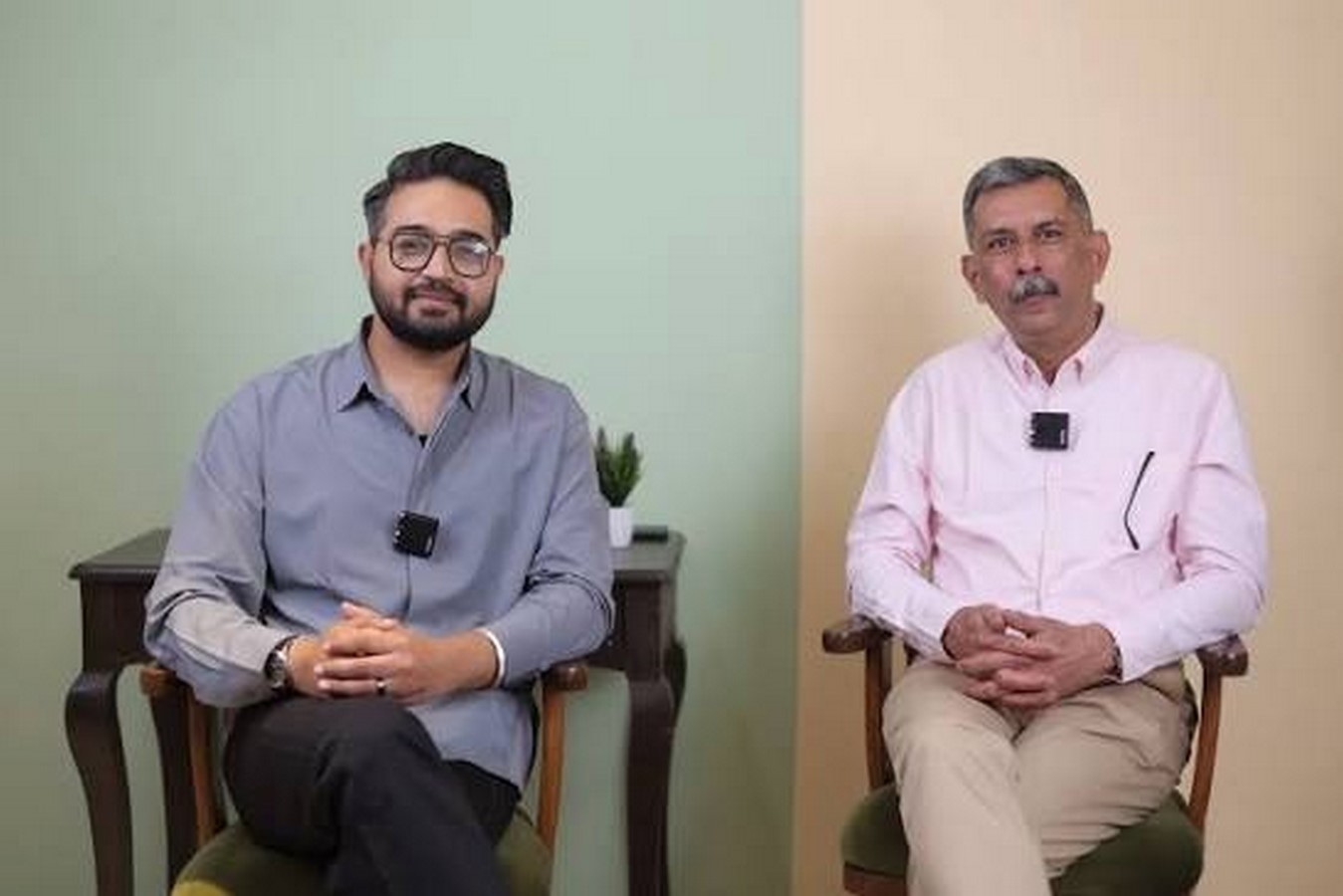
Architecture is often perceived, analysed, and commemorated for its scale. We explore and learn it as a singular output through plans, sections, elevations, materials, and details. Buildings, however, do not exist in isolation; they exist collectively, forming cities shaped by the people who use them. This relationship between architecture and its surrounding environment is the established premise of the YouTube podcast, Ar. Omkar Samudra on Cities, Architecture Education and Urban Thinking in India, an episode of Design Karanversation hosted by Karan Arora.

The conversation moves beyond the conventional perception of an architect as someone that simply designs buildings and instead aims at understanding what it means to build cities and planning systems while questioning how architectural education can prepare young minds to engage with the complexity of designing for today.
Who is Ar. Omkar Samudra?
Ar. Samudra holds experience both in city planning based practice and in academia. He holds a Bachelor’s degree in Architecture from MIT, Aurangabad and a Master’s degree in Planning from CEPT University, Ahmedabad. His professional experience includes planning projects across India and internationally across firms including B.V.Doshi, Christopher Benninger and Surbana Jurong.
His experience is particularly relevant here as it allows a wider range in the discussion – from a building to planning and eventually to how cities are built.
He has also been an active part of architectural education, specifically as the Principal of D.Y. Patil School of Architecture. He was an active part of the decision-making process of the university’s curriculum pertaining to the National Education Policy of 2020.
From Buildings to Cities
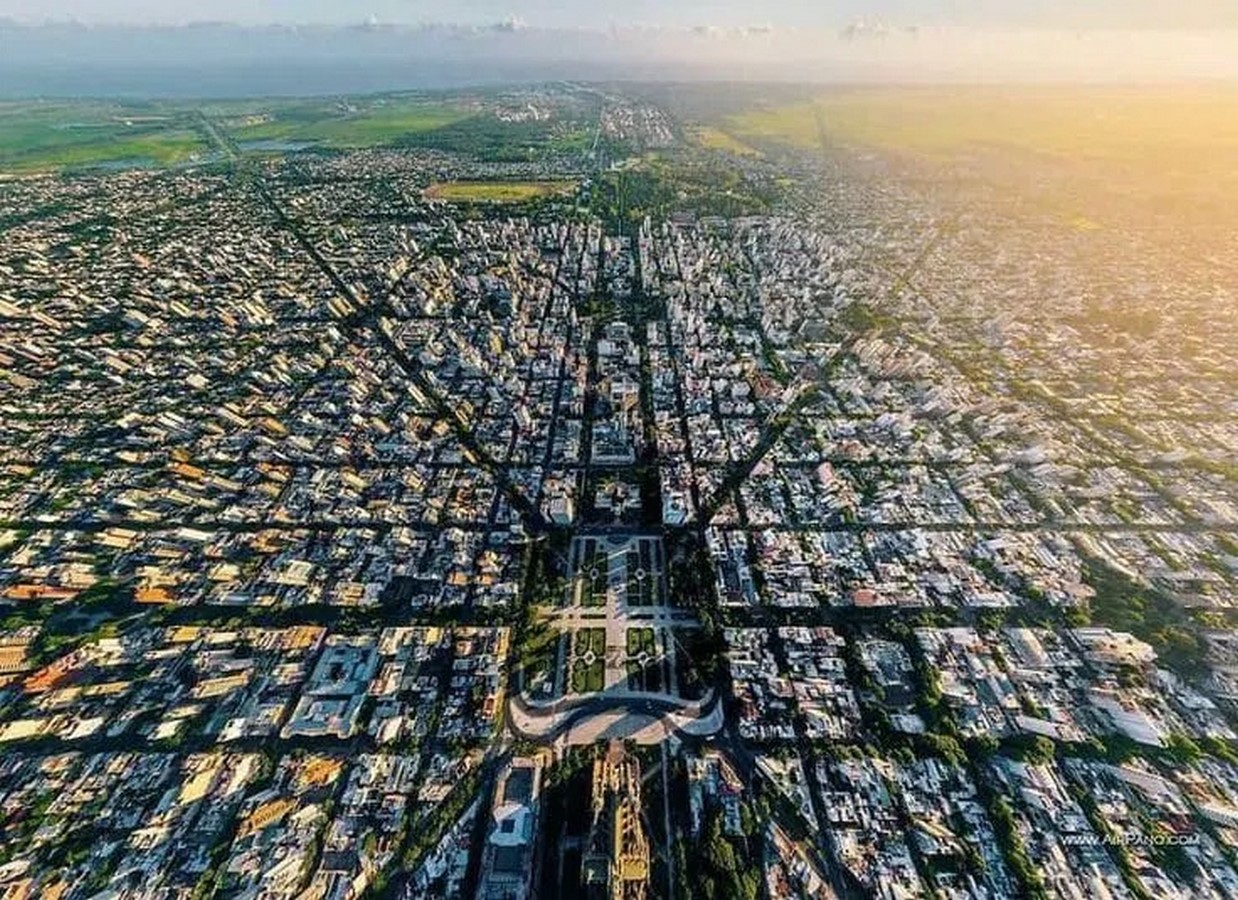
One of the most significant ideas in this episode is the suggestion to quit perceiving architecture as an isolated product and to instead perceive it as part of a larger urban ecosystem.
The discussion between the two architects discusses cities through the relationships between the built, the users and their culture. They ask significant questions: How do people live? How do they interact? They speak of psychology and culture and their rather deep relevance in planning and design.
This becomes fundamental for young students to comprehend since architectural education quite often can falsely portray buildings as the primary outputs of design.
This instigates a rather fresh question for students in architecture school to dwell upon, which sits outside the conventional design approach:
- What happens beyond the site boundary?
A building changes its own surroundings – it impacts where people stop, how they pass by and how they occupy the streets. Thinking of such factors and such scales gives both the building and the context that it sits in more meaning.
Recognizing what Architecture Education Misses:
The episode emphasizes the need to design and learn across scales. While it highlights the need to take into consideration the finite layers of designing – urbanisation, infrastructure pressures, land limitations, affordability and user capacity, it also stresses the need to think and design across scales:
a room – a building – a street – a neighbourhood – a city.
Architecture, they say, demands observation and a strong understanding of how people actually use spaces. The perspective on the whole is quite helpful for a student making the jump between rather flexible design opportunities in architecture studios to extremely restrictive real – world projects.
What would an Architecture Student’s Takeaways Be?
- To look beyond the site
- Observe before designing
- Think across systems
- Learn from disciplines beyond architecture.
- Work beyond architectural education scopes
The conversation also suggests asking rather significant and diverse questions –
- How does one’s skill set and perspective define their design thinking? Does extensive software/modelling knowledge necessarily constitute a skill set for design?
- What does India have to learn from city planning projects across the world?
- Are we, as architects, building cities or expanding real estate?
- Are the innumerable townships and high-rises in cities the right solution for modern times or are they simply isolated islands?
- While commemorating projects for ensuring walkability, one also needs to ask if livability is ensured.
Is it Worth Watching?
While I’d say it is definitely worth watching given that you’d get the answers to the questions listed above, I’d say it is also a great watch for architecture students trying to understand the gap between architecture in education and in practice while also gaining perspective towards planning, its relevance and its challenges.
The conversation also deeply benefits from Ar. Samudra’s combination of perspectives and opinions in both practice and academia, so students know what to look for and what to look out for in both stages. For someone that’s set out to begin designing in the real world, the intersection offered makes the episode particularly helpful.
Final Verdict:
What I found most valuable about this conversation is that it encourages students and architects to think and to learn across scales. In the context of architecture here, in India, it becomes fundamental to take into consideration that Indian cities are constantly growing and transforming and architects will thus have to work with challenges that extend beyond the boundaries of standalone projects. The ability to understand urban systems, observe context, satisfy multiple clients, ensure affordability and work across disciplines might just become as important as possessing the ability to suggest compelling architectural forms and functions.
The episode is worth watching because, at the crux of it, the dialogue poses a fundamental question:
How can architects learn to understand a city before designing it?
Citations:
- Design Karanversation. (2026). Ar. Omkar Samudra on Cities, Architecture Education and Urban Thinking in India. [Youtube Video]. Available at: https://www.youtube.com/watch?v=o8I965GKtes