A woman gets down from the local train at Andheri station at 8:30 a.m., keeping one hand on her handbag while she uses the other to lift her kurta as she is swept along with the crowd through the foot-over bridge. She had come after an hour’s journey from home and is now about to begin another day of work. The women’s washroom catches her eye near the end of the platform. She feels that she needs it but hesitates because of its isolation, poor lighting, the unavailability of water, a lock, or even privacy in there. She passes it by, telling herself that she could always wait. But why should waiting be a part of any woman’s travel routine?
City spaces are not the same for men and women. As cities are planned assuming the neutrality of the “generic man,” women, girls, and transpeople have to cope with a lack of good lighting, unsafe passages, insufficient number of toilets, and inadequate privacy. Gender-inclusive design makes it possible not just to reduce discomfort but to increase mobility and freedom of movement to work, study, and interact socially.
Invisible Bias in Washrooms
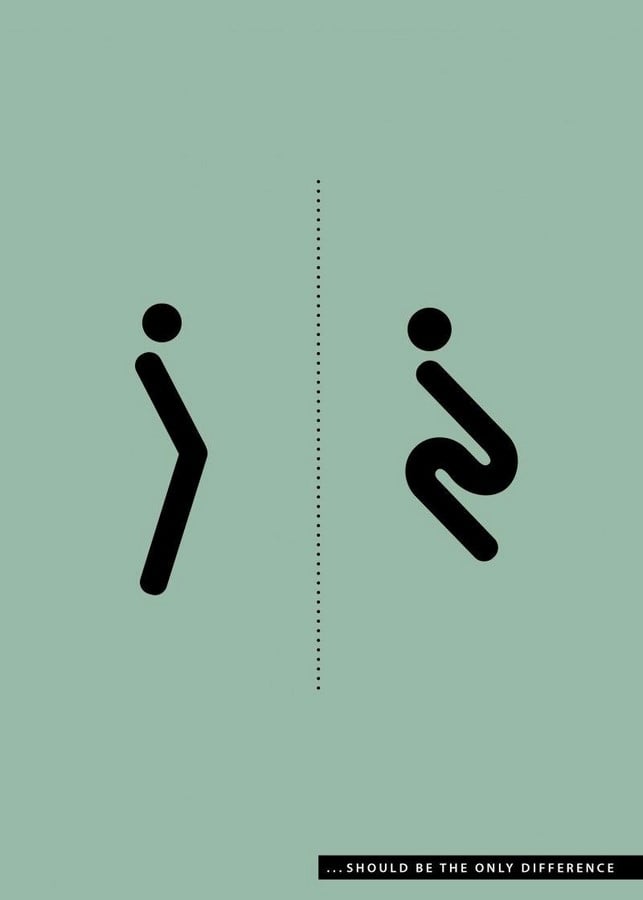
Invisible Women: Data Bias in a World Designed for Men by Caroline Criado Perez describes how the whole world is tailored to suit the needs of men, leaving out half the population, that is, women. One of her case studies focuses on gender bias in the designs of public restrooms.
It happens to everyone. Your movie finishes; your male companion has already joined you before you have managed three steps forward, and you are still stuck behind the same line that is not moving at all. It’s not because of bad luck. It is because of poor planning.
In most of the public restrooms, space is divided equally among the sexes. It makes sense until it is analyzed further. The space of the male bathroom is utilized for the installation of urinals along with the installation of cubicles in order to accommodate more people. Cubicles are the only choice for the women’s restroom, and this space takes longer to process people. Equally divided space does not provide equally efficient results.
Even in those instances where the number of stalls matches, the equation does not add up in favor of women. Women spend twice as much time as men per visit in the toilet room. Approximately one-fourth of women in their reproductive years manage a period. Pregnancy and urinary tract infections, which occur more often in women, increase the frequency of visits. Moreover, the presence of children increases the need to make more frequent visits to the bathroom.
Invisible Bias in Transport
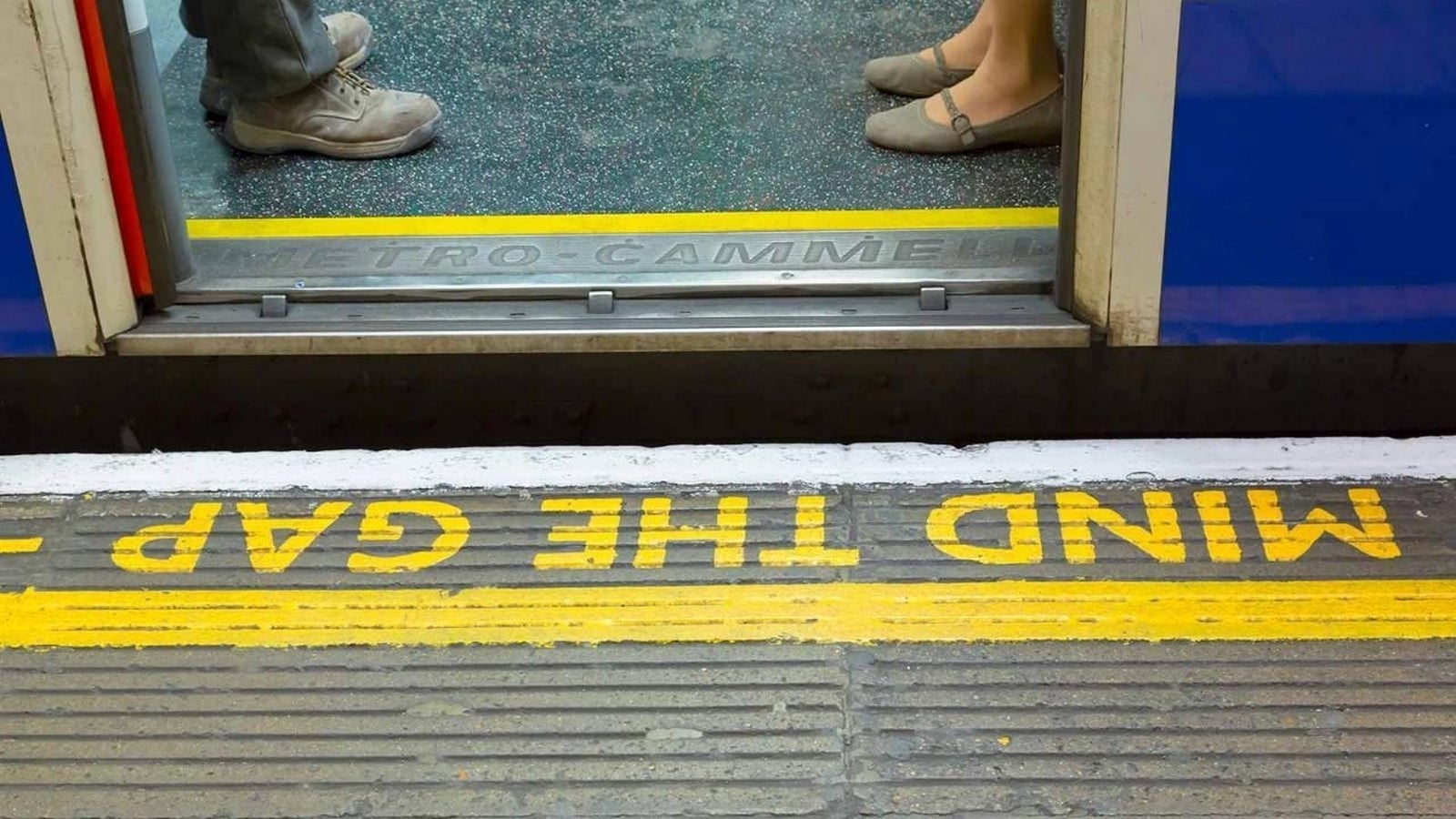
Watch a woman as she leaves the home for work, and you will find that her experience differs greatly from what transportation planners assume that everyone experiences. For most men, their movement is from the home to work and back to home in a straight line. This is usually not the case for most women. She will first drop the kids off at school, then move to work, visit a family member before picking up groceries. The name given to this activity is trip-chaining, and since it is done by women much more than men, the transport systems ignore its existence due to the fact that most of the unpaid care-giving work falls on them.
Some of the reasons why this occurs include the distribution of transport modes within the households. Transport modes in many families that have cars fall into the hands of the male members, leaving the women to walk or use public transport services. Numbers indicate this all the way round the world. For example, in France, women form two-thirds of public transport passengers. Philadelphia and Chicago also have the number of women using transport services close to 60 percent. Women make 8% more trips in London compared to men per weekday through the use of non-motorized transport.
Walking is another neglected form of transportation used by women. Walking is mostly ignored in transport planning due to the fact that walking for short distances is deemed irrelevant. Also, safety concerns play a role in making women avoid certain transport modes. Women have a higher tendency to perceive themselves as being unsafe while waiting alone at a bus stop in the evening than men do.
Invisible Bias in Safety
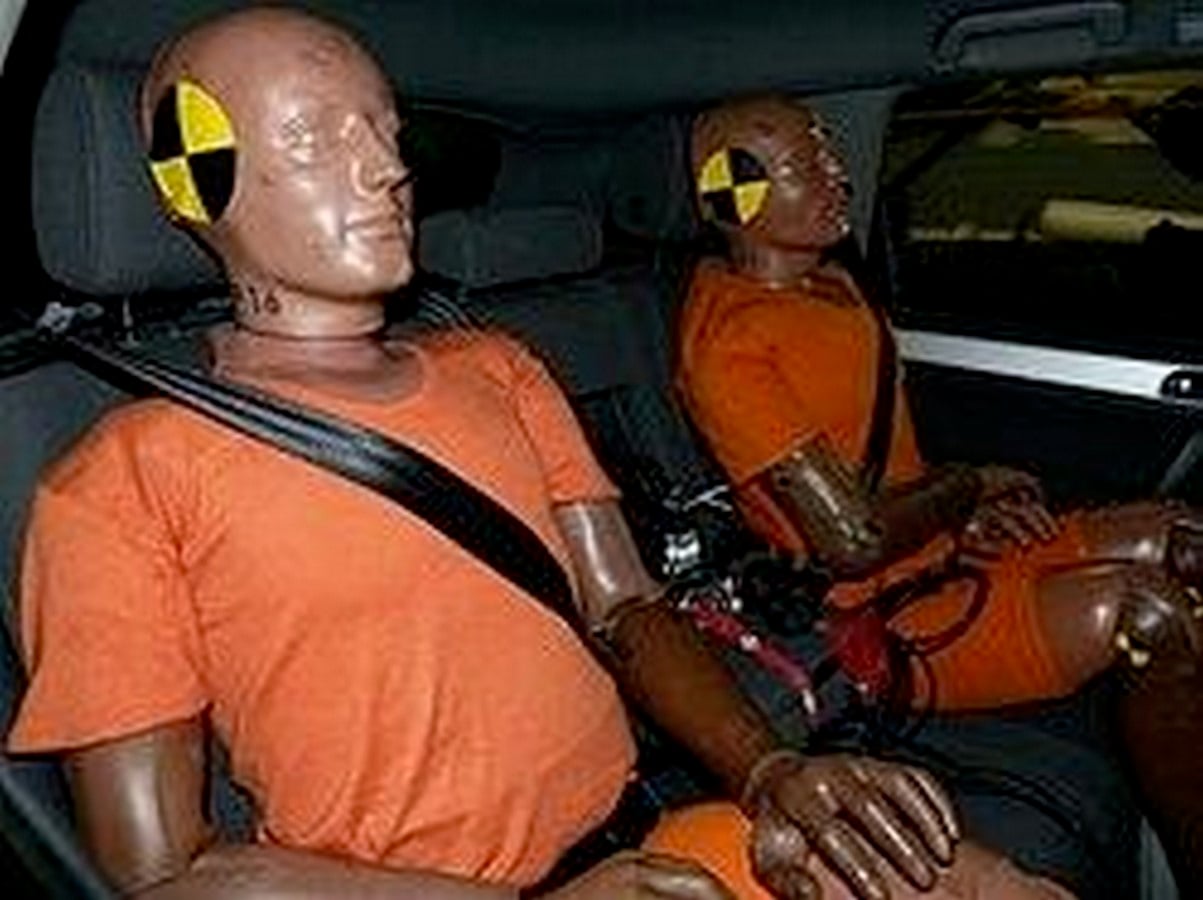
Crash test dummies for decades were created with only one body type in mind – male, and as a result, in modern times, females are at a disadvantage when using seat belts and airbags that are adjusted to their male counterparts. Injuries sustained from seat belts and airbags are 47% more likely in women than in men, since safety equipment has been calibrated with the average male bone structure and muscle mass in mind. Headrests for taller individuals also often do not offer any protection against whiplash for smaller people.
Similar biases can be found in the workplace. Female workers in many industries use high-visibility vests and other protective equipment that does not suit them and poses risks of slipping, moving incorrectly, or not providing proper protection because all of the aforementioned equipment is made for male employees. Additionally, safety recommendations take into account only heavy industries and manufacturing processes, and female-dominated industries such as caregiving receive little attention from policymakers. Menstruation and menopause almost never become topics of conversation.
Public safety suffers from invisible biases too. Women perceive transit, parking garages, and even poorly lit streets as places where there is no safety in numbers. This is because of inadequate infrastructure planning without consideration of blind spots, isolated spaces, and a lack of people around.
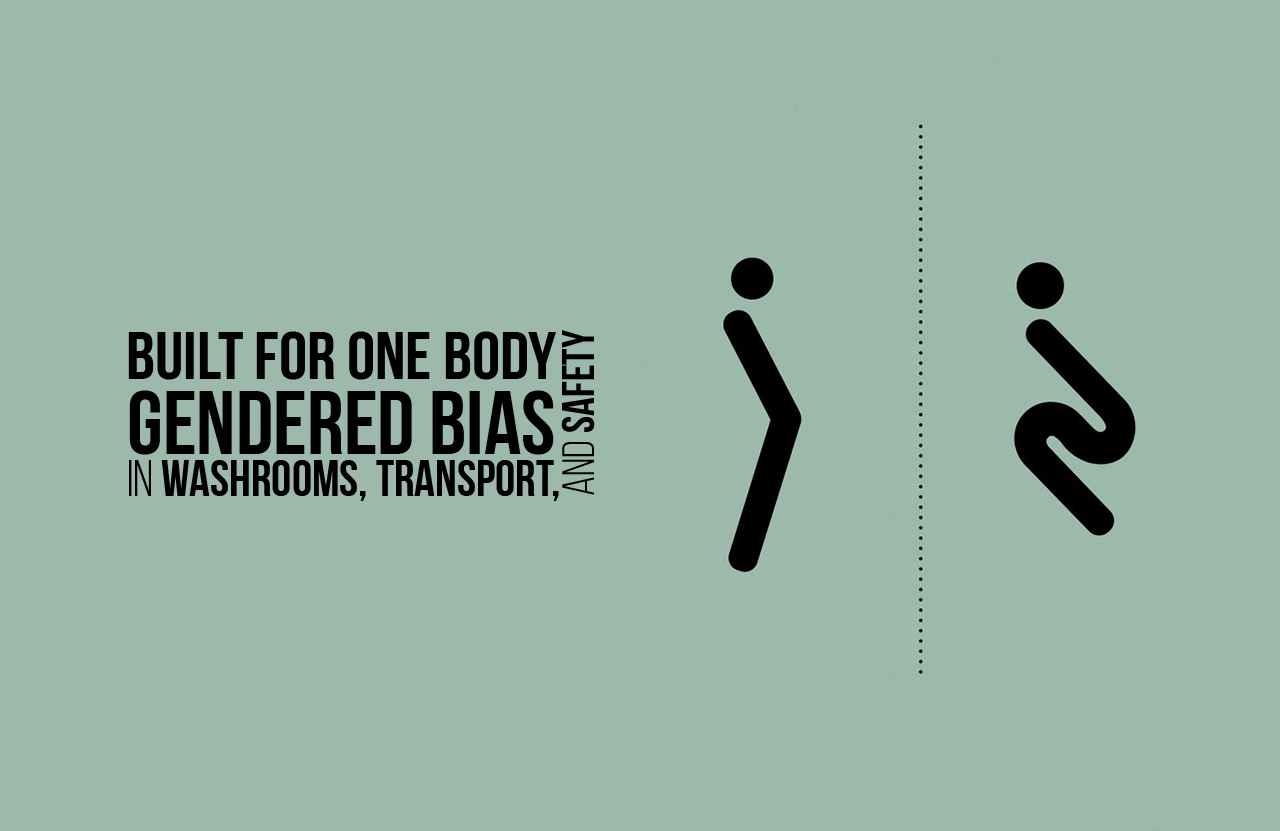
None of this was created to hurt anyone. It was created for one person and named universal.
This is not a problem of policy failure; it is a problem of design failure. All the spaces that fail to address women, mothers, or transgender people have been designed from briefs that have envisioned only one particular body moving through this space. Addressing this does not require any further technological development but only designing a process whereby other bodies can be considered before finalizing designs.
Deutsche Welle (n.d.) For over 50 years, car safety tests were built around a male body, leaving women… [Video]. Facebook. Available at: https://www.facebook.com/deutschewellenews/videos/for-over-50-years-car-safety-tests-were-built-around-a-male-body-leaving-women-a/1256579226446827/ (Accessed: 23 August 2026).
Dhagey, J. (2024) Small but significant changes for gender-inclusive cities. Question of Cities, 6 September. Available at: https://questionofcities.org/small-but-significant-changes-for-gender-inclusive-cities/ (Accessed: 23 August 2026).
Ghate, S. (n.d.) Gender bias in public bathroom designs. Medium. Available at: https://medium.com/@sepideghate/gender-bias-in-public-bathroom-designs-c72d2a38660c (Accessed: 23 August 2026).
The Goldhaber Warnings Report (2025) The Goldhaber Warnings Report, April. Available at: https://irp.cdn-website.com/760d2a66/files/uploaded/The-Goldhaber-Warnings-Report-_APRIL-2025.pdf (Accessed: 23 August 2026).
IndustriALL (n.d.) Safety for all: the need for gender-responsive OHS. Available at: https://www.industriall-union.org/safety-for-all-the-need-for-gender-responsive-ohs/ (Accessed: 23 August 2026).
IOSH (n.d.) Challenges women face in safety and health. Available at: https://iosh.com/news-and-opinion/challenges-women-face-in-safety-and-health (Accessed: 23 August 2026).
Kennedys Law (2024) Gender bias in PPE. Available at: https://www.kennedyslaw.com/en/thought-leadership/article/2024/gender-bias-in-ppe/ (Accessed: 23 August 2026).
Mexico Business News (n.d.) Hidden risks: gender bias in occupational health. Available at: https://mexicobusiness.news/talent/news/hidden-risks-gender-bias-occupational-health (Accessed: 23 August 2026).
ScienceDirect (n.d.) Perceived safety in public space. Available at: https://www.sciencedirect.com/science/article/pii/S1569843224005867 (Accessed: 23 August 2026).
ScienceDirect (n.d.) Gender differences in perceived urban safety. Available at: https://www.sciencedirect.com/science/article/pii/S1569843223003618 (Accessed: 23 August 2026).
Times of India (2017) Mumbai tops on women workers but low on railway infra reserved for them. Available at: https://timesofindia.indiatimes.com/city/mumbai/mumbai-tops-on-women-workers-but-low-on-railway-infra-reserved-for-them/articleshow/61139039.cms (Accessed: 23 August 2026).
Women’s Policy Action Tank (2019) Mind the gender gap: the hidden data gap in transport. Power to Persuade, 20 May. Available at: https://www.powertopersuade.org.au/blog/mind-the-gender-gap-the-hidden-data-gap-in-transport/20/5/2019 (Accessed: 23 August 2026).
World Bank (2023) Designing public transport in India that works for all. 22 February. Available at: https://www.worldbank.org/en/news/feature/2023/02/09/how-to-help-ensure-safe-and-inclusive-public-spaces-and-public-transport-for-women-in-india (Accessed: 23 August 2026).