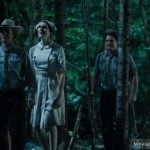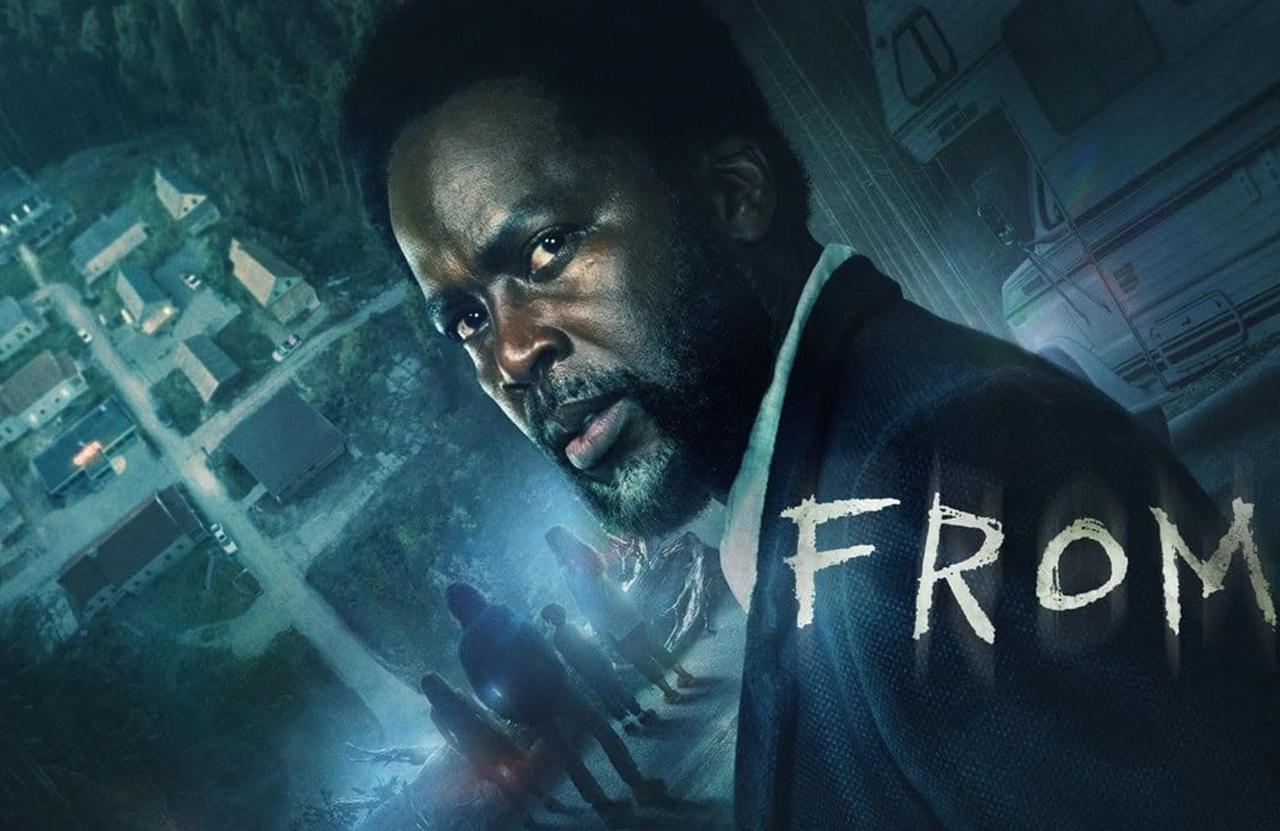
There are horror shows that scare you with entities and monsters. Then there are shows that make the very idea of going home frightening. FROM belongs in the second category. Created by John Griffin, the series begins with a premise. People travelling across America unexpectedly find themselves trapped in a town that has no escape. Every road they take somehow brings them back to the place. When night comes, the town shifts completely. Bizarre creatures come out from the woods, forcing the townspeople to stay indoors until dawn.
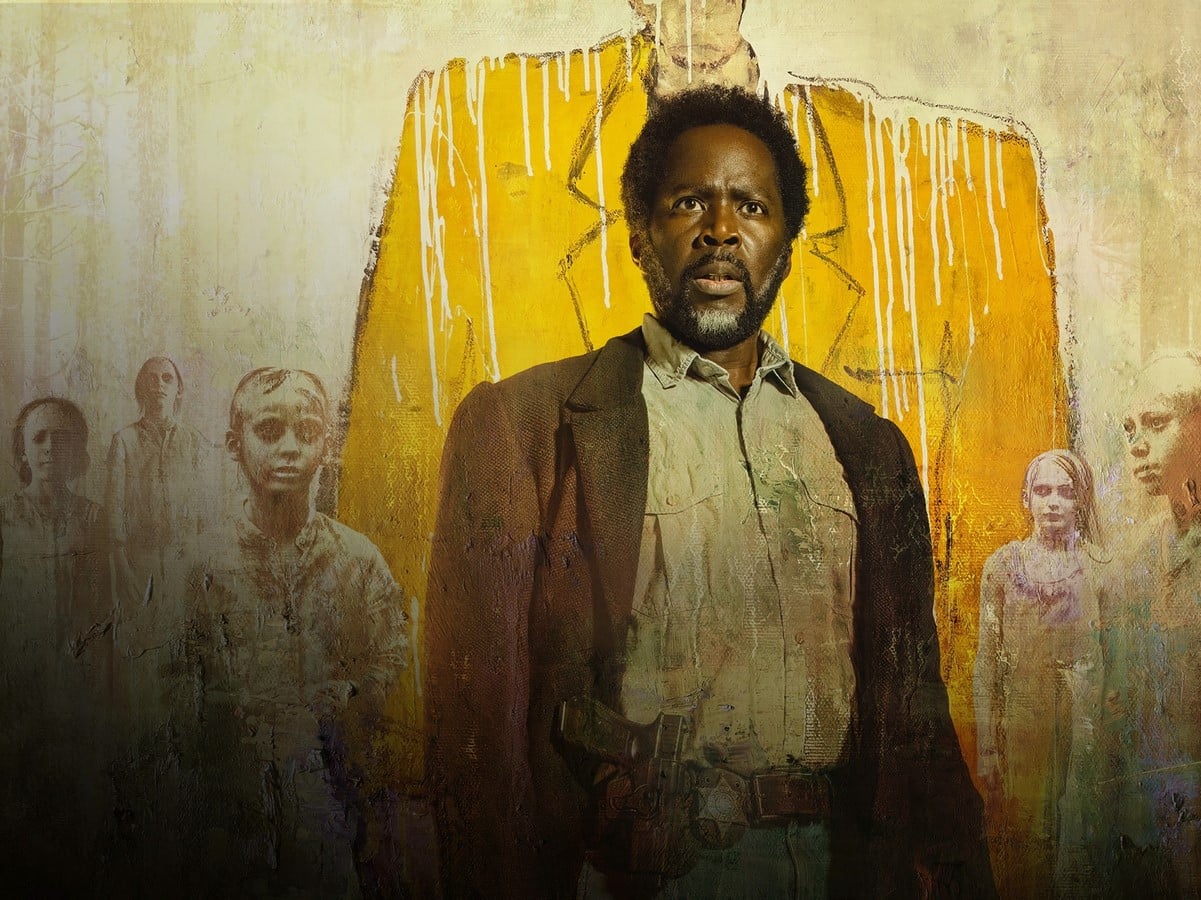
The Town That Has No Way Out
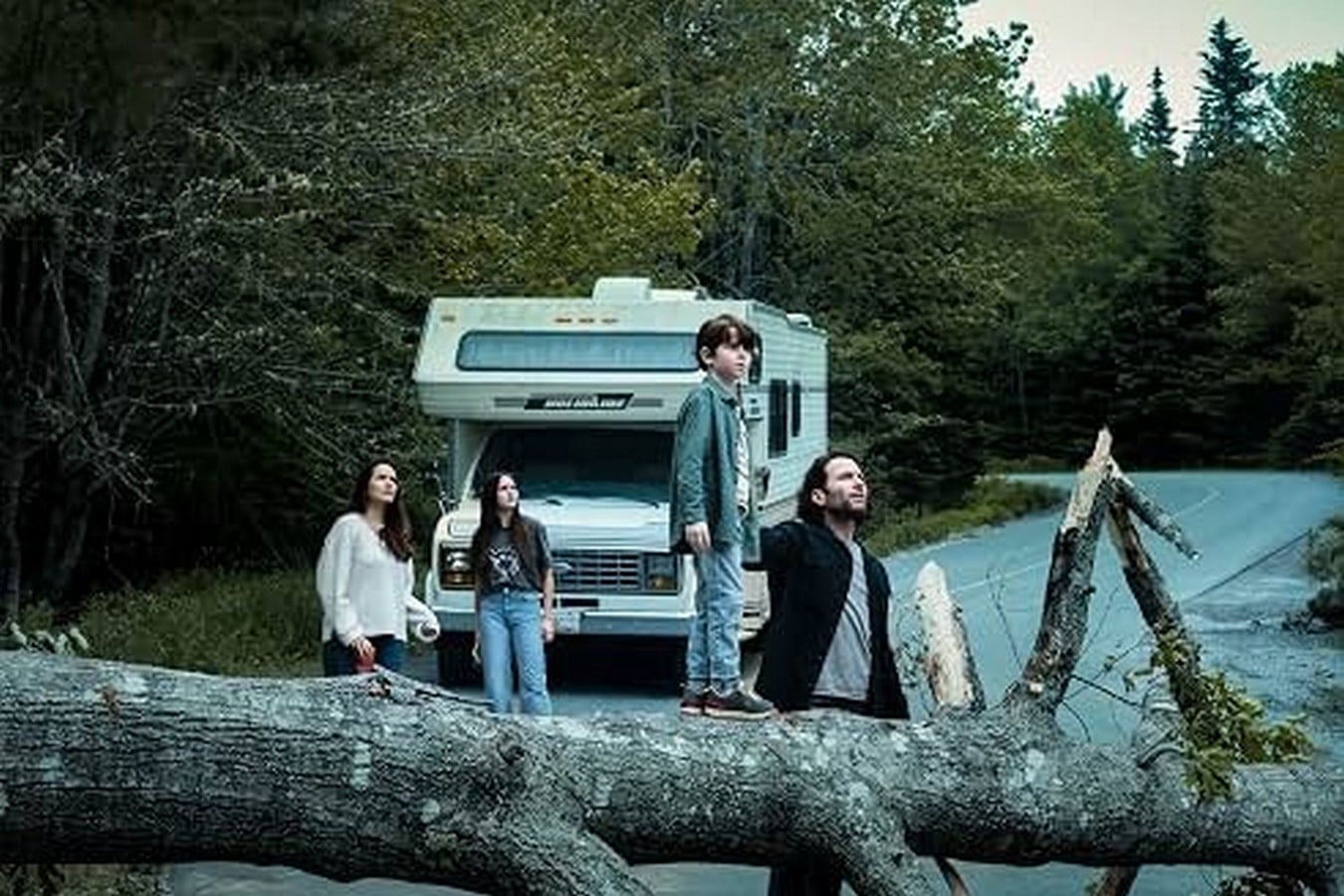
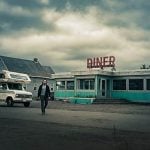
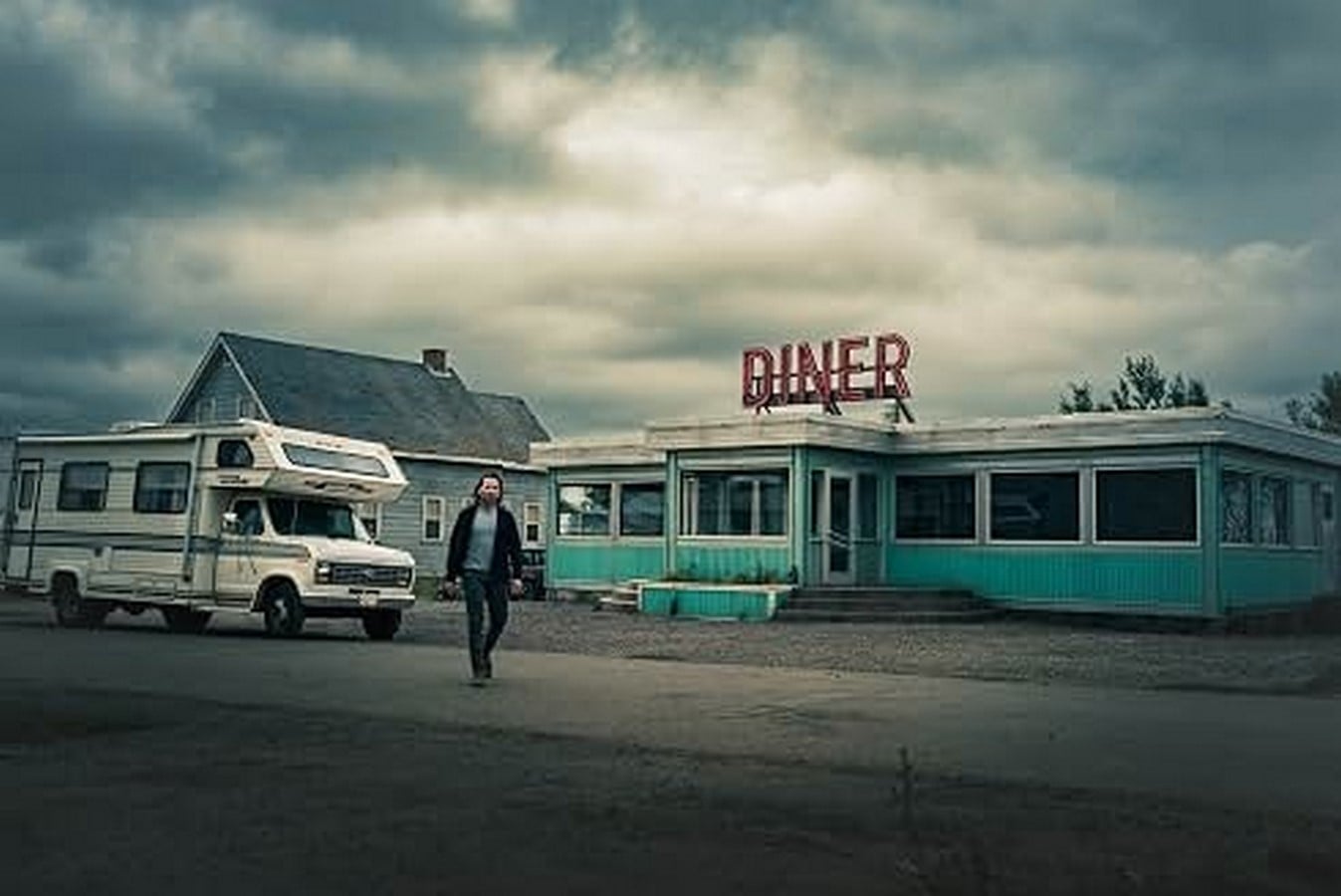
What makes FROM so enthralling is that the horror is not simply about what is outside the houses. It is about not understanding where you are, why you are there or whether there is any way. The show constantly raises questions without answering them. This makes the viewers also uncertain about the place alongside the characters. At the core of everything is a town that at first glance looks completely ordinary. There is a diner, a clinic, a church, a post office, houses and other familiar buildings. In a setting this could pass as any other town in the U.S.
But that normality is deceptive.
When Familiar Spaces Become Threatening
The roads, which normally represent freedom and movement, become a trap. The town has no exit; the woods surrounding the town pose a question of fear and uncertainty. The more they look out for answers, the more the town suppresses them.
This is one of the interesting things about FROM. The town is not a background. It is also an entity.
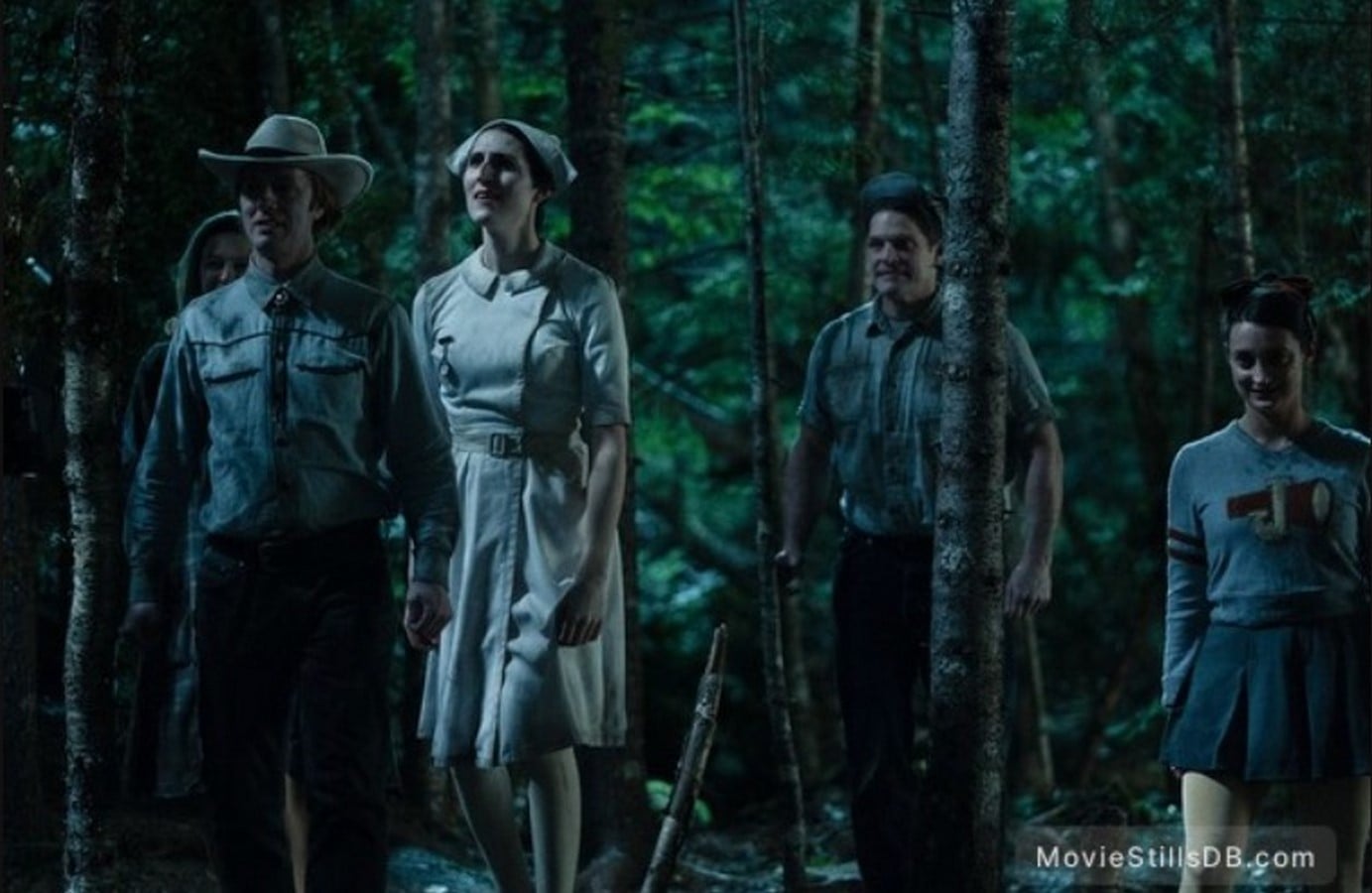
What catches the eye is the relationship between familiarity and danger. The buildings give them a sense of safety. However, safety comes with a set of loopholes. A closed door does not automatically mean that someone is safe. A closed window doesn’t usually mean one is protected. Even a small mistake can become a life-and-death situation.
This is where architecture becomes surprisingly important.
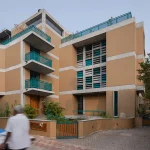
The houses in FROM are not designed as fortresses. They are homes that the residents have had to turn into protective spaces. Four walls are no longer enough. The residents must understand how the spaces work and follow rules in order to survive.
One of the interesting examples is the talisman. The residents believe that these stones can protect them FROM the monsters. Simply having one is not enough. Something simple as a doorway becomes important.
A doorway is normally a transition between two spaces. However, in the town it becomes a boundary between safety and danger. The physical doorway has not changed. Its definition has. The same thing happens with windows. Normally openings act as a spot for viewing the outside world, but in this show you never know what is on the other side.
This contrast between inside and outside is used throughout the show.
When Time Changes the Meaning of Space
During the day the town feels relatively open. People walk around, visit the diner, talk to each other and try to maintain some sense of life. There are movement, sunlight and activity, but not at night. All of that disappears.
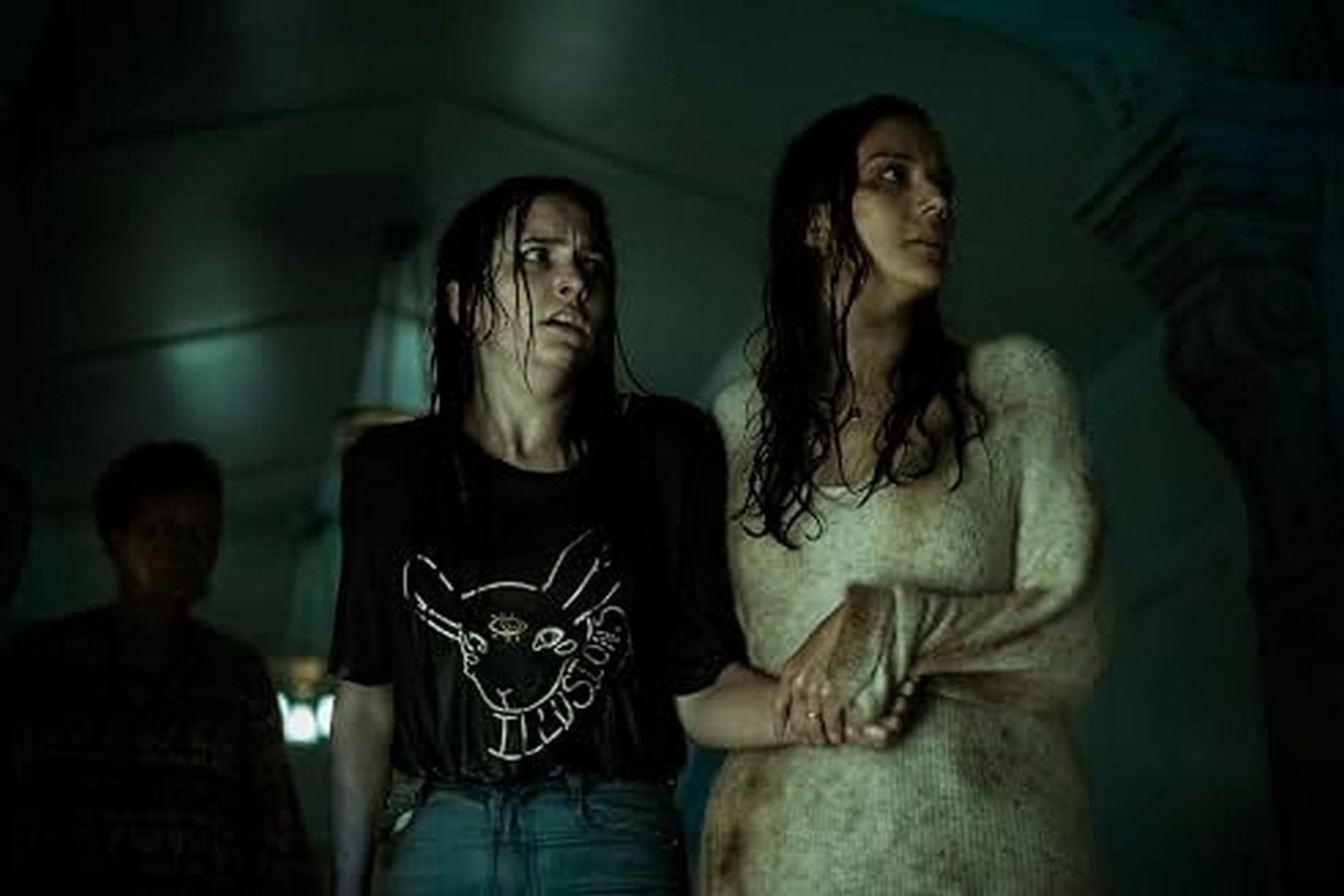
The streets become dangerous. Doors and windows become barriers between life and death. Being outside for a few minutes can have serious consequences. The town changes its identity depending on the time of day. This is the show’s narrative device because it makes time itself feel like part of the architecture. The residents must think about when they need to return, how long they can stay outside and what might happen if they are caught after dark. Even sunset, which is something, becomes an element of fear.
In this way, FROM shows how architecture influences behaviour. Also how human behaviour can completely change the way architecture is experienced. A road is no longer a road. A window is no longer a window. A doorway is no longer an entrance. Every element starts carrying a meaning.
Spaces of Survival: Community, Isolation and the Unknown
The different buildings in the town also establish relationships between the characters. The diner, for example, becomes a space where people gather, exchange information, argue and try to maintain some sense of everyday life. The clinic is a place for a cure. Can also act as a spot that is the most vulnerable. The church represents belief, hope and uncertainty. The houses are closely associated with families and private life, while Colony House represents a much more communal way of living. Under settings these differences might simply be lifestyle choices. In this town, however, they become decisions about how people want to survive.
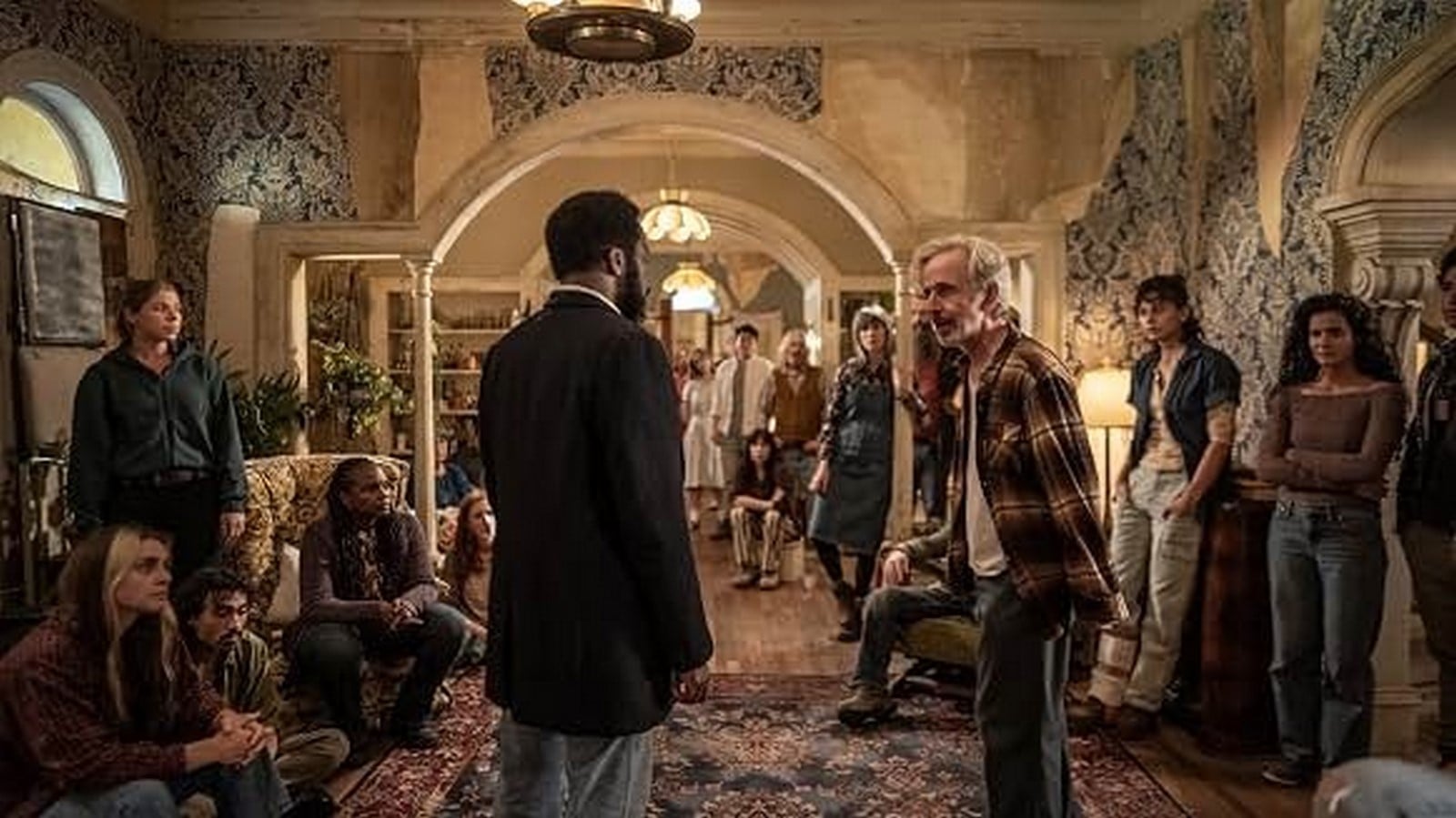
People who have nothing in common are suddenly forced to depend on one another. The built environment supports this process. The show keeps moving between these two conditions: togetherness and isolation. Then there are the woods. They represent everything. The buildings provide an amount of familiarity while everything beyond them is uncertain.
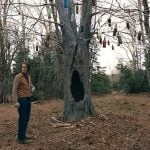
Yet curiosity repeatedly draws the residents into the forest in search of answers that might help them understand or escape this place. That creates one of the central conflicts of the show. The safest thing to do is to stay. Does that mean being trapped eternally? That is where curiosity becomes dangerous.
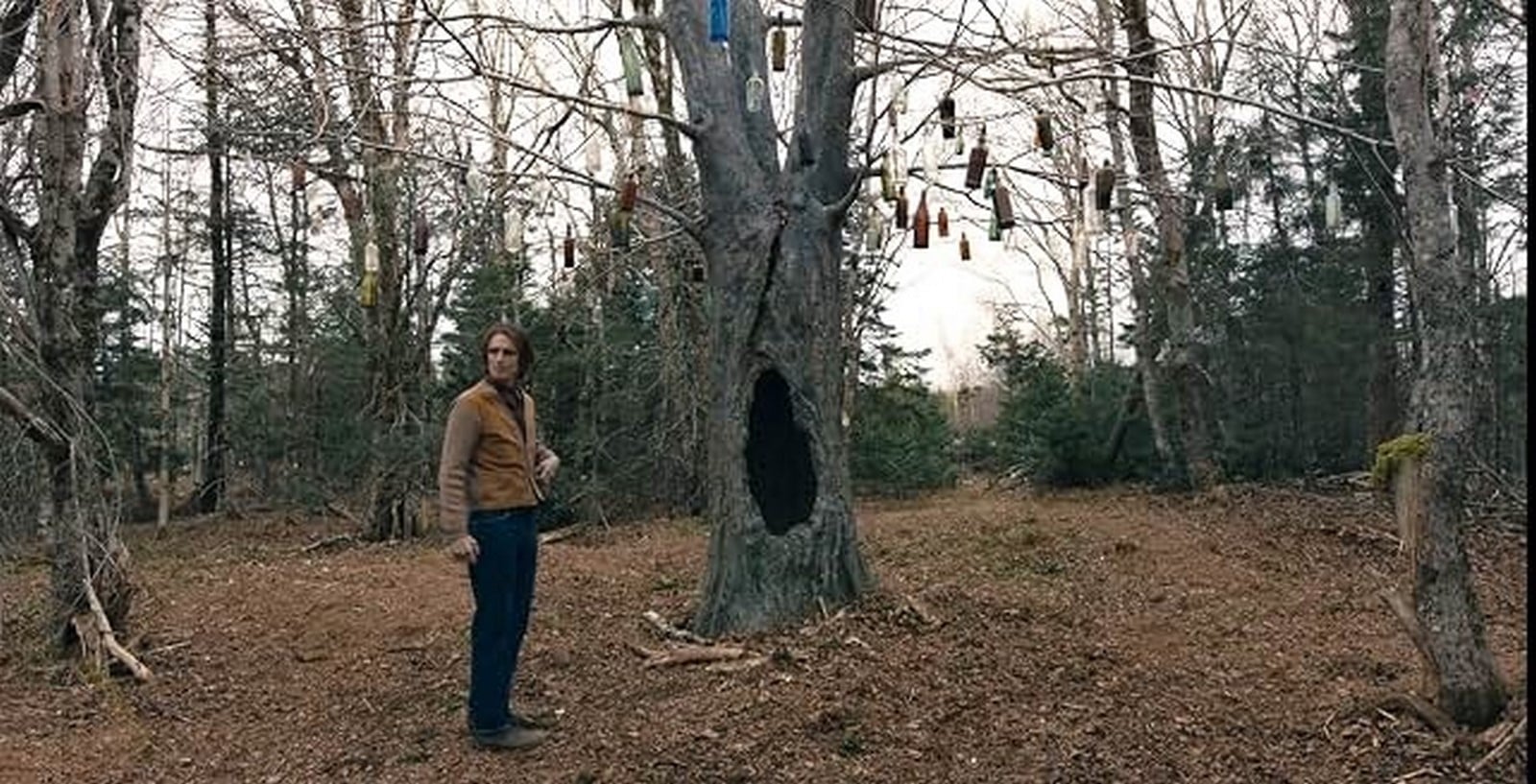
Architecture as an Experience of Fear
The characters are constantly trying to understand their environment. They investigate, experiment, build things, explore the forest and question the rules of the town. In a way this is what makes FROM interesting beyond the horror. It becomes a narrative about humans trying to understand an environment and create a sense of order within it. We experience a less extreme version of this in the real world. People are generally comfortable in places they understand. We rely on roads, landmarks, entrances, signs and routes.
What happens when those systems stop making sense?
FROM takes that feeling. Pushes it to an extreme. There is nowhere to go, no route out and no clear explanation for why the place exists. The characters experience a kind of stress when the places they are familiar with no longer provide safety or answers.
This is also where the show becomes interesting from a design perspective. Good architecture often helps people understand where they are, where they need to go and what they can expect from a space. FROM creates the exact opposite condition.
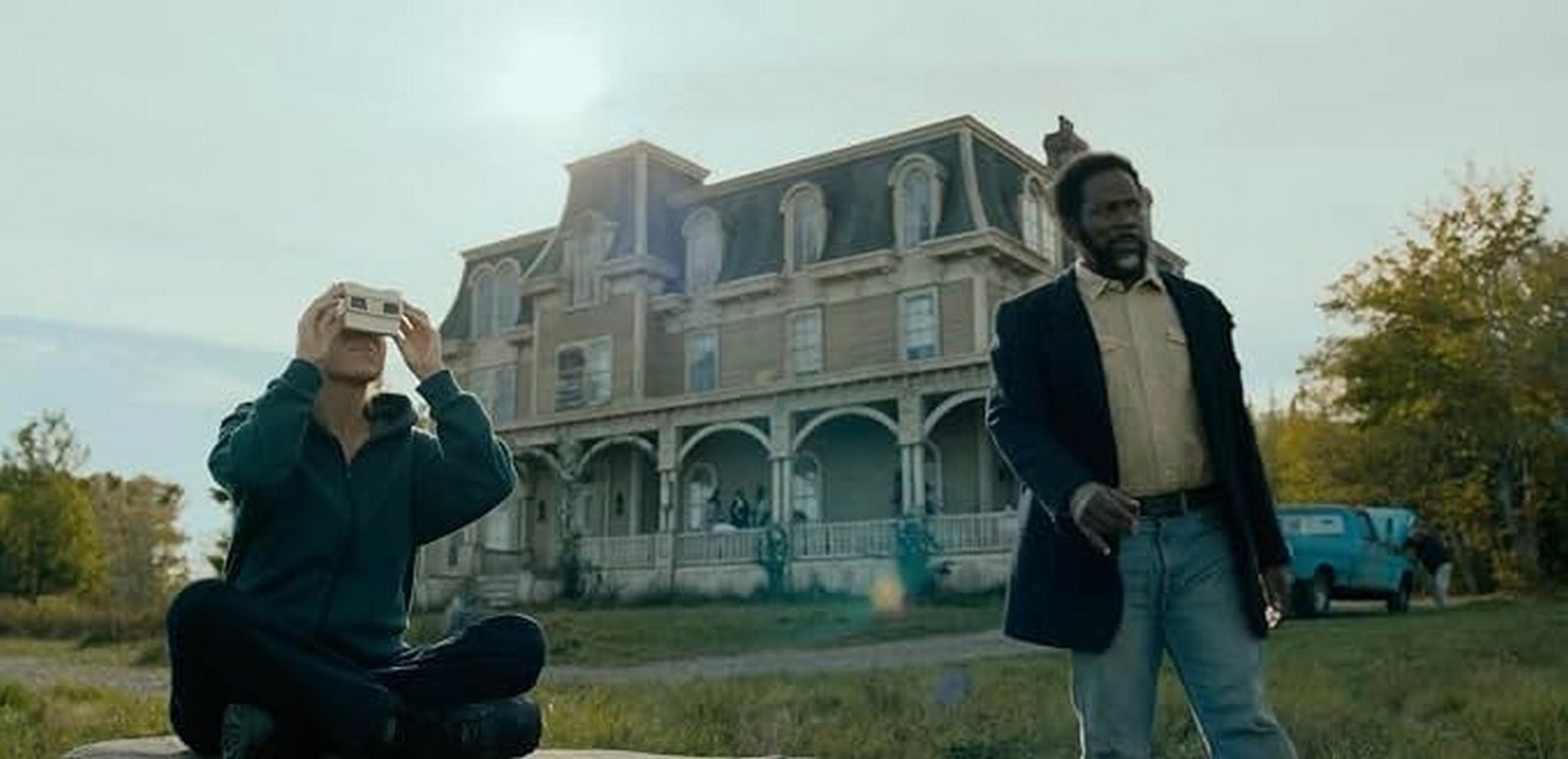
The town looks like a place people should understand. Its rules do not make sense. The show also does not depend entirely on jump scares. A lot of its horror comes from anticipation. The audience knows something bad might happen. This is where the architecture contributes heavily to the atmosphere. Corridors, rooms, windows and doorways create opportunities for things to be hidden or revealed.
There is also something beautiful about the contrast between the town’s appearance and its reality. The houses, trees and streets often have a quality.
Underneath that familiar appearance is something completely different.
That is probably what I find interesting about FROM. It takes something that should represent comfort and home and makes it disturbing.
The monsters were intimidating at first. Then the woods started to grow more ominous, and the town began to feel dreadful. The spaces that are supposed to provide protection also become sources of fear. The rules that once made people feel safe can start to feel less reliable. This constant uncertainty is what keeps the environment unsettling even when nothing is happening.
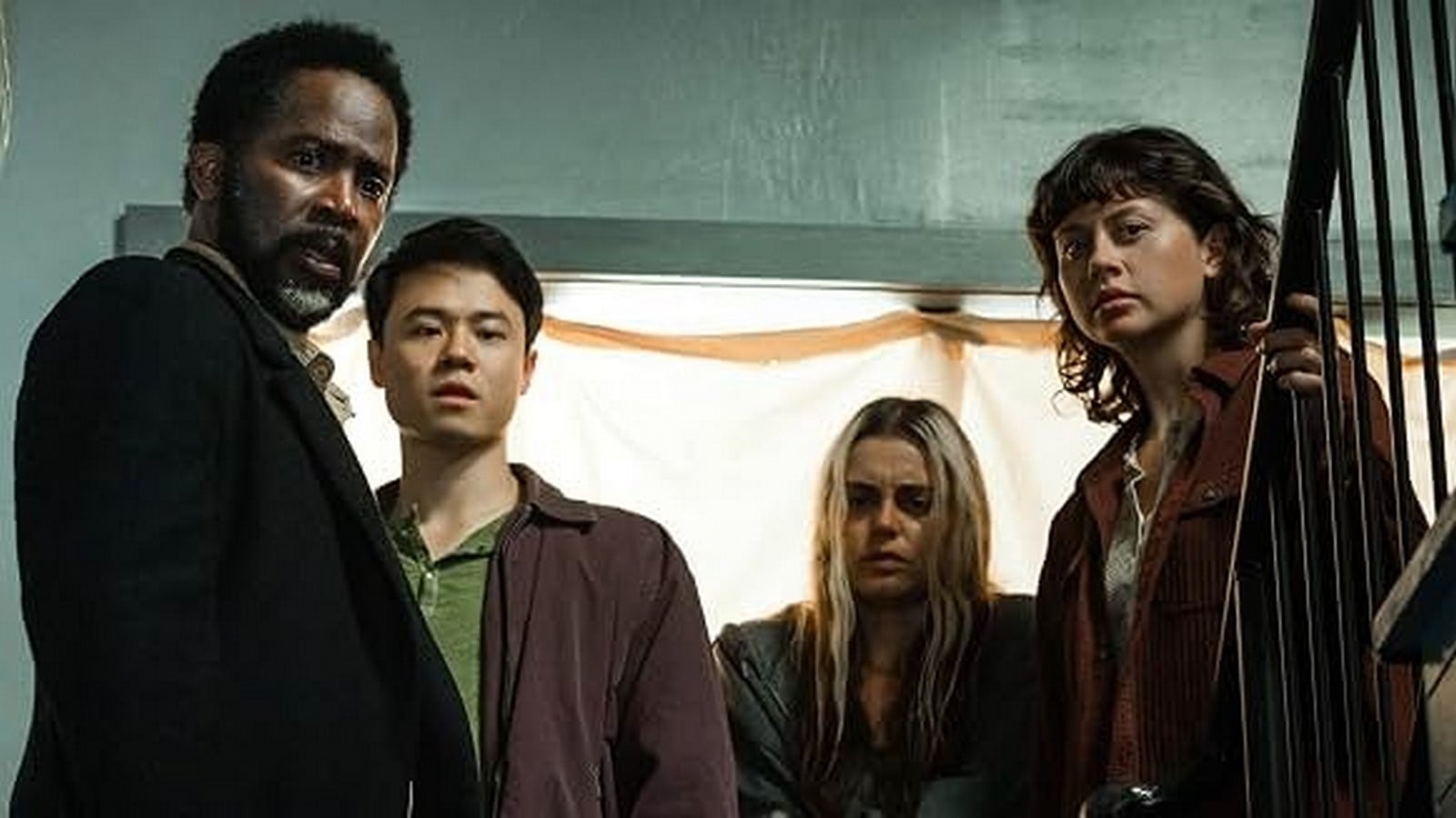
At its heart, FROM is not a story about monsters. It is about being trapped in a place that refuses to explain itself. The architecture does not dominate the story. It quietly strengthens almost everything happening around it. The town’s layout, its buildings, its thresholds and its interiors all contribute to how the characters experience fear. Importantly, the show demonstrates how people adapt to spaces when the ordinary rules of life suddenly disappear. It shows how a familiar environment can become completely different when the way we perceive it changes. For every answer, there seems to be another question.
I would recommend FROM to anyone who enjoys horror that relies more on atmosphere, mystery and psychological tension than constant jump scares. It is especially interesting for anyone in how spaces affect behaviour because the architecture of the town is never separate from the story. Even when an episode ends, the town stays in your mind. You start wondering what is behind the door, what lies beyond the forest, and what the place is trying to tell the people trapped inside it.
Perhaps the frightening thing about FROM is not simply that the characters cannot leave. It is that they still do not know where they are.
References:
Paramount Global Content. FROM MGM+, 2022–present Paramount Global Content | From (2022) [Accessed: 12 August 2026].