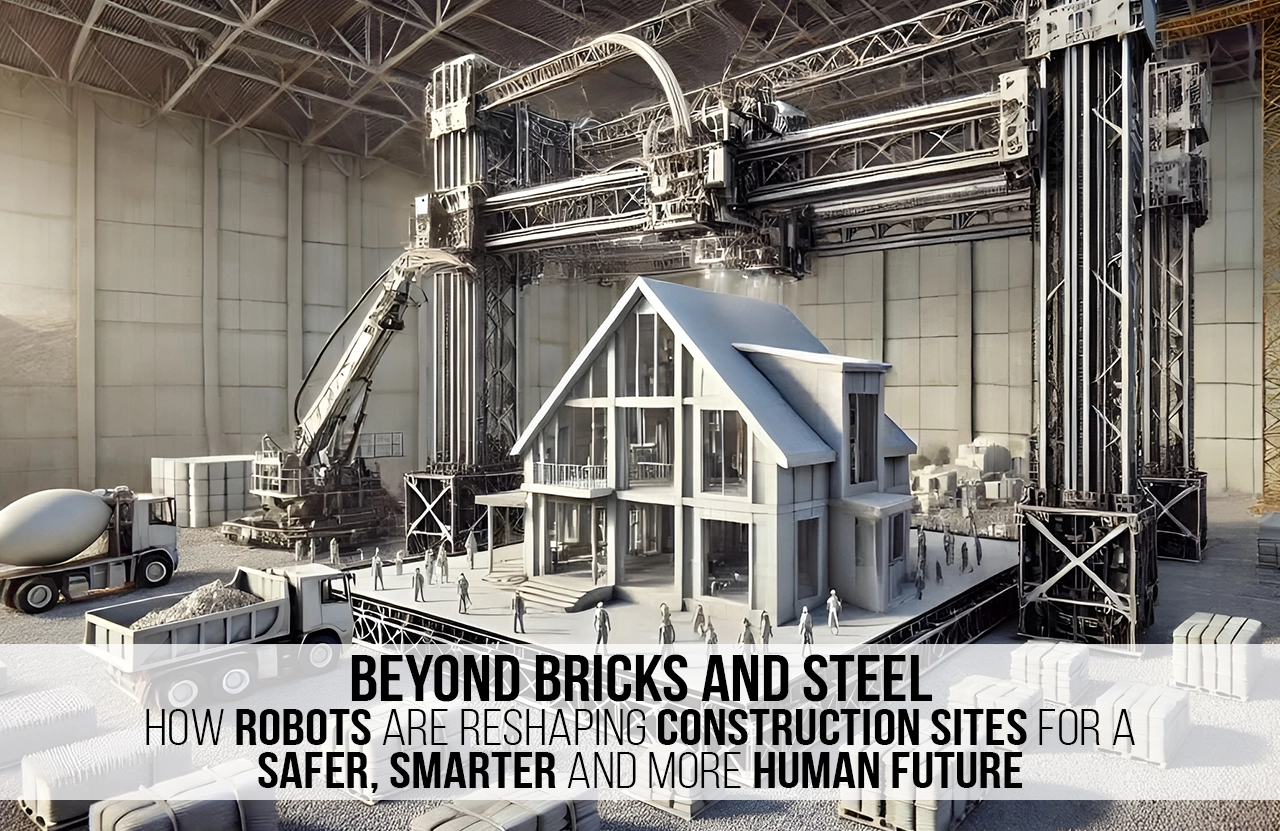
Construction has for years been considered one of the most labour-intensive and dangerous industries in the world. While remarkable advances have been made in project design and planning, the actual construction process on construction sites has largely relied on human labour, heavy equipment, and traditional construction methods. However, significant advancements in robotics, artificial intelligence, machine learning, digital twins, Building Information Modelling (BIM), and the autonomy of construction processes are dramatically changing how construction projects are designed, managed, and executed. Robots are performing more and more repetitive, dangerous and precise jobs, enabling construction professionals to increase productivity, improve worker safety, reduce material waste and become more sustainable.
Instead of displacing workers, robotics is reshaping the types of jobs in the construction industry. Cobots, autonomous vehicles, robotic masons, drones, robotic surveyors, and exoskeletons are augmenting human capabilities, offering new opportunities to develop skills and collaborate across disciplines. Nonetheless, the application of robotics raises several important questions related to workforce displacement, ethical governance, regulations, cybersecurity, and equal access to cutting-edge technologies.
The following paper analyses how robots transform construction sites by examining the evolution of construction technology, the development of robotics, their present-day applications, their advantages, disadvantages, and future potential. The analysis is based on the latest scientific sources and practical examples from various countries. The point is that construction should not see robots as a substitute for human skills, but as a catalyst for building smarter, safer construction sites of the future.
Throughout history, construction has always been a mirror of humankind’s desire to conquer the environment. Thanks to construction, people built pyramids in Ancient Egypt, aqueducts in Ancient Rome, and modern skyscrapers and durable infrastructure. However, even amid these amazing construction projects, the industry remains quite reluctant to technological change. Although robotics has become part of manufacturing, health care, and logistics in the last few decades, construction still relies heavily on manual labour and inefficient site activities (Barbosa et al., 2017).
In today’s world, construction sites have never been more challenging. Urbanisation, demand for infrastructure, shortage of human resources, high material costs, sustainability requirements, and climate change are all factors that are placing enormous strain on the industry. However, construction is one of the riskiest jobs in the world in terms of health and safety, accounting for an unusually high number of accidents and fatalities, even though it constitutes only a small proportion of the world’s labour force (ILO, 2024).
The sector has also been unable to compete on productivity. McKinsey & Company (2020) states that productivity growth in construction has been much slower than in manufacturing due to fragmented project delivery, inconsistent application of technology, and manual practices. There are still delays, cost overruns, quality problems, and material wastage in construction in both developed and developing countries.
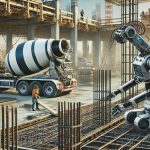
Such challenges have increased interest in robotics and automation as transformative solutions. Construction robots are not just prototype models undergoing experiments in laboratory settings. On the contrary, such robots are increasingly taking part in construction activities worldwide. Construction robots automate the preparation of foundations through autonomous excavators, carry out surveys using drones, provide precision of millimetre accuracy through robotic total stations, build walls using bricklaying robots at a speed previously unheard of, and aid workers to lift heavy loads by utilising robotic exoskeletons that prevent musculoskeletal injuries (Bock & Linner, 2016).

Compared with conventional mechanisation, which only enhances human capabilities through brute force, robotics adds intelligence to construction activities. Robots fitted with sensors, machine vision, artificial intelligence, and real-time communication systems can assess the conditions and environment in which they operate and collaborate with human workers. Such development signifies an evolution from mechanised construction to intelligent construction ecosystems.
The COVID-19 crisis only accelerated digital transformation in the construction sector. While labour shortages, social distancing, and logistics disruptions underscored the fragility of conventional construction methods, they also highlighted the importance of autonomous solutions that could sustain productivity in a limited-physical-contact environment (McKinsey & Company, 2020). As a result, governments, construction companies and tech enterprises have ramped up their investments in robot construction systems.
However, the use of robots poses several social and ethical questions. Employment issues, cost-effectiveness for smaller contractors, cybersecurity threats, workforce education and regulatory framework issues keep the industry from fully accepting robotics solutions. Thus, the comprehension of robotics calls for going beyond the paradigm of replacing people with machines, in favour of augmenting their capabilities and sustainable construction.
Finally, robots are changing the face of construction not only because of technological advancements, but also because the industry must adapt to increasing demands for safe working environments, high productivity, superior quality, and sustainable construction practices. The Future of Construction is about more than technology; it’s about the collaboration between human creativity and machine intelligence.
Need for Transformation: Why Construction Sites Must Change
For centuries now, construction sites have been where architects, engineers, artisans, and workers come together to turn concepts into reality through creative means. However, beyond all this creativity, there is an industry plagued by inefficiencies that have existed for decades. Unlike manufacturing, where production takes place in a controlled environment, construction sites are dynamic and constantly changing due to changing environmental conditions (Bock & Linner, 2016).
Among the issues facing construction sites is the worldwide shortage of skilled labour. The World Economic Forum (2023) has noted that demographic trends, urbanisation, and increased demand for infrastructure will lead to labour shortages in many developed countries over the next few decades, as the construction labour force ages and younger people are not enrolling in skilled trade professions. Such problems not only hinder progress but also increase labour costs and reduce productivity.
Safety is another key issue. Construction site workers operate in dangerous environments, using large machinery, working at heights, in confined spaces, in unstable excavations, and in dusty, noisy, and severe environmental conditions. As noted by the International Labour Organisation (2024), construction continues to account for a significant share of occupational fatalities, despite significant advances in safety and health regulations.
Often, accidents occur due to repetitive tasks, fatigue, poor visibility, or human error. Tasks such as bricklaying, welding, demolition, reinforcement, and structural inspection pose physical dangers to workers performing them. Robotics provide the opportunity to remove personnel from the danger zone and have machines perform dangerous operations with greater reliability and accuracy (Pan & Zhang, 2021).
Economic challenges call for changes as well. There are many instances of schedule delays and increased budgets due to unknown site conditions, design changes, inefficient communication, and wasted materials. According to McKinsey Global Institute, the construction industry could gain billions of pounds from improved productivity, similar to that seen in manufacturing, over the next decades (McKinsey & Company, 2020).
Sustainability is yet another reason to make a change. The construction industry accounts for approximately 37% of global carbon dioxide emissions from energy use, including construction operations and the building process (United Nations Environment Programme [UNEP], 2023). Waste production in the construction industry further depletes natural resources and landfills.
Robotic technologies enable accurate construction and automated material transportation, reducing waste. Thus, implementing digital solutions means not only technological development but also a strategy for the resilience and sustainability of construction sites in the future.
From Human Hands to Intelligent Machines: The Evolution of Construction Technology
The history of construction is, fundamentally, the history of technological innovation. Human societies have continually sought tools that reduce physical effort while increasing the scale and complexity of what can be built. From primitive stone implements to contemporary robotic systems, each technological advancement has reshaped both the construction process and the built environment.
Early civilisations relied almost exclusively upon manual labour. Monumental structures such as Stonehenge, the Egyptian pyramids and the temples of ancient India were constructed through extraordinary human coordination, craftsmanship and endurance. Simple machines—including levers, pulleys and ramps—provided mechanical advantage but remained dependent upon human or animal power.
The Industrial Revolution marked a significant turning point. Steam-powered equipment, cranes and mechanised lifting systems dramatically increased construction capacity during the nineteenth century. Mechanisation reduced the physical burden on workers while enabling larger infrastructure projects, including railways, bridges, and industrial buildings (Bock & Linner, 2016).
The twentieth century witnessed widespread adoption of hydraulic excavators, bulldozers, tower cranes, concrete pumps and heavy earthmoving equipment. These machines revolutionised productivity by amplifying human strength. Nevertheless, they remained entirely dependent upon human operators, whose skill determined operational accuracy and efficiency.
The digital revolution introduced an entirely new dimension to construction. Computer-Aided Design (CAD), Geographic Information Systems (GIS), laser scanning and Building Information Modelling transformed planning and coordination. Rather than simply replacing manual drawing techniques, these technologies enabled integrated project delivery, data-driven decision-making and improved interdisciplinary collaboration (Eastman et al., 2018).
The emergence of robotics represents the next stage in this technological evolution. Unlike conventional machinery, construction robots possess varying degrees of autonomy, environmental awareness and decision-making capability. Equipped with sensors, cameras, LiDAR systems, GPS positioning, machine vision and artificial intelligence algorithms, modern robots can navigate complex environments, detect obstacles and execute highly precise tasks with minimal human intervention (Pan & Zhang, 2021).
Artificial intelligence further enhances robotic capability by enabling machines to analyse vast quantities of project data, identify patterns and continuously improve operational performance through machine learning. Integration with BIM platforms allows robots to interpret digital construction models directly, translating virtual designs into physical construction activities with remarkable precision.
Perhaps most significantly, today’s construction robots increasingly function as collaborative partners rather than autonomous replacements. Collaborative robots—or cobots—are specifically designed to work safely alongside human workers. They perform repetitive, physically demanding, or hazardous tasks while allowing skilled professionals to focus on supervision, quality control, complex problem-solving, and creative decision-making.
This shift from mechanisation to intelligent collaboration signals a profound transformation in construction philosophy. Rather than viewing technology solely as a means of increasing productivity, contemporary construction increasingly recognises robotics as a tool for enhancing human capability, improving workplace wellbeing and delivering more resilient built environments.
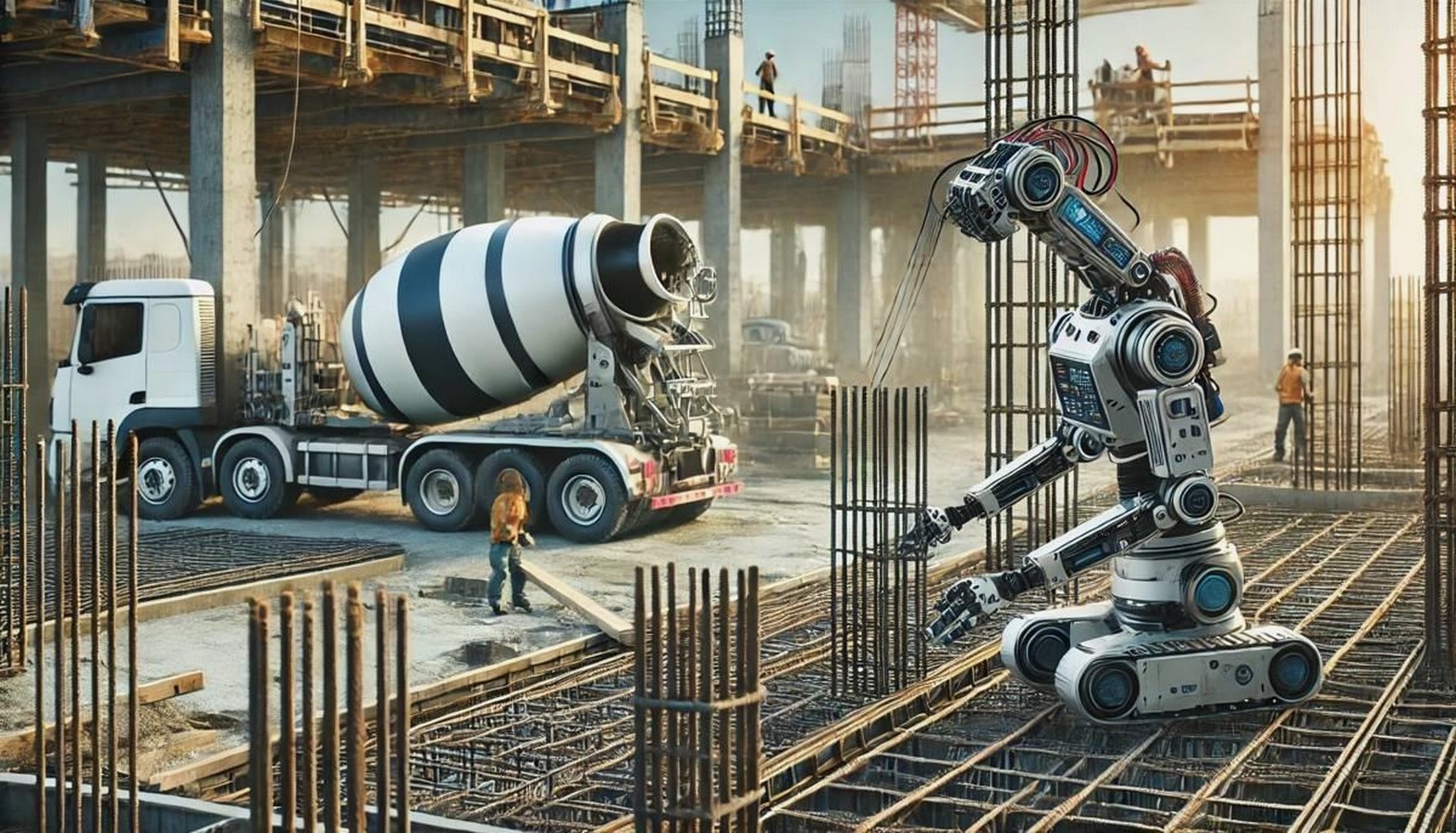
- Meet the New Workforce: Robots Transforming Construction Sites
The image of a construction site has traditionally been associated with hard hats, cranes, scaffolding and teams of skilled workers coordinating complex activities under challenging conditions. While these elements remain fundamental, a new workforce has quietly emerged—robots. Unlike the science-fiction notion of humanoid machines replacing people, today’s construction robots are highly specialised systems designed to perform specific tasks with exceptional precision, speed and consistency. Their primary purpose is not to eliminate human involvement but to augment human capability by taking on repetitive, physically demanding or hazardous activities (Bock & Linner, 2016).
Modern construction sites increasingly employ a diverse range of robotic technologies, each tailored to a particular stage of the construction lifecycle. These systems are reshaping project delivery while allowing architects, engineers and construction professionals to focus on higher-order decision-making, quality assurance and innovation.
Bricklaying Robots
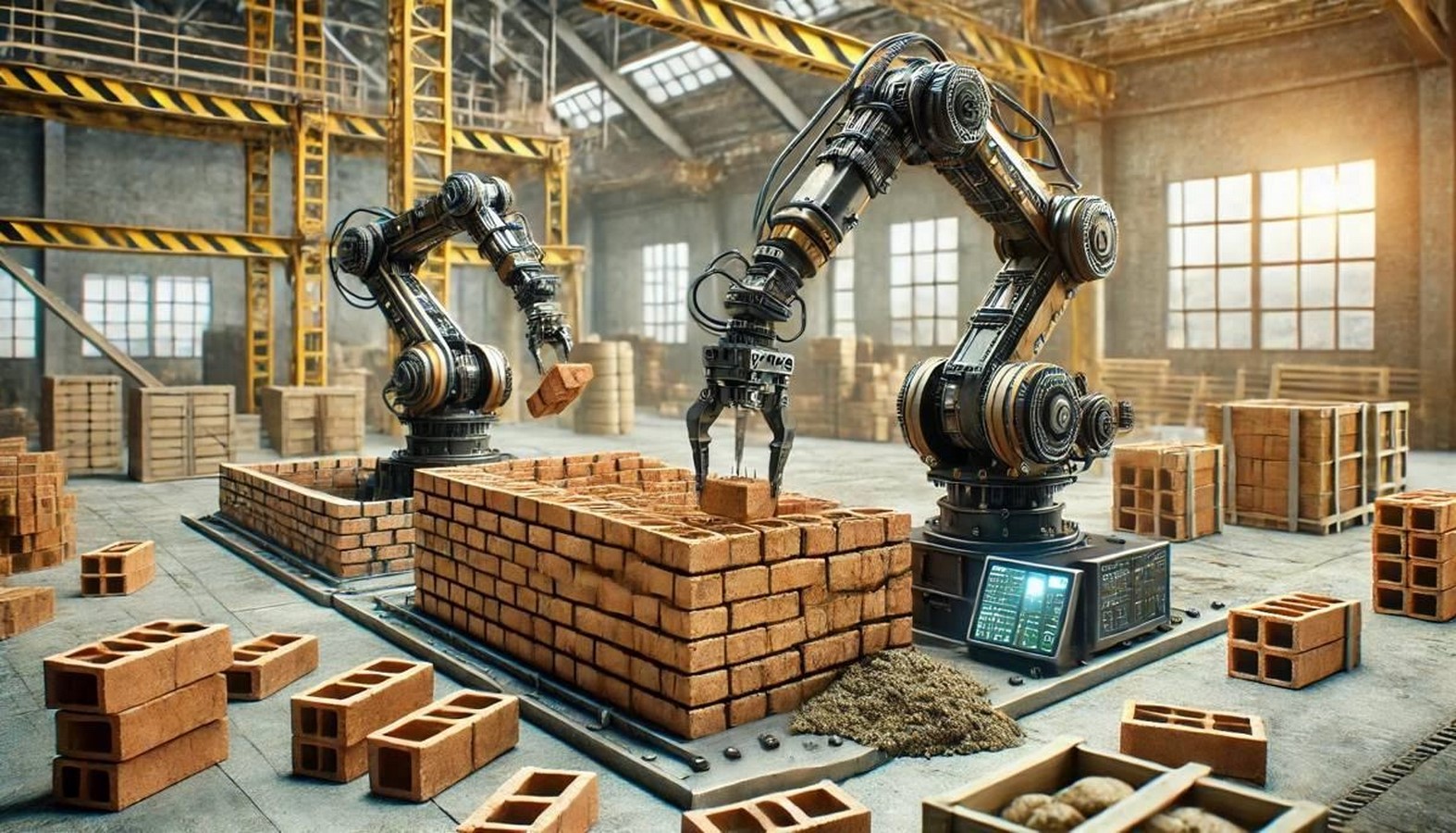
Bricklaying remains one of the most labour-intensive activities in construction. Skilled masons require years of experience to achieve both speed and accuracy. However, labour shortages and rising construction demand have driven the development of robotic bricklaying systems.
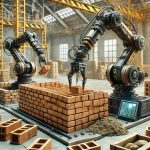
One of the best-known examples is the Hadrian X, developed by the Australian Company Fastbrick Robotics. Using computer-guided placement systems and advanced positioning technology, the robot can lay thousands of bricks in a single day with remarkable precision. Unlike traditional bricklaying, where minor inconsistencies accumulate over time, robotic systems ensure uniform mortar application, accurate alignment and reduced material wastage (Pan & Zhang, 2021).
Similarly, the Semi-Automated Mason (SAM100), developed in the United States, works alongside human masons rather than replacing them. While the robot performs repetitive brick placement, skilled workers supervise operations, manage complex corners and undertake finishing work. This collaborative model illustrates how robotics enhances productivity without diminishing the importance of craftsmanship.
Robotic Excavation and Earthmoving
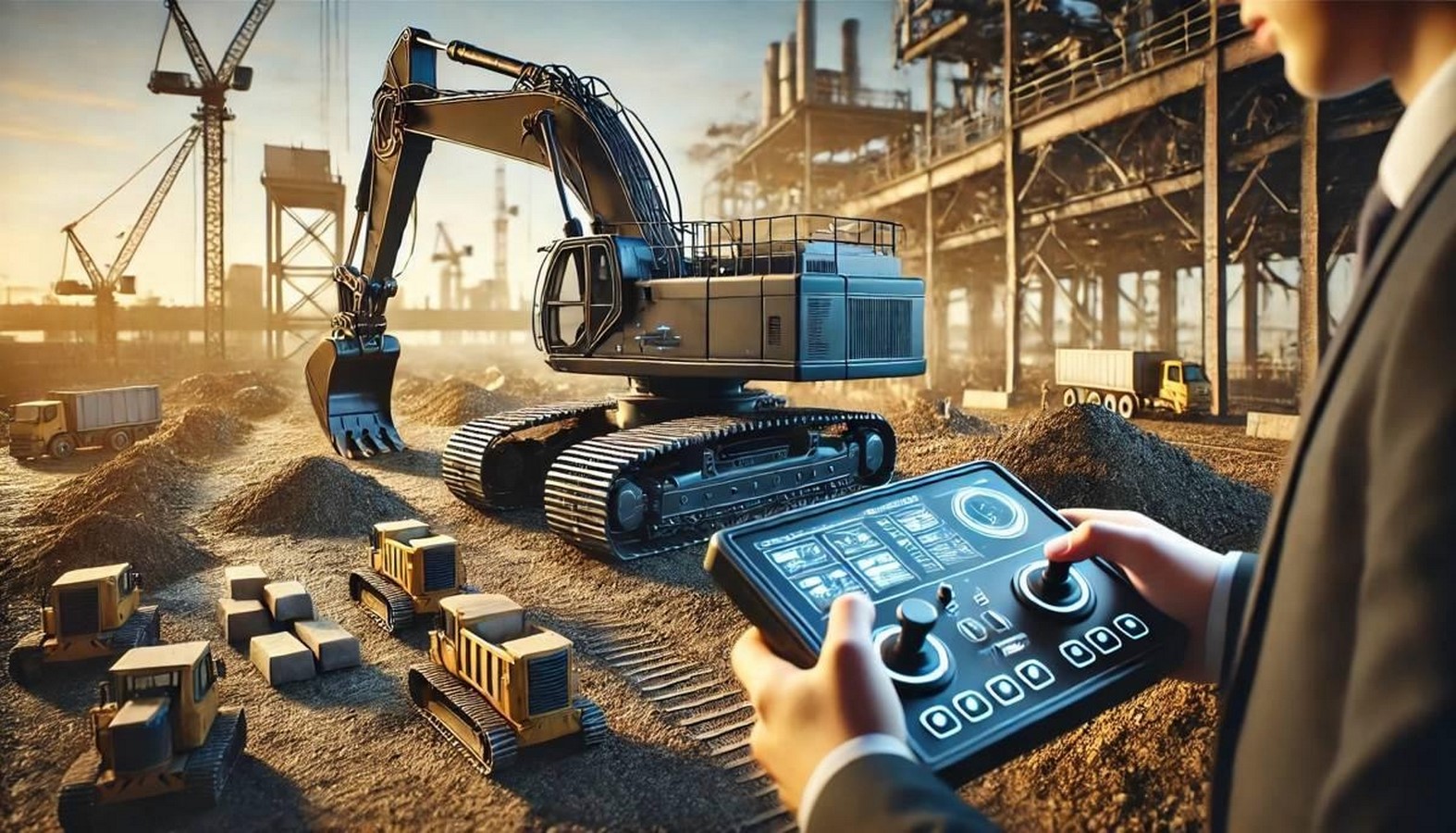
Excavation is another area where automation is advancing rapidly. Autonomous bulldozers, excavators and loaders equipped with Global Navigation Satellite Systems (GNSS), LiDAR sensors and machine learning algorithms can execute grading, trenching and earthmoving tasks with extraordinary precision.
Companies such as Built Robotics have developed autonomous conversion systems that transform conventional construction equipment into self-operating machines. These robots continuously analyse terrain conditions, adjust movements in real time, and optimise excavation paths, reducing operator fatigue and improving safety.
Autonomous earthmoving is particularly valuable for hazardous environments such as mining operations, disaster recovery zones and contaminated sites, where minimising human exposure significantly improves occupational safety (Bock & Linner, 2016).
Construction Drones
Uncrewed Aerial Vehicles (UAVs), commonly known as drones, have become indispensable tools on contemporary construction sites. Their ability to capture high-resolution imagery, produce three-dimensional maps and monitor project progress provides unprecedented situational awareness.
Surveyors previously spent days manually collecting topographical information. Today, drones equipped with photogrammetry software can survey extensive construction sites within hours while achieving centimetre-level accuracy. The resulting digital terrain models support planning, earthwork calculations and progress monitoring.
Drones also enhance safety by inspecting difficult-to-access structures, including roofs, bridges, towers and confined spaces. Instead of exposing inspectors to dangerous heights or unstable structures, aerial robotics enables comprehensive inspections while reducing occupational risks (Li et al., 2023).
Beyond surveying, drones assist with inventory management, security monitoring, thermal inspections and emergency response. Increasingly, they are being integrated with Building Information Modelling (BIM) platforms to compare actual construction progress against digital project models.
Robotic Surveying Systems
Accurate site layout forms the foundation of successful construction. Even minor positioning errors can lead to costly rework and project delays. Robotic total stations and automated layout robots have transformed this critical process.
Dusty Robotics, for example, employs autonomous layout robots that can translate BIM models directly onto construction floors. Rather than manually measuring and marking building layouts, these robots accurately print design coordinates onto concrete slabs, significantly reducing human error while accelerating project delivery.
The integration of robotic surveying with digital design platforms ensures that construction activities remain closely aligned with architectural intent, reducing discrepancies between design documentation and physical execution (Eastman et al., 2018).
Concrete Printing Robots
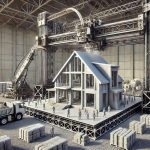
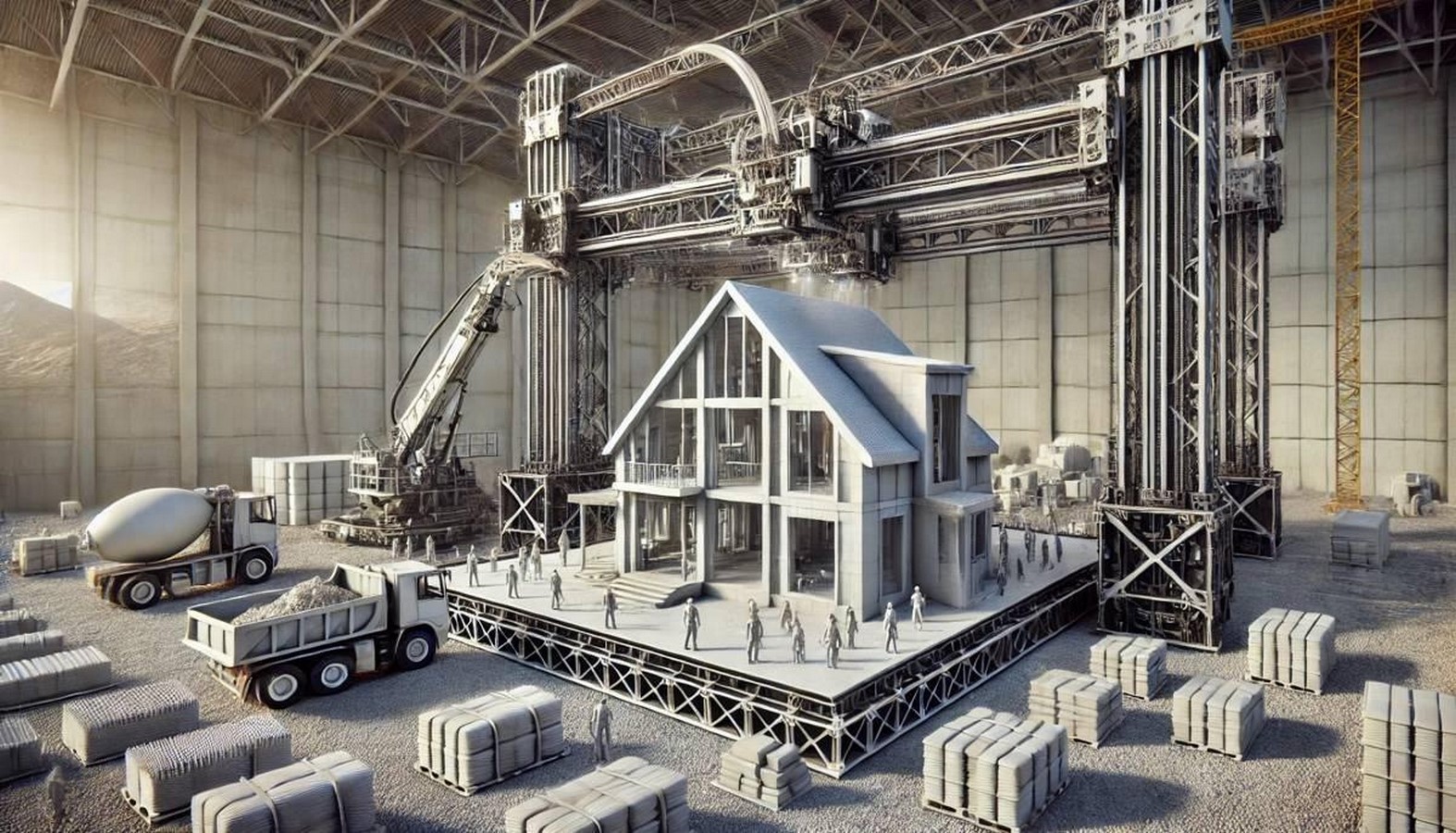
Perhaps one of the most revolutionary developments in construction robotics is large-scale three-dimensional (3D) concrete printing. Rather than assembling structures through conventional brick-by-brick or formwork-based methods, robotic printers deposit specialised concrete mixtures layer by layer according to digital design models.
Large robotic arms or gantry systems create walls, structural elements and architectural forms with exceptional geometric accuracy while minimising material waste. Complex curves and organic geometries that would traditionally require expensive formwork become significantly easier to construct.
Three-dimensional printing also offers important sustainability benefits through optimised material usage, reduced transportation requirements and lower construction waste. Researchers increasingly view additive manufacturing as a key technology supporting circular construction and low-carbon building practices (Buswell et al., 2020).
Demolition Robots
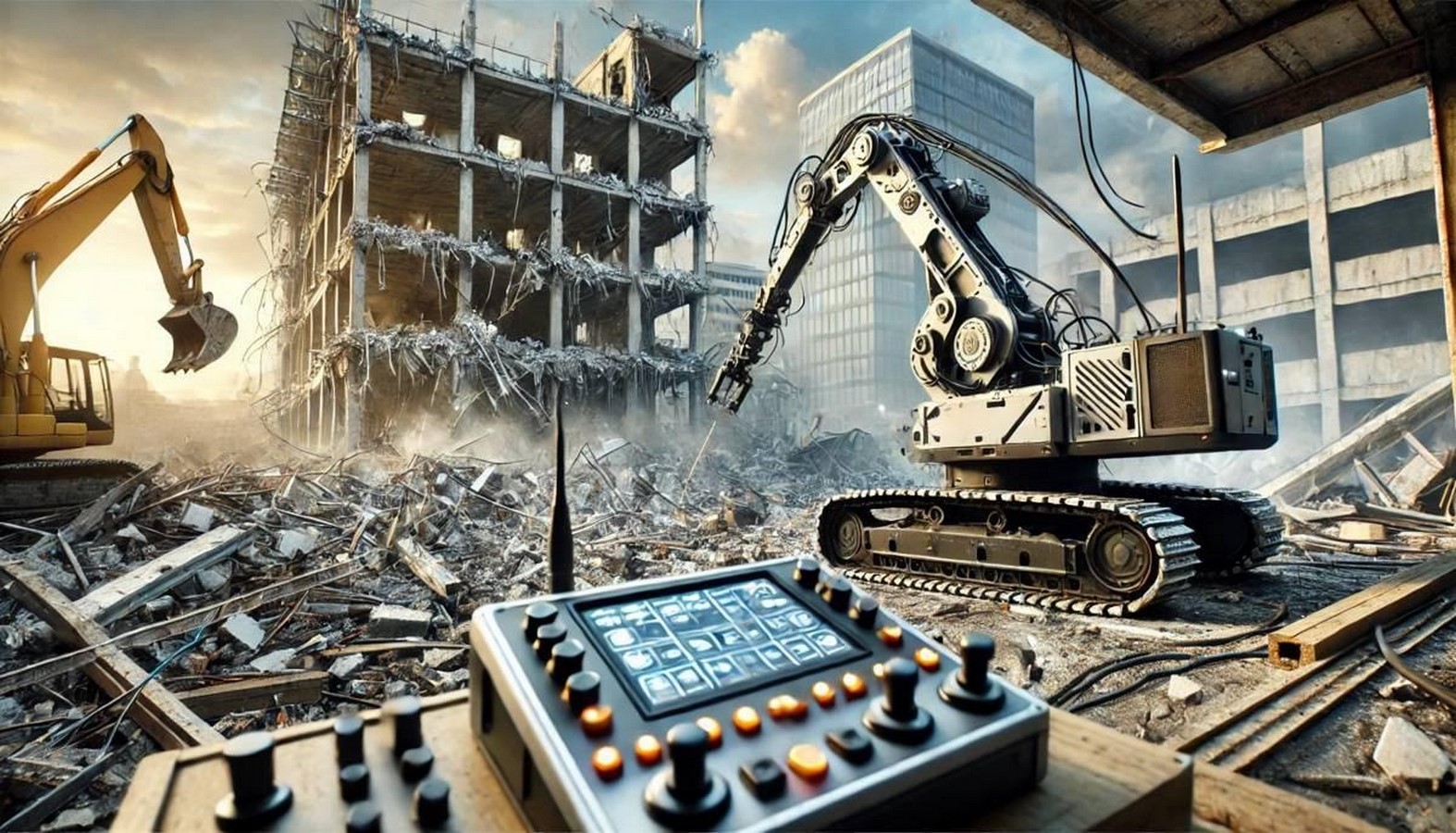
Demolition remains among the most dangerous construction activities due to falling debris, unstable structures and hazardous materials. Remote-controlled demolition robots significantly reduce these risks by enabling operators to work safely from protected locations.
Manufacturers such as Brokk have developed compact robotic demolition machines capable of operating in confined spaces while maintaining high levels of power and manoeuvrability. These systems perform concrete breaking, structural dismantling and selective demolition with greater precision than conventional heavy machinery.
Their compact size allows access to environments unsuitable for large excavators, including tunnels, nuclear facilities, and historic buildings that require careful dismantling.
Wearable Robotic Exoskeletons
Not all construction robots resemble independent machines. Wearable robotic exoskeletons represent a growing category of assistive technology designed to augment rather than replace human workers.
These lightweight wearable devices provide mechanical support to workers performing repetitive lifting, overhead drilling, welding and material handling. By reducing muscular strain and improving posture, exoskeletons help prevent musculoskeletal disorders—one of the leading causes of occupational injury within the construction sector (de Looze et al., 2016).
Rather than automating entire tasks, exoskeletons demonstrate how robotics can enhance human wellbeing while preserving skilled craftsmanship.
- Human–Robot Collaboration: Building Together Rather Than Competing
Public discussions surrounding robotics often focus on fears of widespread job displacement. Headlines frequently suggest that intelligent machines will replace construction workers, leading to unemployment and diminished human relevance. Such narratives, however, oversimplify the relationship between robotics and construction.
In reality, the construction industry faces a very different challenge. Rather than having too many workers, many countries face persistent shortages of skilled labour due to ageing workforces, declining apprenticeship participation and increasing infrastructure demands (World Economic Forum, 2023). Consequently, robotics is emerging not as a substitute for labour but as a means of addressing workforce gaps while enhancing productivity.
Construction remains fundamentally dependent upon human judgement, creativity and problem-solving. Every project presents unique design constraints, regulatory requirements, environmental conditions, and stakeholder expectations that cannot be addressed solely through automation. Architects interpret client aspirations, engineers resolve unforeseen structural issues, and experienced tradespeople adapt continuously to changing site conditions.
Robots excel in performing repetitive, physically demanding and highly precise tasks. Humans excel in creativity, ethical reasoning, interpersonal communication and complex decision-making. Together, these complementary capabilities create more resilient construction processes.
Collaborative robots—commonly known as cobots—are specifically designed to work safely alongside human workers. Unlike fully autonomous industrial robots operating behind safety barriers, cobots incorporate advanced sensors, force-limiting mechanisms and machine vision systems that allow safe interaction within shared workspaces.
For example, a robotic bricklayer may construct long, straight walls, while skilled masons complete intricate detailing, corners, window openings, and aesthetic finishes. Similarly, autonomous surveying robots establish accurate layouts while engineers validate measurements and resolve design conflicts.
This collaborative approach also creates entirely new professional roles. Digital construction managers, robotic maintenance specialists, BIM coordinators, AI engineers, drone pilots and automation technicians are becoming increasingly important members of construction teams (Pan & Zhang, 2021).
Educational institutions are responding by integrating robotics, artificial intelligence and digital construction into architecture, engineering and construction curricula. Future professionals will require interdisciplinary knowledge that combines traditional construction expertise with digital technologies, programming, and data analytics.
Rather than diminishing craftsmanship, robotics can elevate it. By relieving workers of repetitive manual labour, automation allows skilled professionals to devote greater attention to quality, innovation and complex construction challenges. In this sense, robotics supports a transition from labour-intensive construction towards knowledge-intensive construction.
Importantly, successful human–robot collaboration depends upon trust. Workers must understand robotic capabilities and limitations while participating actively in implementation processes. Transparent communication, comprehensive training and participatory technology adoption strategies are therefore essential for achieving positive outcomes.
- Making Construction Sites Safer Through Robotics
Safety has long been recognised as one of the construction industry’s greatest challenges. Construction workers routinely encounter hazards including falls from height, heavy equipment collisions, electrical accidents, confined spaces, structural instability, exposure to hazardous substances and extreme weather conditions. Despite decades of regulatory improvement, construction continues to experience one of the highest occupational injury and fatality rates globally (International Labour Organisation [ILO], 2024).
Robotics offers an opportunity to rethink safety by preventing accidents before they occur rather than merely responding to them afterwards.
One of the most immediate safety benefits involves removing workers from hazardous environments. Drones inspect roofs, bridges and towers without requiring personnel to work at dangerous heights. Remote-controlled demolition robots dismantle unstable structures while operators remain safely outside collapse zones.
Autonomous excavation equipment reduces exposure to trench collapses and incidents involving heavy machinery. Similarly, robotic inspection systems equipped with cameras, thermal sensors and laser scanners enter confined spaces where toxic gases or structural instability may threaten human life.
Artificial intelligence further enhances safety by continuously monitoring site activities through computer vision systems. Cameras integrated with machine learning algorithms automatically detect whether workers are wearing appropriate personal protective equipment (PPE), identify unsafe behaviours and alert supervisors to potential hazards before accidents occur (Li et al., 2023).
Wearable robotics also contributes significantly to occupational health. Exoskeletons reduce fatigue associated with repetitive lifting and overhead work, thereby decreasing the risk of long-term musculoskeletal disorders that commonly affect construction workers.
Predictive safety represents another emerging application. By integrating sensor networks, BIM models, weather information and equipment telemetry, AI-enabled robotic systems identify patterns associated with increased accident risk. Site managers receive real-time warnings, allowing preventive interventions before dangerous situations escalate.
Safety improvements extend beyond individual workers. Greater precision in robotic operations reduces structural errors, minimises accidental damage, and decreases material-handling incidents, contributing to safer construction environments overall.
Nevertheless, introducing robotics also creates new safety considerations. Human workers must understand robotic operating zones, emergency procedures and interaction protocols. Effective training, robust regulatory standards and rigorous risk assessments remain essential components of safe robotic integration.
Ultimately, the goal is not simply to create automated construction sites but to create environments where technology actively protects human life. By combining human expertise with intelligent machines, the construction industry moves closer to achieving its longstanding ambition of zero workplace harm.
- Building Faster Without Compromising Quality
This sector faces a challenge: clients want projects completed faster, but faster speeds often increase the risk of mistakes and lower quality. Delays arising from labour shortages, unfavourable weather, material shortages, and communication issues remain a problem on construction sites worldwide, resulting in financial losses and erosion of client confidence (Barbosa et al., 2017). Robotics offers a solution to this problem, enabling construction sites to increase speed without compromising accuracy or quality.
Robots can work continuously on tasks that involve repeating certain actions, without getting tired, distracted, or performing differently depending on the environment. This is important when performing operations such as bricklaying, welding, drilling, reinforcement, and concreting, among others, as precision determines the effectiveness of structures.
Another major contributor to construction inefficiency is rework. Rework refers to completed tasks that do not meet specifications or required quality standards, and thus need to be redone. Research shows that about 5%-15% of project costs are spent on rework (Love et al., 2018), which significantly impacts project financial efficiency and overall customer satisfaction. The application of robotic technology reduces rework as the machines work according to the digital model with an accuracy up to a millimetre.
The combination of robotics and Building Information Modelling (BIM) represents another step in revolutionising quality management in the construction industry. BIM involves the digital visualisation of buildings, containing information on their architecture, structure, services, and so forth. The advantage of this technology is that construction robots can read information from the BIM model.
For example, robotically controlled layout systems place digital drawings on the construction surface with such precision that there are no manual measurement errors. Likewise, robotically controlled total stations continuously check whether structures are aligned throughout construction, enabling deviations to be identified and corrected before they become flaws.
The use of artificial intelligence in construction brings new predictive capabilities. AI-controlled quality control systems examine sensor readings, laser scans, and photographs to detect discrepancies between the plan and the completed work. Through machine learning, certain patterns related to quality defects are identified, and measures to prevent them are suggested (Pan & Zhang, 2021).
Another big step forward is the introduction of digital twins. A digital twin is a virtual model of a physical asset, updated in real time using data from sensors at the construction site. By incorporating robotics, IoT devices, and BIM, projects can be managed and evaluated for their performance (Lu et al., 2020).
Robotics also plays an important role in increasing efficiency. There tends to be a lot of time wasted transporting materials from the storehouse to the construction site. Robotics saves time through automation and delivers materials when needed. It is important to note that higher efficiency does not mean less human intervention. Through robotics, humans can use their skills to monitor, control quality, communicate with clients, and make technical decisions.
- Sustainability Beyond Efficiency: Building Greener Construction Sites
The building industry holds a paradoxical role in world development. Although buildings and infrastructure are critical for economic development and social wellbeing, construction processes consume large amounts of natural resources, generate significant waste, and emit greenhouse gases. As reported by the United Nations Environment Programme (2023), buildings and construction account for about 37% of the world’s energy-related carbon dioxide emissions. Hence, to ensure sustainable development, some revolutionary changes in construction site operations should be implemented.
Environmentally friendly construction using robots can become one such catalyst for sustainable development. It not only increases efficiency but also makes the design, material utilisation, and delivery processes more sustainable.
The most obvious environmental benefit of using robots in construction is waste reduction. Conventional construction technologies often result in significant material loss due to incorrect measurements, manual cutting, transportation damage, and construction errors. Robots, on the other hand, perform their tasks with outstanding precision, ensuring no excess material is used. Automated cutting, drilling and assembling minimise waste as well as unnecessary resource use (Bock & Linner, 2016).
3D concrete printing represents a case in point. Traditional concrete construction relies on temporary formwork, much of which ends up as waste after a single use. Robotic additive manufacturing minimises such dependency by using concrete only where required for structural reasons, thereby reducing material use and waste (Buswell et al., 2020).
Robotic technologies align well with the circular economy’s principles due to their ability to perform selective demolition and recycling. Mixed waste generated by traditional demolition is hardly recyclable. Robots can disassemble buildings more precisely, enabling the separation of usable materials such as steel, timber, and concrete. The amount of waste sent to landfills decreases while natural resources are saved.
The efficiency of energy use during construction is another factor to consider. Autonomous equipment can efficiently schedule operations, avoid unnecessary engine idling, and save fuel through intelligent routing algorithms. Site management systems equipped with AI can effectively manage robotic equipment operations, avoiding duplicate work.
The drones also support environmental monitoring by providing accurate data on soil erosion, vegetation loss, water management, and environmental compliance. The contractors can easily detect environmental disturbances through regular aerial surveys and undertake corrective measures to prevent environmental degradation.
In addition, robotics contributes to sustainable architecture by designing buildings of various geometries, thereby increasing the efficiency of the environment. Modern techniques of robotic fabrication enable the architect to develop optimised structural forms using less material. This parametric design, together with robotic manufacturing, enables efficient resource use, which is not possible with traditional methods.
Construction sites are becoming smarter by incorporating sensing systems that provide real-time information on energy consumption, water use, air pollution, and waste generation within the project. These data help the project manager measure environmental performance and apply evidence-based sustainability strategies.
Moreover, sustainability encompasses more than environmental issues; it also relates to social sustainability. Construction robots minimise physical strain, increase workplace safety, and create better job opportunities by applying high-end technologies.
As government bodies make pledges to achieve net-zero emissions, robotics technology will become an increasingly indispensable part of their green construction approaches. Intelligent automation enables the construction sector to combine productivity with responsibility, thereby demonstrating that technological development and sustainability go hand in hand.
- Issues and Ethical Questions: Human Side of Construction Robotics
Despite the significant advantages offered by robots, their utilisation in construction remains neither universal nor simple. Every technological development always raises new issues and questions on the technical, economic, social, and ethical planes. Understanding them is necessary for robotics to help build a more inclusive and sustainable construction sector.
One of the biggest obstacles is the cost of acquisition. High-end robots require significant investment in purchasing, installing software, maintaining them, and educating personnel on their operation. Large international construction companies can cope with those costs, while small- and medium-sized businesses – which make up the lion’s share of construction companies in many countries – face difficulties with them (Barbosa et al., 2017).
The return on investment may also differ depending on the type of project. The use of automation is highly beneficial for large-scale infrastructure projects and large-volume housing projects, as repetitive tasks make such investments profitable. For bespoke projects, which may not have enough repetitive processes for this purpose, the use of robots may be unprofitable. Thus, there is a risk of uneven productivity growth between large and small contractors due to different access to robotics.
The workforce issue is another important aspect to consider. Robots are often viewed as meant to replace people and cause unemployment. However, while today robots assist humans in performing their jobs, some repetitive tasks may be performed less frequently in the future (Pan & Zhang, 2021).
This situation shows the importance of education for the future. Future construction professionals will need not only technical but also digital skills. This means that educational programs need to be changed in universities, vocational colleges and professional associations.
Considerations for ethics are also essential. The amount of operational data that can be collected from construction robots using cameras, sensors, wearable technologies, and positioning systems is rapidly increasing. Even though data collection will make operations safer and more productive, ethical issues concerning the use, processing, and storage of personal data must be taken into account (Li et al., 2023).
The other major issue is the cybersecurity of digitalised construction sites. Modern construction machines, building information modelling tools, and robotic systems rely on digital communication. Cyberattacks against these tools and infrastructure may disrupt site processes and pose safety risks. Therefore, implementing the cybersecurity framework will be crucial for digital construction management.
Legal and regulatory frameworks are also changing. Occupational health and safety rules have primarily been developed for traditional construction processes in which workers operate equipment. The issues of liability, accountability, and certification are quite complex in the case of autonomous robotic technology. For example, responsibility for the robot’s malfunction will rest with software developers, machine manufacturers, contractors, and construction site managers.
A cultural aspect of technological uptake is also worth consideration, since construction, as an industry, is typically based on hands-on experience, craftsmanship, and teamwork. The use of robots can be resisted by employees who may fear that the new technology will harm their professional identity or diminish the significance of their skills. Therefore, successful adoption involves leadership, open communication and involvement of the workforce during technological shifts.
Lastly, robotics cannot be perceived as a silver bullet that will solve all the problems of the construction sector. Creativity, contextual awareness, ethics and collaboration are key features of the architecture and construction business that cannot be replaced by technology. The future of construction sites lies not in the choice between human workers and robots, but in creating a team where each side brings its unique qualities. With proper handling of the issues outlined above, the construction industry can safely use robots and benefit society.
- Global Case Studies: Robots Transforming Construction Sites Around the World
Robotics is no longer used only on construction sites and in experimental laboratories. Robotics has been adopted by nations worldwide as part of construction processes to address labour shortages, ensure safety, enhance productivity, and achieve sustainability goals. While the rate of inclusion may differ based on the economic situation, regulations, and available technology, experience from nations around the world shows that robotics has become an absolute necessity, not merely a technological option.
Australia: Pioneering Robotic Bricklaying
Australia is currently among the leaders in robotic masonry, with its Hadrian X, considered one of the world’s first fully automated bricklaying machines. Created by Fastbrick Robotics, the machine is equipped with laser guidance, computer vision, and robotic arms that build walls from digital designs. Instead of the manual brick-by-brick process, Hadrian X utilises special adhesives and places each brick in its place using digital coordinates.
The technology helps address the shortage of skilled masons in Australia and significantly increases construction rates. Moreover, the robot eliminates the health problems caused by repetitive physical activities on construction sites, which often lead to musculoskeletal diseases. It is clear that humans still play a role in preparing sites, controlling quality, and handling complex construction activities (Bock & Linner, 2016).
Japan: Responding to an Ageing Workforce
The rapid ageing of Japan’s population has also driven the development of construction robotics. The declining number of young people entering the construction industry has made it necessary to utilise automation techniques to maintain the pace of infrastructure development while maintaining high-quality standards.
Major Japanese companies, including Shimizu Corporation, Obayashi Corporation, and Kajima Corporation, have developed robotic equipment. The robotic systems in question can install ceilings, weld metal structures, transport materials, and perform finishing work inside buildings. Many of these robots work hand in hand with human employees, which is typical of the human-centred approach to automation in Japan (Shibata et al., 2022).
Moreover, Japan has become the first country to deploy exoskeletons to help construction workers carry heavy loads and perform overhead work.
Singapore: Building Smart Construction Sites
Singapore has adopted robotics as part of its approach to developing a highly efficient, technologically advanced construction industry. The lack of available space, the high cost of labour, and sustainability considerations have led to the widespread adoption of digital construction technology.
The Building and Construction Authority promotes design for Manufacturing and Assembly (DfMA) through the implementation of robotics, prefabrication, and Building Information Modelling. Robotics technologies perform tasks such as installing façades, printing concrete, and conducting autonomous surveying and inspection.
Drones have become integral to construction project supervision, while autonomous robots inspect building façades, eliminating the need for dangerous manual inspections. The case of Singapore shows that governmental policy can significantly contribute to technology adoption (Building and Construction Authority, 2024).
United States: Integrating Artificial Intelligence and Robotics
Through collaborative efforts among universities, technology firms, and large construction contractors, the United States has emerged as an innovation centre for advancing construction technologies. Some of the technologies introduced by these companies include robotic systems for autonomous excavation, floor layout, drywall finishing, and construction site inspections. One example is the quadruped robot, Spot, from Boston Dynamics.
The Spot robot features laser scanners and high-resolution cameras, enabling it to conduct site inspections and monitor project progress. The data collected during the process is used to update building information modelling models and can help construction project managers detect deviations early, thereby improving quality control and reducing rework costs (Pan & Zhang, 2021).
The integration of robotics and digital twins is increasingly being adopted in the United States, enabling real-time comparison between the plan and actual construction processes.
United Kingdom: Digital Transformation and Safety Innovation
The UK has increasingly recognised the significance of robotics in its wider digital construction strategy. The government-led efforts to promote Modern Methods of Construction (MMC) have led to increased automation, prefabrication and use of smart construction technologies.
Robots have become more common in activities such as surveying, bridge inspection, tunnel inspection and surveillance of dangerous structures. Projects such as highways, railway systems and energy infrastructure have especially benefited from robotic inspection technologies through reducing the risks associated with dangerous working conditions.
The Construction Innovation Hub and Innovate UK-supported innovations have continued to support robotic fabrication, digital twins, and automated quality assurance. This aligns with the UK’s objectives to improve productivity while reducing carbon emissions (Construction Innovation Hub, 2023).
China: Scaling Robotic Construction
The rapid urbanisation in China has created a strong need for efficient construction technologies to build houses and infrastructure on a large scale. Robotics plays a key role in this revolution.
There have been developments of robotic devices that can perform plastering, painting, welding, concreting and interior Construction. Robotic manufacturing is also integrated into large factories that produce building modules.
Artificial Intelligence also helps in the construction process by improving logistics, checking safety standards, and predicting risks. With all the investments in smart cities, robotics has become an important part of China’s urbanisation.
Middle East: Innovation Through Mega Projects
The Middle East region is currently emerging as one of the most vital testing grounds for construction robotics, driven by mega projects such as NEOM in Saudi Arabia and the expansion of smart cities in the UAE.
Large construction projects in the region now use autonomous machines, drones, robotic surveying devices, and digital twins to oversee the entire process in the harsh desert environment. Robotics helps maintain productivity even at high temperatures and keeps workers safe in dangerous environments.
Robotic fabrication enables the construction of architecturally intricate buildings, typical of modern construction projects in the Middle East.
India: Emerging Opportunities
India is one of the fastest-growing construction markets in the world, owing to rapid urbanisation and the expansion of infrastructure and affordable housing. While the deployment of construction robotics is at a relatively early stage compared to that of the developed nations, there is growing interest in automating construction.
Drones are being used to survey sites, and Building Information Modelling is used for coordination, while robotic total stations are used for layout work in major infrastructure projects, metro railway lines, airport construction, and industry. Research institutions and startups are exploring robotic masonry, additive manufacturing and AI-based construction project management.
Programmes like the Smart Cities Mission and the Digital India programme make it conducive to the use of robotics in future construction activities. However, there are still hurdles, including the significant initial investment, the fragmented construction industry, and worker training. The experience of India shows that the future of robotics is not the replacement of its large construction labour force, but the enhancement of productivity, increased safety, and better construction quality.
- The Construction Site of 2040: A Vision for the Future
The construction site of the future will be vastly different compared to today’s workplace. Instead of independent machines executing their functions, the future construction site could operate as an ecosystem of robotics, artificial intelligence, digital twins, autonomous machinery, and human knowledge working together simultaneously.
Autonomous earthmoving machines will have prepared construction sites by utilising satellite positioning systems and environmental sensors, along with planning algorithms, with minimal human interference by the year 2040. Drones will be used to continuously supervise construction sites, assess structural soundness, and supply lightweight materials to the respective sites.
Building Information Modelling (BIM) will allow robotic arms to manufacture complex structural parts from digital models. While material-carrying robots will automatically move materials to different sites, collaborative robots will assist artisans by handling heavy lifting and allowing humans to make creative decisions. Artificial intelligence will manage project scheduling by integrating weather forecasting, logistics, labour availability, and construction sites (Pan & Zhang, 2021).
Digital twins will serve as the nervous system for construction management. Every physical element of the building will have a virtual counterpart, continuously refreshed via sensor networks. Project managers, engineers, and architects will be able to monitor the performance of structures, the environment, and construction quality remotely while making data-driven decisions.
Sustainability will become an inherent part of robotic construction. AI will optimise material use and minimise waste and the carbon footprint throughout the project lifecycle. Autonomous demolition robots will be able to recover valuable materials for reuse, thereby advancing the circular economy.
However, the biggest change may be not technological but cultural. Future construction specialists will work in multidisciplinary teams comprising architects, engineers, computer scientists, roboticists, environmental scientists, and data analysts. This way, future construction sites will be transformed into innovation centres where digital intelligence complements, rather than undermines, human creativity.
Nonetheless, this vision is possible only under proper governance. The issues of ethical AI, workforce reskilling, cybersecurity, technology inclusiveness and regulation will determine whether robotics will contribute to sustainable development. Without proper governance, technology alone cannot change construction.
Construction has been a hallmark of human creativity, resourcefulness and aspiration all along. With advancements in technology, humans were able to construct even greater buildings and establish even more durable communities. Robotics is yet another step in this process, giving the industry the chance to make construction sites much safer, more productive and environmentally friendly.
This change is caused not only by technological progress but by necessity. Chronic labour shortages, the growing complexity of construction projects, safety considerations, and the urgency of climate issues necessitate changes in the industry, and robots can be used to perform hazardous, monotonous, and highly precise operations, freeing humans for creative and managerial work.
Most importantly, all the examples in this paper indicate that robotics does not replace construction workers; it merely changes their positions. The human ability to evaluate situations, make ethical judgments, demonstrate craftsmanship and work as part of an interdisciplinary team becomes critical here.
Case studies from Australia, Japan, Singapore, the US, UK, China, the Middle East and India confirm that robotics can increase productivity without compromising worker safety or environmental sustainability. However, these advantages will be achieved only when issues such as cost concerns, training, cybersecurity threats, regulations, and ethical governance are properly addressed.
From an insight into the future of construction sites, the key element will not be automation for its own sake. Robots can construct walls, move materials, and perform building inspections, yet they cannot exhibit architectural creativity, engineering skills, or the craftsmanship of construction workers. Rather, robots act as effective partners in helping construction professionals build safe, smart and environmentally friendly buildings.In conclusion, apart from bricks and cement, the most important aspect of revolutionising construction sites is the philosophy of construction, not the intelligent machines that help achieve the goal.
References:
World Economic Forum. (2023). Shaping the future of Construction: A breakthrough in mindset and technology.
Barbosa, F., Woetzel, J., Mischke, J., Ribeirinho, M. J., Sridhar, M., Parsons, M., Bertram, N., & Brown, S. (2017). Reinventing Construction: A route to higher productivity. McKinsey Global Institute.
Bock, T., & Linner, T. (2016). Robot-oriented design: Design and management tools for the deployment of automation and robotics in construction. Cambridge University Press.
Building and Construction Authority. (2024). Construction productivity and transformation initiatives. Singapore Government.
Buswell, R. A., Leal de Silva, W. R., Jones, S. Z., & Dirrenberger, J. (2020). 3D printing using concrete extrusion: A roadmap for research. Cement and Concrete Research, 112, 37–49.
Construction Innovation Hub. (2023). Transforming construction through digital innovation. UK Construction Innovation Hub.
de Looze, M. P., Bosch, T., Krause, F., Stadler, K. S., & O’Sullivan, L. W. (2016). Exoskeletons for industrial applications and their potential effects on physical workload. Ergonomics, 59(5), 671–681.
Eastman, C., Teicholz, P., Sacks, R., & Liston, K. (2018). BIM handbook: A guide to Building Information Modelling for owners, designers, engineers, contractors and facility managers (3rd ed.). Wiley.
International Labour Organisation. (2024). Safety and health in construction. International Labour Organisation.
Li, C. Z., Zhong, R. Y., Xue, F., Xu, G., Chen, K., Huang, G. G., & Shen, G. Q. (2023). Artificial intelligence and computer vision for construction safety management: Recent advances and future directions—Automation in Construction, 147, 104720.
Love, P. E. D., Smith, J., Ackermann, F., Irani, Z., Teo, P., & Kim, J. T. (2018). The costs of rework: Insights from construction and engineering projects. Structure and Infrastructure Engineering, 14(7), 1–14.
Lu, Q., Xie, X., Heaton, J., Parlikad, A. K., & Schooling, J. (2020). From BIM towards digital twin: Strategy and future development for smart asset management. Automation in Construction, 120, 103–121.
McKinsey & Company. (2020). The next normal in Construction: How disruption is reshaping the world’s largest ecosystem.
Pan, Y., & Zhang, L. (2021). Roles of artificial intelligence in construction engineering and management: A critical review and future trends. Automation in Construction, 122, 103517. https://doi.org/10.1016/j.autcon.2020.103517
Shibata, T., Sato, M., & Nakamura, K. (2022). Applications of robotics in the Japanese construction industry: Problems and prospects. Journal of Construction Engineering and Management, 148(9), 04022089.
United Nations Environment Programme. (2023). Global status report 2023 for buildings and construction. UNEP.
Davis, A. (2025, July 16). The rise of construction robots in 2024. Highways Today. https://highways.today/2024/08/26/construction-robots-2024/