Reclaiming Human-Centred Learning in Architectural Education
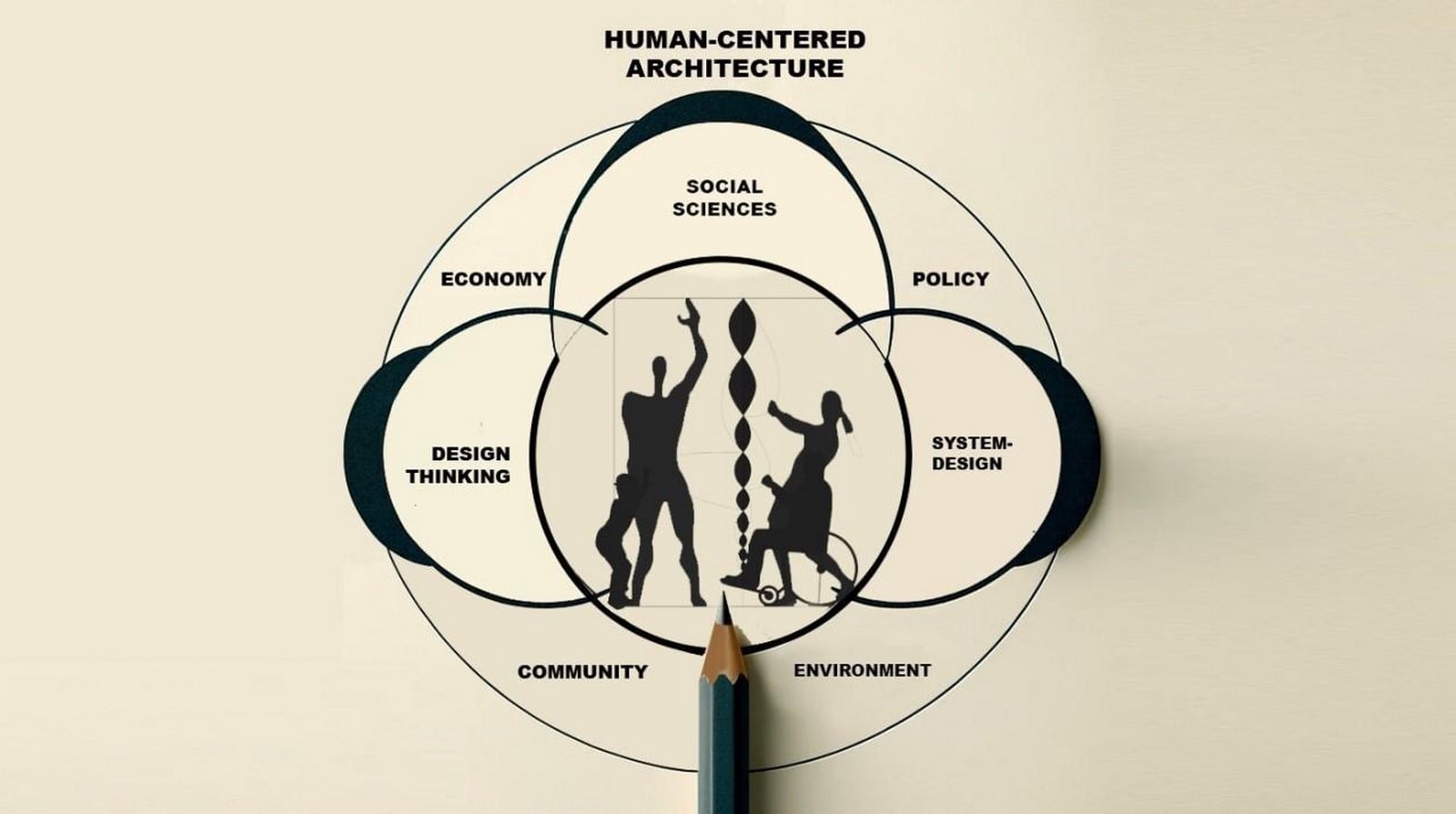
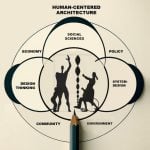
Human-Centered Architecture: Putting people at the heart of design_©Joana Sá Lima,2024The profession of architecture is facing major changes due to rapid technological progress, globalisation, and shifting societal demands. Technologies such as Building Information Modelling (BIM), parametric modelling, Artificial Intelligence (AI), and photorealistic visualisation are becoming increasingly important for architects, but they are changing the educational agenda from mastering technologies to developing software skills. Even though technologies make architects’ work more efficient and improve communication, they do not compensate for the human characteristics that constitute good architecture: empathy, observation, critical thinking, cultural understanding, and ethics. This article will explain why design communities can greatly contribute to educating new generations of architects and nurturing these important human competencies.
Based on theoretical approaches to experiential learning, communities of practice, and reflective practice, this paper explores ways architecture schools, professional studios, heritage institutions, artisans, community groups, and other interdisciplinary associations participate in the education of architects. Architectural design communities offer spaces for young architects not only to acquire skills related to building but also to learn about human beings, places and culture through the process of site visits, project work, documenting heritage, workshops, critiques and involvement with local communities.
The article also criticises the increasing trend of digital representation and suggests that the field of architecture will become image-based rather than experiential, with software skills dominating contextual knowledge. With the help of some contemporary examples from all around the world and even from India, it proves that mentoring always involves dialogue, common experiences and involvement in the practical situation.
Introduction
Architecture has never been just about the design of buildings. Architecture entails designing an environment that impacts how people live, interact, remember, and experience life. In fact, every street, square, marketplace, neighbourhood, etc., is an indication of the ideals and dreams of the people who designed them. Thus, architectural education must go beyond the development of technical skills because it requires the nurturing of empathy, observation, ethics and cultural sensibility (Schön, 1983).
The current century has seen remarkable advancement in digital technology, leading to the transformation of architectural practice. Currently, students become computer wizards using applications such as AutoCAD, Revit, Rhino, Grasshopper, SketchUp, and visualisation systems way before graduating from school. Even AI is increasingly being used to help with design, environmental simulation and visualisation. While there has been increased scope in the profession, there have been unintended changes in educational emphases as well.
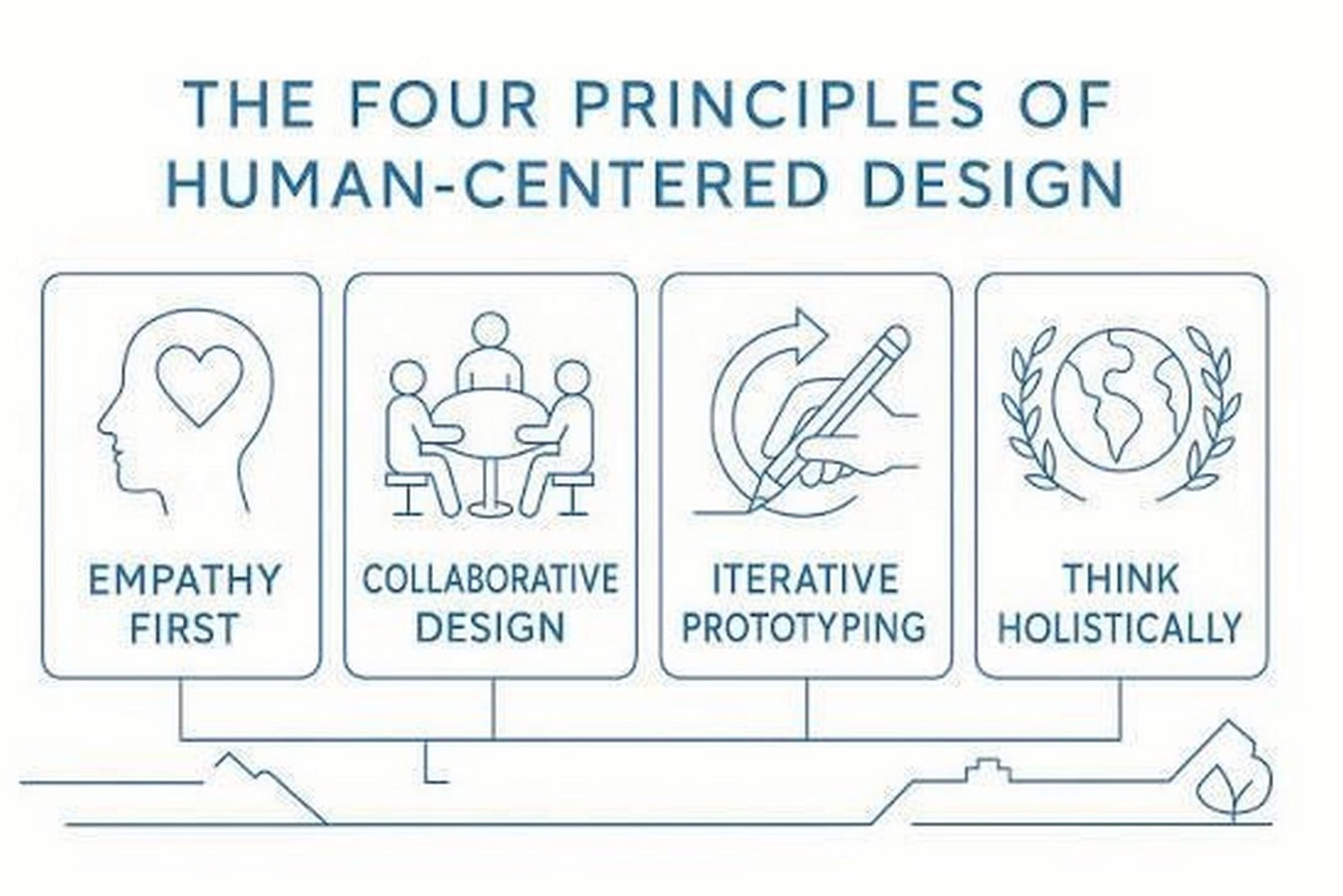
Many architecture students in the current period devote a lot of time learning how to use computer programs rather than how people live within spaces. Class discussions mostly focus on visuals and not spatial experiences. This way, architecture will become a matter of generating visually appealing digital images rather than building meaningful spaces.
There is a question that comes to mind because of this development: Is it possible to learn architecture solely via software?
The answer is clearly no. Architecture is essentially an experience. The way light passes through a courtyard, a market evolves during the day, kids take advantage of space for playing, or senior citizens move around in tight streets cannot be properly understood through digital modelling.
This is where the importance of design communities becomes critical. A design community may be defined as a collective ecosystem where architects, educators, students, artisans, planners, conservationists, local inhabitants and practitioners come together to share their experiences and knowledge. Unlike the classroom learning model wherein learning is considered a unidirectional process from the educator to the learner, design communities emphasise reciprocal learning through dialogue, experimentation, and practice (Lave & Wenger, 1991).
What makes a design community different from the traditional classroom is that these communities help learners engage with the reality of architecture instead of studying it as an academic subject. In design communities, students learn construction techniques from artisans, document historical settlements with conservationists, engage in participatory planning with local inhabitants, and much more from practitioners who deal with social complexity daily. No computer software can teach the qualities thus developed.
It is becoming common knowledge in architectural education around the globe that for future architects to be technically proficient, they must not only have high technical skills but also social Intelligence, environmental awareness, and cultural Intelligence. To cope with issues like climate change, urbanisation, housing injustice, and heritage preservation, architects will need interdisciplinary views gained through collaborative learning, not just technical training.
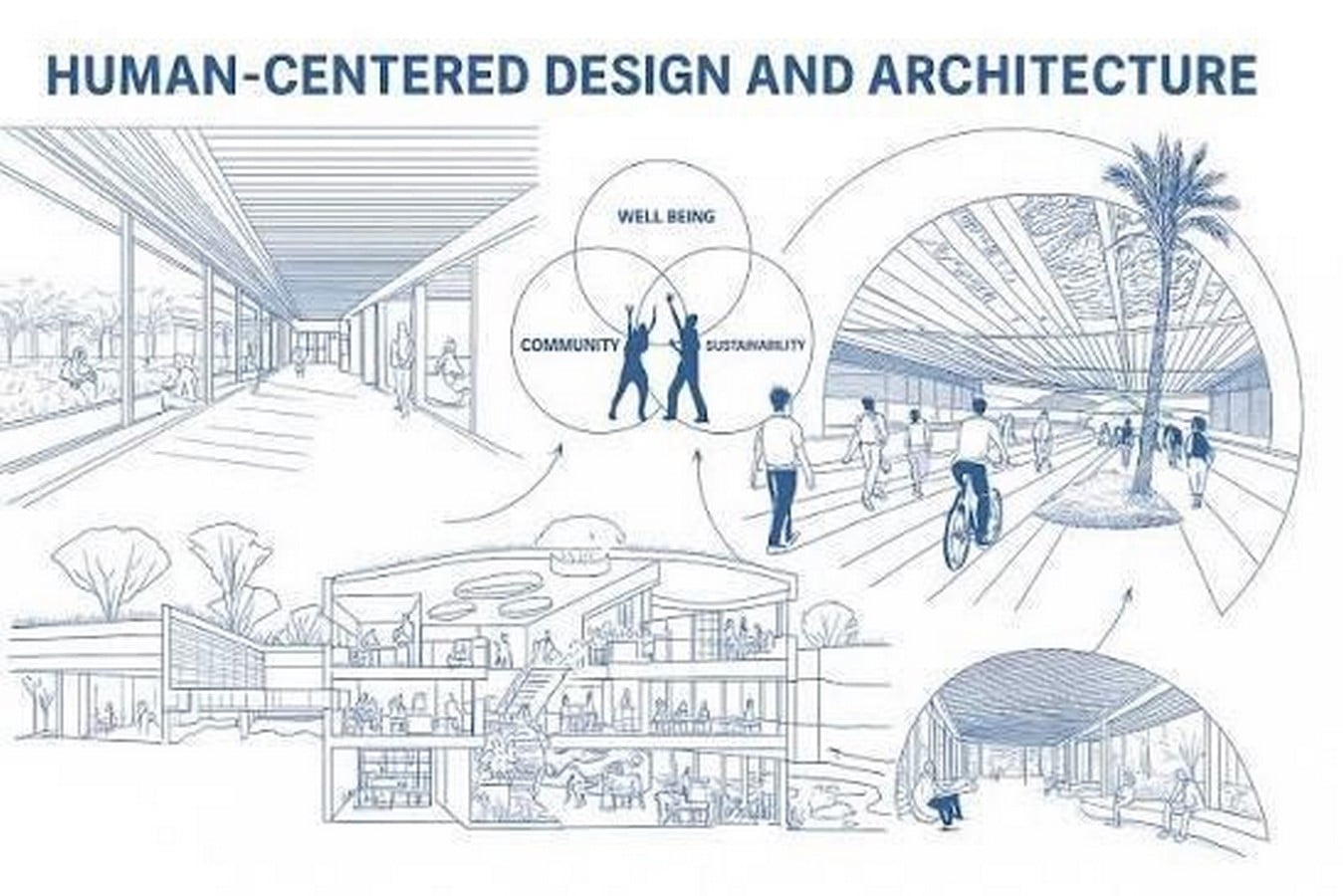
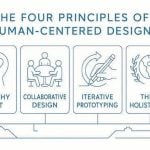
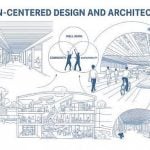
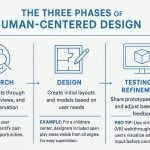
Human-centred design (HCD) focuses on designing spaces with people at the heart of every decision_©Human-Centered Design and Architecture, 2026The Royal Institute of British Architects (RIBA), the UNESCO-UIA Charter for Architectural Education, and other professional organisations emphasise that architecture education needs to develop creativity in conjunction with social responsibility. This is closely related to the design community’s approach to mentorship, which goes beyond academia and into the professional field.
Mentorship has changed significantly in the last few years. Traditional architecture involved the apprenticeship approach, where mentors used observation and experience to mentor younger architects. However, design communities have gone beyond this by adopting peer mentorship, inter-disciplinary collaborations, online professional groups, community collaboration, and international interactions.
The relevance of such communities has only increased considering recent events, such as the coronavirus pandemic. Even though remote learning maintained continuity, most students lacked access to in-person fieldwork, materials, and discussions during studios. This reinforced the importance of human interaction in architecture education.
After all, architecture revolves around the idea of creating for people and not just for computer programs. The design communities maintain this core principle by keeping future architects in touch with the realities of the built environment.
This paper examines how design communities mentor aspiring architects by providing them with experiential, collaborative and reflective learning experiences. It argues that design communities are crucial in producing architects that create not just buildings, but places.
Understanding Design Communities
The notion of design communities is not limited to either architectural offices or educational institutions. It embraces various collectives of people who are united by their interest in designing the built environment. Design communities consist of architecture schools, professional offices, heritage agencies, community associations, craftspeople, engineers, planners, environmentalists, social activists, policymakers and citizens.
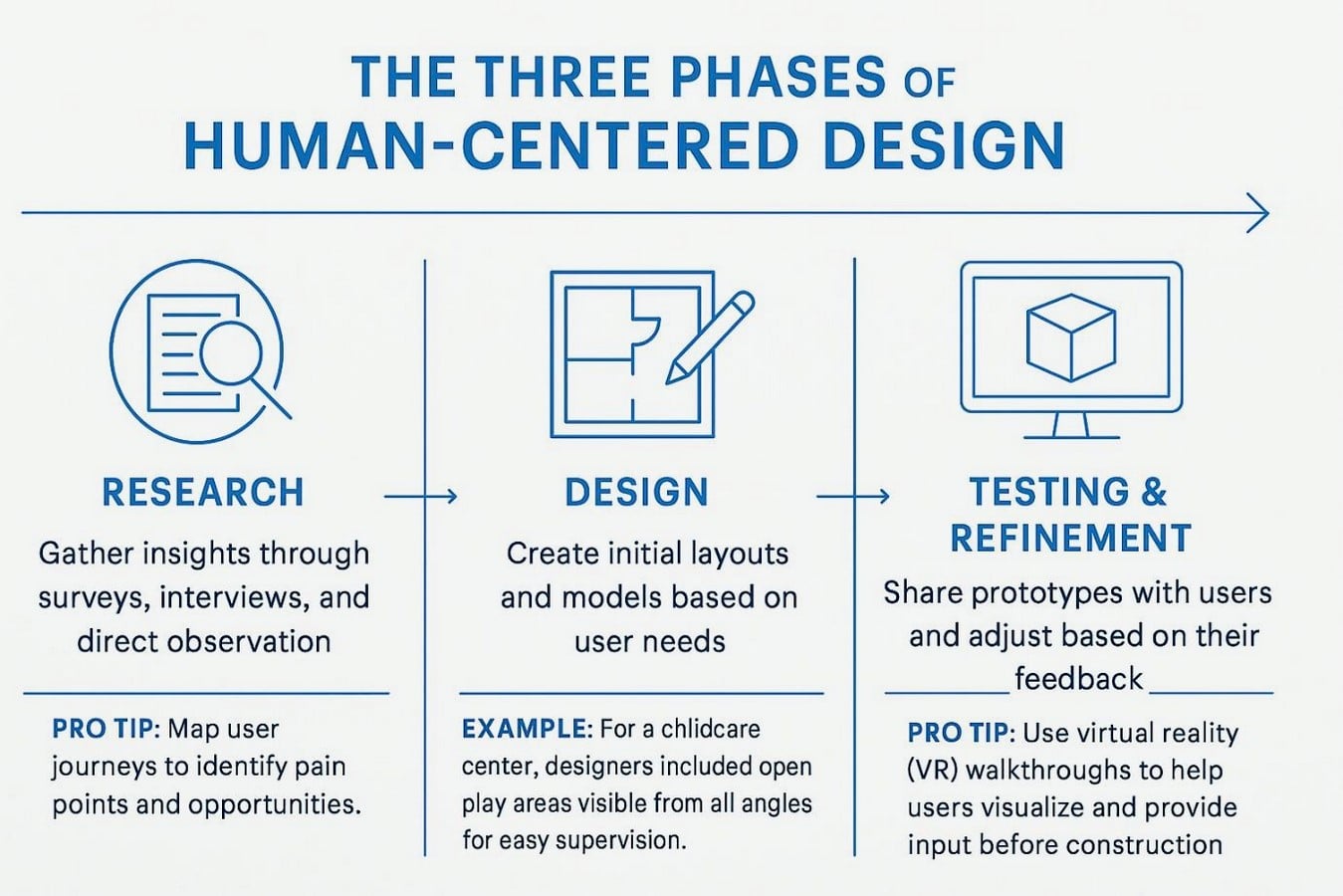
The difference between design communities and the traditional education system lies in the participatory character of the knowledge-creation process. Unlike the traditional education system, where knowledge is imparted top-down through lectures, in design communities knowledge is created collaboratively through participation.
The concept of Communities of Practice suggested by Lave and Wenger (1991) can be useful to understand this phenomenon. The theory says that learning takes place through legitimate participation in communities where novices learn to become professionals by working with more experienced people. Instead of memorising facts, people learn to make professional judgement through practice.
Architecture has historically embodied this principle. Master builders trained apprentices directly on construction sites. Craftspeople transmitted knowledge across generations through observation and practice. Even modern architectural studios function as communities where students learn as much from peer discussions and critiques as from formal instruction.
Design communities also generate learning spaces which exhibit four fundamental characteristics.
First, they foster collaboration in problem solving. In most cases, architecture is not about the genius of a single individual. It requires cooperation among several professionals, including architects, engineers, planners, clients and communities. Students who learn within design communities get the chance to learn negotiating, communicating and collaborating across disciplines.
Second, they bring theory into practice. Classroom learning only becomes useful when applied in practice. Through field observations, settlement analysis, participatory exercises and live projects, students get the chance to validate their theoretical knowledge against reality.
Third, they allow reflective learning. According to Schön (1983), professionals develop expertise through reflective practices in action where they make ongoing assessments of their decisions as they design. Design communities provide forums for this type of reflection.
Fourth, they enable professional identity formation. The process of being an architect entails more than merely possessing technical skills. Through design communities, students acquire the professional qualities that an architect must have.
The features differentiate design communities from technology-focused learning settings. While software instructions centre on procedural knowledge, design communities concentrate on contextual knowledge and critical thinking.
Architecture Beyond Software: Reclaiming Experiential Learning
Digital technology has positively impacted architecture. Structural analysis, simulations, and documentation have become more effective than ever. Artificial Intelligence plays an increasingly important role in facilitating generative design and optimisation processes, while virtual reality helps in communicating better with clients. Yet, technology should not be treated as the end goal of education in architecture.
A student of architecture who can create complex digital images may still fail to recognise why a public space is underutilised, why informal trade centres develop in unusual places, or which streets evoke more emotion than others. This needs observation rather than computation.
John Dewey (1938) believed that education was based on experience. Knowledge became valuable in situations where students actively engaged with the environment instead of just receiving information. In turn, David Kolb (1984) expanded this idea through the Experiential Learning Cycle, revealing that learning involved concrete experiences, observations, concepts, and experimentation. Architecture naturally aligns with this philosophy.
The process helps students gain more knowledge about historic streets through drawings, interviews with local communities, documenting construction methods, design-build exercises, and human behaviour observation. Such exercises help in acquiring spatial sensitivity that is not possible through virtual exercises.
Juhani Pallasmaa (2005) also criticises the emphasis on visual representation in architecture, saying that current designs ignore the sensory aspect of architecture. People interact with architecture in different ways. Apart from sight, people can experience architectural spaces through sound, touch, scent, movement, and memory. For instance, one can feel the texture of stones, listen to the echoes of an archway or smell the scent of the flowers around.
This can only be achieved through direct interaction with the environment. Hence, design communities try to get students to transcend virtual screens and engage with physical spaces through activities such as heritage walks, neighbourhood mapping, craft documentation, community consultation, and design-build workshops.
Learning from failure is equally significant. In the software world, efficiency and perfection are rewarded. On the contrary, working with communities introduces uncertainty, multiple perspectives, and changing scenarios. This teaches resilience, flexibility, and ethical decision-making, which are vital skills required in professional practice.
The most significant architects in the past were great observers. Laurie Baker’s architecture developed from discussions with local masons and communities. Architecture by Charles Correa came from his understanding of climate and the way people lived. Balkrishna Doshi always advocated that architecture should come from the aspirations of the people, not styles. Their work reminds us that meaningful architecture begins with listening before designing. In this respect, the future of architectural education is not to deny technology, but rather to place technology in the larger context of human-centric learning. Design communities do this by combining technological literacy with experience, so that students are prepared not just as designers, but as observers, citizens, and professionals.
Part II
Design Communities as Spaces of Mentorship
Mentorship has always been an integral part of architectural education. From the guild system in medieval times to the École des Beaux-Arts atelier system to studio-based architecture programs, there has always been an exchange of knowledge between experienced practitioners and new designers. While other disciplines can transfer knowledge through books alone, architecture requires tacit knowledge; skills and judgement acquired through experience and observation (Schön, 1983).
Mentorship in today’s world goes beyond the traditional teacher-student relationship. Multiple mentoring systems within design communities involve educators, practising architects, former students, artisans, community leaders, planners, engineers and even other students to contribute to professional growth. This is indicative of the collaborative aspect of architectural practice.
Contemporary design communities do not view mentors as people with answers. Questions are encouraged, and students are asked to provide rationale for their decisions and reflect on their design decisions and their impacts. This leads to independent thinking and professional growth.
Moreover, mentorship in design communities helps develop some values that are not emphasised in educational programs. Respect for local knowledge, appreciation of cultural diversity, responsibility toward communities, and environmental sustainability result from frequent interaction with people and the community, not from classroom teaching alone.
According to Freire (1970), the process of education should be dialogic, not transactional. Only when teachers and learners engage in dialogic explorations do they learn. The idea is implemented in architectural mentorship where all participants, including local communities, have something to share.
Studio Culture: Learning Through Dialogue Rather Than Competition
The architectural design studio continues to be one of the most influential design communities in architectural education. It is often referred to as the core of architecture schools since it integrates technical knowledge with creative and critical thinking skills in a collaborative context. However, there have been significant changes in studio culture in the last few decades. In the traditional studios, competition, excessive working hours and individual success were usually emphasised. While such an environment could promote excellence, it also caused stress, exhaustion and even maladaptive learning behaviours.
Modern architectural education focuses more on studies that value collaboration, inclusion and peer learning. In a positive studio community, students learn from each other in terms of their approach to solving design tasks. Informal discussion of models, sketches and drawings becomes equally important as the critique session. Older students mentor younger peers through sharing their experience and design strategies.
Peer learning helps learners understand that architecture does not necessarily yield a single correct solution. In this case, several design solutions can be used to solve the same situation depending on what is valued and how the situation is interpreted. Critique sessions also contribute to enhancing this learning experience. Through constructive criticism, learners will reflect on their preconceived assumptions and try out new alternatives. Learners no longer see criticism as judgment but as an intellectual exercise. This is very similar to architectural work in the field.
Learning from Communities Rather Than Designing for Communities
The most important trend currently taking place within architectural education is shifting from designing for communities to designing with communities. Traditionally, architects have tended to be seen as experts who can identify the problem and suggest solutions on their own. Even though professionals were usually technically qualified, local community knowledge was sometimes not considered.
The concept of participatory design contradicts this idea because it acknowledges the role of the people who live in the area in the design process. Designing communities allow architecture students to work with neighbourhoods through different activities such as workshops, interviews, participatory mapping and collaborative design sessions. In contrast to imposing ideas, the students must listen first. It becomes obvious that communities have a lot of information regarding the environment in which they live.
Such engagements have the effect of redefining the process of designing for the architecture student. Design becomes more about creating great buildings that are socially useful, rather than creating great forms that are just visually iconic. In essence, architecture becomes understood as a social discipline and not just a technology or art. A further benefit of participatory engagement is the creation of empathy through engagement with people from diverse socio-economic backgrounds, age ranges and cultures. This approach resonates with the ideas put forward by Gehl (2010).
Experiential Learning Through Live Projects
Experiential learning plays a crucial role in the pedagogy of architecture because architecture itself is experiential in nature. Kolb (1984) suggested that meaningful learning comes from a continuous cycle made up of concrete experience, reflective observation, conceptualisation, and active experimentation. Design communities automatically provide a context for each of these aspects of the learning cycle.
Live projects make for one of the best illustrations. Live projects differ greatly from theoretical studio projects since they involve real clients, constraints, and social outcomes. Students need to handle budgets, regulations, and stakeholder needs while providing quality design. Students come across challenges which are usually not found in simulated environments. Students learn that architecture is as much about negotiation as creativity.
Also, live projects allow students to see the ethics involved in the profession. The decisions have impacts on people’s lives, whether directly or indirectly. Therefore, education becomes very social in nature. As such, many universities around the world have begun introducing design-building projects as part of their curricula. Students work with organisations to design spaces like classrooms, libraries, community centres, playgrounds, and other public places. Through these projects, it becomes evident that the benefits of education go beyond the students and reach the community too.
Learning from Craftspeople and Traditional Knowledge
Current architecture education focuses on technology while inadvertently neglecting indigenous knowledge systems. Some of the most sustainable architecture traditions were created long before computer technology came into existence. Craftspeople have years of accumulated knowledge about materials, building techniques, adapting to climatic conditions, and symbolism.
However, this knowledge is gradually disappearing because of industrialised building techniques. Design communities can be highly effective in preserving this kind of knowledge. Architects who study together with masons, carpenters, stonemasons, bamboo artisans and blacksmiths learn things that cannot be learned from books. They see how materials act during the building process. They understand what craftsmanship is. They know the connection between tools, techniques, and culture. Their interaction fosters appreciation for manual work.
Students start realising that builders are not only implementers of plans drawn by the architect; rather, they are knowledgeable partners whose skills play an important part in shaping good designs. This awareness helps develop inclusive professional associations in the coming years of their career. In India, even today, traditional building systems like mud building, lime plastering, stone masonry, and bamboo architecture perform very well in environmental terms.
Heritage Documentation as a Mentoring Process
Documentation is yet another great way of learning through mentorship. Contrary to regular classroom activities, documentation entails keen observation and patience while considering cultural contexts. Students engaged in measuring old buildings, drawing architectural designs, and documenting oral history come to appreciate the importance of craftsmanship and cultural continuity.
But more importantly, they come to understand architecture as a living social memory. The International Association for the Conservation of Architectural Heritage (INTACH), for example, has shown how documentation projects facilitate interaction between students and historians, conservation architects, residents, and artisans. Through such interdisciplinary interactions, students come to understand not just buildings, but also why certain buildings remain culturally significant despite deteriorating physical structures. They come to learn about intangible cultural heritage in terms of festivals, rituals, cuisines, craftsmanship and community stories. They come to know that the conservation of heritage is much more than just conservation of monuments; it also means conservation of culture and memory. Young architects who engage in heritage documentation learn humility. They realise their role in conserving the cultural landscape, not merely building new structures.
Global Examples of Design Communities in Action
Across the globe, many efforts prove how the power of design communities could change society. Among them is one of the most renowned design studios, Rural Studio at Auburn University, located in Alabama, United States. Founded by Samuel Mockbee, Rural Studio asks architecture students to design buildings for poor rural communities, using locally available resources. The students live among the community members for several months and understand what they need and how projects should be built. The course shows how architecture education can serve both academic success and social cause.
In the same way, Design Build BLUFF at the University of Utah designs affordable housing for Navajo communities. The students learn everything from consultation to the construction process, gaining technical skills and cultural sensitivity. In Europe, Architecture Sans Frontières advances humanitarian architecture by involving professionals and students in community development, reconstruction, and planning, rather than focusing only on the beauty of the projects. They address problems such as housing, justice, and resilience. All this proves how mentorship is gained by working on societal issues.
Indian Examples of Community-Centred Mentorship
There is no shortage of equally inspirational examples of design communities in India. The Laurie Baker Centre for Habitat Studies, for instance, continues its work on environmentally sustainable architecture through workshops, demonstrations, and training programmes that highlight the use of local materials and affordable architecture design. Students are made aware that sustainable architecture is inherently tied to cost-effective, climatically responsive, and socially participatory design processes. Similarly, the Hunnarshala Foundation in Kutch, Gujarat works in collaboration with local craftspeople and communities for creating resilient architectural designs. In the wake of the Gujarat earthquake in 2001, Hunnarshala showed how local construction practices could be effectively integrated with professional architectural knowledge and expertise to design culturally relevant and disaster-resistant architecture. Students studying architecture in such programmes see how directly community involvement influences architectural design. In fact, several architectural colleges, such as CEPT University and SPA Delhi, among others, have started using live projects, settlement studies, participatory planning, and rural immersions as part of their curriculum. This shows how important it is to learn from places other than classrooms.
Part III
Challenges Facing Design Communities
Even as the importance of designing communities as arenas for mentoring aspiring architects has been acknowledged, various problems still affect the capacity of such groups to meet these objectives. Technological development, business considerations, shifting education focus, and the changing demands of the profession have affected how architectural information is constructed and disseminated. Solving these problems will help keep the relevance of such communities intact.
The Digital Divide Between Representation and Experience
One of the most important challenges faced by architectural education in the modern world is the assumption that digital skills translate into design skills. Contemporary architecture students are expected to become familiar with many software packages before graduating. Software such as Building Information Modelling, parametric modelling, rendering, and Artificial Intelligence are crucial for professional practice.
Though these programs can make things more efficient, there is also the danger of turning architecture into a visual art. Many architecture students dedicate a lot of time to creating digital models and relatively little time to the people who are going to use those buildings. Rendering skills get more attention than skills for creating good-quality social interaction. Architecture, however, is an experience of movement, climate, sound, smells and human activity rather than an image (Pallasmaa, 2005). Communities of designers help in correcting this problem.
Commercialisation of Architectural Education
Another issue is the increasing commercialisation of architectural education. As competition between institutions increases, this has led to metrics like software certificates, job placements, and essential skills. Despite the importance of these factors, they fail to encapsulate the characteristics expected of responsible architects.
The field today needs people who can tackle issues of climate change, housing for all, heritage, disasters and social justice: these demand empathy, moral reasoning and collaboration – which are hard to measure in traditional assessments. Design communities have provided an alternative system of education where success is measured by these three factors.
Declining Opportunities for Apprenticeship
Throughout history, architecture was an apprentice field where young architects learned from experienced architects, took part in design processes, and gained professional experience. However, nowadays, due to deadlines and commercial pressures, experienced architects may not have enough time to teach interns something more than just how to do the specific task at hand. As a result, most interns start their work with good computer skills but no idea about professional judgment, client communication, or decision-making.
Architecture design communities cope with this problem by shifting the mentor role out of individual offices. Professional organisations, alum groups, heritage organisations, and collaborative workshops together form new mentoring grounds for young architects.
Fragmentation of Knowledge
The field of architecture is inherently interdisciplinary. The success of an architectural project depends on the knowledge of environmental sciences, engineering, sociology, psychology, economics, history and ecology. However, educational institutions tend to divide these fields into individual subjects. It becomes difficult for students to combine this knowledge during their design process. The design community automatically bridges this gap. The process of community-based design involves collaboration between architecture students and other specialists such as engineers, ecologists, social scientists, artists, etc.
Recommendations for Strengthening Design Communities
However, for architecture to remain socially relevant, the design community must be put at the centre of the curriculum and not at the periphery. The suggestions that follow may assist in building mentorship and experiential learning.
- Integrate Community Engagement into Every Academic Year
The process of engaging with the community should not be limited to sporadic events or elective projects only; rather, the experience of learning by doing should be introduced in every year of study in architectural education. Observation and drawing of neighbourhoods could be the focus of learning for first-year students. Settlement study and participatory mapping could be part of the second and third years of study. Senior students could complete live projects.
- Re-establish the Importance of Observation
Observation is one of the most important skills that an architect should have. Students must be encouraged to take time observing their environment before making any recommendations or proposals. Sketches, photographs, behavioural mapping, and reflective journals help one become more attentive to the ordinary spatial experience.
- Promote Craft-Based Learning
The art of traditional craftsmanship must be made an integral part of architecture education and not something of history only. Disciplines that include masonry, carpentry, bamboo work, lime plastering, and earthen architecture provide knowledge of material behaviour and the construction process. These disciplines help in appreciating artisans and gaining more understanding of sustainable construction practice. In addition, it also helps in understanding that architecture is a team activity.
- Strengthen Alumni and Professional Networks
Ex-students serve as mentoring tools. Mentoring programs involving alumni can link students to professionals from different industries like conservation, urban design, housing, landscape architecture, and sustainability. Such mentorships offer practical perspectives on the world of work in addition to assisting in career building. Professional bodies like the Council of Architecture, RIBA, and the local architects’ association can enhance such mentoring ties through lectures, design critiques, and other joint ventures.
- Encourage Interdisciplinary Design Communities
Architects will not be able to solve the problems of the future alone. The problems of climate change adaptation, urban resilience, public health, and housing need interdisciplinary solutions. Schools of architecture thus need to encourage studios where engineers, environmentalists, economists, artists, psychologists, and sociologists participate.
- Redefine Assessment
Architecture education often favours the results rather than the learning process itself. Evaluation should consider not only technical expertise but also involvement in the community, critical thinking, collaboration, and ethical decision-making. Process journals, community feedback, process evaluation, and peer evaluation are some methods that could supplement the usual design assessments.
The Future of Design Communities
The future of architectural education does not consist in the rejection of technology, but in the intelligent inclusion of technology into people-based learning. Artificial intelligence, digital fabrication, virtual reality, and computational design will undeniably continue to revolutionise the profession. Yet, none of those technologies can replace human empathy, ethical decision-making, and cultural understanding.
Instead of asking whether technology should be used in the process of learning, educators need to think of ways to use technology to enable people-based engagement. Digital mapping could help people participate. Virtual reality could improve accessibility during consultations. Artificial intelligence could provide environmental analysis. But meaningful design decisions will still be made through interactions, observations, and discussion. Hence, future design communities will become hybrid ecosystems that combine both digital connectivity and physical presence.
Online collaboration could link students to international mentors and help establish interdisciplinary research networks. Yet field trips, design-build projects, documentation of heritage, and collaboration with the local community will remain essential parts of architectural education. Future architects need technological proficiency, no doubt. But they also need skills of listening, observation, negotiation and empathy. Design communities offer exactly these chances.
Architecture has always been more than building. Architecture is about creating connections between people, culture, nature and place. As a result, training architects is not merely about training software skills, regulatory knowledge or technical expertise. It is about raising conscientious professionals who can respond to human hopes and needs. In the past and present, design communities have always been the key environments where this process takes place. These communities allow learning through doing, observing, and collaborating. Whether they exist in architecture schools, conservation societies, community groups, architectural practices, or neighbourhood projects, these communities instil values that make great architects—curiosity, humility, empathy, and ethics. The growing prevalence of digital technologies has broadened the boundaries of architecture.
However, technologies should always be used as means of achieving educational goals. Beautiful visualisations are no replacement for real public spaces. Complex algorithms are no replacement for discussions with local communities. AI systems are no replacement for real-life experiences that inspire great architecture. Designers of tomorrow will face unprecedented global challenges such as climate change, rapid urbanisation, social inequality and cultural evolution. Solving these challenges calls for individuals who are not only technically competent but also socially aware and environmentally responsible. Design communities have exactly these qualities. They help us remember that architecture is all about people—that their stories, dreams, memories and daily life experiences are at its core. Therefore, with the ongoing development of architectural education, there is a need for enhancing mentorship and community involvement programs. Only in this case will architecture be able to fulfil its true mission of enriching human life rather than just creating amazing pictures.
References:
Alexander, C., Ishikawa, S., & Silverstein, M. (1977). A Pattern Language: Towns, Buildings, Construction. Oxford University Press.
Boyer, E. L., & Mitgang, L. D. (1996). Building Community: A New Future for Architecture Education and Practice. Carnegie Foundation for the Advancement of Teaching.
Cuff, D. (1991). Architecture: The Story of Practice. MIT Press.
Dewey, J. (1938). Experience and Education. Macmillan.
Freire, P. (1970). Pedagogy of the Oppressed. Continuum.
Gehl, J. (2010). Cities for People. Island Press.
Jacobs, J. (1961). The Death and Life of Great American Cities. Random House.
Kolb, D. A. (1984). Experiential Learning: Experience as the Source of Learning and Development. Prentice Hall.
Lave, J., & Wenger, E. (1991). Situated Learning: Legitimate Peripheral Participation. Cambridge University Press.
Lawson, B. (2006). How Designers Think: The Design Process Demystified (4th ed.). Architectural Press.
Pallasmaa, J. (2005). The Eyes of the Skin: Architecture and the Senses. John Wiley & Sons.
Rapoport, A. (1982). The Meaning of the Built Environment: A Nonverbal Communication Approach. Sage Publications.
Salama, A. M. (2015). Spatial Design Education: New Directions for Pedagogy in Architecture and Beyond. Ashgate.
Schön, D. A. (1983). The Reflective Practitioner: How Professionals Think in Action. Basic Books.
UNESCO-UIA. (2021). UNESCO-UIA Charter for Architectural Education. UNESCO.
Joana Sá Lima, (2024). Human-Centered Architecture: Putting people at the heart of design | LinkedIn. (2024, January 4). https://www.linkedin.com/pulse/human-centered-architecture-putting-people-heart-design-joana-s%C3%A1-lima-nvwef/
Human-Centered Design and Architecture. (2026, June 6). ArchitectureCourses.org. https://www.architecturecourses.org/learn/human-centered-design-and-architecture