Light is perhaps one of the more fickle parts of nature. It dabbles and drapes, sometimes a mellow wash of illumination and other times an intense affliction. More than our behaviour, it dictates our architecture and design. One cannot overestimate the importance of natural light to humans and the spaces they create. A single stream of warm sunlight dancing in a room does more for the spatial experience than focused artificial lighting can ever recreate. The unpredictable nature of natural light keeps one guessing, enthralled by its ever-changing nature. What it creates in its absence is just as important, with shadows being a quiet yet powerful component of architecture and design. The careful arrangement of light and shadow is a language on its own, one used by the best architects to evoke feelings of dynamic play and awe. This article explores how architects around the world have designed for natural light to dictate spaces with its presence and absence.
Row House’s Light and Shadow Interplay
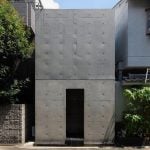
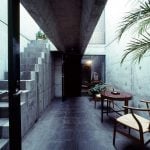
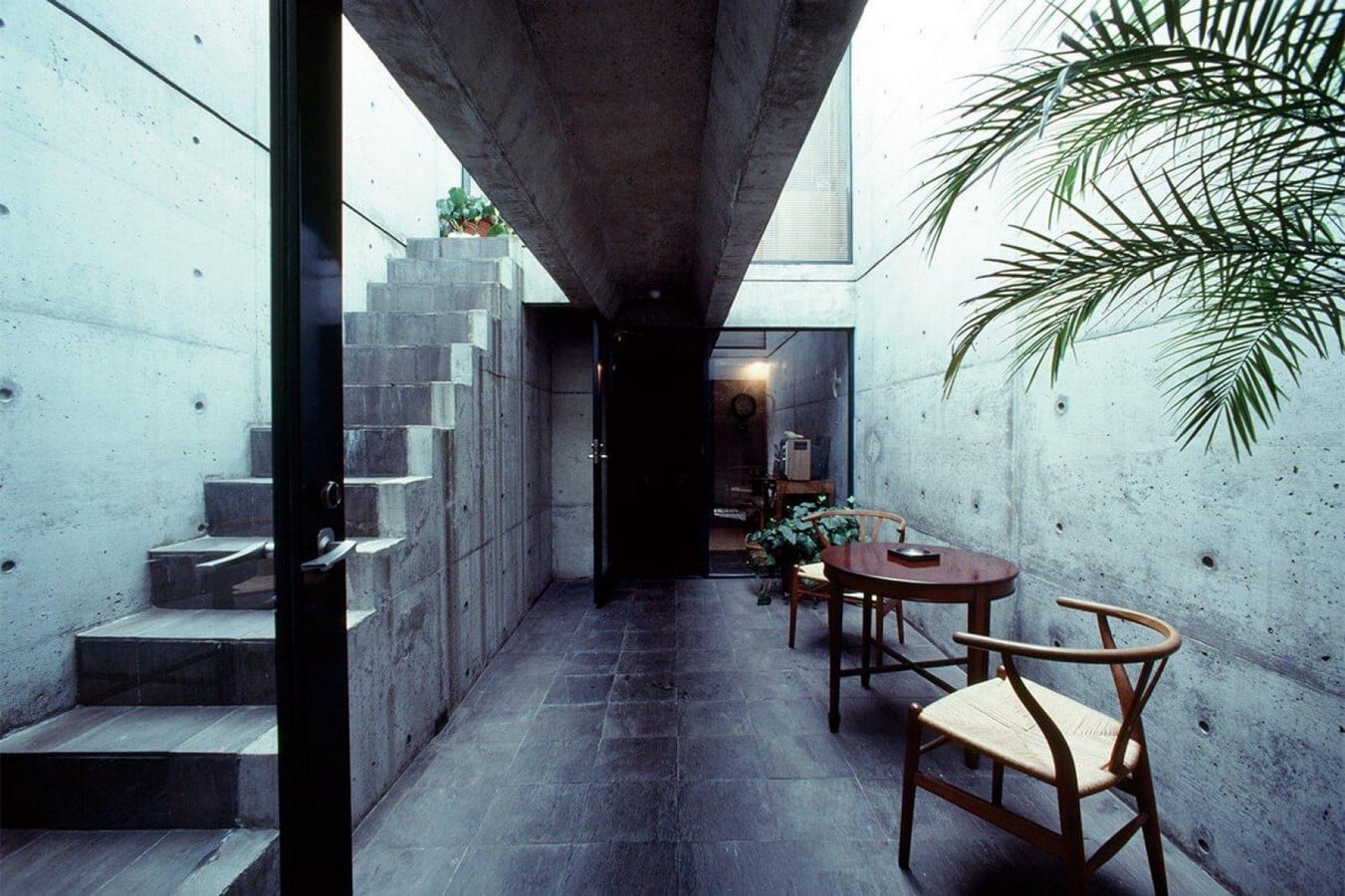
Like almost all of Tadao Ando’s architecture, the Row House stands as an unassuming concrete mass amongst surrounding dilapidated wood decorations. The form follows the need to provide privacy to residents, with a stunning minimalism. The heavy block suggests a similar dense interior. However, people are greeted with an airy patio space in a juxtaposition to the materiality in the middle of the building. Here, light brings as much of a shifting quality as the absence of it.The patio is fully open to the sky and requires one to cross it and feel the elements of nature to get to the other part of the house.
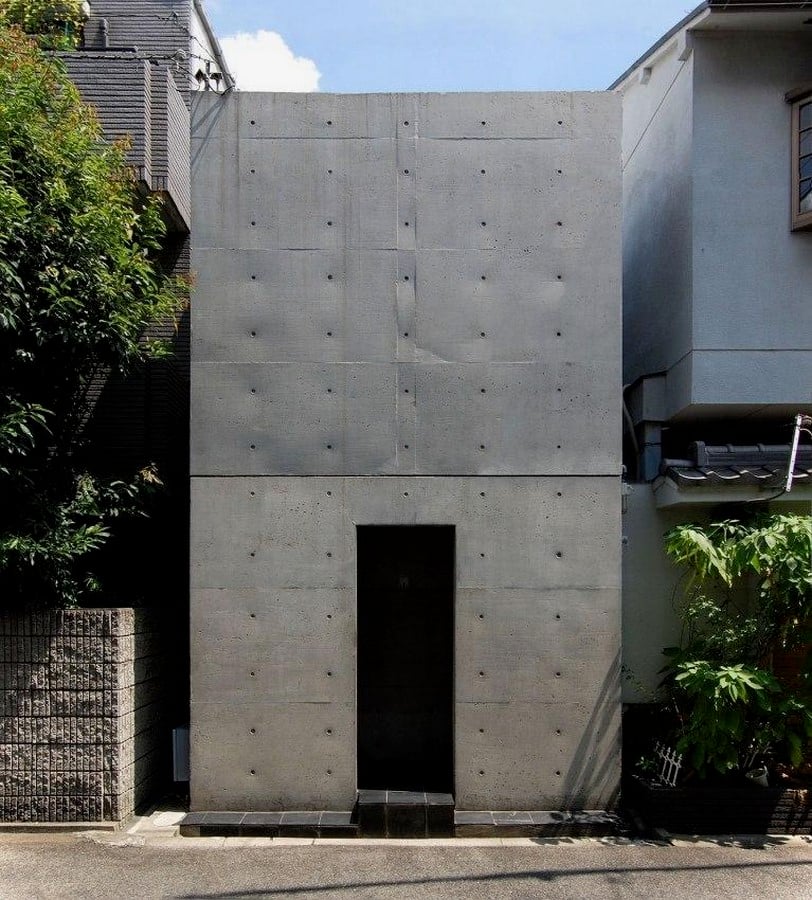
Tadao Ando hosts light and shadow as a background for human life. Standing on the patio, one can see the light filter and reflect off the concrete. The intense contrast of airy light and surrounding heavy concrete provides an ethereal feel to the building. The mornings bring in diffused light, waking the house up. The afternoons are subject to the occasionally blinding sunlight, causing one to be enraptured by the shifting interplay of light and shadow. The evenings are again subdued as the house follows the rhythm of the sun. The plain concrete box plays host to the changing shadows, providing an element of surprise. The infusion of natural light has transformed the simple residence into a state of unpredictable awe, showcasing how light can introduce dynamism to the most common architectural design.
Light as an Amplifier of Art in the Gufa
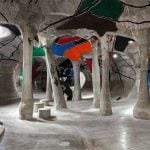
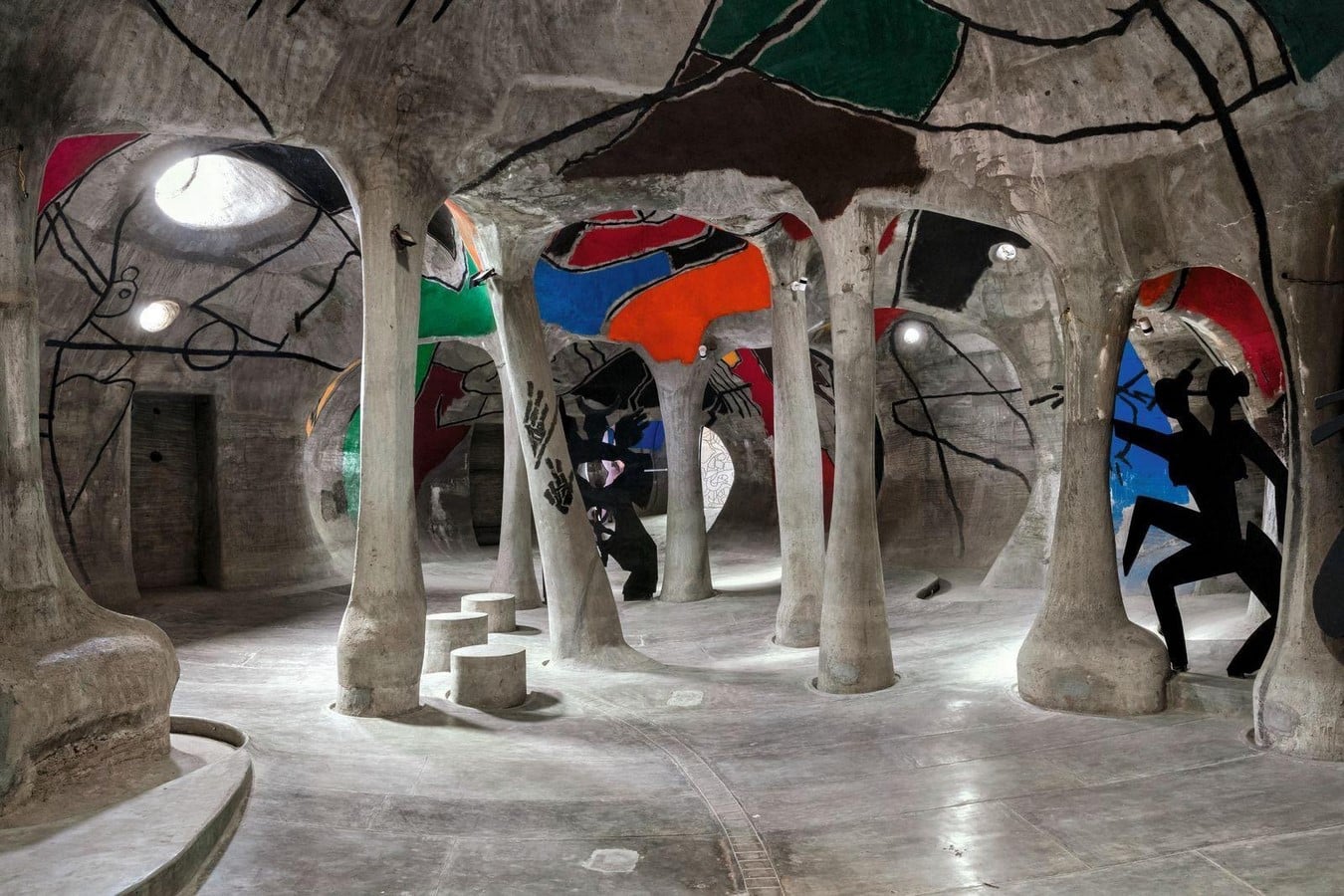
What do you get when a Pritzker-winning architect and the Picasso of India collaborate? The incredible Gufa in Ahmedabad, India. Here, the submerged building becomes a canvas for art and art in itself. Designed to house Hussain’s art, the circular domes are an extension of BV Doshi’s bold design language. The organic columns support the structure and act as a backdrop for his sculptures. The walls are transformed into canvas and art, blurring the lines between the display and the displayed.
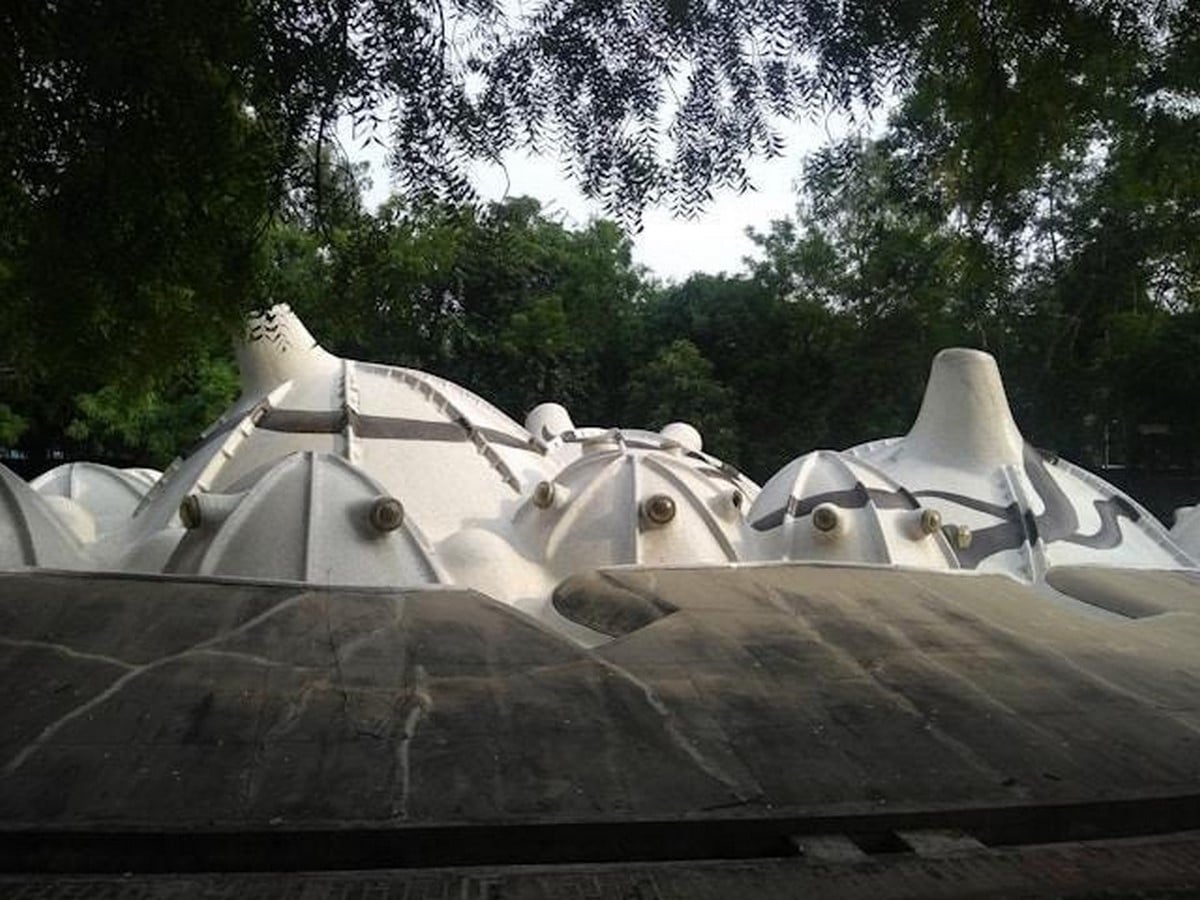
The careful interplay of the language of light is evident in the perforation of the domes. Diffused light shrouds the place in a sense of mystery and focuses the viewer on the experience of the art. Natural light in all its dynamic nature imparts that quality to the space, breaking the monotony of typical exhibit spaces. The seeming randomness of the perforations guides users along. Each slant of light enhances a new part of the building as the perception changes with the sun’s movements. The powerful force of natural light has been designed to fade into the background, serving as a tool to experience the art.
Light as Luxury and Sensory Experience in 7132 Thermal
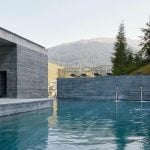
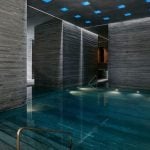
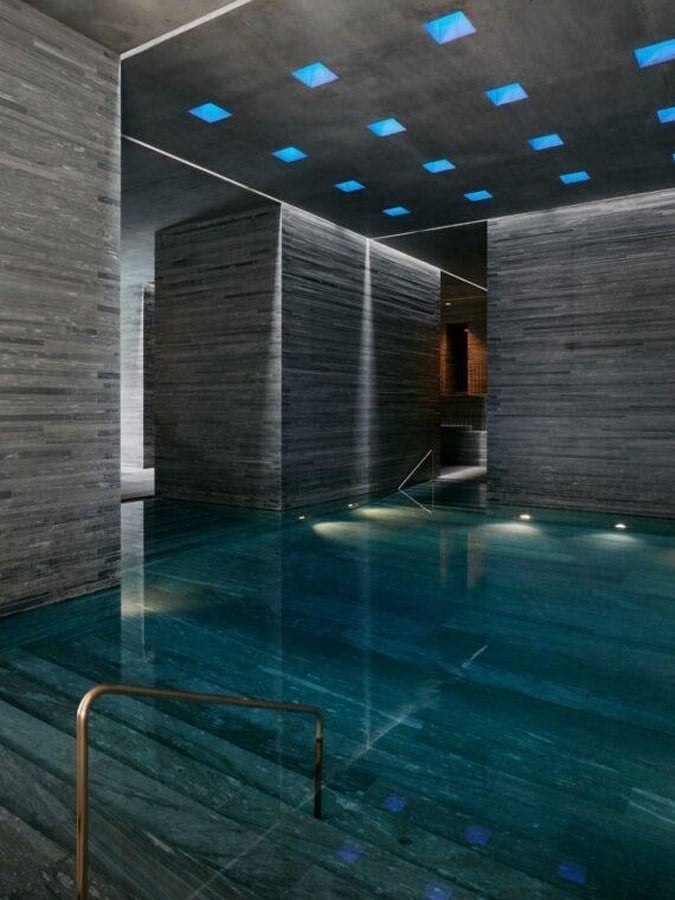
Juxtaposition finds its home amidst the imposing stone hotel and spa by Peter Zumthor. The building appears to be chiselled from the mountain, with the use of layered local quartzite slabs adding to the effect. Dynamic natures of light and water balance against each other to create an evolving spatial experience against the rigid stone building.The experience is centred around the ancient benefits of bathing, with the restoration of humans being one of the key design intentions.
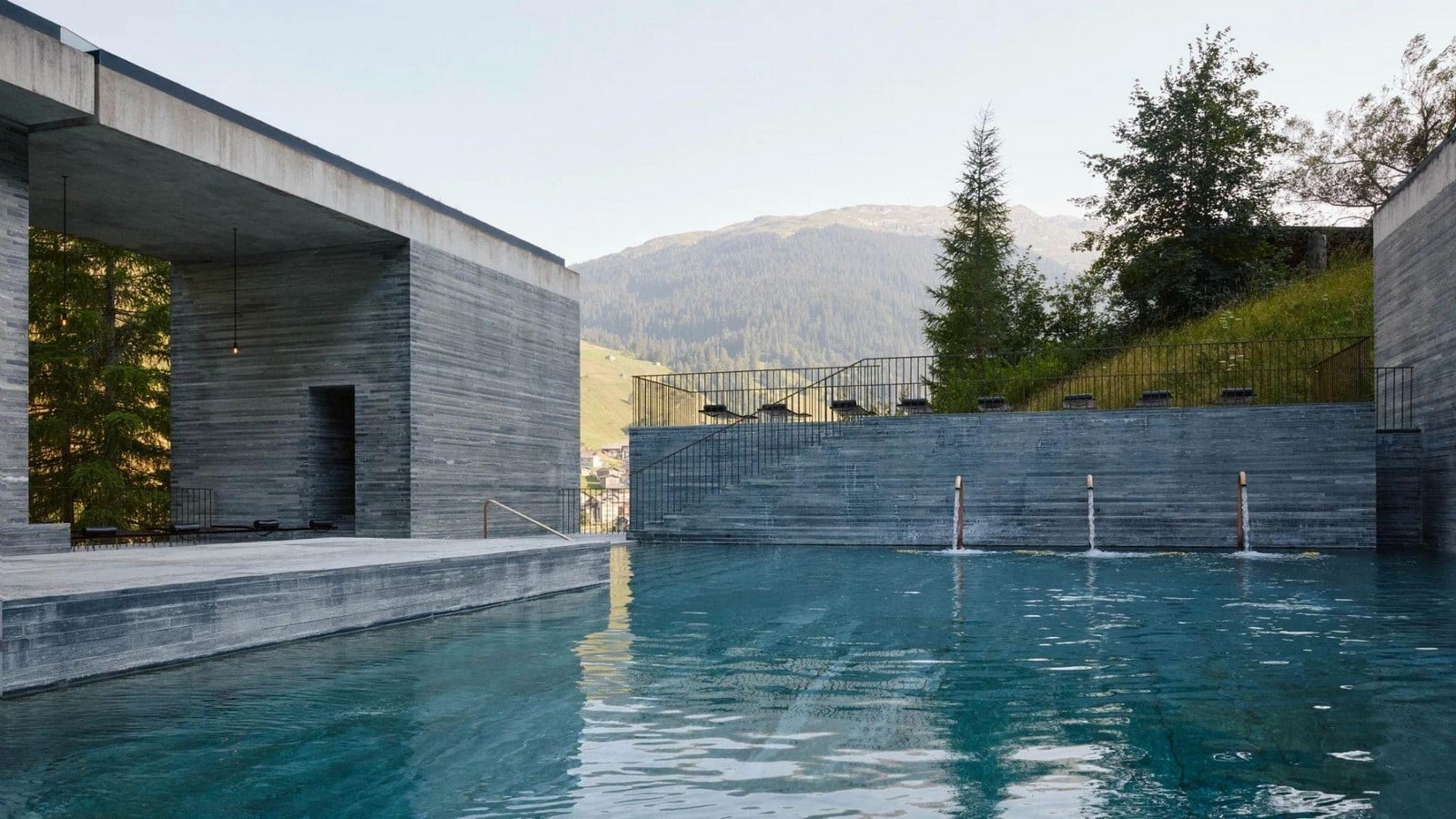
Serenity is brought forth by the art of offering dynamic elements the freedom to be.Slit perforations spanning the space reflecting off the water introduce a feeling of infinity to the closed space. As the light shifts and the water ripples, so does the feeling of the space. The feeling of boundlessness in the mountains has been infused into the small space with the thoughtful use of the language of light and shadows.
Light as a Design Language
Across the examples, light has been treated as a universal design language of its own. Despite the different nature and scale of the space, it transforms the static space into a dynamic one. Light is capable of transforming a simple form into a responsive sensory experience. Advances in artificial lighting may have led to the natural element taking a secondary role in newer designs. However, these architects have proved that nothing compares to the raw character imparted by natural lighting. Light is more than just an underrated design element; it is a design language of its own capable of transforming forms and spaces.
Reference list:
Hidden Architecture (2017). Hussain-Doshi Gufa. [online]. (Last updated: 11 April 2019). Available at: https://hiddenarchitecture.net/hussain-doshi-gufa/ [Accessed date: 28/July/2026].
ArchEyes Team (2024). Row House by Tadao Ando (Azuma House): Light, Space & Concrete. [online]. (Last updated: 3 February 2026). Available at: https://archeyes.com/row-house-by-tadao-ando-azuma-house-light-space-concrete/ [Accessed date: 28/July/2026].
Timothy Alouani-Roby (2024). A symphony of the senses at Zumthor’s Thermal Baths in the Swiss Alps. [online]. (Last updated: 12 June 2024). Available at: https://www.indesignlive.com/projects/7132-hotel-zumthor [Accessed date: 28/July/2026].
Condé Nast Traveler (n.d.). Vals Thermal Baths at 7132 Hotel. [online]. Available at: https://www.cntraveler.com/activities/vals/vals-thermal-baths-at-7132-hotel [Accessed date: 28/July/2026].