Architecture is not just to be seen, but to be experienced. Not a static experience either; but a journey through changing moments. The architect designs the space, light reveals it, shadow gives it depth, and time transforms it. Together, they create the story.
Light does not simply allow us to see architecture; it continuously rewrites how architecture is experienced. The architect is the choreographer – through orientation, proportion, depth and material they determine how sunlight enters a space, how long and where it must linger. A narrow opening channels light into a precise beam, whereas a deep overhang creates a threshold between brightness and shade. Natural light is therefore an architectural element itself; one that seems intangible, yet can be carefully framed, filtered and choreographed. Moreover, it directly influences well-being; enhancing the mood, supporting circadian rhythms and contributing to healthier indoor environments.
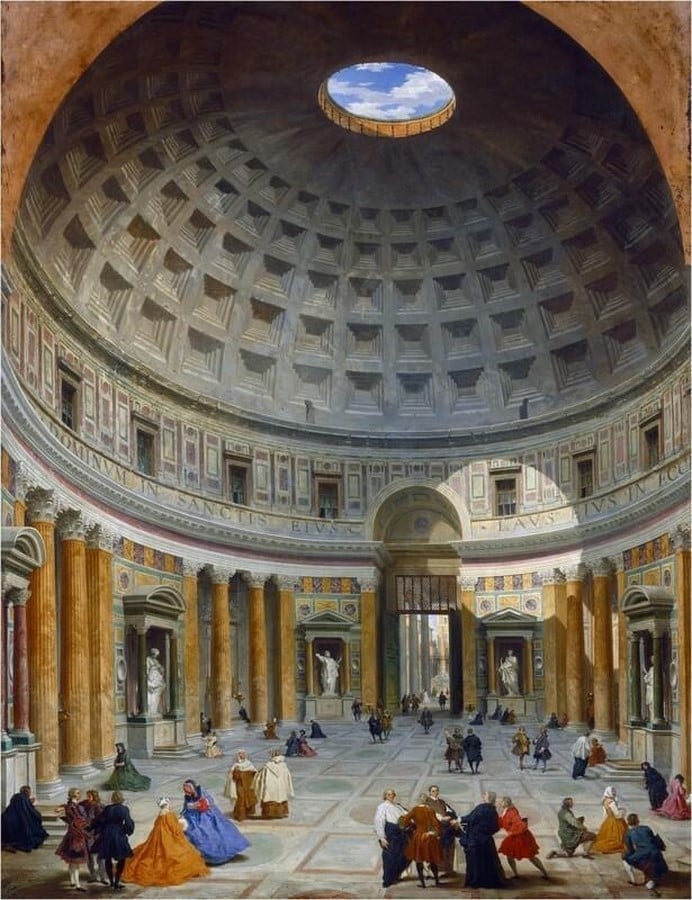
Contemporary architects have explored this relationship from formerly set examples; light was historically harnessed as a fundamental design tool, from the clerestory windows of ancient temples to the iconic oculus of The Pantheon in Rome – filtering daylight into the spaces to reveal its grandeur. Over time, the usage of light has evolved, prioritising access to daylight, visual comfort and energy efficiency in the design.
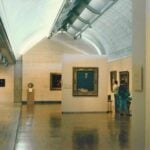
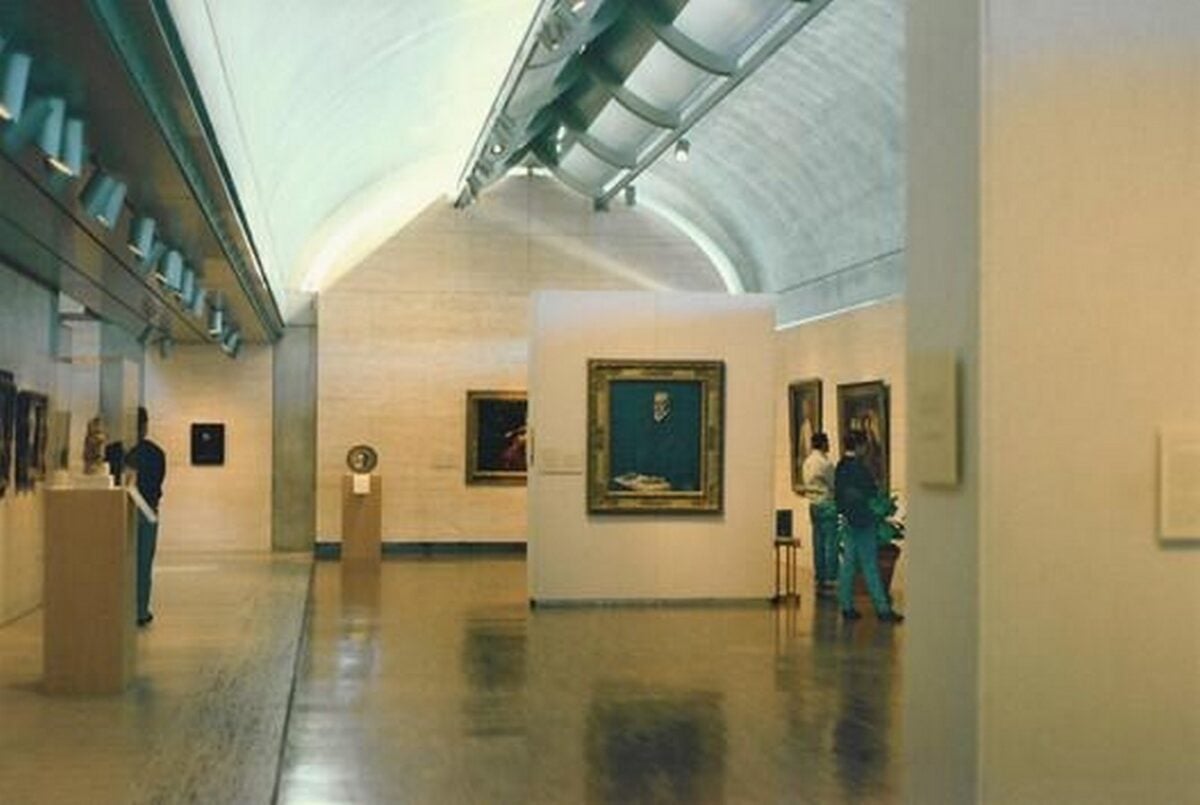
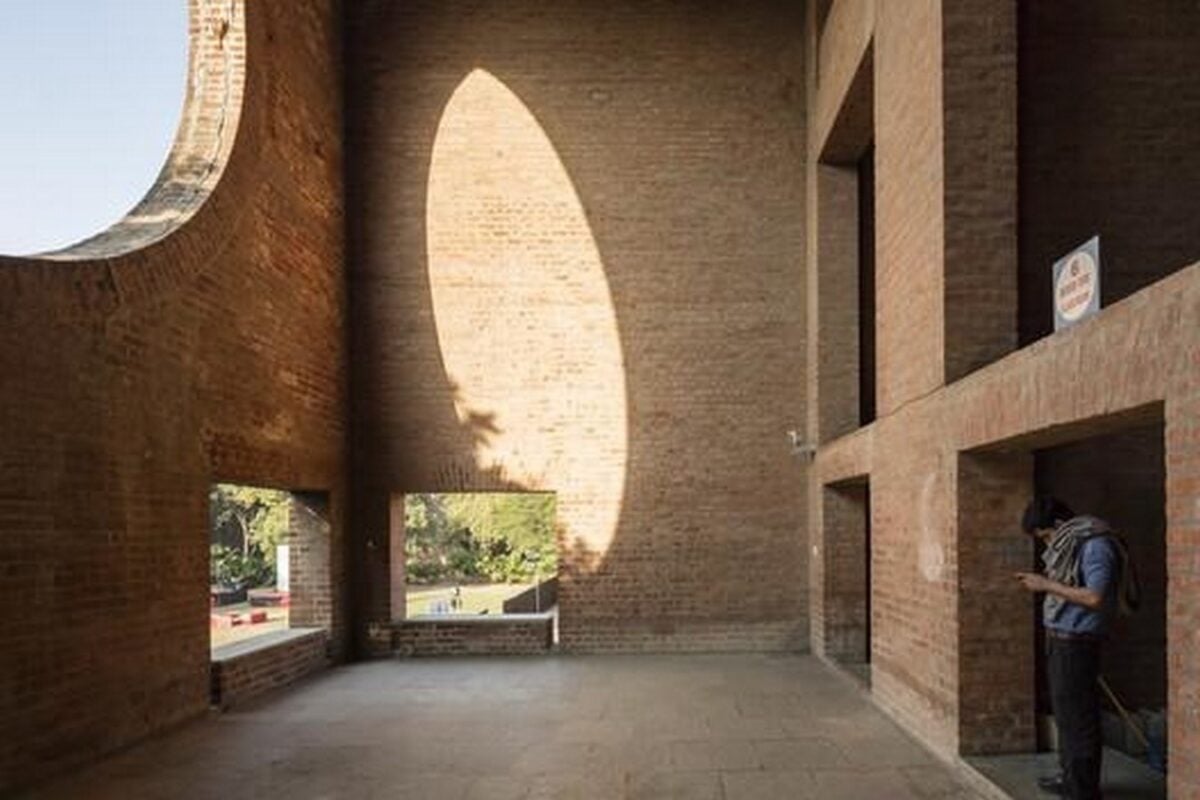
Let’s walk through the work of a few architects that are classic examples of a play of light and shadow. At the Kimbell Art Museum, daylight enters through narrow skylights slit along the cycloid vaulted roof of the structure. Diffused daylight illuminates the artwork on concrete surfaces, producing an experience that changes subtly throughout the day. Louis Khan understood this relationship with particular clarity, the architecture does not compete with the element, but gives it a way to reveal itself. Khan’s buildings in India – the Indian Institute of Management Ahmedabad, with its deep corridors, courtyards, brick arches and recessed openings create an interesting relationship between light and shade. It gives movement through the campus a rhythm, making circulation itself an experience of changing brightness, shadow and enclosure. This reveals an important principle: light can influence movement without giving instructions. Architecture can therefore use light almost as a language, communicating through contrast rather than signage.
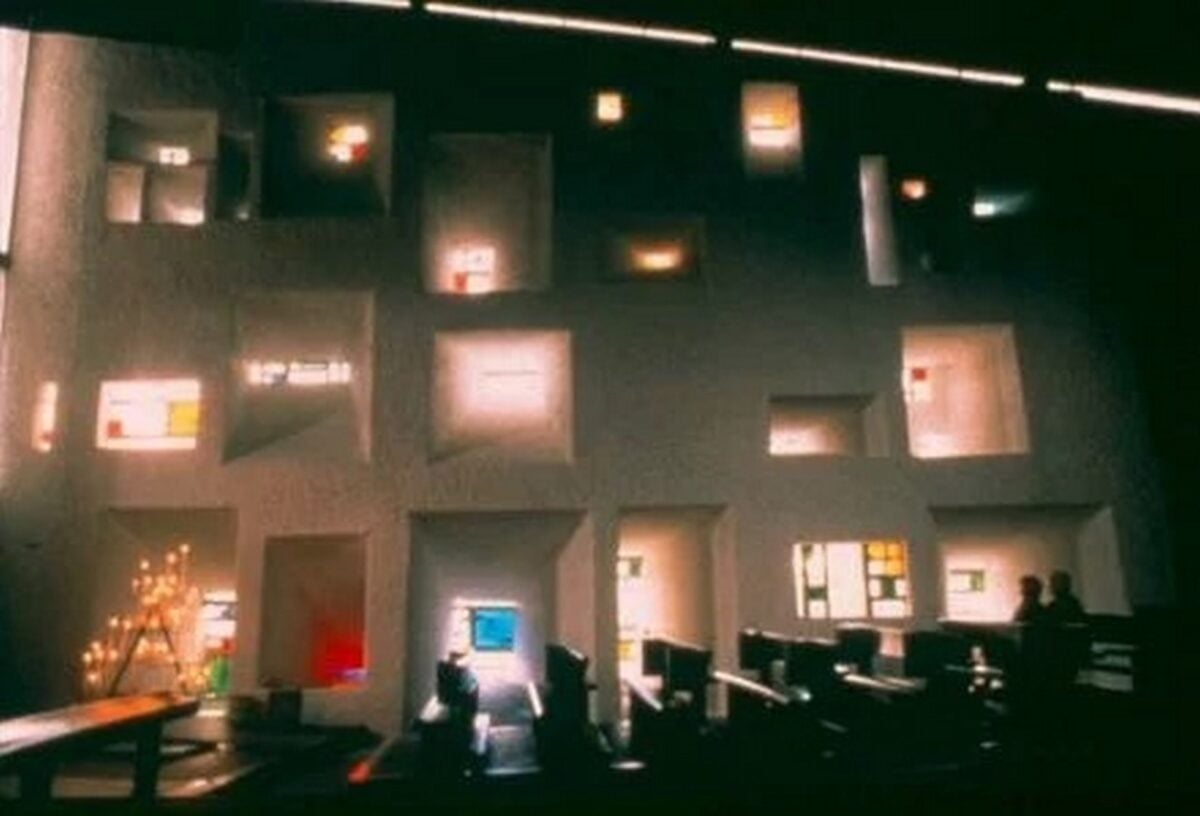
Le Corbusier uses light to transform the character of a space. At the Notre-Dame-du-Haut in Ronchamp, light enters through deeply recessed and irregular openings in the thick walls, and the use of coloured glazing introduces vibrant patches into the dim interior. A narrow gap below the roof allows another layer of light to wash across the walls, resulting in an atmosphere that shifts between darkness, reflected light and sudden brightness. Here, shadow becomes equally important, and the architectural experience emerges from the contrast between the two. Without darkness, light loses its intensity, and without enclosure, light has nothing against which to register.
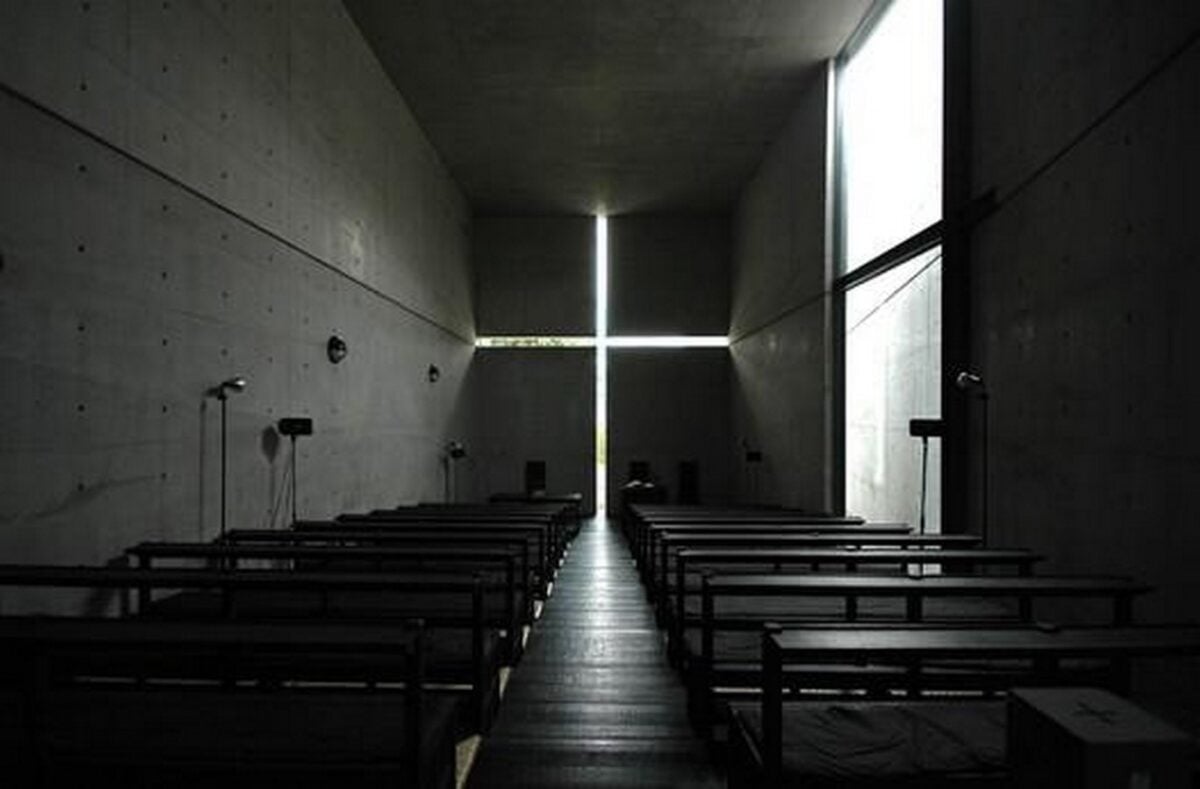
In Tadao Ando‘s Church of the Light in Ibaraki, Japan, Ando reduces the chapel to concrete and a single decisive intervention is the solution to darkness: a cruciform opening cut into the eastern wall. Daylight passes through this void and forms the shape of a cross within the dark interior. The uniqueness lies in the reversal of conventional representation. The cross is not simply placed onto the architecture, it is produced by light itself. Ando’s architecture demonstrates how an absence – a cut in a wall – can become more powerful than an object occupying the space.
Ando explores a related idea in his Church on the Water. Here, architecture and the landscape extend into one another. The chapel visually opens toward a reflecting pool and a cross positioned within the water. The relationship between the framed view, sunlight, reflection and moving shadows makes the landscape an active participant in the architectural experience.
These examples suggest that light does not have a single role in architecture. Perhaps this is why natural light remains one of the most underappreciated elements of architectural design. Unlike structure or material, it is difficult to represent completely in a conventional drawing. A plan can show an opening, and a section can indicate the path of the sun, but neither can fully communicate the changing atmosphere of a room at 8 a.m., noon or sunset. Light also introduces something architecture often lacks: time.
A building may remain physically unchanged, yet its experience continuously shifts. In this sense, the architect does not completely design the final image of a building. Instead, they establish the conditions through which countless changing images can occur.
References:
- Ferreira, D. B. (2025, March 21). Beyond Form: How light and shadow define architectural atmosphere. ArchDaily. https://www.archdaily.com/1027315/beyond-form-how-light-and-shadow-define-architectural-atmosphere
- Kroll, A. (2026, August 10). AD Classics: Church of the Light / Tadao Ando Architect & Associates. ArchDaily. https://www.archdaily.com/101260/ad-classics-church-of-the-light-tadao-ando
- Florian, M. (2024, July 23). Designed by Louis Kahn, the complex at IIM in Ahmedabad faces the threat of demolition once again. ArchDaily. https://www.archdaily.com/992498/designed-by-louis-kahn-the-complex-at-iim-in-ahmedabad-faces-the-thread-of-demolition-once-again