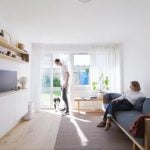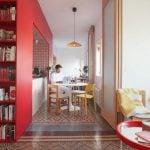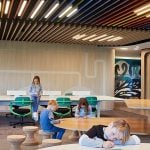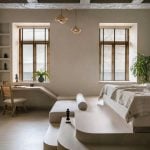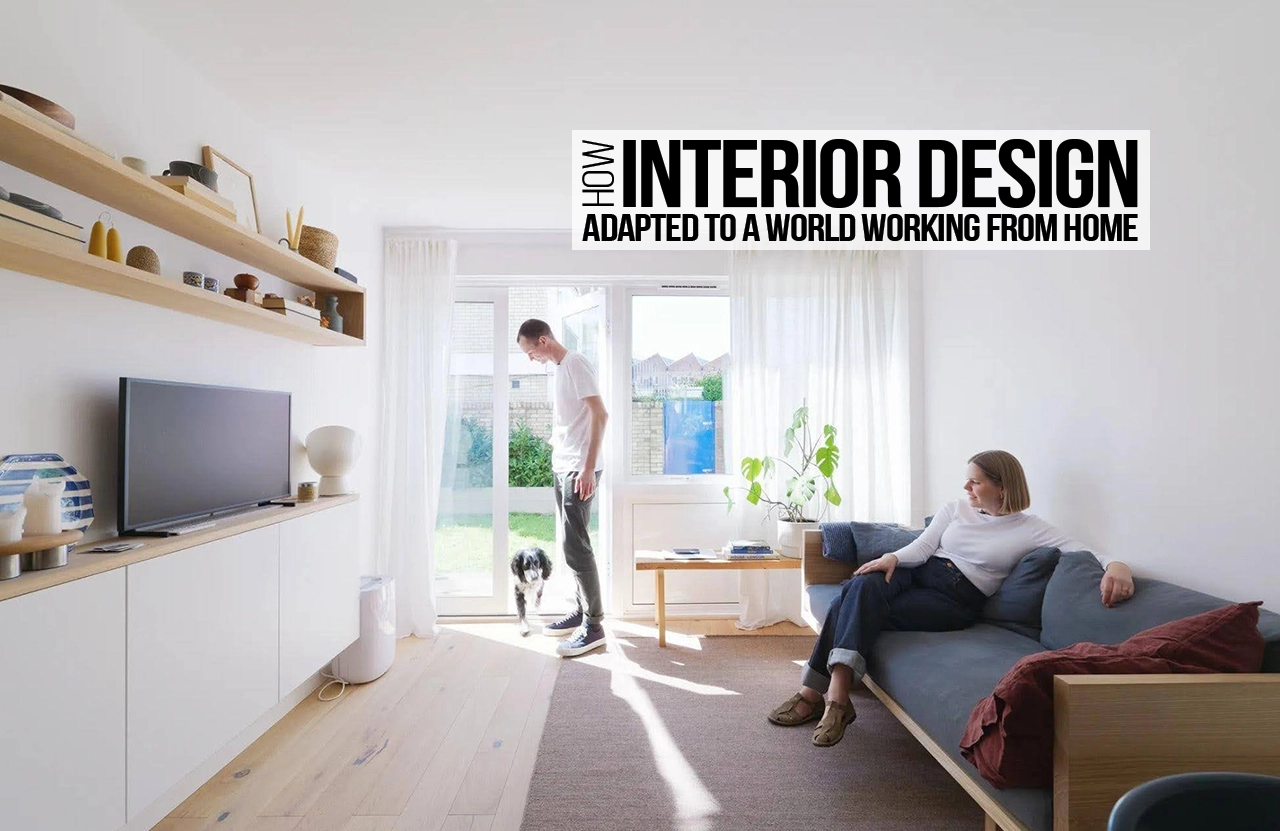
For much of human history, homes were also places of work.
Be it artisans’ workshops, merchants’ residences, or family-run enterprises, living and working essentially coexisted within the same walls, albeit mutating with time.
Industrialisation gradually separated these functions, transforming the home into a place primarily associated with rest and family life and shifting professional operations entirely into factories.
However, the COVID-19 pandemic unexpectedly blurred that long-established boundary once again, compelling residential interiors to support professional life alongside everyday living.
In response, Interior Design reimagined domestic spaces to accommodate productivity, flexibility and well-being without compromising the essence of a home, effectively addressing the expectations of a technologically-driven world.
A New Reality
The return of work to the home was not merely a location change, but a fundamental shift in the purpose and perception of domestic space.
Homes designed to support brief periods of occupation between work and leisure were suddenly expected to sustain full-time professional activity alongside family life, education and recreation. This exposed the limitations of residential interiors that had long evolved around the assumption that ‘real work’ belonged elsewhere.
Consequently, this time around, Interior Design was challenged to respond not through changing styles or aesthetics, but by reconsidering how homes could accommodate multiple functions without sacrificing comfort, identity or well-being.
The challenge, therefore, was not simply to create home offices, but to redefine the role of residential interiors in a world where living and working once again shared the same address.
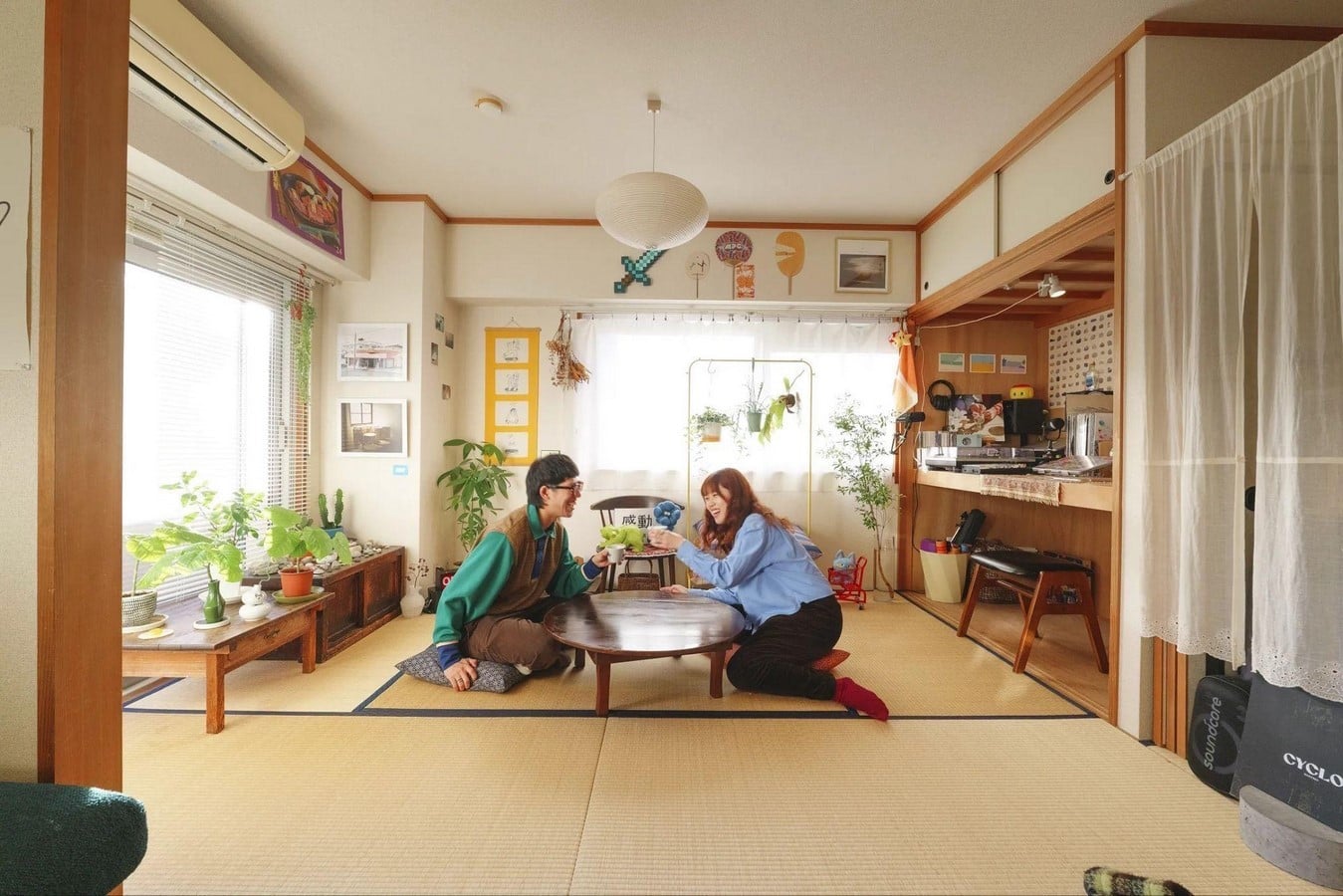
Beyond the Home Office
Beyond transforming homes, the pandemic transformed people’s relationship with them.
Extended periods of confinement encouraged occupants to observe their domestic environments with a level of attention previously reserved for professional workplaces.
Qualities such as natural light, ventilation, acoustics, privacy, flexibility and thermal comfort became increasingly important as they directly influenced productivity and well-being.
More significantly, people ceased to be passive occupants of their homes and became active participants in shaping them. They began questioning existing layouts, reimagining underutilised spaces and making informed decisions about their everyday environments.
Interior Design was no longer perceived as a finished product, but as something users could actively shape through everyday interaction.
Consequently, the discipline expanded beyond the domain of professionals to become a subject of public awareness, with homeowners developing a greater appreciation and understanding of how thoughtfully designed interiors could holistically support both living and working functions.
Designing for Change
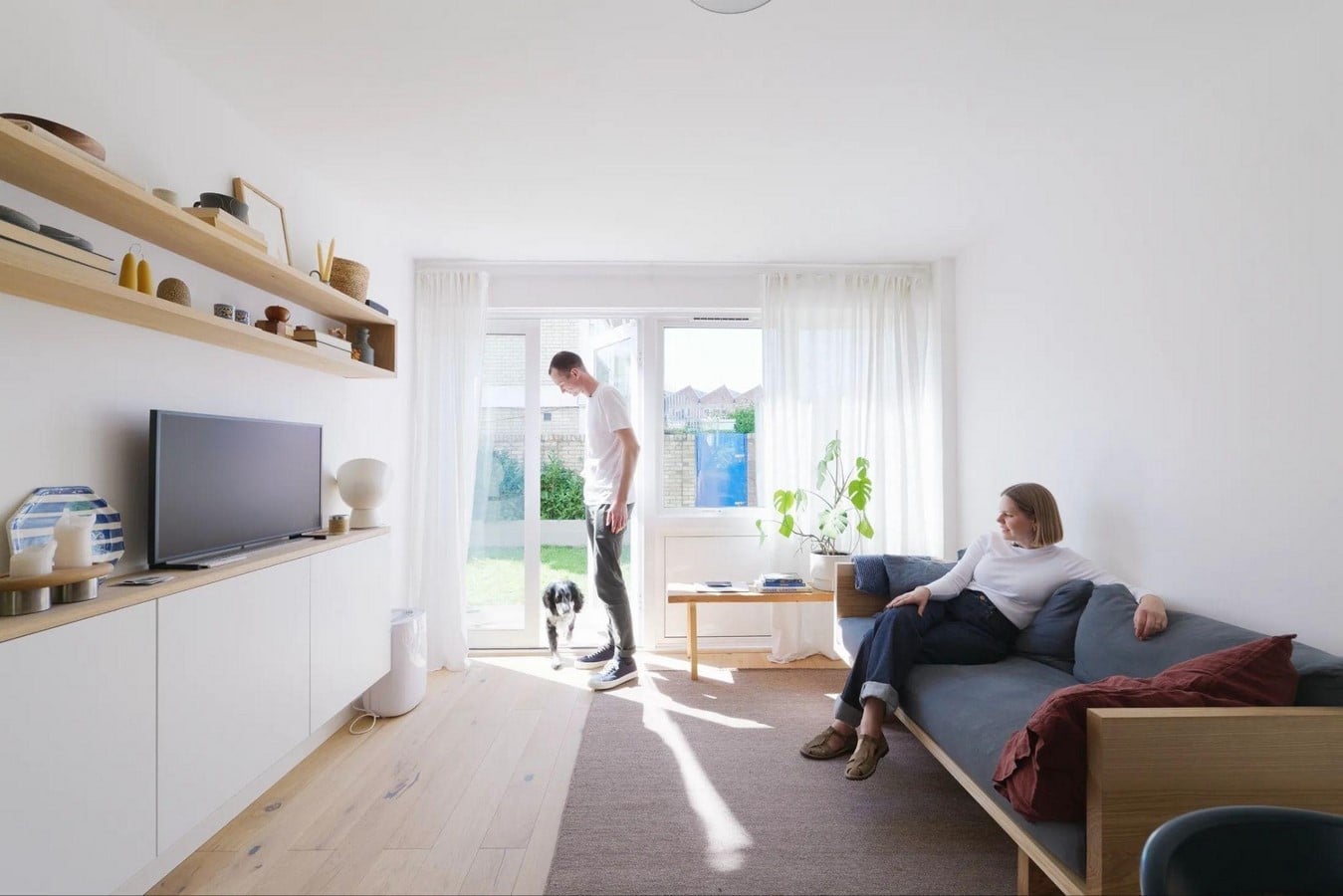
In responding to these changing expectations, Interior Design did not reinvent its principles as much as it accelerated the application of ideas that had long existed within the profession.
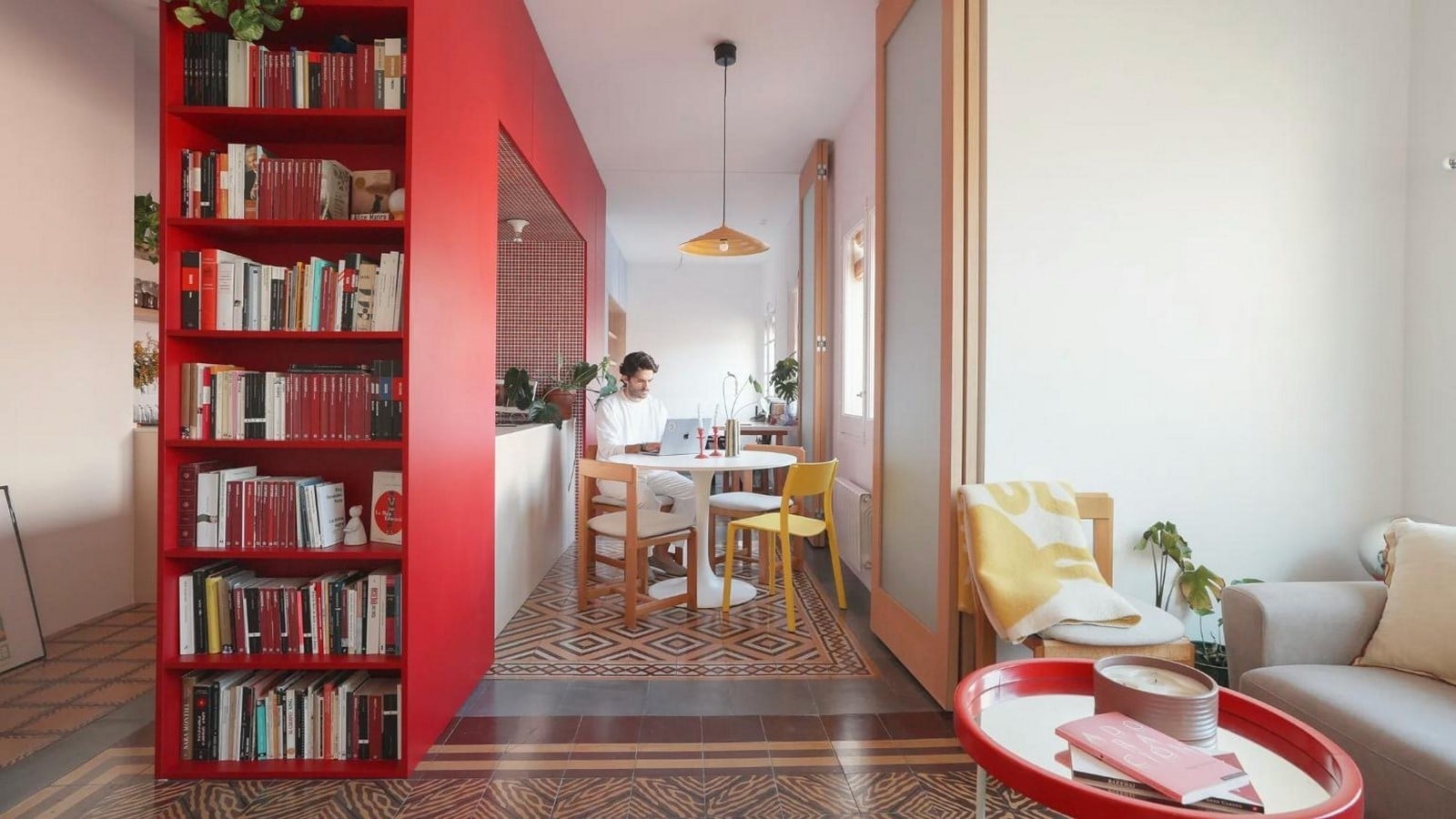
Concepts such as flexibility, adaptability, and multi-functional planning gained renewed urgency as occupants began demanding a home that could support work, leisure and family life as an integrated habitat.
As this renewed awareness among clients translated into a defined articulation of their needs, greater emphasis was placed on privacy, daylight access, acoustic comfort, well-being and layouts that could be reconfigured with the evolution of family structures and post-pandemic work conditions.
Multi-functional furniture, movable partitions, integrated technology and biophilic design were therefore not merely new trends, but practical responses to changing work patterns and evolving lifestyle expectations.
Ultimately, the success of a home came to be measured not only by its visual appeal, but by its ability to support productivity, resilience and everyday comfort without losing its identity as a place of living.
The Profession Adapts
The transformation, however, extended beyond residential interiors to the practice of Interior Design itself.
As movement restrictions disrupted conventional workflows, designers, clients and contractors adopted new modes of collaboration to sustain projects remotely.
Virtual consultations, digital presentations, video-based site inspections and online material approvals became integral to the design process, while clients assumed a more active role in documenting site conditions and monitoring execution.
Although these methods emerged out of necessity, they demonstrated that technology could strengthen communication, improve decision-making and expand access to design services beyond geographical constraints.
In many ways, the pandemic accelerated a digital transition already underway, leaving the profession with more collaborative, flexible and resilient methods of practice alongside its renewed concept for residential interiors.
Changing Perspectives
While the pandemic accelerated many of these changes, it ultimately redefined expectations rather than the home itself.
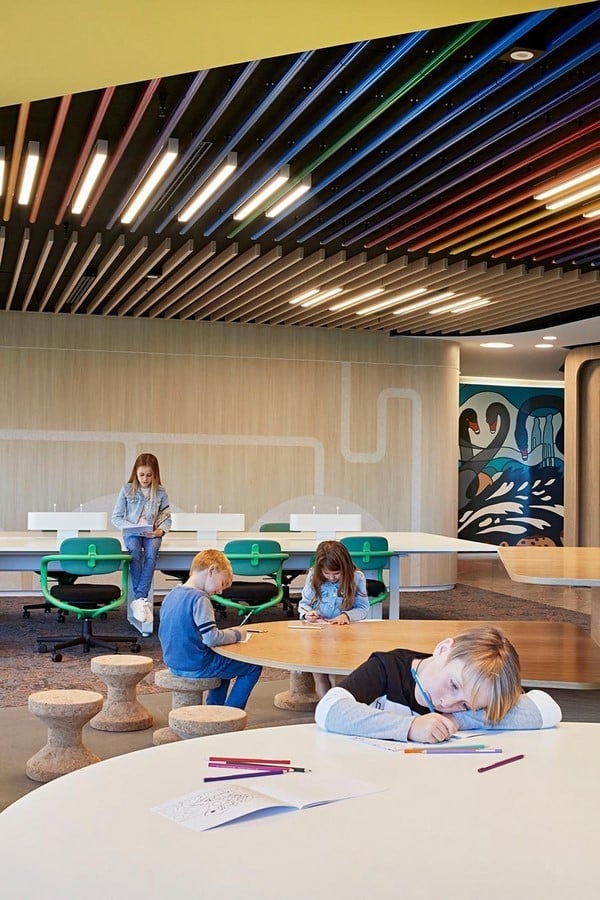
Residential interiors are no longer viewed solely as places of retreat, but as environments capable of supporting work, learning, recreation and well-being, all within the same footprint.
As lifestyles continue to evolve, Interior Design will increasingly be measured by its ability to anticipate change instead of merely responding to it, creating homes that remain resilient, adaptable and deeply human.
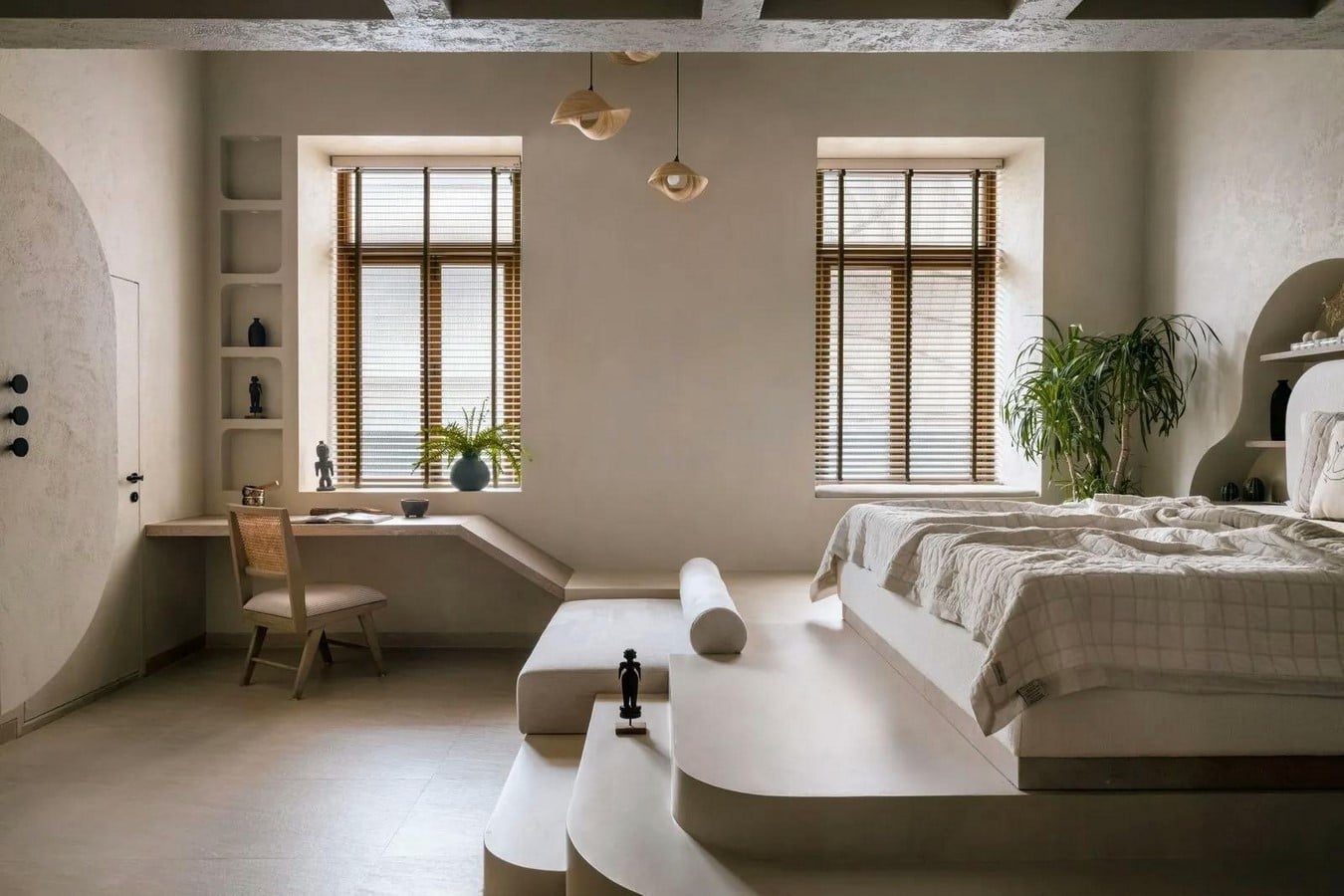
More importantly, the Post-COVID shifts in Interior Design have reaffirmed that the discipline extends far beyond aesthetics; it is a pursuit that shapes how people live, work and thrive through periods of profound social, technological and environmental transformation.
References:
SBID (2020). What will the shift in remote working mean for interior design? | SBID. [online] Society of British & International Interior Design. Available at: https://www.sbid.org/working-from-home-office-design-remote-working/ [Accessed 21 July 2026].
Saltlakehomeandgardenshow.com. (2025). How Interior Design Affects Productivity at Home. [online] Available at: https://www.saltlakehomeandgardenshow.com/show-features/blog/marketplace-events-home-garden-blog/2025/09/29/how-interior-design-affects-productivity-at-home [Accessed 21 July 2026].
Holliss, F. (2015). Beyond Live/Work: The Architecture of Home-based Work. [online] doi:10.4324/9781315738048.
Brooke, E. (2020). The Fraught Return of Working at Home. [online] Curbed. Available at: https://www.curbed.com/article/home-office-design-history.html [Accessed 21 July 2026].
DeCurtis, M. and Cowan, L. (2021). Work From Home Needs a Home for Work. [online] Gensler. Available at: https://www.gensler.com/blog/work-from-home-needs-a-home-for-work?utm_source=chatgpt.com [Accessed 21 July 2026].
Howell, B. (2020). Will the Work From Home Trend Impact Residential Design? [online] Gensler. Available at: https://www.gensler.com/blog/will-the-work-from-home-trend-impact-residential-design?utm_source=chatgpt.com [Accessed 21 July 2026].
Van Essen, H. (2020). Treat Your Remote Working Space Like a Custom Home Design. Imprint Architects. Available at: https://imprintarchitects.com/blog-post/treat-your-remote-working-space-like-a-custom-home-design/ [Accessed 21 July 2026].
Ulusoy, B. and Aslanoğlu, R. (2022). Transforming Residential Interiors into Workspaces during the COVID-19 Pandemic. Sustainability, 14(13), p.8217. doi:10.3390/su14138217.
Kriti Saraswat-Satpathy and Initiative, M.H. (2020). Expert hacks to transform small areas into your work from home space. [online] Architectural Digest India. Available at: https://www.architecturaldigest.in/content/work-from-home-expert-hacks-design-tips-small-space/ [Accessed 21 July 2026].
Mukhi Mistri, A. (25AD). The Rise of Home Workspaces—and How Interior Design Makes All the Difference. Linkedin. Available at: https://www.linkedin.com/pulse/rise-home-workspacesand-how-interior-design-makes-all-mistri-f2cuc/ [Accessed 21 July 2026]
SBID (2020). What will the shift in remote working mean for interior design? | SBID. [online] Society of British & International Interior Design. Available at: https://www.sbid.org/working-from-home-office-design-remote-working/ [Accessed 24 July 2026].
Design, A.I. (2023). The Rise of Multifunctional Spaces – Adapting Homes for Remote Work and Hybrid Lifestyles. [online] Algedra. Available at: https://algedra.ae/en/blog/the-rise-of-multifunctional-spaces-adapting-homes-for-remote-work-and-hybrid-lifestyles [Accessed 25 July 2026].
Dubey, A., Jain, V. and Chhabra, M. (2022). Rethinking Interior Spaces for Work from Amidst the Pandemic. In: International Journal for Research in Applied Science & Engineering Technology (IJRASET). [online] Sonipat, Haryana, India: International Journal for Research in Applied Science & Engineering Technology (IJRASET), pp.2176–2189. Available at: https://www.ijraset.com/best-journal/rethinking-interior-spaces-for-work-from-amidst-the-pandemic [Accessed 24 July 2026].
Dorris, J. (2020). Designers and Architects Find New Ways to Adapt. [online] Interior Design. Available at: https://interiordesign.net/designwire/designers-and-architects-find-new-ways-to-adapt/ [Accessed 25 July 2026].
Patterson, K. (2020). How Interior Designers Are Adapting to Mandated Social Distancing | Foyr. [online] Learn With Foyr Blogs | Your Ultimate Interior Design Resource. Available at: https://foyr.com/learn/how-interior-designers-are-adapting-to-mandated-social-distancing/ [Accessed 25 July 2026].
Bao, X., Zhang, T., Qian, Z. and Dewancker, B. (2023). Adapting to changes in the COVID-19 pandemic: research and recommendations on spatial layout and resident experience in MURBs. City and Built Environment, 1(1). doi:10.1007/s44213-023-00014-z.
Creating the ideal home office. (2026). Creating the ideal home office. [online] Available at: https://www.karentabakinteriors.com/blog/homeoffice [Accessed 25 July 2026].
Hosseini, Z., Chandrasekera, T. and Jayadas, A. (2023). Design for Working from Home: Lessons Learned from Architects and Designers during the COVID Era. In: International Journal of Arts Architecture & Design . [online] Oklahoma State University, USA: International Journal of Arts Architecture & Design , pp.1–21. Available at: https://worlduniversityofdesign.ac.in/JAARD/wp-content/uploads/2024/03/Design-for-Working-from-Home_-Lessons-Learned-from-Architects-and-Designers-during-the-COVID-Era.pdf [Accessed 24 July 2026].
Bardwell, A. (2020). Interior Design in a post-COVID-19 world – The Open College of the Arts. [online] The Open College of the Arts. Available at: https://www.oca.ac.uk/weareoca/interior-design/interior-design-in-a-post-covid-19-world/ [Accessed 25 July 2026].
Buescher, L. and Architectural Overflow, LLC (2025). The Impact of Remote Work on Residential Architecture. [online] Architectural Overflow, LLC. Available at: https://www.aollc.net/blog/architecture-unleashed-1/the-impact-of-remote-work-on-residential-architecture-59 [Accessed 24 July 2026].
[email protected] (2026). How Professional Interior Design Transforms Your Living and Work Spaces – Vibrant Designs World. [online] vibrantdesignsworld.com. Available at: https://vibrantdesignsworld.com/how-professional-interior-design-transforms-your-living-and-work-spaces/ [Accessed 25 July 2026].
Alati, D. (2019). Working From Home When Your Office Is Also Your House. [online] Architectural Digest. Available at: https://www.architecturaldigest.com/story/how-to-work-productively-from-home [Accessed 25 July 2026].
DG-LA. (2020). PARADIGM SHIFT: INTERIOR DESIGN IN A POST-COVID WORLD – DG-LA. [online] Available at: https://www.dg-la.com/en/news-en/paradigm-shift-interior-design-in-a-post-covid-world/ [Accessed 25 July 2026].
Joy, J. (2020). Designing Your Home for Working From Home. Columbia Magazine, [online] Spring/ Summer(2020). Available at: https://magazine.columbia.edu/article/designing-your-home-working-home [Accessed 24 July 2026].
Singh, S. and Walia, S. (2023). Building construction: Impact of work from home on design and material choices. doi:10.1016/j.matpr.2023.06.205.
Redwoodinteriors.in. (2026). Top 10 Home Office Design Ideas for Remote Workers – Redwood Interiors. [online] Available at: https://redwoodinteriors.in/blog/top-ten-home-office-design-ideas-for-remote-workers [Accessed 25 July 2026].
Bourke, D., Schneider, K. and IA (n.d.). Digital Transformation: Rethinking Space, the Workplace, and Culture. IA. Available at: https://interiorarchitects.com/digital-transformation-rethinking-space-the-workplace-and-culture/ [Accessed 24 July 2026].