Homes were once understood primarily through their physical arrangement. Rooms had fixed purposes, and architecture defined daily routines through walls, doors, and furniture. Today, this relationship has become more fluid. The experience of living is increasingly shaped not only by spatial layout but also by emotional comfort, personal familiarity, and everyday digital habits. What makes a house feel like home is less dependent on size or style and more on how it supports psychological ease and continuity in daily life.
Environmental psychology research has long suggested that people develop emotional bonds with their living environments. Studies on place attachment, particularly those discussed by Proshansky and colleagues, describe how identity and memory become associated with familiar surroundings over time. A home therefore functions as more than shelter. It becomes a setting where routine, recognition, and emotional stability are reinforced. In this sense, domestic spaces are experienced as environments that support mental balance as much as physical comfort.
The growing presence of screens, streaming media, and flexible work routines further changes how interiors are used. Lighting, sound, and spatial arrangement now respond to mood as much as to activity. The contemporary home is gradually shaped by behaviour and perception rather than only by plan. Understanding domestic spaces today requires attention to how memory, media, and emotional response influence everyday living.
Mood and Sensory Comfort
One of the most immediate ways architecture influences everyday life is through sensory comfort. Occupants often describe a home as relaxing or stressful without consciously identifying why. Much of this response is shaped by environmental conditions such as light, temperature, acoustics, and material texture. Research in environmental psychology, including studies by Kaplan and Kaplan on restorative environments, suggests that calm surroundings help reduce mental fatigue and improve attention. When interiors minimise sensory strain, occupants feel mentally settled even without deliberate awareness. In this way, domestic spaces support emotional well-being through everyday physical conditions.
Lighting plays a particularly important role. Natural daylight regulates circadian rhythm, affecting sleep patterns and mood stability. Studies on indoor environmental quality show that access to daylight and balanced illumination improves comfort and productivity. Warm lighting in the evening and softer contrasts during the day allow interiors to align with human biological cycles. Instead of acting only as illumination, light becomes a behavioural cue, shaping how rooms are experienced at different times.
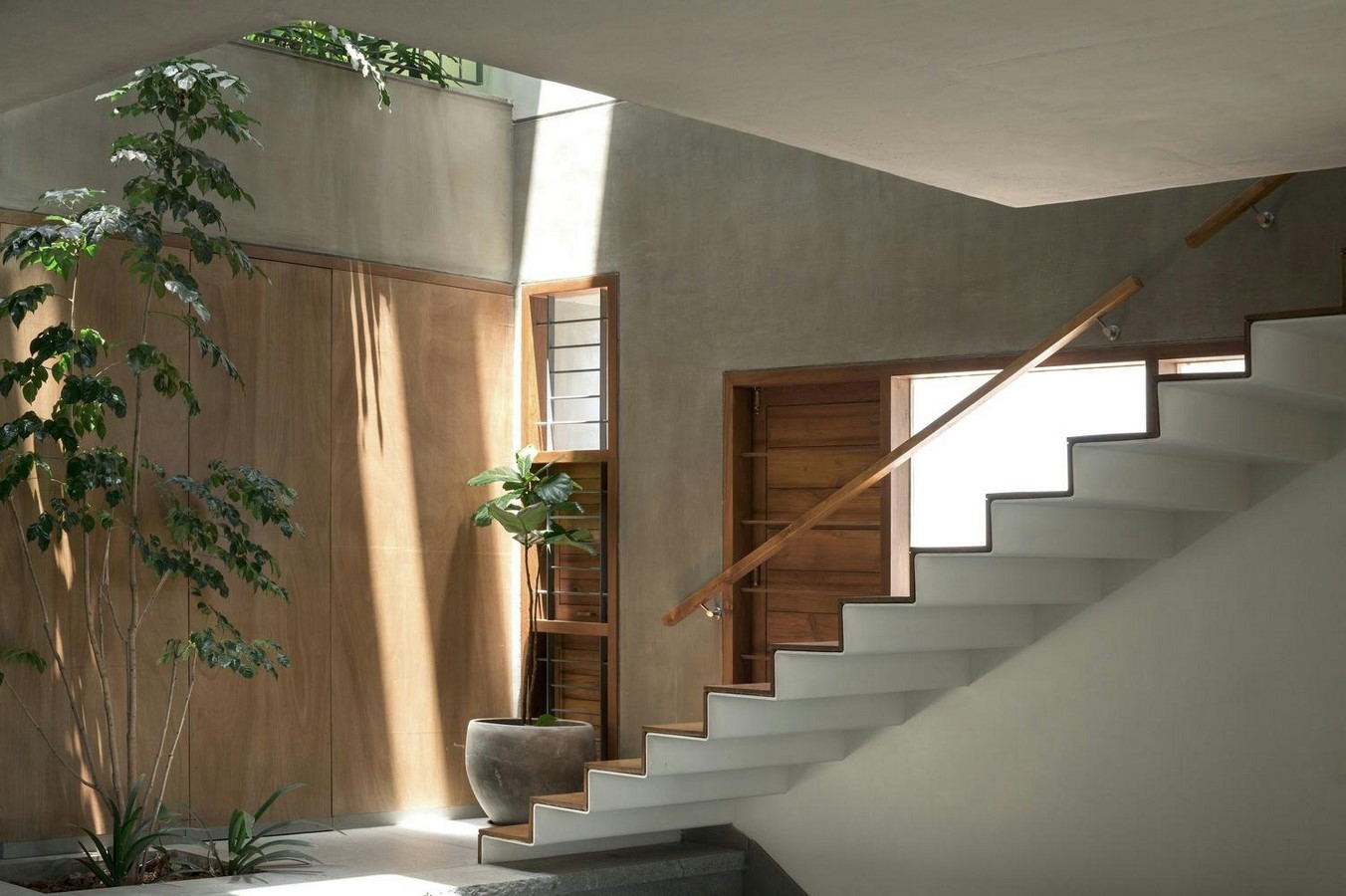
Material and acoustic qualities contribute similarly. Textured surfaces, fabrics, and timber finishes absorb sound and soften reflections, creating a quieter environment. Hard, reflective interiors often increase stress by amplifying noise and glare. In warm climates, ventilation and shading also influence comfort, allowing interiors to remain usable without constant mechanical cooling. These conditions demonstrate that domestic spaces are not defined only by walls and furniture but by sensory atmospheres that quietly support daily life.
Memory and Attachment to Place
Emotional connection to a home develops gradually through familiarity. Over time, repeated actions such as entering the same doorway, sitting in a preferred chair, or using a particular corner for reading begin to anchor daily life. Many people notice this most clearly when they return to a childhood house. The scale of a corridor, the smell of stored books, or the position of a window can trigger immediate recognition. These responses illustrate what environmental psychologists describe as place attachment, where memory and identity become linked to surroundings. Domestic spaces therefore hold personal meaning because they support continuity across different stages of life.
Objects play an important role in this process. Collections, photographs, inherited furniture, and everyday items often remain in homes not for utility but for association. An old dining table may be retained because it carries family history, and a small shelf of souvenirs may represent travel or relationships. Studies by researchers such as Altman and Low show that possessions help people stabilise identity by linking personal memory to physical environment. Interiors become readable through these traces of lived experience, allowing occupants to recognise themselves within their surroundings.
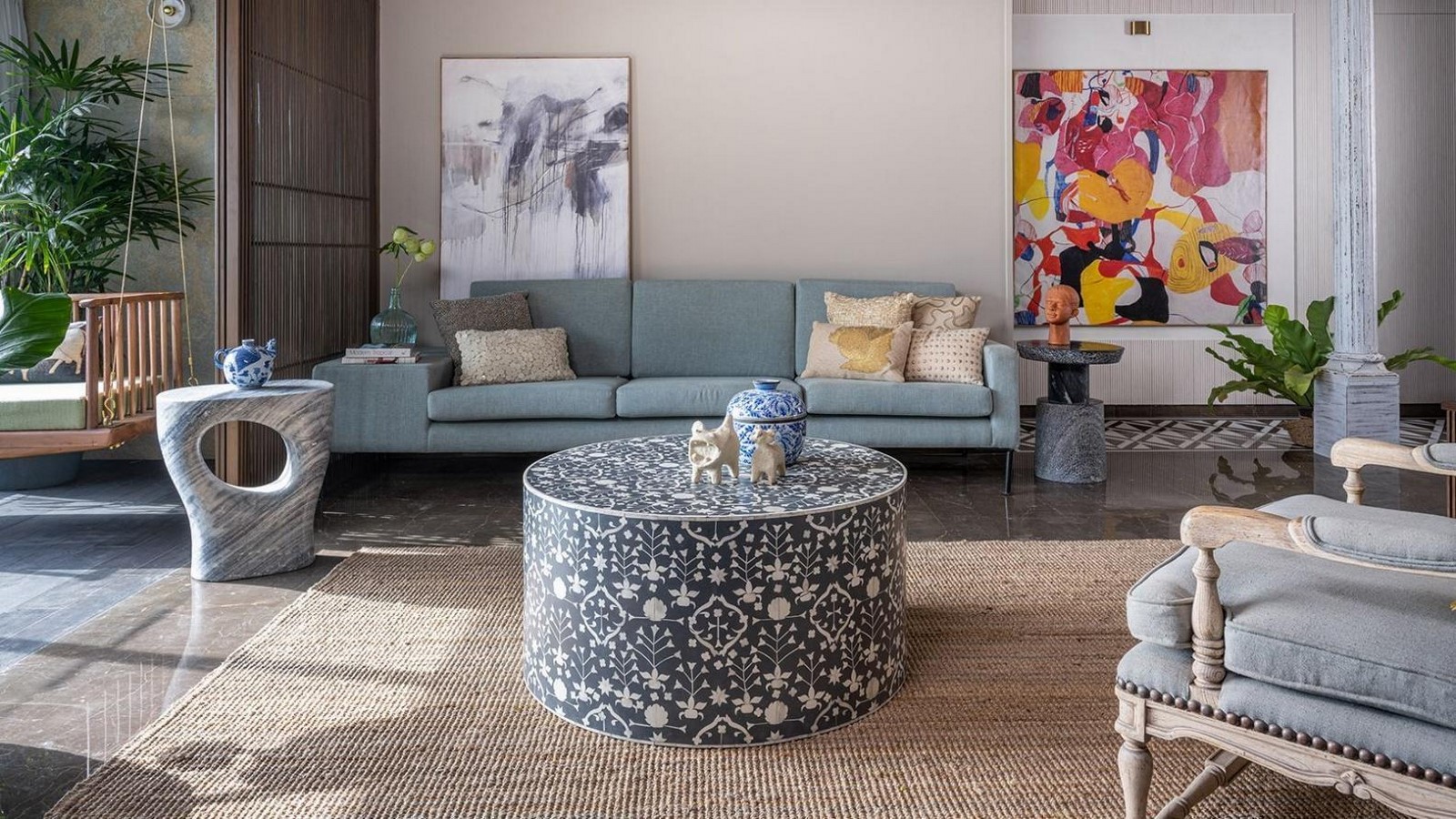
Long-term residence strengthens this connection further. As people age, familiar layouts assist orientation and comfort, reducing anxiety and supporting independence. Even small spatial consistencies, such as predictable circulation paths and recognisable visual markers, help maintain confidence in everyday movement. In this way, domestic spaces function not only as accommodation but also as memory frameworks, quietly supporting emotional stability and a sense of belonging.
Media and Screen-Centred Living
Domestic life was once organised around a single shared device, usually the television placed in a living room. Family members gathered at a fixed time and space, and furniture arrangement followed that focal point. Today, the media is no longer confined to one location. Mobile phones, laptops, and tablets distribute viewing and communication across the entire house. Streaming platforms allow entertainment at any hour, and online meetings bring workplaces into bedrooms and dining tables. As a result, domestic spaces are no longer tied to one activity but adapt to multiple simultaneous ones.
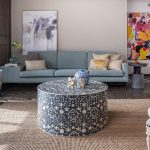
This shift changes how rooms are arranged and used. Seating areas now support both relaxation and digital interaction, while bedrooms accommodate study and remote work. Background media such as music, podcasts, or continuous video often accompanies daily routines like cooking or cleaning. Rather than being a separate activity, media becomes an ongoing layer within everyday living. Research on media environments indicates that familiar digital routines can reinforce comfort, as repeated patterns of sound and visual engagement create a sense of personal territory within shared housing.
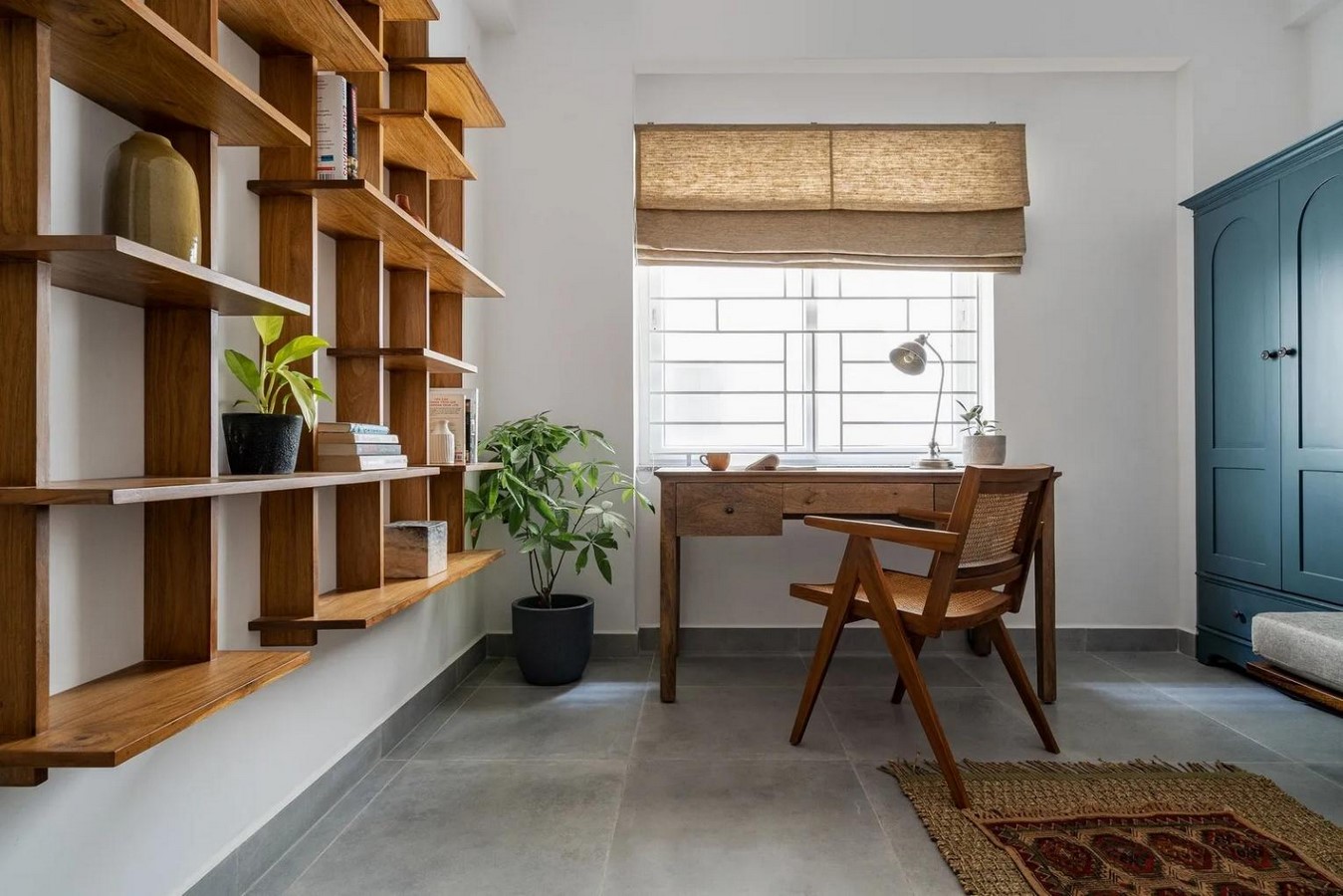
The integration of communication technology also alters emotional relationships with home. Remote work, video calls, and online social interaction allow individuals to maintain connections without leaving their residence. Over time, social presence becomes associated with the same surroundings where daily activities occur. Domestic spaces therefore begin to function not only as places of rest but also as settings for social and professional identity. The house becomes a stable base for interaction, strengthening attachment by hosting both private life and social engagement.
Flexible Rooms and Changing Daily Routines
As daily activities diversify, rooms increasingly serve multiple purposes. Spaces that once had single identities now accommodate a range of functions across the day. A living room may operate as a workspace in the morning, a reading area in the afternoon, and a gathering space in the evening. Bedrooms sometimes double as study corners, while small spare areas evolve into gaming rooms or hobby spaces. Rather than being defined permanently, domestic spaces shift according to routine and personal preference.
Furniture and layout play a crucial role in enabling this adaptability. Movable seating, foldable desks, and modular storage allow quick rearrangement without altering the structure of the house. Lighting and sound also support transitions, with brighter illumination encouraging concentration and softer settings supporting relaxation. Subtle zoning, such as rugs, shelves, or partitions, helps separate activities within the same area. These changes do not rely on new construction but on thoughtful arrangement, allowing homes to respond to varied schedules and habits.
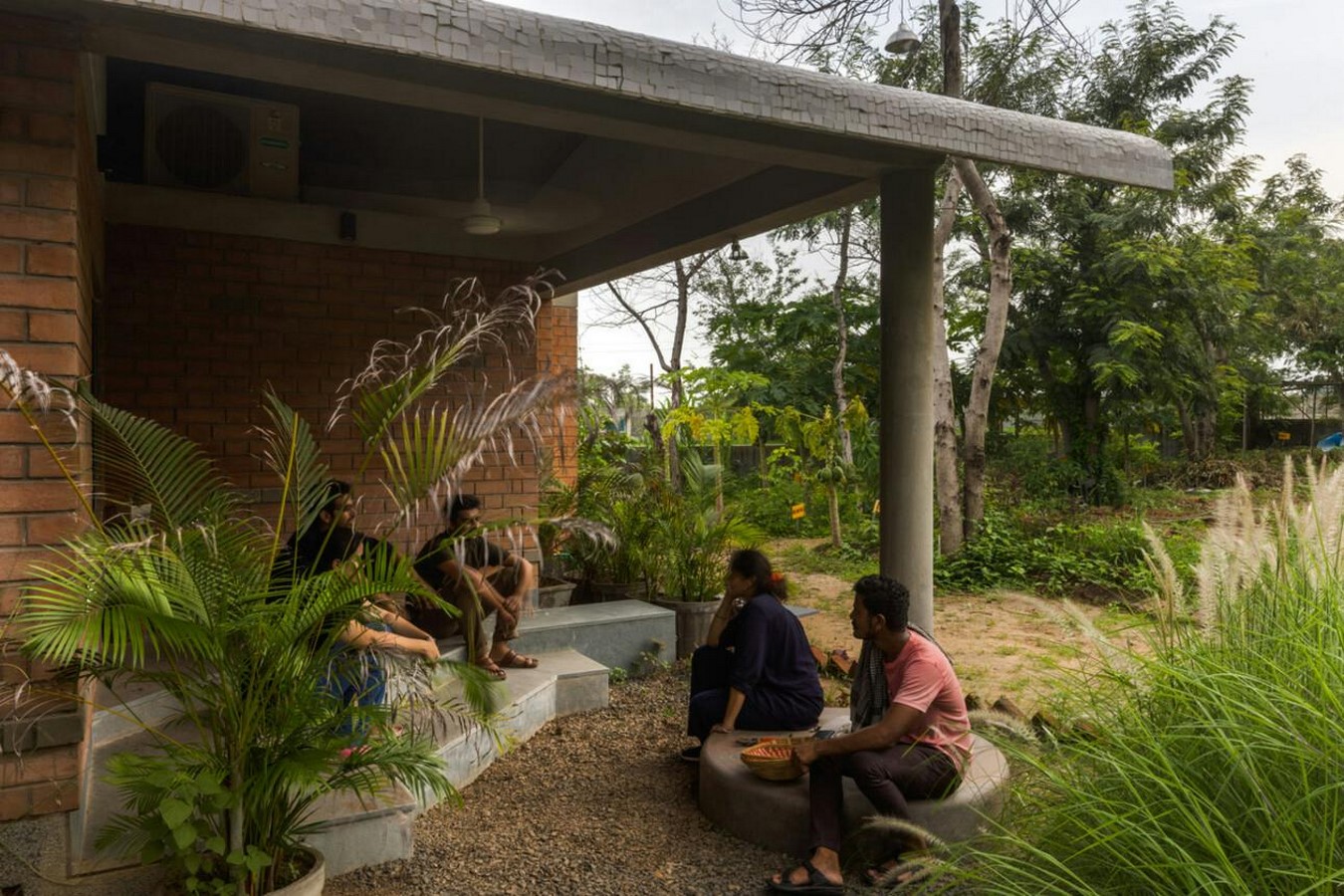
In compact urban housing, this flexibility becomes especially important. Limited floor area requires rooms to remain usable throughout the day, and spatial efficiency depends on adaptability rather than size. When designed carefully, domestic spaces support multiple forms of living without appearing crowded. The home becomes a responsive environment where routines shape space, rather than space restricting routine.
The Evolving Meaning of Home
The contemporary home can no longer be understood only through its physical layout. Everyday living is influenced by emotional comfort, personal memory, and digital interaction, all of which shape how interiors are used and perceived. Lighting conditions affect mood, familiar objects reinforce belonging, and media routines connect occupants to work and social life. Together, these factors transform domestic spaces into environments that respond to behaviour as much as to architecture.
Rather than acting as a fixed container, the home now supports multiple layers of experience. Rooms adapt to changing activities, attachments grow through repeated use, and communication technologies allow social presence within private surroundings. Mood, memory, and media operate simultaneously, forming a continuous relationship between occupant and environment. Domestic spaces therefore function not only as physical settings but also as frameworks that sustain identity, comfort, and daily continuity.
For architecture, this shift suggests a broader responsibility. Designing housing involves understanding how people live over time, not just how rooms are arranged. Environments that allow adjustment, familiarity, and ease of use will remain relevant longer than strictly defined layouts. The meaning of home emerges from the interaction between spatial design and lived experience, where architecture and human behaviour shape each other in everyday life.
Proshansky, H.M., Fabian, A.K. and Kaminoff, R. (1983). Place-identity: Physical world socialization of the self. Journal of Environmental Psychology, 3(1), pp. 57–83. Available at: https://doi.org/10.1016/S0272-4944(83)80021-8
Kaplan, R. and Kaplan, S. (1989). The Experience of Nature: A Psychological Perspective. Cambridge: Cambridge University Press. Available at: https://archive.org/details/experienceofnatu00kapl
Altman, I. and Low, S.M. (1992). Place Attachment. New York: Springer. Available at: https://link.springer.com/book/10.1007/978-1-4684-8753-4
Rapoport, A. (1969). House Form and Culture. Englewood Cliffs: Prentice-Hall. Available at: https://archive.org/details/houseformculture00rapo
Pew Research Center (2021). The Internet and the Pandemic. [online]. Available at: https://www.pewresearch.org/internet/2021/09/01/the-internet-and-the-pandemic/