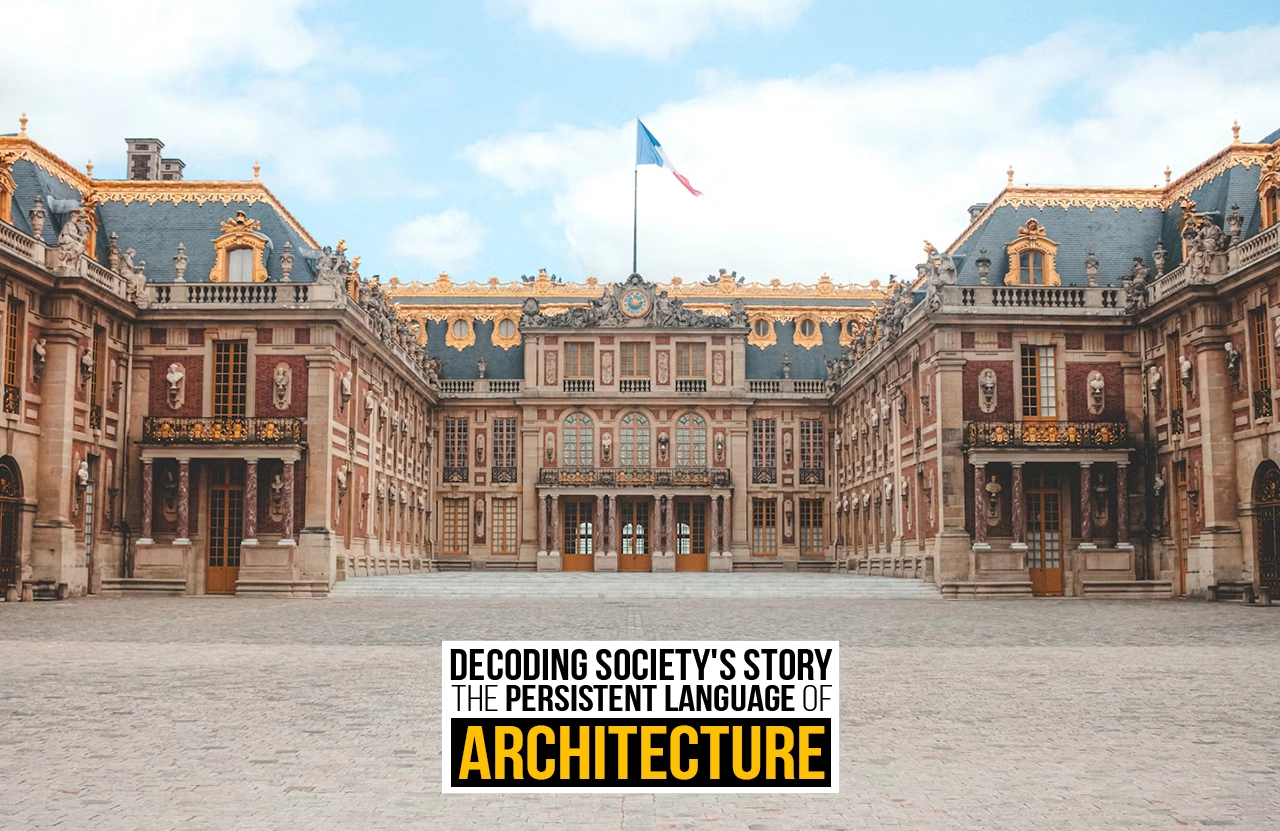
Cities speak, not through words but with stone, glass, light and shadow. Every building, street, and public space encodes the priorities, histories, technologies and aspirations of the society that creates it. From historic monuments to university campuses, the built environment operates as a physical narrative; a form of storytelling written in stone, steel, glass, and landscape. By examining architecture across time, one can read shifts in political authority, economic systems, social hierarchies, environmental awareness and cultural identity.
Political powerplay using architecture
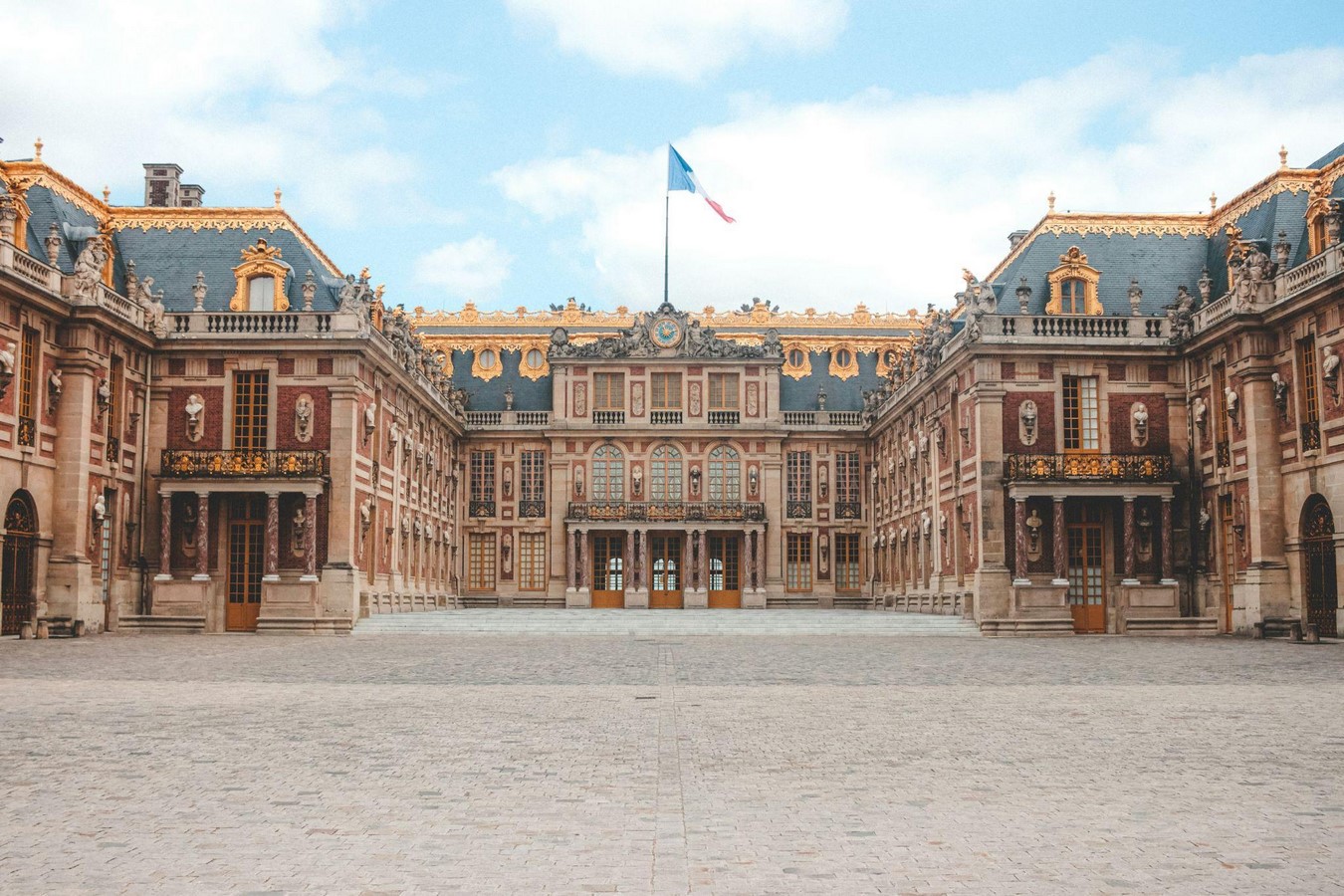
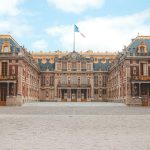
Historically, architecture has served as an instrument of political storytelling. Monumental structures often communicate power and permanence. The Romans used buildings such as the Colosseum to symbolize imperial authority and civic spectacle. Similarly, European architecture has palaces like the Palace of Versailles to express centralized control, hierarchy, and divinity.
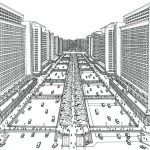
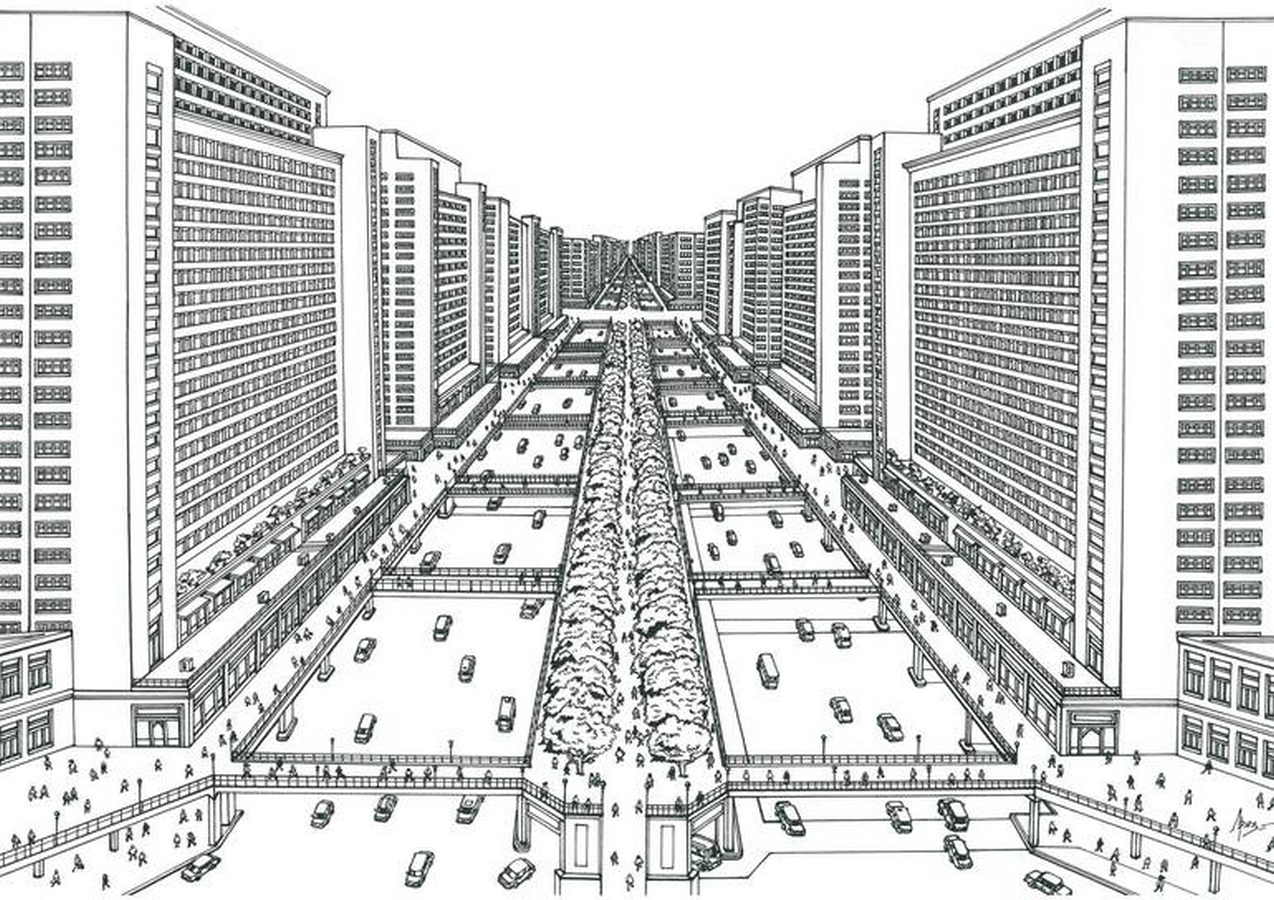
In the twentieth century, architecture continued to function ideologically. People in power imposed monumental forms and extreme ornamentation to assert dominance. Meanwhile, democratic societies increasingly emphasized civic accessibility and transparency. The glass facade of modernist buildings promote ideals of rational planning, efficiency and social reform. Le Corbusier’s urban manifesto, the Ville Radieuse, imagined a society reorganized through geometry, zoning, and technological order revealing how urban planning itself could be political storytelling.
Economic Systems Written into Urban Form
Cities also narrate economic hardships. Industrial-era urban expansion produced dense worker housing, factory districts, and railway-centered growth patterns. Many cities became prototypes of industrial capitalism, where spatial segregation reflected class divisions; crowded worker housing contrasted sharply with elite suburbs.
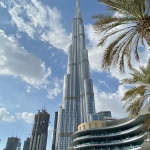
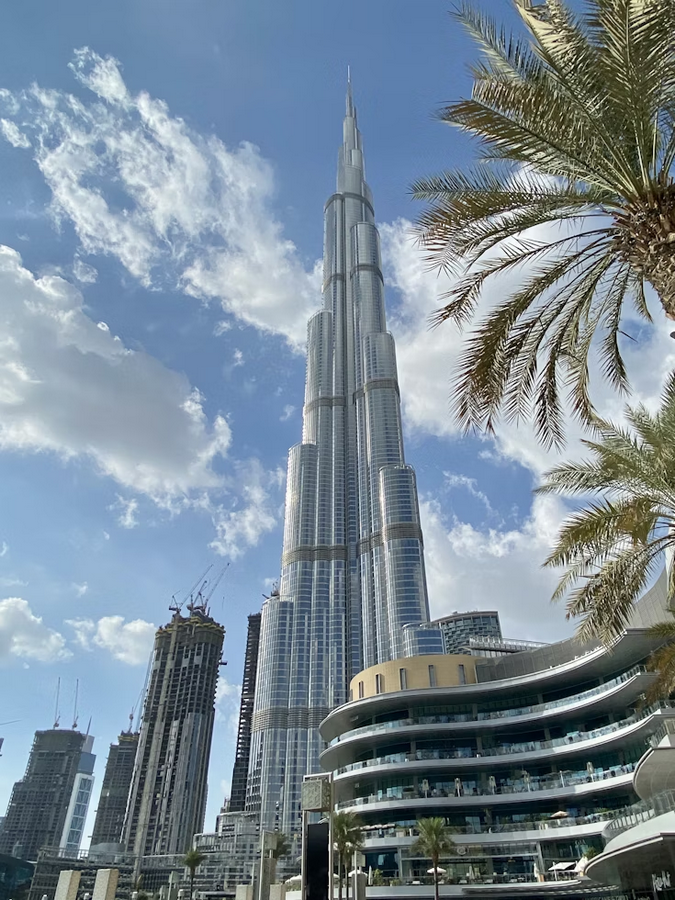
Late twentieth-century globalization reshaped skylines into symbols of financial competition. Corporate towers and mixed-use megaprojects reflect the dominance of economies and global capital flow. Skyscrapers like the Burj Khalifa illustrate how architectural height and spectacle have become tools of economic branding, projecting a narrative of technological ambition and international relevance.
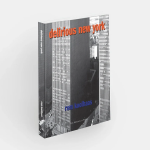
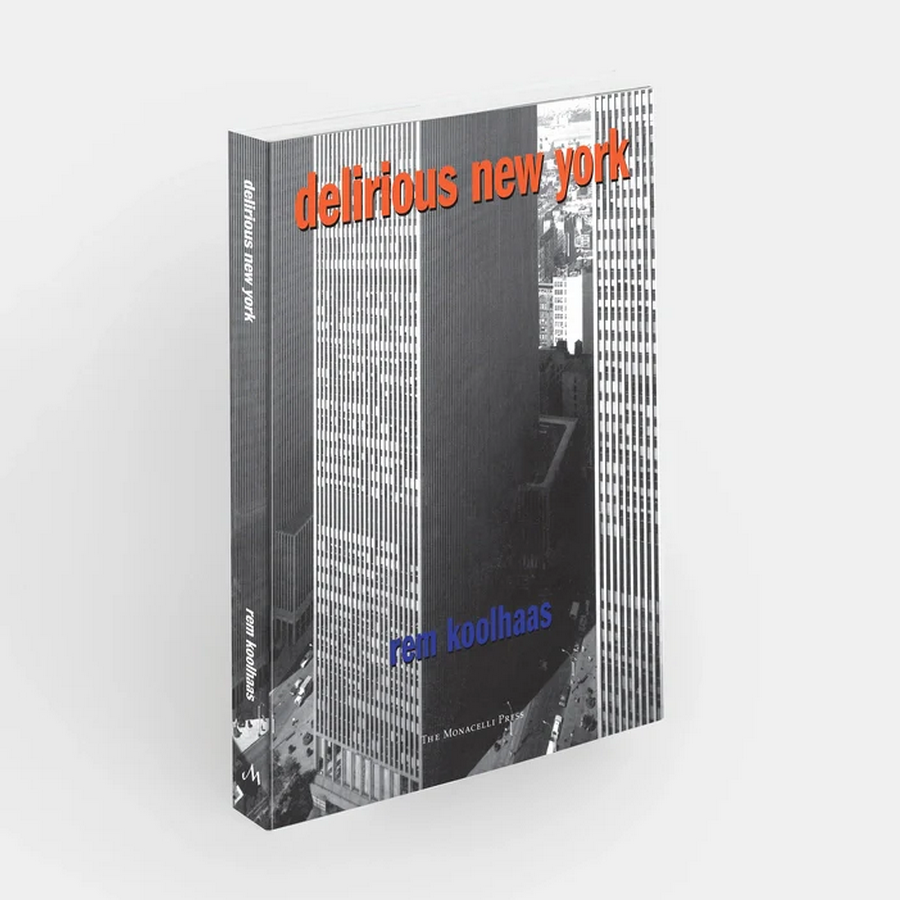
Shopping malls, airports and business parks similarly demonstrate how architecture responds to consumption-driven economies. Cultural theorist Rem Koolhaas, in the book Delirious New York, argued that urban form increasingly reflects market forces rather than traditional civic planning, suggesting that contemporary architecture tells the story of capitalism’s spatial logic.
Social Hierarchies and Inclusivity in Design
Architecture also exposes social inequalities and the increasing attempts to correct them. Traditional city planning included zoning, segregation, and unequal infrastructure investment. Twentieth-century urban renewal projects in many countries displaced marginalized communities, demonstrating how planning decisions show the social division.
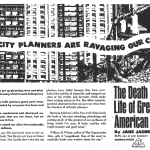
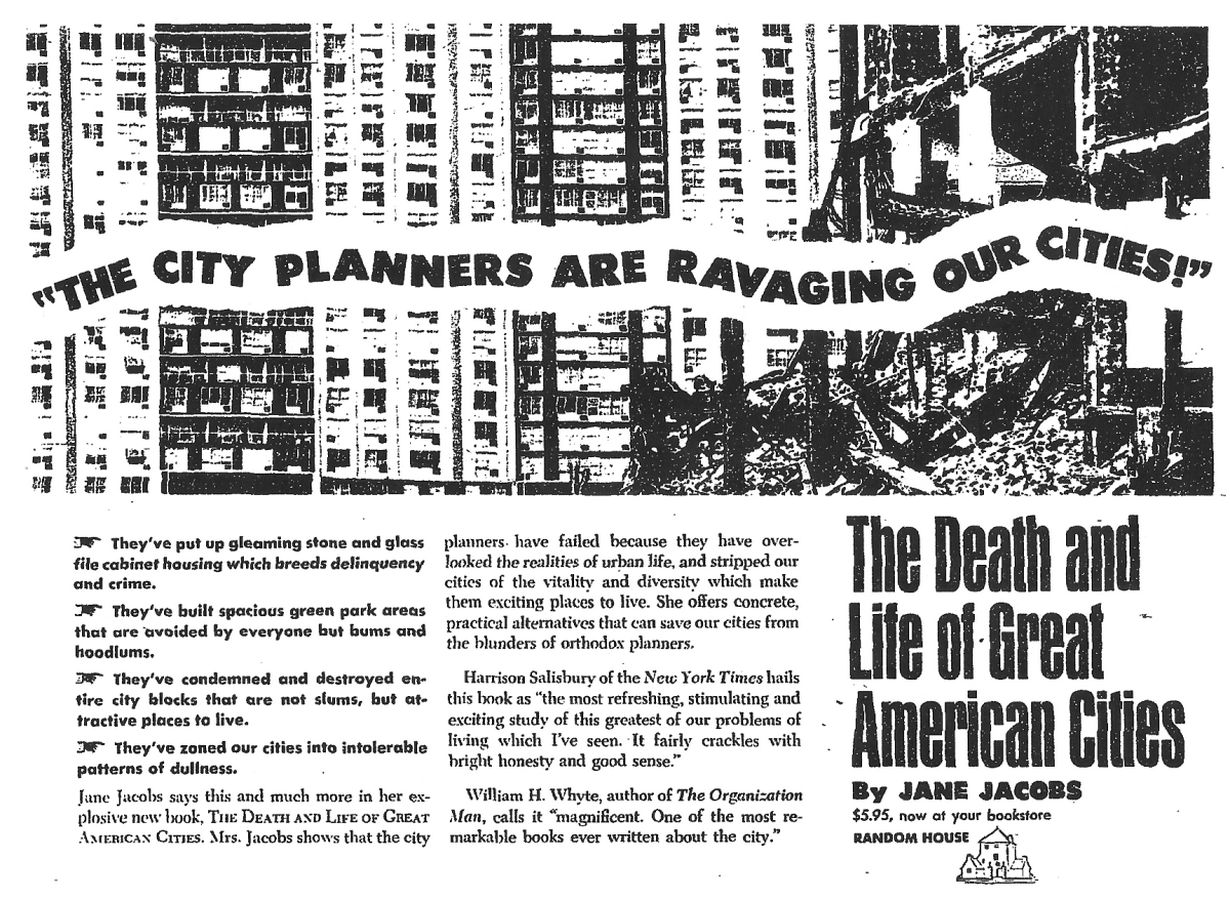
In response, contemporary architecture increasingly focuses on inclusivity and universal accessibility. Urbanist Jane Jacobs, through her book The Death and Life of Great American Cities, challenged top-down planning models and emphasized community-scale diversity, pedestrian vitality and mixed-use neighbourhoods. Her work reframed architecture as a lived social ecosystem rather than merely a visual object.
Today, inclusive architecture can be seen in transport hubs, barrier-free public buildings, gender-sensitive urban environment and housing design. Schools, libraries and community centres increasingly incorporate flexible spaces that reflect evolving social norms around collaboration, education and shared civic ownership.
Sustainability and Environmental Ethics
Perhaps the most visible contemporary societal shift reflected in architecture is environmental responsibility. Climate change has transformed sustainability from a niche concern into a central design narrative.
Architectural theorist Kenneth Frampton promoted the idea of “critical regionalism,” encouraging designs rooted in climate, local materials and cultural context rather than globalized aesthetics. Today, green-certified buildings, passive cooling systems, adaptive reuse projects and net-zero campuses represent society’s growing ecological consciousness.
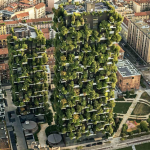
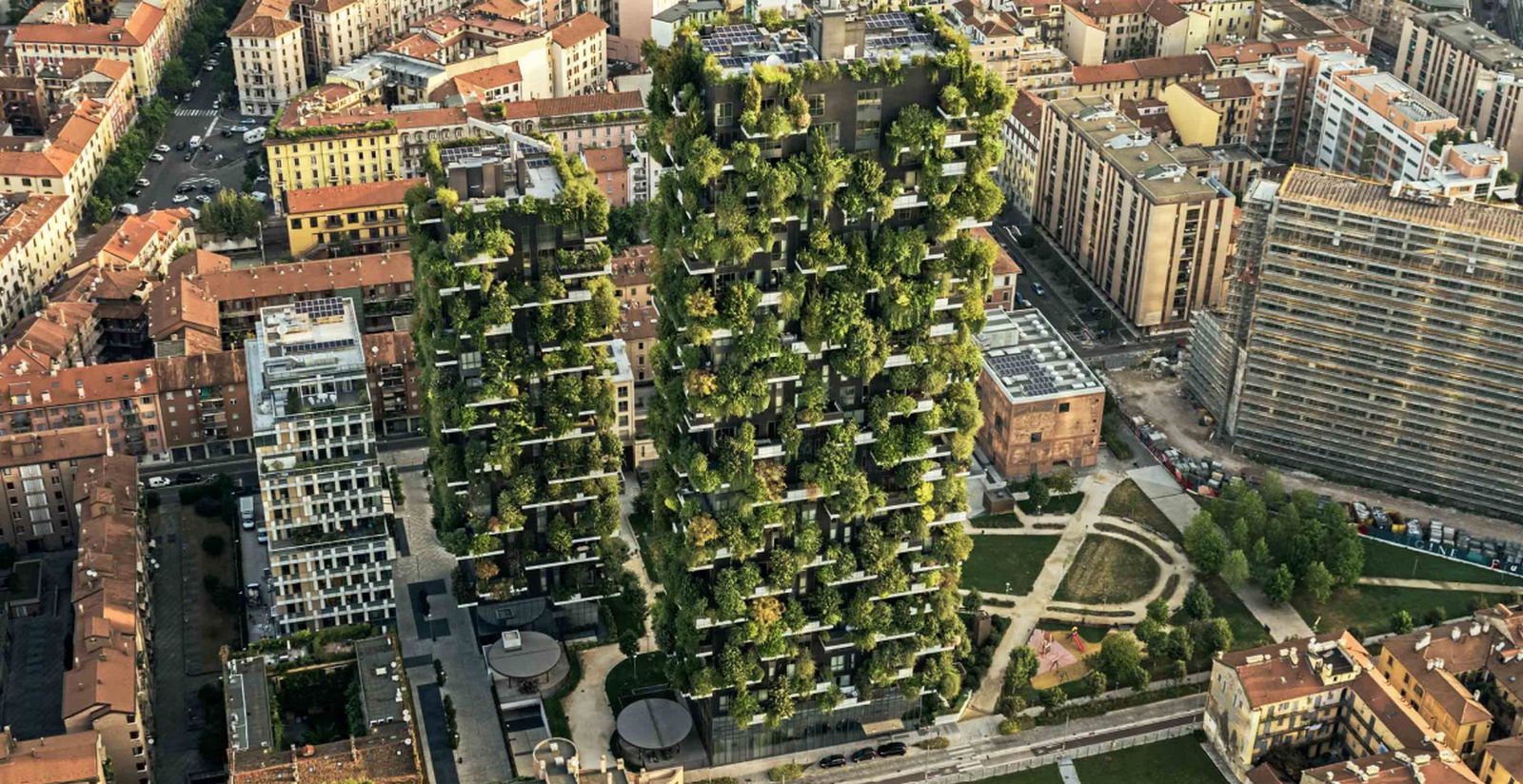
Iconic projects like Bosco Verticale in Milan demonstrate how architecture now tells stories about biodiversity, urban reforestation and environmental repair. Similarly, the adaptive reuse of historic structures instead of demolition reflects a cultural shift toward conservation and circular resourcing.
Sustainable architecture therefore becomes both functional and symbolic, a visible statement that environmental stewardship is now a social value.
Technology and the Digital Imagination
Technological advancement has always reshaped architectural storytelling. The steel frame enabled skyscrapers, reinforced concrete allowed vast span, elevators transformed vertical transport. Today, computational design, parametric modelling and digital fabrication are rewriting architectural language again.
Contemporary firms such as Zaha Hadid Architects use algorithmic design tools to produce fluid, dynamic geometries that symbolize the digital age’s fascination with complexity and motion. Buildings increasingly incorporate smart sensors, automated climate control and responsive facades, turning architecture into interactive systems rather than static objects.
Urban planning is also shaped by data-driven mobility analysis, climate simulation and infrastructure modelling. This transition signals that modern society values optimization, efficiency and technological integration.
Cultural Identity and Collective Memory
Beyond politics, economy, environment and technology, architecture preserves cultural narratives. Religious buildings, memorials, museums and heritage districts hold shared memories and symbolic meaning.
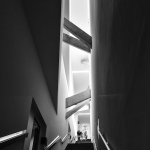
Museums such as the Jewish Museum Berlin, designed by Daniel Libeskind, demonstrate how architecture itself can narrate historic trauma through spatial disorientation, voids and fragmented geometry. Here, the building is not just a container of history but it itself is a storytelling medium.
Similarly, postcolonial nations often construct new parliamentary complexes, museums and cultural centres to showcase independent identity. Architecture thus becomes a tool for rewriting historical memory and projecting future aspirations.
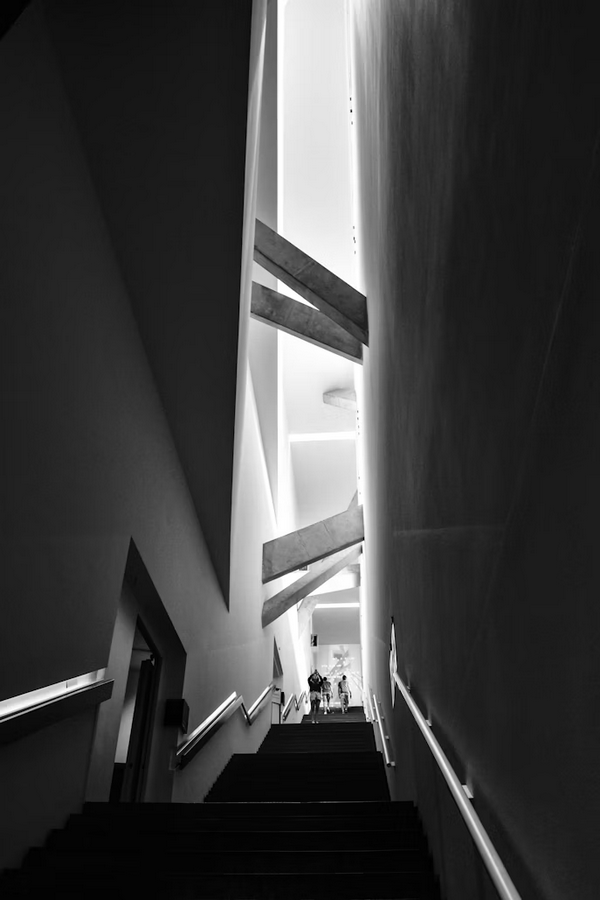
Architecture is one of humanity’s most enduring storytelling forms. It communicates authority, economic systems, social values, environmental ethics, technological capability and cultural identity, often simultaneously. Unlike written texts, buildings persist across generations, allowing societies to read their own evolution through the built landscape.
Contemporary challenges such as climate change, digital urbanization, and social hierarchy continue to reshape design, architecture will remain a living narrative archive. Each structure constructed today becomes tomorrow’s historical document, silently telling future observers what our society believed, feared, and hoped for.