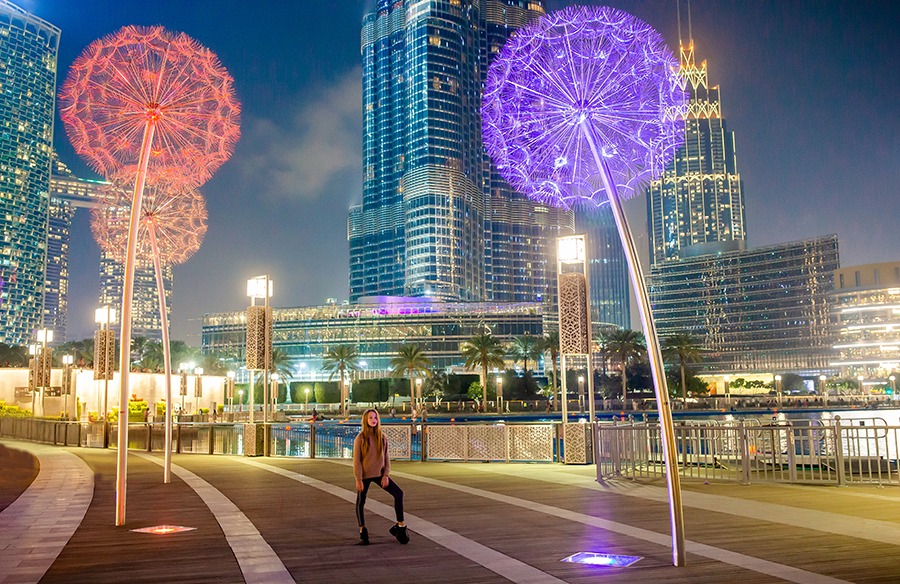
Public space does not lose its value when daylight fades. In many cities, parks, plazas, waterfronts, and cultural destinations continue to hold social and economic potential after sunset. The real challenge is whether these places remain meaningful at night or simply become quiet backdrops waiting for morning.
This is where lantern light shows deserve to be understood more seriously.
 Too often, lantern exhibitions are treated as temporary decoration or festival entertainment. In reality, a well-planned lantern light show can do far more than create visual excitement. It can guide movement, define thresholds, establish landmarks, encourage gathering, and turn an ordinary circulation route into a memorable night-time journey. In this sense, a lantern show is not just a collection of illuminated objects. It is a temporary spatial system.
Lantern Light Shows as Spatial Design
A successful lantern show is rarely about placing attractive glowing sculptures in an open site. Its real strength lies in how it structures experience.
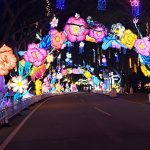
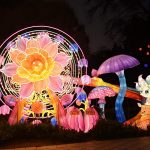
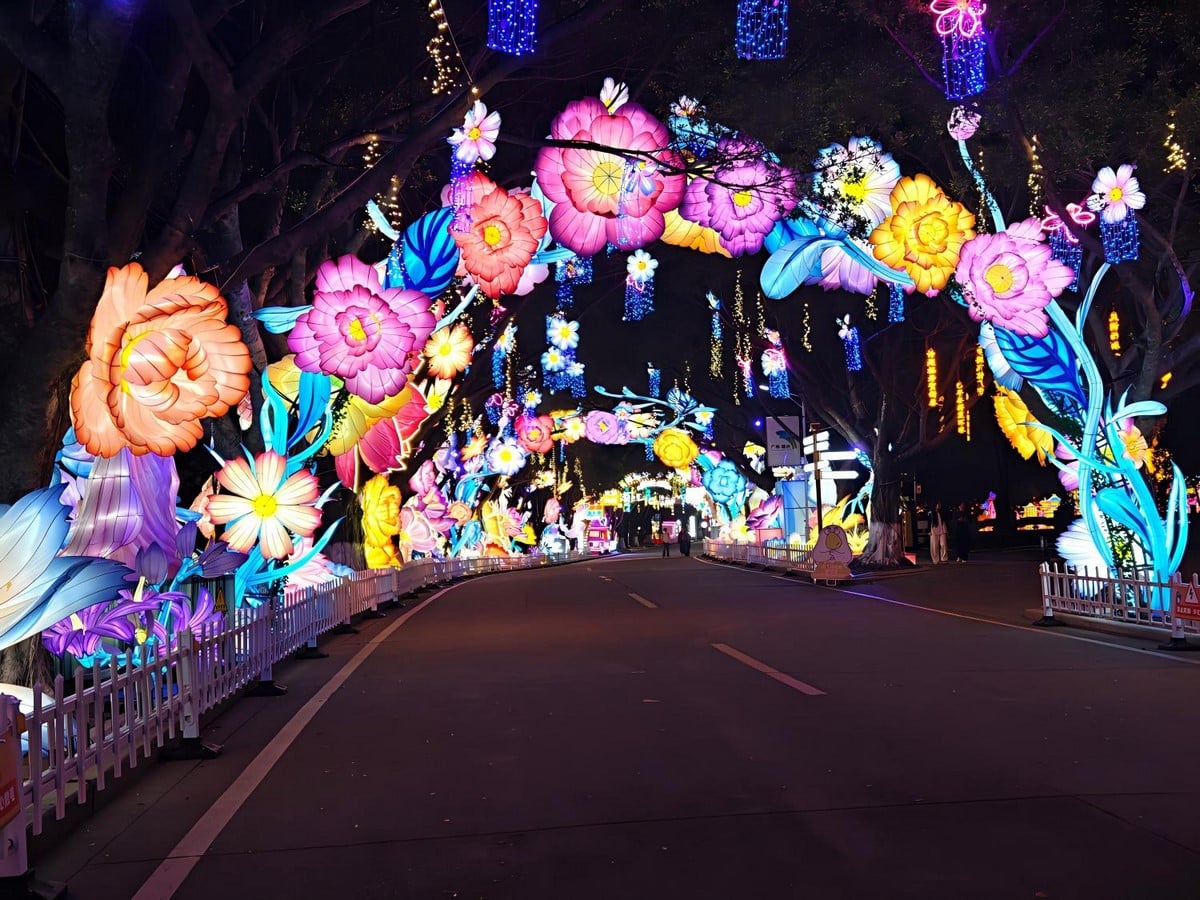
An illuminated entrance arch does more than decorate an entry point. It signals arrival. It marks transition. It tells visitors they are crossing from one condition of space into another. A lantern tunnel is not only a photo backdrop; it compresses perspective, guides movement, and creates immersion. A large centerpiece can work as a visual anchor that helps orientation, while smaller lantern clusters along a pathway create rhythm, pause, and anticipation.
These are spatial roles, not merely decorative ones.
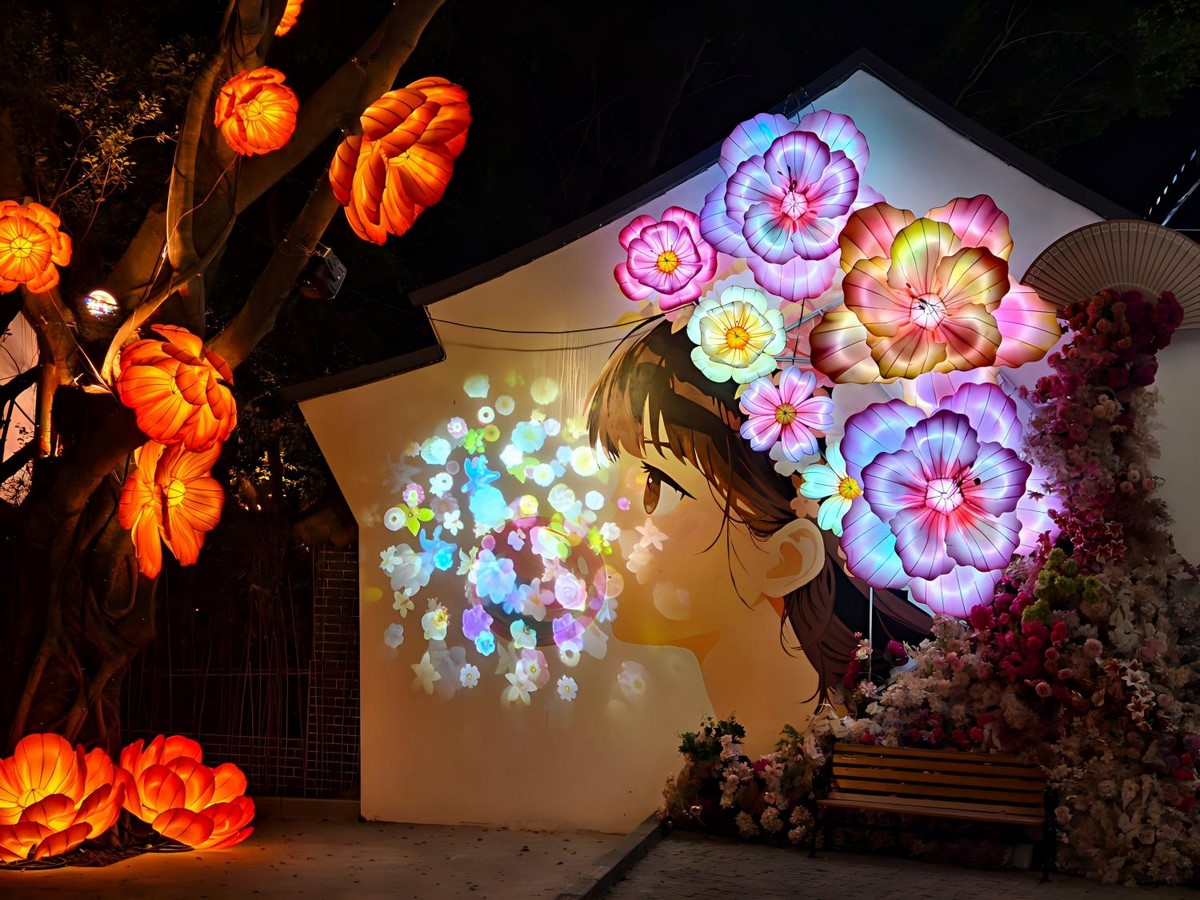 When designed thoughtfully, a lantern show begins to function much like temporary architecture. It frames paths, establishes focal points, supports crowd flow, and creates a sequence of emotional highs and quieter intervals. Visitors are not simply looking at light; they are moving through a designed narrative.
Why Night-Time Public Space Needs More Than Illumination
Lighting alone does not create experience.
A brightly lit park can still feel flat. A well-lit plaza can still fail to make people stay. Night-time public space needs more than visibility. It needs purpose, atmosphere, and reasons for collective presence. Lantern light shows work because they combine illumination with story, structure, and expectation.
Instead of only making a place visible, a lantern show makes it legible and emotionally engaging.
This is especially relevant for parks, scenic destinations, botanical gardens, tourism districts, and civic open spaces. During the day, such sites often rely on landscape, architecture, or programmed activity. At night, many of them lose identity unless a new layer of spatial meaning is introduced. Lantern exhibitions can provide that layer by transforming a park route into a cultural promenade, a waterfront edge into a theatrical sequence, or a civic lawn into a place of discovery and shared memory.
The Power of Route, Sequence, and Emotional Pacing
One of the most overlooked aspects of lantern exhibition design is pacing.
The strongest night-time experiences are not built through visual density alone. They are built through sequence. Visitors need an arrival moment, a build-up, a climax, intervals of release, and a satisfying conclusion. The route should create curiosity, not fatigue.
A high-impact entrance may be followed by an open transition zone. A major sculptural landmark needs generous space for gathering and photography. A quieter stretch between major installations can restore attention. Repetition should be controlled carefully, because too many equally bright and equally large elements can flatten the experience instead of enriching it.
In other words, a lantern show should be choreographed, not merely installed.
A good lantern show understands that memory is shaped as much by sequence as by objects.
Lantern Shows and the Night-Time Economy
Lantern light shows also help extend the social and economic life of a destination.
Many places perform well during the day but lose energy after sunset. Lantern exhibitions can change that by giving visitors a reason to stay later, arrive in the evening, or return for a second visit. They encourage strolling, photography, social sharing, and group outings. These behaviours can support nearby food, beverage, retail, and cultural spending while also increasing the perceived value of the destination itself.
But the best lantern shows do not succeed merely because they are photogenic. They succeed because they create dwell time.
People stay longer when the route feels layered. They return when the setting feels memorable. They recommend the experience when it feels emotionally distinctive rather than visually generic. For this reason, design matters more than novelty. A large lantern may attract attention for a moment, but a well-structured night route creates deeper and more repeatable value.
Cultural Storytelling Through Light
 A lantern show becomes more meaningful when it is rooted in place.
The strongest projects do not depend only on brightness or scale. They draw from local stories, seasonal traditions, ecological identity, regional architecture, or civic memory. This gives the exhibition not only visual appeal but also relevance.
A riverfront route can be shaped by water narratives. A botanical garden can interpret flowers, pollinators, and seasonal cycles. A historic district can translate local motifs into illuminated forms. A holiday event can combine festive excitement with symbols that resonate locally.
This matters because public space is never neutral. Every installation affects how a site is interpreted and remembered. When a lantern show reflects the spirit of a location, it strengthens belonging and creates a stronger emotional connection between visitors and place.
Temporary, Yet Demanding Real Design Discipline
Although lantern shows are temporary by nature, their design should never be casual.
They must deal with weather exposure, visitor safety, electrical reliability, structural stability, installation logistics, maintenance, and operational flow. In large sites, transport, assembly, disassembly, and storage also become part of the design problem. A visually impressive concept that ignores these realities will almost always underperform in practice.
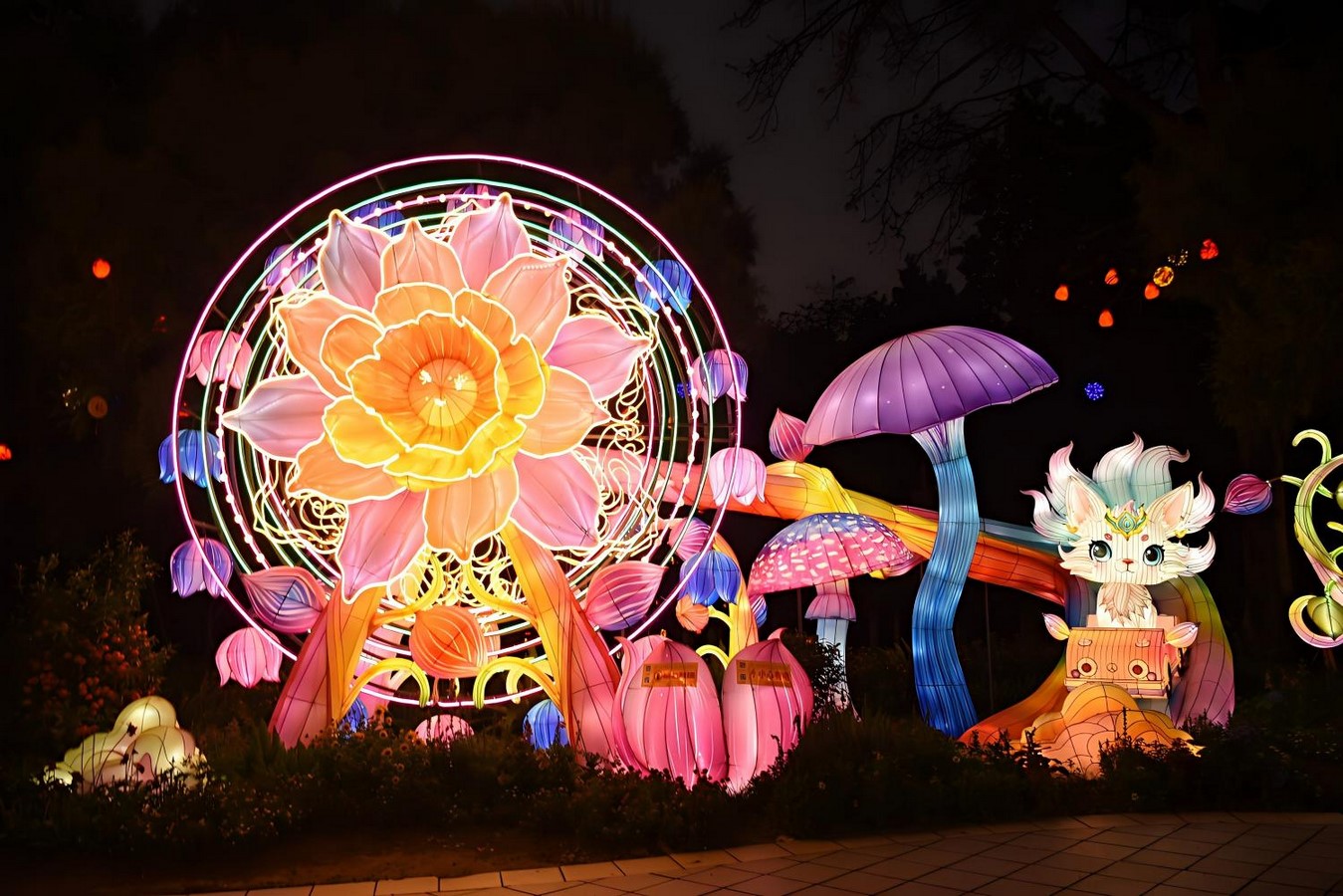 That is why modularity matters. Reusable components, adaptable structures, efficient packing, and maintainable systems increase the long-term value of a lantern project. Temporary installations that can be refreshed, relocated, or reconfigured across seasons are often more sustainable and practical for repeated use.
For those exploring how these ideas translate into real park and destination projects, references on lantern festival planning for parks and cities</a> can be found through ParkLightShow.com.
Rethinking the Lantern Show
It may be time to rethink the way lantern light shows are discussed.
They are not only festival decoration. They are not merely seasonal attractions. At their best, they are a medium through which public space can be reactivated, interpreted, and remembered after dark.
They create thresholds.
They shape movement.
They support gathering.
They turn lighting into narrative and route into experience.
For designers and place-makers working on the future of parks, civic spaces, and cultural destinations, lantern shows offer an important lesson: night-time design is not just about making a place brighter. It is about making a place meaningful.
Author BioParkLightShow.com This article was contributed in collaboration with the team behind , a platform focused on lantern light shows, themed installations, and night-time experience projects for parks and public destinations.