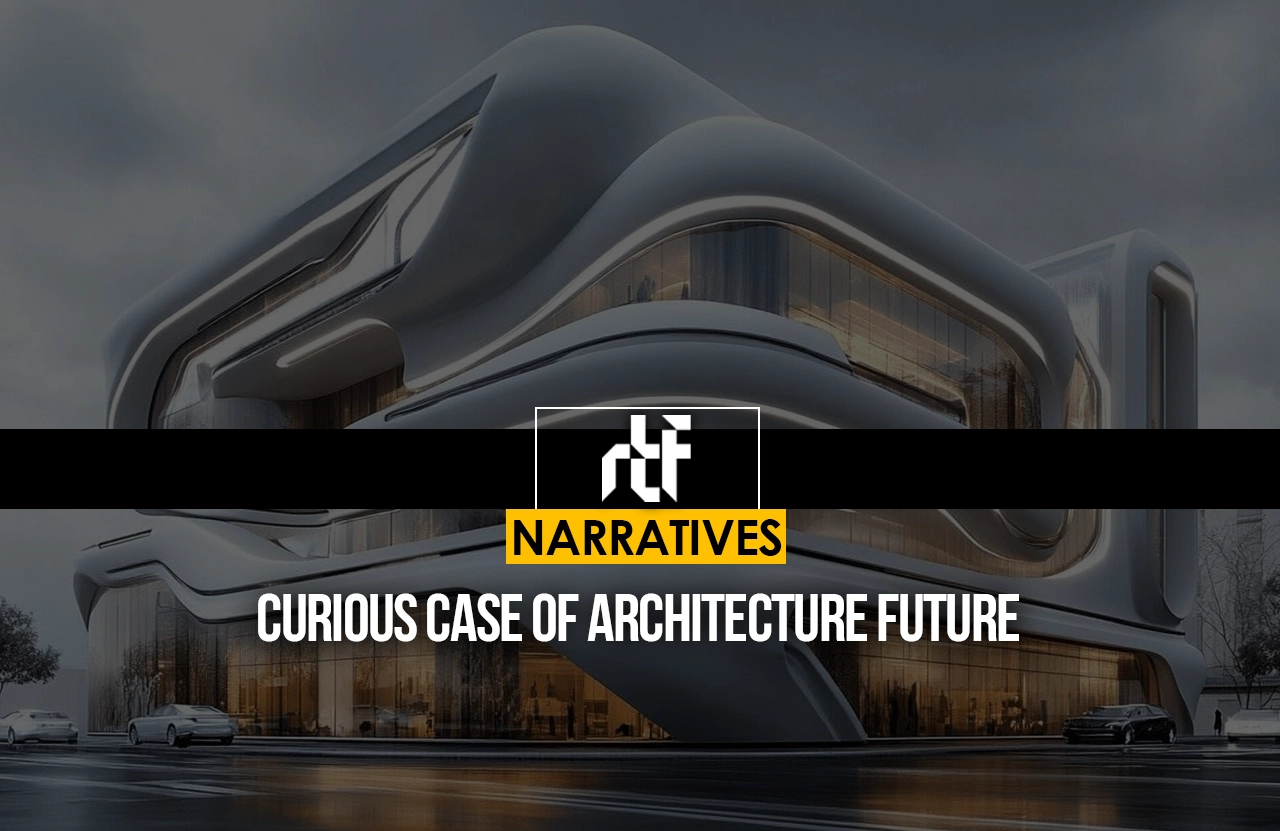
In a rapidly shifting world, architecture is no longer just about buildings; it’s about ideas, movements, technologies, and above all, humanity. The dynamic future of architecture merges creativity and sustainability.
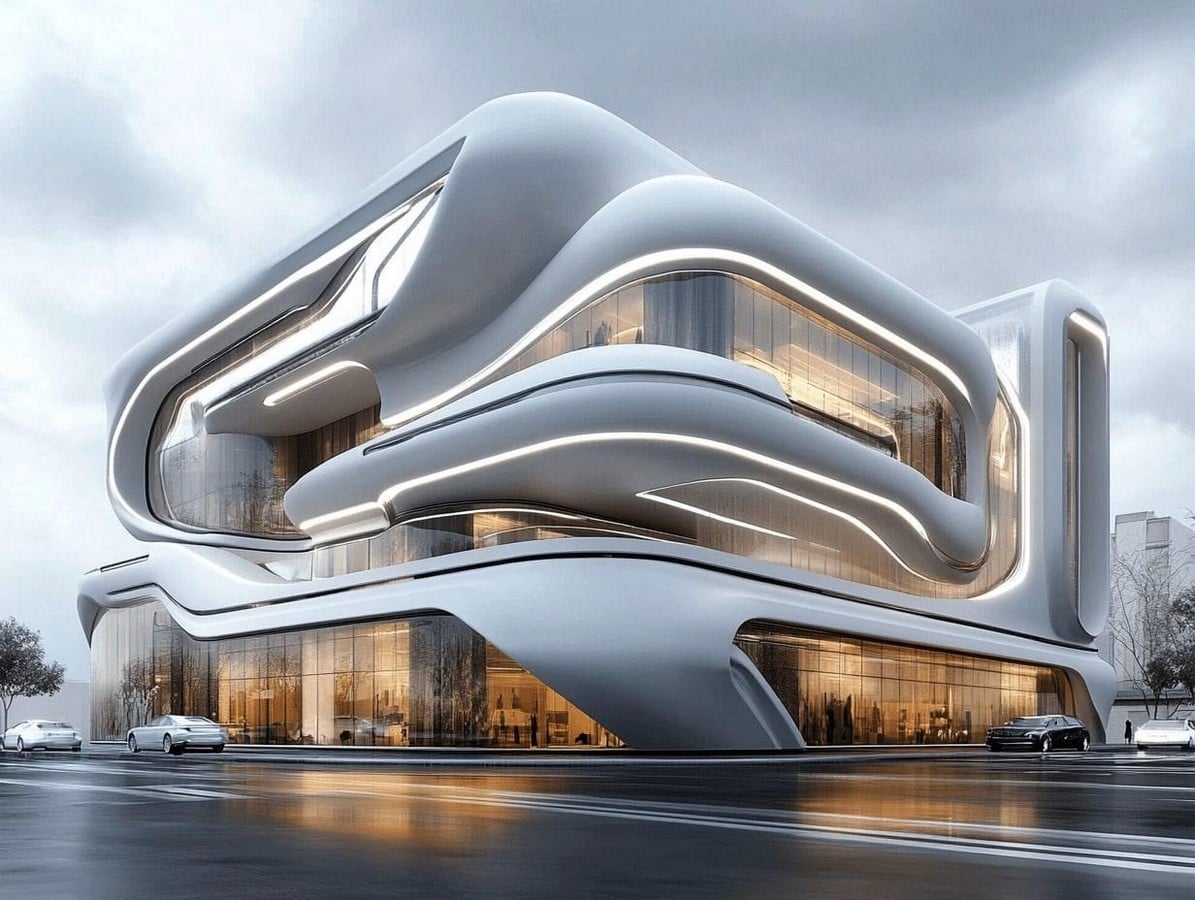
Architects today navigate a dynamic landscape, balancing design expertise with broader societal, technological, and environmental imperatives. Their role extends beyond aesthetics, requiring a multifaceted approach to problem-solving.
We are stepping into an era where technology and creativity intertwine like never before. From AI-driven processes to eco-friendly materials, the possibilities are endless.
Architects are no longer just builders; they are visionaries shaping how we live, work, and connect with the world around us.
The future of architecture presents emerging technologies like AI, VR, and 3D printing that are revolutionising both the creative process and practical applications. These tools empower us to streamline workflows, minimise waste, and innovate construction methods. Concurrently, sustainable design principles, such as energy-positive buildings and net-zero systems, are redefining environmental responsibility, ensuring that our projects contribute to planetary well-being. There are mainly 10 innovative technologies shaping the future of architecture.
1. BIM
Building information modelling (BIM) is a process that fosters collaboration between architects and other disciplines like planners, engineers, developers, and construction professionals.
BIM uses digital representations to mirror physical environments. These virtual environments are then populated with information and data, functioning as a central knowledge resource. Technologies like this have helped architecture to adapt to the digital age. In the wake of the Building Safety Act, BIM can ensure greater accountability and encourage sustainable and better collaboration across the sector.
2. Generative Design
This innovative method can save architects time and quickly produce ideation that adjusts to the restrictions and regulations they are contending with, e.g. use of materials or building safety regulations.
The insights gathered from this experimentation can be fruitful in the design stage for improving a potential building’s efficiency and sustainability credentials along with ensuring it’s safe and fit for purpose.
3. Digital Twins
Digital twins are virtual representations of physical objects. They sound similar to BIM in practice, but there are some key differences.
These digital replicas can be used for simulations, allowing architects and architectural technologists to understand how a product, building, or even an entire city will react to different conditions, such as extremes in weather.
4. 3D Printing
It feels like we have been hearing the potential of 3D printing for years, but it appears that we are finally starting to see it come to fruition in the construction industry.
3D printing is already used to create architectural models, but has the potential to construct entire buildings while increasing production speed and using recycled materials.
With the cost of technology currently prohibitive for most, finding a way to roll this out across the sector will be a key focus for architects in the years to come.
5. Big Data
Big data is exactly like it sounds – large volumes of data that are simply too big to be traditionally processed, but full of invaluable insights.
Storing and managing all this information is a challenge, but clients are now demanding data as well as design from architects; understanding how to utilise this data is going to be key for architects going forward.
6. Augmented And Virtual Reality (AR and VR)
According to a joint survey conducted by Microsoft and the Royal Institute of British Architects (RIBA) of 300 architectural professionals, over a third (35%)were making use of AR and VR.
These technologies have already found usage in other industries as a way for businesses to provide an added level of immersion to clients, and there are few functions better placed to benefit from this than architecture.
With AR and VR, architects can give stakeholders a 3D demonstration of their ideas and get their engagement and input far earlier in the design stage.
7. Drones
A drone on a construction project isn’t as remarkable a sight as it was perhaps a decade ago, but it’s not just in the building phase that they are being utilised. Before a project has even begun, this technology can be used to collect data on landscapes and terrain that get integrated into BIM and digital twins. All of this insight is invaluable for architects.
8. The Internet Of Things (IoT)
The Internet of Things (IoT) is a term used to describe a network of devices that share and send information with one another. You may be familiar with its usage in smart buildings as a way to automate things like energy efficiency and occupant comfort, but along with being retrofitted to existing structures (like the Empire State Building), they are also being incorporated into new designs by architects.
9. Innovative Building Materials
From greener alternatives to concrete to 3D-printed graphene and other futuristic building materials, work is underway to provide architects with a wider and more sustainable variety of materials to specify for projects.
With a view to a net-zero future and the implementation of the circular economy, material banks – online marketplaces of materials recovered from decommissioned buildings – will be a key way for architects to access these materials.
10. Artificial Intelligence (AI)
It’s hard to imagine any list about technology for any industry that doesn’t mention AI somewhere.
There are already fears that this technology can achieve levels of creativity beyond humans, but the scope of AI isn’t limited to design – nor is it simply a case of putting architects out of the job. Today, it is used by professionals in the industry for:
- Generative Design
- Report Writing
- Compliance
- Improving Urban planning
- Identifying Safety Hazards
- Building Performance Optimisation
- Enabling Parametric Architecture
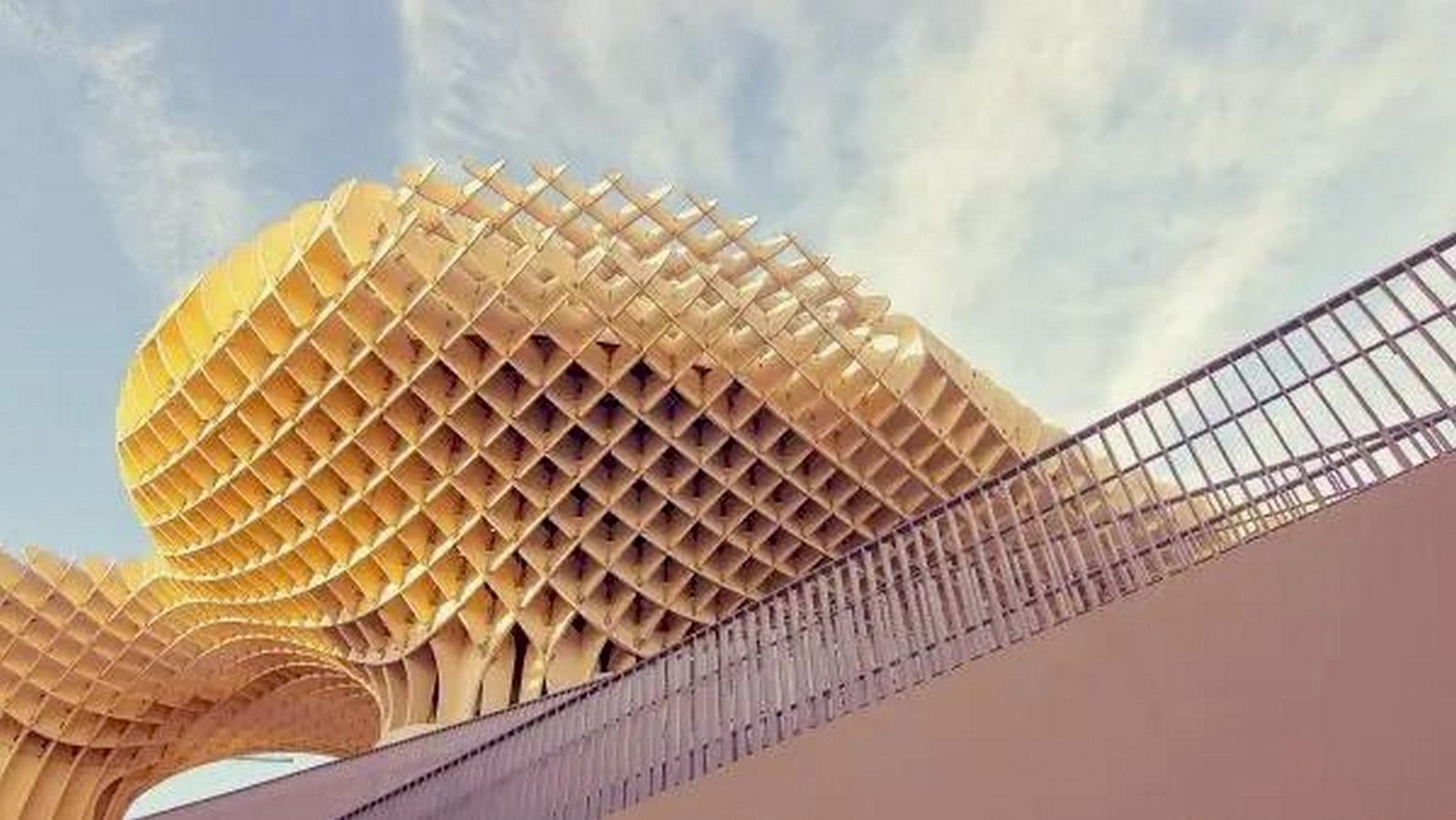
The future of architecture may be uncertain amid AI, skills gaps and the need for sustainability, but there’s plenty of cause for excitement. While the role of architect may be set to shift, they will continue to have an essential role in the building lifecycle, even with increasing involvement of technology.
Like much of the built environment, architecture and architectural design also remain short of the talented professionals needed to meet the demands being placed on them.
So, even if the future isn’t entirely clear, there’s not likely to be a shortage of opportunities in this industry soon. Architectural Technologists are the digital experts who bridge the gap between an aesthetic vision and a practical reality.