A Bridge between Design and Time
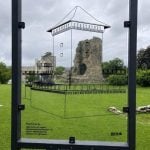
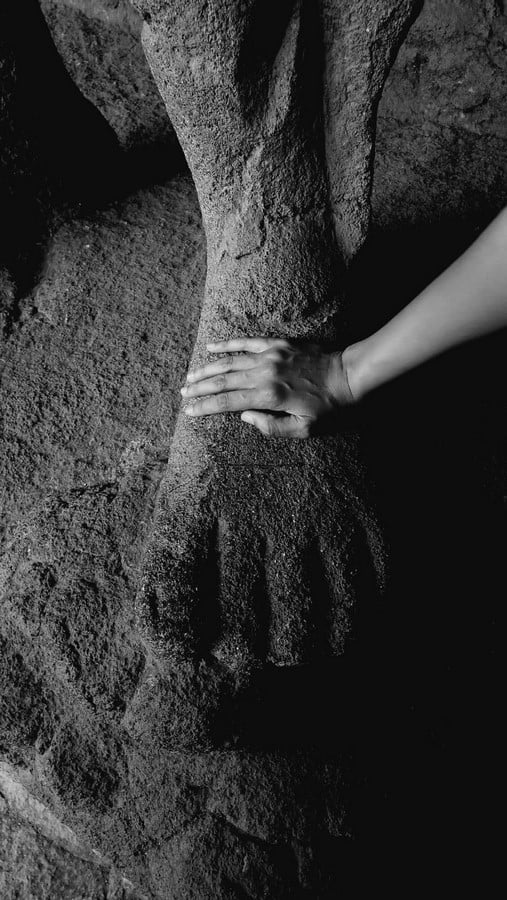
A pause that makes one observe and imagine how an earlier civilisation lived is an entryway into looking at ruins. A bridge between a time period that encountered the built forms differently than the present. Ruins open a portal into expanding one’s imagination of what could have been while having ties to the present through erosion, moss, and vines that flow through it. A decayed architecture, dents and bulges along the surface, eroded or vandalised statues of varied scales all interpreted differently depending on whether the viewer is a child, adult, or an elder. Whether it be a formation of ruins through natural disaster, eventually decaying and getting reclaimed by vegetation growth, or intentional ruins formed through acts of war and vandalism. Each way teaches us something different about heritage and what human life has gone through for the ruins to persist in the present.
Mirage of a Civilisation
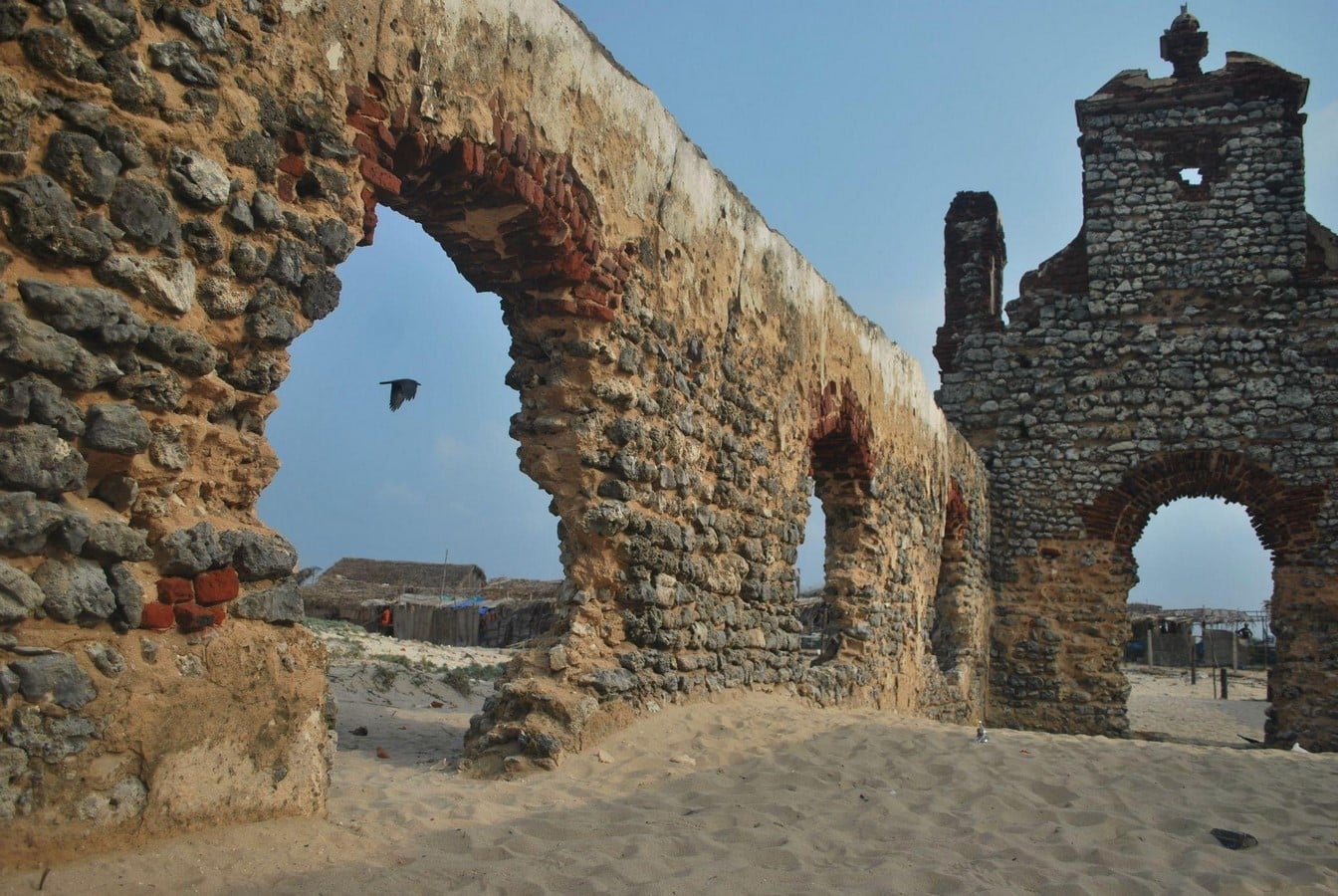
Ruins formed through natural disasters show people how lives get displaced in an instant, what remains, and why disaster-resilient design is important depending on context and buffer. Dhanushkodi is an example of a port town that was bustling and had flourishing markets that brought in tourists, later turning into a ghost town due to a cyclone in 1964. A place that still brings in people for the collective memory of what once was. A linear town with destroyed churches, a railway station, a lot of rubble, a few fisherfolk settlements with temporary homes, and a habitat for migratory birds to thrive in; all showcasing that life adapts around eroded architecture.
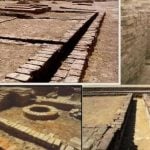
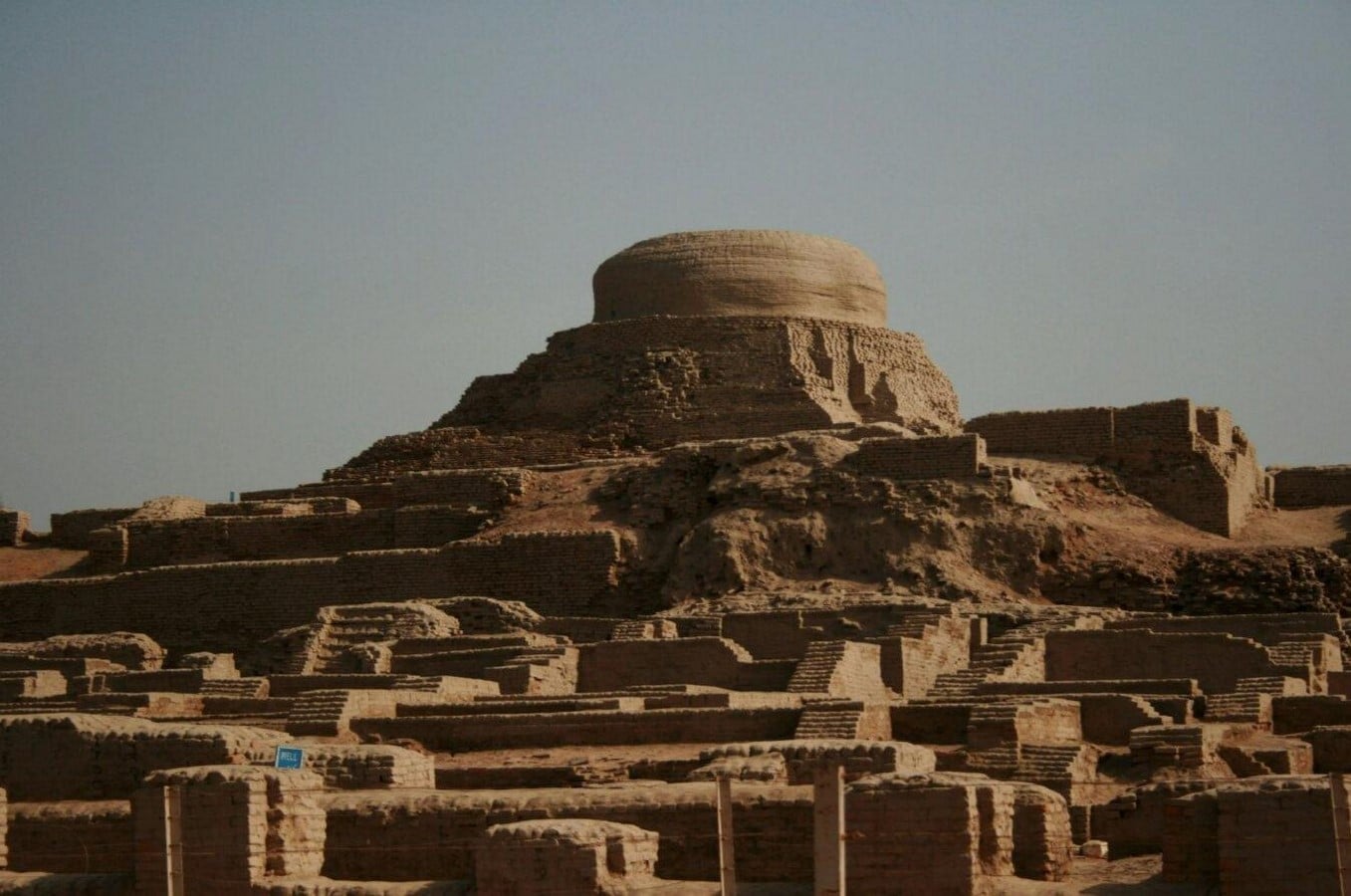
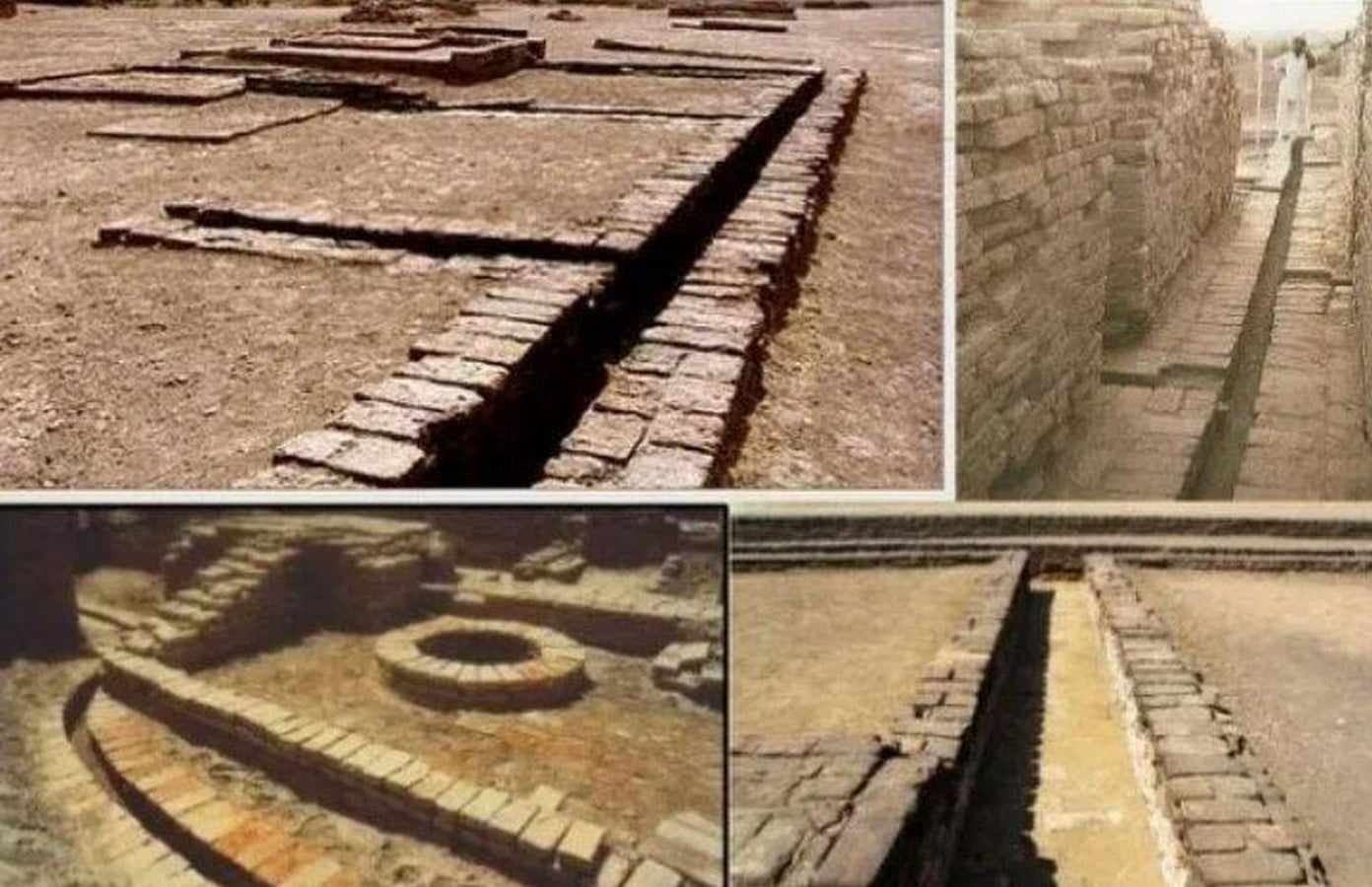
A ruin to learn from, which was formed through abandonment due to changes in climate, would be the Indus civilisation. A living example of cities being designed for community living and not just solely focused on private vehicles and commercial real estate as it is done now. Hygiene, organised living, a good drainage system, clean water, etc; Systems that were achieved over 4000 years back with simpler materials and are still inspiring in the modern world. Their planning involved the drainage channels moving waste from houses and streets through drains made of bricks and wooden grates, a systematic flow of sewage so that it doesn’t get dumped into rivers or near households, which is a very conscious design strategy, something that current city planning could learn from. These are issues the modern-day world is still struggling with. Currently, the priority of these issues has shifted, and growth is more inclined towards urban development where real estate expansion in all forms means more than community well-being. Despite having the answers to some of our current world problems, this ruin remains as a mirage of hope.
Ruins of war
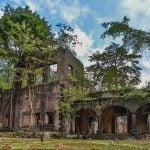
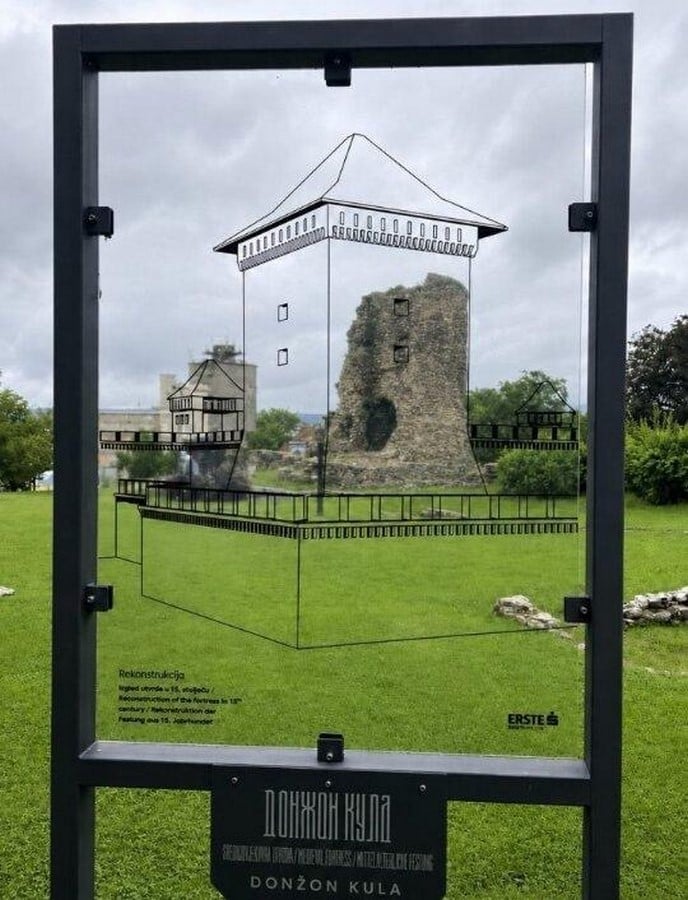
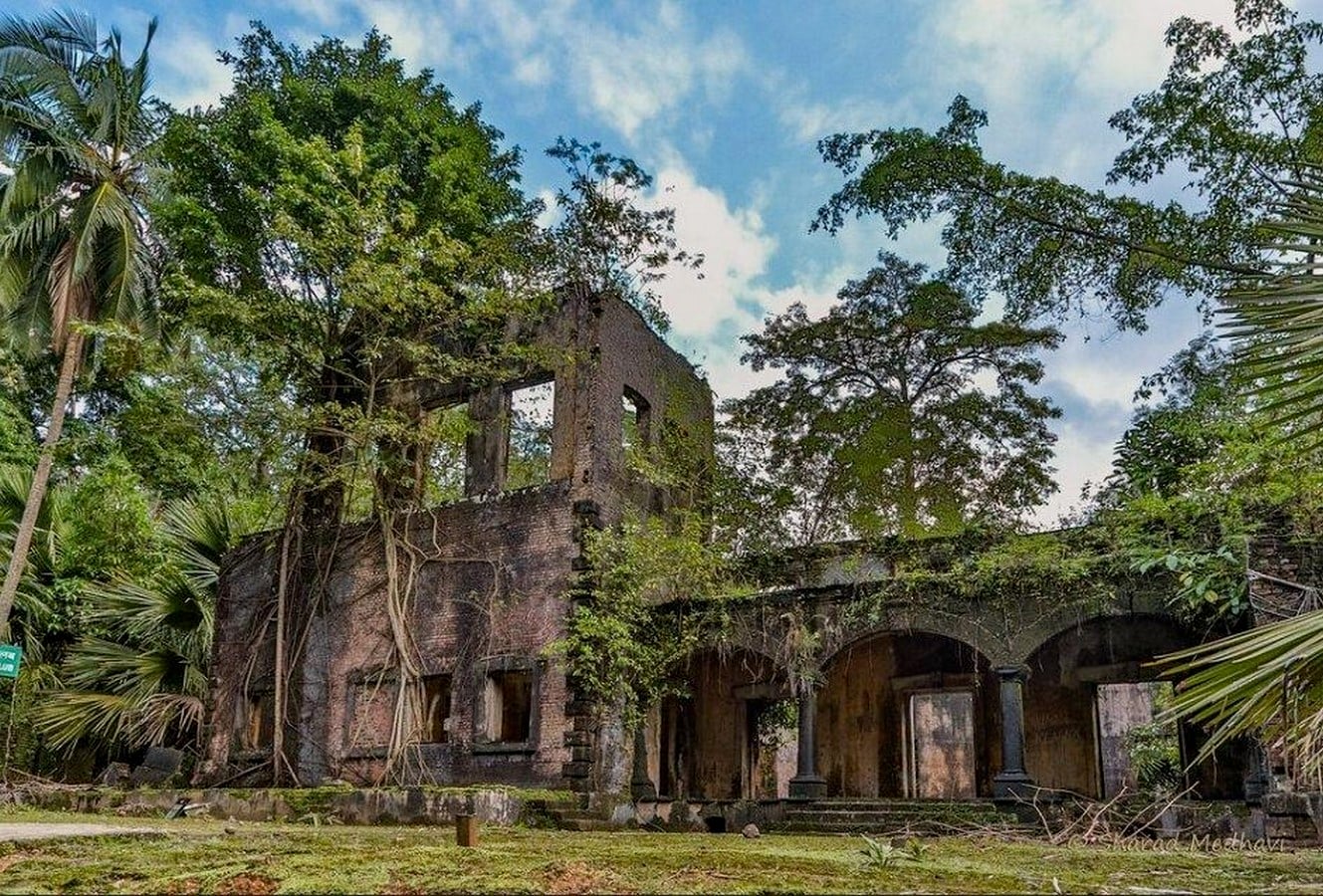
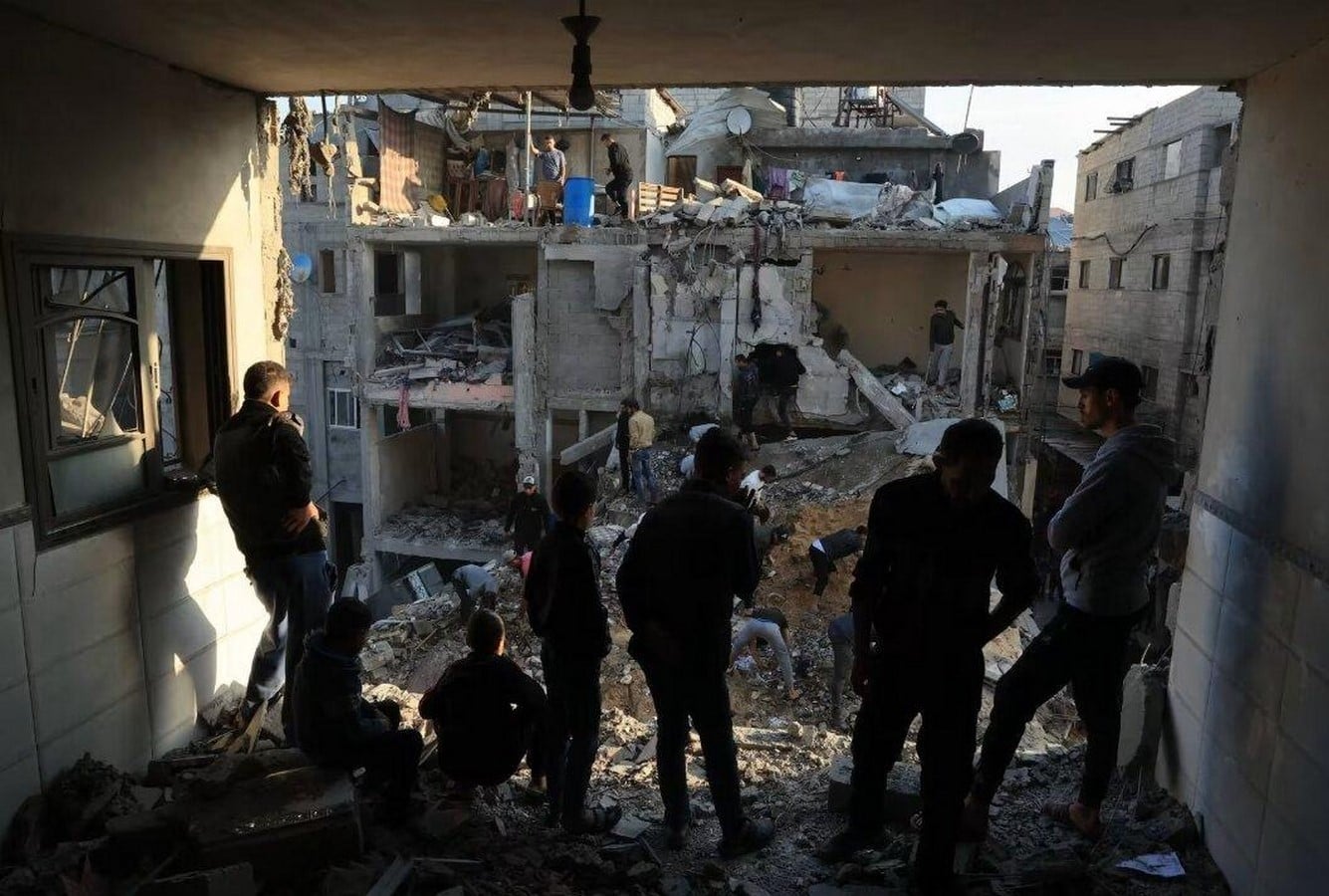
Wars make ruins that are seen as reminders of conflicts and the kinds of societies that experienced them. It makes us question the political and social reforms that shaped a particular period and, over time, are reclaimed by vegetation and wildlife, eventually becoming grounds for tourists to explore. A lesson on how human conflicts result in mass destruction of livelihoods, environments, and built structures. What remains is rubble, interpretation of old defence strategies, and hope. Ross Island in the Andaman Islands is one such example. An administrative center during the colonial period, that was taken over by the Japanese during WWII and later on affected by an earthquake. It still has military bunkers, tunnels, and other colonial structures that have been reclaimed by banyan roots and vegetation over time and has become a site to explore for tourists. The strength of materials and how some parts still remain intact despite going through an earthquake show the resilience these designs had. This example is a ruin preserved for tangible memories of earlier human conflicts. Despite the reason, human conflicts still occur and can affect livelihoods in an instant; the current ongoing war in Gaza reflects how modern-day conflicts are not just remains of the past but are continuously emerging as scars in real time on the built environment and everyday life of civilians. In a way, the learnings that modern-day ruins would impart to future generations are being gradually created in the present.
Ruins of the Contemporary World
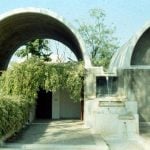
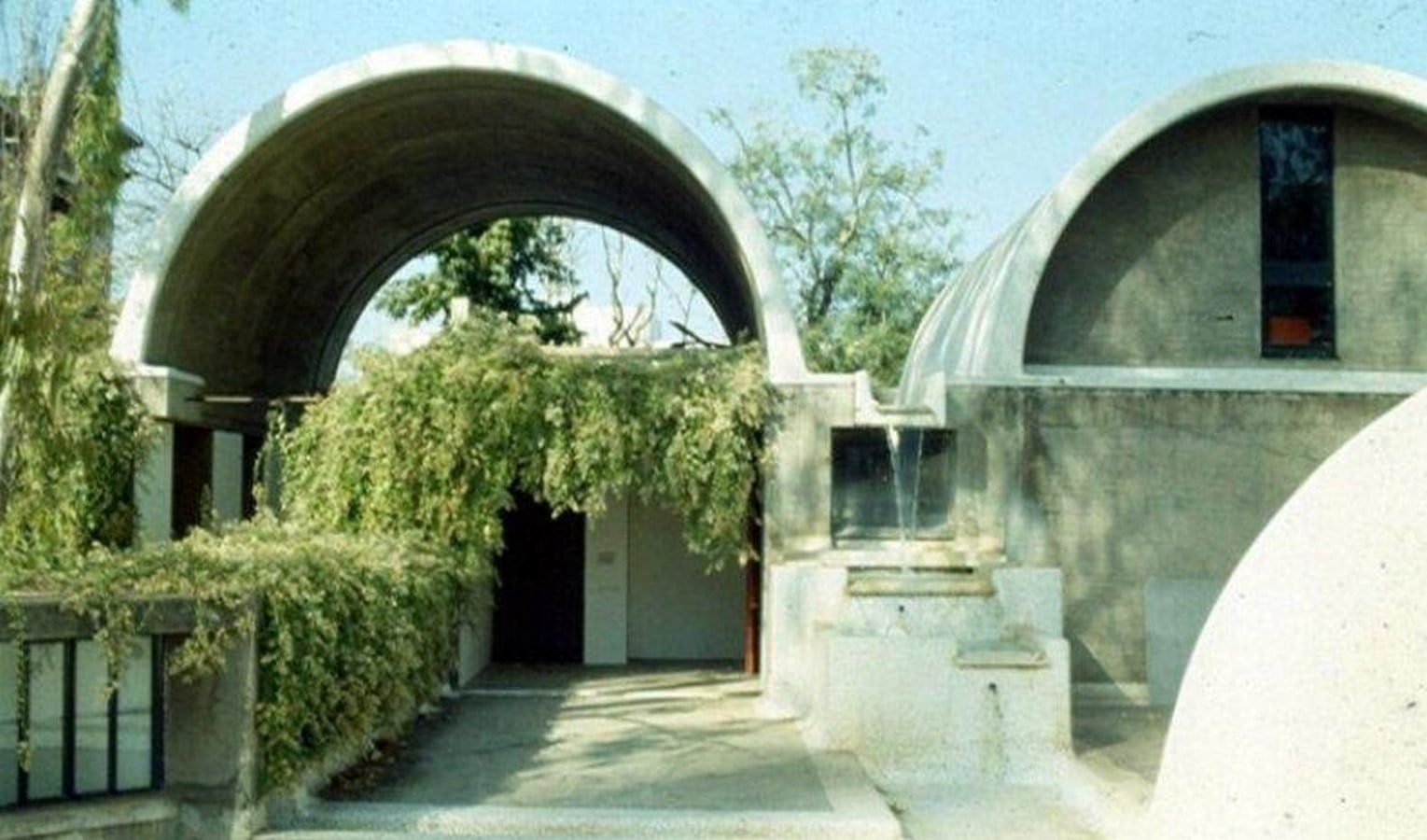
Future generations might interpret contemporary ruins differently than how we understand historical ruins of earlier civilisations. Contemporary architecture balances climate response, technology, and sustainability for future generations while also trying to preserve cultural identity through certain design approaches. Their ruins could have a wide range of interpretations. The play of scale and reinforced concrete in Le Corbusier‘s vision in Chandigarh, Laurie Baker’s focus on climate-responsive design through locally sourced materials, and B.V.Doshi’s exploration with light, water, and ventilation might make future generations understand the architectural ideas and values that were followed in our time. Future generations might also question how contemporary societies addressed community living, sanitation, and ecological degradation.
Ruins give people a lot of room for imagination and analysis. They retain values, systems, conflicts, and hopes of societies that created them, along with the deteriorated built forms. They remain like echoes across time periods with tangible proof of what existed.
REFERENCES:
- Qureshi, J. (2025) Jawed Qureshi – University of East London | Linkedin. Available at: https://uk.linkedin.com/in/drjawedqureshi (Accessed: 12 July 2026).
- Goleac, G.E. (2024) “Urban ruins” the strategical importance of abandoned … Available at: https://www.matec-conferences.org/articles/matecconf/pdf/2024/08/matecconf_wmcaus2023_20001.pdf (Accessed: 12 July 2026).
- Farooq, Z. (2026) Hygiene by design: What the indus valley civilization still teaches us about living well | by Zobia Farooq | feb, 2026 | medium. Available at: https://medium.com/@zobiasyed24/hygiene-by-design-what-the-indus-valley-civilization-still-teaches-us-about-living-well-a3caa8067042 (Accessed: 12 July 2026).
- Rao, R. (2014) The town that disappeared – Dhanushkodi – a Case Study. Available at: https://www.iosrjournals.org/iosr-jmce/papers/vol11-issue1/Version-3/E011133740.pdf (Accessed: 12 July 2026).
- (No date) Ross Island, Port Blair, India: View images, timing and reviews | Tripoto. Available at: https://www.tripoto.com/places-to-visit/in-port-blair/ross-island (Accessed: 12 July 2026).