“The greatest threat to our planet is the belief that someone else will save it.” – Robert Swan.

Architects are being asked more and more to create structures that not only reduce environmental damage but also adapt to the changing challenges posed by climate change. Through energy use, material use, and construction techniques, the built environment contributes significantly to global carbon emissions. In light of this obligation, architecture must change to satisfy the pressing need for environmentally friendly design.
In addition, the effects of global warming are posing a greater threat to our cities and structures. Extreme weather, temperature fluctuations, and rising sea levels put a great deal of strain on infrastructure. Architects must now reconsider their design approaches, emphasising resilience and sustainability to lessen the effects of climate change and prepare for its unavoidable arrival.
Architecture at the Crossroads of Emissions and Climate Risk

There are two ways that architecture and climate change are related. On the one hand, building construction and upkeep greatly increase the amount of carbon dioxide released into the atmosphere. Buildings are responsible for over 30% of greenhouse gas emissions and about 40% of world energy use, according to the UN Environment Programme. This highlights the unavailability of conventional construction techniques that mostly rely on energy-intensive materials like steel and concrete and fossil fuel-based heating, cooling, and lighting systems.
However, the built environment is growing more susceptible to the consequences of climate change.
The urban heat island effect is exacerbated by rising global temperatures, which makes crowded areas retain more heat than adjacent rural areas. Extreme weather events, including floods, storms, and wildfires, further strain infrastructure, revealing weaknesses in conventional building systems. Coastal cities, in particular, face the growing threat of rising sea levels, while shifting climate patterns may disrupt critical resources like energy and water supplies.
Sustainable Design as the Way Forward
One important tactic for reducing the consequences of climate change and preparing for its problems is to use sustainable design. This strategy encourages resilient places designed with low environmental impact through energy efficiency. A future with more sustainability can result from architectural innovation in these areas:

Passive Design and Energy Efficiency
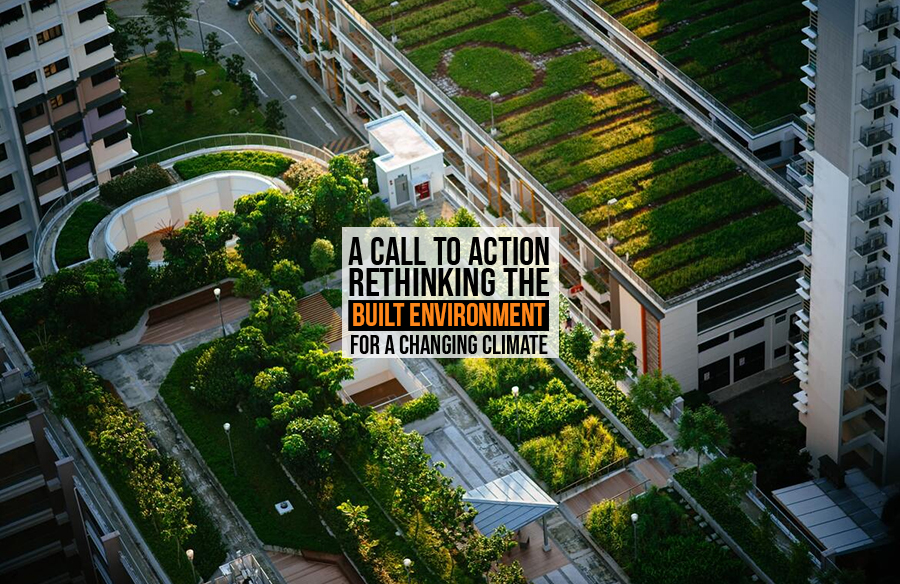
By focusing on natural light, ventilation, and insulation, passive design significantly reduces energy consumption. Features such as building orientation, shading, and natural ventilation minimise the need for mechanical heating and cooling, cutting the building’s carbon footprint. Using green roofs, high-performance glass, and locally sourced materials further boosts energy savings, while smart systems for lighting, heating, and cooling optimise usage based on real-time conditions.
Net-Zero Buildings
Net-zero buildings aim to produce as much energy as they consume by incorporating renewable sources like solar panels or geothermal energy. These structures are models for how architecture can lead the way to carbon-neutral buildings, contributing to a sustainable future.
Circular Economy in Construction
Adopting circular economy principles in construction means using materials that can be reused or recycled at the end of their life cycle. Architects are turning to renewable, biodegradable, and local materials, such as bamboo or timber, reducing the environmental strain. Additionally, retrofitting and repurposing existing buildings can conserve embodied energy and meet modern sustainability standards without new construction.

Resilient Urban Planning
Urban planning must consider how cities can adapt to the changing climate. Integrating green infrastructure—like parks, wetlands, and bioswales—helps absorb stormwater and reduce flood risks. Coastal cities may need elevated structures, while urban green spaces can combat the heat island effect and promote biodiversity.
Designing for Social Equity
Climate change often hits vulnerable communities the hardest. Architects must design inclusive, accessible spaces that ensure no one is left behind. Affordable housing projects using low-cost, sustainable materials and passive design can lower energy costs for residents. At the same time, equitable urban planning can offer access to green spaces and clean energy for all.
Architectural Education in the Era of Climate Change

Architects must shift their focus to sustainable and resilient design to address the difficulties presented by climate change. This development necessitates adjustments to professional practice as well as adjustments to the way that aspiring architects are taught. Teaching students to think about how their designs will affect the environment, society, and economy is essential.
Architecture schools and studios should focus on sustainability, exposing students to state-of-the-art building technologies, materials science, and environmental systems. Architects must work with specialists in engineering, urban planning, and climate science to be prepared to tackle these intricate, multidisciplinary problems.
Now or Never: A Call to Action for Climate-Responsive Architecture

The built environment is leading the charge in the fight against climate change. It is the special duty of architects to create environments that not only lessen our carbon footprint but also get us ready for the conditions that a warming planet would bring about. This call to action necessitates a quick reevaluation of building systems, materials, and design methodologies.
To reimagine cities and communities that are resilient, sustainable, and equitable for coming generations, architects must take the lead. The answers are at hand: architecture can play a significant role in influencing the direction of a more sustainable future through innovative building technologies, sustainable design, and a dedication to environmental stewardship.