

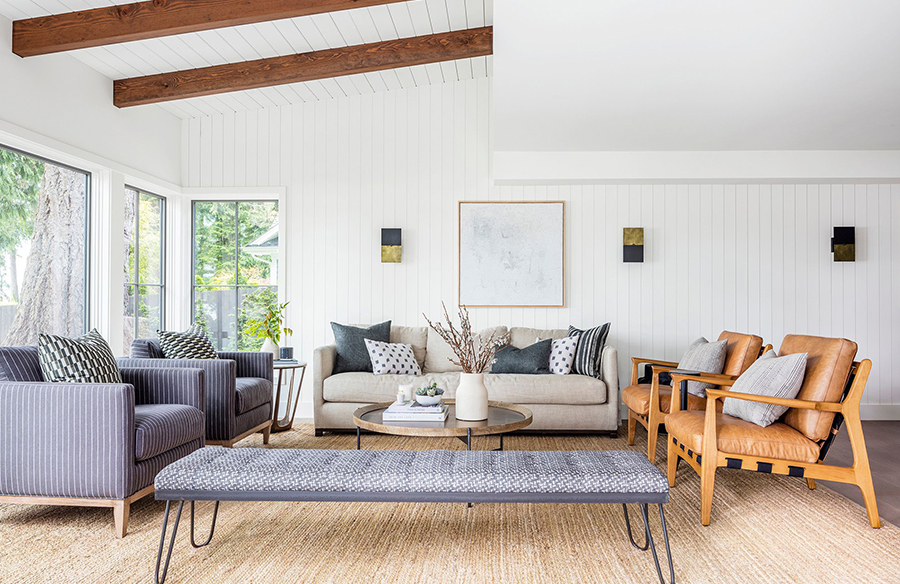
Minimalism has recently gained popularity as a design approach that speaks to simplicity, functionality, and elegance. The minimalist home in a world full of distractions would, at the very least, offer tranquility, clarity, and a semblance of order. Minimalism is not just about having fewer things, but it’s actually creating space for what really matters. We will, in the following sections of the article, talk about art minimalism and give you practical tips on how to get a clean, elegant home that has your personal style.
What Is Minimalism?
And at the heart of minimalism is simplicity – removing from sight all those things to make visible the essence. A minimalist home will find shape in straight lines, neutral-colored values, and decorative intent. A room needs to look open, free from clutter, and balanced.
But it goes beyond aesthetics- minimalism is also a mindset, encouraging intentions, allowing mindfulness of what to keep in the home and how to arrange one’s space. A home in minimalism provides a calm sense of being able to really focus on the things that bring joy and purpose in life while freed from distracting clutter.
Why Minimalism?
Minimalism has several benefits beyond the aesthetic level. For example, a minimalist home is simpler to take care of than others. You do not have many things that must be cleaned, dusted, or arranged, so you save your precious time and energy for the meaningful activities you should involve yourself in. Second, a minimalist environment encourages mental clarity. At times, a cluttered environment can reflect a cluttered mind; hence, you are unable to focus, relax, or work well in such a state of mind.
Besides this, minimalism promotes sustainability. It mainly looks at what you buy and buy into; it causes less or no wastage and avoids unnecessary spending of things. It helps for environmental benefits as well as long-term saving of money.
Here are some simple steps for you that will gradually help you implement minimalism in your home.
1. Declutter with Intent
The first step in the path to minimalist home-keeping is decluttering. That doesn’t mean that you get rid of everything, but you also really care about what’s left. In the case of every room, one will need to assess, asking if every single thing there serves a purpose or brings joy. If it doesn’t do any of those things, let it go.
One effective strategy is the “one in, one out” principle. For every single item that you bring into your home, get rid of something old or unused. This way, you will avoid building up things, and your home will not be cluttered at the last minute.
2. Neutral Colors and Clean Lines
Minimalistic design usually employs neutral color schemes with predominant shades of white, beige, gray, and soft pastels. These muted shades tend to add a feeling of serenity and openness to a room and thus provide the space with a more spacious and inviting environment. Furniture must be chosen with clean, simple lines to not have too ornate designs. All that should be attained in the space is an airy and uncluttered atmosphere.
Quality should prevail over quantity. A few can be very well-chosen and serve as beautiful visual things in the room, where hundreds of items fill the available space. Functional furniture, for example, modular sofas or storage solutions, make your space seem sleek and organized while still being comfortable.
To find even more ideas on how to enhance the design of your living space, please check out EduWriter’s useful resources that will make your planning process much easier.
3. Open Spaces
Minimalism loves open spaces and the phrase “less is more.” Thus, it indicates the need to avoid stuffing your rooms with furniture or ornaments. Leave some space in between to achieve a breathing space and uncluttered and spacious room design. In minimalist design, empty space is as important as the filled part of the room.
For instance, you can use open shelving to display a few favorite things on naked surfaces. Be selective about what you show. The minimalist home is not about empty walls and shelves but about everything having its place and purpose.
4. Keep Surfaces Clear
Another unique aspect of a minimalist home is the cleanliness of surfaces, free of debris. This pertains to kitchen counters, coffee tables, and bed-side tables. To make this happen, stay away from having useless items like mail, gadgets, or knick-knacks on display. Keep them in proper designated storage.
Keep items you fiddle with frequently on trays or baskets – remote controls, coasters, or kitchen utensils. Now, you clear up surfaces, but the items you use daily are readily accessible to you.
5. Bring Nature In
While minimalism is adopting simplicity, it does not have to make your home look dull. Throw in that twinkle in through items like plants, wood or stone. Houseplants can bring life to a room while purifying the air.
Wooden furniture or accents of recyclable materials can also adorne a minimalist room in the event it is imbued with a natural feel. Light should also not be left out when considering minimalist features. Let your windows breathe; hang light, airy curtains in a room, where sunlight is invited inside.
6. Ornament with utility
A minimalist home means every item has a purpose, from those that keep the household running to those that decorate it. In lieu of piling up your walls with unnecessary artwork or covering every inch of every available surface with decorations, choose a few decor pieces for function – and to add beauty, too.
For example, a beautiful vase can be used simultaneously as decoration and as a serving dish for new flowers. An ordinary mirror attached to the wall makes a visual aesthetic in the apartment while reflecting light and making your space seem larger and brighter than it actually is. All of the above factors ensure you keep beauty in balance with functionality if you put such an emphasis on multifunctional decor.
7. Keep Minimalism in Everyday Life
Once you have designed a minimalist home, it is time to maintain it. Minimalism is not one time but a continued practice. Periodically go through your belongings and remove those things that no longer serve a purpose or bring you in line with how you want to present yourself.
Adopting minimalism in everyday life also means being cautious about what you bring into your home. Whether furniture, clothes, or maybe decorations, ask yourself if it adds any value to begin with. This will preserve a clean and elegant atmosphere in your minimalist space.
Conclusion
Having an effortless clean and elegant home through minimalism is a process that extends beyond aesthetics. It is creating a space that says much about yourself, promotes wellness, and makes you live a more intentional life. Declutter your belongings, emphasize quality over quantity, and bring in elements of nature that can transform your home into a haven of simpleness and elegance. Minimalism is an art form that worships the beauty of less, and with the use of these tips, you can conquer it in your home.







