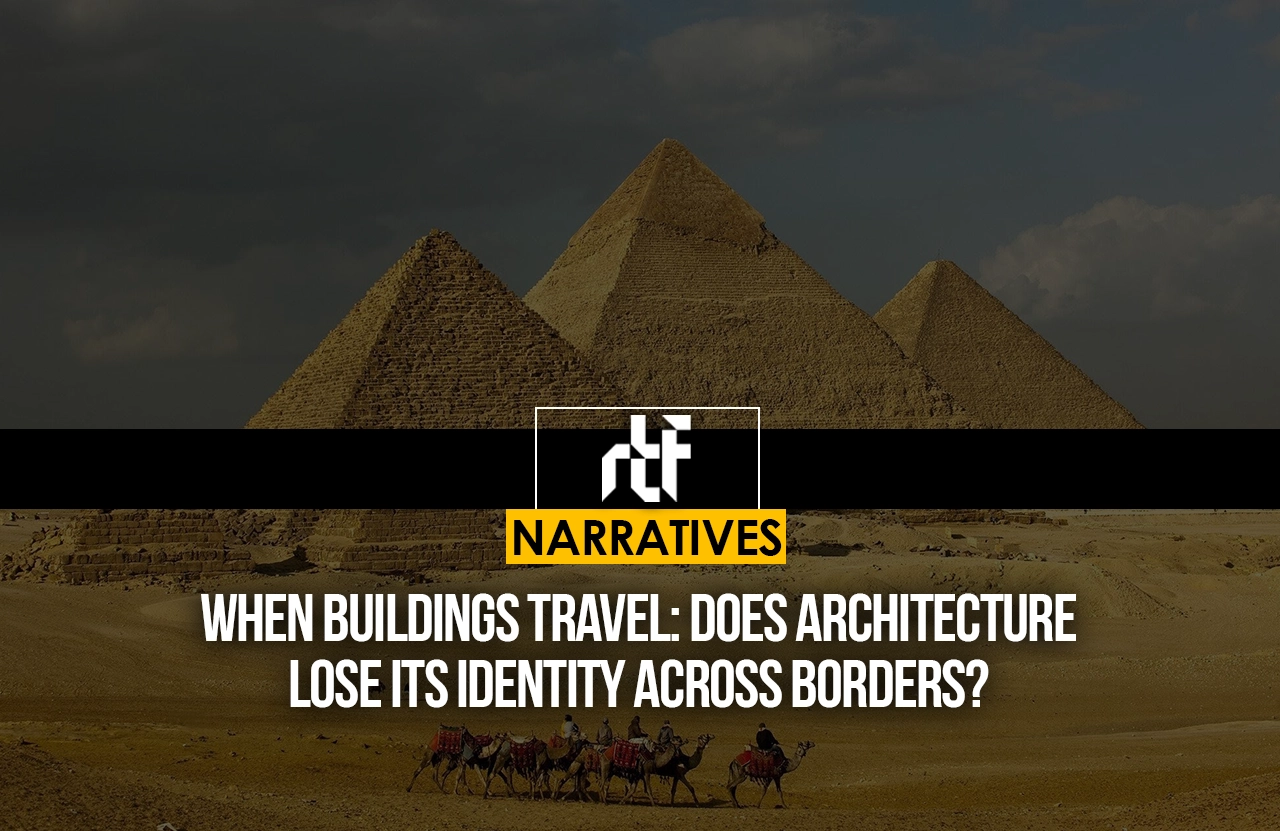
From the Pyramids of Giza in Egypt to the Kailasa Temple in Ellora, history has long borne testimony to the wonders of mankind’s potential, to the heights (both literal and figurative) which human imagination can attempt to conjure in their minds, imagine, pursue, and execute in reality. Why restrict it to the ancient world, when the Burj Khalifa, the tallest building in the modern world, still witnesses tough competition, with skyscrapers attempting to surpass its 828-metre height? Among all living species on the planet, this quest to do more and improve the state of present circumstances is what drives the world of Architecture and Design even today.
Humanity’s Shared Legacy
The discipline known as Architecture and Design today has seen many names and many manifestations in different languages, styles and cultures across the world.
‘Vastushastra’, ‘arkhitéktōn’, and many such terms abound as ancient titular synonyms for the discipline, documenting its journey of evolution from a simple Neolithic hut to the mega structures that abound in the world today.
While this variance across history and geography continues to amaze enthusiasts with a plethora of documented styles globally, when taught in architectural schools, students often wonder what insights these works of antiquity continue to offer contemporary Architecture and Design, in this ever-advancing, tech-laden world, particularly to aid them in the challenge of making buildings more affordable, healthy and sustainable today.
The Earth’s remarkable geological diversity has always offered humanity an equally remarkable palette of building materials to experiment with in different parts of the world. Be it timber, brick or stone prevalent in ancient structures, or hyper-synthesised, regenerative, sustainable materials of the 21st century, architects’ intrigue with this pursuit, and the flexibility in architecture’s core (as a discipline) have enabled buildings to evolve into time capsules, giving a detailed account of how life looked in that structure’s very own, personal era.

Buildings as Time Capsules
For this very truth, for every forgotten story to come to light, the world of Architecture and Design combines forces with Archaeology and History to reconstruct these stories from mere fragments.
The team thus combined, if one is patient, curious and sincere enough to note the details in any building or habitat, careful observation reveals the technicalities in its structural systems, the materials, the amenities it afforded its users with its design ingenuity, how much it respects its connection with nature, how well it manages the risks that come with natural calamities of its region and much more.
Look an inch deeper; connect the facts to a broader database that includes Sociology, Geography, and the economic history of the region, and one will be sure to associate why a place looks the way it looks, why the people inhabiting it live the way they do, and how the circle completes itself to encapsulate a phenomenon called culture.
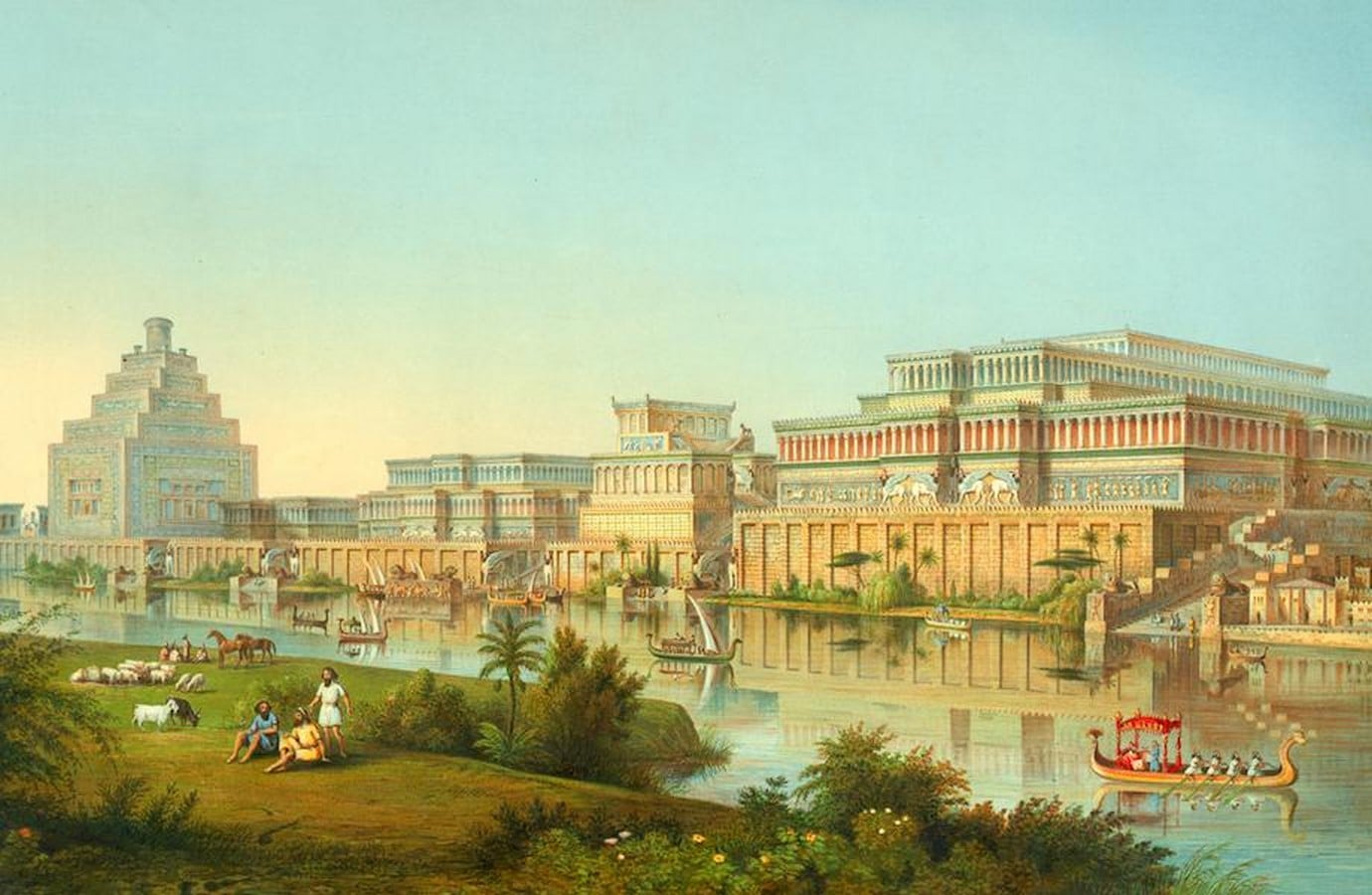
Culture and Architecture: A Dynamic Exchange
Culture, at the epicentre of every human society, is the defining phenomenon, the key to decoding the characteristics of human society in a given place and time.
Whether it is a war-crossed land or a kingdom enjoying unprecedented prosperity, architecture, in all its ingenuity and spirit, seeks to foster and treasure the act of collaboration, in turn, recording a living era in a physical manifestation, in a time capsule, in a shelter, in a building.
From caves to huts, huts to dwellings, and from dwellings to palaces, the aspirations of mankind have forever been on the rise. With the development of society and culture arising as its backbone, architecture has helped record and decode civilisations’ stories to the T.
Why humans alone expanded their shelters in multiple building typologies (institutional, residential, corporate, academic, hospitality, etc.) while other species remained satisfied in their caves, burrows and nests is a question that can only be answered by humanity’s past, which is essentially characterised by continuous movement across continents.
Humanity’s past of restlessness, of seeking something new in the unknown, regardless of the guarantee of survival, is the key to understanding the variance that continues to define the world of Architecture and Design.
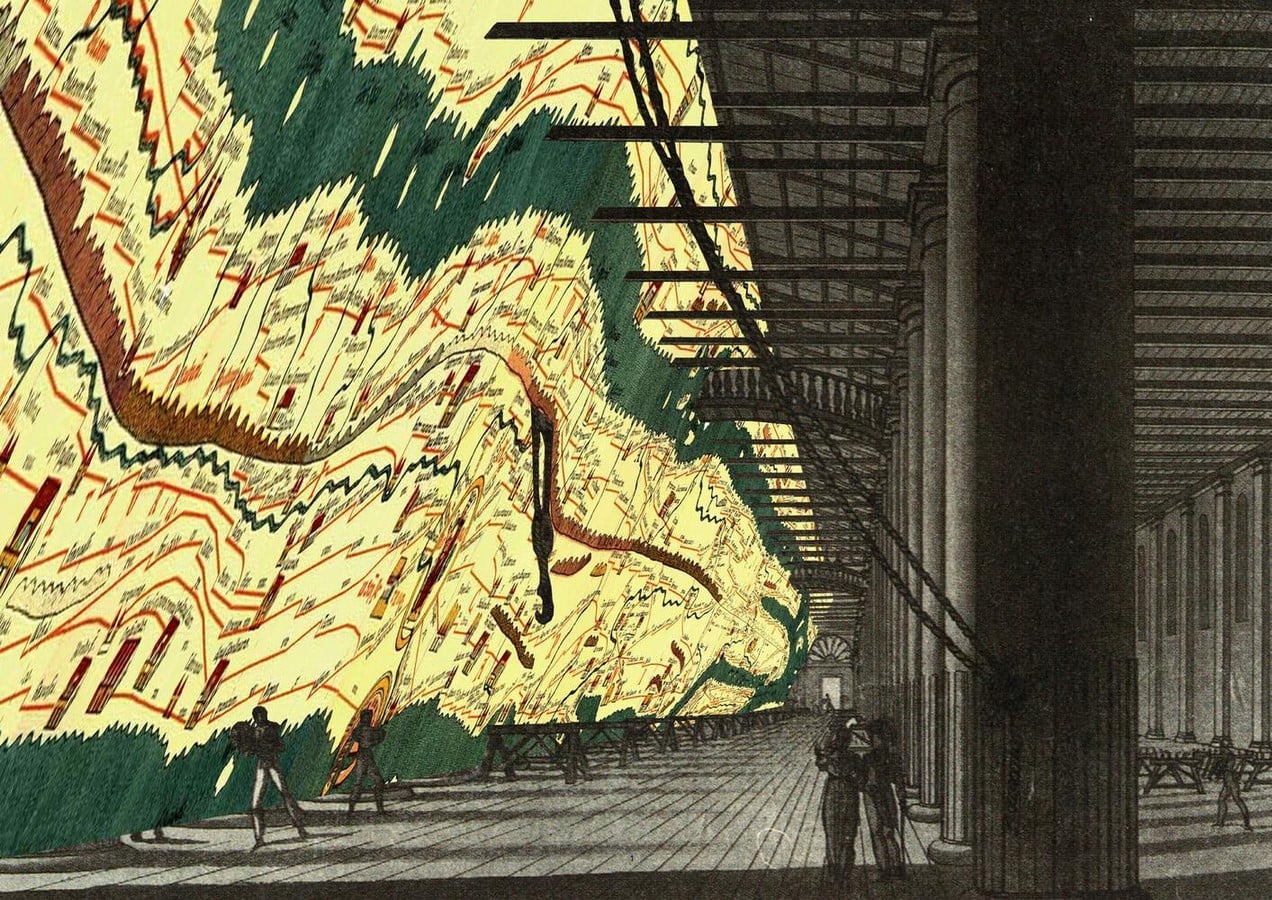
Movement, Memory and Meaning
In his book titled ‘Footmarks – A Journey into our Restless Past’, archaeologist and author Jim Leary details the many conditions – environmental and evolutionary – that reveal (through the remains of ancient artefacts and structures, trade routes, deep buried pathways, traces of coastal biodiversity, footprints etched since millennia, the inception of domesticating animals, advent of the wheel, and much more) the crux of it all, the explanation as to why Architecture and Design is, and has forever remained ever expansive.
In the core of every culture, as an act of service, societies traditionally operated on the principle of practising reverence towards the earth, expressing gratitude for having resources in plenty.
What embodied society back then was an integral respect for life as it is, and for the earth as it was. With this inkling of consonance with the earth, what once embodied architecture was this spirit of the people, to create the best, most resourceful and beautiful structures which gave back to the earth and to the people, just as they had taken its materials and resources.
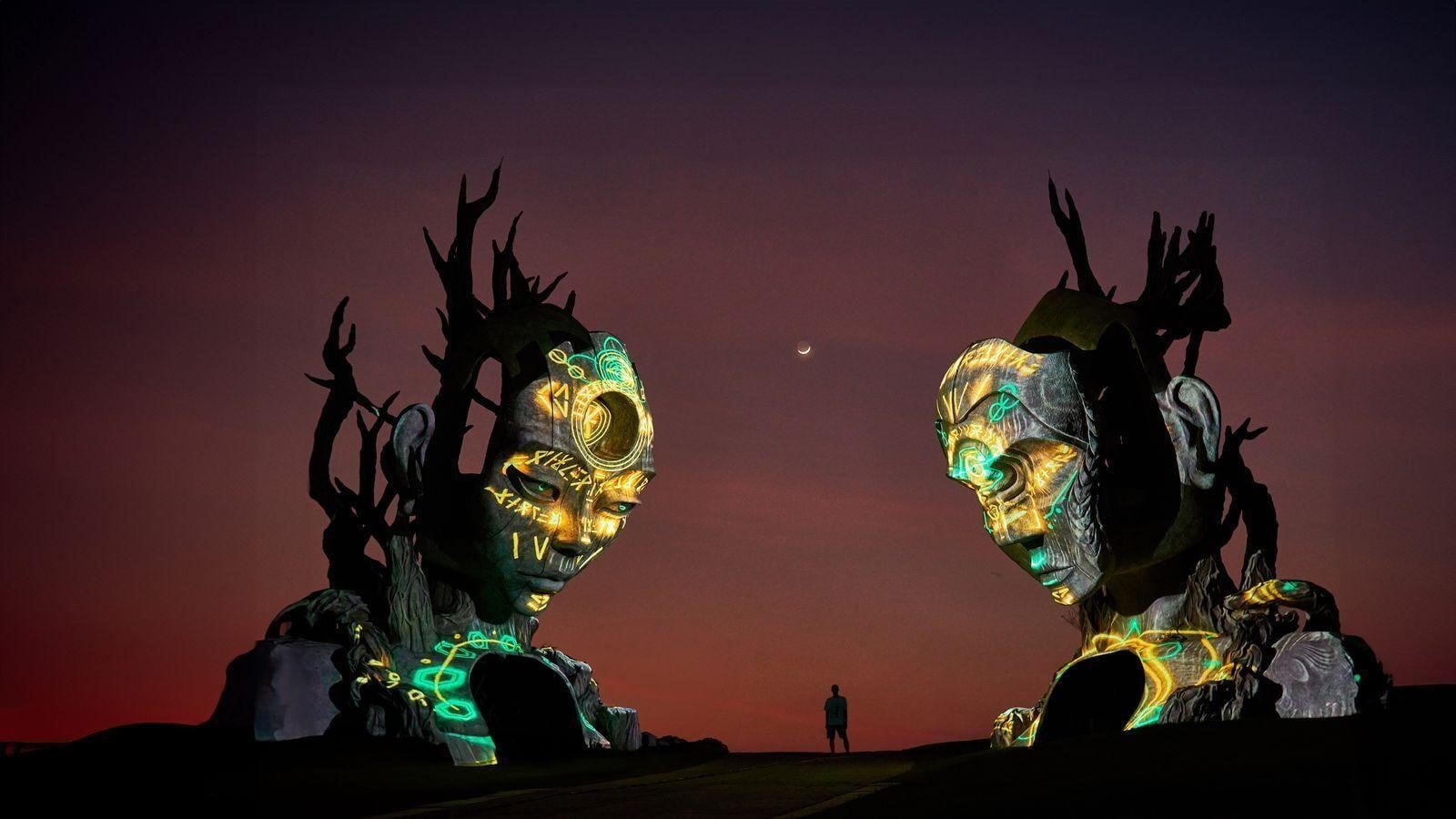
Negotiating Identities
With the chaos that reigned in the wake of power-shifts, subjugation, and occupation across the world, resources were plundered at best, and societies, for a prolonged period of time, saw an unequal distribution of wealth, snapping the harmonious and informed relationship they had with Architecture and Design, altering its presence and perception, perhaps forever.
While today’s industrialised and globally connected world has helped establish access to technology, knowledge and resources quite rapidly, and somewhat equitably, the traces of violent histories and financial inequality, followed by the subsequent rise of nation-states, are a major reason why it has taken time for regions to find their footing once again, and define what kind of architecture portrays them, as a people.
Understandably, in the aftermath of a long-sought and newfound independence, when everything ends up looking, feeling and functioning the same way across the world, the question surely arises: if it is possible at all to re-define one’s heritage while upholding the measures of modern convenience, or has the face of the world changed forever to look the same in every geography?
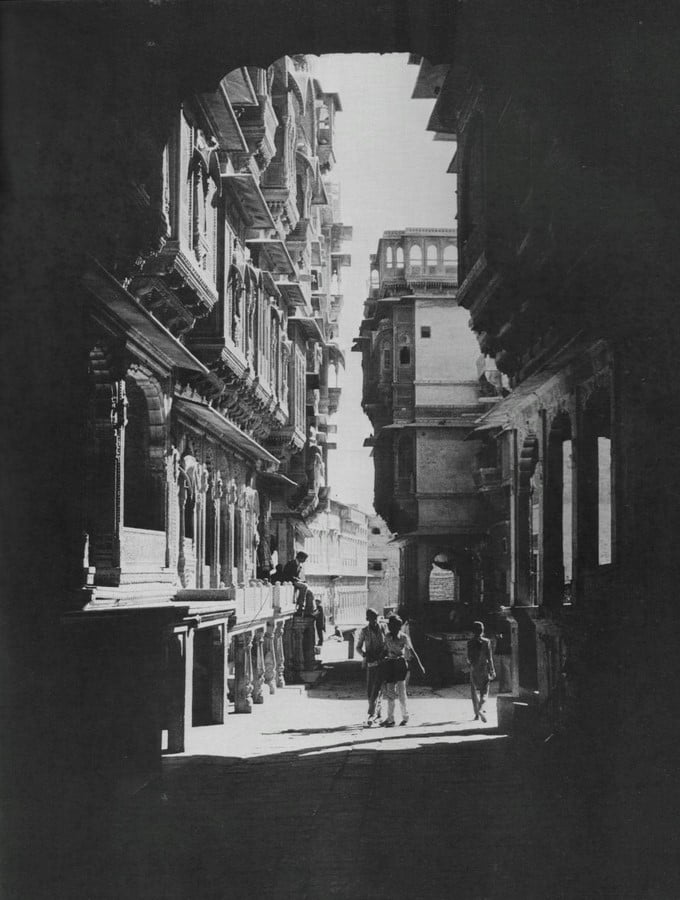
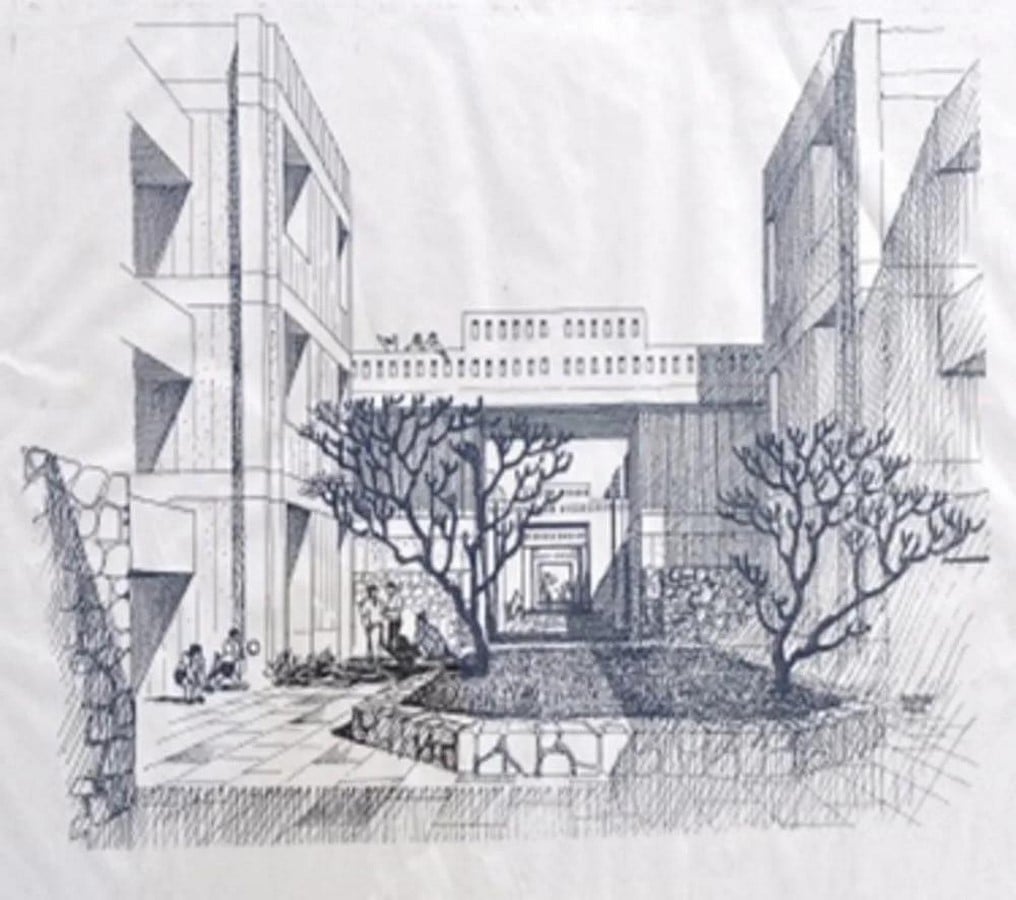
Towards a Shared Architectural Language
Even languages have a universal oneness despite their variance and distance across seas and lands, histories and communities. Why then, should it bother humanity if their lifestyles and homes, in fact, are undergoing an affair of serial unification in this era?
As lifestyles converge from Mumbai to Miami, it is no surprise that Architecture and Design increasingly share a common material and visual vocabulary. The realisation is only contributory to what is termed as ease of life, since with the ease of moving around the world, expectations of livability too have converged, and so has architecture, to provide solid ground for a seamless living and working experience across continents.
While worries about environmental issues persist by and large, rising interventions in sustainable efforts across the globe have also emerged as a unifying dialogue within the industry, shaping technologies that can work efficiently across different climatic regions.
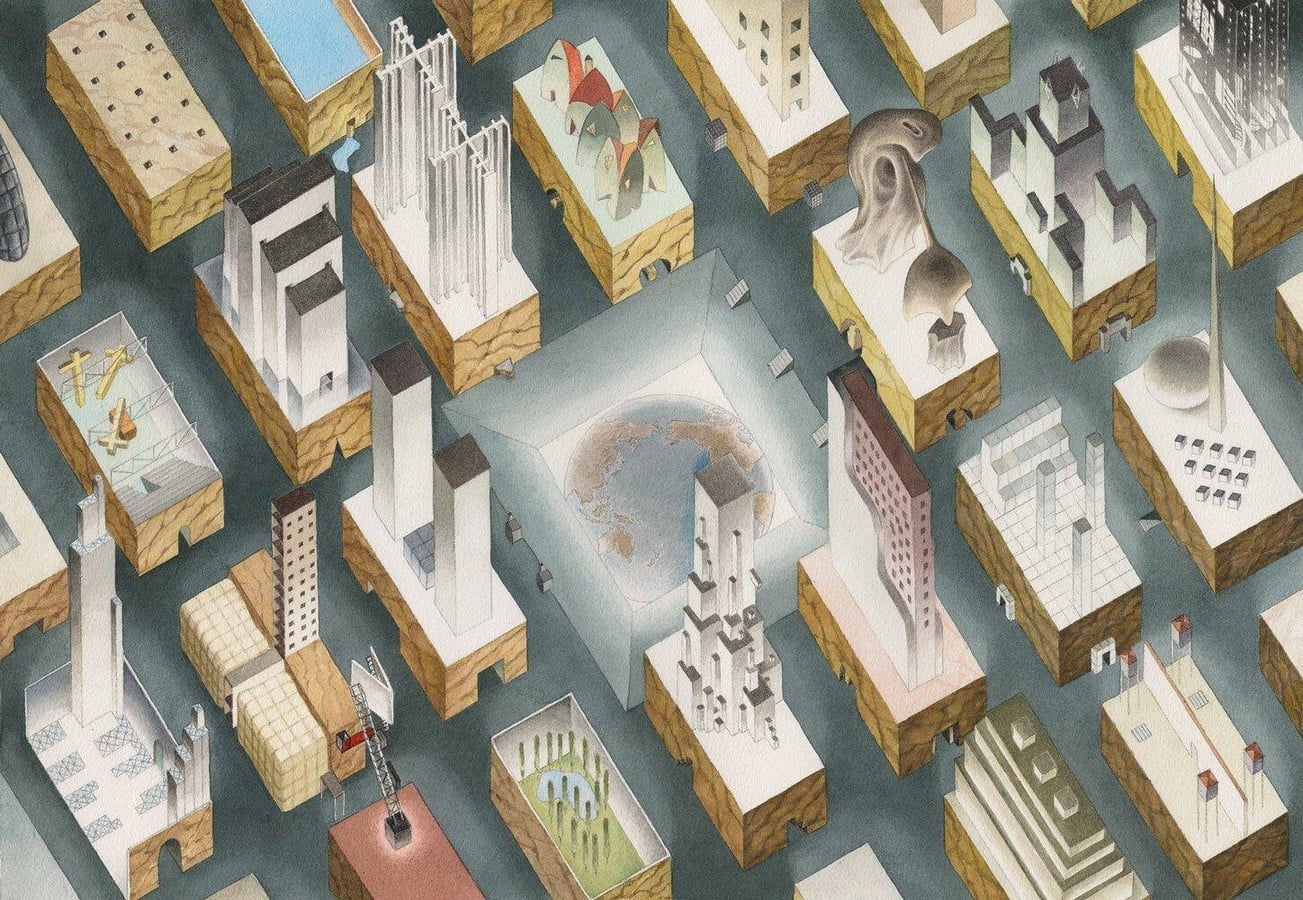
Perhaps, then, taking note of this reimagined collaboration, the future of Architecture and Design does not lie in constructing borders around ideas, nor in dissolving every distinction between places. Instead, it lies in cultivating a shared architectural language whose vocabulary may be global, but whose dialects remain unmistakably local, testament to the charms of every land and its culture.
References:
Carota, F. (2023) ‘Architecture Beyond Borders. Exploring the Relationship between Architectural Theory and Practice in Transnational Endeavors within the Belt and Road Initiative’, in R. Bogdanović (ed.) On Architecture — Challenges in Design, Proceedings. Belgrade, Serbia: STRAND, pp. 16–23.
Bianchi, L. (2020). Architecture without Borders. [online] ArcGIS StoryMaps. Available at: https://storymaps.arcgis.com/stories/136da4b4a498447ba7c96d5fa0f53605 [Accessed 11 July 2026].
Talaq, A.A.S. (2025). The Impact of Globalization on the Architectural Identity of Bahrain: Challenges and Opportunities in Preserving Heritage. ISVS e-journal, 12(3), pp.68–79. doi:10.61275/isvsej-2025-12-03-04.
MAVERICK FRAME STUDIO. (2026). 15 of the Most Popular Architectural Styles in History. [online] Available at: https://maverickframe.com/blog/popular-architectural-styles/ [Accessed 11 July 2026].
Prem, T. and Student (2023). THE INTERPLAY OF CULTURE AND ARCHITECTURE 1. © 2023 IJNRD |, [online] 8, p.335. Available at: https://www.ijnrd.org/papers/IJNRD2311037.pdf [Accessed 11 July 2026].
co, Q. (2024). Architecture is the art of shaping space, a crystallization of human civilization. Different regional architectural styles showcase the cultural characteristics and historical heritage of each place, while also reflecting the local natural environment and climate. [online] LinkedInEditors. Available at: https://www.linkedin.com/pulse/architectural-styles-construction-methods-around-4f6wc/ [Accessed 11 July 2026].
Wikipedia Contributors (2019). Burj Khalifa. [online] Wikipedia. Available at: https://en.wikipedia.org/wiki/Burj_Khalifa [Accessed 11 July 2026].