The Closing Ceremony Is Not the End
Every four years, the Olympics grab the attention of the entire world. Sportsmen are made national heroes, cities get to reinvent themselves with elaborate construction projects and huge budgets, all in the name of economic development, urban renewal, and pride in international affairs. During several days, everyone sees stadiums, aquatic centers, athletes’ villages, transport networks and public spaces working at full capacity.
But a serious issue arises after the torch gets out of the stadium and the spectators go back home. The solution is much less joyful than the stories told by the organisers of the games themselves. Even though many Olympic organisations speak about the legacy and sustainability of the project, it becomes evident that many host cities have been dealing with another kind of problem, the adaptive reuse problem of Olympic infrastructure.
This problem has now become one of the most controversial topics in urban planning and architecture in the modern world. It does not matter anymore whether cities can host the Olympic Games or not; rather, it is about whether they can maintain the infrastructure that has been built for the games that last only several weeks. The term “Olympic white elephant” appeared since the facilities built to host the Olympics often become useless after the games.
In connection with the problems related to climate change, resources shortages, housing shortage, and social equity, the Olympic Games are considered through the perspective of adaptation and resilience of urban infrastructure. The cases of Athens, Beijing, Rio de Janeiro, London, Tokyo, and Paris show that the real success of the games may depend not on sport results but on the legacy left by the games. India, the country that showed its desire to host the Olympic Games in the future, should know all about it.
Understanding Olympic Legacy
Legacy has been defined by the International Olympic Committee (IOC) as the positive outcomes arising from the hosting of the Games. These outcomes may be tangible such as infrastructure, transportation system, accommodation, and sports facilities or intangible such as global visibility, civic pride, institutional learning, and participation in sport.
Olympic hosts historically used four major legacies to justify their expenditure:
- Urban regeneration.
- Economic development.
- The growth of tourism.
- Improved sporting culture.
Research shows that the realization of the above legacy promises was very irregular and very much depended on post-Olympics planning efforts. It is now argued that the biggest challenge is not building Olympics facilities but making them part of the city. The challenge arises because Olympics facilities are built for unique needs. For instance, stadiums that can hold up to 80,000 people, Olympic pools, media villages, and other sport-specific facilities exceed the needs of the local communities. When international interest is lost, cities end up with maintenance of infrastructure that is costly to maintain and re-purposing is challenging.
According to the Oxford Olympics Study, the Games still encounter significant cost overruns despite reforms, thus posing doubts on the sustainability of the Olympic system. The study shows that costs stay among the highest in any type of megaproject, and many hosting cities still have financial challenges even after the Games (Budzier & Flyvbjerg, 2024). In this way, the discussion moved from the organization of events to their legacy. The main question is now whether the Olympic facilities can be created with the possibility of adaptive use.
The Rise of the Olympic White Elephant
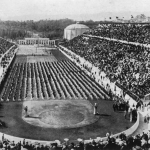
A white elephant can be defined as an asset that is more expensive to maintain than its utility. In relation to the Olympics, a white elephant facility can be described as an unused venue after the games. An example that often gets mentioned is the 2004 Athens Olympics. It cost Greece a lot of money building new Olympic facilities, but it failed to capitalize on its investment through increased tourism and prestige. There was no clear use for many of these venues and within a few years after the games, many venues had been abandoned due to neglect and high maintenance costs.
The Athens Olympic Softball Stadium, the Athens Canoe Slalom Centre and several others are just examples of white elephants. The deterioration of these venues and their subsequent abandonment have been well captured in the media and has been used to highlight the negative consequences of hosting such mega events.
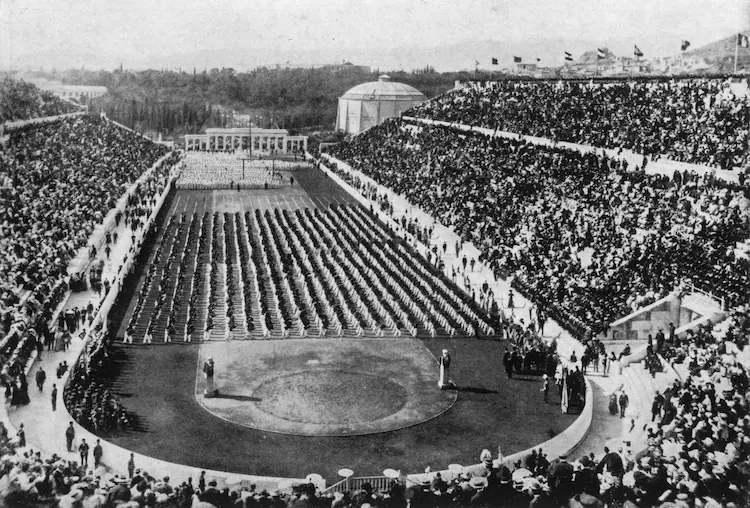
The Athens Olympic games showed three major mistakes:
- Building too much more than demand.
- Failure to come up with a model to ensure profitability after the games.
- Lack of proper urban planning.
Implications went beyond the physical environment. The public debt incurred due to the Olympics was included in the bigger discussion regarding Greece’s economic crisis, even though researchers still disagree on the connection between the two issues. Athens turned the idea of Olympic legacy into a negative example.
Beijing 2008: Monumentality and Underutilisation
Olympics in Beijing presented a demonstration of China’s emergence through some of the most spectacular structures created for sport ever built. Yet architectural success does not guarantee sustainability. Some venues have remained popular; others are struggling to hold an ongoing program. Large sizes of these venues make upkeep expensive. Specialized design reduces versatility, and operating costs may exceed even revenues.
Beijing illustrated the problem that Olympic venues face: special architectural designs are geared towards maximum visibility on a global scale rather than practicality at a local level. This paradox is obvious. The more specialized and spectacular an Olympic venue is, the less adaptable it will be for daily use. This challenge poses an important question to architects and urban planners: what is more important in designing Olympic venues – image or utility?
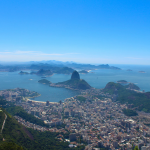
Rio 2016: Legacy Lost
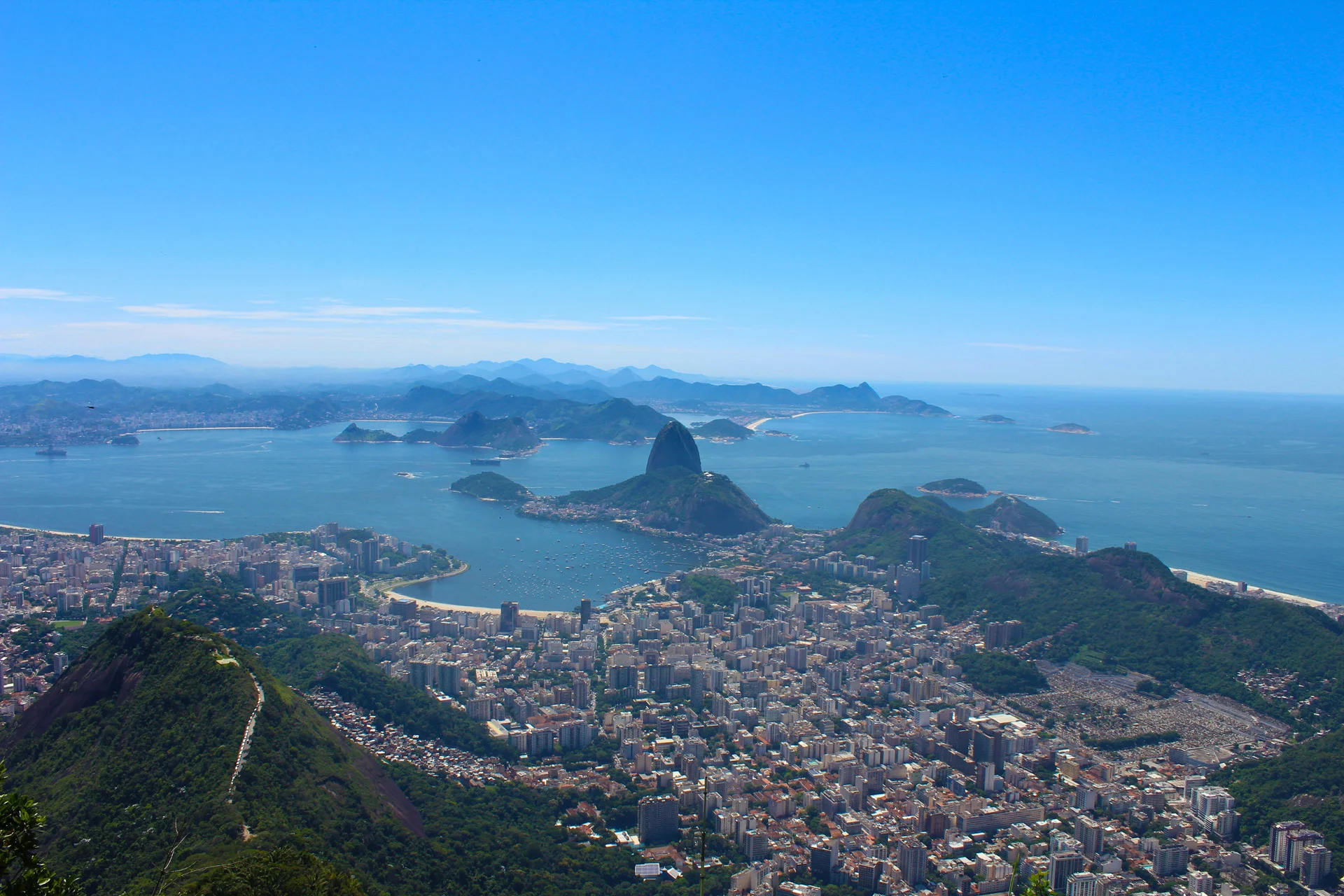
While Athens signified the concept of abandonment, the example of Rio de Janeiro proved what poor management of the legacy of the Olympic Games entails in terms of society.
The Rio Olympics were sold as agents of transformation of the urban landscape. People were assured of better transport connections, improved environment, development of housing and economic growth. However, just a few years later, the underutilisation problems affected several Olympic venues. There were stories about abandoned facilities, dilapidated buildings, and growing maintenance problems. The future of the Olympic Golf Course, Aquatic Centre, and other venues looked rather vague.
However, even more important was the claim that the social cost of such projects exceeds any benefits associated with them. The local communities have been uprooted, resources have been diverted from other areas of the city, and the promised improvements were rarely delivered for the residents. Thus, it turned out that the problem of adaptive reuse is not only about architecture but also about politics and the social aspect of whom the Olympics should benefit and whom they harm.
London 2012: A More Successful Model?
London 2012 is often referred to as one of the most successful cases of Olympic legacy planning. London differed from its predecessors by implementing legacy planning at the start of the preparations. Several facilities was designed in such a way to ensure they could be downsized after the Olympics. Temporality decreased the necessity of building permanent structures, while the Olympic village was turned into accommodation.
The Queen Elizabeth Olympic Park turned out to be a key element of the regeneration program of East London. The Velodrome and the Aquatic Centre became functional both for elite athletes and the community. Nonetheless, the legacy of London is still under criticism. Some claim that the regeneration increased real estate prices and led to forced displacements of poorer population. Moreover, affordable housing objectives were not reached (The Guardian, 2024).
Despite the controversy, London taught one important lesson – the issue of adaptive reuse should be considered during the design phase. The city managed to prove that flexibility in architecture, phased planning, and mixed use can have positive results
Paris 2024: The New Olympic Model?
The Paris Olympics may have been the best effort thus far in addressing the issue of adaptive reuse. The organisers used a philosophy of “doing with less and doing better.” Almost 95% of the facilities used were either existing venues or temporary venues, resulting in no more construction being done (OECD, 2025).
There were very few permanent venues built, such as the Aquatics Center and some of the residential facilities. The Athletes’ Village was purposely designed to be converted to a neighborhood, while some of the temporary venues were to be dismantled and reused. Paris wanted to prevent repeating the mistakes made in Athens and Rio de Janeiro. Sustainability and the circular economy were the key features of the Games. The Olympics showed that there is no need to construct large-scale infrastructure to conduct the games in the city.
The conversion of the Olympic Aquatics Centre into a public facility once again highlights the increasing importance of legacy-focused design. The facilities would be built to cater to the needs of the local community rather than just for the Olympics. Although Paris hasn’t solved all the problems surrounding the Olympics, it does represent a new direction. The future of Olympic architecture may not be about building more facilities but about building fewer but smarter facilities.
Adaptive Reuse and the Olympic City
The term adaptive reuse denotes the act of altering the use of existing buildings and infrastructures without substantially changing the building’s basic structure. Adaptive reuse is gaining prominence in the field of architecture as well as urban planning as an environmentally friendly way of adapting the structures to new purposes rather than tearing down the structures and erecting new buildings.
One of the most difficult cases of the application of adaptive reuse can be found in the case of the Olympic Games because of the highly specialized nature of the venue and the relatively brief time span when the venue will be used. Compared to other types of public infrastructures, venues at the Olympic Games must cope with large numbers of spectators, extremely high technical standards, huge media coverage, as well as security concerns. Therefore, cities will have to find a way to integrate these overly large venues into the city’s daily routine after the Games are over. The situation is particularly problematic in the case of stadiums and arenas. While a city might need a football stadium for 20,000 spectators, the rules of the Games require 60,000 or even 80,000 seats.
Modern architecture increasingly calls for a philosophy of “legacy-first design,” where the use of the venue after the Games dictates its design from the very beginning. Instead of asking how the stadium could be repurposed after the Olympics, the planners are asked to think about what the stadium should become and design it with that in mind. This is a major shift from event-centered to community-centered planning.
Temporary Architecture and the Circular Economy
One of the most effective reactions to the adaptive reuse problem is the increasing use of temporary architecture. Temporary venues defy the expectation that all the buildings erected for an Olympics need to be immortal landmarks. Instead, structures are designed with the purpose of being easily dismantled, relocated, recycled, or rebuilt somewhere else. Such an approach fits into circular economy logic, which strives to avoid waste and maximize the usage of resources and materials.
This practice was used at the Paris 2024 Olympics, where there was wide-scale use of temporary facilities. There were several venues that were built using modular structures which could later be disassembled after the games and reused at future events or in communities. The logic of circular economy becomes especially relevant in the epoch of climate change because the construction sector is responsible for a big percentage of carbon emissions in the world, and mega events are characterized by massive consumption of materials. By designing buildings for future disassembly and usage in a different way, organizers of Olympics can minimize their environmental footprint and build more flexible urban structures. For architects, such an idea implies a radical change.
Olympic Villages: Housing Opportunities or Missed Potential?
Of all Olympic facilities, the villages of the athletes probably hold the most promise for adaptive reuse.
Contrary to specialized sports complexes or stadiums, apartments can always be adapted for residential use easily. Many host cities have attempted to adapt the Olympic village into a sustainable residential area. Yet the results have been very inconsistent.
The Barcelona 1992 Olympics is one event which is widely lauded for its successful adaptation of the Olympic Village into a wider urban renewal plan. Not only did the urban renewal improve the housing stock but also changed the way Barcelona related to its Mediterranean coastline. The legacy of the Olympics became a part of an urban vision that defined the city afterwards.
Similarly, London adapted the Athletes’ Village into East Village, a mixed-use residential area with numerous housing units. Though some issues remain about accessibility and affordability of the homes there, the success of this initiative is undeniable.
In contrast, some Olympic villages have found it difficult to attract inhabitants because of bad locations, lack of infrastructure, or economic troubles. In some instances, the housing units have remained partially unused for years even after the Olympics.
Thus, Olympic housing needs favorable urban development context. The housing units need to be linked with job prospects, public transportation, and social infrastructures. It cannot be assumed that just by transforming athlete housing units into apartments will result in urban success.
Considering that most cities face housing crises across the globe, Olympic villages offer a great chance. When done in the right way, they can help in providing affordable housing solutions.
Sustainability Beyond Greenwashing
In recent times, sustainability has emerged as an essential issue in Olympic bidding and planning processes. Promises of carbon neutrality, renewable energy sources, eco-friendly transportation, and eco-friendly buildings have been made by all host cities. However, at the same time, these promises have been subject to doubts about whether they are transformative or merely represent greenwashing techniques.
Large-scale events always have large amounts of traveling, constructing, consuming, and material usage. Millions of people travel from all around the world and produce carbon emissions. Material extractions and energy use for infrastructure constructions are also common practices. Therefore, to evaluate sustainability of the Olympics, the full lifecycle of facilities should be considered instead of construction technologies alone.
Even a stadium with renewable sources of energy can turn out to be environmentally unsound if it stands largely unused after the Games. On the other hand, an old stadium that has been functioning in the service of the community for decades might have a smaller impact on the environment than even the most modern green stadium.
Lifecycle sustainability stresses durability, flexibility, and usefulness. In this respect, the strategy of adaptive reuse turns out to be one of the most crucial ones in terms of sustainability in Olympics. The greener the building is not necessarily the new building; the greener building is the one that functions.
The Emerging Role of Digital Infrastructure
Legacies of future Olympics might go beyond mere physical facilities to embrace technologies. With the rapid growth of broadcasting systems, virtual reality, data analytics, and smart city solutions, the organisation and experience of mega-sporting events undergo drastic changes. More Olympics incorporate technologies, which create value for communities not only in sports, but also in other areas.
Mobility solutions, public transport systems, digital tools of city governance, and city monitoring systems designed for Olympic games could stay to serve local communities after the end of an event. The Tokyo 2020 Games, amid all the difficulties presented by the coronavirus pandemic, illustrated the increasing significance of innovations in Olympics preparations. Contactless systems, digital solutions, and city management technologies became key aspects of operations of the event.
Cities hosting future Olympics may benefit more from the legacies created by digital infrastructure rather than grand architectural legacy. Technological facilities could be used more flexibly than sporting facilities and could facilitate urban development goals.
India’s Olympic Ambitions and the Ahmedabad 2036 Vision
Hosting the Olympic Games has become an important aspiration for India, which is reflected in the fact that Ahmedabad is being considered as the candidate for hosting the Olympics of 2036.
On one hand, hosting the Olympics offers various possibilities; on the other hand, it poses certain challenges. Certainly, India has the capabilities for carrying out any kind of large-scale infrastructure project. In recent years, many such projects have been undertaken by the country. At the same time, the experience of the world indicates that the main problem is not the construction of the venue itself, but its sustainability.
There are certain factors which make Ahmedabad the favourable place for hosting the Olympics. Namely, there are many ongoing urban development projects in the city which involve infrastructure projects in the form of transportation, urban space, and institutions. To ensure sustainable development, India should not be tempted to build monuments only for show.
Indian planners might better focus on:
- Versatile spaces.
- Temporary structures.
- Athlete accommodation that is adaptable.
- Sports complexes for communities.
- Transit-oriented development.
- Architecture that responds to climate.
These approaches would help ensure that Indian Olympic investments would dovetail with larger national goals such as housing, sustainability, and public health.
Lessons for Indian Cities
Adaptive reuse debates have some valuable lessons for India that go well beyond the Olympics. Indian cities regularly face problems of un-used public infrastructure, abandoned industrial sites, aging campus institutions and neglected urban areas. Adaptive reuse has been a relevant strategy for resolving these issues. Examples of this include adaptive reuse of the Mumbai textile mills, heritage preservation in Ahmedabad, and adaptive reuse in Delhi. Thinking about re-purposing existing infrastructure is often better than constantly expanding it.
The discussion of the Olympic legacy highlights other lessons which can be applied in urban development in general:
- Design for change: Designs should allow future changes in use of the building or the infrastructure.
- Prioritise community needs: Infrastructure should be designed to meet the needs of the local population before, during and after any big event.
- Think about lifecycle costs: Cost of construction is just one of many components of total costs. Costs of maintenance, operation and adaptation need to be considered.
- Combine development strategies: Olympic infrastructure should be designed to combine different urban development strategies.
- Go green: Environmental performance of any project should be assessed throughout its entire lifecycle.
These principles are becoming more important as Indian cities grapple with issues related to urbanization, climatic conditions, and demands for inclusive growth.
Legacy Reassessment: What Should the Olympics Leave Behind?
Traditionally, success of the Olympics would be determined by numbers related to attendances, medals, TV audience reach, and architecture. Yet in modern times, the measure of success has increasingly been defined in terms of legacies.
Questions to consider today include:
- Are the venues still in use after ten years?
- Did the local community benefit?
- Was public money well spent?
- Did the infrastructure improve quality of life?
- Were environmental implications minimized?
- Did the event support social inclusion?
This list reflects evolving priorities within society. There are rising expectations for accountability, transparency, and sustainability in relation to public spending. Consequently, Olympic bid proposals are set to come under increasing legacy scrutiny in the future. Cities must prove not only how they are going to host the Games but how their infrastructure is going to work in the decades ahead. The International Olympic Committee has acknowledged this trend by introducing reforms encouraging the use of already existing facilities.
Beyond the Spectacle
The Olympics continue to be one of mankind’s most spectacular group activities. It brings together the celebration of athletic prowess, international collaboration, and cultural sharing to an unparalleled level. However, the real story of the Olympics comes when the celebrations have ended. The post-Olympic life of Olympic facilities in Athens, Beijing, Rio, London, Tokyo, and Paris highlights a crucial issue where cities are made for the moment and not the generations that come after them.
The problem of adaptive reuse of the facilities of every game essentially boils down to the relationship of architecture and society through time. Structures built for a fortnight need to justify themselves for decades to come. Facilities designed for the world need to eventually work for the locals. Based on recent Olympic experiences, there is a new model being developed for the Olympic Games, which focuses on adaptability, sustainability, temporary architecture, circular economy, and legacy planning first.
These examples are very relevant to the case of India and other candidate host countries. Instead of the development of the biggest stadiums or structures, the future of Olympic infrastructure planning must include the creation of facilities that will be useful, sustainable and relevant even twenty years after the Games have ended. It is possible that the best Olympic venue will not be one where cheers were heard from spectators during the events, but rather where twenty years later people are still enjoying its facilities. Legacy will be the key to the future of the Olympics.