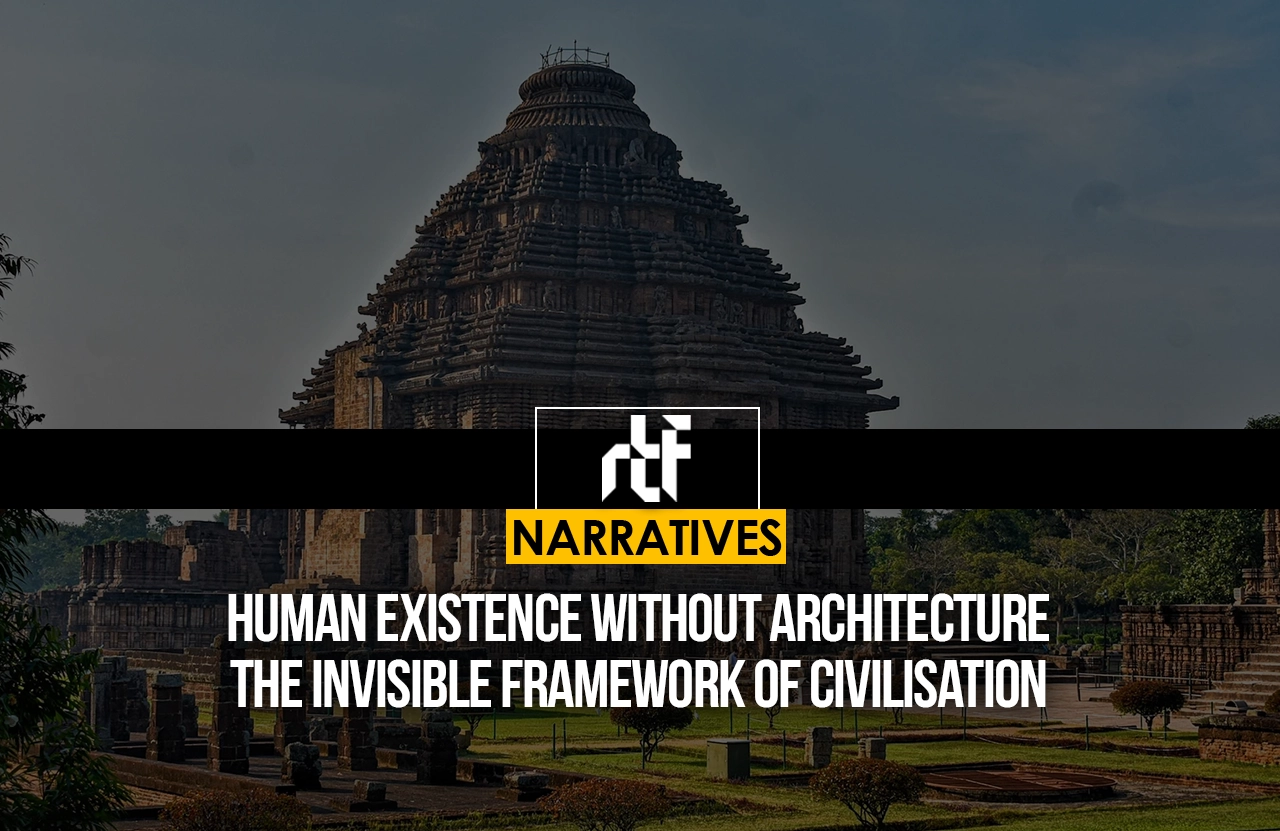
Architecture is the art and science of designing buildings. But its influence is not limited to walls, roofs and structures. Architecture is man’s behaviour, an ordering of society, a store of cultural memory, a structure within which civilisation moves. To think of human life without architecture is not to think of a world without buildings. We have to imagine how humanity itself could have evolved without designed spaces.
The Need for Shelter
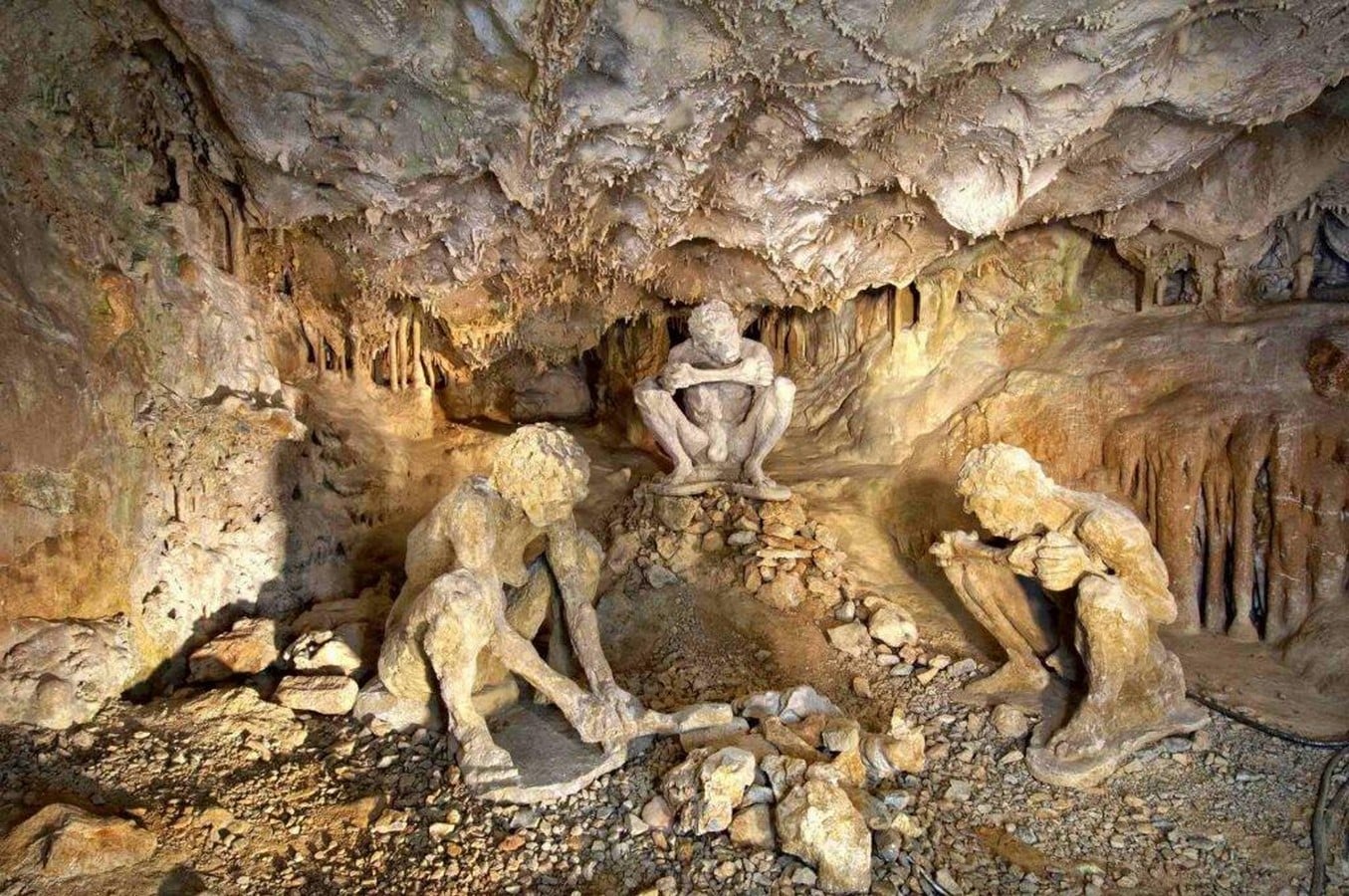
Architecture is the result of one of man’s basic needs, shelter. Shelter from the elements, predators and natural disasters permitted early communities to survive and ultimately prosper. Architecture turned temporary shelters into permanent settlements, so that humans could settle down and make collective futures.
Probably without architecture, human life would have remained tied to natural shelters and temporary structures. Nomadic lifestyle may be dominant.
Humans adjust to the environment rather than try to manipulate it. The development of agriculture, trading, and settlements in general would be significantly slowed down. The evolution step that took place when humankind managed to build houses and settlements is a clear example of the importance of architecture.
The Evolution of Society
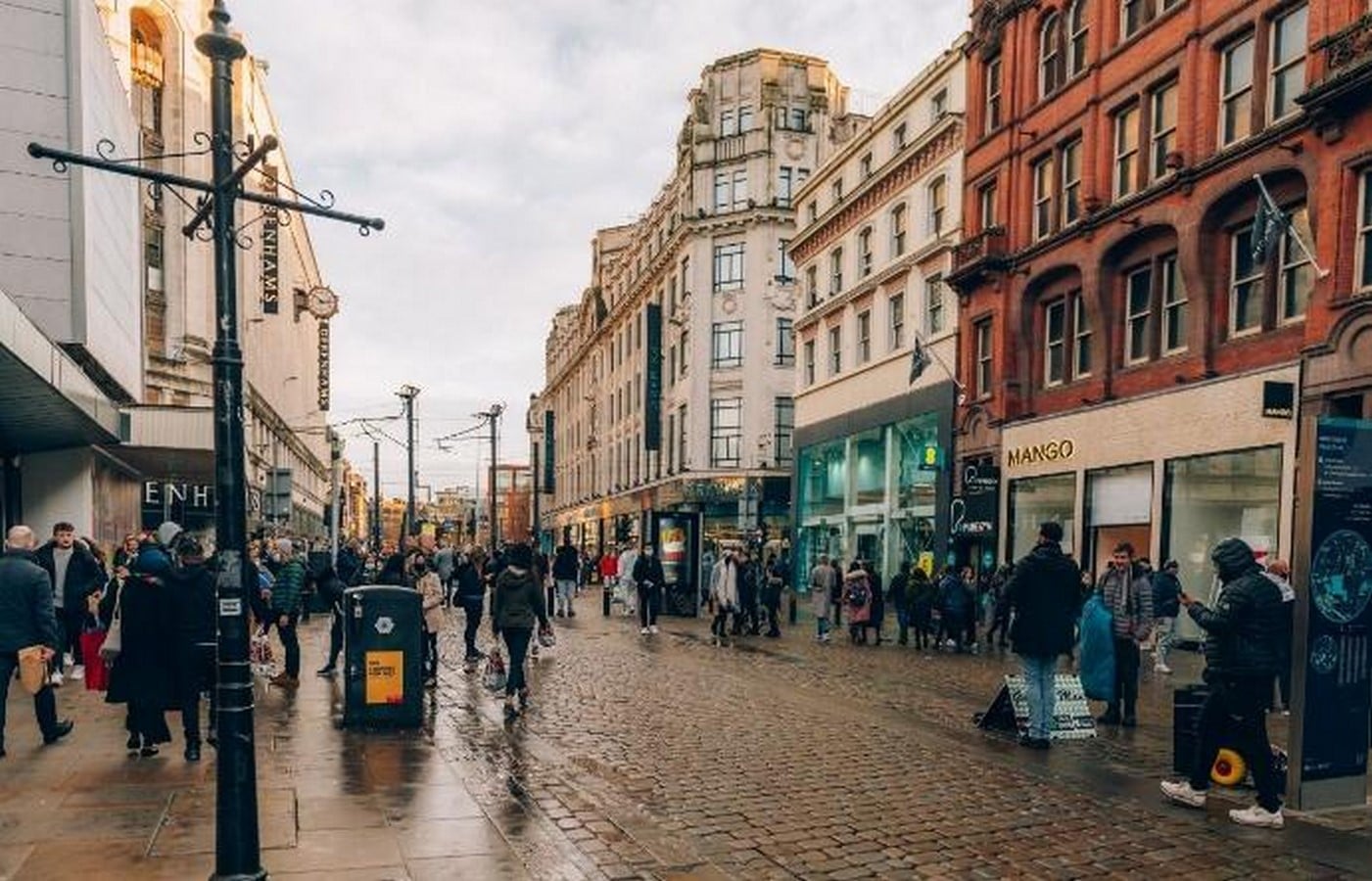
Societies need spatial organisation to work well. Streets enable mobility. Marketplaces enable exchange. Schools enable learning. And civic institutions enable governance. These are environments that have been deliberately designed and planned, and in many cases are so much a part of everyday life that their importance is not noticed.
Architecture aside, the realm of human life would continue to rely on natural landscapes and temporary meeting spaces for social interaction. The absence of deliberate design of spaces would result in fewer opportunities for large scale cooperation, trade in the economy and cultural development.
Cities, the historic venues of innovation and collective growth, might never again be cities as we know them. Architecture creates the physical infrastructure for complex social systems to evolve, connecting people through shared spaces and shared experience.
Architecture as a Keeper of Collective Memory

Some of the most important functions that architecture serves are those of recording history and cultural heritage. Structures, monuments and cultural landscapes are physical proof of what mankind is capable of creating, believing in and aspiring to.
Architecture gives us the physical signifiers of memory, without which human life would be empty. Without the physical environments, history would be mainly oral traditions, artefacts and written records, not embodying collective experiences. That inner feeling of standing in front of an ancient temple, a historic fort or a centuries-old street would be lost.
Architecture behaves as a time travel from the past to the present. It enables societies not just to recall the happenings of history, but to know the worlds in which those happenings took place.
Everyday Experience

The environment created by architecture impacts the lives of people subliminally but profoundly. How the neighborhood is organized, the size of a courtyard, the inclusion of sunlight, and the construction of public spaces will all have an effect on how people function within their built environment. Good architecture will contribute to increased levels of comfort, social interaction, and well-being.
Without architecture, human life will exist with the random nature of things taking precedence over deliberate design. Human concepts of privacy, inclusion, community, and comfort will evolve in different manners due to the dominance of the natural environment.
A public square will facilitate political activity, a library will inspire contemplation, while a courtyard will encourage socialization. Such activities will occur randomly rather than through design if architecture did not exist.
Rethinking Contemporary Architecture Through Its Absence
Imagining how the world would be without architecture might help in gaining an understanding of what environment, the profession of architecture is often assessed in terms of aesthetics, practicality, and profitability. But the notion of the absence of architecture reveals much more than that.
Architecture is much more than just building houses. Architecture is all about forging links among people, their surroundings, and different times. Architecture transforms the space into a medium for interaction and communication through which people leave traces of their existence throughout time.
It obliges contemporary architecture to reflect upon the core of architecture instead of creating beautiful buildings.
The Loss of Permanence and Identity
Indeed, perhaps one of the most important implications that can be drawn from the absence of architecture in the lives of humans is the fact that life in such a world would not be permanent. This is because architecture gives humanity a chance to leave behind proof of its existence in the form of memories. Humans would have a place to call home due to the fact that they are able to preserve their past and create their future.
In the absence of architecture, humans would not have many physical structures to anchor their identity within the flux of change. The identity of culture would fade away minute by minute.
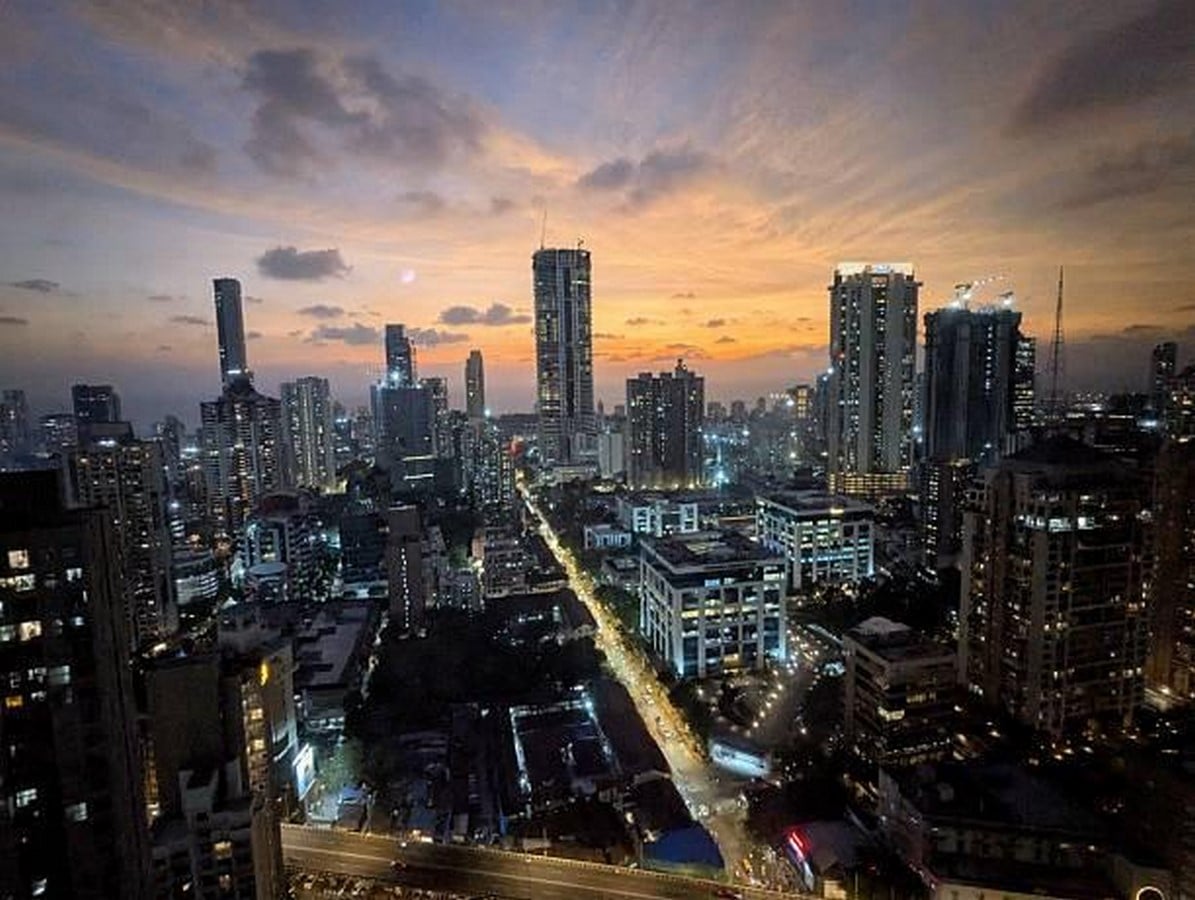
Human existence in the absence of architecture is no less than a life without buildings, but rather a life devoid of the foundations that underlie civilized society. Architecture allows humans to transcend simple survival, constructing worlds in which communities can develop, memories can be preserved and identities can thrive.
In conceiving such a void, the true importance of architecture can be appreciated. Not only is architecture the act of creating buildings, but a much deeper, more invisible form of design that impacts how we live, interact and perceive our surroundings. While the world is increasingly characterised by growth and development, there is perhaps no greater tool of humankind for doing so than architecture.