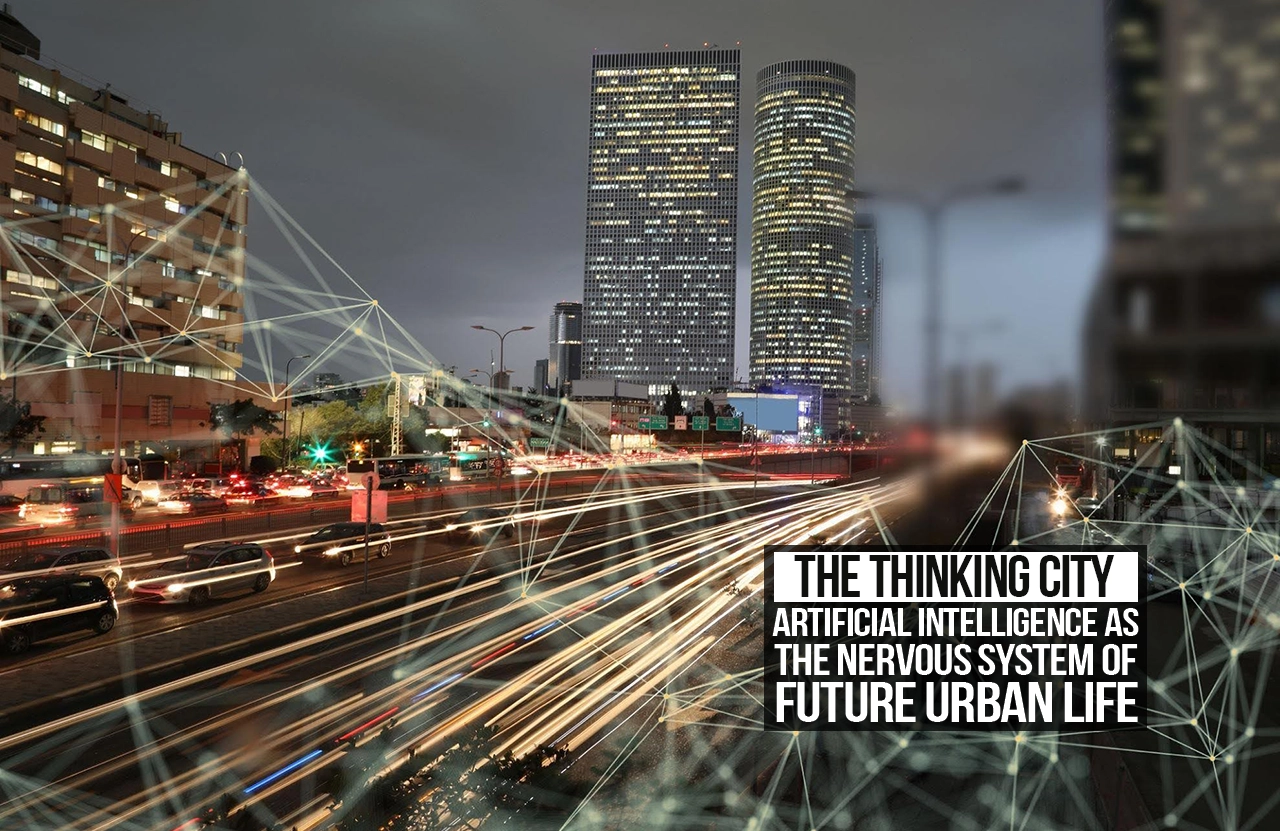
From early times, cities have taken on characteristics of organic life forms.
Growth occurs in unpredictable ways; they adapt to external forces and undergo change over time. Flourishing areas coexist with declining ones as neighborhoods are developed, adjusted, and altered in an unforeseeable manner. Cities are never fully completed; rather, they exist in a constant state of tension between their past and future.
Using this logic, it becomes hard not to see a city as an organism. The roads and railroads can be likened to arteries that provide mobility. Parks serve as open spaces, whereas water supply systems, energy lines, sewage, and other infrastructure represent the internal functioning of cities. Buildings take up the roles of various organs of the body as people become cells, providing for all functions.
For centuries, cities were developed based on human instinct, which dictated streets and markets as locations for movement and commerce, respectively. Geography and climate played their role in the development of cities. There is inherent wisdom in cities’ construction and design.
In addition to this inherent wisdom, Artificial Intelligence is contributing another dimension by decoding patterns within vast amounts of data, thereby revolutionising both the workings of cities as well as redefining possibilities of future cities for architects, urban planners, and citizens alike.
Reading the Hidden Rhythms of the City
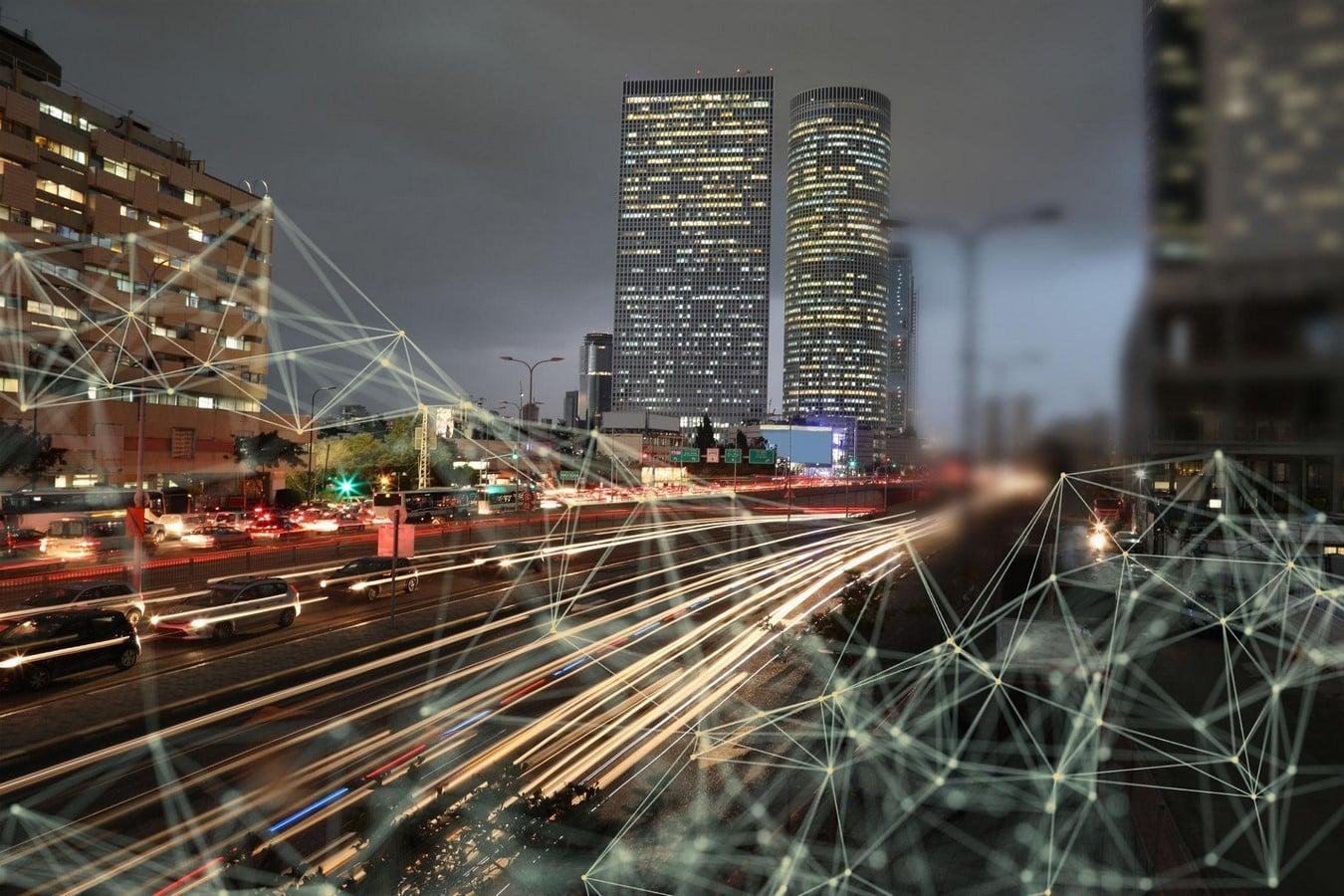
The first thing that anyone sees when looking at a city is chaos. There is a traffic build-up without warning. Public spaces fill up and disperse. The demand for energy changes during different parts of the day. Decisions are made every minute, usually without much notice.
However, within all this chaos is an amazing order.
Rhythms exist in any city. There are certain routes and time frames that people use for their morning commutes. At certain times, cities are quiet. There are high and low points for markets, just as there are certain times for energy consumption. All these things tell us how cities really work.
Until now, studying cities involved spending years observing and taking notes. Urban planners would make judgments based on their experience and knowledge about what was happening.
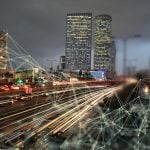
But artificial intelligence allows for the city to be self-aware. Through sensors, satellites, transportation tracking systems, and environmental monitoring, massive amounts of data are gathered daily.
In this way, the application of artificial intelligence mimics the functions of a nervous system.
Artificial Intelligence as a New Design Instrument
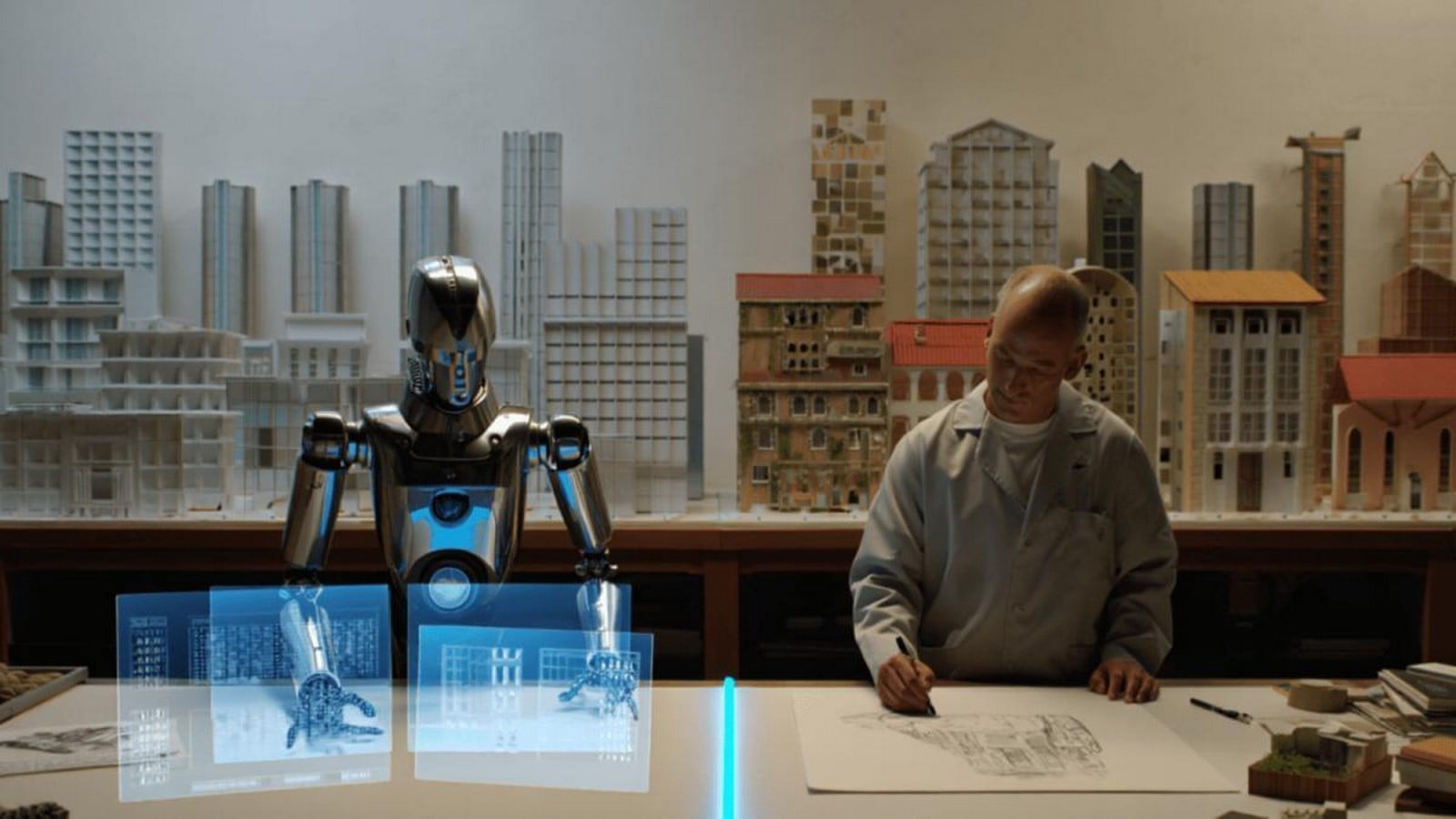
Imagination has always been a fundamental part of architecture and urban planning. It all starts with the very first question of what our life would be like in the future.
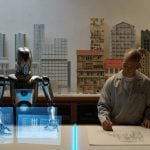
Artificial Intelligence is not meant to take the place of imagination. On the contrary, its task is to open up many more possibilities than would otherwise be available for evaluation.
The planner is now able to determine how the creation of a district will impact traffic flows, light and shadow, ventilation, and energy consumption before breaking ground. The architect can test out many design variants within a matter of minutes compared to previous experience, when such work took much longer. Even entire neighbourhoods can be computer-simulated to see their performance years into the future.
It makes the design process better informed. But it does not make it less human.
Artificial Intelligence works fantastically well with data. It can analyse large amounts of information, detect patterns, and make predictions based on those observations. But the AI will never know why a place feels warm and inviting, why people love some streets, and why we remember certain spaces long after leaving them.
Such considerations are strictly human.
Cities That Learn
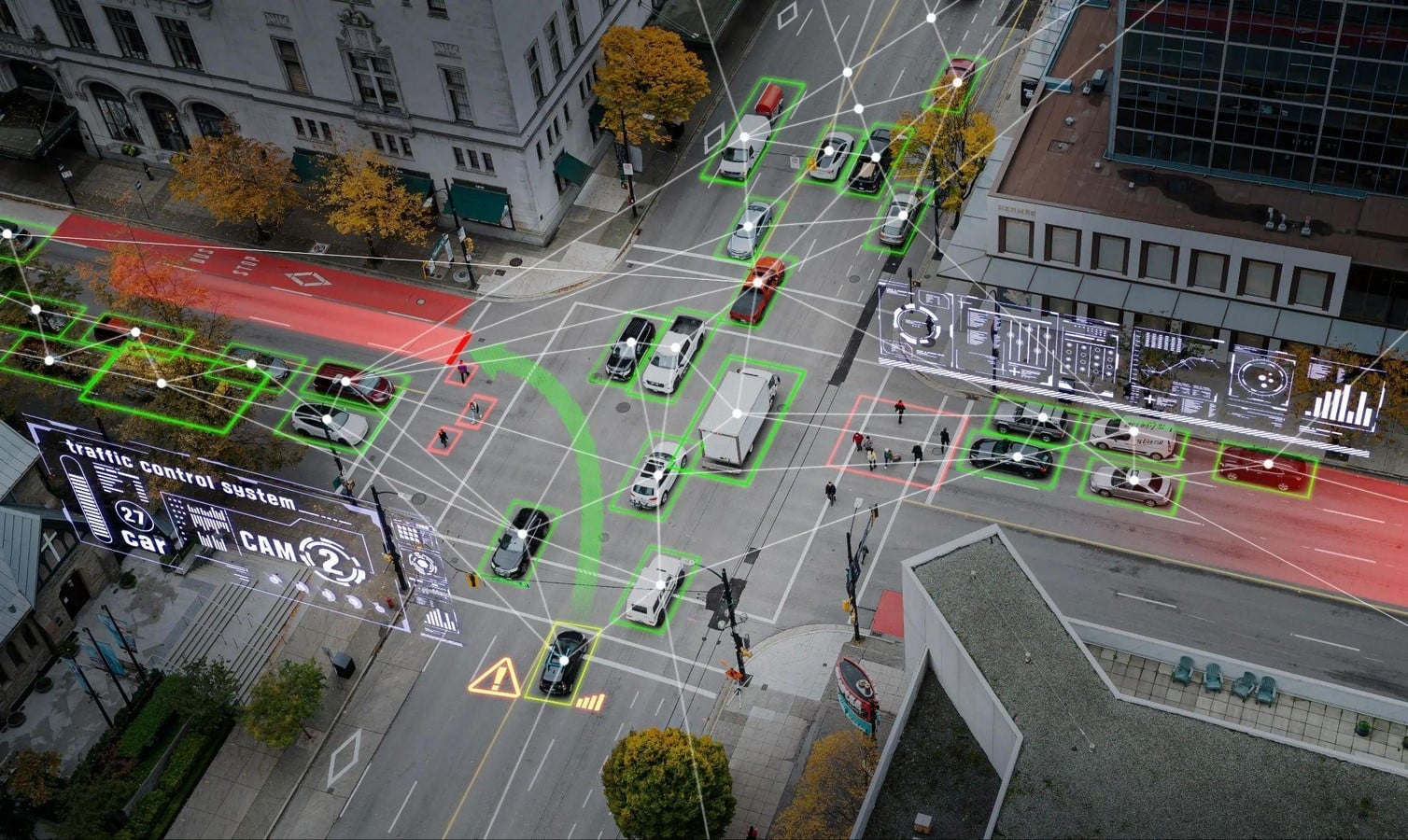
One of the biggest changes that has been made possible through Artificial Intelligence is that of anticipation rather than reaction.
Through much of its history, cities would only deal with problems once those problems arose. Solutions to congestion would be found when the roads could no longer handle traffic. Infrastructural repair would be carried out when there was an obvious problem that needed fixing. Resource allocation would only happen when the shortages were imminent.
With Artificial Intelligence, there is another possibility.
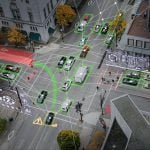
The traffic systems will learn how to adjust themselves before congestion occurs. Public transportation will be able to make adjustments in real-time based on the demands of the citizens. The energy grid will be able to anticipate future demand and allocate resources accordingly. Water management and flood warnings will be easier because of constant monitoring.
The city moves away from being a mere machine and takes on a life of its own.
Reimagining Sustainability

Relationships have defined sustainability all along.
What happens inside one building impacts the atmosphere outside it. Transportation policies determine the quality of the air. The way we make decisions about using land determines the impact on ecosystems and water systems. Everything that happens in an urban area depends on something else.
Artificial Intelligence is instrumental in showing those relationships.
It makes building performance better, streamlines garbage collection, monitors water usage, and shows us where reductions in emission levels are possible. More importantly, it shows us how one decision impacts many others.
The broadened scope is very important as our cities are threatened by climate change, natural resources depletion, and rapid urbanization.
In other words, technology becomes a means of making sense of complexity.
The Human Questions Behind Intelligent Cities
Though its potential is enormous, Artificial Intelligence poses some crucial concerns.
A city is more than just an infrastructure for optimization purposes; it is a place filled with memories, conflicts, celebrations, and a sense of belonging. While one street might serve as a means of transit, it could as well serve other functions and be used differently.
Not everything that needs to be considered can necessarily be quantified.
Artificial Intelligence relies on data, and any data is always determined by certain assumptions. In case those assumptions are skewed or incomplete, artificial intelligence can perpetuate the status quo rather than help address it.
These problems of privacy, surveillance, and algorithmic bias are always to be taken into account when speaking of intelligent cities.
Ultimately, what is important is how one balances technology with ethics.
The City as an Act of Imagination
The practice of urban design has always been an exercise in imagination.
Each design proposition is, in its own way, a suggestion for how humans can come together to coexist. Artificial Intelligence alters this scenario by providing designers with tools to assess and visualize potentialities.
However, Artificial Intelligence cannot prescribe the kind of future that is worthy of pursuit.
It does not have the capacity to determine if an area is inclusive enough, if there is a sense of community in the public spaces, or if any developmental efforts are sensitive to culture and heritage.
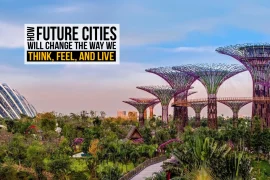
Artificial Intelligence is redefining our perception of cities as they begin to see, think, and act with a remarkable consciousness. Just as artificial intelligence enables cities to perceive themselves, it helps them adapt better to changes through the analysis of the data collected.
However, cities have never been defined only by their efficiency.
On the contrary, the essence of a city lies in facilitating human existence in its complexity, from its habits to aspirations and memories.
What distinguishes truly good cities in the future will not be their ability to operate more effectively than ever. It will be their ability to think about how they should be designed with a certain measure of respect.
Ultimately, it may well be people who keep dreaming about the thinking city.
References:
UN-Habitat (n.d.) People-Centred Smart Cities. Available at: https://unhabitat.org (Accessed: 21 May 2026).
MIT Senseable City Lab (n.d.) Research on data-driven urbanism and intelligent cities. Available at: https://senseable.mit.edu (Accessed: 21 May 2026).
World Economic Forum (n.d.) Artificial Intelligence and the Future of Cities. Available at: https://www.weforum.org (Accessed: 22 May 2026).
OECD AI Policy Observatory (n.d.) Artificial Intelligence and Urban Development. Available at: https://oecd.ai (Accessed: 22 May 2026).
Lewis Mumford (1961) The City in History. New York: Harcourt Brace.
Jane Jacobs (1961) The Death and Life of Great American Cities. New York: Random House.