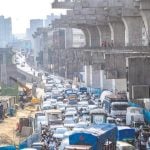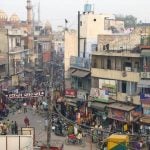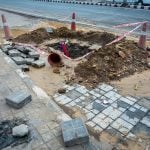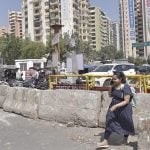
For many people living in and travelling through Indian cities, ongoing or paused construction sites have become part of everyday life. Dug-up roads, unfinished flyovers, and metro pillars occupy more space than the sidewalks themselves. Alongside under-construction structures, most infrastructure projects seem to overlap without clear completion. Even in big cities like Mumbai, Delhi, and Bengaluru, the urban landscape rarely appears complete.
At first, this endless loop of construction may seem like poor planning or disorganization. However, the reality is actually more layered. Indian cities are expanding and populating at an enormous pace while trying hard to upgrade aging infrastructure, respond to migration, and adapt to economic growth. Construction, therefore, became less of a temporary phase and more of a continuous urban condition.
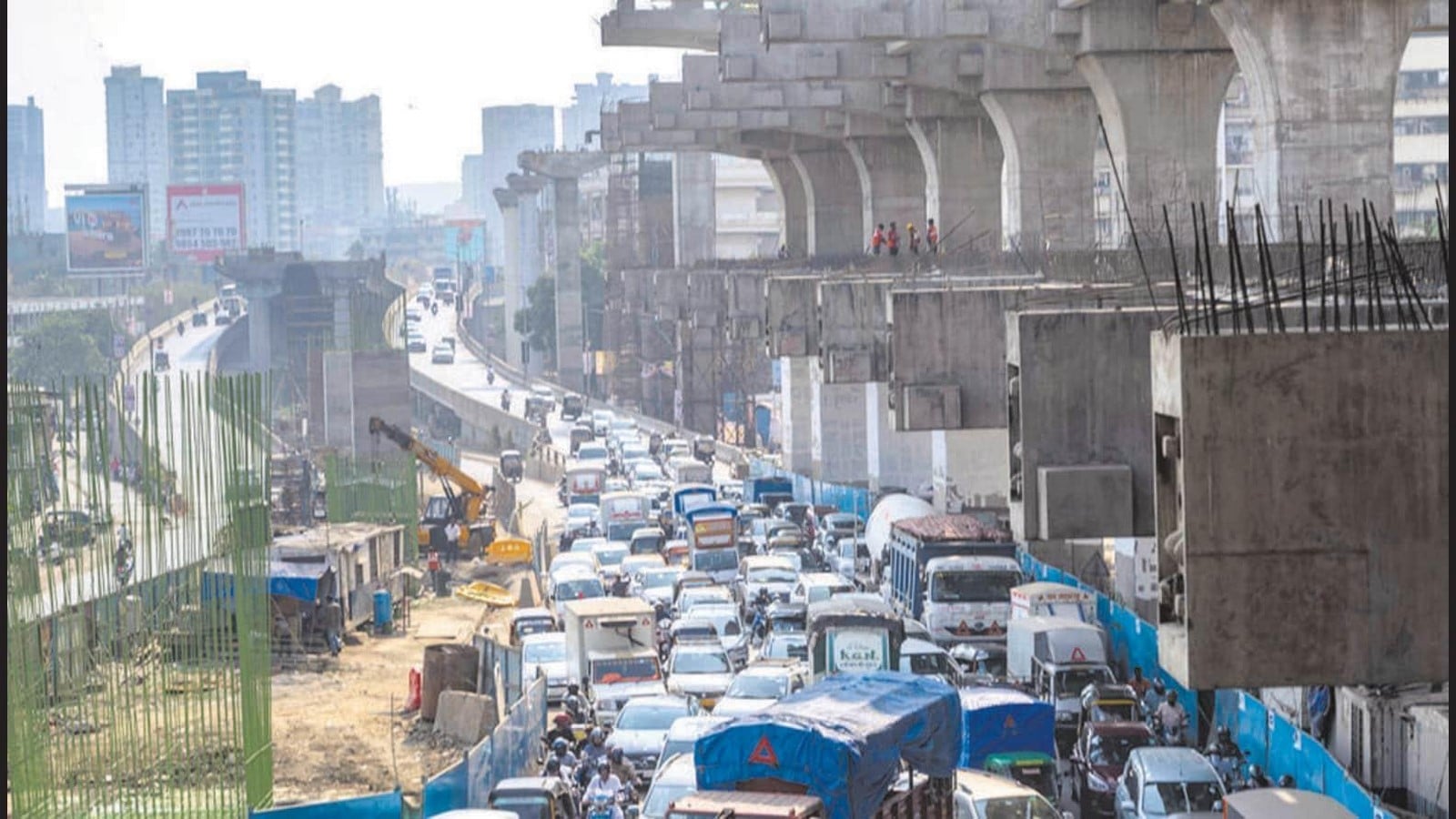
The flyover now connects SV Road in Jogeshwari West with the WEH in the east. Phase two of the project, which connects the flyover to JVLR, is under construction. © Satish Bate HT Photo
Rapid Urbanization and increasing pressure
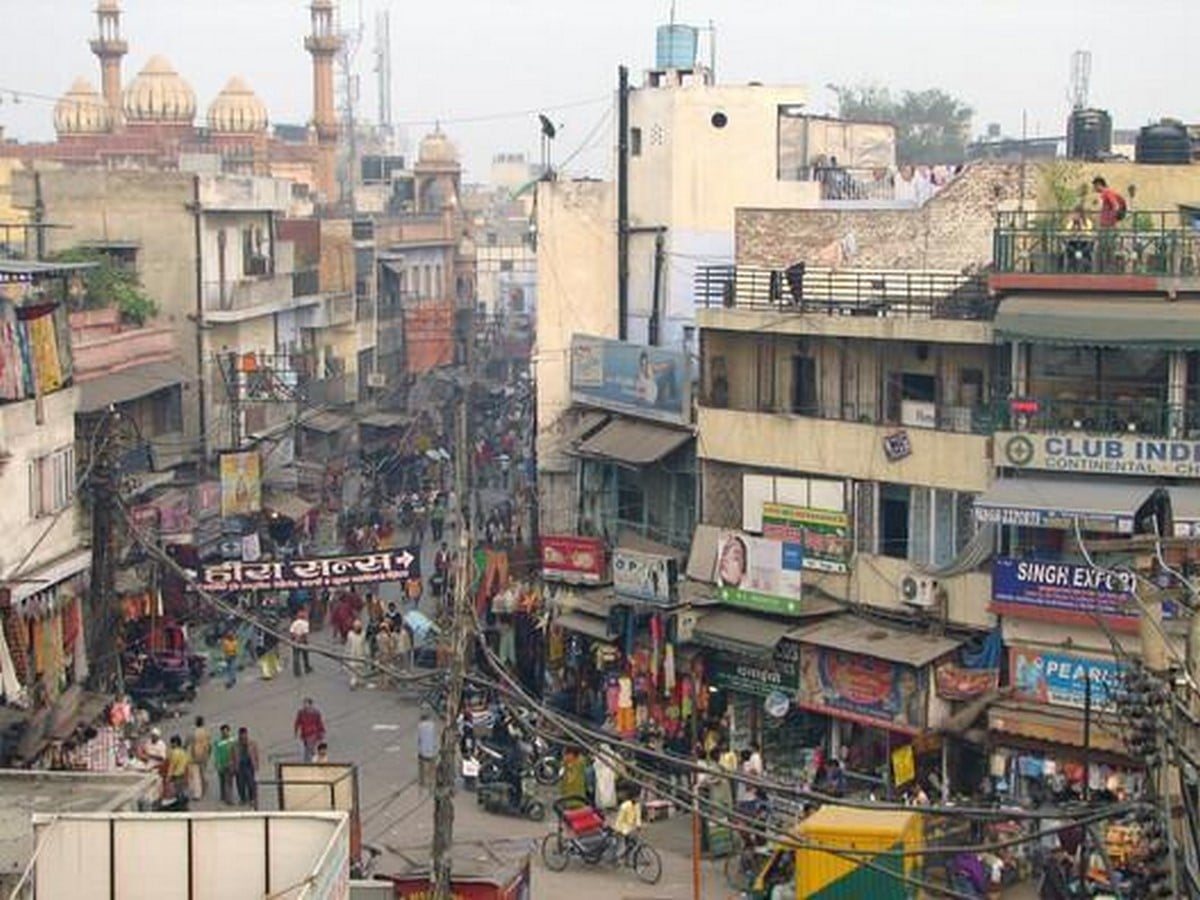
One of the major reasons for cities in India. remain under construction is the speed at which they are growing. Millions of people continue migrating towards urban centres in search of employment, education, and opportunity. As populations increase, the demand for roads, housing, public transport, drainage systems, and utilities also rises rapidly.
According to the World Bank, India’s urban population is expected to grow significantly in the coming decades, placing enormous pressure on already strained infrastructure systems (World Bank, 2020). This rapid urbanisation has put huge pressure on infrastructure. Existing roads, drainage systems, and public transport networks often struggle to accommodate the increasing demand. As a result, cities are forced into continuous cycles of expansion and upgrading, often without the time to balance the phases that come along. Construction, therefore, becomes an ongoing response rather than a planned sequence.
Overlapping Projects and disconnected planning
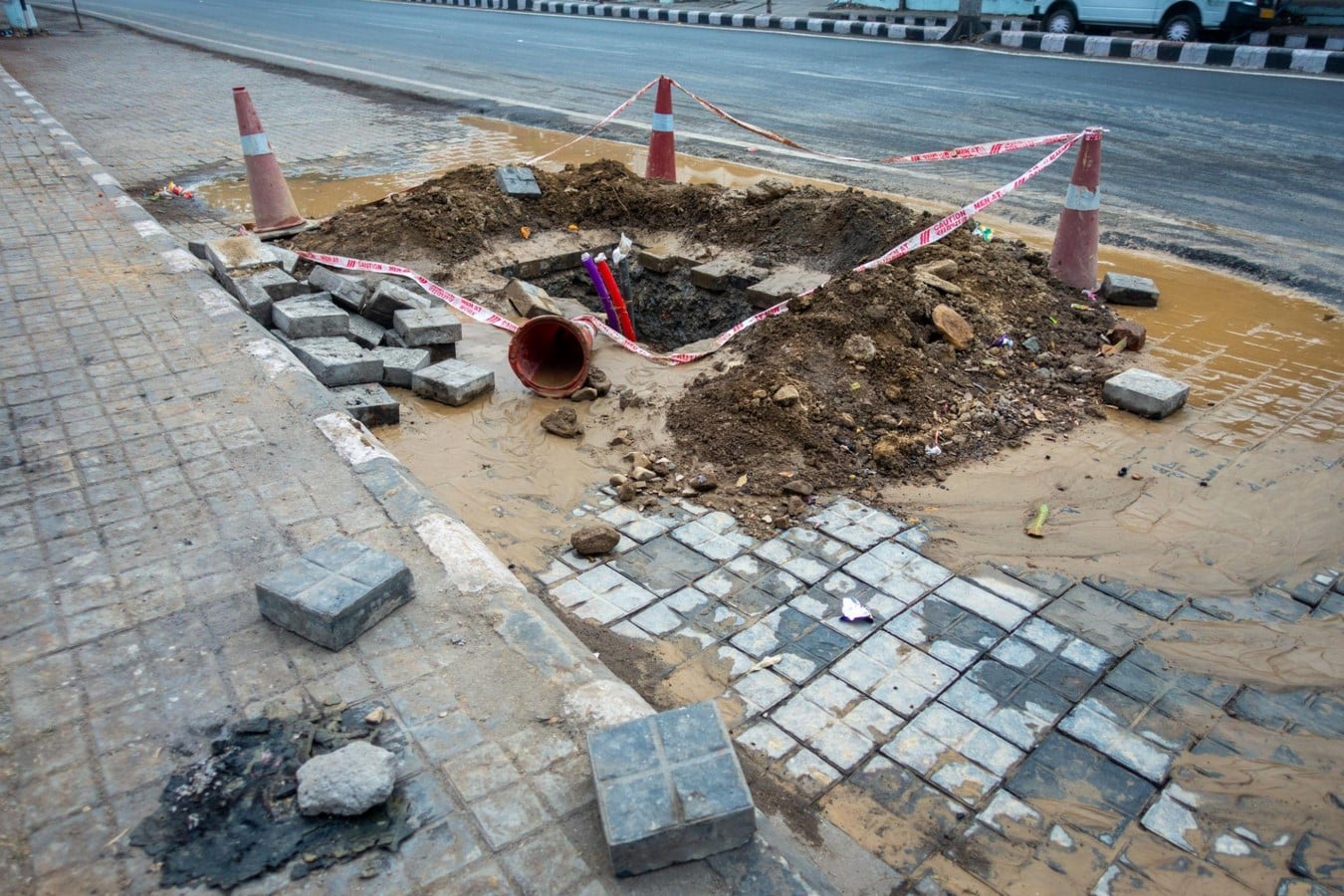
Another factor shaping Indian cities is the fragmented nature of urban planning. Various agencies are often responsible for roads, water supply, electricity, and other developing infrastructure. These systems operate independently, leading to miscommunication and then repeated excavation/reconstruction of the same spaces.
A common frustration in Indian Cities is seeing the same road repaired multiple times within a short period of time. Often, a freshly paved street is dug up again for water pipes, electrical lines, or internet cables. This lack of coordination creates a visible pattern of constant disturbance and maintains the perception that cities are always under construction.
In this sense, urban development in Indian Cities often involves negotiation between existing informal realities and formal planning systems (Roy, 2005).
A City Built in Layers
Unlike planned cities like Chandigarh, Gandhinagar, Noida, and Bhubaneswar, which emerged from a single urban vision, many other cities have developed gradually, merging villages and remote areas over centuries. Historical cores, colonial infrastructure, informal settlements, and modern modifications exist side by side.
This layered growth and change create a complex condition in which new infrastructure must be integrated into already dense urban fabrics. Building a metro line in a crowded city, for example, does not simply involve construction underground. As a result, contemporary infrastructure projects are rarely inserted into empty land; instead, they must negotiate with what already exists.
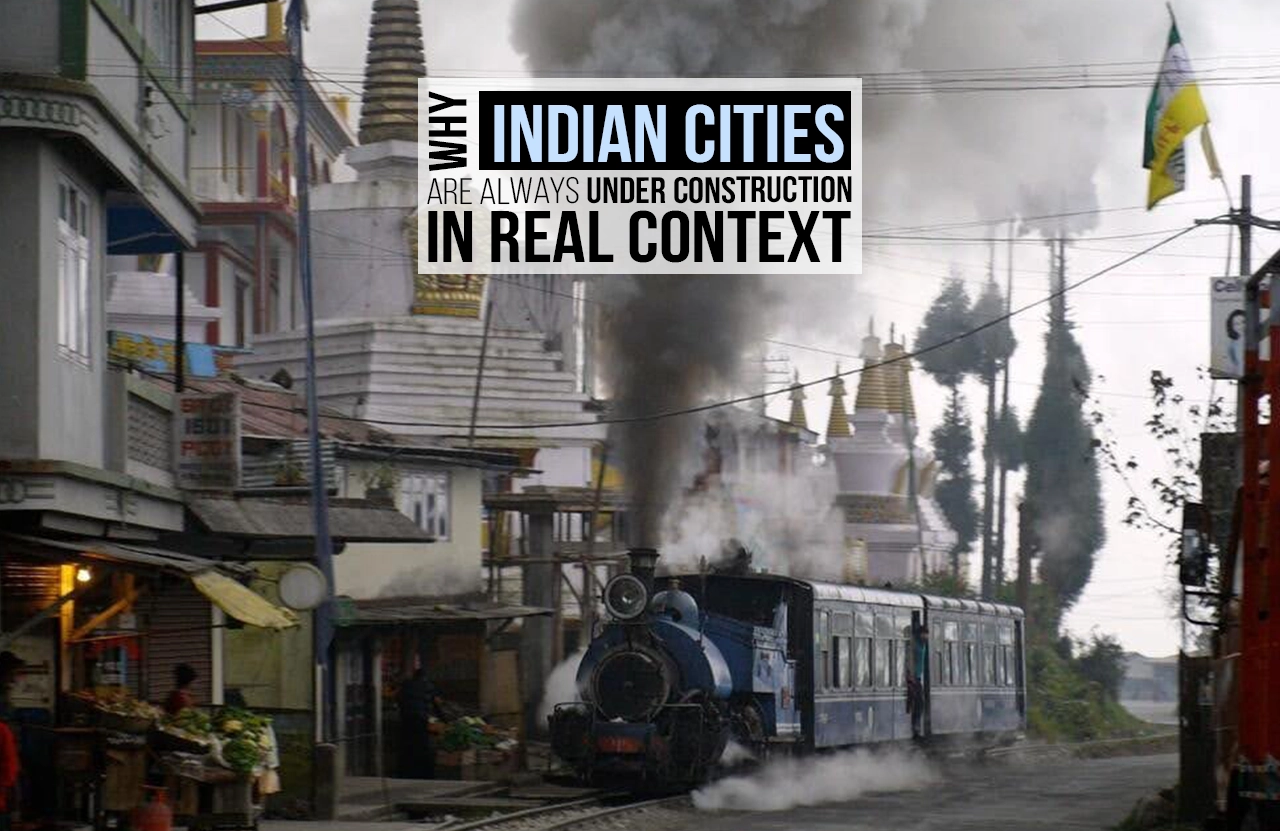
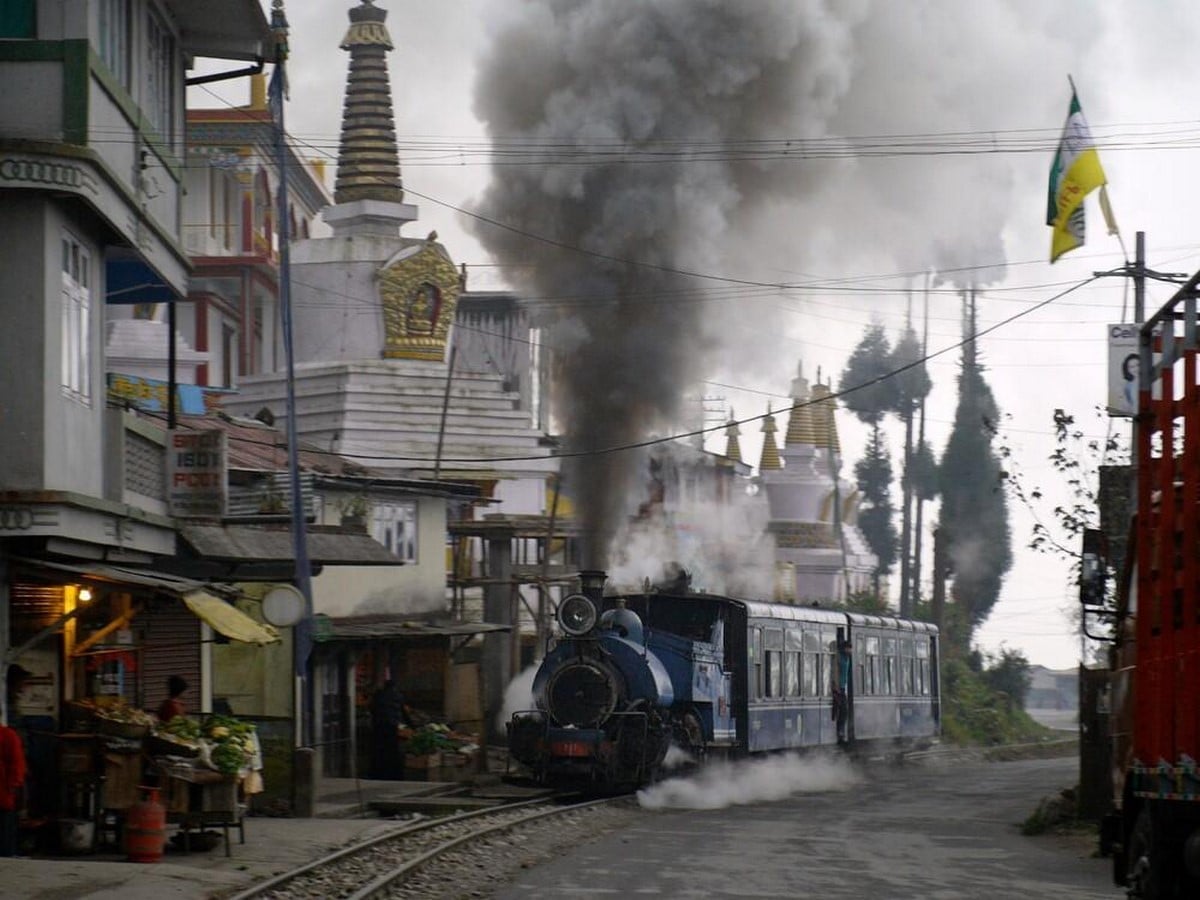
A keen example of this laid condition can be observed in Darjeeling, where narrow colonial-era railway tracks continue to move directly through dense streets, markets, and even pathways. Originally constructed during the British colonial period, the railway still functions within a much more crowded and transformed urban environment. Rather than replacing older systems entirely, Indian Cities often adapt around them, creating overlapping conditions where past and present infrastructures coexist simultaneously.
Construction as a Political Performance
While it may sound cynical to associate constant construction with politics, the reality of many cities worldwide often reflects the relationship. Infrastructure in Indian cities is also deeply connected to politics. Large-scale projects such as highways, bridges, and metro systems are highly visible symbols of development. Because of this, construction often accelerates around election periods, international personnel visits, where visible progress becomes politically valuable, and it sometimes really feels like a performative circus.
However, leadership changes and administrative delays can interrupt these projects midway, sometimes abandoned as well, leaving unfinished structures scattered across the city. Over time, this creates the impression that urban construction never truly ends.
Cities that are never ‘Finished.’
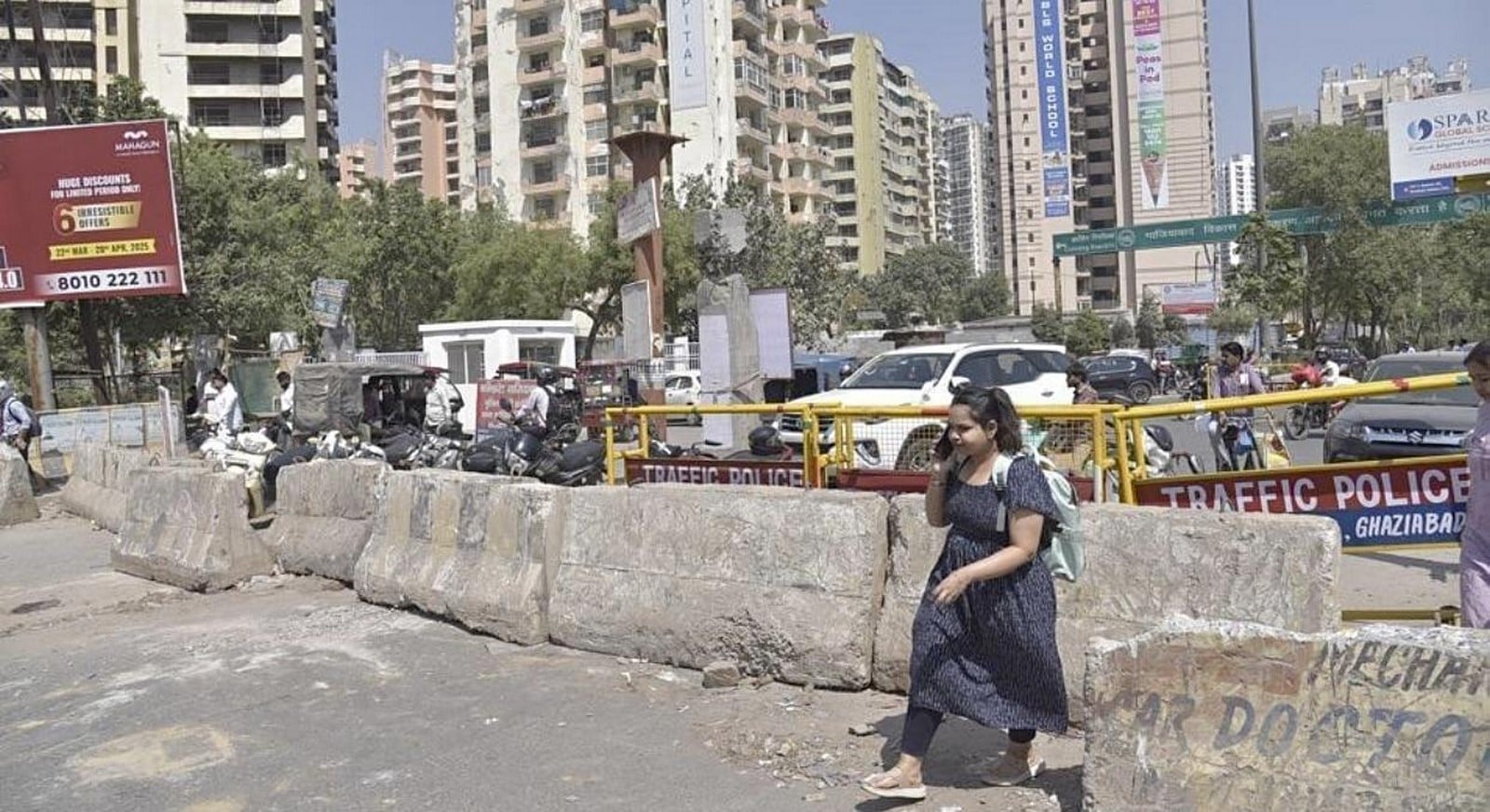
Perhaps the most important idea is that cities are never or merely complete. Urban environments constantly evolve in response to social, economic, and technological changes. In indian cities, this transformation simply becomes more visible because of the scale and intensity of growth. While the process is often criticised, it also reflects a city in transition. Unlike solid urban environments, these cities are constantly negotiating between past structures and future demands.
However, the main challenge lies in how this transformation is managed in the present context. Without coordination and long-term vision, desired development can be chaotic and inefficient. The issue, therefore, is not construction itself, but how it is planned, organised, and executed.
The condition of Indian cities being “always under construction” is the result of multiple overlapping factors such as rapid urbanization, fragmented governance, political performance, and environmental conditions. Indian cities reflect far more than disorder.
While this condition feels exhausting for residents, it also demonstrates that these cities are actively negotiating. Rather than viewing this as a purely negative phenomenon, it can be understood as a sign of growth and adaptation. However, for this strong coordination, integrated planning systems are essential. Only then can construction shift from being a continuous disruption to a meaningful urban transformation.
References:
- World Bank (2020) India’s Urbanisation Review: Fostering Competitive, Sustainable and Inclusive Cities. Washington, DC: World Bank.
- Ministry of Housing and Urban Affairs (2019) Urban Infrastructure in India. New Delhi: Government of India.
- NITI Aayog (2021) Urban Planning Capacity in India. New Delhi: Government of India.
- McKinsey Global Institute (2010) India’s Urban Awakening: Building Inclusive Cities, Sustaining Economic Growth. Available at: https://www.mckinsey.com
- Roy, A. (2005) ‘Urban informality: Toward an epistemology of planning’, Journal of the American Planning Association, 71(2), pp. 147–158.
- UN-Habitat (2016) World Cities Report: Urbanisation and Development. Nairobi: United Nations.
- UNESCO (n.d.) Darjeeling Himalayan Railway. Available at: https://whc.unesco.org/en/list/944/ (Accessed: 21 April 2026).
- Smart Cities Mission (n.d.) Urban Infrastructure Development Projects in India. Available at: https://smartcities.gov.in/
- Hindustan Times (2024). Infrastructure projects and urban transformation in Indian cities. Available at: https://www.hindustantimes.com/