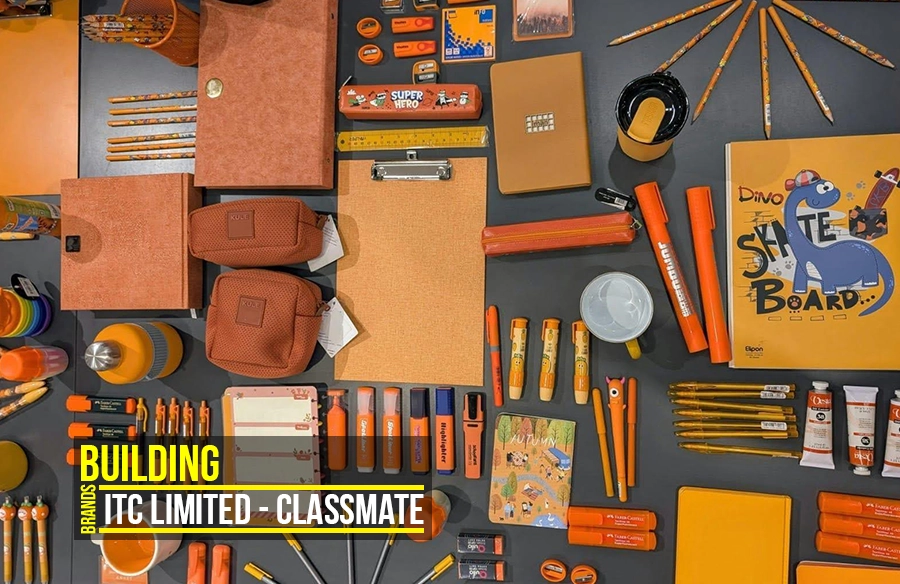
How It All Began

Before India became an independent nation, on 24 August of 1910, ITC Limited had already established its roots in Calcutta (present-day Kolkata) under the name “Imperial Tobacco Company of India Limited”. Initially, ITC operated in the colonial era of British rule.
Starting from a small rented room in the lanes of Kolkata to a multi-billion-dollar enterprise. The company travelled great miles to stand where they do today. A plot of land was purchased at 37, Chowringhee, Kolkata. Marking a significant turning point in their trajectory. The site later became the renowned Virginia House that people adore today as its headquarters.
Original Roadmap & Changes
Originally, ITC had clear intentions of catering to the growing demand for cigarettes in the Indian market. As years went by, ITC mapped the shift in the consumer mentality that came with an independent nation. ITC became aware that if it wished to diversify its business and dip its toes into unfamiliar market space, the mention of tobacco in its name could hinder growth and generate trust issues among the general public in the long run.

ITC took the initiative and changed the name to Indian Tobacco Company in 1970, then to I.T.C. Limited in 1974 and made a final adjustment by removing the name’s acronym in September 2001, introducing ITC Limited as its official name. As the business grew, ITC expanded its wings in the fast-moving consumer goods sector. And eventually entered the education and stationery market in 2003 with Classmate.
A Brand That Became The Standard: Classmate
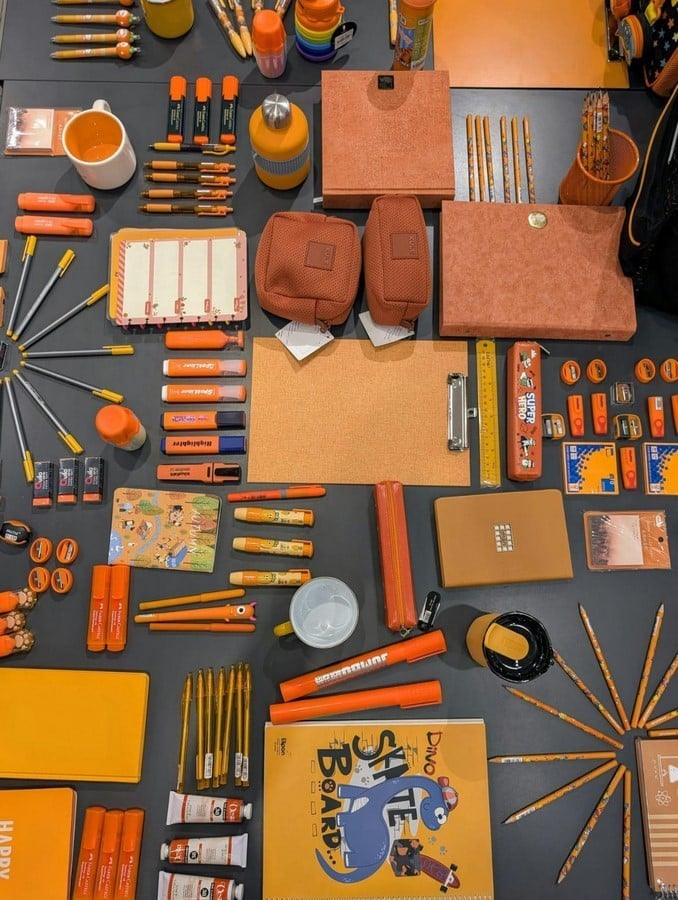
When Classmate was newly introduced to the public, the market was overly saturated with local publishers who collectively competed over the price margin and the number of pages a register had. ITC made one keen observation: the common ground between these publishers began and ended with pricing. They focused on fluctuating prices, increasing the number of pages, and not necessarily the quality of the product. ITC targeted this exact gap in the market; it chose to ditch the common mentality of lowering the price and marketed its products with a different approach.
The Strategy that laid the Foundation for their Success
The brand strategically combined functionality with aesthetics. They offered trust and status, setting a benchmark of their own. Designs and features that allowed students to connect with the product even outside the classroom. The products became a topic of conversation amongst the students. Through this strategy of quality, innovation and product variety, Classmate successfully established itself as a trusted and aspirational brand in India’s stationery market.
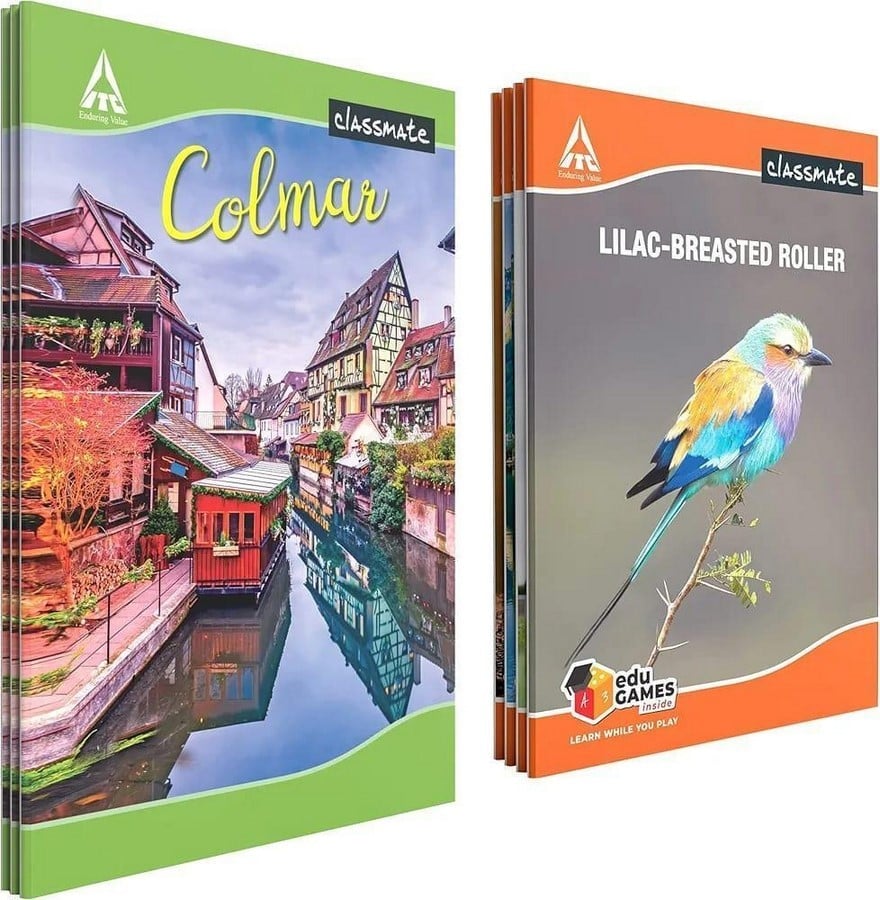
ITC had decided to create a premium experience for its consumers and positioned itself as a strong competitor in the market by transforming ordinary notebooks into better-performing, visually appealing products. The unique covers explored a wide variety of domains that connected with the younger generation. Per se, sports, academics, animal prints and many more. Every notebook had fun facts in the back with multiple trivia puzzles and illustrations.
Sustainability without Compromise

ITC is India’s first eco-friendly manufacturer of Elemental Chlorine Free (ECF) pulp, paper and paperboard. Their afforestation programmes encouraged a more sustainable approach. Unlike traditional low-cost notebooks available in the market, they chose to enhance the overall writing experience for students by providing high-quality, ultra-smooth pages. Classmates paid attention to premium quality, durability, approach, attractive cover designs, and a wide range of notebook variants tailored to the different needs and preferences of every student.
Strengthening Connections: Reputable initiatives

ITC is India’s leading stationery brand. ITC strengthened its foothold in the market by leveraging its distribution network to not only reach major urban bookshops and chains but also smaller towns and rural villages across India. This reach gave Classmate a significant advantage over local competitors that lacked nationwide distribution capabilities.
Alongside its commercial success, the brand built a socially responsible image through various initiatives such as the “Wealth Out of Waste” (WOW) programme, which promoted recycling and spread environmental awareness among students. Additionally, their last pages include a short note, highlighting that a designated portion of surplus and earnings from their sales contributes to supporting underprivileged children across the country.

The brand also launched campaigns such as “Because You Are One of a Kind”, which shifted focus from academic pressure to unique identity, individuality and nurturing the talents of each student. Also, the “Be better than yourself” campaign disregarded toxic comparison, challenged toxic competition and urged students to become better than their previous selves.
Before India became an independent nation, on 24 August of 1910, ITC Limited had already established its roots in Calcutta
In recent years, ITC has adopted digital innovations and presented interactive learning experiences as a part of its products. The brand introduced AR-enabled notebooks, taking it a step further towards a more digitally advanced future. This blend of traditional stationery and advanced technologies made interactions with their stationery more engaging and immersive for the students.

Alongside this, ClassmateShop.com was introduced as a platform that allows students to customise their notebook cover to their own preferences, creativity, and style. This strategy helped Classmate move beyond the tag of a conventional stationery brand. Creating a more personalised, technology-driven consumer experience that allows students to feel more connected to the products they use daily.
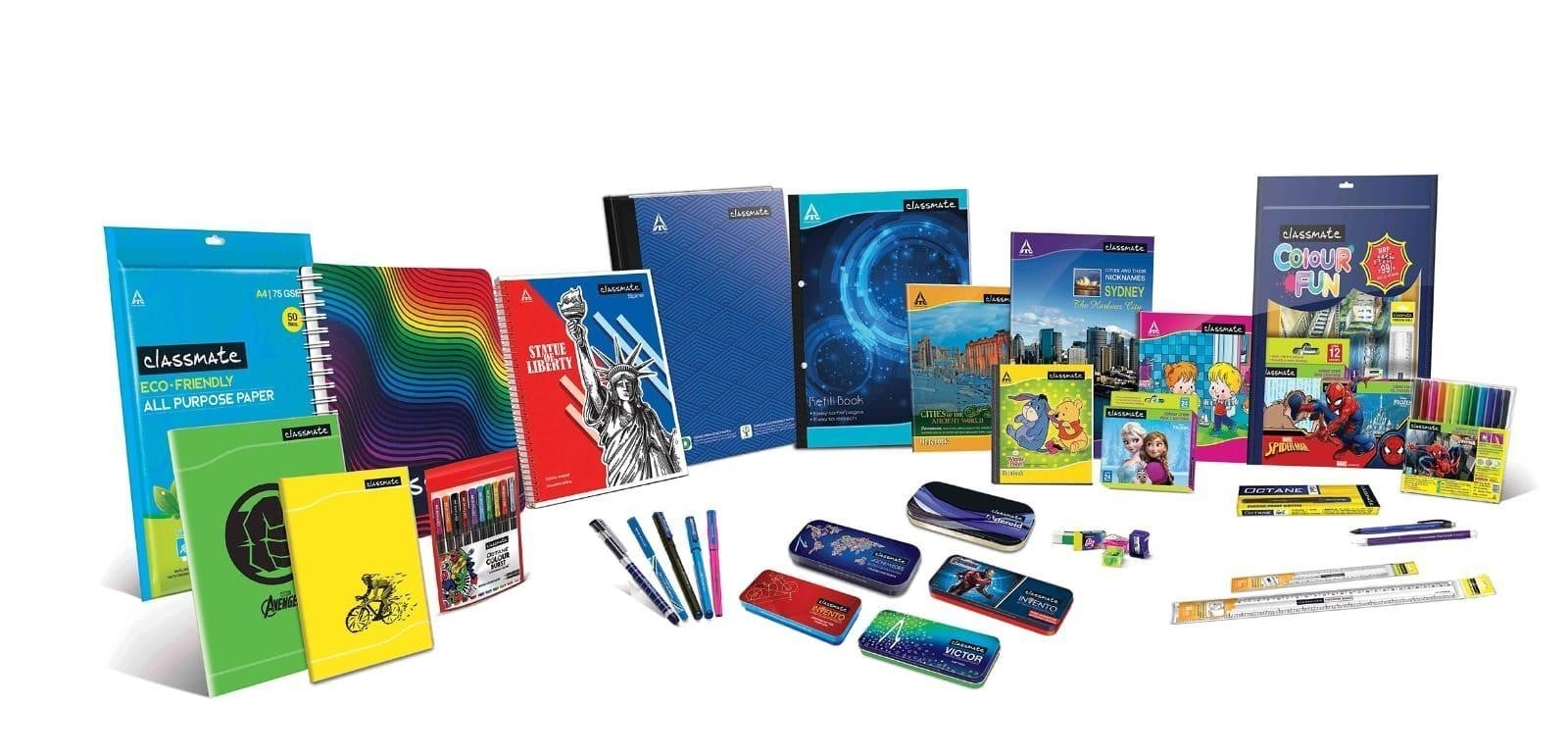
Over the years, Classmate has evolved from being just a notebook brand to a complete stationery experience, with products including writing ballpoint pens, gel pens, roller pens, mechanical pencils, geometry boxes, erasers, sharpeners, rulers and even art supplies: wax crayons, plastic crayons, sketch pens and oil pastels. Making it a one-stop destination for a student’s academic journey. ITC evolved from a tobacco company to a leading manufacturer in the Education and Stationery sector. Not only did the enterprise achieve commendable feats after diversifying, but it also maintained trust and reputation amongst the general public for its quality and consistency. Classmate understood and practised its responsibility towards the environment and social causes as well, one of the many reasons the brand went from being a competitor to becoming the standard it is today.