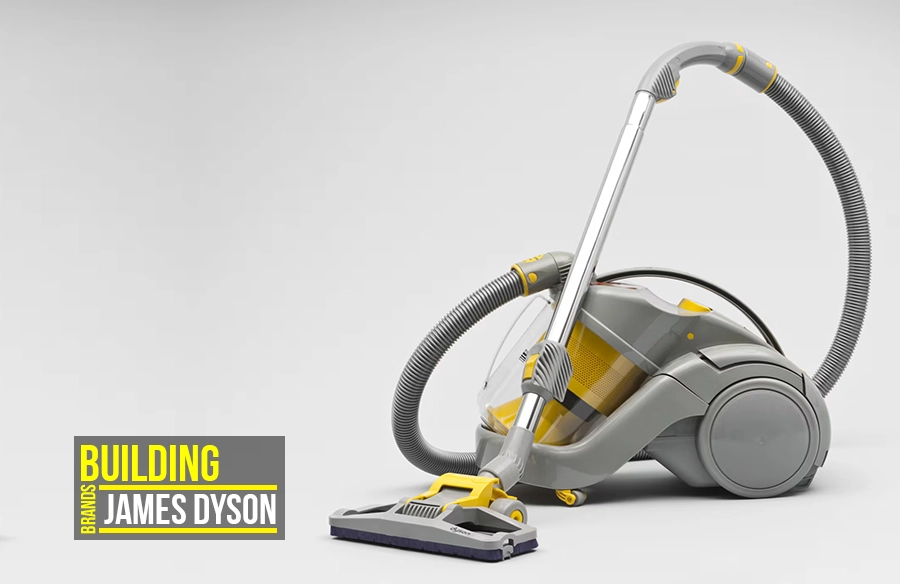
In the modern era, very few brands have been able to transform a household chore into a statement of identity. Inventor, engineer, and entrepreneur, James Dyson, built one of the world’s most recognisable brands through the relentless pursuit of better design. Instead of relying on advertising budgets and celebrity endorsements, Dyson relied on the functionality of his products that would speak for itself. From a single idea born in a small English workshop to a global technology company valued in the billions, James Dyson shows how innovation, philosophy, and bold market positioning can turn an ordinary product category into something extraordinary.
The Origin of the Dyson Brand
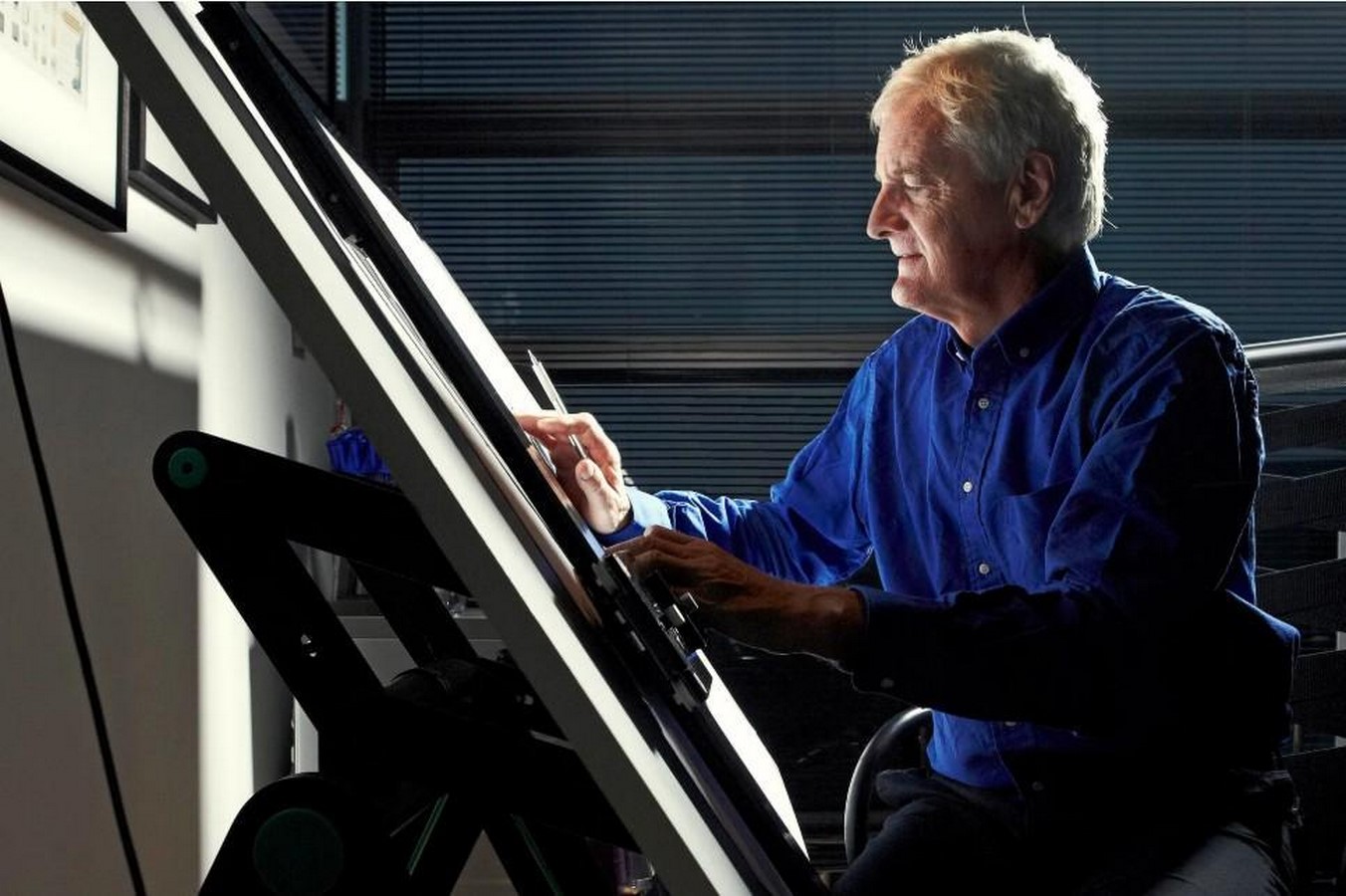
Dyson’s origin is rooted in a moment of personal frustration that could have happened to anybody. Imagine buying a vacuum cleaner which doesn’t work the way you wanted it to. What would you have done? Filed a complaint and moved on, looking for another vacuum cleaner. But not James Dyson. In the late 1970s, when he bought a Hoover vacuum cleaner and noticed that it progressively lost suction as its bag filled with dust, he didn’t go and buy another one. He began investigating the reason behind the problem and found out that the clogged paper bag in the vacuum cleaner was hindering its functionality. Inspired by the industrial cyclone separators he had observed at a sawmill, Dyson began experimenting with cyclonic separation technology in his own workshop. What followed was one of the most cited examples of iterative perseverance in design history: over 5,126 prototypes were built and discarded before Dyson arrived at a working model (Luna, 2024).
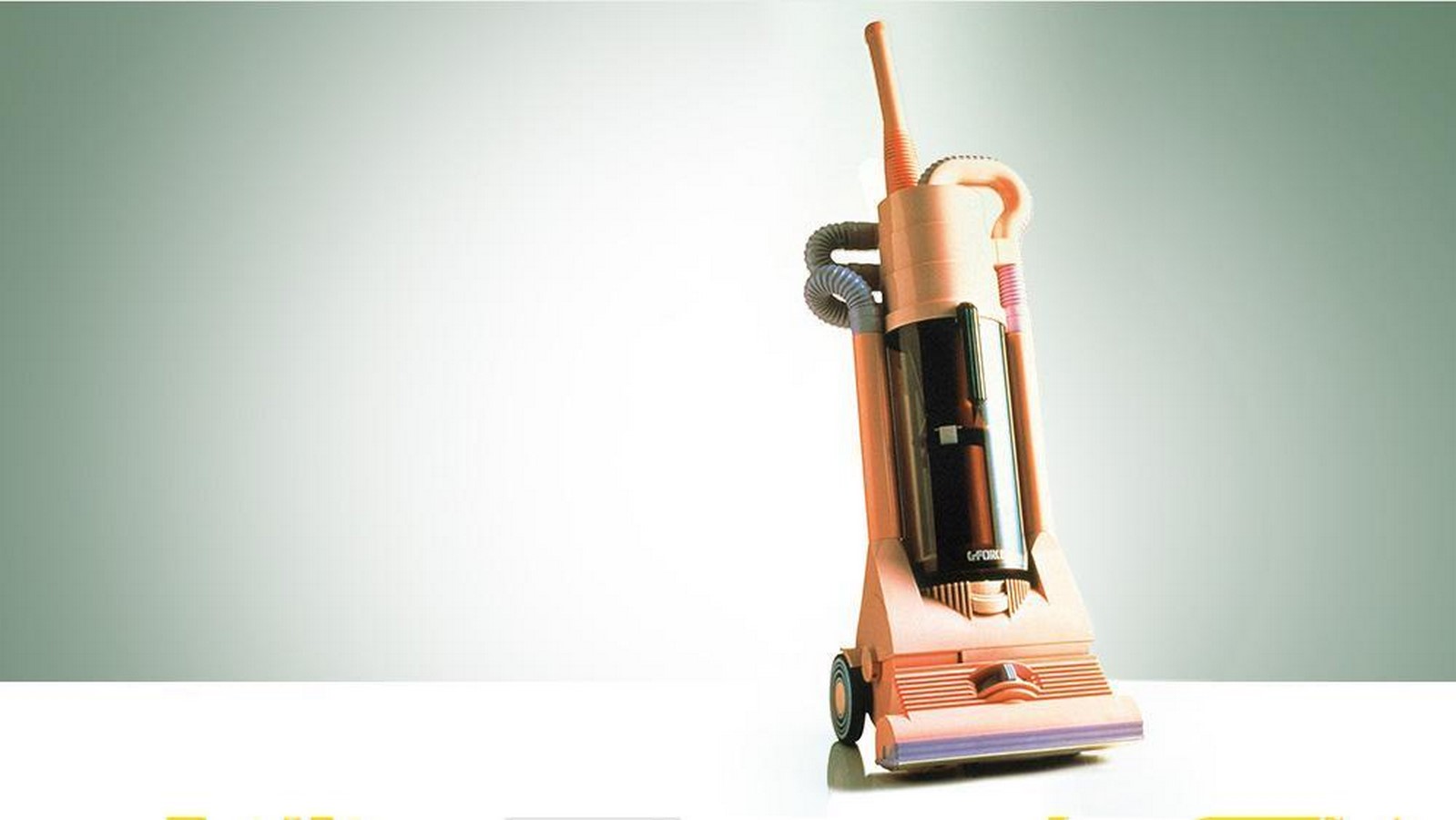
This idea started in Britain but crossed borders over to Japan, where the breakthrough finally came through. In 1983, the G-Force cleaner – a reworked version of Dyson’s Cyclon design – was licensed by Japanese company Apex Ltd and sold for the equivalent of US$2,000, becoming a status symbol in the market. This monumental royalty income from Japan gave James Dyson the financial foundation he needed to explore more design problems and come up with even more prototypes. In 1991, he established Dyson Appliances Limited in Malmesbury, Wiltshire, using the royalty earnings and a personal loan secured against his home. His dream, the Dyson brand, was now officially a company (Alonso, 2024).
The DC01 Enters the Market
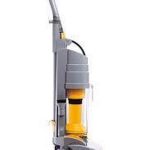
In 1993, Dyson launched the DC01, which was the first vacuum cleaner to carry the Dyson brand in retail. As it was priced at approximately £200, it was significantly more expensive than its competitors, and retailers were hesitant to stock it. The conventional wisdom of the home appliance trade was that consumers bought vacuums on price, not technology. James Dyson disagreed. Rather than reducing the price, he stood behind the product and let its performance speak for itself. His resolution paid off, and within two years, the DC01 had become the best-selling vacuum cleaner in the United Kingdom, outselling brands that had previously dominated the market for decades.
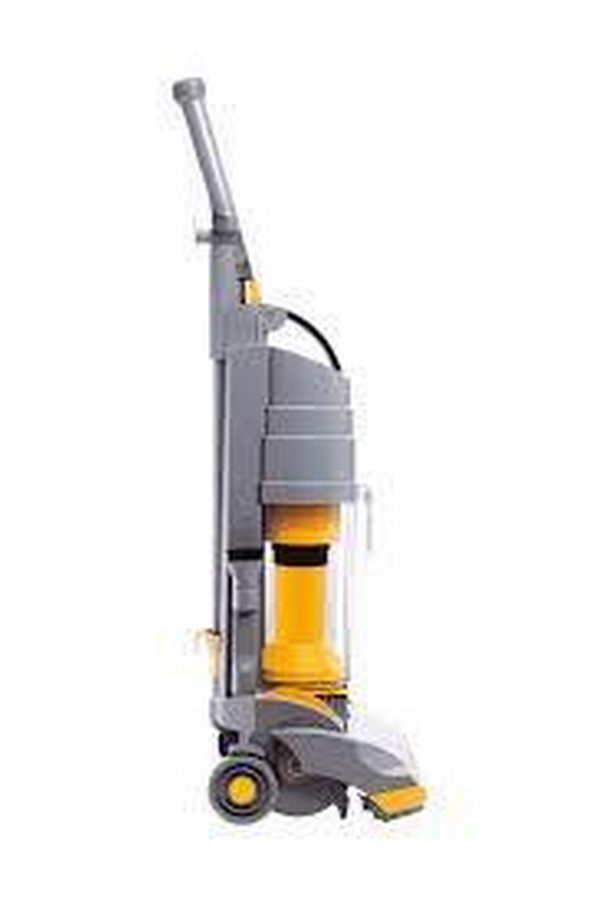
The brand’s slogan, “Say Goodbye to the Bag,” became the most resonant in British advertising. It was simple, provocative, and immediately understood by every consumer who had ever emptied a dusty paper bag (Simoes, 2020). Thus, Dyson’s vacuum cleaners became a replacement rather than an alternative. The brand further cemented its legitimacy when it won a court case against Hoover in 2002. The court found that Hoover had infringed upon Dyson’s patents and ordered the brand to pay £4.2 million in damages. This win was just as important for Dyson as its public acclaim. It showed that the Dyson brand would protect its intellectual property fiercely and that its technological claims were legally defensible (Paolini, 2025).
The Premium Positioning Strategy
James Dyson never compromised on functionality and certainly didn’t reduce prices just so his products could be bought more. He believed that the people would see for themselves the innovation he brought to the market and understand that the price was justified. From the DC01 onwards, Dyson products have consistently sat at the upper end of their respective categories – sometimes at double or triple the cost of comparable competitors. The Dyson V15 Detect vacuum retails at around £750, while the Supersonic hair dryer is priced at approximately £399. Rather than eroding this positioning through seasonal discounts or promotions, the brand maintains strict price integrity across all channels.
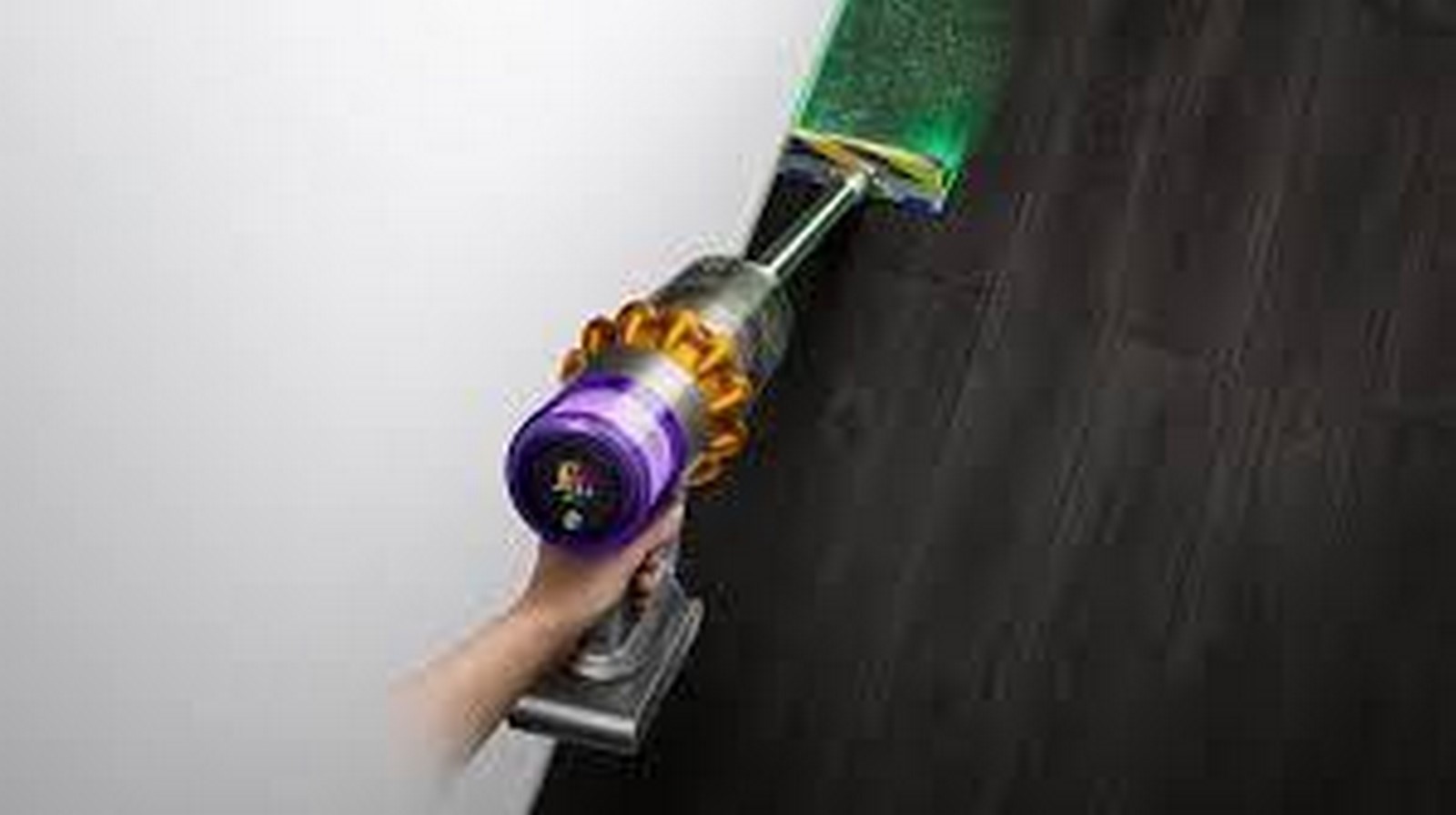
According to Brand Vision’s 2026 marketing analysis, the Dyson model works because premium pricing is tied to visible, testable evidence – not mere brand prestige. Every price point is justified through engineering claims that consumers can evaluate themselves, whether in a Dyson Demo store or through detailed product specifications online. The direct-to-consumer model, operated through Dyson’s website and its network of experience-led Demo stores, ensures the brand controls everything between discovery and purchase. Customers are not sold to; they are educated (Nemirovsky, 2026).
Diversifying the Brand
James Dyson knew that his brand needed to expand to other household appliances as well. Starting from the vacuum cleaners, Dyson expanded its horizons, and by the mid 2000s, it started developing beauty and household appliances. In 2006, Dyson introduced the Airblade Hand Dryer, capable of drying hands in approximately ten seconds. It rapidly became a fixture in airports and commercial spaces worldwide. In 2009, Dyson launched the Air Multiplier, a fan with no external blades, which became as much a design object as a functional appliance. The design philosophy behind these products remained the same: identify something broken about an existing product, then engineer a better version of it.
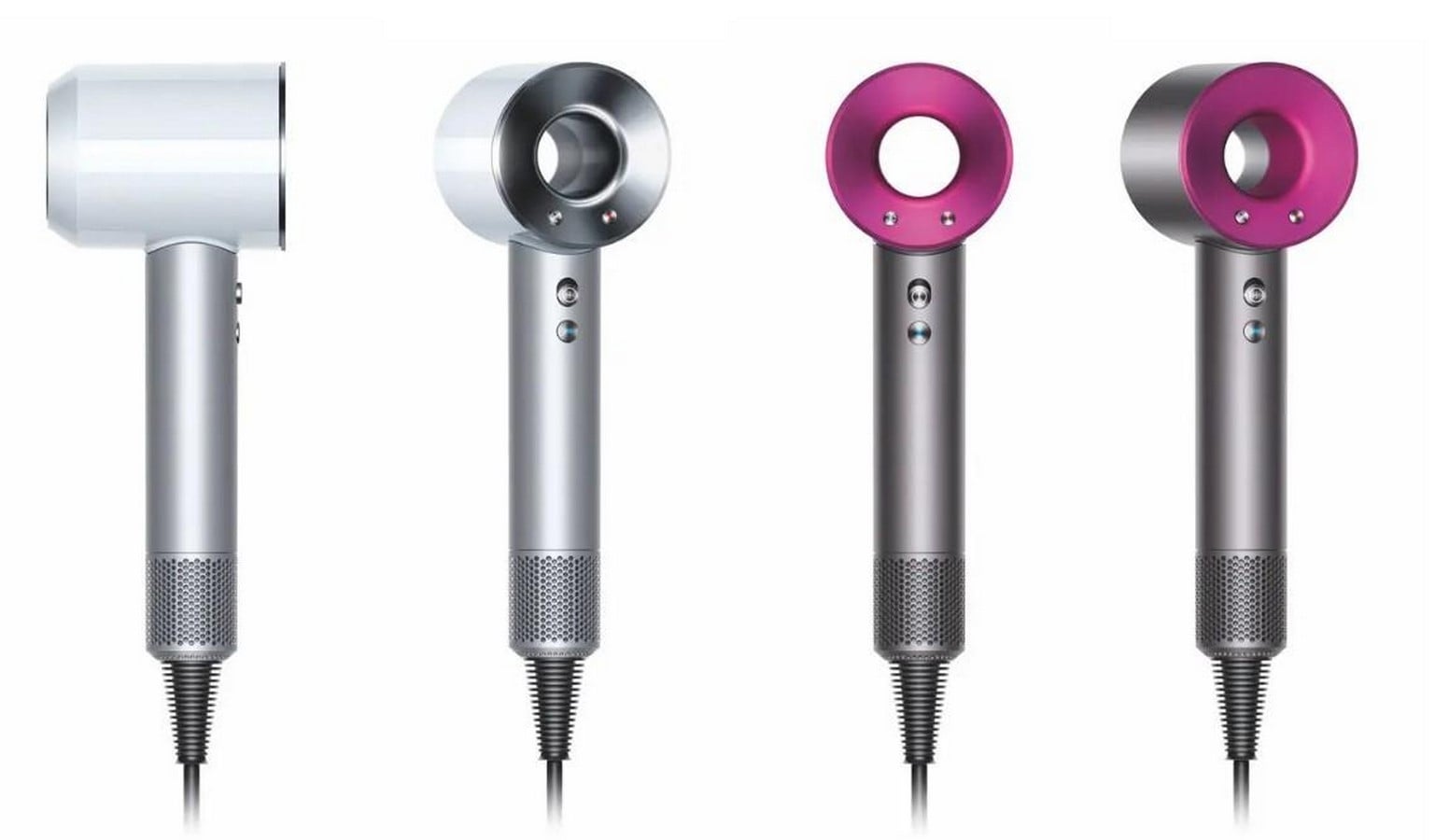
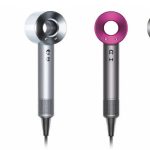
The most significant diversification came with the Dyson Supersonic hair dryer, launched in 2016, and the Airwrap multi-styler, which followed in 2018. These products marked the brand’s entry into the beauty industry. Dyson framed the Airwrap as a technological solution to heat damage. Marketing analysts describe the social media campaign driven by influencer tutorials and dramatic hair transformation content as one of the most effective product launches in its category. In China, the Supersonic’s 24-carat gold edition became a status product, demonstrating how far the brand had stretched without losing coherence (GroCurv, 2020).
Failures the Brand Learned From
For a brand like Dyson, whose key to success is failure, no honest account can ignore the failures the brand itself experienced, which ended up shaping it. In 2000, Dyson launched the ContraRotator washing machine – a product with two counter-rotating drums intended to wash more effectively. Despite its ingenuity, the machine was priced below the cost of production, and it was discontinued in 2005 after failing to generate a profit (Shastri, 2023). Another prominent failure was the cancellation of the Dyson Electric Vehicle project in 2019. Despite investing over £500 million and developing a working prototype, James Dyson concluded that the project was not commercially viable and pulled the plug weeks before production was due (Alonso, 2024).
Instead of succumbing to these failures, Dyson framed them as consistent with the brand’s culture of risk-taking – a refusal to continue something that would not serve customers well, regardless of sunk costs. Another controversy linked to James Dyson was relocating its corporate headquarters from Wiltshire to Singapore, which received public backlash in the UK. Being a prominent public advocate for Brexit, James Dyson was accused of hypocrisy as he moved his company’s base offshore shortly after campaigning for British sovereignty. However, the company maintained that its growing Asian customer base and manufacturing operations resulted in the move and that no UK jobs would be lost (SBSAustralia, 2019).
Adapting to the Times
Despite failures and controversy, Dyson has maintained its brand through adapting to the times. Recently, it has pivoted towards technologies that would fuel the next decade. Investment from the cancelled electric vehicle project has been redirected towards solid-state battery technology, artificial intelligence, robotics, and machine learning – all of which Dyson sees as foundational to the next generation of its products (Alonso, 2024). A £100 million technology centre in Bristol dedicated to AI and software development has been announced, and Dyson’s robot vacuum range continues to evolve, with the 360 Vis Nav launched in 2023 and the Spot+Scrub Ai in 2025.
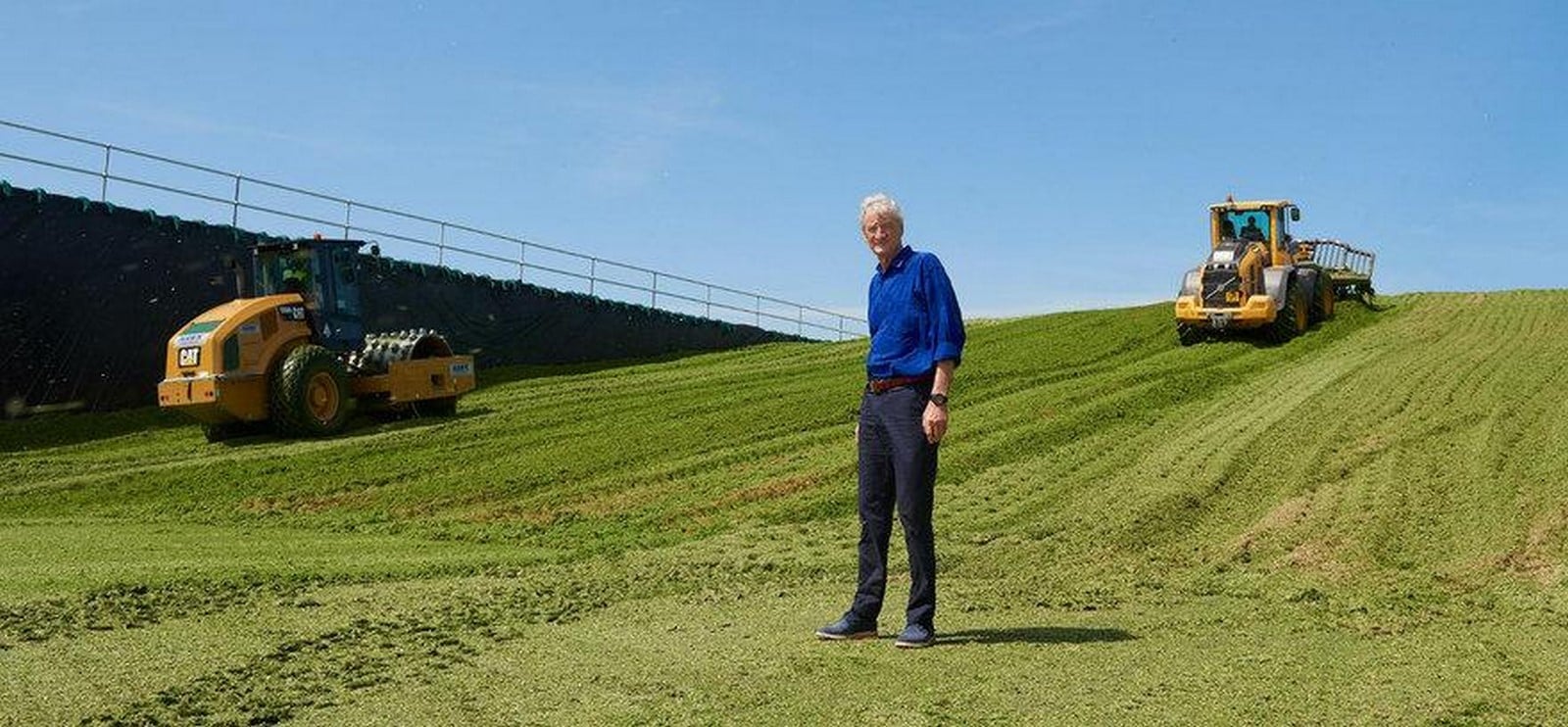
Sustainability has also become an increasingly visible pillar of the brand. Dyson Farming introduced a 15-acre glasshouse in Lincolnshire in 2023, powered by renewable energy and capable of producing 750 tonnes of strawberries per year. This is a visible commitment to reducing the environmental impact of food production. Meanwhile, the James Dyson Foundation has donated more than £145 million to support engineering education and healthcare, and the Dyson Institute of Engineering and Technology, opened in 2017, continues to train the next generation of engineers on Dyson’s own campus (Alonso, 2024). Thus, the brand continues to give back to the community through training, exploring sustainable ventures, and remaining a prominent name in the innovation industry.
In conclusion, James Dyson knew that his brand’s success depended on engineering trends rather than following them. From the DC01 to the Airwrap, from bladeless fans to AI-driven robotics, every chapter of this brand’s story has been written around a single conviction: that better design, backed by genuine engineering, will always find a market. As James Dyson himself once put it: the key to success is failure. Thirty years after a retailer hesitated to stock a £200 vacuum cleaner, that philosophy continues to build one of the most distinctive brands in the world.
References:
Alonso, T. (2024). Strategy Study: How Dyson’s Innovation Became Its Key To Success. [online] Cascade. Available at: https://www.cascade.app/studies/dyson-strategy-study.
Dalton, S. (2024). Sunday Times Rich List 2024 sees fall for Sir James Dyson. [online] Salisbury Journal. Available at: https://www.salisburyjournal.co.uk/news/24327351.sunday-times-rich-list-2024-sees-fall-sir-james-dyson/.
Dyson (2024). James Dyson. [online] Dyson.com. Available at: https://www.dyson.com/james-dyson.
Forbes (2019). James Dyson. Forbes. [online] Available at: https://www.forbes.com/profile/james-dyson/.
Fuso, L. (2021). A brand story about the success of Dyson. [online] DesignWanted. Available at: https://designwanted.com/design-icon-dyson/.
GroCurv (2020). How Dyson Nails Its Marketing Strategy | GroCurv blog. [online] grocurv.com. Available at: https://grocurv.com/blog/2019/11/28/how-dyson-nails-its-marketing-strategy/.
Luna, W. (2024). James Dyson’s Story: From 5126 Failures to a Billion-Dollar Innovation | Leadership Story. [online] Wilson Luna. Available at: https://www.wilsonluna.com/post/james-dyson-story-leadership-story.
Nemirovsky, D. (2026). Dyson Marketing Strategy in 2026: A Case Study in Premium Engineering. [online] Brand Vision Insights. Available at: https://www.brandvm.com/post/dyson-marketing-strategy.
Noe, R. (2025). James Dyson is Revolutionizing Sustainable Agriculture. [online] Core77. Available at: https://www.core77.com/posts/137666/James-Dyson-is-Revolutionizing-Sustainable-Agriculture.
Paolini, E. (2025). Dyson Company History: Innovation and Growth Over Decades. [online] iHomeRank. Available at: https://www.ihomerank.com/article/dyson-company-history.
SBSAustralia (2019). Outspoken Brexiter Sir James Dyson to drop British company HQ for Singapore. [online] SBS News. Available at: https://www.sbs.com.au/news/article/outspoken-brexiter-sir-james-dyson-to-drop-british-company-hq-for-singapore/m4vxl4nqx [Accessed 4 May 2026].
Shastri, A. (2023). Elaborated SWOT Analysis of Dyson | IIDE. [online] IIDE. Available at: https://iide.co/case-studies/swot-analysis-of-dyson/.
Simoes, E. (2020). James Dyson, British inventor, industrial designer and founder of Dyson Ltd. [online] DesignWanted. Available at: https://designwanted.com/james-dyson-inventor-industrial-designer/.
WIRED Staff (2012). How James Dyson Makes the Ordinary Extraordinary. [online] WIRED. Available at: https://www.wired.com/2012/11/mf-james-dyson/.