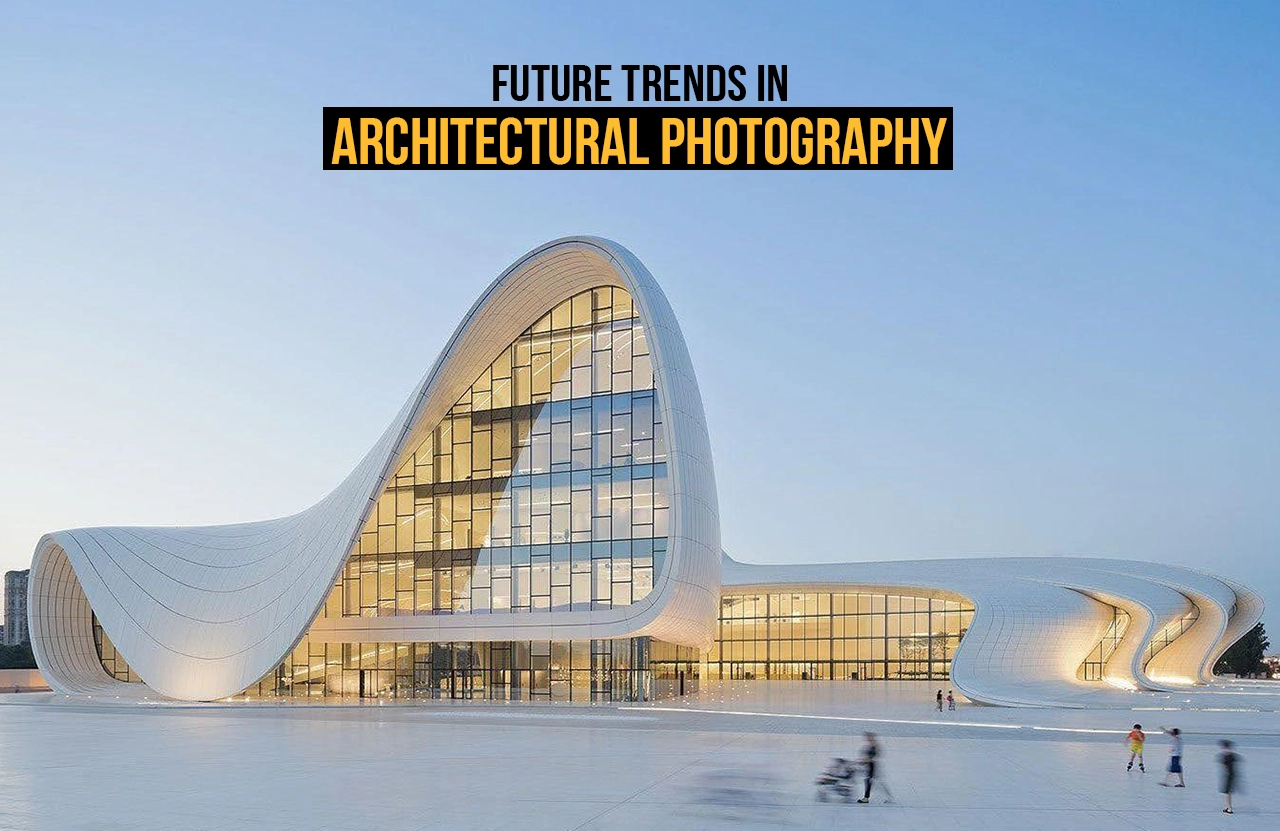
Architectural Photography is rapidly evolving from a tool of documentation into a medium of storytelling, experience, and interpretation. As architecture responds to technological advancements, environmental concerns, and changing human needs, Architectural Photography is also adapting and embracing innovation while redefining how spaces are visually communicated. The future lies in the convergence of technology, human experience, and environmental awareness.
Technology and Immersive Visualisation
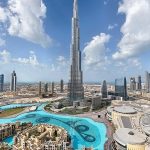
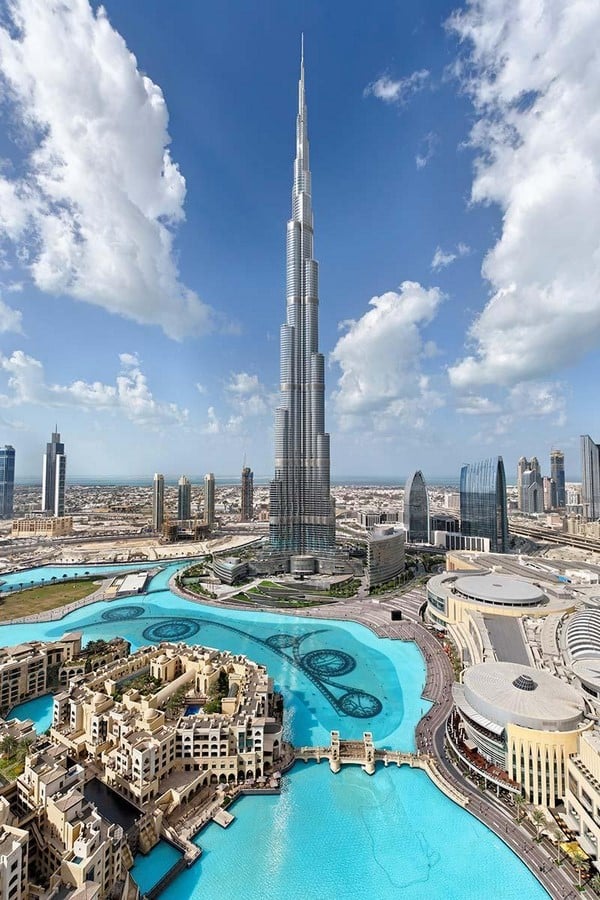
One of the most significant transformations in Architectural Photography is driven by the integration of advanced technologies. Tools such as drones, artificial intelligence, and digital visualization techniques are expanding the scope of how architecture is captured and presented. Drone photography, for instance, has introduced aerial perspectives that reveal buildings within their larger urban and environmental context, allowing viewers to understand spatial relationships more clearly. This can be seen in the visual documentation of Burj Khalifa, where aerial imagery captures not just the structure but its relationship with the surrounding cityscape, emphasizing scale and density.
Artificial intelligence is also reshaping post-production processes by enabling faster image enhancement, correction, and even assistance on various elements. While these tools improve efficiency, the role of the photographer remains essential in maintaining authenticity and creative intent. Technology, in this sense, acts as an aid rather than a replacement.
Beyond image production, immersive technologies such as virtual reality and 360-degree photography are redefining viewer engagement. Platforms like Matterport allow users to navigate architectural spaces through virtual walkthroughs, offering an interactive experience that goes beyond static imagery. This shift reflects broader changes in architecture itself, where experiential design is becoming central. As a result, Architectural Photography is no longer just about capturing how a building looks, but also about conveying how it feels to inhabit.
Human-Centred and Experiential Storytelling
A key trend shaping the future of Architectural Photography is the growing emphasis on human-centred narratives. Traditionally, architectural images focused on form, structure, and aesthetics, often excluding people to maintain visual clarity. However, contemporary approaches are increasingly incorporating human presence to create more relatable and engaging compositions.
A strong example of this approach can be seen in the work of Iwan Baan, whose photography captures how people interact with spaces in everyday life. His images focus on lived experiences rather than just architectural form, transforming buildings into active, inhabited environments. This method adds narrative depth and emotional connection, making the imagery more meaningful.
Including people within architectural frames introduces scale, movement, and realism. In addition to human presence, photographers are focusing on capturing the atmosphere and how light interacts with materials, how shadows shift throughout the day, and how spaces evolve over time. These elements contribute to a deeper level of representation of architecture, allowing viewers to connect with spaces on an emotional level.
This shift toward storytelling marks a significant departure from purely technical documentation. Architectural Photography is increasingly being used to communicate narratives about how spaces function and how they influence human behavior.
Sustainability and Contextual Representation
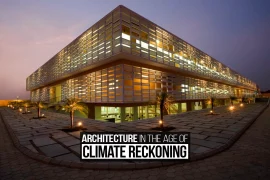
Sustainability has become a defining theme in both architecture and its photographic representation. As environmental concerns continue to shape design practices, Architectural Photography is also adapting to highlight these aspects. Photographers are now focusing on elements such as natural lighting, energy-efficient materials, and the integration of buildings with their natural surroundings.
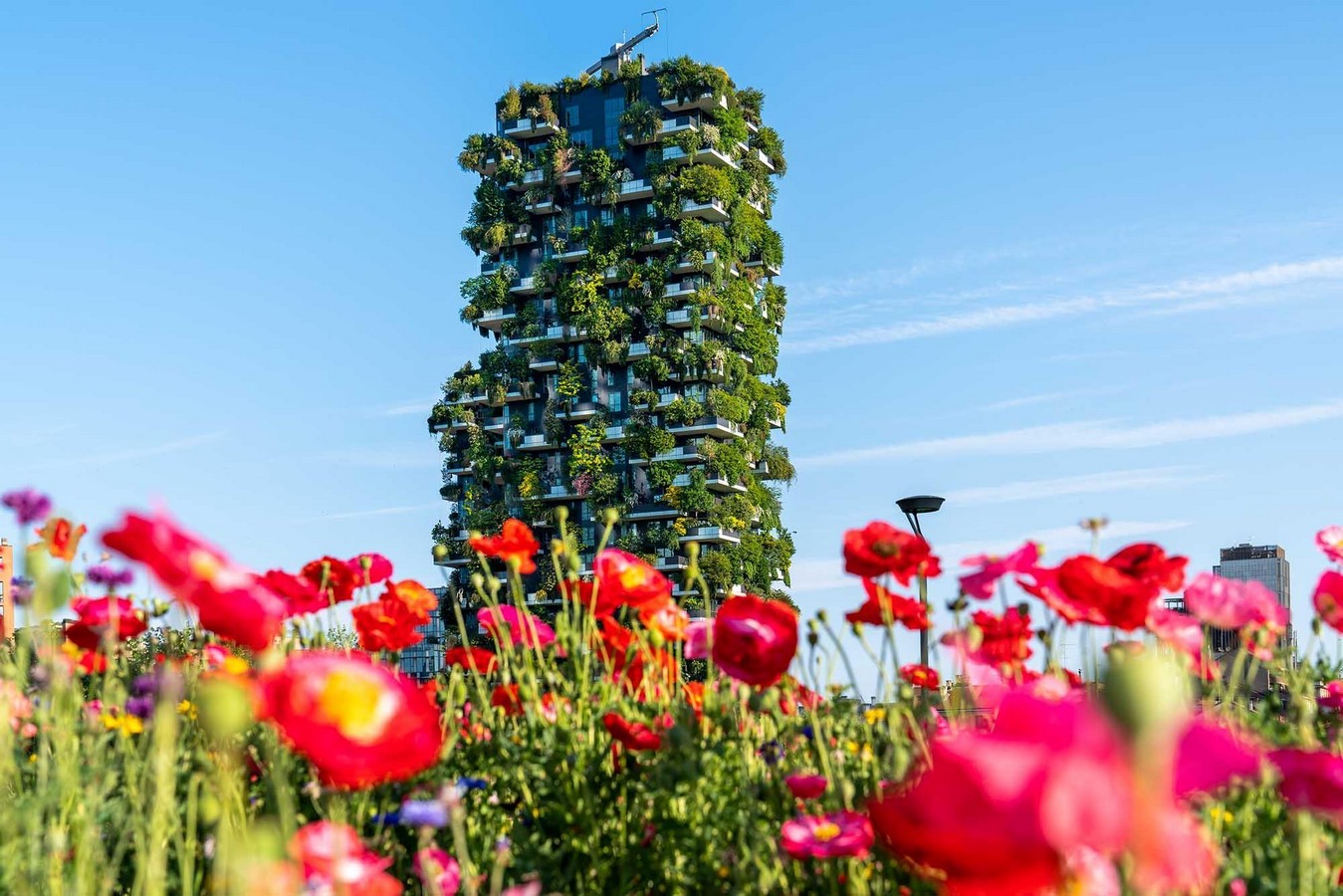
An example of this can be seen in projects like Bosco Verticale in Milan, where photography emphasizes the building’s green façade and its relationship with nature. Such images highlight how architecture can coexist with the environment rather than dominate it, reinforcing sustainable design principles.
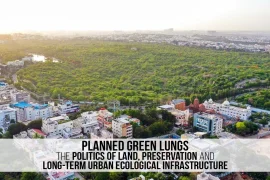
Rather than isolating structures, there is a growing emphasis on contextual representation. Buildings are photographed as part of larger ecological and urban systems, emphasizing their relationship with landscapes, climates, and communities. This approach reflects a shift from object-based representation to a more holistic understanding of architecture.
Furthermore, urban context is becoming increasingly important. Architectural Photography is now used to document how buildings contribute to the character and function of cities. By including surrounding infrastructure, public spaces, and patterns of movement, photographers provide a more comprehensive view of how architecture operates within a larger system.
Evolving Aesthetics and Digital Influence
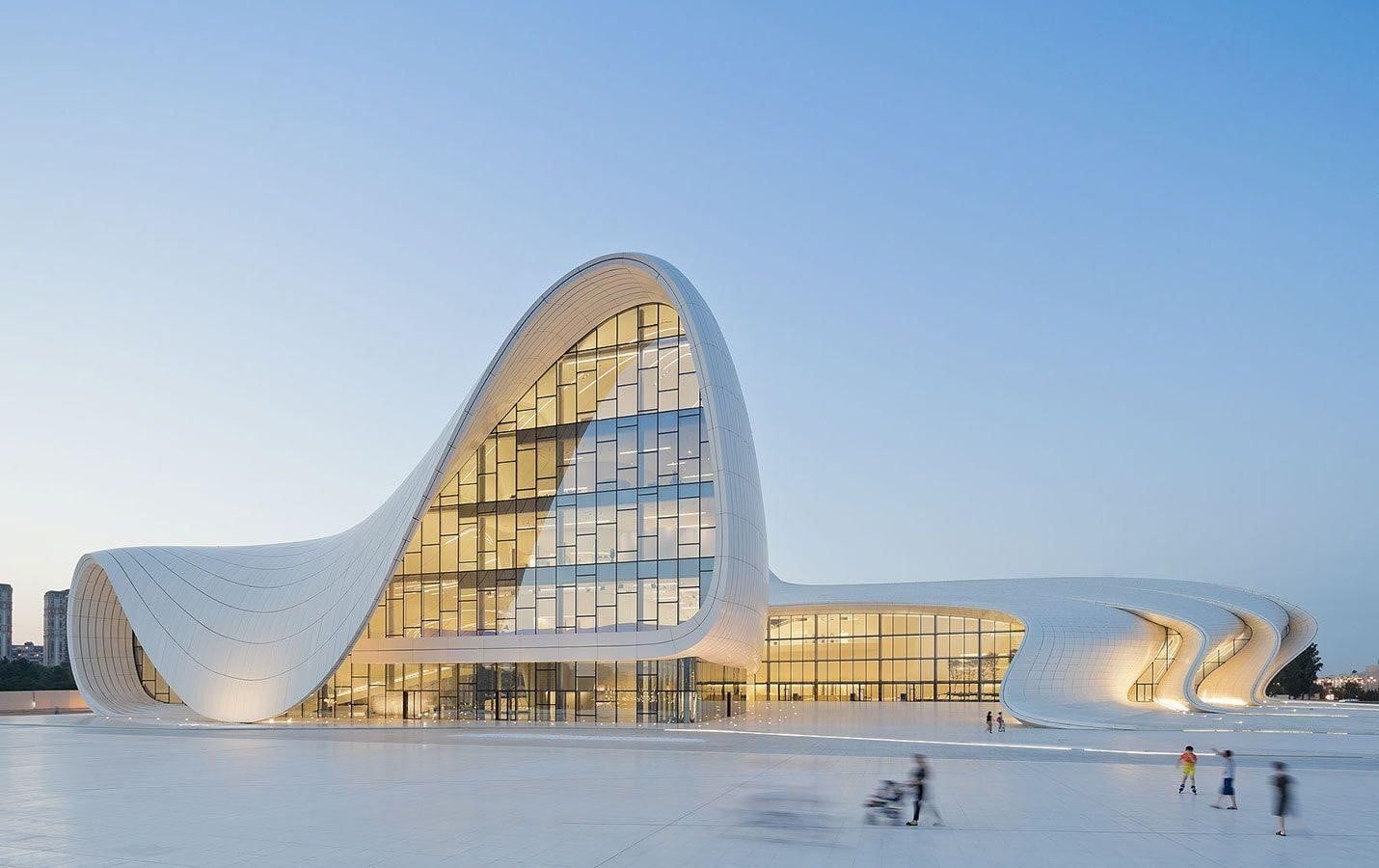
The visual language of Architectural Photography is also undergoing significant changes. Minimalism continues to be a dominant aesthetic, characterized by clean compositions, strong geometries, and controlled use of light and shadow. However, it is evolving into a more refined approach that balances simplicity with emotional depth.
Photographers are now combining minimal compositions with subtle textures, material richness, and human presence to create images that are both visually striking and emotionally engaging. The use of negative space and careful framing helps emphasize architectural form while maintaining clarity and focus.
At the same time, digital platforms and social media are playing a crucial role in shaping contemporary visual trends. Images are often designed for quick consumption on screens, leading to compositions that prioritize strong visual impact. Bold perspectives, dynamic angles, and high contrast are increasingly common.
However, this digital influence has also created a demand for authenticity. Audiences are becoming more critical of overly edited or unrealistic images, encouraging photographers to maintain a balance between enhancement and truthful representation.
The future of Architectural Photography is defined by integrating technology, experiences, sustainability, and evolving aesthetics. It is no longer just about capturing buildings, but about communicating the full narrative of space, including its users, environment, and purpose.
As architecture continues to evolve, Architectural Photography will play a crucial role in shaping how we perceive and understand the built environment. By combining innovation with authenticity, it will continue to transform from a representational tool into a powerful medium of storytelling and exploration.
REFERENCES:
- Baan, I., 2019. Living architecture: Photography and the inhabited city. Baden: Lars Müller Publishers.
- ArchDaily, 2023. The role of architectural photography in contemporary practice. Available at: https://www.archdaily.com (Accessed: 28 April 2026).
- World Green Building Council, 2022. The future of sustainable buildings. Available at: https://www.worldgbc.org (Accessed: 29 April 2026).
- Dezeen, 2024. How photography is shaping the perception of architecture. Available at: https://www.dezeen.com (Accessed: 28 April 2026).